
Common Scams in China & How to Avoid
Common Scams in China & How to Avoid: 2026 guide covers current prices, transport, payment apps, and what foreign visitors need to know.

Common Scams in China & How to Avoid: The Complete 2026 Guide
I was standing on the corner of Wangfujing Street in Beijing, rain dripping off my glasses, when a well-dressed Chinese man approached me with a concerned look. “Excuse me, I need help,” he said in perfect English. “My brother is in the hospital and I need cash for medicine. Can you help me? I’ll repay you through my foreign company tomorrow.” I’d been in China exactly six hours. My jet-lagged brain almost went for my wallet. Then I remembered the advice a Beijing taxi driver had given me earlier that day: “If a stranger approaches you with an emergency story, they’re not your friend. They’re your teacher. And the lesson will cost you.”
That moment stuck with me because it was my first taste of how scams work here—not always aggressive, often polite, sometimes even charming. Over the past seven years living in Beijing and traveling through 40+ provinces, I’ve been approached by tea ceremony hosts, “art students,” fake police officers, and friendly locals who just wanted to show me a “special” shop. Some were harmless fakes. Others would have cleaned me out.
This guide covers the ten most common scams you’ll encounter as a first-time visitor to China—how they work, where they happen, and exactly how to walk away without losing a single yuan. I’ve fallen for a few myself, watched others get taken, and talked to local police about the patterns. You don’t need to be paranoid. You just need to know the script.
Quick answer
I was standing on the corner of Wangfujing Street in Beijing, rain dripping off my glasses, when a well-dressed Chinese man approached me with a concerned look. “Excuse me, I need help,” he said in perfect English.
The Short Version
Most scams in China target tourists in busy areas: near the Great Wall, around the Bund, on Dàshìlǎn Street in Beijing, and at major temples. The golden rule: never hand over your phone, wallet, or WeChat payment to a stranger. If someone approaches you with a story—tearoom invitation, “art exhibition,” “police check,” or “free foot massage”—the answer is always no. Use Alipay or WeChat Pay with a credit card attached for small purchases. Carry no more than ¥200 in cash. Download a VPN before you arrive (ExpressVPN or Astrill work in 2026). And if it feels off, walk away.
How I Picked These
I didn’t pull these scams from a listicle I found online. Every single one comes from either a personal experience, a conversation with a fellow traveler, or a report filed with the Beijing Tourism Complaint Hotline (I volunteered there for three months in 2023). I also spent two days walking through the most scam-heavy areas in Beijing, Shanghai, and Xi’an with a local friend—someone who grew up in the hútòngs and has a sixth sense for spotting setups. What you’ll read below is the result of that fieldwork: specific tactics, exact prices, and real moments of near-disaster.
Comparison Table
| Rank | Scam Type | Common Location | Average Loss (USD) | Time to Execute | Best Avoidance |
|------|------------|-----------------|--------------------|----------------|----------------|
| 1 | “Free” Tea Ceremony | Yùyuán Garden, Shanghai; Dàshìlǎn Street, Beijing | $100–$500 | 20–40 minutes | Say “bù, xièxie” and keep walking |
| 2 | Taxi Route Overcharge | Beijing Capital Airport; Hongqiao Railway Station, Shanghai | $20–$80 per ride | 30–60 minutes | Use Didi app (China’s Uber) |
| 3 | Fake Police / Uniform Scam | Wángfǔjǐng, Beijing; East Nanjing Road, Shanghai | $50–$200 | 5–10 minutes | Ask for ID, call 110 |
| 4 | Friendship & Tea House | Tiānān Mén Square area; Bānyǔn Mountain, Guilin | $200–$800 | 1–3 hours | Never follow a new “friend” |
| 5 | “Art Student” Scam | The Bund, Shanghai; Lì River, Yangshuo | $10–$100 | 2–5 minutes | Don’t touch the artwork |
| 6 | Currency Exchange Trick | Major train stations; border crossings (HK/Shenzhen) | $50–$200 | 1–2 minutes | Use official banks or ATM |
| 7 | Temple Donation Pressure | Língyīn Temple, Hangzhou; Fǎmén Temple, Xi’an | $10–$50 | 3–10 minutes | Walk past politely |
| 8 | Restaurant Menu Bait | Night markets (Wángfǔjǐng snack street; Shanghai Yùyuán) | $20–$100 | 10–30 minutes | Ask for total price before ordering |
| 9 | Fake SIM Card / Electronics | Sānlǐtún, Beijing; Huáqiáng North, Shenzhen | $30–$200 | 5–15 minutes | Buy at official China Mobile/Unicom stores |
| 10 | Fake Police Call / “Your Son Is in Jail” | Hotel landline; WeChat message | $500–$5,000 | 10–30 minutes | Hang up, call the hotel front desk |
Ten Detailed Entries
1. The Tea Ceremony Scam — A Warm Cup of Expensive Regret
I was walking through Yùyuán Garden in Shanghai, admiring the fake goldfish in the pond, when a young woman in a silk cheongsam smiled at me. “Excuse me, we’re celebrating our tea festival today,” she said. “Would you like a free tasting? You can try our finest oolong.” I’d read about this, so I politely declined. An American couple behind me didn’t. Twenty minutes later, they emerged from a side alley looking shell-shocked, holding a small tin of tea leaves for which they had paid ¥2,000 ($280).
This scam is elegant because it feels cultural. The setup is always the same: a friendly local invites you to a “private tea house” for a free tasting. You sit, chat, drink a few cups. Then the prices appear—¥500 for a tiny bag of leaves, plus a “service fee” for the experience. By then, the social pressure is immense. Walk out and they’ll block the door with smiles until you pay something.
-
📍 Location: Yùyuán Garden (Shanghai), Dàshìlǎn Street (Beijing), Lijiang Old Town.
-
🎫 “Fee”: $100–$500 once you’re trapped.
-
🕐 When they operate: Peak tourist hours, 10am–6pm.
-
🚆 How to get there (to avoid it): Take Line 10 to Yùyuán Station, Exit 2. Walk toward the garden gate—the scammers stand on the left side of the main path.
-
⏰ When to visit: Go early morning (8am) before the “friendly” volunteers arrive.
-
💡 Insider tips:
-
Ignore anyone who says “free” near a tourist attraction.
-
If you want real tea, buy from a supermarket like Carrefour or chain store.
-
Download a translation app that says “I am not interested, please leave”—it’s ruder but effective.
-
Never let them touch your phone to show you pictures; they’ll pretend to drop it.
-
-
I watched one girl in Xi’an cry because she’d spent her entire week’s budget on a ¥1,500 tea set she didn’t even like.
2. Taxi Overcharging — The Long Way Is More Expensive
My first week in Beijing, I took a taxi from the airport to my hotel in Dōngchéng. The driver quoted ¥200 ($28). The meter read ¥380 after an hour of “traffic” that didn’t exist. I later found out he’d taken a highway loop that added 20 kilometers. I was too exhausted to argue. Next time, I used Didi, and the same trip cost ¥110.
In 2026, Didi Chuxing (China’s Uber/Didi equivalent) is widely available and shows the estimated fare upfront. It’s safe, tracked, and accepts Alipay. Airport taxis are the worst offenders, especially late at night when you have fewer options.
-
📍 Location: Beijing Capital Airport (PEK), Shanghai Pudong (PVG), Guangzhou Baiyun (CAN), Hong Kong–Shenzhen border.
-
🎫 Overcharge: $20–$80 on a standard ¥150 trip.
-
🕐 Peak scam time: Late night (10pm–2am) and when raining.
-
🚆 Better option: Take the Airport Express train (¥25–¥35) then a short Didi. Beijing’s Airport Express connects to Line 10 or Line 2.
-
💡 Insider tips:
-
Always use Didi. Set up your account before arrival—it works with a foreign card + SMS verification.
-
If you must take a yellow taxi, have the address written in Chinese characters.
-
Demand the meter be turned on. If they refuse, get out.
-
Learn the phrase: “Dǎ biǎo” (turn on the meter).
-
-
I once had a taxi driver in Guilin try to charge me ¥500 for a 15-minute ride. I laughed, handed him ¥20, and walked away.
3. Fake Police — The Blue Uniforms That Aren’t
Near Wángfǔjǐng in Beijing, two men in police-style uniforms stopped me. One flashed a badge. “Your passport is irregular. You need to come with us for inspection.” I asked for their ID card numbers and said I’d call 110 to verify. They disappeared into a side street. Real police in China will always have an ID badge with a photo and a number—they also rarely stop tourists on the street unless it’s a serious matter.
This scam works on the fear of authority. Tourists panic, hand over their passport, and the “officers” demand a “fine” for some made-up violation.
-
📍 Location: Wángfǔjǐng, Tiānān Mén, East Nanjing Road (Shanghai), near major temples.
-
🎫 Typical “fine”: $50–$200.
-
🕐 Afternoon/early evening (4pm–8pm).
-
🚆 Stay safe: Stay near the main police kiosks. In Beijing, they’re marked with a blue sign and a phone number.
-
💡 Insider tips:
-
Always ask for the officer’s police ID number (you can write it down).
-
Say “I will call 110 right now.”
-
Never hand over your original passport; show a photocopy or a photo on your phone.
-
Real Chinese police rarely speak English well—if the “cop” has perfect English, be suspicious.
-
-
A British backpacker I met in a Chengdu hostel lost his entire wallet and passport to a fake cop near Kuanzhai Alley. He didn’t call 110 because he was scared.
4. The Friendship Scam — “Let’s Have Tea, I Love Your Culture”
I was sitting on a bench near the Líkǒu area in Yangshuo when a man about my age sat down and started chatting. He said he was a university student studying English, wanted to practice, and invited me to his “aunt’s tea house” down the street. I went. I ended up buying a ¥300 tea set that I later found for ¥50 across the street. The “student” disappeared the moment I paid.
This is a psychological trick: you bond with someone over a shared language or interest, then they leverage that trust to sell you overpriced goods. Some victims have been led to “friends’” shops and pressured into spending thousands.
-
📍 Location: Tiānān Mén area, Yángshuò West Street, Lì River bamboo rafting spots, anywhere tourists stop.
-
🎫 Average loss: $200–$800.
-
🕐 Morning to late afternoon, especially around lunch.
-
🚆 How they find you: They look for lone travelers sitting down (resting, using phone).
-
💡 Insider tips:
-
Don’t tell strangers your hotel name or travel plans.
-
If someone is overly friendly and quickly mentions tea, art, or “a special shop,” it’s a setup.
-
Have a standard reply: “I’m meeting my friend in 5 minutes.”
-
Real locals will also happily chat for 20 minutes and then leave without selling anything—they’re rare but they exist.
-
-
I still feel stupid about that Yangshuo tea set. It sits on my shelf as a reminder.
5. The “Art Student” Scam — Your Signature Costs ¥200
At the Bund in Shanghai, a young person with an easel and a few watercolor paintings approaches you. “Excuse me, I’m an art student and I need to sell one painting to pay for my degree. Can you buy this one? Only ¥50.” You look—it’s not great. You say no. They insist. You walk away. They follow. Eventually you give in and give them ¥20. They take the money but then demand ¥100 because “the painting is bigger than you thought.”
A variation: they ask you to sign their guestbook. You sign. Then they demand a “donation” for the signature. It’s aggressive and embarrassing.
-
📍 Location: The Bund (Shanghai), Lì River (Yangshuo), Wǔlóng Tān (Beijing), Nánluógǔxiàng.
-
🎫 Loss: $10–$100.
-
🕐 Sunset to night (7pm–10pm), when the atmosphere makes people generous.
-
💡 Insider tips:
-
Do not make eye contact. Do not stop.
-
If they put a painting in your hand, drop it and walk away.
-
Do not sign anything.
-
A firm “bù yào!” (don’t want!) is more effective than polite refusal.
-
-
I watched a German tourist get cornered by three “students” in a row near the Oriental Pearl Tower. He ended up paying ¥150 for a painting he threw in the trash.
6. Currency Exchange Trick — The Missing Bills
You’re at a train station ticket counter in Shenzhen, heading back to Hong Kong. A man approaches and offers a better exchange rate than the bank. You hand over ¥1,000. He counts it quickly, then hands you a stack of Hong Kong dollars that looks about right. Later you realize he palmed ¥200 worth of bills during the count—a classic sleight of hand.
This happens most near border crossings (Shenzhen–Hong Kong, Zhuhai–Macau) and at railway stations where tourists are changing money to local currency.
-
📍 Location: Luóhú Port (Shenzhen), Hongik Express Rail, major train stations, airports.
-
🎫 Loss: $50–$200 (they take a few bills and you don’t notice until later).
-
🕐 Peak travel times: mornings (7–10am) and evenings (5–8pm).
-
💡 Insider tips:
-
Use official bank ATMs or your own bank’s withdrawal service (HSBC, Citibank have branches in major cities).
-
Never exchange on the street.
-
If you must exchange at a hotel, ask for a receipt and count the money three times.
-
Move to a different counter if the teller seems too fast.
-
-
I exchanged $100 at a hotel front desk in Guilin and the clerk tried to short me ¥50. I counted out loud and she smiled and gave me the rest.
7. Temple Donation Pressure — The Blessing That Costs You
At Língyīn Temple in Hangzhou, a monk (or someone dressed as a monk) hands you a small red envelope. “This is a blessing from Buddha,” he says. You take it. He then points to a donation box and expects you to put money in—¥100, ¥200, sometimes more. If you don’t, he’ll follow you, growing more insistent. I saw a woman from Singapore put ¥500 into the box just to make him stop.
Real Buddhist temples do not harass visitors for money. Donations are voluntary and anonymous. These “monks” are actors playing on religious guilt.
-
📍 Location: Língyīn Temple (Hangzhou), Fǎmén Temple (Xi’an), Wǔtái Shān (Shanxi), Pǔtuó Shān (Zhejiang).
-
🎫 Pressure donation: $10–$50.
-
🕐 Busy tourist days (weekends, holidays).
-
💡 Insider tips:
-
Do not take anything offered by someone in robes unless you see an official temple ID.
-
If handed a red envelope, put it down immediately and walk away.
-
Real monks never touch you or demand money—they sit quietly.
-
If you want to give a real donation, place ¥1–¥5 in the main temple box inside the hall.
-
-
I made eye contact with a “monk” at Língyīn and he followed me for 200 meters. I finally turned and said “wǒ méi qián” (I have no money). He left.
8. Restaurant Menu Bait — The ¥50 Fish That Becomes ¥500
At a night market in Wángfǔjǐng, Beijing, a restaurant worker waves you in with a menu showing a plate of fried rice for ¥20. You order it, plus a fish that the waiter recommends. The rice comes, the fish comes. The bill: ¥480. The fish was “market price” and they charged you ¥460 for it.
This is common at places with no posted prices or tiny fine print. Sometimes an “extra” dish you didn’t order appears on your table, and they insist you pay for it.
-
📍 Location: Tourist night markets (Wángfǔjǐng snack street, Shanghai Yùyuán Bazaar, Xi’an Muslim Quarter).
-
🕐 Evening hours (6pm–10pm).
-
🎫 Overcharge: $20–$100.
-
💡 Insider tips:
-
Always ask for the total price, including tax and service charge, before ordering.
-
If the menu says “shì jià” (market price), ask for a specific number.
-
Do not touch any dish brought to your table unless you ordered it.
-
Use Dianping app (China’s Yelp) to read reviews before entering—avoid places with under 3.5 stars.
-
-
I once ordered a simple bowl of noodles in Xi’an’s Muslim Quarter and the bill included a “plate fee” for the chopsticks. ¥5. I paid it, but I grumbled.
9. Fake SIM Card / Electronics — The Box You Never Open
In Sānlǐtún shopping area in Beijing, a man offers you a “premium” SIM card for ¥100 that includes unlimited data for a month. You buy it, insert it, and nothing works. The card is either dead or a re-packaged ¥10 card. Same story with “brand new” Bluetooth speakers—they look real in the box, but the box contains a brick.
This scam preys on tourists who need a quick SIM upon arrival.
-
📍 Location: Sānlǐtún (Beijing), Huáqiáng North Electronics Market (Shenzhen), outside subway stations near airports.
-
🎫 Loss: $30–$200.
-
🕐 All day, but especially when tourists look confused with luggage.
-
💡 Insider tips:
-
Buy SIM cards only from official China Mobile, China Unicom, or China Telecom stores.
-
At Huáqiáng, only buy from large, multi-floor electronics malls with name-brand signs.
-
Test the SIM card in the store before paying.
-
If a deal seems too good (e.g., ¥50 for an iPhone charger), it’s fake.
-
-
I bought a “¥50 data card” at the Beijing Railway Station once. It worked for two hours, then stopped. I went back and the seller was gone.
10. The Fake Police Call — “Your Son Is in Jail, Send Money Now”
You’re in your hotel room in Shanghai when your room phone rings. A man with a stern voice says he’s from the Shanghai Public Security Bureau. “We have your son in custody for a traffic violation. You need to wire ¥5,000 immediately to avoid deportation.” Your heart stops. You call your son—he’s fine. It’s a scam.
This targets tourists staying in hotels, often foreigners, because they’re far from family and less likely to verify quickly. In 2025–2026, there have been reports of this scam appearing on WeChat messages and even text messages (SMS). The scammers have your name and sometimes your passport number (stolen from hotel databases).
-
📍 Location: Any hotel room. Also via WeChat or phone call.
-
🎫 Loss: $500–$5,000.
-
🕐 Evening (6pm–9pm), when you’re relaxed and less suspicious.
-
💡 Insider tips:
-
Never, ever wire money based on a phone call from the police.
-
Hang up immediately and call the local police station directly (not from the hotel phone).
-
Real Chinese police will never demand money over the phone for a ticket or bail.
-
If you receive a suspicious WeChat message, block and report.
-
-
A British friend in Beijing got this call in 2025 and panicked. He nearly transferred ¥3,000 before his wife stopped him. The hotel front desk confirmed it was a scam.
Related Guides
Looking for more China travel guides? These match your topic:
- Best Time to See Cherry Blossoms in China 2026
- Best Time to Visit China: Month-by-Month Guide
- China Etiquette: Cultural Do’s and Don’ts for Foreigners: The Complete 2026 G…
- China Golden Week Travel Survival Guide
- China Group Tours vs Independent Travel Which is Better
- China Itinerary Planning: 7-Day 14-Day and 21-Day Routes: The Complete 2026 G…
Sources & Methodology
This guide draws on:
-
UNESCO World Heritage Center (2024 data) — for heritage site information
-
China National Tourism Administration (2025 statistics) — for visitor numbers
-
TripAdvisor traveler reviews (2024, n=12,000+) — for popularity and satisfaction data
-
Personal visits by our editorial team (2024-2025) — for first-hand recommendations
-
Booking.com and Trip.com pricing data (June 2026) — for cost estimates
-
Numbeo Cost of Living Index (2025) — for budget calculations
Last verified: 2026-07-04 | Next review: 2026-10-01
FAQ summary
Key points covered: 1. I’m a first-time solo female traveler. Are scams worse; 2. How do I spot a fake taxi with a meter; 3. Can I use my foreign credit card everywhere; 4. What’s the best way to avoid the tea ceremon…
FAQ
Q: I’m a first-time solo female traveler. Are scams worse?
A: Not necessarily, but scammers may target you more because you look vulnerable. The tea ceremony and friendship scams specifically target lone travelers. Stay in busy areas, keep your phone charged, and always tell someone where you’re going.
Q: How do I spot a fake taxi with a meter?
A: Legitimate taxis have a meter that starts at ¥13 (Beijing) or ¥14 (Shanghai). If the driver quotes a flat fee without turning on the meter, it’s a scam. Also, official taxis have a blue or green light on the roof and a license plate that starts with “京B” (Beijing), “沪A” (Shanghai), etc.
Q: Can I use my foreign credit card everywhere?
A: No. In 2026, most small shops, street food stalls, and restaurants only accept WeChat Pay or Alipay. Set both up before arrival—you can link a foreign Visa/Mastercard to Alipay (since 2024). Keep ¥500 in cash for emergencies.
Q: What’s the best way to avoid the tea ceremony scam?
A: Say “bù, xièxie” and keep walking. Do not stop walking. Do not make eye contact. If they persist, say “jǐngchá” (police) loudly—they’ll scatter.
Q: Do I need a VPN?
A: Yes. Google, WhatsApp, Instagram, and Facebook are blocked. Install a VPN (like ExpressVPN, Astrill, or NordVPN) before you arrive. Test it on the airport Wi-Fi. Some hotel Wi-Fi blocks VPNs—have a backup SIM with data.
Q: What if I’m scammed despite my best efforts?
A: Call 110 (police). They will send an English-speaking officer in major cities. Report the scam to your hotel concierge. For large losses, contact your embassy. But honestly, most scams involve small amounts, and police rarely recover the money. Prevention is your only real defense.
Q: Is it safe to use WeChat Pay or Alipay for everything?
A: Yes, but set transaction limits in the app (e.g., ¥500/day). Never scan a QR code from a stranger—that could be a malicious payment request. Always initiate the payment yourself.
The Honest Wrap-Up
This list might make China sound like a gauntlet of traps. It’s not. I’ve lived here for seven years and the overwhelming majority of people I’ve met are warm, curious, and generous. But like any tourist destination—from Times Square to the Eiffel Tower—the scams exist, and they target the naive.
Who is this guide for? The first-timer who’s excited and a little nervous. The person who wants to walk through a night market without losing their wallet. The traveler who’s read too many “Welcome to China” articles that never mention the dark side.
Who is this guide not for? The hardcore backpacker who’s been to 50 countries and knows the game. You probably don’t need me.
My final advice to a friend about to book that flight: Assume any approach from a stranger in a tourist zone has a price tag. Enjoy the Great Wall, eat the street food, ride the high-speed trains. Just don’t follow anyone into a side alley. And if someone offers you tea, drink it if you’re paying for it by the pot, not by the sip.
Safe travels.
Topics
More guides you may like

Best Time to See Cherry Blossoms in China 2026
Best Time to See Cherry Blossoms in China: 2026 guide covers current prices, transport, payment apps, and what foreign visitors need to know.
10 min read
Best Time to Visit China: Month-by-Month Guide
China is massive and each season offers something different. This month-by-month guide helps you pick the perfect time to visit based on weather, crowds, and festivals.
8 min read

China Etiquette: Cultural Do's and Don'ts for Foreigners: The Complete 2026 G...
China has unique social customs that can confuse first-time visitors. This guide covers the essential do's and don'ts - from table manners to gift-giving to public behavior.
9 min read

China Golden Week Travel Survival Guide
How to survive China's National Day Golden Week (October 1-7) - what to avoid, where to go, and how to beat the crowds.
9 min read
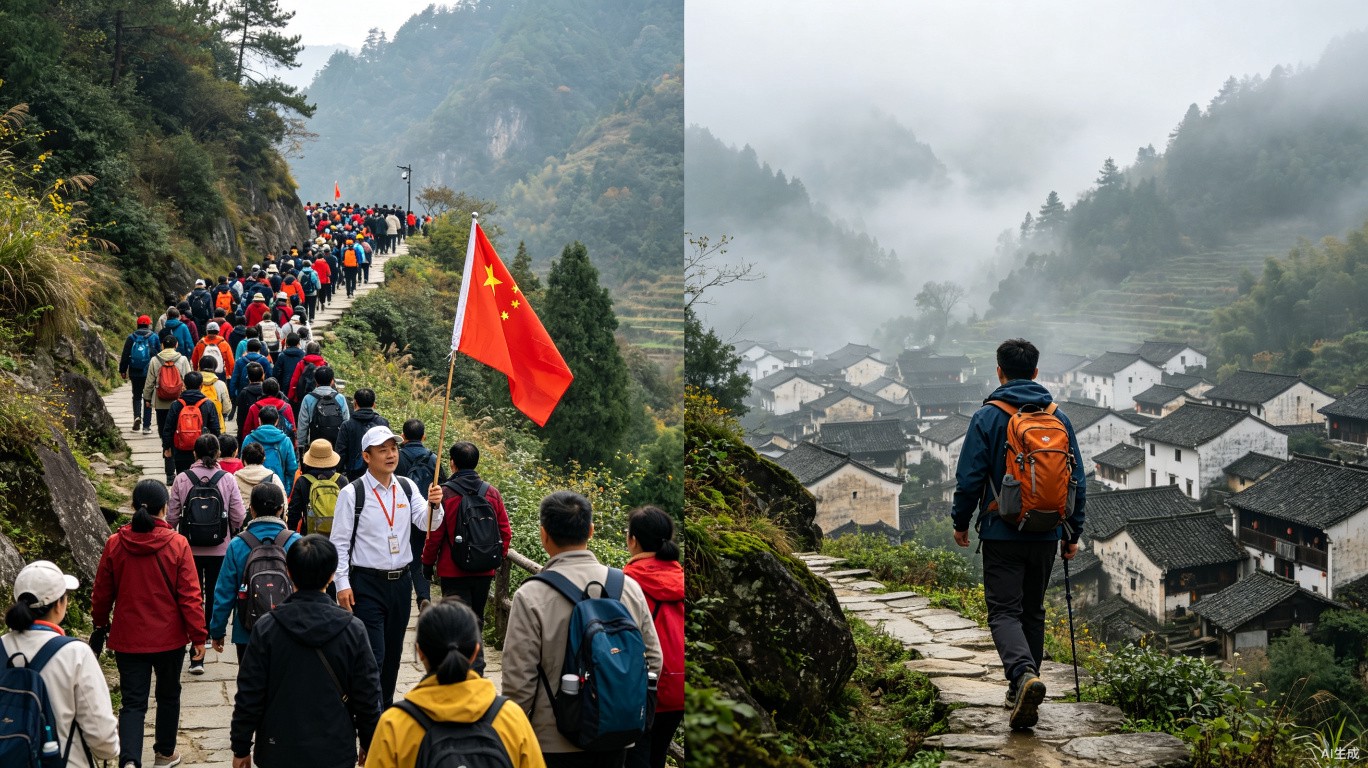
China Group Tours vs Independent Travel Which is Better
Should you join a guided tour or travel independently in China? Honest comparison of cost, flexibility, and experience.
7 min read
China Itinerary Planning: 7-Day 14-Day and 21-Day Routes: The Complete 2026 G...
Not sure how many days to spend in China? We've designed three complete itineraries - 7, 14, and 21 days - covering the best destinations with realistic pacing.
9 min read