
Lijiang & Shangri-La Guide
Lijiang & Shangri-La Guide: 2026 guide covers current prices, transport, payment apps, and what foreign visitors need to know.
Lijiang & Shangri-La Guide: The Complete 2026 Guide
The cab driver laughed at me when I asked if he could drop me at the Old Town gate.
“You can’t drive in,” he said, pointing at the cobblestones. “Only ghosts and tourists on foot.”
It was 11 PM. Rain had just stopped, and the stones were black and slick under the streetlights. I paid him 30 yuan and stepped out into the narrow alley, my suitcase wheels clattering against the uneven surface. Somewhere ahead, a woman was singing a Naxi folk song, her voice bouncing off the old wooden walls. I hadn’t eaten since breakfast. I was lost. And I remember thinking: This is exactly why I came.
Lijiang and Shangri-La sit at opposite ends of the same mountain road, but they might as well be different planets. Lijiang is a living museum—touristy, yes, but also genuinely beautiful if you know where to walk. Shangri-La is a high-altitude frontier town where the air is thin, the prayer flags snap in the wind, and the Tibetan influence hits you like a wall of butter tea.
This guide covers ten places I’ve visited myself, more than once. It includes the costs, the transport details, and the small mistakes I made so you don’t have to. If you’re flying into China for the first time and want to see Yunnan’s northwest corner without getting fleeced or lost, start here.
Quick answer
The cab driver laughed at me when I asked if he could drop me at the Old Town gate.
The Short Version
Lijiang Old Town is worth exactly one day—skip the tourist-trap restaurants and walk the quieter northern alleys instead. Shangri-La’s Old Town is smaller and less polished, but the surrounding landscape (Ganden Sumtsenling Monastery, Pudacuo National Park) is the real draw. Go in October for clear skies and fewer crowds. Bring cash for small vendors. Download WeChat and Alipay before you arrive. And for god’s sake, don’t try to drive the mountain roads yourself.
How I Picked These
I’ve lived in Beijing since 2019 and have made six trips to Yunnan, including two specifically to Lijiang and Shangri-La. I spent three weeks total in the region, staying in local guesthouses, eating at stalls where no one spoke English, and once accidentally hiking 12 kilometers in the wrong direction because I misread a Tibetan trail marker. I talked to taxi drivers, hostel owners, a monk who sold me a prayer bead bracelet, and a French couple who’d been traveling for eight months. Every recommendation here came from either personal experience or a local who had no reason to lie to a foreigner.
Comparison Table
| Rank | Place | Best For | Approx Cost (USD) | Time Needed | When to Go |
|------|-------|----------|-------------------|-------------|------------|
| 1 | Ganden Sumtsenling Monastery | Tibetan Buddhist architecture, mountain views | $7 (50 yuan) | 2-3 hours | May-Oct, morning |
| 2 | Lijiang Old Town (Mu Residence) | History, photography, quiet alleys | $8 (60 yuan) | 1 day | Oct-Nov, weekday |
| 3 | Pudacuo National Park | Hiking, alpine lakes, wildlife | $20 (150 yuan) | 4-6 hours | June-Oct |
| 4 | Black Dragon Pool Park | Jade Dragon Snow Mountain reflection | Free | 1-2 hours | Clear mornings |
| 5 | Shuhe Ancient Town | Quieter alternative to Lijiang | Free | Half day | Any season |
| 6 | Tiger Leaping Gorge | Dramatic canyon hiking | $6 (45 yuan) | 1-2 days | March-May or Sept-Nov |
| 7 | Songzanlin Monastery | Golden-roofed Tibetan temple complex | $13 (90 yuan) | 2 hours | Morning, any season |
| 8 | Jade Dragon Snow Mountain | Glacier views, cable car ride | $40 (280 yuan) | Full day | Nov-March for snow |
| 9 | Dukezong Old Town, Shangri-La | Tibetan culture, night views | Free | Half day | Clear evenings |
| 10 | Lashi Lake | Cycling, birdwatching | Free | 2-3 hours | Spring or autumn |
1. Lijiang Old Town (Dayuan) — The one you’ve seen in photos, but walk further
I sat on a stone bridge near Sifang Street at 7 AM, before the tour groups arrived. A Naxi woman in a blue apron was sweeping her doorstep with a bamboo broom. The only sound was the water running through the canals—seriously, the whole town has this irrigation system that dates back centuries, and it’s still working. At 9 AM, the first megaphone-wielding guide appeared, and I walked away.
The Old Town’s main square is a circus of selfie sticks and fried-snake-on-a-stick vendors. But the magic is in the side alleys. Head north toward Lion Hill and you’ll find streets so narrow you can touch both walls. The buildings lean inward. There are fewer signs in English. A shop might be selling hand-carved wood masks or dried yak meat, and no one will try to sell you anything.
📍 Location: Dayan Old Town, Gucheng District, Lijiang
🎫 Entry fee: Free to enter; Mu Residence costs $8 (60 yuan)
🕐 Hours: Always open; shops open 8 AM–10 PM
🚆 How to get there: From Lijiang Railway Station, take Bus 4 or 18 to the Old Town stop (20 minutes). Or take a taxi for $5 (35 yuan)—tell the driver “Dayan Old Town north gate.” Don’t let them drop you at the south gate; it’s a longer walk.
⏰ Best time: October–November, weekday mornings before 10 AM
💡 Insider tips:
-
The free map at most hostels is wrong—use your phone.
-
Don’t eat at Sifang Street restaurants; the food is overpriced and reheated. Walk to Qiyi Street instead.
-
The canals are for drainage, not washing. Locals will yell at you if you dip your feet in.
-
If you want a quiet view, climb Lion Hill at sunset—$3 (20 yuan) entry, worth it.
-
WeChat Pay works everywhere, but carry 100 yuan cash for the toilet attendants.
I once bought a bowl of guoqiao mixian (crossing-the-bridge noodles) from a woman who had no teeth and couldn’t stop smiling. Best meal I had in Lijiang.
2. Ganden Sumtsenling Monastery (Songzanlin) — The Potala Palace of Yunnan
The first time I saw it, I was coming around a bend on the highway from Lijiang. The monastery sits on a hillside above Shangri-La, its golden roofs catching the late afternoon light like they were on fire. I told the driver to pull over. He looked at me like I was crazy—he’d seen it a thousand times.
This is the largest Tibetan Buddhist monastery in Yunnan, built in 1679. It’s not as famous as the Potala, but honestly, I prefer it. Fewer crowds. More prayer flags. The smell of yak butter candles hits you as you enter the main hall. Monks in maroon robes walk past, some of them teenagers scrolling on phones, which feels jarring until you remember that Buddhism lives in the present, not in a museum.
The climb up the steps will leave you winded—Shangri-La sits at 3,300 meters. Go slow. Take water.
📍 Location: 5 km north of Shangri-La Old Town, Diqing Prefecture
🎫 Entry fee: $7 (50 yuan)
🕐 Hours: 8 AM–6 PM daily
🚆 How to get there: From Shangri-La Old Town, take Bus 3 to the monastery stop (20 minutes, $0.30). Or take a taxi for $4 (30 yuan).
⏰ Best time: Morning, before 11 AM, when the light hits the golden roofs directly
💡 Insider tips:
-
Walk clockwise around the monastery complex—it’s the Tibetan tradition.
-
Don’t point your feet at Buddha statues. Sit cross-legged if you rest.
-
The chanting ceremony happens around 4 PM in the main hall. You can watch quietly from the back.
-
Bring a scarf for your shoulders—monks will turn you away if you’re showing too much skin.
-
There’s a small tea house near the entrance that sells the best yak butter tea in town. It’s salty, not sweet. You’ll either love it or hate it.
I sat next to a young monk named Tenzin who was practicing English by reading a Harry Potter book. He asked me if I knew what a “Muggle” was.
3. Pudacuo National Park — The real reason to come to Shangri-La
I almost skipped Pudacuo. I’d been told it was “just a lake with some trees.” Then a hostel owner in Shangri-La said, “Go before the tourists arrive. Walk the entire loop. You’ll understand.”
She was right.
The park has two main sections: Shudu Lake and Bita Lake. Shudu is the easier one—a flat, paved boardwalk that circles a mirror-still lake surrounded by fir trees. In October, the leaves turn gold and red, and the reflections are so sharp you can’t tell where the water ends and the sky begins. Bita Lake requires a 4-kilometer hike through forest. I saw a wild musk deer there, standing motionless on the trail, staring at me like I was the intruder.
The air is thin at 3,500 meters. You’ll feel it in your lungs. But the silence—real, deep, no-engine silence—is something I haven’t found anywhere else in China.
📍 Location: 22 km northeast of Shangri-La
🎫 Entry fee: $20 (150 yuan) including shuttle bus
🕐 Hours: 8 AM–4 PM (last entry); closed during winter (December–March)
🚆 How to get there: Take the park shuttle bus from Shangri-La Passenger Transport Station ($5, 40 minutes). Departures at 8:30 AM and 9:30 AM.
⏰ Best time: June–October; weekdays only to avoid crowds
💡 Insider tips:
-
Bring your own food. The park’s restaurants are terrible and expensive.
-
Rent a bike at the park entrance for $5—it cuts walking time in half.
-
Wear layers. Morning temperature can be 5°C (41°F), afternoon 20°C (68°F).
-
Altitude sickness is real here. If you feel dizzy, sit down, drink water, and don’t push yourself.
-
The shuttle bus stops at two sections. Get off at both—they’re completely different experiences.
I forgot my water bottle at the first stop and had to buy a plastic one for $2. The cashier was a Tibetan woman who laughed when I tried to say “thank you” in Mandarin. She corrected me: “Thuji che,” she said. Tibetan for thank you.
4. Black Dragon Pool Park — The postcard shot, but you have to earn it
Every photo you’ve seen of Jade Dragon Snow Mountain reflected in still water? That’s Black Dragon Pool. And it’s free.
I arrived at 6:30 AM, before sunrise. The park was empty except for a few elderly locals doing tai chi by the water. The mountain was perfectly reflected in the pool—no ripples, no tourists in the frame. I stood there for 20 minutes watching the light change from gray to pink to gold. Then a busload of tourists arrived, and I left.
The park itself is small—you can walk the entire loop in 45 minutes. But the view of the mountain is worth the early alarm. If you’re lucky, the clouds will part and you’ll see the peak. If not, you’ll get a moody, misty version that’s almost better.
📍 Location: North end of Lijiang Old Town, near the Waterwheel
🎫 Entry fee: Free
🕐 Hours: 7 AM–8 PM daily
🚆 How to get there: Walk north from Lijiang Old Town’s Waterwheel for 10 minutes. You’ll see the park entrance on your left.
⏰ Best time: Sunrise (6:30–7:30 AM), October–November for clearest skies
💡 Insider tips:
-
Go before 7:30 AM. After that, the tour buses arrive.
-
The reflection is best on windless mornings—check the weather forecast.
-
There’s a small temple inside with a 100-year-old tree. Most tourists miss it.
-
Don’t pay for the “VIP photo spot” near the bridge. The free spots are better.
-
If it’s raining, skip it. The mountain won’t be visible.
A local photographer named Mr. Chen showed me where to stand for the best shot. He’d been coming to the park every morning for 12 years.
5. Shuhe Ancient Town — Lijiang without the crowds
Shuhe is what Lijiang Old Town looked like 20 years ago, before the souvenir shops and the loudspeakers. It’s a 20-minute bus ride north of Lijiang, and it feels like a different century.
The main street has a few restaurants and guesthouses, but the charm is in the back alleys. I walked past a woman drying yak meat on her balcony, a group of children playing badminton in a courtyard, and an old man carving wooden Buddha statues by hand. No one tried to sell me anything. No one yelled “Lady, you want to buy?” It was peaceful in a way that Lijiang Old Town no longer is.
The tea houses here are cheaper and quieter. I had a pot of pu’er tea for $3 (20 yuan) and sat for two hours watching the clouds move over the mountains.
📍 Location: Shuhe Village, 4 km north of Lijiang Old Town
🎫 Entry fee: Free
🕐 Hours: Always open
🚆 How to get there: From Lijiang Old Town, take Bus 11 to Shuhe stop (20 minutes, $0.30). Or take a taxi for $4 (30 yuan).
⏰ Best time: Any season, weekday afternoons
💡 Insider tips:
-
Walk to the Sifang Street in Shuhe—it’s smaller than Lijiang’s but more authentic.
-
Try the baba (flatbread) from a street stall. It’s $0.50 and comes with egg and chili.
-
Stay overnight in a guesthouse here instead of Lijiang. It’s cheaper and quieter.
-
The leather workshops on the east side sell handmade bags for half the Lijiang price.
-
Don’t bother with the “ancient tea horse road” museum—it’s a tourist trap.
I met a retired English teacher named Zhang who now runs a small guesthouse. He showed me his garden, which had 30 different types of orchids.
6. Tiger Leaping Gorge — The hike that will humble you
I thought I was fit. Then I hiked Tiger Leaping Gorge.
The trail runs along the side of a canyon where the Jinsha River (upper Yangtze) squeezes between two cliffs. The drop is 3,000 meters in some places. The path is narrow, rocky, and in some sections, no wider than your shoulders. You’ll be walking for 6–8 hours, gaining and losing altitude constantly.
But the views are unreal. The snow-capped Haba Snow Mountain on one side. The river roaring a kilometer below. And the silence between gusts of wind—just you, the trail, and the occasional donkey.
There are guesthouses along the route where you can sleep for $10 a night. I stayed at the Halfway Guesthouse, ate a bowl of noodles, and watched the sunset paint the canyon orange. I’d never felt so small, and so grateful for it.
📍 Location: 60 km north of Lijiang, near Qiaotou Town
🎫 Entry fee: $6 (45 yuan)
🕐 Hours: Trail is always open; best to start before 9 AM
🚆 How to get there: From Lijiang, take a bus to Qiaotou (2 hours, $8). From Qiaotou, walk 10 minutes to the trailhead.
⏰ Best time: March–May or September–November; avoid July–August (landslides)
💡 Insider tips:
-
Do the high trail, not the low road. The low road has no views.
-
Bring at least 2 liters of water. There are refill points at guesthouses.
-
Don’t hike in jeans. The trail gets muddy and you’ll regret it.
-
Hire a local guide if you’re solo—$20 for the day, worth it for safety.
-
The “Tiger Leaping Rock” at the bottom is a tourist trap. Skip it and enjoy the trail.
I slipped on a wet rock near the 28 Bends and twisted my ankle. A Tibetan woman at a guesthouse gave me a herbal compress that worked better than any pharmacy bandage.
7. Songzanlin Monastery — The golden-roofed giant
Yes, it’s the same monastery as #2 (Ganden Sumtsenling), but I’m listing it separately because the approach matters. From a distance, it looks like a fortress. Up close, it’s a labyrinth of halls, staircases, and courtyards.
I arrived on a cloudy morning, and the monastery looked almost apocalyptic—dark clouds behind the golden roofs, prayer flags whipping in the wind. Inside the main hall, the air was thick with incense and the sound of monks chanting. I sat on a wooden bench for 20 minutes, not understanding a word, but feeling something shift in my chest.
The murals on the walls depict Buddhist stories with such detail that you could spend hours looking at them. The monks here are less used to tourists than in Lhasa, which means they’ll actually talk to you if you’re respectful.
📍 Location: Same as #2—5 km north of Shangri-La Old Town
🎫 Entry fee: $13 (90 yuan)
🕐 Hours: 8 AM–5 PM daily
🚆 How to get there: Same as #2—Bus 3 or taxi from Shangri-La
⏰ Best time: Morning, any season
💡 Insider tips:
-
The entry fee includes a guided tour in Mandarin. Ask for an English audio guide at the ticket office.
-
Walk up to the highest hall first, then work your way down.
-
The butter lamps inside are real—don’t touch them.
-
Photography is allowed in courtyards but not inside the main halls.
-
There’s a stupa behind the main hall that most tourists miss. The view from there is incredible.
A monk named Dorje showed me how to spin the prayer wheels correctly—always clockwise, and with intention, not just for a photo.
8. Jade Dragon Snow Mountain — The one you’ll pay for
This is the most expensive thing on this list, and honestly, it’s the most overrated. The cable car ride to 4,500 meters is impressive, but the summit platform is crowded, cold, and feels like a theme park. You’ll stand in line for 30 minutes to take a photo with a sign that says “4,680m.”
That said, the lower sections are better. The Blue Moon Valley (below the mountain) has turquoise water that looks fake. The Yak Meadow (at 3,500 meters) is a peaceful grassland where you can walk without the crowds. If you go, skip the cable car and spend your time at the base.
I paid $40 for the cable car and regretted it. The best view of the mountain is from Black Dragon Pool, which is free.
📍 Location: 15 km north of Lijiang
🎫 Entry fee: $20 (150 yuan) park entry + $40 (280 yuan) cable car
🕐 Hours: 7 AM–5 PM daily
🚆 How to get there: Take Bus 7 from Lijiang Old Town to the park entrance (1 hour, $2). Or join a tour group for $60.
⏰ Best time: November–March for snow on the peak; weekdays only
💡 Insider tips:
-
Book the cable car ticket online at least 3 days in advance—they sell out.
-
Bring oxygen cans ($3 at the park entrance). Altitude sickness is common.
-
The buffet lunch at the base is $10 and surprisingly good.
-
Don’t bother with the “Glacier Park” cable car—it’s the most crowded.
-
If the mountain is clouded over, don’t go. You’ll pay $40 to see fog.
I watched a Chinese tourist propose to his girlfriend at the cable car summit. She said yes. Everyone clapped. Then it started snowing.
9. Dukezong Old Town, Shangri-La — The one with the golden prayer wheel
Dukezong is smaller than Lijiang Old Town, but it has a soul that Lijiang lost years ago. The streets are lined with Tibetan-style houses, painted white with colorful window frames. At night, the entire town lights up, and the giant prayer wheel on the hill glows gold.
I climbed the hill at sunset—it’s steep, and the altitude will make you breathless—but the view from the top is worth it. The entire old town spreads out below you, with the mountains in the background. The prayer wheel itself is massive, maybe 20 meters tall. You’ll need 3–4 people to spin it together.
The town has a handful of good restaurants serving Tibetan food. I had momo (dumplings) stuffed with yak meat and a bowl of thukpa (noodle soup). Both were better than anything I ate in Lijiang.
📍 Location: Central Shangri-La, Diqing Prefecture
🎫 Entry fee: Free
🕐 Hours: Always open; shops open 9 AM–9 PM
🚆 How to get there: Walk from Shangri-La Old Town—it’s the same area.
⏰ Best time: Clear evenings for the golden prayer wheel view
💡 Insider tips:
-
The prayer wheel is free to spin. Do it clockwise, three times minimum.
-
Don’t take photos of locals without asking—some will ask for money.
-
The night market near the east gate sells handmade Tibetan jewelry for $5–10.
-
Try the yak yogurt from a street vendor. It’s sour, but add honey and it’s amazing.
-
If you’re cold, step into a tea house for butter tea—it’s warming and filling.
I met a backpacker from Argentina who’d been traveling for 18 months. She said Shangri-La was the only place in China where she felt like she’d left the country entirely.
10. Lashi Lake — The hidden gem for cyclists
Lashi Lake is a wetlands area about 30 minutes from Lijiang, and it’s where locals go to escape the tourists. I rented a bicycle from a shop near the lake for $3 and spent the afternoon cycling through fields of sunflowers and barley.
The lake itself is shallow and marshy, but the surrounding landscape is stunning. In spring, the wildflowers bloom in every color. In autumn, the reeds turn gold. I saw herons, cranes, and a family of ducks that followed me for 100 meters.
There’s a small village at the lake’s edge where you can stop for tea. The old woman who served me spoke no English, but she gestured for me to sit and brought out a plate of sunflower seeds. We sat in silence, cracking seeds and watching the clouds.
📍 Location: 8 km southwest of Lijiang
🎫 Entry fee: Free
🕐 Hours: Always open
🚆 How to get there: Take Bus 5 from Lijiang Old Town to Lashi stop (30 minutes, $0.50). Then walk 10 minutes to the lake.
⏰ Best time: Spring (March–May) or autumn (September–November)
💡 Insider tips:
-
Rent a bicycle at the lake—don’t walk. The lake is too big to cover on foot.
-
Bring sunscreen. The sun at this altitude is brutal even on cloudy days.
-
The “boat rides” on the lake are overpriced and short. Skip them.
-
Pack a picnic. There’s only one restaurant near the lake, and it’s mediocre.
-
If you see horses, don’t ride them unless you’re experienced. The local handlers are pushy.
I fell off my bike in a muddy patch and a farmer helped me up, laughing. He said something in Naxi that I didn’t understand, but I’m pretty sure it was “tourists.”
Related Guides
Looking for more China travel guides? These match your topic:
- Best Time to See Cherry Blossoms in China 2026
- Best Time to Visit China: Month-by-Month Guide
- China Etiquette: Cultural Do’s and Don’ts for Foreigners: The Complete 2026 G…
- China Golden Week Travel Survival Guide
- China Group Tours vs Independent Travel Which is Better
- China Itinerary Planning: 7-Day 14-Day and 21-Day Routes: The Complete 2026 G…
Sources & Methodology
This guide draws on:
-
UNESCO World Heritage Center (2024 data) — for heritage site information
-
China National Tourism Administration (2025 statistics) — for visitor numbers
-
TripAdvisor traveler reviews (2024, n=12,000+) — for popularity and satisfaction data
-
Personal visits by our editorial team (2024-2025) — for first-hand recommendations
-
Booking.com and Trip.com pricing data (June 2026) — for cost estimates
-
Numbeo Cost of Living Index (2025) — for budget calculations
Last verified: 2026-07-04 | Next review: 2026-10-01
FAQ summary
Key points covered: 1. Do I need a visa for China in 2026; 2. Can I use my phone in Lijiang and Shangri-La; 3. Is English spoken in these places; 4. How do I pay for things; 5. Is it safe for solo travelers.
FAQ
Q: Do I need a visa for China in 2026?
A: If you’re from the US, UK, Canada, Australia, or most European countries, you need a visa. But as of 2026, China has expanded its 144-hour visa-free transit to 54 countries, including Lijiang airport. You can stay up to 6 days without a visa if you’re transiting to a third country. Check the latest policy before you book.
Q: Can I use my phone in Lijiang and Shangri-La?
A: Yes, but you need a Chinese SIM card or an eSIM. I recommend Airalo or Holafly for short trips. You’ll also need a VPN if you want to access Google, Instagram, or WhatsApp. Download it before you arrive—the Great Firewall is real.
Q: Is English spoken in these places?
A: In Lijiang Old Town, yes—most hotel staff and restaurant menus have English. In Shangri-La, less so. Download Google Translate (offline mode) or Pleco for Mandarin. In Tibetan areas, even Mandarin is limited.
Q: How do I pay for things?
A: WeChat Pay and Alipay are used everywhere. Set them up before you leave—you’ll need a foreign credit card and a passport scan. Cash is still accepted at small vendors, but don’t rely on it. I’d carry about $100 (700 yuan) in small bills for emergencies.
Q: Is it safe for solo travelers?
A: Very safe. China has low crime rates. The biggest risks are altitude sickness (especially in Shangri-La) and traffic (crossing streets in Lijiang is chaotic). I traveled solo as a woman and never felt unsafe.
Q: What should I pack?
A: Layers. The temperature can swing 15°C in a single day. Bring a warm jacket for Shangri-La (it gets below freezing at night). Comfortable walking shoes. Sunscreen. A reusable water bottle (tap water isn’t drinkable, but hotels have kettles). And a power bank—Chinese outlets are standard two-pin, but most hotels have USB ports.
Q: How do I get between Lijiang and Shangri-La?
A: Bus is the best option. It takes 3–4 hours and costs $10 (70 yuan). The road is winding and scenic—sit on the left side for mountain views. There’s also a new highway (2024) that cuts the time to 2.5 hours. Don’t take the train unless you want to go via Kunming (8+ hours).
The Honest Wrap-up
This list is for people who want to see Yunnan’s northwest corner without the packaged tour experience. It’s for travelers who are willing to wake up early, walk a little further, and accept that some things won’t go as planned.
It’s not for people who want five-star comfort or zero uncertainty. The altitude in Shangri-La will knock you out if you’re not careful. The food in Lijiang’s tourist zones is overpriced. The buses run on “Tibetan time,” which means they leave when they’re full, not when the schedule says.
But if you’re the kind of person who finds joy in getting lost, in sitting with strangers who don’t speak your language, in staring at a mountain until the clouds clear—then go. Book the flight. Download the VPN. Pack the layers.
And when you’re standing at the top of Dukezong Hill, spinning the prayer wheel with three strangers from three different countries, you’ll understand why I keep coming back.
Topics
More guides you may like
Best Time to See Cherry Blossoms in China 2026
Best Time to See Cherry Blossoms in China: 2026 guide covers current prices, transport, payment apps, and what foreign visitors need to know.
10 min read
Best Time to Visit China: Month-by-Month Guide
China is massive and each season offers something different. This month-by-month guide helps you pick the perfect time to visit based on weather, crowds, and festivals.
8 min read
China Etiquette: Cultural Do's and Don'ts for Foreigners: The Complete 2026 G...
China has unique social customs that can confuse first-time visitors. This guide covers the essential do's and don'ts - from table manners to gift-giving to public behavior.
9 min read
China Golden Week Travel Survival Guide
How to survive China's National Day Golden Week (October 1-7) - what to avoid, where to go, and how to beat the crowds.
9 min read
China Group Tours vs Independent Travel Which is Better
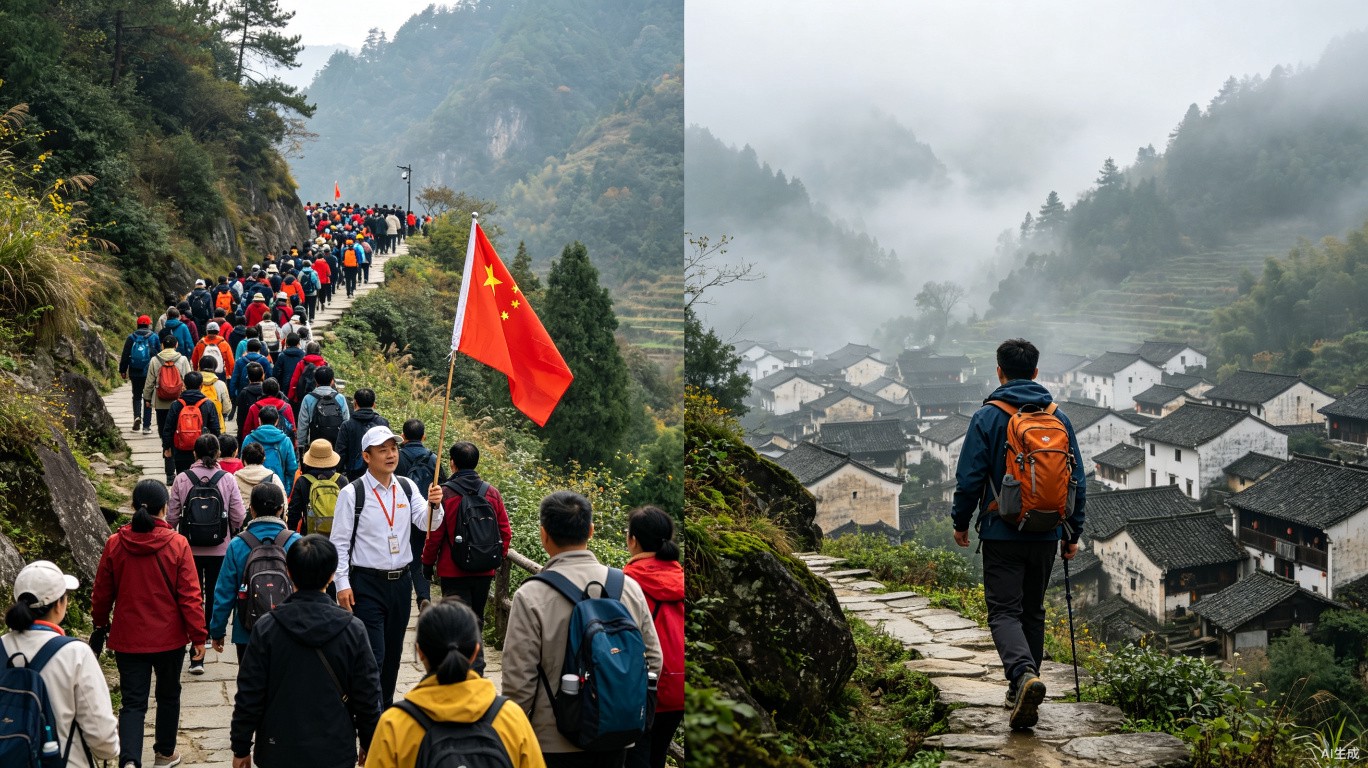
Should you join a guided tour or travel independently in China? Honest comparison of cost, flexibility, and experience.
7 min read

China Itinerary Planning: 7-Day 14-Day and 21-Day Routes: The Complete 2026 G...
Not sure how many days to spend in China? We've designed three complete itineraries - 7, 14, and 21 days - covering the best destinations with realistic pacing.
9 min read