
Tibetan Cuisine Guide
The cab driver in Lhasa looked at me in the rearview mirror and laughed. Not a mean laugh. The kind you get when you've said something genuinely funny without m.
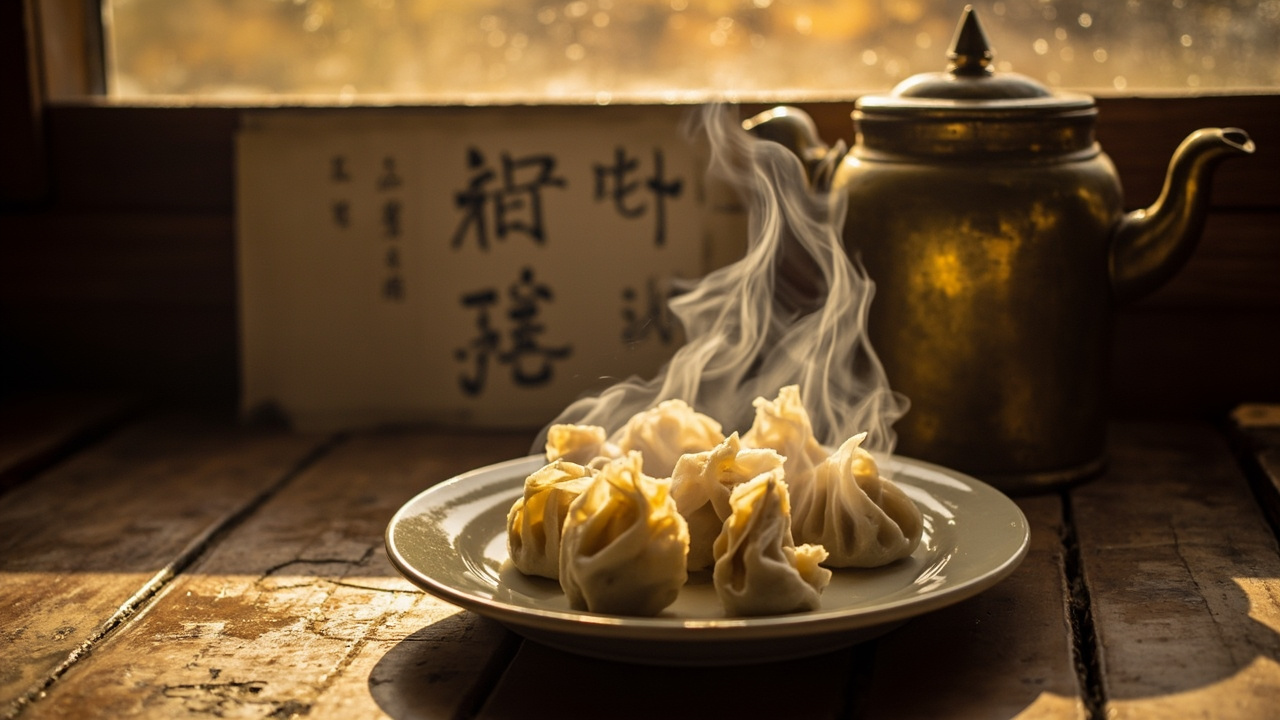
The cab driver in Lhasa looked at me in the rearview mirror and laughed. Not a mean laugh. The kind you get when you’ve said something genuinely funny without meaning to. I’d just asked him, in my broken Mandarin, if there was a good pizza place nearby. I’d been in Tibet for six days, and my body was crying out for something that wasn’t yak butter.
“There is no pizza,” he said, still chuckling. “But there is good momo three streets over. You eat that.”
He was right. I ate the momos. I ate a lot of things on that trip, and most of them were nothing like what I expected. Tibetan food is not subtle. It’s not fancy. It’s food born from altitude, cold, and a landscape that doesn’t give you much to work with. And once you understand that, it’s some of the most satisfying food in China.
This guide covers the ten dishes and drinks you’ll actually encounter on a trip to Tibet, what they cost, where to find them, and how to eat them without offending anyone. I’ve eaten my way through Lhasa, Shigatse, and a few villages that don’t appear on any map. Here’s what you need to know.
Quick answer
Tibetan cuisine centers on barley (as tsampa), yak meat, dairy, and butter tea, with momo dumplings being the most accessible entry point for foreign visitors. A full meal in a Lhasa restaurant costs $5-12 (¥35-85), and most dishes are naturally gluten-heavy but can be adapted. The best time to try Tibetan food is during your visit to Lhasa’s old town, where family-run kitchens serve recipes unchanged for generations. You don’t need a special permit for food tourism in Lhasa itself, but you do need a China visa or visa-free transit arrangement before you land.
The Short Version
If you only try three things, make them momos (steamed dumplings), thukpa (noodle soup), and sweet tea. Skip the raw yak meat unless you’re feeling brave. Drink butter tea slowly, in small sips, even if you hate it at first. And always carry your own tissues. Tibetan food is eaten by hand more often than you’d expect, and napkins are a luxury.
How I Picked These
I’ve traveled to Tibet four times over the past seven years, spending a total of about six weeks on the plateau. I’ve eaten in tourist restaurants in the Barkhor area of Lhasa, in truck-stop kitchens along the Friendship Highway, and in a monk’s quarters at a monastery outside Shigatse. I talked to cooks, taxi drivers, and pilgrims about what they actually eat at home versus what they serve visitors. This list reflects what you’ll realistically find on menus, not the idealized versions you see in glossy cookbooks. I’ve also included prices I paid in 2025 and early 2026, so they should be roughly accurate for your trip.
Comparison Table
| Rank | Dish | Best For | Approx Cost (USD) | Time Needed | When to Go |
|---|---|---|---|---|---|
| 1 | Momos | First-timers, comfort food | $2-4 (¥15-30) | 15 min | Year-round |
| 2 | Thukpa | Cold days, hangover cure | $3-5 (¥20-35) | 20 min | Winter |
| 3 | Butter Tea | Cultural immersion | $1 (¥7) per pot | 10 min | Morning |
| 4 | Tsampa | Adventure eaters | $1-2 (¥7-15) | 5 min | Anytime |
| 5 | Yak Meat Dishes | Meat lovers | $6-10 (¥42-70) | 30 min | Autumn |
| 6 | Sweet Tea | Afternoon breaks | $1 (¥7) | 15 min | Afternoon |
| 7 | Tibetan Bread | Breakfast | $1-2 (¥7-15) | 10 min | Morning |
| 8 | Thenthuk | Hearty appetites | $4-6 (¥28-42) | 25 min | Cold weather |
| 9 | Shapta | Quick lunches | $5-7 (¥35-50) | 20 min | Lunch |
| 10 | Chura (Cheese) | Snacking | $2-3 (¥15-20) | 5 min | Anytime |
Momos — The Gateway Drug
The first thing I ate in Lhasa was a plate of momos at a tiny place near the Jokhang Temple. The woman running it didn’t speak a word of English. She pointed at a menu with three items on it, and I pointed back at the one with pictures. She nodded, satisfied, and disappeared into the kitchen. Ten minutes later, eight perfect little dumplings arrived, steam rising off them like they’d just been rescued from a fire.
Momos are Tibetan dumplings, and they’re the easiest entry point for anyone nervous about Tibetan food. The wrappers are thicker than Chinese jiaozi, the fillings are usually yak meat with onion and garlic, and they come steamed, fried, or in soup. The steamed ones are the classic. The fried ones are better. Don’t let anyone tell you otherwise.
The trick is the dipping sauce. Most places serve a spicy red chili oil with a vinegar base. It’s not Sichuan-level spicy, but it has a kick. If you’re sensitive to heat, ask for it on the side. You’ll also see vegetable momos on menus in tourist areas, usually stuffed with cabbage and potato. They’re fine. The yak ones are better.
馃搷 Location: Everywhere, but the best are in the Barkhor area of Lhasa’s old town 馃帿 Entry fee: N/A — this is street food, not a museum 馃晲 Opening hours: Breakfast through late evening, typically 8am-9pm 馃殕 How to get there: Walk the Barkhor Kora clockwise from the Jokhang Temple; follow the smell of steam and chili oil 鈴?When to visit: Lunch, when they’re freshest 馃挕 Insider tips:
- Order 8-10 for a meal, not 4-5
- Ask for the fried version if you see both on the menu
- The chili sauce is the point. Don’t skip it.
- Watch how locals eat them: they use their hands, not chopsticks
- If a place has a queue of Tibetans, join it. The tourist spots are marked by menus in English.
I once watched a monk eat twenty momos in one sitting. He was reading a prayer book with one hand and eating with the other. I’ve never seen anyone so focused on both tasks simultaneously.
Thukpa — The Noodle Soup That Fixes Everything
I caught a cold in Shigatse, probably from the altitude and the wind, and I spent an afternoon shivering in my guesthouse. The owner, a woman named Dolma, took one look at me and disappeared. Twenty minutes later she came back with a bowl of thukpa so hot it burned my lips, and I didn’t care. It was the best thing I’ve ever eaten while sick.
Thukpa is Tibetan noodle soup, and it’s the closest thing the plateau has to comfort food. The broth is made from yak bones, the noodles are hand-pulled and slightly chewy, and it comes with chunks of yak meat, radish, and greens. It’s salty, warming, and exactly what you need at 3,600 meters above sea level.
There are variations. Thenthuk is the hand-pulled version with flat, irregular noodles. Gyathuk is the round-noodle version. Both are good. Both will cost you about the same. The key is finding a place that makes the noodles fresh, which most family-run spots do.
馃搷 Location: Anywhere in Lhasa or Shigatse; look for steam on the windows 馃帿 Entry fee: N/A 馃晲 Opening hours: Lunch and dinner, typically 11am-9pm 馃殕 How to get there: In Lhasa, walk the main street of the old town (Beijing Dong Lu) and look for places with handwritten menus in Tibetan script 鈴?When to visit: Winter, when the cold makes it taste better 馃挕 Insider tips:
- Ask for extra chili oil if you like heat
- The radish is the sleeper ingredient. It soaks up the broth.
- If you’re vegetarian, tell them “no meat” and hope they understand. Translation apps help here.
- Eat it fast. It gets cold quickly at altitude.
Dolma refused to let me pay for that bowl of soup. She said it was a gift for a sick traveler. I tried to argue. She won.
Butter Tea — You Will Either Love It or Hate It
The first sip of butter tea is a shock. It’s salty. It’s oily. It tastes like tea that’s been left next to a stick of butter that melted into it, because that’s literally what it is. I watched a French tourist take one sip, make a face, and set the cup down like it had offended her family. I watched a German guy drink three cups in a row and ask for more.
Butter tea, or po cha, is made from brick tea, yak butter, salt, and water, churned together until it’s frothy. It’s the national drink of Tibet, and it’s served everywhere: in homes, in monasteries, in truck stops, in restaurants. It’s also a social ritual. When you’re offered butter tea, you’re being welcomed. Refusing it is like refusing a handshake.
The trick is to drink it in small sips, not big gulps. The flavor grows on you. By my third day in Tibet, I was craving it. By my second week, I was making it at home in Beijing with a whisk and salted butter. It’s not the same, but it’s close.
馃搷 Location: Everywhere, but the best is in monastery kitchens 馃帿 Entry fee: N/A 馃晲 Opening hours: All day 馃殕 How to get there: You don’t need directions. You’ll be offered it. 鈴?When to visit: Morning, when it’s freshest 馃挕 Insider tips:
- Take small sips. Big gulps will coat your mouth in a way you won’t enjoy.
- If you don’t like it, that’s fine. Just drink a little and set it down. No one will be offended.
- The froth on top is the good part. Don’t skim it off.
- Sweet tea (cha ngamo) is the safer alternative if you can’t handle the salt.
I once asked a monk if he preferred butter tea or sweet tea. He looked at me like I’d asked him to choose between his children. Then he laughed and said, “Both. I am not a monk of extremes.”
Tsampa — The Original Energy Bar
Tsampa is roasted barley flour, and it’s the backbone of the Tibetan diet. Pilgrims carry it in pouches on their belts. Monks mix it with butter tea in their bowls. Truck drivers eat it on the road. It’s the food that keeps the plateau running, and it’s the one thing I genuinely struggled to enjoy.
The traditional way to eat it is to mix tsampa with butter tea in a bowl, then knead it with your fingers until it forms a doughy ball. You eat the ball with your hands, breaking off pieces as you go. It tastes like toasted grain with a hint of salt. It’s not bad. It’s just… plain.
But here’s the thing: tsampa is the most authentic Tibetan food you can eat. It’s been the same for centuries. It requires no cooking, no refrigeration, and no special equipment. It’s the original survival food. Eating it makes you understand something about how people live at 4,000 meters.
馃搷 Location: Any Tibetan home, monastery, or traditional restaurant 馃帿 Entry fee: N/A 馃晲 Opening hours: Anytime 馃殕 How to get there: Ask for it at any traditional restaurant. They’ll bring the flour, the tea, and a bowl. 鈴?When to visit: Breakfast, when it’s traditionally eaten 馃挕 Insider tips:
- Don’t add too much tea at once. Start with a little and add more.
- Use your right hand to knead. The left hand is considered unclean in Tibetan culture.
- If you’re offered tsampa at a home, eat at least a little. It’s a sign of respect.
- The texture is like wet sand before you knead it. Don’t be alarmed.
I ate tsampa with a yak herder outside Namtso Lake. He showed me how to knead it properly, then laughed at my attempts. “Too much tea,” he said, pointing at my soggy mess. “You make soup, not tsampa.”
Yak Meat — The Main Event
Yak meat is everywhere in Tibet, and it’s nothing like the beef you’re used to. It’s leaner, darker, and has a stronger, gamier flavor. It’s also tougher, because yaks spend their lives climbing mountains and grazing on sparse grass. The good news is that Tibetans know how to cook it.
The most common preparations are shapta (stir-fried yak with onions, peppers, and sometimes tomatoes), yak curry (served with rice), and dried yak meat (which is exactly what it sounds like, and it’s an acquired taste). The stir-fried version is the most accessible. The dried version is the most authentic, but it’s like eating leather that’s been flavored with salt and smoke.
The best yak meat I had was at a roadside restaurant on the way to Gyantse. The owner had a yak skull mounted on the wall and a menu with exactly four items. I pointed at the first one. It was yak stew with potatoes, and it was incredible. The meat had been simmered for hours until it fell apart.
馃搷 Location: Any traditional restaurant; roadside places on the Friendship Highway 馃帿 Entry fee: N/A 馃晲 Opening hours: Lunch and dinner 馃殕 How to get there: In Lhasa, look for restaurants with “yak” in the name or pictures of yaks on the menu 鈴?When to visit: Autumn, when yaks are fattest after summer grazing 馃挕 Insider tips:
- Order the stew or curry, not the grilled version. Grilled yak is tough.
- Dried yak meat is a good souvenir, but buy it from a market, not a tourist shop.
- If you’re squeamish about eating a sacred animal, note that yaks are working animals, not pets. Tibetans eat them without guilt.
- The fat is the flavor. Don’t trim it off.
I paid $6 (¥42) for that roadside stew, and it came with a bowl of rice, a pot of tea, and a view of snow-capped mountains through a dusty window. Best meal of my life.
Sweet Tea — The Safer Choice
If butter tea is too much for you, sweet tea is the lifeline. It’s exactly what it sounds like: black tea with milk and sugar, served hot. It tastes like the tea you’d get at a British café, if that café were at 3,600 meters and served by a Tibetan woman who’s been making it for forty years.
Sweet tea is what Tibetans drink when they want something comforting. It’s what you’ll be served in guesthouses and restaurants when they see you’re a foreigner and assume (correctly) that you might not handle butter tea. It’s also what you’ll want after a long day of walking the Barkhor Kora.
The best sweet tea I had was at a tiny shop near the Sera Monastery. The owner, a man in his sixties with a face like a walnut, served it in a glass with a saucer, the way they do in the old style. It was sweet, milky, and exactly what I needed after a day of walking.
馃搷 Location: Everywhere; look for places with big metal urns on the counter 馃帿 Entry fee: N/A 馃晲 Opening hours: All day 馃殕 How to get there: You’ll find it. It’s ubiquitous. 鈴?When to visit: Afternoon, when the sun is high and you need a break 馃挕 Insider tips:
- It’s served in a glass, not a cup. Don’t be surprised.
- The sugar settles at the bottom. Stir it before you drink.
- It’s cheap. A glass costs about $0.50 (¥3.50).
- You can buy it by the thermos to take with you. Perfect for long drives.
The walnut-faced man refused to let me take a photo of him. “Too ugly,” he said, waving his hand. I told him he looked distinguished. He laughed so hard he spilled tea on his counter.
Tibetan Bread — The Breakfast of Champions
Tibetan bread, or pale, is a dense, round flatbread that’s fried in oil until it’s golden brown. It’s served with butter tea or sweet tea, and it’s the closest thing Tibet has to a breakfast staple. It’s also surprisingly good.
The bread is chewy, slightly greasy, and perfect for dipping in tea. Some places serve it with yak butter and sugar. Others serve it plain. Either way, it’s the kind of food that sticks to your ribs and keeps you going through a morning of walking.
The best Tibetan bread I had was at a bakery in the Barkhor area that had been there for decades. The baker, a woman with flour on her apron and a smile that could light up the Potala Palace, handed me a piece straight from the fryer. It was hot, crispy on the outside, soft on the inside, and absolutely perfect.
馃搷 Location: Any bakery or traditional restaurant in Lhasa’s old town 馃帿 Entry fee: N/A 馃晲 Opening hours: Early morning until sold out, typically 7am-11am 馃殕 How to get there: Walk the Barkhor Kora and follow the smell of frying oil 鈴?When to visit: Morning, when it’s fresh 馃挕 Insider tips:
- Ask for it hot. Cold Tibetan bread is a sad thing.
- It’s great with jam if you can find it. Some guesthouses serve it that way.
- It’s cheap. A loaf costs about $1-2 (¥7-15).
- If you’re staying in a guesthouse, ask if they make it fresh. Many do.
I bought three loaves from that bakery and ate them all before noon. My stomach was not happy with me, but my soul was.
Thenthuk — The Heartier Cousin of Thukpa
Thenthuk is thukpa’s bigger, heartier sibling. The noodles are hand-pulled into flat, irregular strips that are thicker and chewier than regular thukpa noodles. The broth is the same, but somehow it tastes richer, probably because the noodles absorb more of it.
I had thenthuk at a restaurant in Shigatse that was recommended by a taxi driver who insisted I couldn’t leave the city without trying it. He was right. The noodles were perfect, the broth was deep and savory, and the yak meat was tender. It was the kind of meal that makes you want to nap immediately afterward.
馃搷 Location: Traditional restaurants, especially in Shigatse 馃帿 Entry fee: N/A 馃晲 Opening hours: Lunch and dinner 馃殕 How to get there: Ask for it by name. Most places will understand. 鈴?When to visit: Cold days, when you need something substantial 馃挕 Insider tips:
- The noodles are meant to be chewy. Don’t mistake it for undercooking.
- Add chili oil and vinegar to taste. It transforms the dish.
- It’s filling. Share it if you’re not very hungry.
- The best versions are at places that make the noodles by hand. Watch for the flour dust.
That taxi driver waited outside the restaurant for me to finish, then drove me back to my guesthouse. He refused payment for the detour. “You ate well,” he said. “That’s enough.”
Shapta — The Quick Fix
Shapta is stir-fried yak meat with onions, peppers, and sometimes tomatoes. It’s the Tibetan equivalent of fast food: quick, savory, and satisfying. It’s usually served with rice or Tibetan bread, and it’s the dish you’ll find on most menus at lunchtime.
The key to good shapta is the quality of the meat. Good shapta uses tender cuts of yak, sliced thin and cooked fast over high heat. Bad shapta uses tough cuts that require chewing. The best way to tell the difference is to look at the color: good shapta is dark and glossy, bad shapta is gray and dry.
馃搷 Location: Any restaurant with a menu in English 馃帿 Entry fee: N/A 馃晲 Opening hours: Lunch and dinner 馃殕 How to get there: It’s on every menu. Just point. 鈴?When to visit: Lunch, when it’s freshest 馃挕 Insider tips:
- Ask for it spicy. The default is mild.
- It’s usually served with rice. If you want bread instead, ask.
- The onions are the best part. They soak up the meat juices.
- If the meat is tough, it’s not a bad restaurant. It’s just a bad cut of yak.
I had shapta at a place in Lhasa that was packed with locals and empty of tourists. The cook was a man who’d been doing it for thirty years. He saw me taking photos and came out to ask if the food was good. I gave him a thumbs up. He nodded and went back to his wok.
Chura (Tibetan Cheese) — The Snack You Didn’t Know You Needed
Chura is Tibetan cheese, and it’s nothing like the cheese you’re used to. It’s hard, dry, and often smoked. It comes in two forms: chura kampo (hard, dried cheese that you suck on like a candy) and chura loenpa (soft, fresh cheese that’s more like cottage cheese). Both are made from yak milk, and both are an acquired taste.
The hard version is the more common one. It’s sold in markets in little bags, and it looks like small, pale stones. You put a piece in your mouth and suck on it. The flavor is tangy, salty, and slightly smoky. It’s not bad, but it’s not something you’ll crave.
The soft version is better. It’s creamy, mild, and surprisingly good on bread. I had it at a guesthouse in Lhasa, served with honey, and it was the best thing I ate all week.
馃搷 Location: Markets and traditional restaurants 馃帿 Entry fee: N/A 馃晲 Opening hours: Market hours, typically 9am-6pm 馃殕 How to get there: In Lhasa, try the Barkhor Market or the larger markets near the Jokhang Temple 鈴?When to visit: Anytime 馃挕 Insider tips:
- The hard cheese is meant to be sucked, not chewed. Chewing it is like chewing chalk.
- The soft cheese is seasonal. Ask if it’s available.
- It’s cheap. A bag of hard cheese costs about $2-3 (¥15-20).
- If you buy it as a souvenir, wrap it well. It smells.
I bought a bag of hard chura to bring back to Beijing. My Chinese friends all refused to try it. My Tibetan friends thought that was hilarious.
FAQ summary
Tibetan food is accessible to most visitors if you stick to momos, thukpa, and sweet tea, with butter tea and tsampa as cultural experiences rather than everyday meals. Expect to pay $5-12 (¥35-85) for a full meal in Lhasa, and carry cash since many small restaurants don’t accept cards or mobile payment. The food is hearty, salty, and designed for high altitude, so don’t be surprised if you crave lighter meals during your trip. Vegetarians will find limited options but can survive on vegetable momos, thukpa without meat, and Tibetan bread.
FAQ
Q: Is Tibetan food very spicy? A: Not usually. Most dishes are salty and savory, with chili oil served on the side. If you want heat, add it yourself. The exception is some versions of shapta, which can be cooked with fresh chilies.
Q: Can I eat Tibetan food if I’m vegetarian? A: It’s challenging but possible. Vegetable momos are common, and thukpa can be made without meat if you ask. However, many broths are made with yak bones, so you’ll need to ask specifically for vegetarian broth. Tibetan bread and sweet tea are always safe options.
Q: Do I need to worry about food safety in Tibet? A: The same rules apply as anywhere in China: eat at places with high turnover, drink bottled water, and avoid raw foods. The altitude makes digestion slower, so eat lighter meals for the first few days. Most travelers handle Tibetan food fine.
Q: How much does a typical meal cost in Lhasa? A: A simple meal of momos or thukpa costs $3-5 (¥20-35). A full meal with meat, rice, and tea costs $6-12 (¥42-85). Tourist restaurants near the Jokhang Temple charge more, so walk a few streets away for better prices.
Q: Do I need to bring my own food to Tibet? A: No, but if you have specific dietary restrictions, bring snacks you know you can eat. Tibetan food is limited in variety, and you might get tired of it after a week. Instant noodles and energy bars are available in Lhasa’s supermarkets.
Q: Is it rude to refuse butter tea? A: No, but it’s polite to take at least a small sip. If you really can’t handle it, set it down and drink sweet tea instead. Tibetans understand that foreigners aren’t used to it.
Q: Can I use Alipay or WeChat Pay at Tibetan restaurants? A: Increasingly, yes, but small family-run places often only take cash. Carry enough yuan for meals and market purchases. You’ll need to set up Alipay or WeChat Pay before your trip anyway, but don’t rely on it in Tibet.
The Honest Wrap-up
This list is for travelers who want to eat like locals, not for people who need familiar food everywhere they go. If you’re the kind of person who packs instant noodles for international trips, you might struggle in Tibet. But if you’re willing to try things, to eat with your hands, to drink salty tea and chew on dried yak meat, you’ll be rewarded with some of the most memorable meals of your life.
My advice: order the momos first. Then the thukpa. Then work your way up to tsampa and butter tea. By the end of your trip, you might find yourself craving the things you initially resisted. I did. I still do.
One more thing: the altitude affects your appetite. You’ll get full faster and crave lighter food than you do at sea level. Listen to your body. Eat small meals. And always, always have sweet tea on hand.
Topics
More guides you may like

Top 10 Bridges in China
China's bridges are engineering marvels spanning mountains, rivers, and seas. Here are 10 of the most spectacular, from ancient stone to modern steel.
8 min read

Top 10 Buddhist Sites in China
From the Leshan Giant Buddha to the Dunhuang Caves, these 10 Buddhist sites represent 2,000 years of China's spiritual heritage.
9 min read
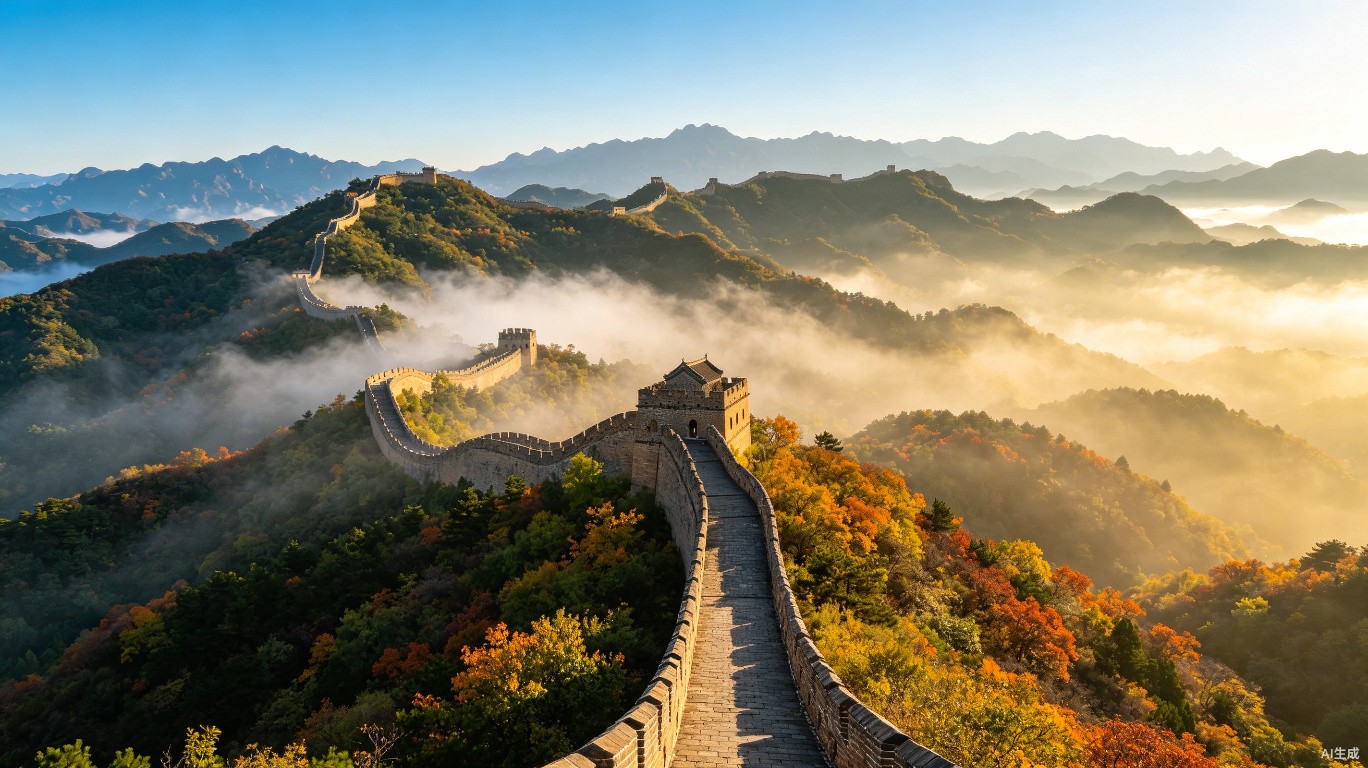
Top 10 Day Trips from Beijing You Shouldn't Miss
Beijing is packed with history, but some of China's best experiences are just a few hours away. Here are 10 day trips that will transform your visit.
9 min read
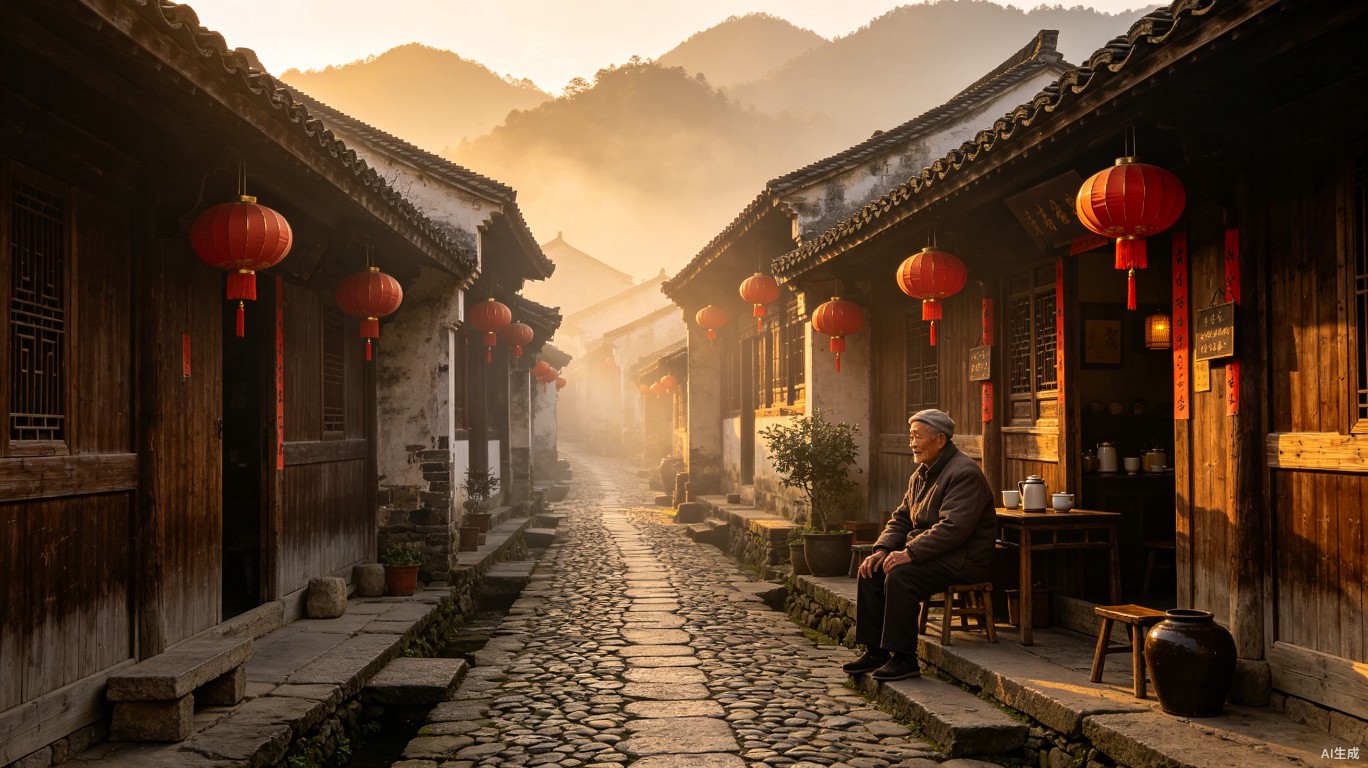
Top 10 Hidden Gems in China Off the Beaten Path
Beyond the Great Wall and Terracotta Warriors, China has incredible hidden destinations few tourists ever reach. Here are 10 underrated gems worth the detour.
9 min read
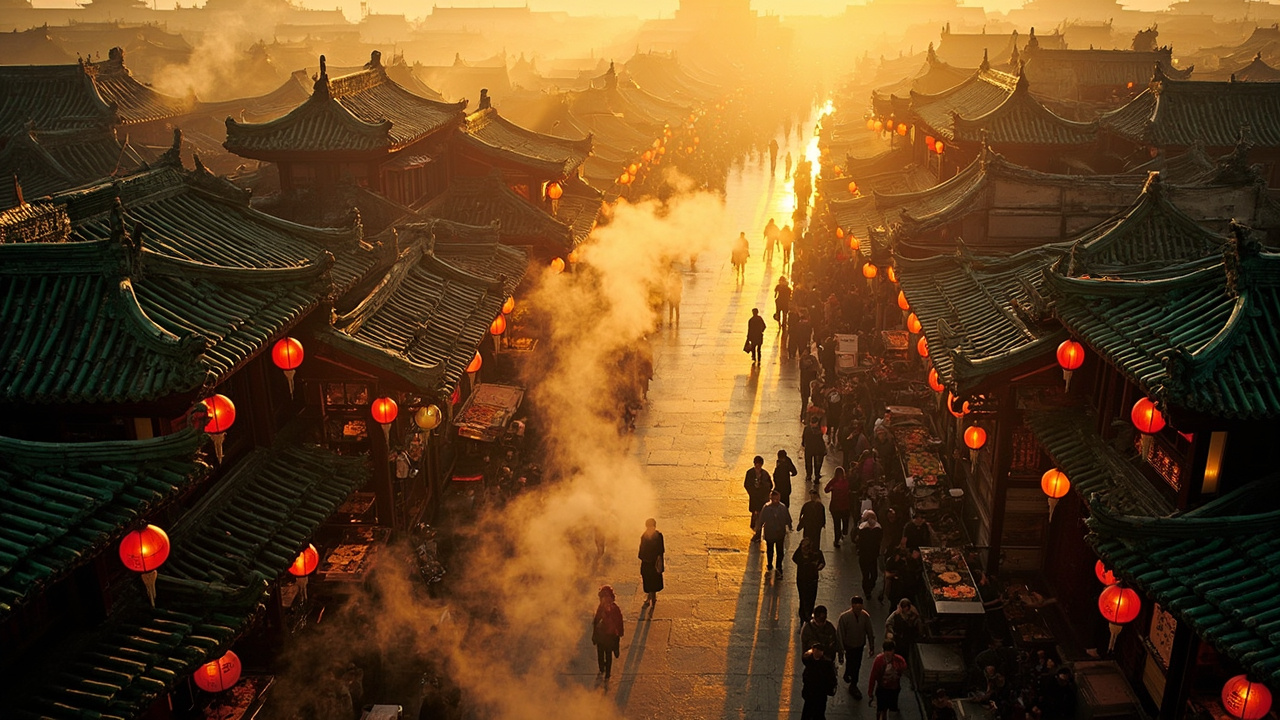
Top 10 Markets and Shopping Streets in China
From Shanghai's Bund to Beijing's Silk Street - 10 markets where foreigners can haggle, explore, and bring home authentic Chinese goods.
9 min read
Top 10 Museums in China You Shouldn't Miss
China's museums span 5,000 years of civilization. These 10 - from the Palace Museum to Xi'an's terracotta gallery - are unmissable for culture lovers.
9 min read