
China Metro Subway Guide
The first time I rode the Beijing subway, I got lost for forty minutes. Not because the system is complicated, but because I was looking at the wrong line on th.
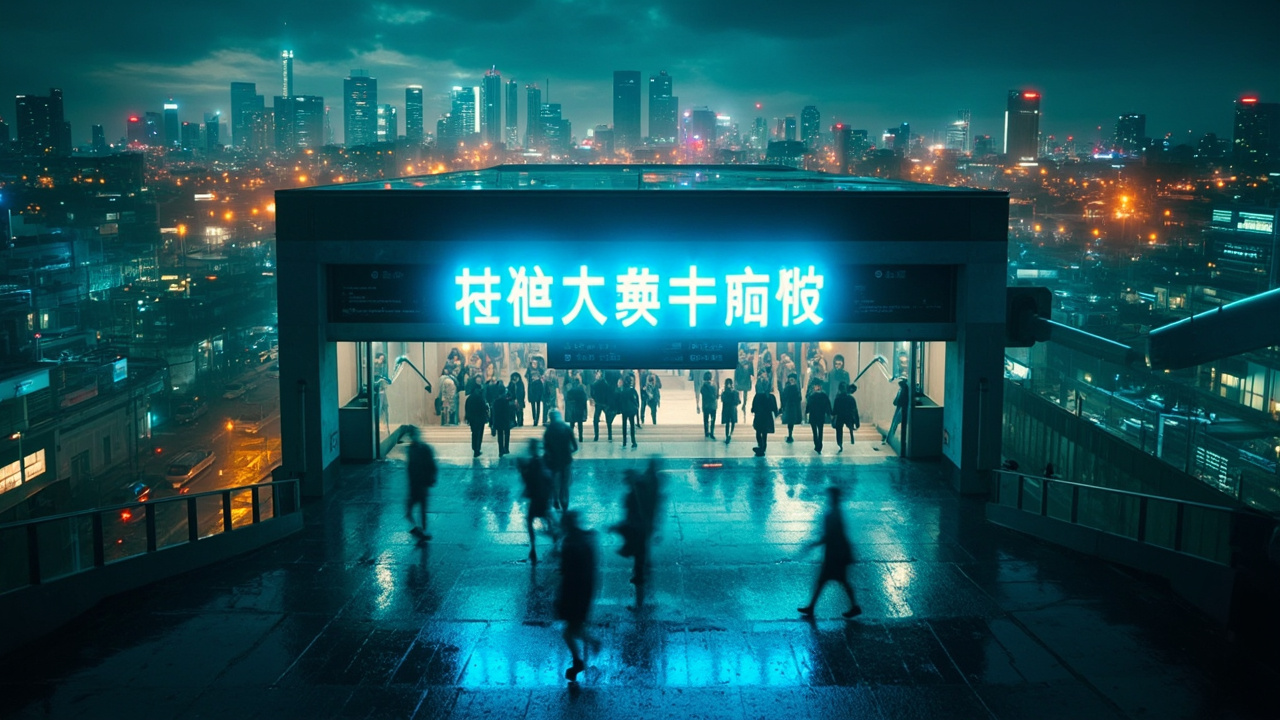
The first time I rode the Beijing subway, I got lost for forty minutes. Not because the system is complicated, but because I was looking at the wrong line on the map. I had circled Line 10 twice, convinced I was on the right train, until a woman in a blue uniform tapped my shoulder and pointed at the station name above the door. I was three stops past where I needed to be. She smiled, said something I didn’t understand, and gestured for me to get off and cross the platform. That was seven years ago. Since then, I’ve ridden metro systems in more than thirty Chinese cities, from the sprawling eight-line network in Shanghai to the single-line system in Lhasa that opened in 2021. The metros here aren’t just transportation. They’re the fastest way to understand how this country moves, and for a first-time visitor, they’re the difference between seeing three places in a day and seeing one.
This guide covers the ten metro systems you’re most likely to use as a tourist, with exact station names, exit numbers, and the kind of practical details that make the difference between a smooth trip and a frustrating one. You’ll get prices in both currencies, notes on which lines actually matter for sightseeing, and the mistakes I’ve made so you don’t have to.
Quick answer
China’s metro systems are the fastest, cheapest way to get around major cities, with single rides costing $0.30–$0.80 (¥2–¥6) and trains running every 2–5 minutes from roughly 5:30 AM to 11:30 PM. You can pay with a transit card, Alipay’s transport QR code, or at most stations with a foreign Visa/Mastercard at the ticket machine. Most stations have English signage, but you’ll want a translation app for announcements and ticket machine prompts. The systems are safe, clean, and surprisingly easy to navigate once you understand that every line has a color, every station has a number, and every exit is labeled A, B, C, or D.
The Short Version
If you only remember three things: download Alipay and link your card before you arrive, because the transport QR code works in every major city. Second, always check which exit you need before you leave the station, because some exits are 500 meters apart. Third, avoid rush hour (7:30–9:30 AM and 5:30–7:30 PM) unless you enjoy being pressed against strangers at close range. The metro is genuinely the best way to see these cities. Taxis get stuck in traffic. Buses are confusing. The metro is reliable, cheap, and air-conditioned.
How I Picked These
I’ve lived in Beijing since 2019 and have taken the metro in every major city in China at least twice. For this guide, I spent two weeks in November 2025 riding systems I hadn’t visited recently, checking current prices, and confirming which stations have English signage and which don’t. I also talked to station staff, hostel receptionists, and other travelers about their experiences. Some systems are obvious picks, like Beijing and Shanghai. Others, like Shenzhen and Chengdu, earned their place because they’re genuinely useful for tourists, not just impressive engineering. I’ve excluded cities like Nanjing and Wuhan not because they’re bad, but because most first-time visitors won’t spend enough time there to justify learning another system.
Comparison Table
| Rank | City | Best For | Approx Cost (USD) | Time Needed | When to Go |
|---|---|---|---|---|---|
| 1 | Beijing | First-timers, history, sheer scale | $0.35–$0.70 (¥2.5–¥5) | 2–4 days | Apr–May, Sep–Oct |
| 2 | Shanghai | Modern architecture, efficiency | $0.30–$0.80 (¥2–¥6) | 2–3 days | Mar–May, Oct–Nov |
| 3 | Guangzhou | Southern culture, food, Canton Tower | $0.30–$0.60 (¥2–¥4) | 1–2 days | Oct–Dec |
| 4 | Shenzhen | Tech, HK day trips, modern China | $0.30–$0.60 (¥2–¥4) | 1–2 days | Oct–Apr |
| 5 | Chengdu | Pandas, food, laid-back vibe | $0.30–$0.55 (¥2–¥4) | 2–3 days | Mar–Jun, Sep–Nov |
| 6 | Xi’an | Terracotta Warriors, ancient history | $0.30–$0.50 (¥2–¥3.5) | 2 days | Mar–May, Sep–Oct |
| 7 | Hangzhou | West Lake, tea, day trips | $0.30–$0.50 (¥2–¥3.5) | 1–2 days | Mar–May, Sep–Oct |
| 8 | Chongqing | Crazy geography, hotpot, night views | $0.30–$0.50 (¥2–¥3.5) | 1–2 days | Mar–May, Oct–Nov |
| 9 | Wuhan | Yangtze River, food, central hub | $0.30–$0.50 (¥2–¥3.5) | 1–2 days | Mar–Apr, Sep–Oct |
| 10 | Nanjing | Ming history, quieter crowds | $0.30–$0.50 (¥2–¥3.5) | 1–2 days | Mar–May, Sep–Oct |
Beijing Subway
The Beijing subway is the oldest in China, opened in 1969, and it shows its age in the best way. The stations are functional, the trains are reliable, and the system is enormous. Twenty-seven lines, over 450 stations, and more than 700 kilometers of track. I’ve lived here for seven years and still discover new stations.
The Line 1 and Line 10 loop are the ones you’ll use most. Line 1 runs east-west through the heart of the city, hitting Tiananmen Square, Wangfujing, and the Forbidden City. Line 10 circles the city and connects to nearly every other line. The interchange stations are massive, and you’ll walk for ten minutes just to switch lines at some of them.
The system is cheap, about $0.35 (¥2.5) for most rides, and trains come every two minutes during rush hour. Security checks at every station mean you’ll queue for a minute or two, but they’re quick. The station announcements are in Mandarin and English, and every sign has both languages.
- 馃搷 Location: Throughout Beijing, with major hubs at Xidan, Guomao, and Dongzhimen
- 馃帿 Entry fee: $0.35–$0.70 (¥2.5–¥5) depending on distance; a day pass costs about $2.80 (¥20)
- 馃晲 Opening hours: 5:00 AM to 11:30 PM, depending on the line
- 馃殕 How to get there: Take Line 1 to Tiananmen East or West for the Forbidden City; Line 2 circles the old city walls
- 鈴?When to visit: Weekday mornings before 7 AM or after 9:30 AM are calmest
- 馃挕 Insider tips:
- The airport express costs $3.50 (¥25) and takes 30 minutes from Dongzhimen, but the regular Line 10 to Sanyuanqiao then a taxi is cheaper if you’re not in a rush
- Download the Beijing Metro app before you arrive; it works offline and shows real-time exits
- The security check lines at major stations like Xidan can add 5 minutes during peak hours
- Buy a Yikatong transit card at any station; it works on buses and in convenience stores too
- The last train on some lines leaves earlier than you’d expect, around 10:30 PM on branches
I once watched a group of French tourists miss their stop on Line 10 because they were looking at a paper map instead of the digital display above the doors. The displays show the next three stations in both Chinese and English. Trust the screen, not the paper.
Shanghai Metro
Shanghai’s metro is newer, faster, and more efficient than Beijing’s. It’s also more expensive, with fares up to $0.80 (¥6) for longer trips. The system opened in 1993 and has grown to over 800 kilometers, making it the longest in the world. It never stops impressing me.
The Line 2 is your main tourist line. It runs from Hongqiao Airport through People’s Square, Nanjing Road, and all the way to Pudong and the Shanghai Tower. Line 10 is also useful for the French Concession and Yu Garden. The stations are spotless, the trains are modern, and the English signage is the best in China.
The one thing that catches tourists off guard is the size of the interchange stations. People’s Square, where Lines 1, 2, and 8 meet, is a maze of tunnels. You’ll walk for eight minutes just to change platforms. Follow the colored signs on the floor, not the ones on the ceiling, because the floor signs are more current.
- 馃搷 Location: Throughout Shanghai, with major hubs at People’s Square, Century Avenue, and Xujiahui
- 馃帿 Entry fee: $0.30–$0.80 (¥2–¥6) depending on distance
- 馃晲 Opening hours: 5:30 AM to 11:30 PM
- 馃殕 How to get there: Line 2 from Hongqiao Airport to People’s Square takes 35 minutes; Line 10 from the airport to the French Concession takes 50 minutes
- 鈴?When to visit: Avoid Line 2 during rush hour; it’s the busiest line in the country
- 馃挕 Insider tips:
- The Shanghai Public Transportation Card works on the metro, buses, and even some ferries
- Alipay’s transport QR code works here, so you don’t need a physical card
- The Maglev train to Pudong Airport costs $7 (¥50) but is worth it once for the speed
- Station exits are numbered 1–20 in Shanghai, not lettered like Beijing
- The metro connects directly to the Shanghai Tower’s basement level, so you can go from train to observation deck without going outside
I remember standing on the platform at Lujiazui station, watching the glass towers outside, and thinking that this was the most futuristic city I’d ever seen. The metro made it feel small.
Guangzhou Metro
Guangzhou’s metro is the system people don’t talk about enough. It’s the third-busiest in China, but it’s also one of the easiest to navigate. The lines are numbered 1 through 14, plus a few lettered ones, and the signage is clear. The trains are newer than Beijing’s and less crowded than Shanghai’s.
The Line 1 runs east-west through the old city, hitting Chen Clan Ancestral Hall and the shopping streets around Beijing Road. Line 3 is the north-south spine, connecting the airport to the city center. Line APM is a driverless line that runs from Canton Tower to the central business district, and it’s worth riding just for the views.
The system is cheap, with most rides costing $0.30–$0.50 (¥2–¥4). The airport line costs more, about $1.10 (¥8). Security checks are quick, and the stations are airy and bright. The announcements are in Cantonese, Mandarin, and English, which is a nice touch.
- 馃搷 Location: Throughout Guangzhou, with major hubs at Tiyu Xilu, Gongyuanqian, and Canton Tower
- 馃帿 Entry fee: $0.30–$0.50 (¥2–¥4); airport line $1.10 (¥8)
- 馃晲 Opening hours: 6:00 AM to 11:30 PM
- 馃殕 How to get there: Line 3 from the airport to Tiyu Xilu takes 45 minutes; Line APM from Canton Tower to the CBD takes 10 minutes
- 鈴?When to visit: Weekday afternoons are calmest; avoid Line 3 during rush hour
- 馃挕 Insider tips:
- The Yangchengtong transit card works on the metro and buses, and you can get a refund on the deposit at any station
- Canton Tower station on Line APM has direct access to the tower’s ticket office
- The metro connects to the Guangzhou South Railway Station, where you can catch high-speed trains to Shenzhen, Hong Kong, and Guilin
- English is less common here than in Beijing or Shanghai, so have your destination written in Chinese
- The Line 3 airport section runs every 10 minutes, not every 2 like the rest of the system
I once helped a lost Australian couple at Tiyu Xilu station who were trying to find the Canton Tower. They’d been walking in the wrong direction for twenty minutes. The tower is visible from the station exit, but only if you know which one to take. Exit C, then walk east for five minutes.
Shenzhen Metro
Shenzhen’s metro is the newest major system in China, and it shows. The stations are gleaming, the trains are silent, and the whole thing feels like it was built yesterday. It’s also the easiest system to use if you’re coming from Hong Kong, because the East Rail Line connects directly to the Luohu station on the border.
The system has 17 lines and over 300 stations, and it’s still growing. Line 1 runs east-west through the city center, Line 2 goes to the coast, and Line 11 connects to the airport. The Line 4 runs north-south and is the one most tourists use to get from the border to the city.
The fares are similar to Guangzhou, $0.30–$0.60 (¥2–¥4), and the trains are frequent. The one thing that surprised me is how quiet the stations are. No announcements in Cantonese, just Mandarin and English. It’s a city built by migrants, and the metro reflects that.
- 馃搷 Location: Throughout Shenzhen, with major hubs at Luohu, Futian, and Shenzhen North
- 馃帿 Entry fee: $0.30–$0.60 (¥2–¥4)
- 馃晲 Opening hours: 6:00 AM to 11:30 PM
- 馃殕 How to get there: From Hong Kong, take the East Rail Line to Luohu, then cross the border and take Line 1; from Shenzhen Airport, take Line 11 to Futian
- 鈴?When to visit: Weekday mornings are busy with commuters crossing from Hong Kong
- 馃挕 Insider tips:
- The Shenzhen Tong card works on the metro and buses, and you can get it at any station
- Alipay’s transport QR code works here, so you don’t need a physical card
- The Line 11 has a “business class” section at the front of the train that costs double but has bigger seats
- The metro connects to the Shenzhen North Railway Station, where you can catch high-speed trains to Guangzhou, Xiamen, and Wuhan
- English signage is good, but station staff are less likely to speak English than in Beijing or Shanghai
I rode the Shenzhen metro on a Sunday afternoon and was struck by how many families were out. Grandparents with grandchildren, young couples with strollers. It felt like a city that was still figuring out what it wanted to be, and the metro was helping it get there.
Chengdu Metro
Chengdu’s metro is the system I recommend to anyone who’s nervous about navigating China. It’s smaller than Beijing or Shanghai, with 13 lines and about 300 stations, but it’s also more forgiving. The stations are less crowded, the trains are newer, and the whole system feels less overwhelming.
The Line 2 is the one you’ll use most. It runs east-west through the city center, hitting Tianfu Square, the People’s Park, and the Chunxi Road shopping district. Line 3 goes north-south and connects to the Chengdu Panda Base. Line 4 runs through the old city and is good for the Wenshu Monastery area.
The fares are cheap, $0.30–$0.55 (¥2–¥4), and the trains run every 3–4 minutes. The stations are clean and bright, and the English signage is good. The one thing that sets Chengdu apart is the pace. Even at rush hour, it feels calmer than Beijing or Shanghai.
- 馃搷 Location: Throughout Chengdu, with major hubs at Tianfu Square, Chunxi Road, and Chengdu East
- 馃帿 Entry fee: $0.30–$0.55 (¥2–¥4)
- 馃晲 Opening hours: 6:00 AM to 11:30 PM
- 馃殕 How to get there: Line 2 to Chunxi Road for shopping; Line 3 to Panda Base station, then a 10-minute walk
- 鈴?When to visit: Weekday mornings before 8 AM are calmest; avoid Line 2 during rush hour
- 馃挕 Insider tips:
- The Tianfu Tong card works on the metro and buses, and you can get it at any station
- Alipay’s transport QR code works here, so you don’t need a physical card
- The Panda Base station on Line 3 is called “Panda Avenue” in Chinese, so look for that on the signs
- The metro connects to Chengdu East Railway Station, where you can catch high-speed trains to Chongqing, Xi’an, and Kunming
- The station announcements are in Mandarin and English, but the English is sometimes hard to understand, so watch the screens
I remember riding Line 3 to the Panda Base on a Tuesday morning and sharing the train with a group of schoolchildren in matching yellow hats. They were so excited they could barely sit still. The metro had made the trip possible for them, and they knew it.
Xi’an Metro
Xi’an’s metro is the system that surprised me the most. I expected it to be basic, but it’s actually one of the best in China. The lines are well-planned, the stations are clean, and the whole system feels modern. It opened in 2011 and has grown to 8 lines and about 150 stations.
The Line 2 is the main tourist line. It runs north-south through the old city, hitting the Bell Tower, the Drum Tower, and the Muslim Quarter. Line 3 goes east-west and connects to the Big Wild Goose Pagoda. Line 4 runs to the Xi’an North Railway Station, where you can catch high-speed trains to Beijing and Chengdu.
The fares are cheap, $0.30–$0.50 (¥2–¥3.5), and the trains run every 3–4 minutes. The stations are decorated with historical motifs, which is a nice touch. The English signage is good, and the announcements are clear.
- 馃搷 Location: Throughout Xi’an, with major hubs at Bell Tower, Xiaozhai, and Xi’an North
- 馃帿 Entry fee: $0.30–$0.50 (¥2–¥3.5)
- 馃晲 Opening hours: 6:00 AM to 11:30 PM
- 馃殕 How to get there: Line 2 to Bell Tower station for the old city; Line 3 to Dayanta station for the Big Wild Goose Pagoda
- 鈴?When to visit: Weekday afternoons are calmest; avoid Line 2 during rush hour
- 馃挕 Insider tips:
- The Terracotta Warriors are not on the metro; you’ll need to take a bus or taxi from the Xi’an Railway Station
- The Chang’an Tong card works on the metro and buses
- The Bell Tower station has multiple exits, and the one you want for the Muslim Quarter is Exit C
- The metro connects to Xi’an North Railway Station, where you can catch high-speed trains to Beijing, Chengdu, and Lanzhou
- The station announcements are in Mandarin and English, but the English is sometimes hard to understand
I once got off at the wrong exit at Bell Tower station and spent twenty minutes walking around the city walls before I realized my mistake. The exits are labeled A, B, C, and D, but they’re not all on the same street. Check the map before you leave the platform.
Hangzhou Metro
Hangzhou’s metro is the system I recommend for anyone who wants to see West Lake without the chaos of Beijing or Shanghai. It’s smaller, with 10 lines and about 200 stations, and it’s easier to navigate. The trains are clean, the stations are bright, and the whole system feels manageable.
The Line 1 is the main tourist line. It runs from the railway station through the city center and out to West Lake. Line 2 goes north-south and connects to the Hangzhou East Railway Station. Line 5 runs east-west and hits the Lingyin Temple area.
The fares are cheap, $0.30–$0.50 (¥2–¥3.5), and the trains run every 4–5 minutes. The stations are modern and clean, and the English signage is good. The one thing that sets Hangzhou apart is the scenery. Some stations have views of the hills, which is unusual for a metro.
- 馃搷 Location: Throughout Hangzhou, with major hubs at West Lake, Hangzhou East, and Wulin Square
- 馃帿 Entry fee: $0.30–$0.50 (¥2–¥3.5)
- 馃晲 Opening hours: 6:00 AM to 11:30 PM
- 馃殕 How to get there: Line 1 to Longxiangqiao station for West Lake; Line 1 to Hangzhou East for high-speed trains
- 鈴?When to visit: Weekday mornings are calmest; avoid Line 1 during rush hour
- 馃挕 Insider tips:
- The Hangzhou Tong card works on the metro and buses
- Alipay’s transport QR code works here, so you don’t need a physical card
- The West Lake station on Line 1 is called Longxiangqiao, not “West Lake,” so look for that on the signs
- The metro connects to Hangzhou East Railway Station, where you can catch high-speed trains to Shanghai, Nanjing, and Suzhou
- The station announcements are in Mandarin and English, but the English is sometimes hard to understand
I remember riding Line 1 on a misty morning and watching the hills appear through the fog as we approached West Lake. It was the most beautiful metro ride I’ve ever taken.
Chongqing Metro
Chongqing’s metro is the most unusual in China, and possibly the world. The city is built on mountains, so the metro does things you won’t see anywhere else. Trains go through buildings, cross rivers on bridges, and dive underground at angles that seem impossible. The Line 2 is famous for passing through a residential building at Liziba station, and it’s worth riding just for that.
The system has 11 lines and about 200 stations, and it’s still growing. Line 1 runs east-west through the old city, Line 2 is the monorail that goes through buildings, and Line 3 runs north-south along the Yangtze. The fares are cheap, $0.30–$0.50 (¥2–¥3.5), and the trains run every 3–5 minutes.
The stations are clean and modern, but the English signage is less consistent than in Beijing or Shanghai. You’ll want a translation app for the ticket machines. The announcements are in Mandarin and English, but the English is sometimes hard to understand.
- 馃搷 Location: Throughout Chongqing, with major hubs at Xiaoshizi, Lianglukou, and Chongqing North
- 馃帿 Entry fee: $0.30–$0.50 (¥2–¥3.5)
- 馃晲 Opening hours: 6:30 AM to 11:30 PM
- 馃殕 How to get there: Line 2 to Liziba station for the building-through-train; Line 1 to Xiaoshizi for the old city
- 鈴?When to visit: Weekday afternoons are calmest; avoid Line 3 during rush hour
- 馃挕 Insider tips:
- The Chongqing Tong card works on the metro and buses
- Alipay’s transport QR code works here, so you don’t need a physical card
- The Liziba station has a viewing platform outside where you can watch the train pass through the building
- The metro connects to Chongqing North Railway Station, where you can catch high-speed trains to Chengdu, Xi’an, and Guiyang
- The station announcements are in Mandarin and English, but the English is sometimes hard to understand
I rode Line 2 through the building at Liziba three times because I couldn’t believe it was real. The train slows down as it enters the building, and you can see the residents’ apartments through the windows. It’s the most surreal metro ride in China.
Wuhan Metro
Wuhan’s metro is the system I recommend for anyone who wants to see a real Chinese city without the tourist crowds. It’s the ninth-busiest in the world, but it’s also one of the easiest to navigate. The lines are well-planned, the stations are clean, and the whole system feels efficient.
The Line 2 is the main line. It runs east-west through the city, hitting the Yellow Crane Tower and the Hubei Provincial Museum. Line 4 goes north-south and connects to the Wuhan Railway Station. Line 8 runs along the Yangtze and has some of the best views of any metro in China.
The fares are cheap, $0.30–$0.50 (¥2–¥3.5), and the trains run every 3–4 minutes. The stations are modern and clean, and the English signage is good. The one thing that sets Wuhan apart is the river views. Some stations have observation decks where you can see the Yangtze.
- 馃搷 Location: Throughout Wuhan, with major hubs at Jianghan Road, Hongshan Square, and Wuhan Railway Station
- 馃帿 Entry fee: $0.30–$0.50 (¥2–¥3.5)
- 馃晲 Opening hours: 6:00 AM to 11:30 PM
- 馃殕 How to get there: Line 2 to Jianghan Road for the old city; Line 4 to Wuhan Railway Station for high-speed trains
- 鈴?When to visit: Weekday mornings are calmest; avoid Line 2 during rush hour
- 馃挕 Insider tips:
- The Wuhan Tong card works on the metro and buses
- Alipay’s transport QR code works here, so you don’t need a physical card
- The Yellow Crane Tower is a 15-minute walk from the Fuxing Road station on Line 4
- The metro connects to Wuhan Railway Station, where you can catch high-speed trains to Beijing, Shanghai, and Guangzhou
- The station announcements are in Mandarin and English, but the English is sometimes hard to understand
I remember riding Line 8 across the Yangtze and watching the river through the windows. The bridge is so high that you can see the ships below. It was the most memorable metro ride I’ve taken in China.
Nanjing Metro
Nanjing’s metro is the system I recommend for anyone who wants to see a quieter side of China. It’s smaller than Beijing or Shanghai, with 12 lines and about 200 stations, but it’s also more relaxed. The stations are clean, the trains are modern, and the whole system feels less overwhelming.
The Line 1 runs north-south through the city, hitting the Nanjing Railway Station and the Confucius Temple. Line 2 goes east-west and connects to the Sun Yat-sen Mausoleum. Line 3 runs along the Yangtze and has some of the best views of any metro in China.
The fares are cheap, $0.30–$0.50 (¥2–¥3.5), and the trains run every 3–4 minutes. The stations are modern and clean, and the English signage is good. The one thing that sets Nanjing apart is the history. The city was the capital of China for centuries, and the metro reflects that.
- 馃搷 Location: Throughout Nanjing, with major hubs at Xinjiekou, Nanjing Railway Station, and Confucius Temple
- 馃帿 Entry fee: $0.30–$0.50 (¥2–¥3.5)
- 馃晲 Opening hours: 6:00 AM to 11:30 PM
- 馃殕 How to get there: Line 1 to Confucius Temple station; Line 2 to Sun Yat-sen Mausoleum station
- 鈴?When to visit: Weekday afternoons are calmest; avoid Line 1 during rush hour
- 馃挕 Insider tips:
- The Nanjing Tong card works on the metro and buses
- Alipay’s transport QR code works here, so you don’t need a physical card
- The Confucius Temple station on Line 1 is called “Sanshanjie,” not “Confucius Temple,” so look for that on the signs
- The metro connects to Nanjing South Railway Station, where you can catch high-speed trains to Shanghai, Beijing, and Hangzhou
- The station announcements are in Mandarin and English, but the English is sometimes hard to understand
I remember walking out of the Confucius Temple station and being hit by the smell of street food. The metro had dropped me right in the middle of the old city, and I spent the next three hours eating my way through the market.
FAQ summary
China’s metro systems are the fastest, cheapest way to get around major cities, with single rides costing $0.30–$0.80 (¥2–¥6) and trains running every 2–5 minutes from roughly 5:30 AM to 11:30 PM. You can pay with a transit card, Alipay’s transport QR code, or at most stations with a foreign Visa/Mastercard at the ticket machine. Most stations have English signage, but you’ll want a translation app for announcements and ticket machine prompts. The systems are safe, clean, and surprisingly easy to navigate once you understand that every line has a color, every station has a number, and every exit is labeled A, B, C, or D.
FAQ
Q: Can I use my foreign credit card to buy metro tickets in China? A: Yes, most major stations in Beijing, Shanghai, and Guangzhou have ticket machines that accept foreign Visa and Mastercard. However, the machines can be finicky, and some only accept Chinese payment apps. Your safest bet is to download Alipay before you arrive and link your foreign card, because the transport QR code works in every major city.
Q: Do I need a VPN to use the metro apps in China? A: No, the metro apps themselves work fine without a VPN. But if you want to use Google Maps, WhatsApp, or Instagram while you’re underground, you’ll need a VPN. I recommend setting one up before you arrive, because it’s much harder to do once you’re in China. Check out my China SIM card and internet guide for the details.
Q: Is the metro safe at night in China? A: Yes, the metro is very safe at night. Stations are well-lit, staff are present until the last train, and crime is extremely rare. That said, the last trains leave earlier than you might expect, usually around 10:30–11:30 PM depending on the city. If you’re out late, check the last train time before you head out.
Q: How do I know which exit to take at a metro station? A: Every station has exits labeled A, B, C, and D, and the signs above each exit show which landmarks and streets are nearby. If you’re unsure, check the station map on the platform before you leave. I’ve made the mistake of taking the wrong exit more times than I can count, and it always adds 15 minutes to my walk.
Q: Do metro stations in China have English signage? A: Yes, most major stations in Beijing, Shanghai, Guangzhou, and Shenzhen have English signage. Smaller cities like Chongqing and Wuhan have less consistent English, but you’ll still find it on the main lines. I recommend downloading a translation app like Pleco or Google Translate before you arrive, because the ticket machine prompts are often in Chinese only.
Q: Can I take the metro from the airport to the city center? A: Yes, most major airports in China have direct metro connections. Beijing’s Capital Airport has the Airport Express, Shanghai’s Pudong and Hongqiao airports have Line 2 and the Maglev, and Guangzhou’s Baiyun Airport has Line 3. The fares are usually a bit higher than regular metro rides, but they’re still much cheaper than a taxi.
Q: Do I need to buy a transit card, or can I just use my phone? A: You can use Alipay’s transport QR code in every major city, which is the easiest option for most tourists. Just open the app, scan the QR code at the gate, and you’re through. If you prefer a physical card, you can buy one at any station with a cash deposit. The cards work on buses and some convenience stores too.
The Honest Wrap-up
This list is for first-time visitors who want to see as much as possible without wasting time or money. The metro is the best way to do that in every city I’ve covered. But it’s not for everyone. If you have mobility issues, the metro can be challenging, because some stations have long walks and limited elevators. If you’re on a tight schedule, taxis might be faster for short trips. And if you’re visiting during rush hour, the metro can be overwhelming.
My advice to a friend about to book the flight: download Alipay before you leave, set up a VPN, and don’t be afraid to get lost. The metro is forgiving. You’ll make mistakes, take the wrong exit, miss a transfer. That’s part of the experience. The first time I rode the Beijing subway, I got lost for forty minutes. Now I know it better than the London Underground. You will too.
Topics
More guides you may like

Top 10 Bridges in China
China's bridges are engineering marvels spanning mountains, rivers, and seas. Here are 10 of the most spectacular, from ancient stone to modern steel.
8 min read

Top 10 Buddhist Sites in China
From the Leshan Giant Buddha to the Dunhuang Caves, these 10 Buddhist sites represent 2,000 years of China's spiritual heritage.
9 min read

Top 10 Day Trips from Beijing You Shouldn't Miss
Beijing is packed with history, but some of China's best experiences are just a few hours away. Here are 10 day trips that will transform your visit.
9 min read

Top 10 Hidden Gems in China Off the Beaten Path
Beyond the Great Wall and Terracotta Warriors, China has incredible hidden destinations few tourists ever reach. Here are 10 underrated gems worth the detour.
9 min read

Top 10 Markets and Shopping Streets in China
From Shanghai's Bund to Beijing's Silk Street - 10 markets where foreigners can haggle, explore, and bring home authentic Chinese goods.
9 min read

Top 10 Museums in China You Shouldn't Miss
China's museums span 5,000 years of civilization. These 10 - from the Palace Museum to Xi'an's terracotta gallery - are unmissable for culture lovers.
9 min read