
China Panda Route Chengdu
The cab driver laughed at me when I asked to be dropped at the Giant Panda Breeding Research Base.
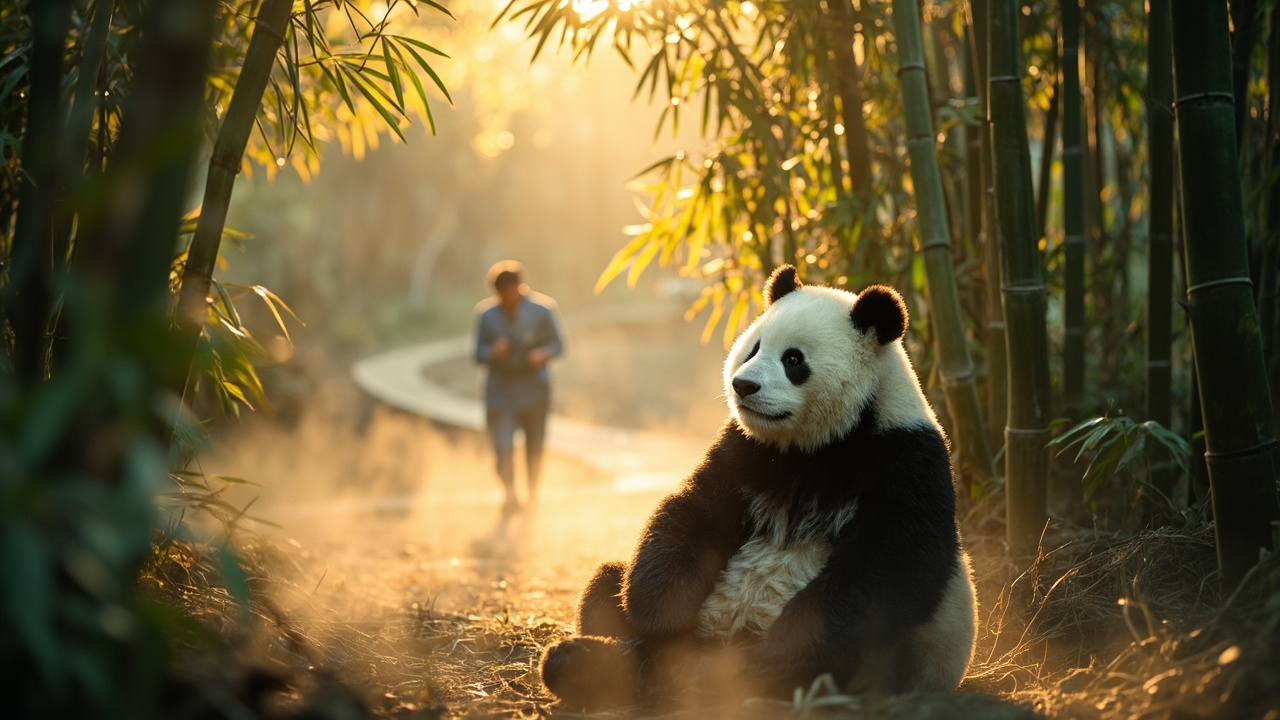
The cab driver laughed at me when I asked to be dropped at the Giant Panda Breeding Research Base. Not because the request was strange, but because I said “panda base” in English and he thought I was trying to say “pan-tsu,” which in Sichuan dialect sounds close to something about pants. We sorted it out with a photo on my phone screen. Twenty minutes later, I was standing in a bamboo forest at 7:40 AM, watching a giant panda named Chengji yawn, roll over, and systematically demolish a pile of bamboo stalks like they were celery sticks. A toddler next to me whispered, “It’s real,” and honestly, that summed up the whole trip.
The “Panda Route” through Chengdu is more than just one research base. It’s a corridor that stretches from the city’s urban panda sanctuaries out into the misty mountains of western Sichuan, where wild pandas still roam and conservation centers work quietly behind the scenes. This route matters because it connects the most accessible panda experiences in China with the places where the actual conservation work happens. It also happens to pass through some of the most beautiful countryside in the country, with tea fields, old towns, and mountain roads that make you forget you’re in one of China’s fastest-growing provinces.
I’ve made this trip four times over the past seven years, and each time I’ve found something new. This guide covers the ten places I’d actually send a friend to, with exact directions, honest opinions, and the kind of practical details that save you from standing at the wrong metro exit wondering where the pandas are.
Quick answer
The China Panda Route in Chengdu is a 3-5 day itinerary combining the Chengdu Research Base of Giant Panda Breeding (the main urban site, $7.50/55 CNY entry) with the Bifengxia Panda Base (~2 hours southwest, $14/100 CNY) and the Wolong Panda Center (~3 hours northwest, $14/100 CNY). Most visitors can enter China visa-free for up to 240 hours under the 2024-2026 transit policy, and you can pay for everything with Alipay or WeChat Pay. The best time to go is March-May or September-November, when the weather is mild and the pandas are most active in the morning.
The Short Version
If you only have 90 seconds, here’s the deal. Go to the Chengdu Research Base early. I mean ridiculously early, before the gates open at 7:30 AM. See the pandas eat breakfast, then leave by noon when the crowds arrive. If you have a second day, take the high-speed rail to Ya’an and visit Bifengxia, which is quieter and lets you see pandas in a more natural setting. Skip the “panda volunteer” programs that charge $200+ unless you genuinely want to make panda cakes, because that’s mostly what you’ll do. Budget $50-80 per day for a comfortable trip, download Alipay before you land, and bring a light jacket even in summer because the mountain bases get cool.
How I Picked These
I’ve been to every panda-related site in the Chengdu region at least once, and most of them multiple times. I visited the main research base in every season, went to Bifengxia on a rainy Tuesday and a sunny Saturday, and spent a night in Wolong to see what the mountain experience was really like. I talked to keepers, drivers, and a retired teacher who volunteers at the base and has been photographing pandas for eleven years. I also made mistakes so you don’t have to, like showing up to the Dujiangyan base on a Monday when the pandas were being moved to outdoor enclosures, and trying to visit Wolong in February when the mountain road was icy. The ten places below are the ones I’d actually recommend, not the ones that look good on a brochure.
Comparison Table
| Rank | Place | Best For | Approx Cost (USD) | Time Needed | When to Go |
|---|---|---|---|---|---|
| 1 | Chengdu Research Base | First-timers, guaranteed panda sightings | $7.50 (55 CNY) | 3-4 hours | Mar-May, Sep-Nov, early morning |
| 2 | Bifengxia Panda Base | Quieter experience, natural setting | $14 (100 CNY) | 4-5 hours | Weekdays, spring/autumn |
| 3 | Wolong Panda Center | Deep conservation immersion | $14 (100 CNY) | Full day or overnight | May-Oct, clear days |
| 4 | Dujiangyan Panda Base | Smaller crowds, close to Chengdu | $7.50 (55 CNY) | 2-3 hours | Weekday mornings |
| 5 | Chengdu Panda Base Old District | Photography, fewer people | Included in base entry | 1-2 hours | Early morning |
| 6 | Panda Post Office | Quirky souvenirs, panda stamps | Free entry | 30 min | Any time |
| 7 | Kuanzhai Alley | Urban panda culture, snacks | Free entry | 2-3 hours | Evening |
| 8 | Panda Lane (Mengzhuiwan) | Street art, local life | Free entry | 1 hour | Daytime |
| 9 | Chengdu Zoo Panda House | Budget option, city center | $2.50 (20 CNY) | 1-2 hours | Morning |
| 10 | Qingcheng Mountain | Combine pandas with nature | $12 (85 CNY) | Half day | Spring/autumn |
Chengdu Research Base of Giant Panda Breeding 鈥?The One You’ve Seen in Every Photo
The first time I walked through the gates, a French tourist grabbed my arm and pointed at a bamboo grove. “There,” she said. “A wild one.” It wasn’t wild, of course, but I understood her excitement. The Chengdu Research Base is where most visitors see their first giant panda, and it doesn’t disappoint. The grounds are immaculate, with bamboo-lined paths that wind between spacious enclosures, and the pandas are reliably visible, especially in the morning when they’re eating.
This is the most convenient and well-organized panda site in China. The base is a research facility first and a tourist attraction second, which means the animals are well-cared for and the educational value is genuine. You’ll see giant pandas at various life stages, from newborns in the nursery to elderly pandas dozing in the sun, plus red pandas that wander surprisingly close to the paths. The layout is easy to navigate, and the signage is bilingual, which is rarer than you’d think in China.
馃搷 Location: Chenghua District, about 10 km north of downtown Chengdu. The address is 1375 Panda Road, but you won’t need it because everyone knows where it is.
馃帿 Entry fee: $7.50 (55 CNY). Students with valid ID get half off. The electric shuttle inside costs an extra $1.50 (10 CNY) but honestly, the walk is pleasant and takes about 20 minutes to the far end.
馃晲 Opening hours: 7:30 AM - 6:00 PM daily, year-round. The pandas are most active from 7:30-10:00 AM, after which they mostly sleep. The nursery is open 8:00-11:00 AM and 2:00-4:00 PM.
馃殕 How to get there: Take Metro Line 3 to Panda Avenue Station (熊猫大道站), Exit B. From there, it’s a 10-minute walk or a 5-minute taxi ride to the gate. Alternatively, take bus 198 or 87 from downtown, but the metro is faster and more reliable. If you’re coming from the airport, it’s about 40 minutes by taxi, roughly $12 (85 CNY).
鈴?When to visit: Go on a weekday if possible, and arrive by 7:15 AM to be near the front of the line. The crowds peak between 10 AM and 2 PM, when tour groups arrive. March-May and September-November offer the best weather, with mild temperatures and clear skies. Summer is hot and humid, and the pandas spend more time indoors.
馃挕 Insider tips: Skip the shuttle and walk, because you’ll see the red pandas along the way. Bring your own snacks and water, as the on-site cafes are overpriced and mediocre. The Moonlight Delivery Room, where baby pandas are shown, has a viewing window that fills up fast, so go there first if you’re desperate to see cubs. The gift shop near the exit sells the same panda plushies as the ones outside for half the price. And if you want a photo without crowds, go to the back enclosures, where most visitors don’t bother walking.
I met a keeper named Zhang who had worked at the base for nine years. She told me the pandas have individual personalities, and she can identify each one by the way it sits. “That one,” she said, pointing to a panda sprawled on its back, “is lazy. He will not move for three hours.” She was right.
Bifengxia Panda Base 鈥?The One Where You Can Actually Hear the Forest
The drive from Ya’an to Bifengxia takes you through a valley that feels a thousand miles from Chengdu’s sprawl. The base sits in a steep, forested canyon, and the panda enclosures are carved into the hillside, so you’re walking up and down slopes rather than along flat paths. It’s more physically demanding than the Chengdu base, but the payoff is a sense of being in the pandas’ world rather than a zoo’s.
Bifengxia is where the China Conservation and Research Center sends pandas for breeding and rewilding preparation. The enclosures are larger and more naturalistic than at Chengdu, and the crowds are a fraction of what you’ll find in the city. On a weekday morning, I shared the entire base with maybe thirty other visitors. The pandas here seem more relaxed, and you can watch them for long stretches without being jostled.
馃搷 Location: Bifengxia Gorge, Ya’an City, about 150 km southwest of Chengdu. The base is inside the Bifengxia scenic area, which also includes a canyon walk and a small zoo.
馃帿 Entry fee: $14 (100 CNY) for the scenic area, which includes the panda base. The cable car up the gorge costs an additional $5 (35 CNY) if you want to skip the uphill walk.
馃晲 Opening hours: 8:30 AM - 4:30 PM daily. The pandas are fed at 9:00 AM and 2:30 PM, so plan around those times.
馃殕 How to get there: Take the high-speed train from Chengdu East Station to Ya’an Station, which takes about 1 hour and costs $10 (72 CNY). From Ya’an Station, it’s a 30-minute taxi ride to the base, around $8 (55 CNY). Alternatively, there are direct buses from Chengdu’s Xinnanmen Bus Station that take about 2.5 hours and cost $8 (55 CNY).
鈴?When to visit: Weekdays are dramatically quieter than weekends, when local tourists flock here. The best months are April-May and September-October. The gorge can be foggy and damp, so bring a light rain jacket even in summer.
馃挕 Insider tips: The walk from the entrance to the panda enclosures is uphill and takes about 20 minutes. There’s a shuttle bus for $2 (15 CNY), but the walk is worth it because you pass the red panda area. Bring cash, as some of the smaller food stalls don’t accept mobile payments. The “panda keeper for a day” program here costs around $120 (850 CNY) and involves making panda cakes and cleaning enclosures, which is more work than it sounds. If you’re short on time, skip the rest of the scenic area and focus on the pandas. The canyon itself is nice but not remarkable.
I made the mistake of visiting on a Saturday in October, when the base was packed with families from Chengdu. A grandmother next to me was explaining to her grandson that the pandas were “big bears who eat vegetables,” and the boy looked deeply skeptical. He had a point.
Wolong Panda Center 鈥?The One That Feels Like the Real Deal
The road to Wolong climbs through the mountains northwest of Chengdu, past small towns and terraced fields, until suddenly you’re in a valley ringed by peaks that hold snow well into June. The Wolong Panda Center, officially called the China Giant Panda Protection and Research Center, is the most serious conservation facility on this route. It’s where pandas are prepared for release into the wild, and the atmosphere reflects that mission.
This isn’t a polished tourist attraction. The enclosures are functional, the paths are simple, and the information is more scientific than flashy. But that’s exactly why I keep coming back. You’re not watching pandas perform for visitors; you’re watching animals that might one day live in the wild. The center also houses red pandas, golden monkeys, and other species native to the region, and the surrounding landscape is stunning.
馃搷 Location: Wolong Special Administrative Region, Wenchuan County, Aba Prefecture, about 100 km northwest of Chengdu as the crow flies, but closer to 130 km by road.
馃帿 Entry fee: $14 (100 CNY). The nearby Shenshuping base, which is part of the same complex, is included in the ticket.
馃晲 Opening hours: 8:30 AM - 5:00 PM daily. The pandas are most active in the morning, and the afternoon feeding is at 3:00 PM.
馃殕 How to get there: This is the hardest place to reach on this list, and that’s part of the point. You can take a bus from Chengdu’s Chadianzi Bus Station to Wolong, which takes about 3 hours and costs $12 (85 CNY). Alternatively, hire a driver for the day, which will cost $80-100 (550-700 CNY) from Chengdu. The road is good but winding, and it can be closed briefly after heavy rain.
鈴?When to visit: May-October is the best window, when the mountain roads are clear and the weather is mild. Winter visits are possible but the cold is biting, and the pandas spend more time indoors. Go on a weekday if you can, as the center gets busy with school groups on weekends.
馃挕 Insider tips: The altitude here is around 2,000 meters, so take it easy if you’re not used to elevation. Bring layers, because the temperature can drop 10 degrees Celsius between the valley and the center. The on-site restaurant serves decent Sichuan food, but the portions are small, so consider bringing snacks. If you’re interested in the conservation work, ask at the information desk about the research programs; the staff are happy to explain what they do. And if you have time, walk the trail behind the center that leads up the mountain, where you might spot wild golden monkeys.
I spent a night at a guesthouse in Wolong village, and the owner, a man in his sixties named Mr. Chen, told me about the 2008 earthquake that destroyed the original panda center. “We lost many pandas,” he said, “but we rebuilt. The pandas needed us.” He served me a dinner of local mushrooms and river fish, and I understood why people fight to keep this place going.
Dujiangyan Panda Base 鈥?The Compact One for a Tight Schedule
Dujiangyan is famous for its 2,000-year-old irrigation system, but the panda base here is a relatively recent addition, opened in 2012 as a branch of the Chengdu research base. It’s smaller than the main base, with fewer pandas, but it’s also less crowded and easier to navigate. If you’re combining a visit to the Dujiangyan irrigation site with panda viewing, this is the convenient option.
The base specializes in panda disease research and rehabilitation, so some of the pandas here are recovering from illness or injury. The enclosures are modern and well-designed, and the visitor experience is efficient without feeling rushed. You can see everything in about two hours, which makes it a good stop if you’re on a day trip from Chengdu.
馃搷 Location: Qingchengshan Town, Dujiangyan City, about 60 km northwest of Chengdu. It’s near the Qingcheng Mountain scenic area, which is worth combining if you have time.
馃帿 Entry fee: $7.50 (55 CNY), same as the main Chengdu base. The ticket includes access to the entire base.
馃晲 Opening hours: 8:30 AM - 5:00 PM daily. The pandas are fed at 9:00 AM and 3:00 PM.
馃殕 How to get there: Take the high-speed train from Chengdu’s Xipu Station to Qingchengshan Station, which takes about 30 minutes and costs $5 (35 CNY). From there, it’s a 10-minute taxi ride to the base. Alternatively, take Metro Line 2 to Xipu Station and transfer to the train.
鈴?When to visit: Weekday mornings are ideal. The base gets busy with tour groups from Chengdu on weekends, especially during school holidays. Spring and autumn are the most comfortable seasons.
馃挕 Insider tips: The base is small enough that you don’t need a map. The pandas are usually in the enclosures closest to the entrance, so don’t rush past them. The gift shop here has some unique items, including panda-themed postcards that you can mail from the on-site post office. If you’re also visiting the Dujiangyan irrigation system, buy a combined ticket at the tourist center to save a few yuan. And be aware that some pandas may be in indoor enclosures for medical reasons, so you might not see every animal.
I arrived on a Monday and found the base nearly empty. A keeper was hosing down an enclosure while a panda watched with what I can only describe as judgment. “He doesn’t like the water,” the keeper said, laughing. “He will complain to me all day now.”
Chengdu Panda Base Old District 鈥?The Quiet Corner Most Tourists Miss
Most visitors to the Chengdu Research Base never make it to the old district, which is a shame because it’s the most atmospheric part of the entire complex. The old district dates back to the base’s early days in the 1980s, when it was a much smaller operation. The enclosures here are older and more rustic, and the bamboo is thicker, creating a sense of being in a forest rather than a facility.
The pandas in the old district tend to be older, including some of the base’s original residents. They’re less active than the younger pandas in the new section, but they have a calm, dignified presence that’s oddly moving. The paths are quieter here, and you can often find a bench where you can sit and watch a panda sleep for as long as you like.
馃搷 Location: Within the Chengdu Research Base complex, in the southwestern section. Follow the signs for “Old District” or ask a staff member.
馃帿 Entry fee: Included in the main base ticket of $7.50 (55 CNY). There’s no additional charge.
馃晲 Opening hours: Same as the main base, 7:30 AM - 6:00 PM daily.
馃殕 How to get there: Once you’re inside the main base, walk past the new enclosures toward the back. The old district is about a 15-minute walk from the entrance. The shuttle bus doesn’t stop here, so you’ll need to walk.
鈴?When to visit: Late morning, after the crowds have moved to the new section. The old district is quietest between 11 AM and 2 PM.
馃挕 Insider tips: The old district has some of the best photo opportunities on the base because the enclosures are closer to the viewing paths and the bamboo creates a natural frame. Bring a longer lens if you have one, because the pandas are sometimes further back. There’s a small tea house in this section that serves decent jasmine tea for $1.50 (10 CNY), and it’s a lovely place to rest. The restrooms here are also cleaner than the ones near the main entrance.
I sat on a bench in the old district for 40 minutes watching an elderly panda named Yongyong eat bamboo. He chewed each stalk methodically, pausing to look at me occasionally as if to check I was still paying attention. I was.
Panda Post Office 鈥?The Quirky Stop That’s Actually Worth It
This is not a destination you’d plan a trip around, but if you’re in the area, it’s a delightful detour. The Panda Post Office is a small branch of China Post located near the Chengdu Research Base, and it’s themed entirely around pandas. The building is painted with panda murals, the mailbox is shaped like a panda, and you can buy panda-themed stamps, postcards, and envelopes.
The post office also has a special postmark featuring a panda design, which is a fun souvenir that most tourists don’t know about. You can send a postcard to yourself or to friends back home, and the staff will happily help you choose the right stamps. It’s a small thing, but it’s the kind of quirky experience that makes travel memorable.
馃搷 Location: 1375 Panda Road, Chenghua District, right across from the main entrance of the Chengdu Research Base.
馃帿 Entry fee: Free to enter. Postcards cost about $0.50-1 (3-7 CNY), and international postage is around $1.50 (10 CNY).
馃晲 Opening hours: 9:00 AM - 5:00 PM daily, though hours can vary on weekends.
馃殕 How to get there: It’s directly across the street from the main base entrance. If you’re taking the metro, get off at Panda Avenue Station, Exit B, and walk toward the base; you’ll pass the post office on your left.
鈴?When to visit: Any time, but it’s most convenient to stop by either before or after your visit to the research base.
馃挕 Insider tips: The staff speak limited English, but pointing at the panda postcards and saying “stamp” works fine. Ask for the special panda postmark, which is a separate stamp that gets applied by hand. If you’re sending postcards to multiple people, buy the stamps in advance to save time. The post office also sells panda-themed stationery that makes great gifts.
I sent a postcard to my nephew from here, and he still has it on his fridge three years later. The panda postmark is genuinely charming, and it’s the kind of thing that makes kids think you have a cool life.
Kuanzhai Alley 鈥?Where Panda Culture Meets Snack Culture
Kuanzhai Alley, which translates to “Wide and Narrow Alleys,” is one of Chengdu’s most popular tourist areas, and it’s also where you’ll find the city’s most concentrated panda-themed shops and cafes. The area consists of three parallel alleys, each with a different character, and they’re packed with teahouses, souvenir shops, and food stalls.
The panda connection here is mostly commercial, but it’s fun. You’ll find panda-shaped dumplings, panda-themed coffee, panda plushies in every size, and even panda-shaped ice cream that’s as photogenic as it is tasty. The alleys are also a good place to try local snacks like dan dan noodles, spicy rabbit head (if you’re brave), and the famous Sichuan hotpot.
馃搷 Location: Qingyang District, in the heart of old Chengdu. The alleys run between Changshun Street and Zhishi Street.
馃帿 Entry fee: Free to enter. Food and souvenirs cost extra, with snacks ranging from $1-5 (7-35 CNY) and souvenirs from $2-20 (15-140 CNY).
馃晲 Opening hours: The alleys are open 24 hours, but most shops operate from 10:00 AM to 10:00 PM. The area is most atmospheric in the evening when the lanterns are lit.
馃殕 How to get there: Take Metro Line 4 to Kuanzhai Alley Station (宽窄巷子站), Exit B. The entrance is a 2-minute walk from the station. Alternatively, take a taxi from most downtown hotels for about $3 (20 CNY).
鈴?When to visit: Evening is the best time, when the crowds are manageable and the lighting is beautiful. Weekends are packed, so go on a weekday if you can.
馃挕 Insider tips: The panda ice cream is sold at several shops, but the one near the east entrance is the most consistent. Try the “three-panda” set at the hotpot restaurant on the north side of the wide alley, which features three different broths. The shops near the main entrance are more expensive than those deeper in the alleys, so walk a bit before buying. And if you see a shop selling “panda poop” candy, it’s actually just chocolate shaped like panda droppings, and it’s surprisingly good.
I tried the spicy rabbit head here on a dare from a local friend, and I have no regrets, though I also have no desire to repeat the experience. The panda ice cream, on the other hand, I ate three times.
Panda Lane 鈥?The Street Art Spot That Feels Like a Local Secret
Panda Lane, also known as Mengzhuiwan, is a residential street that has been transformed into an open-air panda art gallery. The walls are covered in panda murals, painted by local artists, and the street is lined with panda-themed installations, from painted utility boxes to panda-shaped benches. It’s a working-class neighborhood, so it feels more authentic than Kuanzhai Alley, and there are almost no tourists.
This is a great place to see how pandas have become woven into Chengdu’s local identity, beyond the tourist attractions. The murals change periodically, and some are genuinely impressive works of art. The street is also home to a few small shops and cafes where you can grab a coffee and watch daily life unfold.
馃搷 Location: Mengzhuiwan Street, Chenghua District, about 3 km from the Chengdu Research Base.
馃帿 Entry fee: Free.
馃晲 Opening hours: Open 24 hours, but best visited during daylight hours when the murals are visible.
馃殕 How to get there: Take Metro Line 3 to Mengzhuiwan Station (猛追湾站), Exit C. The street is a 5-minute walk from the station. Alternatively, take a taxi from the research base for about $3 (20 CNY).
鈴?When to visit: Any time during the day. Morning is best for photos, as the light is softer and the street is quiet.
馃挕 Insider tips: The murals are spread across several blocks, so give yourself at least an hour to see them all. Some of the best murals are on the side streets, so don’t just stick to the main road. There’s a small coffee shop called Panda Brew at the eastern end that serves excellent lattes with panda art in the foam. The local residents are used to visitors taking photos, but be respectful and don’t block doorways.
I was photographing a mural of a panda wearing a chef’s hat when an elderly woman came out of her apartment and offered me a cup of tea. “You like pandas?” she asked in Chinese. I nodded. “Good,” she said. “They are our friends.”
Chengdu Zoo Panda House 鈥?The Budget Option That’s Better Than You’d Expect
If you’re on a tight budget or short on time, the Chengdu Zoo’s panda house is a decent fallback. The zoo itself is nothing special, but the panda enclosure is surprisingly good, with two or three pandas that are well-cared for. The zoo is in the city center, so it’s easy to reach, and the entry fee is a fraction of what you’d pay at the research base.
The main drawback is that the enclosure is smaller than at the dedicated panda bases, and the viewing experience is less immersive. But if you just want to see a panda up close without traveling far, this does the job. The zoo also has other animals, including golden monkeys and South China tigers, which are worth a quick look.
馃搷 Location: 347 Zhaojue Temple Road, Chenghua District, in the northeastern part of the city.
馃帿 Entry fee: $2.50 (20 CNY). The panda house is included in the general admission.
馃晲 Opening hours: 8:00 AM - 5:30 PM daily, with last entry at 4:30 PM.
馃殕 How to get there: Take Metro Line 3 to Zoo Station (动物园站), Exit A. The entrance is directly across from the station. Alternatively, take bus 1, 45, or 64 from downtown.
鈴?When to visit: Morning, when the pandas are most active. The zoo gets crowded on weekends, so weekdays are better.
馃挕 Insider tips: The pandas are fed at 9:00 AM and 2:30 PM, so time your visit accordingly. The viewing area can get crowded, but the crowd moves quickly. The zoo’s gift shop sells panda souvenirs at lower prices than the research base. If you’re visiting with kids, the zoo also has a small petting area with goats and rabbits.
I went here on a rainy Tuesday when the research base was closed for maintenance. A panda was sitting in the rain, apparently unbothered, while a group of schoolchildren pressed against the glass. One girl turned to her teacher and said, “He’s not moving.” The teacher shrugged. “He’s a panda,” she said. “That’s what they do.”
Qingcheng Mountain 鈥?The Nature Addition That Completes the Route
Qingcheng Mountain isn’t a panda site, but it’s the perfect complement to the panda route. This is one of the most important Taoist mountains in China, with temples and monasteries scattered across forested slopes. The mountain is quiet, green, and contemplative, offering a stark contrast to the busy panda bases and the city’s chaos.
The mountain is also home to wild pandas, though you’re unlikely to see them. The forest is dense, and the pandas that live here are shy and rarely venture near the tourist paths. But just knowing they’re out there adds a layer of magic to the hike. The mountain is a UNESCO World Heritage Site, and the views from the summit are spectacular on clear days.
馃搷 Location: Qingchengshan Town, Dujiangyan City, about 60 km northwest of Chengdu. The mountain is adjacent to the Dujiangyan Panda Base.
馃帿 Entry fee: $12 (85 CNY) for the front mountain, which is the main tourist area. The back mountain costs $7.50 (55 CNY) and is more remote.
馃晲 Opening hours: 8:00 AM - 5:00 PM daily. The cable car runs from 8:30 AM to 4:30 PM.
馃殕 How to get there: Take the high-speed train from Chengdu’s Xipu Station to Qingchengshan Station, then take a bus or taxi to the mountain entrance. The train takes about 30 minutes and costs $5 (35 CNY).
鈴?When to visit: Spring and autumn are the best seasons, when the weather is mild and the foliage is beautiful. Summer is hot and humid, and winter can be cold and slippery. Go on a weekday to avoid the crowds.
馃挕 Insider tips: The cable car saves you about an hour of walking, but the walk is beautiful, so consider going up by cable car and down on foot. The temples along the way serve simple vegetarian meals for about $3 (20 CNY). Bring water, as the stalls on the mountain charge double the normal price. If you’re interested in Taoism, hire a guide at the entrance for about $20 (140 CNY) to explain the history and symbolism of the temples.
I hiked to the summit on a clear October morning and watched the mist rise from the valley below. A Taoist monk was sweeping the path in front of a temple, moving slowly and deliberately. He didn’t look up as I passed, but he nodded, and I felt like I’d been granted permission to be there.
FAQ summary
The China Panda Route in Chengdu centers on three main sites: the Chengdu Research Base ($7.50/55 CNY, metro Line 3 to Panda Avenue Station), Bifengxia ($14/100 CNY, high-speed rail to Ya’an), and Wolong ($14/100 CNY, 3-hour bus or private driver). All sites are open daily from roughly 7:30-8:30 AM to 4:30-6:00 PM, with pandas most active in the early morning. Most foreign visitors can enter China visa-free for up to 240 hours under the transit policy, and Alipay or WeChat Pay are accepted everywhere. The best time to visit is March-May or September-November, and you should budget 3-5 days for the full route.
FAQ
Q: Do I need a visa to visit Chengdu for the panda route? A: Most visitors from the US, UK, EU, Australia, and many other countries can enter China visa-free for up to 240 hours (10 days) under the transit policy, which applies to Chengdu. You need a confirmed onward ticket to a third country and must enter and exit through designated ports. Check the latest visa-free transit rules before you book.
Q: How many days do I need for the panda route? A: Plan for at least 3 days: one day for the Chengdu Research Base, one day for Bifengxia or Wolong, and one day for the city’s panda-themed sights like Kuanzhai Alley and Panda Lane. If you want to visit both Bifengxia and Wolong, add a fourth day.
Q: What’s the best time of day to see pandas? A: Early morning, between 7:30 and 10:00 AM, when the pandas are eating breakfast. After that, most pandas sleep until the afternoon feeding around 2:30-3:00 PM. Arrive at the gates before opening to get the best viewing spots.
Q: Can I hold or touch a panda? A: No. Physical contact with pandas is not allowed at any of the bases, and it hasn’t been for years. Some programs let you “volunteer” and prepare food or clean enclosures, but you won’t touch the animals. This is for the pandas’ safety as much as yours.
Q: How do I pay for things in Chengdu? A: Download Alipay or WeChat Pay before you arrive and link your international credit card. Cash is accepted but increasingly rare, and some smaller vendors won’t have change. You’ll need a Chinese phone number for some app features, so consider getting a local SIM card at the airport.
Q: Is English widely spoken at the panda bases? A: At the Chengdu Research Base, yes, with bilingual signs and some English-speaking staff. At Bifengxia and Wolong, less so, so download a translation app like Google Translate or Pleco before you go. You can get by with pointing and basic phrases.
Q: What should I pack for the panda route? A: Comfortable walking shoes, a light rain jacket, sunscreen, and a refillable water bottle. If you’re visiting Wolong, bring layers, as it can be 10 degrees Celsius cooler than Chengdu. Don’t forget your passport, as you’ll need it for train tickets and hotel check-in.
The Honest Wrap-up
This route is for people who want to see pandas in a meaningful way, not just check a box. If you only have one day, go to the Chengdu Research Base and be happy with that. If you have more time, push out to Bifengxia or Wolong, where the experience is quieter and more authentic. Skip the expensive volunteer programs unless you genuinely want to spend hours making panda cakes, and don’t feel guilty about skipping the city’s panda-themed tourist traps if that’s not your thing.
The one piece of advice I’d give a friend about to book this trip: go early, go slow, and don’t try to see everything. The pandas aren’t going anywhere, and the best moments happen when you’re sitting quietly, watching a panda eat bamboo, and realizing that you’ve traveled halfway around the world to watch an animal do the most mundane thing in the world. And somehow, it’s perfect.
Topics
More guides you may like
Top 10 Bridges in China
China's bridges are engineering marvels spanning mountains, rivers, and seas. Here are 10 of the most spectacular, from ancient stone to modern steel.
8 min read

Top 10 Buddhist Sites in China
From the Leshan Giant Buddha to the Dunhuang Caves, these 10 Buddhist sites represent 2,000 years of China's spiritual heritage.
9 min read

Top 10 Day Trips from Beijing You Shouldn't Miss
Beijing is packed with history, but some of China's best experiences are just a few hours away. Here are 10 day trips that will transform your visit.
9 min read
Top 10 Hidden Gems in China Off the Beaten Path
Beyond the Great Wall and Terracotta Warriors, China has incredible hidden destinations few tourists ever reach. Here are 10 underrated gems worth the detour.
9 min read

Top 10 Markets and Shopping Streets in China
From Shanghai's Bund to Beijing's Silk Street - 10 markets where foreigners can haggle, explore, and bring home authentic Chinese goods.
9 min read
Top 10 Museums in China You Shouldn't Miss
China's museums span 5,000 years of civilization. These 10 - from the Palace Museum to Xi'an's terracotta gallery - are unmissable for culture lovers.
9 min read