
China Travel Monthly Weather
The first time I landed in Beijing in mid-July, the air hit me like a wet blanket. I walked out of Terminal 3 and my glasses fogged up instantly.
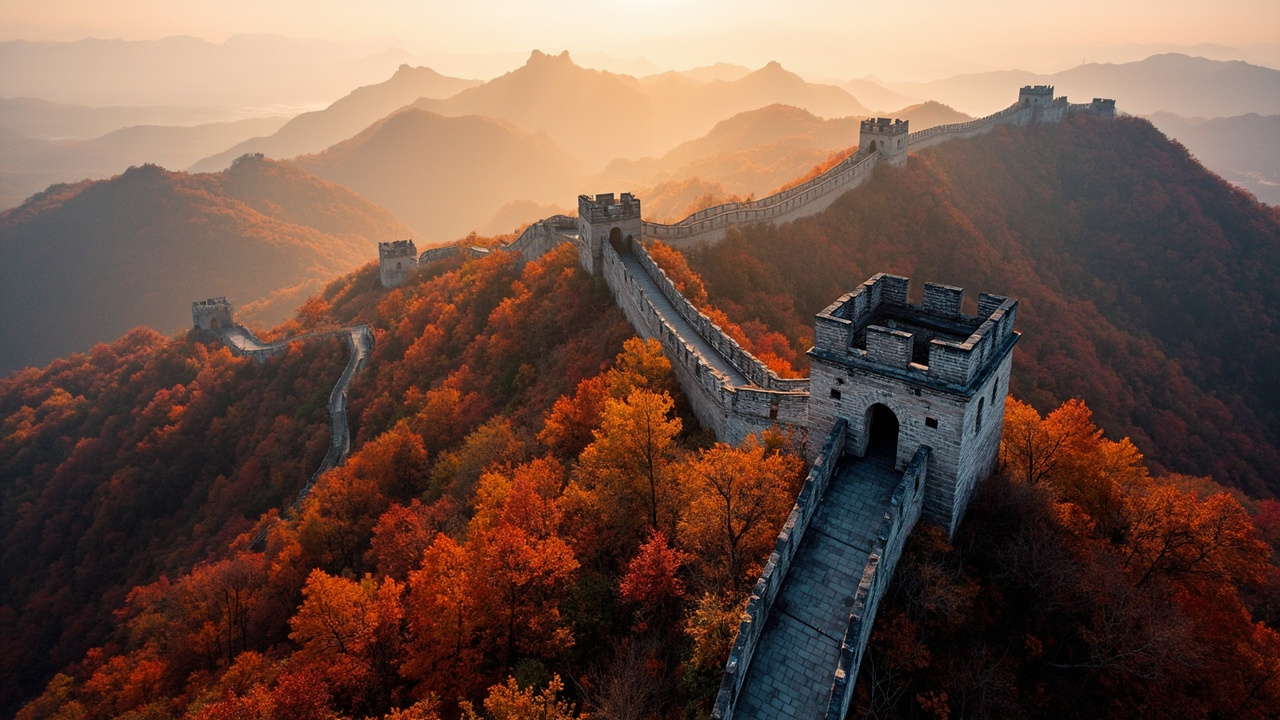
The first time I landed in Beijing in mid-July, the air hit me like a wet blanket. I walked out of Terminal 3 and my glasses fogged up instantly. The taxi driver, a guy named Liu, just laughed and pointed at the sky. “Summer,” he said in English, the only word he used the whole ride. That was seven years ago, and I’ve since crisscrossed this country more than forty times, in every season except deep winter in Harbin (which I still haven’t braved). I’ve watched the Great Wall disappear into fog in April, eaten steaming lamb skewers in Xi’an while snow fell in November, and nearly melted in Chongqing in August. China is not one climate. It’s a dozen of them, stacked on top of each other like geological layers.
The practical reality is that most first-time visitors come between April and October, and most of them get the weather wrong at least once. They pack for “China” like it’s a single country with a single forecast. It isn’t. Beijing in October is crisp and perfect. Guangzhou in October is still sweating. This guide breaks down every month, region by region, so you don’t make the same mistakes I did.
Quick answer
China’s best travel months are April-May and September-October, when temperatures are moderate, rainfall is low, and crowds are thinner than summer. If you can only pick one window, choose late September to early October for the clearest skies and most comfortable conditions across most of the country. Avoid the first week of October if you hate crowds (National Day Golden Week), and avoid July-August if you hate humidity and rain.
The Short Version
If you have 90 seconds: April, May, September, and October are your safest bets. June is underrated if you can handle some rain. July and August are hot, humid, and crowded, but the mountains and the northeast offer relief. November is cold in the north but genuinely pleasant in the south. December through February is for the brave, the budget-conscious, and anyone who wants to see Harbin’s ice festival. March is the wildcard month, beautiful in the south, still freezing in the north.
How I Picked These
I didn’t pull this from a weather app. I’ve spent actual time in each of these regions across different seasons, and I’ve made a lot of mistakes along the way. I once flew to Zhangjiajie in June thinking the rain would clear. It didn’t. I’ve also been lucky, catching the first plum blossoms in Hangzhou in March and watching the autumn leaves turn in Jiuzhaigou in October. I’ve talked to farmers, hostel owners, taxi drivers, and fellow travelers about when they think their home is at its best. This guide combines my personal experience with the kind of practical details I wish someone had told me before my first trip.
| Rank | Place | Best For | Approx Cost (USD) | Time Needed | When to Go |
|---|---|---|---|---|---|
| 1 | Beijing | History, culture, food | $50-100/day | 3-4 days | Apr-May, Sep-Oct |
| 2 | Xi’an | Terracotta Army, ancient walls | $40-80/day | 2-3 days | Mar-May, Sep-Nov |
| 3 | Guilin & Yangshuo | Karst landscapes, river cruises | $40-70/day | 3-4 days | Apr-Oct |
| 4 | Shanghai | Modern China, nightlife | $60-120/day | 2-3 days | Mar-May, Oct-Nov |
| 5 | Chengdu | Pandas, Sichuan food | $40-80/day | 2-3 days | Mar-Jun, Sep-Oct |
| 6 | Zhangjiajie | Avatar mountains, hiking | $50-90/day | 2-3 days | Apr-Jun, Sep-Oct |
| 7 | Yunnan (Dali/Lijiang) | Old towns, mountains, diversity | $40-70/day | 4-6 days | Mar-May, Sep-Nov |
| 8 | Tibet (Lhasa) | High-altitude culture | $80-150/day | 5-7 days | Apr-Oct |
| 9 | Harbin | Ice festival, Russian architecture | $40-70/day | 2-3 days | Dec-Feb |
| 10 | Sanya | Beaches, escape from winter | $60-120/day | 3-5 days | Nov-Mar |
Beijing — Where History Weighs Heavy and the Air Finally Clears
I remember standing on the Great Wall at Mutianyu in late October, the leaves a riot of red and gold, and thinking this was the China I’d imagined as a kid. The air was sharp and clean, the kind of autumn day that makes you forget the city’s infamous smog. Beijing gets a bad rap for its air, and honestly, it deserves it sometimes. But the window between mid-September and early November is genuinely lovely.
The city is overwhelming in the best way. The Forbidden City is a sea of rooftops and crowds, but if you go on a weekday morning, you can almost hear the ghosts. The hutong alleys around Shichahai are where the city actually lives, with old men playing chess and the smell of garlic and oil drifting from open doorways. Summer in Beijing is brutal, with temperatures pushing 95°F (35°C) and humidity that makes you feel like you’re breathing soup. Winter is dry and cold, but the city empties out and the Great Wall is magical with snow.
📍 Location: Central Beijing, with most sites in Dongcheng and Xicheng districts 🎫 Entry fee: Forbidden City $10 (¥70), Great Wall at Mutianyu $7 (¥50) plus shuttle 🕒 Opening hours: Most sites 8:30am-5pm, closed Mondays (Forbidden City) 🚇 Getting there: Forbidden City: Take Line 1 to Tiananmen East, Exit A, walk west 5 minutes. Mutianyu: Bus 916 from Dongzhimen, then shuttle ⏰ When to visit: Late September to early November, weekday mornings 💡 Insider tips: Book Forbidden City tickets a week ahead on the official WeChat mini-program. The ticket booth doesn’t sell same-day tickets anymore. Bring your passport for everything. The Mutianyu section has a toboggan ride down, which is absurd and wonderful. Avoid Monday at all major museums, they’re closed. The subway is the fastest way around, but avoid it during rush hour (5-7pm) unless you enjoy being packed like a sardine.
I once got hopelessly lost in the hutongs near Gulou and ended up at a tiny noodle shop where the owner, an elderly woman named Auntie Zhang, refused to let me pay for my bowl of zhajiangmian. She just waved her hand and said something I didn’t understand, but the message was clear.
Xi’an — The Ancient Capital That Doesn’t Care About Your Schedule
The Terracotta Army is one of those places that photos don’t prepare you for. You walk into Pit 1, and for a moment, you forget to breathe. Thousands of warriors stand in silent ranks, each face unique, each one a soldier who’s been waiting 2,200 years for you to show up. I’ve been three times, and it still gets me every time.
Xi’an is the starting point of the Silk Road and the former capital of 13 dynasties. The city wall is the most complete in China, and you can rent a bike and ride the entire 8.5-mile (13.7 km) circuit in about two hours. The Muslim Quarter is a sensory assault of sizzling lamb skewers, hand-pulled noodles, and the sweet smell of persimmon cakes. The weather here is more forgiving than Beijing, with less extreme summers and winters, though the summer heat is still real. Spring and autumn are your friends.
📍 Location: City center, with the wall encircling the old town 🎫 Entry fee: Terracotta Army $20 (¥150), City Wall $7 (¥54) 🕒 Opening hours: Terracotta Army 8:30am-5:30pm, City Wall 8am-10pm 🚇 Getting there: Terracotta Army: Bus 306/914 from Xi’an Railway Station, 1 hour. City Wall: Take Line 2 to Yongningmen, Exit D ⏰ When to visit: March-May or September-November, early morning for Terracotta 💡 Insider tips: Hire a guide at the Terracotta Army or download a good audio guide app. The site is bigger than you think, and the museum section is easy to skip. Don’t buy the “official” jade or tea at the exit, it’s overpriced. The Muslim Quarter is best in the evening. Try the roujiamo (Chinese hamburger) from a street stall, not a restaurant. The city wall is spectacular at sunset, and the bike rental is worth every yuan.
I made the mistake of visiting the Terracotta Army on a Sunday in October once. Never again. The crowds were so thick I couldn’t get close to the front rail. Go on a weekday, ideally Tuesday or Wednesday.
Guilin & Yangshuo — The Landscape That Launched a Thousand Paintings
The karst peaks of Guilin and Yangshuo look like they were painted by someone who’d never actually seen mountains. They rise out of the rice paddies like green daggers, wrapped in mist that never quite seems to burn off. I took a bamboo raft down the Li River in April, and for three hours, I didn’t see another tourist. Just fishermen on cormorant boats and water buffalo standing in the shallows.
The weather here is subtropical, which means it’s warm and humid most of the year. Summer is hot and rainy, with July and August bringing the heaviest downpours. The best time is April through June, when the rice terraces are flooded and reflect the sky like mirrors, or September through October, when the rice turns gold. Winter is mild but can be chilly and damp, with temperatures hovering around 50°F (10°C).
📍 Location: Guilin city, with Yangshuo 1.5 hours south by bus or train 🎫 Entry fee: Li River cruise $50 (¥360), Yangshuo countryside free 🕒 Opening hours: Varies by site, most 8am-6pm 🚇 Getting there: High-speed rail from Guilin to Yangshuo station, then 20-minute bus. Li River cruise departs from Zhujiang Pier ⏰ When to visit: April-June or September-October, early morning for the mist 💡 Insider tips: The Li River cruise is the classic experience, but the bamboo rafts on the Yulong River in Yangshuo are more peaceful and cheaper. Rent a scooter in Yangshuo and explore the back roads. The Impression Liu Sanjie show at night is touristy but genuinely spectacular. English is limited outside the main tourist areas, so have your translation app ready. The rice terraces at Longji are a 2-hour drive from Guilin and worth the trip.
I met a farmer in Longji who invited me into his home for tea. His family has farmed the same terraces for 400 years. He showed me photos of his grandfather, taken in the 1930s, standing in the same spot where we were sitting.
Shanghai — The Future Arrived Here and It’s Showing Off
Shanghai doesn’t feel like the rest of China. It feels like a city that got tired of waiting for the future and decided to build it itself. The skyline from the Bund at night is a wall of neon and glass, and the old French Concession is a maze of plane trees and art deco buildings that could be in Paris. I’ve walked the Bund dozens of times, and I still stop to stare.
The weather here is more moderate than Beijing, but the summer humidity is no joke. July and August are hot, sticky, and prone to typhoons that can shut down the city for a day or two. Spring is lovely but short, and autumn is the sweet spot. Winter is damp and cold, with temperatures in the 40s°F (5-10°C) and a chill that goes right through you.
📍 Location: Central districts, especially Huangpu and Xuhui 🎫 Entry fee: Most attractions free, Shanghai Tower $24 (¥180) 🕒 Opening hours: Museums typically 9am-5pm, closed Mondays 🚇 Getting there: Take Line 2 to East Nanjing Road, Exit 1, walk east to the Bund ⏰ When to visit: March-May or October-November, sunset for the Bund 💡 Insider tips: The Bund is spectacular at night, but the view from the bar at the top of the Peace Hotel is even better. Book a table for sunset. The French Concession is best explored on foot or by bike, not by taxi. The Shanghai Museum is free but requires advance booking on WeChat. The water in Shanghai is safe to drink from the tap, but most locals still boil it. The metro is excellent and English signs are everywhere.
I once got caught in a typhoon warning in Shanghai and spent an afternoon in a coffee shop watching the rain come sideways. The barista, a young woman named Chen, told me this was nothing. “Wait for August,” she said. “Then you’ll see.”
Chengdu — Slower Pace, Spicier Food, and Giant Pandas
Chengdu is the city that taught me to slow down. The locals have a saying: “The pace of Chengdu is the pace of tea.” People sit in teahouses for hours, sipping jasmine tea and playing mahjong, and no one seems to be in a hurry. The pandas at the research base are similarly unhurried, munching bamboo and napping in trees like they have nowhere to be.
The weather is mild and humid, with overcast skies that can last for weeks. Summer is warm but not as brutal as the east coast, and winter is chilly but rarely freezing. The best time to visit is March through June, when the pandas are most active in the cooler mornings, or September through October. The food here is the real draw, and it’s not for the faint of heart. Sichuan cuisine is famous for its numbing spice, and even the “mild” dishes pack a punch.
📍 Location: Panda base in Chenghua District, city center in Jinjiang 🎫 Entry fee: Panda Base $7 (¥55), teahouses free to enter 🕒 Opening hours: Panda Base 8am-6pm, pandas most active 8-10am 🚇 Getting there: Panda Base: Take Line 3 to Panda Avenue, Exit B, then shuttle bus. City center: Line 2 to Chunxi Road ⏰ When to visit: March-June or September-October, arrive at the panda base by 8am 💡 Insider tips: Get to the panda base before 8am to see them active. By 10am, they’re mostly asleep. The teahouses in People’s Park are the most authentic experience, and you can get your ears cleaned by a street ear-cleaner for a few yuan. Try the hotpot, but order “mild” if you’re not used to spice. The Jinli Street is touristy but worth a walk in the evening. English is limited here, so have your translation app ready.
I sat in a teahouse in People’s Park for two hours watching a group of elderly men play mahjong. One of them, a man named Old Wang, gestured for me to join. I didn’t understand the rules, but he didn’t seem to care. He just laughed and dealt me in anyway.
Zhangjiajie — The Floating Mountains That Inspired Avatar
The pillars of Zhangjiajie look like they belong on another planet. They rise hundreds of feet into the air, covered in green, often wrapped in mist that makes them appear to float. When James Cameron made Avatar, he said these mountains inspired the floating Hallelujah Mountains, and you can see why. I stood on the glass bridge over the Grand Canyon and felt my stomach drop, even though I knew the glass was safe.
The weather here is unpredictable. The mountains create their own microclimates, and you can experience sun, rain, and fog in a single afternoon. Summer is warm and rainy, with July and August bringing the heaviest downpours. The best time is April through June, when the mist is most dramatic, or September through October, when the skies are clearer. Winter can bring snow, which makes the mountains look even more surreal, but some areas may close.
📍 Location: Wulingyuan District, about 30 minutes from Zhangjiajie city 🎫 Entry fee: Wulingyuan Scenic Area $35 (¥248), valid for 4 days 🕒 Opening hours: 7am-6pm, with seasonal variations 🚇 Getting there: High-speed rail to Zhangjiajie West Station, then bus or taxi to Wulingyuan ⏰ When to visit: April-June or September-October, early morning for the mist 💡 Insider tips: The Bailong Elevator is the fastest way up, but the queues can be long. Go early or take the cable car instead. The glass bridge is terrifying and amazing, but you need to book tickets in advance. The mountain trails are well-marked but steep, so wear good shoes. Bring a rain jacket, even in clear weather. The park is huge, so plan at least two days to see the highlights.
I made the mistake of visiting in June without a rain jacket. I got soaked to the bone, and the mist was so thick I couldn’t see more than ten feet ahead. It was still one of the most beautiful things I’ve ever seen.
Yunnan — Where Every Valley Has Its Own Weather
Yunnan is the most diverse province in China, and I don’t just mean culturally. The weather changes dramatically with altitude. In Dali, the sun is bright and the air is dry, with the Cangshan Mountains rising behind the old town. In Lijiang, the altitude is higher and the air is thinner, and the Jade Dragon Snow Mountain looms over the city. In Shangri-La, you’re above 10,000 feet, and the air is cold even in summer.
The best time to visit is March through May, when the flowers are blooming and the weather is mild, or September through November, when the skies are clear and the crowds have thinned. Summer is the rainy season, with afternoon showers that can last for hours. Winter is cold, especially at higher altitudes, but the days are often clear and sunny. This is the place to go if you want to escape the heat and humidity of eastern China.
📍 Location: Dali and Lijiang old towns, with Shangri-La to the north 🎫 Entry fee: Dali old town free, Lijiang old town $7 (¥50), Jade Dragon Snow Mountain $30 (¥200) 🕒 Opening hours: Old towns always open, mountains typically 8am-5pm 🚇 Getting there: Fly into Kunming, then high-speed rail to Dali or Lijiang. Shangri-La is a 3-hour drive from Lijiang ⏰ When to visit: March-May or September-November, mornings for clear mountain views 💡 Insider tips: The old towns are beautiful but touristy. Stay in the surrounding countryside for a more authentic experience. The Three Parallel Rivers area is a UNESCO site and worth the trip. The local Bai and Naxi cultures are fascinating, and you can learn about them at the museums in Dali and Lijiang. The food is different from eastern China, with more emphasis on fresh vegetables and mushrooms. Altitude sickness is a real risk in Shangri-La, so take it easy for the first day.
I spent a week in Dali and barely scratched the surface. I met a woman who ran a small guesthouse and had lived there for 20 years. She told me she’d never been back to her hometown in Shanghai. “Why would I?” she said. “This is home now.”
Tibet — The Roof of the World, Literally
Tibet is not a place you casually visit. The altitude alone, over 11,000 feet in Lhasa, is a serious consideration. I felt the thin air the moment I stepped off the plane, and I spent the first day moving slowly, drinking endless cups of sweet tea to help with the altitude. But the reward is unlike anything else in China. The Potala Palace, the Jokhang Temple, the pilgrims prostrating themselves in Barkhor Street, the vast emptiness of the plateau, it’s a world apart.
The best time to visit is April through October, when the weather is mildest and the roads are open. July and August are the warmest, but also the rainiest. May and June offer the clearest skies. Winter is brutally cold, and many roads close. You’ll need a Tibet Travel Permit, which is arranged through a tour operator, and you can’t travel independently. This is not a place for spontaneous trips.
📍 Location: Lhasa, with excursions to Namtso Lake and the surrounding monasteries 🎫 Entry fee: Potala Palace $12 (¥85), Jokhang Temple $12 (¥85) 🕒 Opening hours: Potala Palace 9am-4pm, limited daily visitors 🚇 Getting there: Fly into Lhasa Gonggar Airport, or take the Qinghai-Tibet Railway from Xining ⏰ When to visit: May-June or September-October, early morning for the Potala 💡 Insider tips: Book your Tibet Travel Permit at least a month in advance through a licensed tour operator. You can’t travel independently in Tibet, so plan a tour. Take it easy for the first two days to acclimatize to the altitude. The Potala Palace has a strict time limit, so arrive early. The sweet tea in the local teahouses is the best cure for altitude headaches. Bring cash, as ATMs can be unreliable.
I sat in a teahouse in Lhasa watching pilgrims circle the Jokhang Temple. An old monk sat down next to me and smiled. He didn’t speak English, and I didn’t speak Tibetan, but we shared a pot of tea and watched the world go by.
Harbin — The City That Embraces Winter
Harbin is the coldest city I’ve ever visited, and I say that as someone who grew up in the American Midwest. The winter temperatures regularly drop to -20°F (-29°C), and the wind off the Songhua River cuts through everything. But the city has turned its brutal winters into a festival. The Ice and Snow World is a fantasy landscape of illuminated ice castles and slides, and the streets are lined with Russian-influenced architecture that looks like it belongs in St. Petersburg.
The best time to visit is December through February, when the ice festival is in full swing. The festival typically opens in late December and runs through February, with the ice sculptures at their best in January. The city is also worth visiting in summer, when the weather is mild and the streets are less crowded, but the ice festival is the main draw. If you go in winter, pack every piece of warm clothing you own.
📍 Location: City center, with the Ice and Snow World on the north bank of the Songhua River 🎫 Entry fee: Ice and Snow World $40 (¥290), Sun Island $45 (¥330) 🕒 Opening hours: Ice and Snow World 11am-9:30pm, best after dark 🚇 Getting there: Take Line 2 to Ice and Snow World Station, Exit 3, walk 10 minutes ⏰ When to visit: January for the best ice sculptures, go after dark for the lights 💡 Insider tips: The ice festival is spectacular, but it’s also freezing. Wear thermal layers, a down jacket, a hat, gloves, and a scarf. Hand warmers are essential. The ice slides are fun but the queues can be long. The Russian food in Harbin is a must-try, especially the borscht and the smoked sausage. The Central Street is beautiful at night, with its European architecture and ice sculptures. Don’t forget to try the Harbin beer, it’s one of China’s oldest breweries.
I stood in the Ice and Snow World, my face numb, watching the lights reflect off the ice. A group of Chinese tourists asked me to take their photo. When I handed the camera back, they insisted I join them for hotpot. It was the best meal of my trip.
Sanya — The Beach Escape Nobody Expects
Most people don’t think of China when they think of beaches. They should. Sanya, on the southern tip of Hainan Island, has white sand, clear water, and palm trees. It’s the closest thing China has to a tropical paradise, and it’s become a favorite getaway for Chinese tourists escaping the winter cold. I spent a week here in January, swimming in the warm South China Sea while my friends back in Beijing were shivering.
The best time to visit is November through March, when the weather is warm and dry. Summer is hot, humid, and prone to typhoons. The beaches are beautiful, but the resorts can be crowded, especially during Chinese holidays. The underwater world is worth exploring, with coral reefs and tropical fish. The local seafood is excellent, and the night markets are a feast for the senses.
📍 Location: Sanya Bay, Dadonghai, and Yalong Bay are the main beach areas 🎫 Entry fee: Beaches free, some attractions like the Nanshan Temple $20 (¥150) 🕒 Opening hours: Beaches always open, resorts and attractions typically 8am-6pm 🚇 Getting there: Fly into Sanya Phoenix International Airport, then taxi or bus to your resort ⏰ When to visit: November-March, weekdays to avoid the crowds 💡 Insider tips: Yalong Bay has the best beaches but the most expensive resorts. Dadonghai is more affordable and has a lively night market. The seafood at the First Market is fresh and cheap, but be prepared to negotiate. The Nanshan Temple is worth a visit, with its 354-foot (108-meter) Guanyin statue. English is limited outside the resorts, so have your translation app ready. The sun is strong, even in winter, so bring sunscreen.
I sat on the beach in Yalong Bay, watching the sun set over the South China Sea. A family next to me was having a picnic, and the grandmother offered me a piece of fruit. I didn’t know what it was, but it was sweet and delicious. She laughed at my attempt to say thank you in Mandarin.
FAQ summary
The best times to visit China are April-May and September-October, when temperatures are moderate and rainfall is low across most regions. July and August are hot and humid, with the heaviest rains in the south and east. December through February is the coldest period, with Harbin offering the famous ice festival and Sanya providing a tropical escape. For visa-free entry, many nationalities can visit China for up to 15 days without a visa, but policies vary by nationality and entry point, so check current rules before booking.
FAQ
Q: What is the best month to visit China for good weather? A: October is the sweet spot. The summer heat and humidity have broken, the skies are clear, and the autumn foliage is stunning in places like Beijing and Jiuzhaigou. May is a close second, though it can be rainy in the south.
Q: Is China too hot in July and August? A: Yes, for most of eastern and southern China. Beijing can hit 95°F (35°C), and Shanghai and Guangzhou are even more humid. If you must go in summer, head to the mountains (Zhangjiajie, Yunnan) or the northeast (Harbin, Dalian), where it’s cooler.
Q: Does it snow in China in winter? A: Yes, in the north and at high altitudes. Beijing gets occasional snow, Harbin is covered in it, and the Great Wall is magical in the snow. The south, including Guilin and Sanya, stays mild, with Sanya reaching 75°F (24°C) in January.
Q: What should I pack for a trip to China? A: It depends on the season and region. For spring and autumn, pack layers, including a light jacket. For summer, pack light, breathable clothing and rain gear. For winter in the north, pack thermal layers, a down jacket, hat, gloves, and a scarf. Comfortable walking shoes are essential year-round.
Q: Do I need a visa to visit China in 2026? A: Many nationalities can enter China visa-free for up to 15 days, but this policy varies by nationality and entry point. Check the latest visa-free transit policy and visa requirements before booking.
Q: Is it safe to drink tap water in China? A: No. Stick to bottled or boiled water. Most hotels provide bottled water, and it’s cheap to buy. The water in Shanghai is technically safe, but locals still boil it. Don’t risk it.
Q: How do I pay for things in China? A: China is essentially cashless. You’ll need Alipay or WeChat Pay set up on your phone before you arrive. Some places still take cash, but many smaller vendors don’t. Set up these apps before you travel, as they require foreign card verification.
The Honest Wrap-up
This list is for first-timers who want to see the highlights without getting the weather wrong. It’s not for people who want to see everything, because you can’t. China is too big, too varied, and too full of surprises. Pick a region, give it time, and let it unfold. My final advice to a friend about to book the flight: don’t try to do too much. Two or three cities in two weeks is better than five cities in ten days. You’ll see more, experience more, and remember more. And whatever month you choose, pack for the weather you’re actually going to get, not the weather you hope for.
Topics
More guides you may like

Top 10 Bridges in China
China's bridges are engineering marvels spanning mountains, rivers, and seas. Here are 10 of the most spectacular, from ancient stone to modern steel.
8 min read

Top 10 Buddhist Sites in China
From the Leshan Giant Buddha to the Dunhuang Caves, these 10 Buddhist sites represent 2,000 years of China's spiritual heritage.
9 min read

Top 10 Day Trips from Beijing You Shouldn't Miss
Beijing is packed with history, but some of China's best experiences are just a few hours away. Here are 10 day trips that will transform your visit.
9 min read

Top 10 Hidden Gems in China Off the Beaten Path
Beyond the Great Wall and Terracotta Warriors, China has incredible hidden destinations few tourists ever reach. Here are 10 underrated gems worth the detour.
9 min read

Top 10 Markets and Shopping Streets in China
From Shanghai's Bund to Beijing's Silk Street - 10 markets where foreigners can haggle, explore, and bring home authentic Chinese goods.
9 min read

Top 10 Museums in China You Shouldn't Miss
China's museums span 5,000 years of civilization. These 10 - from the Palace Museum to Xi'an's terracotta gallery - are unmissable for culture lovers.
9 min read