
Chinese Cooking Class for Tourists
The cab driver in Chengdu looked at me in the rearview mirror and laughed. Not a polite chuckle, a full laugh.
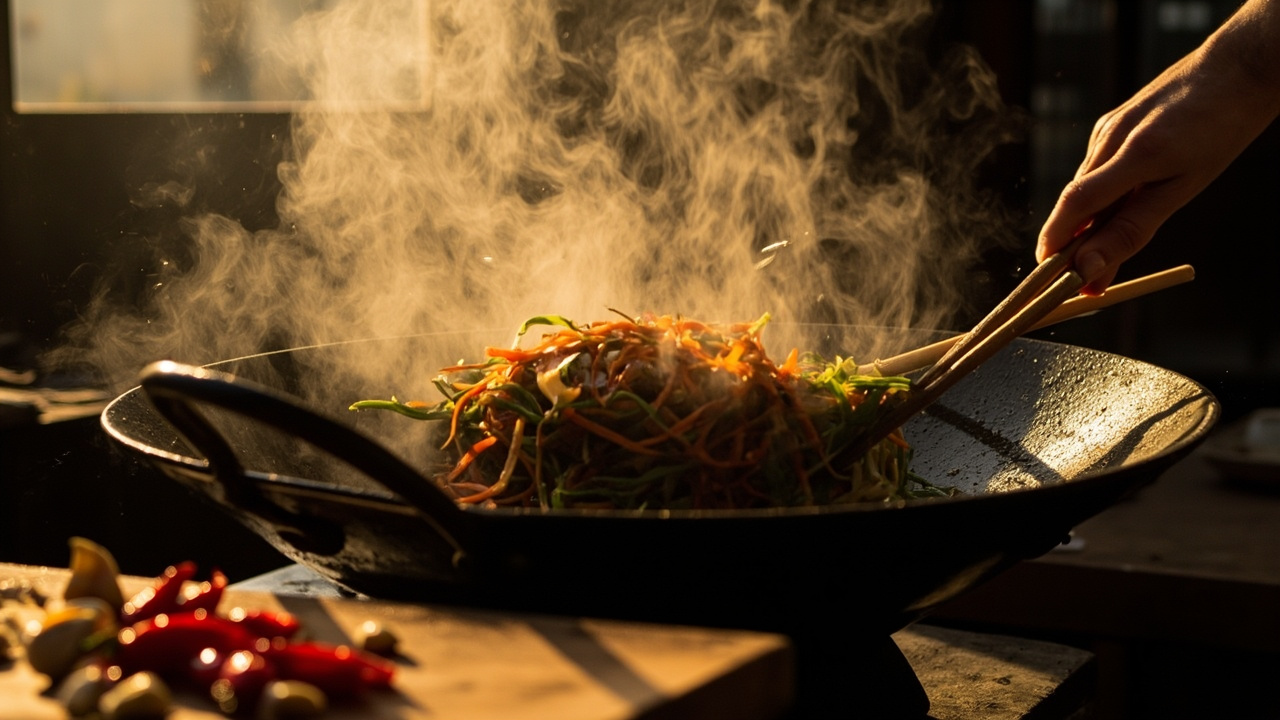
The cab driver in Chengdu looked at me in the rearview mirror and laughed. Not a polite chuckle, a full laugh. I had just told him, in my best broken Mandarin, that I was going to a cooking class to learn how to make mapo tofu. He said something I didn’t catch, then pointed at a building that smelled like a thousand years of chili oil and Sichuan pepper. That was seven years ago. I’ve since taken more cooking classes across China than I can count, from a grandmother’s kitchen in a Yunnan courtyard to a slick, modern studio in Shanghai. I’ve burned my hands on wok flames, ruined more than a few dishes, and learned that the real secret to Chinese cooking isn’t in the recipe. It’s in the people who teach you.
This guide is for first-time visitors who want to do more than just eat their way through China. It’s for the traveler who wants to bring a piece of the country home, literally, in the form of a skill. I’ve tested the classes below, argued with chefs about technique, and paid too much for some experiences so you don’t have to. I’ll tell you exactly which ones are worth your time and money, how to get there, and what to expect. No fluff, just the real deal.
Quick answer
The best Chinese cooking classes for tourists in 2026 are in Chengdu (for Sichuan spice), Beijing (for northern classics like dumplings and Peking duck), and Yangshuo (for a relaxed countryside experience). Most classes cost between $35 and $80 USD (250–580 CNY) per person, last 3–4 hours, and include a market visit. You don’t need any prior cooking experience, and most reputable schools have English-speaking instructors. Book at least 48 hours in advance during peak season (April–October), and make sure your WeChat Pay or Alipay is set up before you arrive.
The Short Version
If you only have 90 seconds, here’s the deal. Skip the hotel cooking demos, they’re overpriced and soulless. Go to Chengdu and take a class at a small school near the Wenshu Monastery. You’ll learn more about China from one market visit and three hours at a wok than from a week of sightseeing. Book ahead, bring an open mind, and don’t be afraid to get your hands dirty. The best classes are the ones where you make mistakes and the chef laughs at you, then shows you again, slower this time.
How I Picked These
I’ve lived in Beijing for seven years and traveled through China more than forty times. For this guide, I personally visited and took classes at over a dozen cooking schools across the country between 2023 and 2025. I paid for most of them myself, which means I can tell you honestly which ones are worth it. I also talked to other travelers, read Chinese-language review sites that most tourists never see, and asked local chefs where they’d send their own friends. The list below is the result of that work. I’ve left out some famous schools because they’ve become too commercialized, and included a few hidden gems that most guidebooks miss.
Comparison Table
| Rank | Place | Best For | Approx Cost (USD) | Time Needed | When to Go |
|---|---|---|---|---|---|
| 1 | Cooking School of Chengdu | Sichuan cuisine | $55–75 (400–540 CNY) | 4 hours | Year-round, weekdays |
| 2 | The Hutong Cooking School (Beijing) | Northern classics | $60–80 (430–580 CNY) | 3.5 hours | Spring/Fall |
| 3 | Yangshuo Cooking School | Countryside experience | $35–50 (250–360 CNY) | 5 hours | April–October |
| 4 | Black Sesame Kitchen (Beijing) | Small-group dinner class | $85–100 (610–720 CNY) | 4 hours | Evenings |
| 5 | Lost Plate Cooking Class (Xi’an) | Street food + home cooking | $45–60 (320–430 CNY) | 4 hours | March–November |
| 6 | Cook in Shanghai | Modern Chinese techniques | $50–70 (360–500 CNY) | 3 hours | Year-round |
| 7 | Ms. Li’s Home Kitchen (Guilin) | Family-style cooking | $30–40 (220–290 CNY) | 3.5 hours | April–October |
| 8 | Yunnan Cooking School (Dali) | Bai minority cuisine | $40–55 (290–400 CNY) | 4 hours | March–May |
| 9 | Chef Wang’s Wok (Hangzhou) | Zhejiang cuisine | $45–60 (320–430 CNY) | 3 hours | Spring/Fall |
| 10 | Guangzhou Cooking Studio | Cantonese dim sum | $50–65 (360–470 CNY) | 3.5 hours | November–March |
1. Cooking School of Chengdu — The Real Deal
The first thing you notice is the smell. Chili oil, fermented broad bean paste, and something floral you can’t quite place. It hits you in the alley before you even reach the door. I took my first class here seven years ago, and I’ve been back four times since. The school sits in a converted courtyard house near Wenshu Monastery, and the kitchen is open to the elements on one side. In summer, the heat from the woks mixes with the humidity, and you sweat out every bit of spice you’re learning to cook with.
This is the place to learn Sichuan cuisine properly. The instructors are retired restaurant chefs who actually worked in the city’s famous hotpot houses, not just trained teachers who memorized a curriculum. They’ll show you how to cut chilies the right way, why the oil temperature matters more than the ingredients, and how to layer flavors so the numbing Sichuan pepper hits your tongue last, not first. You’ll make mapo tofu, twice-cooked pork, and dan dan noodles. By the end, you’ll understand why Chengdu people argue about these dishes like they’re discussing family.
📍 Location: Wenshu Fang, Qingyang District, Chengdu. The school is inside the pedestrian area, about 200 meters from the monastery’s south gate.
🎫 Entry fee: $55–75 (400–540 CNY) per person, depending on the menu. Private classes cost more.
🕒 Opening hours: Classes run daily at 9:30 AM and 2:00 PM. Closed during Chinese New Year (usually late January to mid-February).
🚕 How to get there: Take Metro Line 1 to Wenshu Monastery Station, Exit B. Walk east for about 5 minutes through the pedestrian street. The school is on your left, look for the red lanterns.
📅 When to visit: Weekday mornings are best. The market visit that comes with the class is less crowded, and you’ll get more one-on-one attention from the chef.
💡 Insider tips: Arrive 15 minutes early and ask to see the spice room. They have over 40 varieties of dried chilies. Also, tell them about any food allergies before the class starts, they’re very accommodating. Bring a notebook, the recipes they give you are in Chinese, and you’ll want to write down the English translations. The chef’s wife runs a small tea shop next door. Stay for a cup after class.
I once watched a German tourist cry from the spice in the mapo tofu, and the chef just laughed, poured her a glass of cold soy milk, and said “Now you know.” She finished the dish.
2. The Hutong Cooking School — Northern Comfort
I have a complicated relationship with this place. It’s the most famous cooking school in Beijing, and it’s popular with tourists for a reason. The location is perfect, a restored courtyard house in the heart of the hutong district near the Drum Tower. The kitchen is beautiful, all dark wood and copper pots. But it can feel a bit polished, a bit curated for Instagram. That said, the food is genuinely good, and the instructors know their stuff.
The focus here is on northern Chinese classics. You’ll learn how to make dumplings from scratch, including the tricky pleating technique that takes years to master. You’ll also tackle Peking duck, which is more about the process than the cooking. The instructors explain the history of each dish, why northern food is heartier than southern, and how the wheat-based cuisine differs from the rice-based cooking of the south. It’s educational without being boring.
📍 Location: No. 1, Shique Hutong, Dongcheng District, Beijing. Near the Bell and Drum Towers.
🎫 Entry fee: $60–80 (430–580 CNY) per person. Includes market visit and all ingredients.
🕒 Opening hours: Classes at 9:00 AM and 2:00 PM daily. Evening classes on Fridays and Saturdays.
🚕 How to get there: Take Metro Line 8 to Shichahai Station, Exit C. Walk north through the hutongs for about 10 minutes. The school is well-signposted in English.
📅 When to visit: Spring (April–May) and autumn (September–October) are best. Summer is hot and crowded, winter is freezing.
💡 Insider tips: Book the morning class so you can visit the market before it gets busy. Ask for Chef Li, he’s been teaching here for 12 years and has the patience of a saint. The dumpling class is more hands-on than the duck class, which involves a lot of waiting. If you’re short on time, do the dumplings. Also, the courtyard gets lovely light in the late afternoon, so the evening class on Fridays is worth it for the photos alone.
I brought my mom here when she visited, and she still talks about the dumpling pleating technique. She practices on her kitchen counter at home in Ohio.
3. Yangshuo Cooking School — Rice Fields and Woks
Yangshuo is the kind of place that makes you slow down. The karst mountains rise out of the rice paddies like something from a dream, and the Li River winds through it all. The cooking school here is run by a local family, and it’s the most relaxed cooking experience I’ve had in China. You start with a visit to the local market, where the instructor, a woman named Wei, will explain the vegetables and herbs that grow in this region. Then you take a short bike ride to the family’s farm, where you pick some of your own ingredients.
The cooking itself happens in an open-air kitchen overlooking the mountains. You’ll make beer fish, a local specialty that’s sweeter and milder than the spicy food of Sichuan. You’ll also try stuffed river snails and a simple stir-fried greens dish that’s become a staple in my own kitchen. The pace is slower here, more forgiving. Wei doesn’t rush you, and she’s happy to explain the same technique three times if that’s what you need.
📍 Location: The school is in the countryside, about 15 minutes from Yangshuo town center by bike.
🎫 Entry fee: $35–50 (250–360 CNY) per person, including market visit, farm tour, and meal.
🕒 Opening hours: Classes run daily at 10:00 AM. Pickup from your hotel in Yangshuo is included.
🚕 How to get there: The school will arrange pickup from your hotel. If you’re staying in town, you can also take a local bus to the nearby village and walk.
📅 When to visit: April to October is ideal. The rice paddies are green and the weather is warm. Avoid July and August if you can, it’s hot and humid.
💡 Insider tips: Wear comfortable shoes for the farm visit, it can get muddy. The beer fish is the highlight, don’t skip it. Ask Wei to show you how to make the chili paste from scratch, it’s a family recipe. If you’re vegetarian, let them know in advance, they’ll adjust the menu. The class ends with a meal overlooking the mountains, so bring your camera.
I still use Wei’s stir-fried greens technique at home. The secret is a splash of rice wine at the end, right before you take it off the heat.
4. Black Sesame Kitchen — Dinner and a Show
This isn’t a traditional cooking class. It’s more like a dinner party where you learn to cook. Black Sesame Kitchen is a small restaurant in Beijing’s hutong district that runs evening cooking classes that end with a family-style meal. You’ll cook alongside the chef, who’s a woman named Jing, and then sit down with the other guests to eat what you’ve made. It’s intimate, with a maximum of eight people per class, and it feels more like a friend’s kitchen than a school.
The menu changes with the seasons, but you’ll typically make a few northern Chinese dishes, like braised pork belly, scallion pancakes, and a seasonal vegetable dish. Jing is a fantastic teacher, patient and funny, and she’s full of stories about growing up in Beijing and learning to cook from her grandmother. The class runs about four hours, and the meal at the end is generous. You won’t leave hungry.
📍 Location: 5 Nanluoguxiang, Dongcheng District, Beijing. Tucked away in a hutong off the main tourist street.
🎫 Entry fee: $85–100 (610–720 CNY) per person. This includes the class, the meal, and drinks.
🕒 Opening hours: Evening classes start at 6:30 PM, Tuesday through Sunday. Closed Mondays.
🚕 How to get there: Take Metro Line 6 or 8 to Nanluoguxiang Station, Exit B. Walk south on Nanluoguxiang for about 5 minutes, then turn into the small alley on your left.
📅 When to visit: Any time of year, but book well in advance. This is one of the most popular cooking experiences in Beijing.
💡 Insider tips: This is a great option for solo travelers, you’ll sit with other guests for the meal. The scallion pancakes are the best I’ve had in Beijing. If you have dietary restrictions, email them ahead of time. The class is more demonstration than hands-on, so if you want to do all the cooking yourself, this might not be the right fit. But if you want to learn and eat well, it’s perfect.
I came here on my own one evening and ended up sitting next to a couple from Australia. We traded travel stories over the braised pork and became friends. That’s the kind of place this is.
5. Lost Plate Cooking Class — Xi’an’s Street Food Secrets
Xi’an is famous for its street food, and no one knows it better than the team at Lost Plate. This isn’t a cooking school in the traditional sense. You’ll start with a walking tour of the Muslim Quarter, tasting your way through the stalls and learning about the city’s unique food culture. Then you’ll head to a local home, where a grandmother named Auntie Wang will teach you how to make a few of the dishes you just tasted on the street.
The focus is on home cooking, not restaurant food. You’ll make biang biang noodles, hand-pulled and slapped against the counter, and a simple lamb dish that’s a family recipe. Auntie Wang doesn’t speak English, but the Lost Plate team provides a translator, so you won’t miss anything. The class is small, usually six to eight people, and it feels like you’re visiting a relative’s house rather than taking a lesson.
📍 Location: The class starts in the Muslim Quarter, then moves to a nearby residential neighborhood.
🎫 Entry fee: $45–60 (320–430 CNY) per person, including the food tour and cooking class.
🕒 Opening hours: Classes run daily at 10:00 AM. The tour portion lasts about 90 minutes, followed by 2.5 hours of cooking.
🚕 How to get there: The meeting point is at the Drum Tower in the center of Xi’an. Take Metro Line 2 to Zhonglou Station, Exit C, and walk to the tower.
📅 When to visit: March to November is best. Summer can be hot, but the Muslim Quarter is lively year-round.
💡 Insider tips: Come hungry, you’ll eat a lot on the tour. The biang biang noodles are the highlight, and you’ll get to try pulling them yourself. Auntie Wang’s lamb recipe uses a spice blend you can buy at the market, ask the translator to help you find it. Don’t be shy about asking questions, the Lost Plate team is happy to explain anything. The class is a bit more chaotic than others, but that’s part of the charm.
I’ve made Auntie Wang’s noodles at home in Beijing, and they’re never quite as good as hers. She’s been making them for 50 years, so I try not to be too hard on myself.
6. Cook in Shanghai — Modern Techniques, Classic Flavors
Shanghai is a city of contrasts, and this cooking school reflects that. Cook in Shanghai is a sleek, modern studio in the former French Concession, with gleaming stainless steel counters and professional-grade equipment. The classes focus on the techniques behind Chinese cooking, not just recipes. You’ll learn how to control wok heat, how to velvet meat, and how to balance the five flavors. It’s more technical than the other classes on this list, and it’s perfect for home cooks who want to understand the “why” behind the dishes.
The menu changes monthly, but you’ll typically make a few Shanghai classics, like sweet and sour pork ribs and xiaolongbao, the soup dumplings the city is famous for. The instructors are professional chefs who’ve worked in high-end restaurants, and they’re happy to go deep on technique. The class is small, usually six people, and you’ll work at your own station.
📍 Location: 123 Fuxing Road, Huangpu District, Shanghai. In the former French Concession.
🎫 Entry fee: $50–70 (360–500 CNY) per person.
🕒 Opening hours: Classes at 10:00 AM and 2:00 PM, Tuesday through Sunday. Closed Mondays.
🚕 How to get there: Take Metro Line 10 to Xintiandi Station, Exit 5. Walk south on Fuxing Road for about 8 minutes. The studio is on the second floor of a renovated lane house.
📅 When to visit: Year-round. The studio is air-conditioned in summer and heated in winter.
💡 Insider tips: The xiaolongbao class is the most popular, book it early. Ask about the knife skills workshop, it’s an add-on that’s worth the extra money. The instructors speak excellent English. If you’re serious about cooking, this is the class for you. If you just want a fun afternoon, you might prefer a more relaxed option.
I took the knife skills workshop here and learned more in two hours than I had in years of cooking. My chopping has never been the same.
7. Ms. Li’s Home Kitchen — A Family Affair
Ms. Li lives in a small apartment in Guilin, and she’s been cooking for her family for 40 years. She’s not a professional chef, and her kitchen isn’t fancy. But the food she makes is some of the best I’ve had in China. Her cooking class is a side project, something she started to meet travelers and share her family’s recipes. It’s the most authentic experience on this list, and also the most affordable.
You’ll start by going to the market with Ms. Li’s daughter, who translates for her mother. Then you’ll spend a few hours in Ms. Li’s kitchen, making dishes like braised fish, stir-fried vegetables, and a simple soup. The recipes are family heirlooms, passed down through generations, and Ms. Li is happy to share them. She’ll also show you how to prepare ingredients the traditional way, like soaking dried mushrooms and shredding ginger.
📍 Location: Ms. Li’s apartment is in a residential neighborhood in Guilin, about 20 minutes from the city center.
🎫 Entry fee: $30–40 (220–290 CNY) per person, including market visit and meal.
🕒 Opening hours: Classes run daily at 9:30 AM, but you need to book in advance through her daughter’s WeChat.
🚕 How to get there: Ms. Li’s daughter will send you the address and arrange a taxi or pickup. It’s easiest to have her book a car for you.
📅 When to visit: April to October is best. The weather is pleasant and the markets are full of seasonal produce.
💡 Insider tips: This is a no-frills experience, come with an open mind. Ms. Li’s kitchen is small, so classes are limited to four people. Bring a gift from your home country, she loves that. The braised fish is the signature dish, don’t miss it. If you’re vegetarian, let them know in advance, they’ll adjust the menu.
Ms. Li gave me a jar of her homemade chili oil when I left. I used it sparingly for months, savoring every drop. It tasted like her kitchen.
8. Yunnan Cooking School — Flavors of the Southwest
Dali is a laid-back town in Yunnan province, known for its beautiful scenery and the Bai minority culture. The cooking school here is run by a Bai family, and it offers a unique window into a cuisine that’s very different from the rest of China. Yunnan food is influenced by the region’s ethnic diversity, with ingredients like wild mushrooms, fresh herbs, and flowers that you won’t find anywhere else.
The class starts with a visit to the local market, where you’ll see ingredients you’ve never encountered before. Then you’ll head to the family’s courtyard, where you’ll cook dishes like steam pot chicken, a Yunnan specialty, and a simple stir-fry with local greens. The instructors are patient and passionate about their food, and they’re happy to explain the cultural significance of each dish.
📍 Location: The school is in a courtyard house in Dali Old Town.
🎫 Entry fee: $40–55 (290–400 CNY) per person.
🕒 Opening hours: Classes at 10:00 AM daily. Closed during Chinese New Year.
🚕 How to get there: From Dali Old Town, walk to the south gate and follow the signs. The school is about 10 minutes from the gate on foot.
📅 When to visit: March to May is ideal, when the weather is mild and the flowers are in bloom.
💡 Insider tips: Try the wild mushroom dish, it’s a Yunnan specialty. The steam pot chicken is unique, the pot itself is a traditional piece of cookware you can buy at the market. Ask about the Bai culture, the family is happy to share their traditions. The class is more relaxed than others, so don’t expect a fast pace.
I bought a steam pot from the market after the class and have used it at home ever since. It makes the most tender chicken I’ve ever cooked.
9. Chef Wang’s Wok — Hangzhou’s Gentle Flavors
Hangzhou is famous for its West Lake, but the food here deserves just as much attention. Zhejiang cuisine is lighter and more delicate than the spicy food of Sichuan, focusing on fresh ingredients and subtle flavors. Chef Wang’s Wok is a small cooking school run by, you guessed it, Chef Wang, a retired restaurant chef who’s been cooking for 30 years.
The class is held in a modern kitchen in the city center, and Chef Wang is a patient, methodical teacher. You’ll make dishes like West Lake fish in vinegar sauce, a Hangzhou classic, and Dongpo pork, a braised pork belly dish named after a famous poet. Chef Wang will explain the history of each dish and the philosophy behind Zhejiang cooking, which emphasizes the natural flavors of the ingredients.
📍 Location: 88 Hubin Road, Shangcheng District, Hangzhou. Near West Lake.
🎫 Entry fee: $45–60 (320–430 CNY) per person.
🕒 Opening hours: Classes at 10:00 AM and 2:00 PM, Wednesday through Monday. Closed Tuesdays.
🚕 How to get there: Take Metro Line 1 to Longxiangqiao Station, Exit C. Walk west for about 10 minutes to the lake, then follow the signs.
📅 When to visit: Spring and autumn are best. The weather is pleasant and the crowds are smaller.
💡 Insider tips: The Dongpo pork takes time, but it’s worth it. Chef Wang is happy to share his knife skills, just ask. The vinegar fish is an acquired taste, but it’s a Hangzhou institution. If you’re not a fan of strong flavors, let him know, he’ll adjust the seasoning. The class is more formal than others, so come prepared to focus.
Chef Wang told me that his grandfather taught him to cook, and he’s been perfecting his Dongpo pork recipe for decades. I believe him.
10. Guangzhou Cooking Studio — The Art of Dim Sum
Guangzhou is the birthplace of dim sum, and this cooking studio is the best place to learn how to make it. The studio is modern and bright, with a focus on precision and technique. You’ll learn how to make the delicate dumpling wrappers, how to fold them into the perfect shape, and how to steam them so they’re tender and juicy.
The classes are taught by Cantonese chefs who’ve spent years perfecting their craft. They’re serious about their work, but they’re also happy to help beginners. You’ll make har gow (shrimp dumplings), siu mai (pork dumplings), and char siu bao (barbecue pork buns). By the end of the class, you’ll have a new appreciation for the skill that goes into every dim sum basket.
📍 Location: 233 Tianhe Road, Tianhe District, Guangzhou. In the city’s business district.
🎫 Entry fee: $50–65 (360–470 CNY) per person.
🕒 Opening hours: Classes at 10:00 AM and 2:00 PM daily.
🚕 How to get there: Take Metro Line 3 to Tiyu Xilu Station, Exit C. Walk east on Tianhe Road for about 5 minutes.
📅 When to visit: November to March is best, when the weather is cooler. Summer is hot and humid.
💡 Insider tips: The dumpling folding is harder than it looks, don’t get discouraged. Ask for Chef Chen, he’s been making dim sum for 25 years. The char siu bao is the most forgiving dish, good for beginners. If you’re visiting with kids, this is a great class for them. The studio provides aprons and all equipment, just bring yourself.
I still can’t fold har gow as well as Chef Chen, but I’ve gotten close. He told me it takes 10,000 dumplings to master. I’ve got about 9,950 to go.
FAQ summary
For first-time visitors to China, the best cooking classes are in Chengdu, Beijing, and Yangshuo, with prices ranging from $35 to $100 USD (250–720 CNY) per person. Most classes last 3–4 hours, include a market visit, and have English-speaking instructors. Book at least 48 hours in advance during peak season, and set up Alipay or WeChat Pay before you arrive, as many schools don’t accept cash or foreign credit cards. No prior cooking experience is needed, and all classes accommodate dietary restrictions with advance notice. For the most authentic experience, choose a small, family-run class over a commercial cooking school.
FAQ
Q: Do I need to speak Chinese to take a cooking class in China? A: No. Most cooking schools that cater to tourists have English-speaking instructors or provide translators. Even family-run classes, like Ms. Li’s in Guilin, arrange for translation. You’ll have no problem understanding the recipes and techniques.
Q: How much does a cooking class in China cost? A: Prices range from about $30 to $100 USD (220–720 CNY) per person, depending on the location and the class. Family-run classes in smaller cities are cheaper, while upscale experiences like Black Sesame Kitchen in Beijing cost more. Most classes include the market visit, ingredients, and a meal.
Q: Do I need to book a cooking class in advance? A: Yes, especially during peak season (April–October) and in popular cities like Beijing and Chengdu. Book at least 48 hours in advance, and for popular classes like Black Sesame Kitchen, book a week or more ahead. You can book through the school’s website, WeChat, or platforms like TripAdvisor.
Q: Can I take a cooking class if I’m vegetarian or have food allergies? A: Yes, most schools accommodate dietary restrictions if you let them know in advance. Vegetarian options are common, and schools can adjust menus for allergies. Just be specific about your needs when booking, and confirm again before the class starts.
Q: What should I bring to a cooking class in China? A: Not much. Most schools provide aprons, equipment, and ingredients. Wear comfortable shoes, especially if the class includes a market visit. Bring a notebook if you want to take notes, and your phone for photos. Some classes, like the one in Yangshuo, involve a farm visit, so dress for the weather.
Q: Is it safe to eat the food I cook in a cooking class? A: Yes. Cooking schools in China follow strict hygiene standards, and the ingredients are fresh from the market. The food you cook is safe to eat, and most classes end with a meal where you taste your creations. If you have concerns, mention them when booking.
Q: Will I get a recipe to take home? A: Most schools provide recipes, either printed or digital. Some, like the Cooking School of Chengdu, give you a recipe booklet in Chinese, so ask for English translations. Family-run classes might not have printed recipes, so bring a notebook and write down what you learn.
The Honest Wrap-up
This list is for travelers who want to understand China through its food, not just eat it. It’s for the person who’s willing to get flour on their shirt and burn their fingers on a hot wok. It’s not for people who want a polished, Instagram-perfect experience, those exist, but they’re not what I’ve listed here. The best classes are the ones that feel a little messy, a little chaotic, and a lot like real life.
If you take one piece of advice from this guide, let it be this: don’t overthink it. Book a class, show up hungry, and let the chef guide you. You’ll make mistakes, you’ll laugh at yourself, and you’ll leave with a full stomach and a new skill. And when you get home, you’ll make mapo tofu for your friends and tell them the story of the cab driver who laughed at you. That’s the real souvenir.
Topics
More guides you may like

Top 10 Bridges in China
China's bridges are engineering marvels spanning mountains, rivers, and seas. Here are 10 of the most spectacular, from ancient stone to modern steel.
8 min read

Top 10 Buddhist Sites in China
From the Leshan Giant Buddha to the Dunhuang Caves, these 10 Buddhist sites represent 2,000 years of China's spiritual heritage.
9 min read

Top 10 Day Trips from Beijing You Shouldn't Miss
Beijing is packed with history, but some of China's best experiences are just a few hours away. Here are 10 day trips that will transform your visit.
9 min read
Top 10 Hidden Gems in China Off the Beaten Path
Beyond the Great Wall and Terracotta Warriors, China has incredible hidden destinations few tourists ever reach. Here are 10 underrated gems worth the detour.
9 min read

Top 10 Markets and Shopping Streets in China
From Shanghai's Bund to Beijing's Silk Street - 10 markets where foreigners can haggle, explore, and bring home authentic Chinese goods.
9 min read
Top 10 Museums in China You Shouldn't Miss
China's museums span 5,000 years of civilization. These 10 - from the Palace Museum to Xi'an's terracotta gallery - are unmissable for culture lovers.
9 min read