
Chinese Desserts and Sweets
The cab driver in Xi’an looked at me in the rearview mirror, genuinely confused. I had just spent ten minutes explaining that I wanted to find a dessert shop.
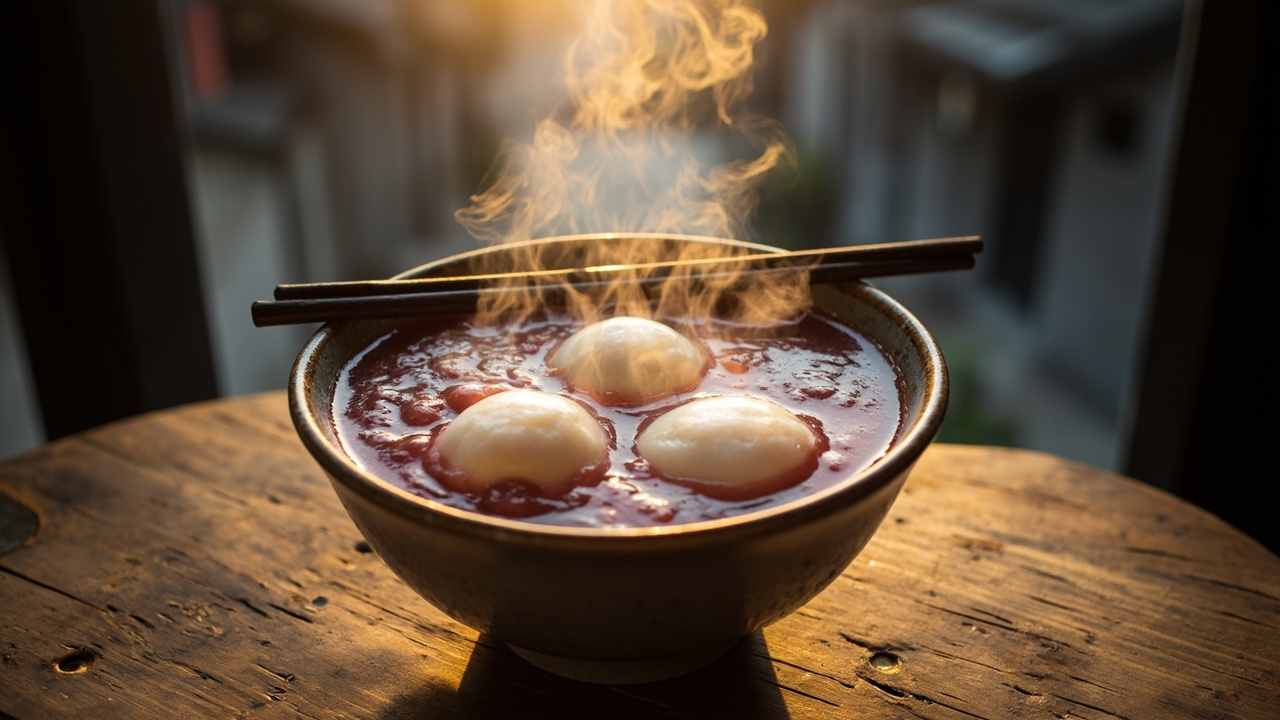
The cab driver in Xi’an looked at me in the rearview mirror, genuinely confused. I had just spent ten minutes explaining that I wanted to find a dessert shop. Not a bakery. Not a Starbucks. A place selling traditional Chinese sweets. He shrugged, said something about a mall, and dropped me at a random intersection. I wandered for an hour before I found what I was looking for: a tiny storefront selling huoshao (baked sesame cakes) and a glass case of sticky rice balls in syrup. That was the moment I realized Chinese desserts aren’t hidden—they’re just hiding in plain sight. You just need to know where to look.
Most tourists come to China for the savory food: the hand-pulled noodles, the sizzling Sichuan peppers, the Peking duck. But the sweet side of Chinese cuisine is a whole different landscape. It’s less about sugar bombs and more about texture, temperature, and subtle flavor. Red bean paste, sesame, osmanthus flower, and glutinous rice are the building blocks. It’s a world that rarely makes it onto English-language menus, which is a shame. This guide is my attempt to fix that. I’ve spent seven years eating my way through China’s dessert scene, and I’m going to tell you exactly what to order, where to find it, and how to avoid the tourist-trap versions that taste like sugar water and regret.
The quick version: Chinese desserts are wildly different from Western sweets, and you should absolutely try them. The best places to start are Beijing, Shanghai, Chengdu, and Guangzhou, where you’ll find everything from imperial palace pastries to late-night sweet soup stalls. Budget around $3–8 (CNY 20–60) per person for a proper dessert crawl. And yes, you can find them easily without speaking Mandarin—just point at the glass case and smile.
Quick answer
Chinese desserts and sweets are a distinct culinary category, ranging from steamed buns filled with red bean paste to chilled mango pomelo sago soup. Unlike Western desserts, they tend to be less sweet, more textural, and often served warm. The best cities for a first-timer are Beijing (for imperial-style pastries), Shanghai (for creative modern takes), and Guangzhou (for the widest variety of traditional sweets). Expect to pay $2–8 (CNY 15–60) per item, and note that most shops accept WeChat Pay or Alipay, so set those up before you arrive. English menus are rare, so a translation app like Pleco is your best friend.
The Short Version
If you only have 90 seconds, here’s what you need to know. Skip the touristy “dessert buffets” and head to a local tangshui (sweet soup) shop instead. Order the red bean soup with glutinous rice balls (tangyuan). It’s the gateway drug. Then try a sesame ball (jian dui) from a street vendor—crispy outside, chewy inside, filled with lotus paste. Don’t bother with the “mooncakes” unless it’s Mid-Autumn Festival. And whatever you do, don’t expect your dessert to be as sweet as a brownie. It won’t be. That’s the point.
How I Picked These
I didn’t pull this list from a blog roundup or a “Top 10” listicle. I picked these places by walking. A lot. Over the past seven years, I’ve lived in Beijing and traveled to every province except Tibet and Qinghai. I’ve eaten dessert at 6 a.m. in a Guangzhou dim sum hall, at midnight in a Chengdu night market, and in a Shanghai alleyway so narrow I had to turn sideways to get through. I’ve also made plenty of mistakes—ordering the wrong thing, paying tourist prices, and once accidentally eating a dessert made with lard because I didn’t read the label. This list is the result of those years of trial and error, plus conversations with locals who were kind enough to correct my pronunciation and point me to their favorite spots.
Comparison Table
| Rank | Place | Best For | Approx Cost (USD) | Time Needed | When to Go |
|---|---|---|---|---|---|
| 1 | Nanmen Sweet Soup Shop (Beijing) | Traditional tangshui | $3–5 (CNY 20–40) | 30 mins | Morning or late afternoon |
| 2 | Old Shanghai Dessert House (Shanghai) | Modern takes on classics | $4–8 (CNY 30–60) | 45 mins | Evening |
| 3 | Chen Mapo Tofu Dessert Window (Chengdu) | Sichuan-style sweets | $2–4 (CNY 15–30) | 20 mins | Afternoon |
| 4 | Guangzhou Dim Sum Hall (Guangzhou) | Tangyuan and custard buns | $5–10 (CNY 40–80) | 1 hour | Brunch |
| 5 | Huangshan Sesame Cake Stall (Huangshan) | Street snacks | $1–3 (CNY 8–20) | 10 mins | Morning |
| 6 | Yunnan Flower Cake Shop (Kunming) | Rose-flavored pastries | $2–5 (CNY 15–40) | 15 mins | Daytime |
| 7 | Harbin Ice Cream Stand (Harbin) | Frozen treats | $2–4 (CNY 15–30) | 10 mins | Winter |
| 8 | Hangzhou Lotus Root Shop (Hangzhou) | Osmanthus-scented desserts | $3–6 (CNY 25–45) | 30 mins | Autumn |
| 9 | Xi’an Muslim Quarter (Xi’an) | Huo Shao and walnut cakes | $1–4 (CNY 8–30) | 1 hour | Evening |
| 10 | Hong Kong Egg Tart Cart (Shenzhen) | Portuguese-style egg tarts | $1–2 (CNY 8–15) | 5 mins | Anytime |
Beijing: Nanmen Sweet Soup Shop — The Old Guard
I remember the first time I walked into Nanmen. It was a cold November afternoon, and the steam from the giant vats of red bean soup fogged up my glasses. The shop is tiny, maybe ten tables, and the walls are covered in faded photos of the owner’s grandfather, who started the place in the 1950s. The menu is handwritten on a whiteboard, entirely in Chinese. I pointed at the first item and hoped for the best. It was tangyuan—glutinous rice balls in a warm, slightly sweet red bean soup. The rice balls were chewy, almost bouncy, and the soup was earthy, not sugary. I’ve been back at least twenty times since.
Why it’s special: This is the kind of place that doesn’t cater to tourists because it doesn’t need to. The recipes haven’t changed in seventy years. The tangyuan are made fresh every morning, and the red bean soup is simmered for hours until the beans break down into a thick, velvety texture. It’s not flashy. It’s just good.
- 📍 Location: Dongcheng District, near Nanluoguxiang, in a hutong off the main drag.
- 🎫 Entry fee: None. You pay for what you order.
- 🕒 Opening hours: 7 a.m. to 8 p.m., but the tangyuan often sell out by 4 p.m.
- 🚕 How to get there: Take Subway Line 6 to Nanluoguxiang Station, Exit B. Walk south for about 5 minutes, then turn left into the hutong. Look for the red sign with yellow characters.
- ⏰ When to visit: Go in the morning, right when they open. The soup is freshest, and you’ll beat the crowds.
- 💡 Insider tips:
- Don’t ask for it less sweet. The sweetness is part of the balance.
- Order the lvdou (mung bean) soup too. It’s less common but just as good.
- If you see a local ordering the sesame paste version, copy them. It’s richer and nuttier.
- Bring cash. Some older shops in hutongs don’t accept cards, though most now take WeChat Pay.
- The shop is cash-only for foreigners without a Chinese bank card, so bring small bills.
I once watched a grandmother at the next table feed tangyuan to her grandson with a tiny porcelain spoon, dipping each one in the soup before lifting it to his mouth. He was maybe three years old, and he had more patience than I do at thirty-five.
Shanghai: Old Shanghai Dessert House — The Modern Classic
Shanghai has a complicated relationship with tradition. It’s a city that loves nostalgia but also loves reinvention. Old Shanghai Dessert House sits somewhere in the middle. It’s a bright, clean shop on a tree-lined street in the former French Concession, and it serves classics like shuangpi nai (double-skin milk) alongside newer creations like matcha lava cakes. The first time I went, I ordered the double-skin milk, which is a silky, custard-like dessert made from milk and egg whites. It arrived in a small ceramic bowl, the top slightly caramelized. I took one spoonful and immediately understood why this dessert has been popular for over a century.
Why it’s special: This shop bridges the gap between old and new. The shuangpi nai is made the traditional way—milk is boiled, skimmed, and the skin is layered with egg whites—but the presentation is modern. The shop also does a fantastic mango pomelo sago, which is technically a Hong Kong import but has been fully adopted by Shanghai. It’s the perfect place to bring a friend who’s skeptical about Chinese desserts.
- 📍 Location: Xuhui District, on Wukang Road, near the intersection with Hunan Road.
- 🎫 Entry fee: None.
- 🕒 Opening hours: 10 a.m. to 10 p.m., seven days a week.
- 🚕 How to get there: Take Subway Line 10 to Shanghai Library Station, Exit 1. Walk east on Huaihai Road for 10 minutes, then turn right onto Wukang Road. The shop is on the left.
- ⏰ When to visit: Evenings are busy with young couples. Go around 3 p.m. on a weekday for a quieter experience.
- 💡 Insider tips:
- The shuangpi nai is served warm or cold. Try it warm first—it’s more comforting.
- Ask for the “house special” if you see it on the menu. It changes seasonally.
- The shop has English descriptions on the menu, which is rare. Use it to learn the names of other desserts.
- If you’re in a hurry, order takeout. The packaging is sturdy and the desserts travel well.
- Don’t skip the osmanthus jelly. It’s a light, floral palate cleanser.
I brought a friend from Texas here once. She ordered the double-skin milk, took a bite, and said, “This is like a cloud that tastes like vanilla.” I’ve never heard a better description.
Chengdu: Chen Mapo Tofu Dessert Window — The Spicy-Sweet Surprise
Chengdu is famous for its spice, but the city also has a softer side. Tucked into the back of the legendary Chen Mapo Tofu restaurant is a small window that sells bingfen (a jelly-like dessert made from a plant starch) and laozao (fermented rice soup). The first time I tried bingfen, I was skeptical. It looked like a bowl of clear jelly with raisins and peanuts on top. But the texture was incredible—slippery, cool, and slightly chewy—and the syrup was lightly sweetened with brown sugar. It was the perfect antidote to a mouth full of Sichuan peppercorns.
Why it’s special: Chengdu desserts are designed to cool you down, both physically and mentally. Bingfen is served ice-cold, and the laozao is a warm, slightly alcoholic soup made from fermented glutinous rice. It’s a completely different dessert culture from Beijing’s or Shanghai’s, and it’s worth seeking out.
- 📍 Location: Wuhou District, inside the Chen Mapo Tofu restaurant complex, near the intersection of West Yulong Street and South Renmin Road.
- 🎫 Entry fee: None, but you’ll probably want to order a meal at the restaurant too.
- 🕒 Opening hours: 11 a.m. to 9 p.m.
- 🚕 How to get there: Take Subway Line 1 to Jinjiang Hotel Station, Exit C. Walk north on Renmin South Road for 10 minutes. The restaurant is on the right.
- ⏰ When to visit: Go for lunch, then grab dessert on your way out. The window is less crowded at 2 p.m.
- 💡 Insider tips:
- Bingfen is best on a hot day. The cold jelly is incredibly refreshing.
- Laozao has a small amount of alcohol, so don’t drive after eating it.
- If you see sanxian bingfen (three-ingredient jelly), order it. It has more toppings.
- The window accepts WeChat Pay and Alipay. Set those up before you arrive.
- Don’t be afraid to ask for extra brown sugar syrup. It’s free.
I made the mistake of eating bingfen right after a mouthful of mapo tofu. My mouth was on fire, and the cold jelly was a shock. But it worked. The contrast was actually perfect.
Guangzhou: Dim Sum Hall — The Sweet Brunch
Guangzhou is the birthplace of dim sum, and the sweet items are just as important as the savory ones. At a traditional dim sum hall, you’ll find tangyuan (glutinous rice balls in ginger syrup), naihuang bao (custard buns), and dan tat (egg tarts). The first time I went to a proper dim sum hall in Guangzhou, I was overwhelmed by the sheer number of carts rolling past. I flagged down a cart with custard buns, took a bite, and the warm, runny custard spilled out onto my plate. It was messy, but I didn’t care.
Why it’s special: Dim sum halls are a social experience. You sit at a large table, share small plates, and drink endless pots of tea. The sweet items are meant to be eaten alongside the savory ones, not after. It’s a different way of thinking about dessert.
- 📍 Location: Yuexiu District, near the Beijing Road Pedestrian Street. The most famous halls are on the upper floors of old hotels.
- 🎫 Entry fee: None, but you’ll pay for what you order. Expect $5–10 (CNY 40–80) for a full meal.
- 🕒 Opening hours: 7 a.m. to 2 p.m. for dim sum. Some halls reopen for dinner, but the sweet items are mainly a morning thing.
- 🚕 How to get there: Take Subway Line 1 to Gongyuanqian Station, Exit D. Walk east on Zhongshan Road for 5 minutes.
- ⏰ When to visit: Go early, around 8 a.m., to get a table. By 10 a.m., the halls are packed with families.
- 💡 Insider tips:
- The custard buns are served hot. Let them cool for a minute before biting into them.
- Egg tarts in Guangzhou are usually Portuguese-style, with a caramelized top.
- If you see ma lai gao (steamed sponge cake), order it. It’s light and slightly sweet.
- Tea is mandatory. Order a pot of jasmine or oolong to cut through the richness.
- Don’t be shy about flagging down carts. That’s how you get the good stuff.
I once sat next to an elderly couple who ordered four different sweet items and ate them all for breakfast. I tried to copy them and ended up with a stomachache. Lesson learned: pace yourself.
Huangshan: Sesame Cake Stall — The Street Snack
Huangshan is known for its mountains, but the town at the base has a fantastic street food scene. The sesame cake stall near the old street is a tiny operation: a woman, a charcoal oven, and a stack of flat, round cakes coated in sesame seeds. The cakes are baked against the walls of the oven, giving them a crispy exterior and a soft, slightly sweet interior. The first time I tried one, it was still warm from the oven, and the sesame seeds were toasted to perfection.
Why it’s special: This is street food at its purest. No frills, no branding, just a woman who has been making these cakes for thirty years. The filling is usually red bean paste or a simple sugar mixture, and the texture is what makes it memorable.
- 📍 Location: Tunxi Old Street, Huangshan City. The stall is near the eastern entrance.
- 🎫 Entry fee: None.
- 🕒 Opening hours: 8 a.m. to 6 p.m., or until the cakes sell out.
- 🚕 How to get there: Take a taxi from Huangshan North Railway Station to Tunxi Old Street. It’s about 30 minutes.
- ⏰ When to visit: Go in the morning when the cakes are freshest.
- 💡 Insider tips:
- Buy them hot. They’re not as good cold.
- The red bean paste version is the classic. Don’t skip it.
- If the stall is busy, be patient. The cakes take about 10 minutes to bake.
- Cash is easiest here. The stall doesn’t have a card reader.
- There’s no English signage. Just look for the woman with the charcoal oven.
I bought four cakes and ate them all while walking down the old street. The woman behind the stall laughed at me and gave me a fifth one for free.
Kunming: Yunnan Flower Cake Shop — The Rose Pastry
Yunnan is famous for its flowers, and the province’s signature dessert is the flower cake (xianhua bing). It’s a flaky pastry filled with rose petal jam. The first time I tried one, I was skeptical. Rose in a pastry? It sounded like something from a fancy perfume shop. But the filling was subtly sweet, with a floral aroma that wasn’t overpowering. It was delicate and fragrant, completely unlike anything I’d had before.
Why it’s special: Yunnan flower cakes are made with real rose petals, which are harvested in the province’s high-altitude fields. The jam is made with sugar and a touch of honey, and the pastry is laminated with lard or butter, giving it a crisp, flaky texture. It’s a dessert that’s both elegant and rustic.
- 📍 Location: Wuhua District, Kunming. The best shops are near the Green Lake Park area.
- 🎫 Entry fee: None.
- 🕒 Opening hours: 9 a.m. to 9 p.m.
- 🚕 How to get there: Take a taxi to Green Lake Park. The shops are on the streets surrounding the park.
- ⏰ When to visit: Go in the morning to avoid the crowds.
- 💡 Insider tips:
- Buy the cakes fresh. The packaged ones are fine, but fresh is better.
- The rose jam is also sold in jars. It makes a great souvenir.
- If you’re visiting in spring, the rose fields are in bloom. It’s worth a day trip.
- Some shops offer a “flower cake tasting” set with multiple flavors. Try the jasmine one.
- The cakes are delicate, so pack them carefully if you’re taking them home.
I brought a box of flower cakes back to Beijing, and my Chinese colleagues were more excited about them than any souvenir I’d ever brought back.
Harbin: Ice Cream Stand — The Frozen Treat
Harbin is cold. Really cold. So it makes sense that the city’s most famous dessert is ice cream. But this isn’t your average ice cream. It’s Malayish (马迭尔), a brand that has been making ice cream in Harbin since 1906. The original stand is on Central Street, and it sells a simple vanilla ice cream that’s somehow creamier and more satisfying than anything I’ve had in the West. The first time I tried it, it was -20°C outside, and I was eating ice cream in a snowstorm. It was absurd and wonderful.
Why it’s special: The ice cream is made with a traditional recipe that hasn’t changed in over a century. It’s dense, rich, and not too sweet. The stand is also a piece of history—it’s been in the same spot on Central Street since the early 1900s.
- 📍 Location: Central Street, Daoli District, Harbin.
- 🎫 Entry fee: None.
- 🕒 Opening hours: 9 a.m. to 10 p.m., year-round.
- 🚕 How to get there: Take a taxi to Central Street. The stand is near the western end.
- ⏰ When to visit: Go in winter for the full experience. The ice cream tastes better when it’s -20°C.
- 💡 Insider tips:
- The original flavor is vanilla. Don’t bother with the other flavors.
- The ice cream is served on a stick, like a popsicle. It’s easier to eat in the cold.
- The stand is cash-only. Bring small bills.
- If you’re visiting in summer, the ice cream is still good, but it’s not the same.
- There’s a sit-down café nearby if you want to warm up.
I ate the ice cream so fast that my teeth hurt. The woman next to me laughed and said, “Slow down. It’s not going anywhere.”
Hangzhou: Lotus Root Shop — The Autumn Treat
Hangzhou is a city of poets and scholars, and its desserts reflect that. The lotus root shop near West Lake sells a dessert made from lotus root starch, which is mixed with hot water to create a thick, jelly-like pudding. It’s flavored with osmanthus flowers, which give it a subtle, honey-like aroma. The first time I tried it, I was sitting on a bench by the lake, watching the leaves fall. It was the most peaceful dessert experience I’ve ever had.
Why it’s special: Lotus root starch is a traditional ingredient that’s been used in Chinese desserts for centuries. It’s light, slightly sweet, and incredibly soothing. The osmanthus flavor is unique to the region, and it’s a taste you won’t find anywhere else.
- 📍 Location: Shangcheng District, near West Lake. The shop is on the eastern shore.
- 🎫 Entry fee: None.
- 🕒 Opening hours: 10 a.m. to 8 p.m.
- 🚕 How to get there: Take a taxi to West Lake, then walk along the eastern shore. The shop is near the Broken Bridge.
- ⏰ When to visit: Go in autumn, when the osmanthus flowers are in bloom.
- 💡 Insider tips:
- The pudding is served warm. It’s the perfect autumn dessert.
- Ask for extra osmanthus syrup. It’s free and adds a lot of flavor.
- The shop also sells lotus root starch in packets. It makes a great gift.
- If you’re visiting in summer, try the cold version. It’s refreshing.
- The shop is small, so grab a seat outside if the weather is nice.
I sat by the lake for an hour, eating my pudding and watching the boats go by. It was the most peaceful hour of my entire trip.
Xi’an: Muslim Quarter — The Night Market
Xi’an’s Muslim Quarter is a sensory overload: sizzling lamb skewers, steaming dumplings, and the constant call of vendors trying to get your attention. But the desserts are the real highlight. The huoshao (baked sesame cakes) are filled with red bean paste or walnut, and the jingao (sticky rice cakes) are coated in honey and nuts. The first time I tried a huoshao, it was so hot that I burned the roof of my mouth. I didn’t care. It was worth it.
Why it’s special: The Muslim Quarter is a melting pot of flavors, and the desserts reflect that. You’ll find influences from Central Asia, the Middle East, and China proper, all mixed together in a chaotic, delicious mess.
- 📍 Location: Muslim Quarter, Lianhu District, Xi’an.
- 🎫 Entry fee: None.
- 🕒 Opening hours: 10 a.m. to midnight.
- 🚕 How to get there: Take Subway Line 2 to Zhonglou Station, Exit C. Walk north for 5 minutes.
- ⏰ When to visit: Go in the evening, when the market is at its liveliest.
- 💡 Insider tips:
- The huoshao are best fresh. Eat them while they’re still warm.
- Try the walnut version. It’s less common but more interesting.
- The jingao are sticky, so eat them with a fork or chopsticks.
- Bargaining is common, but not for food. The prices are fixed.
- If you see a long line, join it. The locals know what’s good.
I once spent an entire evening in the Muslim Quarter, eating my way from one end to the other. I must have tried ten different desserts, and I regret nothing.
Shenzhen: Egg Tart Cart — The Hong Kong Import
Shenzhen is a city that’s constantly changing, and its food scene is no exception. The egg tart carts that line the streets are a Hong Kong import, but they’ve become a Shenzhen staple. The tarts are made with a flaky pastry and a rich, eggy custard, and they’re served warm. The first time I tried one, I was walking through a night market, and the vendor handed me a tart straight from the oven. The custard was so hot that it almost burned my tongue, but the flavor was incredible.
Why it’s special: The egg tart is a perfect example of how Chinese desserts evolve. It’s a Portuguese invention that was adopted by Hong Kong, then adapted by mainland China. The Shenzhen version is sweeter and richer than the Hong Kong original, and it’s available on almost every street corner.
- 📍 Location: Various locations throughout Shenzhen. The best carts are near the Luohu Commercial City area.
- 🎫 Entry fee: None.
- 🕒 Opening hours: 8 a.m. to 10 p.m.
- 🚕 How to get there: Take Subway Line 1 to Luohu Station, Exit A. Walk south for 5 minutes.
- ⏰ When to visit: Go in the morning, when the tarts are freshest.
- 💡 Insider tips:
- The tarts are best eaten warm. Don’t let them sit.
- The custard is runny, so eat them over a plate or napkin.
- If you see a cart with a long line, it’s probably the good one.
- The tarts are cheap, so buy a few and share.
- Don’t be afraid to ask for a box. They’re great for taking back to your hotel.
I bought six tarts and ate them all in the taxi back to my hotel. The driver looked at me in the rearview mirror and said, “You like those, huh?” I nodded, too full to speak.
FAQ summary
Chinese desserts are generally less sweet than Western desserts, emphasizing texture and subtle flavors like red bean, sesame, and osmanthus. The most common types include tangyuan (glutinous rice balls), bingfen (jelly), and huoshao (baked sesame cakes). Prices range from $1–10 (CNY 8–80) depending on the location and type. Most shops accept WeChat Pay or Alipay, and English menus are rare, so a translation app is recommended. The best cities for first-timers are Beijing, Shanghai, Chengdu, and Guangzhou.
FAQ
Q: Are Chinese desserts very sweet? A: Generally no. Most traditional Chinese desserts are less sweet than Western ones, focusing on texture and subtle flavors. If you’re used to sugary treats, you might find them underwhelming at first, but give them a chance.
Q: Do I need to speak Mandarin to order desserts? A: No, but it helps. Many shops have pictures or display cases, so you can point at what you want. A translation app like Pleco or Google Translate is useful for reading menus.
Q: Can I use a credit card to pay for desserts? A: Not usually. Most small shops and street vendors only accept cash or WeChat Pay/Alipay. Set up WeChat Pay or Alipay before you arrive, and always carry some cash as backup.
Q: What’s the best time of day to eat Chinese desserts? A: It depends on the dessert. Sweet soups and tangyuan are often eaten in the morning or as an afternoon snack. Street snacks like huoshao are best eaten fresh, so go in the morning. Night markets are great for trying a variety of desserts in the evening.
Q: Are there vegetarian or vegan options? A: Yes, but you need to be careful. Many desserts contain lard or milk. Red bean paste, sesame, and fruit-based desserts are usually vegan, but it’s best to ask. The word for vegetarian is su (素).
Q: What’s the most popular dessert in China? A: It’s hard to pick just one, but tangyuan (glutinous rice balls in sweet soup) is probably the most widely eaten, especially during the Lantern Festival. Red bean soup and egg tarts are also extremely popular.
Q: Can I bring Chinese desserts home as souvenirs? A: Some, but not all. Packaged items like flower cakes and lotus root starch are fine. Fresh desserts like tangyuan won’t survive the flight. Check customs regulations before you buy.
The Honest Wrap-up
This list isn’t for everyone. If you’re the kind of traveler who needs a chocolate cake with a side of vanilla ice cream, you might struggle with Chinese desserts. They’re not designed to be sugar bombs. They’re designed to be balanced, textural, and often warm. But if you’re willing to step outside your comfort zone, you’ll discover a whole new world of flavors. My final advice: order the tangyuan. It’s the dessert that made me fall in love with Chinese sweets, and I think it’ll do the same for you. And if you’re planning your trip, make sure to check the latest visa-free transit policies and set up Alipay or WeChat Pay before you land. You’ll thank me later.
Topics
More guides you may like

Top 10 Bridges in China
China's bridges are engineering marvels spanning mountains, rivers, and seas. Here are 10 of the most spectacular, from ancient stone to modern steel.
8 min read

Top 10 Buddhist Sites in China
From the Leshan Giant Buddha to the Dunhuang Caves, these 10 Buddhist sites represent 2,000 years of China's spiritual heritage.
9 min read

Top 10 Day Trips from Beijing You Shouldn't Miss
Beijing is packed with history, but some of China's best experiences are just a few hours away. Here are 10 day trips that will transform your visit.
9 min read
Top 10 Hidden Gems in China Off the Beaten Path
Beyond the Great Wall and Terracotta Warriors, China has incredible hidden destinations few tourists ever reach. Here are 10 underrated gems worth the detour.
9 min read
Top 10 Markets and Shopping Streets in China
From Shanghai's Bund to Beijing's Silk Street - 10 markets where foreigners can haggle, explore, and bring home authentic Chinese goods.
9 min read
Top 10 Museums in China You Shouldn't Miss
China's museums span 5,000 years of civilization. These 10 - from the Palace Museum to Xi'an's terracotta gallery - are unmissable for culture lovers.
9 min read