
Mid Autumn Festival Travel
TODO: Extract from article (100-160 chars)
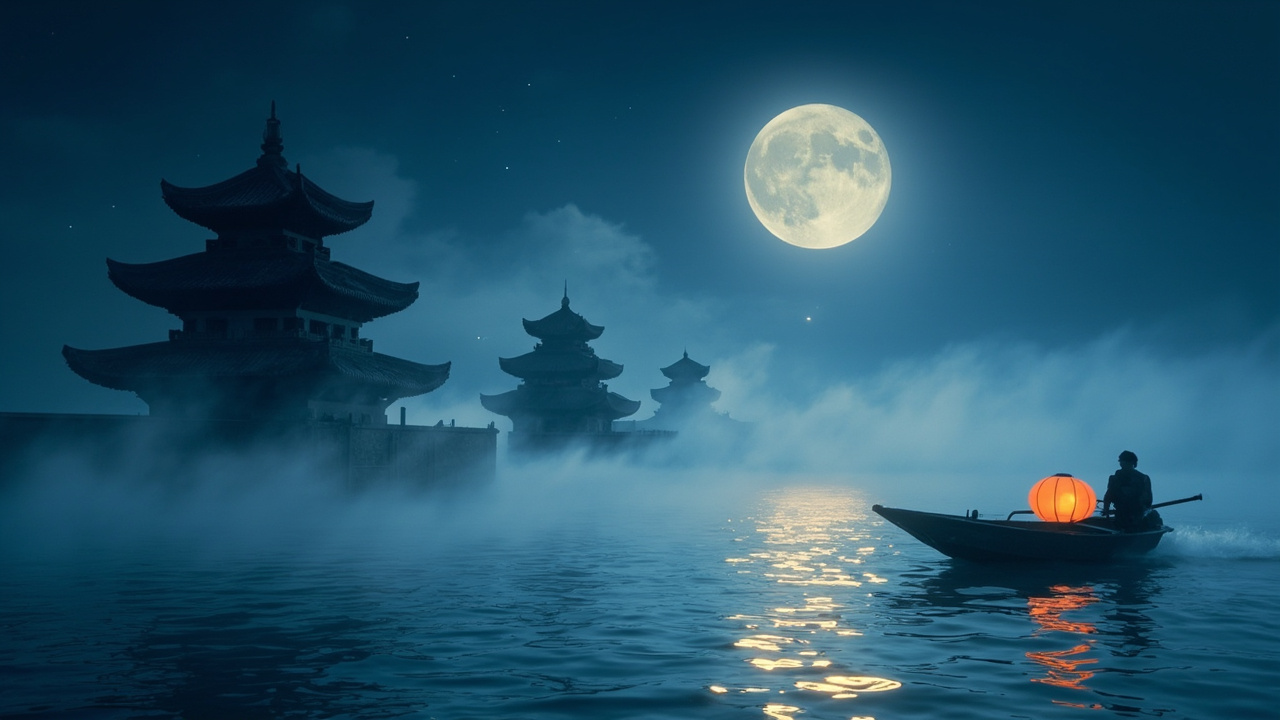
The cab driver in Xi’an looked at me in the rearview mirror and laughed. Not a mean laugh, a genuine one. “You’re going to the Muslim Quarter on the fifteenth of the eighth month?” he asked in Mandarin. “Good luck.” I didn’t understand the warning until the car stopped three blocks short of the gate because the crowd simply wouldn’t let us through. That was my first Mid-Autumn Festival in China, and I’ve been chasing that energy ever since.
The festival, also called the Moon Festival, is the second most important holiday in China after Spring Festival. For international tourists, it’s a window into something the guidebooks can’t capture: families reuniting, mooncakes being pressed and gifted, and a country that usually moves at breakneck speed suddenly slowing down to look at the sky. The 2026 festival falls on September 25, which means you’re traveling during a rare three-day national holiday where the whole country is on the move.
This guide covers the ten best places to experience the festival as a first-time visitor, with exact transport details, honest costs, and the kind of advice I wish someone had given me before my first mooncake-induced sugar crash.
Quick answer
Mid-Autumn Festival 2026 falls on September 25. International tourists can experience it without special permits, and many nationalities qualify for China’s visa-free transit policy (up to 240 hours for eligible passport holders). Expect crowds at major landmarks, book trains and hotels at least two weeks ahead, and budget $30–50 (CNY 215–360) per day for food, transport, and entry fees. The festival is best experienced in Beijing, Xi’an, or Hangzhou, where moon-viewing traditions run deepest.
The Short Version
If you only have 90 seconds: book your trains now, not later. The whole country travels during this holiday, and high-speed rail tickets between major cities sell out within hours of release. Carry cash as backup even though Alipay and WeChat Pay dominate. And whatever you do, don’t skip the mooncakes, but also don’t eat a whole one in one sitting unless you enjoy sugar comas. Beijing’s Temple of Heaven and Xi’an’s ancient walls are the two most atmospheric places to watch the moon rise, but Hangzhou’s West Lake is where the poetry actually happens.
How I Picked These
I’ve spent seven Mid-Autumn Festivals in China across nine different cities. Some were planned, others accidental. I’ve watched the moon from a Beijing hutong rooftop with a landlord who insisted I try his homemade osmanthus wine, and I’ve been trapped in a Shanghai metro station during the post-fireworks rush. For this list, I balanced three things: places with genuine cultural significance, places where foreigners won’t feel completely lost, and places that photograph well enough that your friends back home will actually believe you went. I also asked Chinese friends and taxi drivers where they’d go, which eliminated several overhyped spots immediately.
Comparison Table
| Rank | Place | Best For | Approx Cost (USD) | Time Needed | When to Go |
|---|---|---|---|---|---|
| 1 | Beijing’s Temple of Heaven | Grand scale, imperial history | $5 (CNY 35) | Half day | Festival evening |
| 2 | Xi’an Ancient City Wall | Cycling under the moon | $7 (CNY 50) | 2-3 hours | Sunset to night |
| 3 | Hangzhou West Lake | Classic moon-viewing | Free | Full day | Festival night |
| 4 | Suzhou Classical Gardens | Quiet, refined atmosphere | $8 (CNY 55) | Half day | Mid-afternoon |
| 5 | Guilin & Yangshuo | Karst mountains + moon | Free (river cruise extra) | 2-3 days | Festival week |
| 6 | Hong Kong Victoria Harbour | Modern spectacle | Free | Evening | Festival night |
| 7 | Chengdu People’s Park | Local teahouse culture | Free | 2-3 hours | Afternoon |
| 8 | Nanjing Confucius Temple | Lanterns and river views | Free (temple $4/CNY 30) | Evening | Festival night |
| 9 | Shanghai Yu Garden | Urban moon-viewing | $5 (CNY 40) | Half day | Early morning |
| 10 | Lijiang Old Town | Minority culture twist | $0 (maintenance fee sometimes) | 1-2 days | Festival week |
Beijing’s Temple of Heaven — Where the Emperors Asked the Moon for a Good Harvest
The first time I walked through the Hall of Prayer for Good Harvests, a tour guide was explaining to a group of Germans that the building has no nails. Not one. The entire structure is held together by wooden brackets and sheer mathematical genius. I stood there doing the math myself, and it still didn’t make sense. That’s when I knew this place was different.
The Temple of Heaven is where Ming and Qing emperors performed annual ceremonies to ensure good harvests, and during Mid-Autumn, the park fills with locals doing something far more interesting than anything the emperors did: they come to sing, dance, play traditional instruments, and practice calligraphy with water on the stone paths. The festival evening brings thousands of people to the open plaza areas, all looking up at the same moon that emperors once prayed to.
The park is enormous, so don’t try to see everything. Head straight for the Hall of Prayer, then walk south through the Danbi Bridge toward the Circular Mound Altar, which has incredible acoustics. Locals know you can stand on the center stone of the altar and speak quietly while someone at the edge can hear you clearly.
📍 Location: Tiantan Road, Dongcheng District, Beijing 🎫 Entry fee: $5 (CNY 35) for the combined ticket covering all major structures. The surrounding park is cheaper at around $2 (CNY 15). 🕒 Opening hours: 6:00 AM to 10:00 PM, with the inner structures closing at 5:30 PM. Go early or late. 🚇 Getting there: Take Subway Line 5 to Tiantan Dongmen Station, Exit A. Walk east for about 5 minutes to the East Gate entrance. This is the closest entrance to the Hall of Prayer. 🌙 When to visit: Festival evening for the atmosphere, but 7 AM is best for photos without crowds. 💡 Insider tips: The park’s north gate has a famous “corner” where locals gather to sing opera. Join them. Also, the osmanthus flowers bloom in late September, and the entire park smells like apricot and honey. Buy a mooncake from the small vendors inside the park, not from the tourist shops outside.
I once watched an elderly man write “海上生明月” (the moon rises over the sea) in water calligraphy on the stone path, and he let me try. My characters looked like a drunk spider had fallen into the ink. He laughed and wrote my name perfectly instead.
Xi’an Ancient City Wall — Cycling 14 Kilometers Under the Full Moon
I rented a bicycle on the Xi’an city wall at 6 PM on festival night and didn’t return it until the gate guard started looking at his watch pointedly. The wall stretches 14 kilometers around the old city, and riding it as the sun drops and the moon rises is the closest I’ve come to time travel in China. The city below shifts from modern traffic chaos to something older, with temple roofs catching the last light.
The wall is the most complete ancient city fortification in China, originally built in the Ming Dynasty. During Mid-Autumn, the wall hosts lantern displays and cultural performances at the South Gate, but the real magic is just riding. You’ll pass watchtowers where guards once scanned for invaders, now filled with couples taking selfies under paper lanterns.
Rent a bike early. The tandem bikes go fast, and the single-speed ones are more comfortable than they look. The full loop takes about 90 minutes at a relaxed pace, but budget two hours if you stop for photos, which you will.
📍 Location: The wall encircles Xi’an’s old city center. Best entry is the South Gate (Yongningmen). 🎫 Entry fee: $7 (CNY 50) for the wall. Bike rental is an additional $4 (CNY 30) for 2 hours. 🕒 Opening hours: 8:00 AM to 10:00 PM in summer, closing earlier in winter. The South Gate has a night market area outside that stays busy until midnight. 🚇 Getting there: Take Subway Line 2 to Yongningmen Station, Exit D. The South Gate entrance is directly visible from the station exit. 🌙 When to visit: Sunset on festival night. You’ll see the moon rise over the city while the lights come on below. 💡 Insider tips: Bring your own water; the vendors on the wall charge triple. The east side of the wall has fewer tourists and better moon views over the older neighborhoods. If you’re not up for the full ride, walk the section between South Gate and West Gate, which passes the most interesting architecture. The night market outside the South Gate sells the best roujiamo (Chinese hamburger) I’ve had anywhere.
I stopped at a watchtower to catch my breath and met a university student named Liu who was practicing her English by describing the moon to me. She used the phrase “a silver coin in a black velvet sky,” and I’ve never forgotten it.
Hangzhou West Lake — The Moon That Inspired a Thousand Poems
The Chinese have a saying: “Above is heaven, below are Hangzhou and Suzhou.” I rolled my eyes the first time I heard it. Then I watched the moon rise over West Lake during Mid-Autumn, with the Three Pools Mirroring the Moon pagodas reflecting in the water, and I shut up. This is the most poetic place in China during this festival, and the Chinese know it. The lake fills with boats, each one carrying families with mooncakes and tea, all floating toward the best viewing spots.
West Lake is free to visit, which feels like a glitch in the system. The lake itself costs nothing, but the surrounding attractions like Lingyin Temple and the Leifeng Pagoda charge entry. For Mid-Autumn, skip the paid attractions and focus on the lake itself. Rent a boat from the dock near the Broken Bridge and have the boatman row you toward the Three Pools. The lanterns on the water, the moon overhead, the distant hills, it’s the scene that made this festival famous.
The lake is huge, so pick one section. The Su Causeway on the west side is quieter and more atmospheric. The north shore near the Broken Bridge is more accessible but crowded.
📍 Location: Xihu District, central Hangzhou. The lake is the city center. 🎫 Entry fee: Free. Boat rentals range from $15–30 (CNY 100–200) depending on duration and boat type. 🕒 Opening hours: The lake is always open. Boat services run roughly 7 AM to 9 PM, longer during festival week. 🚇 Getting there: Take Subway Line 1 to Longxiangqiao Station, Exit C. Walk west for 10 minutes to reach the lake’s east shore. 🌙 When to visit: Festival night from 6 PM onward. The moonrise over the eastern hills is visible from the west shore. 💡 Insider tips: The “Three Pools Mirroring the Moon” are three small stone pagodas in the lake, and the traditional viewing involves seeing the moon’s reflection through the holes in each pagoda. Your boatman will know the spot. Bring your own mooncakes and tea; the floating vendors charge double. The lakeside promenade fills with locals performing traditional music, and some of the older performers are genuinely world-class.
My boatman, a man in his sixties named Chen, pointed at the moon and told me his grandfather used to say the moon was a mirror showing you your family’s faces. He hadn’t seen his son in Guangzhou for two years. He rowed in silence for a while after that.
Suzhou Classical Gardens — Moon-Viewing as a Fine Art
Suzhou’s classical gardens are UNESCO World Heritage sites, and the Chinese literati who designed them centuries ago built specific pavilions for the sole purpose of watching the moon. The Humble Administrator’s Garden has a pavilion called “The Pavilion Where the Moon Comes” with a circular doorway perfectly framed to catch the moonrise. This isn’t accidental. This is garden design as poetry.
The gardens are smaller and more intimate than Beijing’s grand imperial spaces. During Mid-Autumn, several gardens hold evening events with lanterns, traditional music, and mooncake tastings. The Humble Administrator’s Garden and the Master of the Nets Garden both host special programs, but tickets for evening events sell out weeks in advance.
If you can’t get evening tickets, visit in the mid-afternoon. The gardens are at their best in the golden hour light, and the shadows create the kind of depth that makes you understand why these spaces inspired centuries of painters.
📍 Location: Various locations in Suzhou’s old town. Humble Administrator’s Garden is at 178 Dongbei Street. 🎫 Entry fee: $8 (CNY 55) for Humble Administrator’s Garden. Evening festival events cost $15–25 (CNY 100–180). 🕒 Opening hours: 7:30 AM to 5:30 PM standard. Evening events run 6:30 to 9:30 PM during festival week. 🚇 Getting there: Take Subway Line 4 to Beisita Station, Exit 2. Walk east for 8 minutes to the garden entrance. 🌙 When to visit: Late afternoon for the light, or book an evening festival event if available. 💡 Insider tips: The gardens are connected by canals, and a boat ride through the old town gives you a different perspective on the garden walls. The Master of the Nets Garden is smaller but less crowded and has better evening programming. Local teahouses near the gardens serve biluochun green tea, which pairs surprisingly well with sweet mooncakes. The garden gift shops sell decent mooncakes, but the real ones come from the old town bakeries.
I spent an hour in the Humble Administrator’s Garden trying to photograph the moon through the circular doorway, and a retired calligrapher named Wei eventually took my phone and showed me the exact angle. He’d been coming to the same spot for forty years.
Guilin and Yangshuo — Karst Mountains and a Moon-Shaped Cave
The Li River region has a natural advantage for Mid-Autumn: the karst mountains create dramatic silhouettes against the moon, and there’s a literal Moon Hill with a natural arch that looks like a crescent. The locals say the hill is where the moon rests when it’s tired of traveling. I’m not sure that’s official folklore, but it should be.
Yangshuo, the small town south of Guilin, is backpacker central, which means it’s the easiest place on this list for English speakers. The festival here is less about traditional ceremonies and more about the landscape. Rent a bicycle or e-bike and ride through the rice paddies as the moon rises over the karst peaks. It’s the most cinematic moon-viewing experience in China.
The town of Yangshuo has a famous light show on the river at night, but the real show is the sky. Find a spot away from the town lights, sit on a rice paddy embankment, and watch the moon climb over the mountains.
📍 Location: Yangshuo County, about 70 kilometers south of Guilin. 🎫 Entry fee: Free for the landscape. Moon Hill charges $3 (CNY 20). The Li River cruise from Guilin costs $30–50 (CNY 200–350). 🕒 Opening hours: Always open. Bike rentals are available from 7 AM to 9 PM. 🚇 Getting there: Take the high-speed train from Guilin to Yangshuo Station (about 30 minutes, $8/CNY 55). From the station, take a bus or taxi to town (20 minutes). 🌙 When to visit: Festival week for the full moon. The weather in late September is usually clear and warm. 💡 Insider tips: Rent an e-bike, not a regular bicycle, unless you’re in serious shape. The hills are relentless. The best moon-viewing spots are along the Yulong River, west of town. Bring insect repellent; the rice paddies host mosquitoes that have no respect for tourists. The local beer fish (beer yu) is the regional specialty and worth trying even if the name sounds odd.
A guesthouse owner in Yangshuo named Lily invited me to her family’s festival dinner. Her grandmother made mooncakes from scratch, and I watched her press the wooden molds with more skill than I’ll ever have. She gave me one to take home. It didn’t survive the flight. I ate it in the airport.
Hong Kong Victoria Harbour — The Modern Moon Spectacle
Hong Kong does Mid-Autumn differently. Instead of quiet moon-viewing, you get one of the world’s most dramatic urban celebrations. Victoria Harbour hosts a massive lantern display, and the neighborhoods of Tai Hang and Victoria Park light up with thousands of lanterns. The city also has a tradition of fire dragon dances, where performers carry a 67-meter-long dragon made of straw and incense through the streets.
The contrast is what makes Hong Kong special. You’ll see the moon over the harbor, reflected in the glass towers of the skyline, while below you, families picnic on the waterfront with mooncakes and pomelos. The city’s skyline light show runs every night at 8 PM, but festival week adds special displays.
Hong Kong is also the easiest place in China for first-time visitors. English is widely spoken, international payment cards work, and the transport system is world-class. If you’re nervous about the mainland, start your trip here.
📍 Location: Victoria Harbour waterfront, Tsim Sha Tsui and Central. 🎫 Entry fee: Free for the harbor displays. The Tai Hang fire dragon dance is free to watch. 🕒 Opening hours: The harbor displays run from dusk to about 11 PM during festival week. 🚇 Getting there: Take the MTR to Tsim Sha Tsui Station, Exit E. Walk to the Avenue of Stars for the best harbor views. 🌙 When to visit: Festival night from 7 PM. The fire dragon dance in Tai Hang runs for three nights. 💡 Insider tips: The best mooncake in Hong Kong comes from the Peninsula Hotel, but you’ll need to order weeks ahead. The local bakeries on Nathan Road sell excellent versions for a fraction of the price. The Star Ferry between Tsim Sha Tsui and Central costs less than $1 (CNY 7) and gives you the best moving view of the harbor lights. Bring a picnic blanket; the waterfront fills up fast.
I watched the fire dragon dance from a side street in Tai Hang, wedged between a family of four and a group of German tourists. The dragon’s incense smoke mixed with the smell of street food, and when the dragon passed, the crowd surged so hard I nearly lost my shoe. Worth it.
Chengdu People’s Park — Teahouse Culture and the Slow Moon
Chengdu is famous for two things: pandas and teahouses. During Mid-Autumn, the teahouse culture takes center stage. People’s Park in the center of Chengdu has several historic teahouses where locals gather for the festival, drinking jasmine tea, eating mooncakes, and getting ear cleanings from street practitioners who use tools that look medieval but feel surprisingly good.
The park is where Chengdu’s famous “slow life” philosophy is most visible. People play mahjong, read newspapers, and argue about nothing in particular. During the festival, the park adds lantern displays and traditional music performances, but the real draw is watching locals do what they do every day, just with more mooncakes.
This is the least touristy option on this list, which is exactly why I recommend it. You won’t get the grand spectacle of Beijing or Hangzhou, but you’ll get something more valuable: a glimpse of how ordinary Chinese families actually celebrate.
📍 Location: People’s Park, Qingyang District, central Chengdu. 🎫 Entry fee: Free. Tea at the park teahouses costs $2–5 (CNY 15–35) per pot. 🕒 Opening hours: The park is open from 6 AM to 10 PM. Teahouses operate from about 8 AM to 9 PM. 🚇 Getting there: Take Subway Line 2 to People’s Park Station, Exit B. The park entrance is directly across the street. 🌙 When to visit: Mid-afternoon for the teahouse scene, or evening for the lantern displays. 💡 Insider tips: The Heming Teahouse in the park is the most famous and the most expensive. Walk 50 meters further in and you’ll find smaller teahouses with better prices and more locals. The ear cleaning service costs about $5 (CNY 35) and is worth trying once. Don’t be shy about sharing a table; locals do it all the time, and it’s the easiest way to strike up a conversation. The park’s mooncake vendors sell a Sichuan specialty: spicy mooncakes. They’re an acquired taste.
I shared a table with an elderly man named Zhou who was celebrating his 80th birthday alone because his children lived in different cities. He insisted on buying my tea and told me, in slow, careful Mandarin, that the moon looks the same everywhere, but it tastes different at home. He gave me a mooncake and refused to let me pay for anything.
Nanjing Confucius Temple — Lanterns on the Qinhuai River
Nanjing doesn’t make most international itineraries, which is precisely why you should go. The Confucius Temple area along the Qinhuai River is one of China’s most atmospheric festival locations, with lanterns reflecting in the water, traditional architecture lining the banks, and a river cruise that takes you through the heart of the celebration.
The area was historically where scholars gathered before imperial exams, and the temple complex honors Confucius. During Mid-Autumn, the riverfront fills with families releasing floating lanterns, and the entire area glows with paper lanterns in every color. The food street nearby serves Nanjing’s famous duck blood soup and salted duck, both worth the trip alone.
Nanjing is also home to one of China’s most tragic historical sites, the Nanjing Massacre Memorial, which is a sobering but essential visit. The contrast between the festival’s joy and the memorial’s gravity is something you’ll think about for a long time.
📍 Location: Confucius Temple area, Qinhuai District, along the Qinhuai River. 🎫 Entry fee: Free for the riverfront area. The Confucius Temple itself costs $4 (CNY 30). River cruises cost $12–18 (CNY 80–130). 🕒 Opening hours: The riverfront is always open. Temple hours are 8 AM to 9 PM. Cruises run until 10 PM during festival week. 🚇 Getting there: Take Subway Line 3 to Fuzimiao Station, Exit 2. Walk south for 3 minutes to the riverfront. 🌙 When to visit: Festival night from 6 PM. The lanterns are best after full dark. 💡 Insider tips: The river cruise is worth the money during festival week, but book ahead or expect a long wait. The floating lanterns you see on the river are released by locals, and you can buy one to release yourself for about $2 (CNY 15). The food street gets packed, so eat early or late. The salted duck from the shops near the temple is a Nanjing specialty that makes a great gift, if it survives your luggage.
I released a floating lantern on the Qinhuai River and made a wish. The lantern immediately drifted into a tour boat and got snagged on the railing. A passenger untangled it and set it free again. I like to think that counts as double luck.
Shanghai Yu Garden — Urban Moon-Viewing Without Leaving the City
Shanghai is the most convenient base for first-time China visitors, and Yu Garden in the old city offers a condensed version of traditional China in the middle of a hypermodern metropolis. The Ming Dynasty garden is small compared to Suzhou’s, but its pavilions, rockeries, and ponds create intimate moon-viewing spots that feel private even when crowded.
The surrounding Yuyuan Bazaar is a tourist trap, but it’s a well-organized tourist trap with excellent street food and the famous Nanxiang Steamed Bun restaurant, which serves soup dumplings that justify the hype. During Mid-Autumn, the bazaar hangs thousands of lanterns, and the garden extends its hours for festival viewings.
The real advantage of Shanghai is logistics. The city has two international airports, excellent metro coverage, and the highest concentration of English speakers in mainland China. If you’re nervous about navigating China, start here and take day trips.
📍 Location: Yu Garden, Huangpu District, in the old city area. 🎫 Entry fee: $5 (CNY 40) for the garden. The surrounding bazaar is free. 🕒 Opening hours: Garden hours are 8:30 AM to 5:30 PM, extended to 9 PM during festival week. 🚇 Getting there: Take Subway Line 10 to Yuyuan Garden Station, Exit 1. Walk east for 5 minutes through the bazaar to the garden entrance. 🌙 When to visit: Early morning for the garden without crowds, or festival evening for the lantern displays. 💡 Insider tips: The Nanxiang Steamed Bun Restaurant has two lines: one for takeaway and one for dine-in. The takeaway line moves faster and the buns are equally good. The garden’s Exquisite Jade Rock is a porous limestone formation that’s been here since the Ming Dynasty, and locals say it rains inside the rock before it rains outside. The bazaar’s mooncake shops sell a Shanghai specialty: fresh meat mooncakes, which are savory and entirely different from the sweet versions elsewhere.
I watched a family of four try to take a group photo in front of the garden’s dragon wall, and the grandmother kept adjusting everyone’s position for ten minutes. When she finally approved, a pigeon flew through the frame. The grandfather laughed so hard he dropped his phone in the pond. They were still laughing when I left.
Lijiang Old Town — Minority Culture and the Moon in the Mountains
Lijiang is where the Mid-Autumn Festival gets a different flavor. The old town is home to the Naxi people, one of China’s 55 recognized ethnic minorities, and their festival traditions blend Chinese customs with their own. The Naxi have their own written language, one of the last pictographic writing systems still in use, and their music is unlike anything you’ll hear elsewhere in China.
The old town itself is a maze of canals, stone bridges, and wooden buildings beneath the Jade Dragon Snow Mountain. During Mid-Autumn, the Naxi perform traditional dances in the main square, and the local bakeries make a Naxi-style mooncake that’s less sweet and more savory than the Cantonese versions.
Getting to Lijiang takes effort. It’s a flight from most Chinese cities, and the altitude (2,400 meters) takes a day to adjust to. But if you want a festival experience that feels genuinely different from the Han Chinese celebrations elsewhere, this is the place.
📍 Location: Lijiang Old Town, Yulong Naxi Autonomous County, Yunnan Province. 🎫 Entry fee: The old town sometimes charges a $7 (CNY 50) maintenance fee, though enforcement varies. The nearby Jade Dragon Snow Mountain costs $40 (CNY 290) for the cable car. 🕒 Opening hours: The old town is always open. Naxi dance performances happen in the evening during festival week. 🚇 Getting there: Fly to Lijiang Sanyi Airport, then take the airport shuttle or taxi to the old town (about 40 minutes). 🌙 When to visit: Festival week for the Naxi celebrations. The weather is mild and clear in late September. 💡 Insider tips: The altitude is real. Drink water, skip the first day’s strenuous activities, and don’t be surprised if you’re winded walking up stairs. The Naxi mooncakes are sold at local bakeries, not tourist shops, so ask your guesthouse owner where to find them. The Black Dragon Pool park, a 10-minute walk from the old town, offers the classic postcard view of the snow mountain reflected in the water, and it’s especially beautiful at moonrise.
A Naxi woman named He (a common Naxi surname) taught me to make their festival pastries in her kitchen. She’d been making them for fifty years, and her hands moved with a rhythm that no recipe could capture. She told me her grandmother had taught her, and her grandmother’s grandmother before that. I burned my first attempt. She ate it anyway and said it was good.
FAQ summary
Mid-Autumn Festival 2026 falls on September 25, creating a three-day national holiday in China. International visitors can participate freely, and many nationalities qualify for China’s visa-free transit policy of up to 240 hours. The festival is best experienced in Beijing, Xi’an, or Hangzhou, with moon-viewing traditions ranging from imperial ceremonies to lakeside poetry. Expect heavy domestic travel during this period; book high-speed rail tickets and hotels at least two weeks in advance. Mooncakes are the essential festival food, and payment apps like Alipay and WeChat Pay are necessary for most transactions, though some vendors accept cash.
FAQ
Q: Do I need a special visa to visit China during Mid-Autumn Festival? A: No special festival visa exists. Standard tourist visas work, and many nationalities qualify for visa-free transit of up to 240 hours (10 days) when transiting through major Chinese cities. Check the latest visa policies before booking, as rules change.
Q: How crowded will China be during Mid-Autumn Festival? A: Very crowded. The festival is a three-day national holiday, and domestic tourism spikes dramatically. Major attractions like the Great Wall and West Lake will be packed. Book everything early and consider less famous but equally atmospheric alternatives.
Q: What should I eat during Mid-Autumn Festival? A: Mooncakes are the essential food, available in sweet lotus paste, red bean, and savory meat varieties. Regional specialties include Shanghai’s fresh meat mooncakes and Sichuan’s spicy versions. Pair with tea, and don’t eat a whole mooncake at once unless you want a sugar crash.
Q: Can I use my credit card in China during the festival? A: Not reliably. China runs on mobile payments, and you’ll need to set up Alipay or WeChat Pay before your trip. Some tourist hotels and major restaurants accept international cards, but most local vendors, including many festival stalls, only take mobile payments or cash.
Q: Will I need a VPN for internet access in China? A: Yes. Google, Facebook, Instagram, and WhatsApp are blocked in mainland China. Install a reliable VPN before you arrive, and consider getting a Chinese SIM card or eSIM for data. Hong Kong has open internet access, so start your trip there if this is a major concern.
Q: Is it safe to travel alone in China during the festival? A: Yes. China is one of the safest countries for solo travelers, with low violent crime rates and a visible police presence in tourist areas. The main risks are getting lost, overpaying, and getting caught in crowds. Learn a few Mandarin phrases, download a translation app, and you’ll be fine.
Q: What’s the best way to travel between cities during the festival? A: High-speed rail is the best option for most routes. Book tickets through the official China Railway system as soon as they go on sale, usually 15 days before departure. Flights are faster for long distances but more expensive and subject to weather delays.
The Honest Wrap-up
This list is for travelers who want more than a selfie in front of a famous landmark. It’s for people who understand that the best travel moments happen when you stop looking at your phone and start watching the people around you. If you’d rather check off sights than sit in a teahouse for three hours, skip Chengdu. If you hate crowds, avoid the festival entirely and come a week later.
But if you want to understand why the Chinese call this the most human holiday, the one about family and reunion and the simple act of looking at the same moon your ancestors looked at, then book the flight. Bring comfortable shoes, a translation app, and an open mind. And when someone offers you a mooncake, say yes. Even if you’re full. Especially if you’re full.
The moon only comes around once a year. So do these moments.
More guides you may like

Top 10 Bridges in China
China's bridges are engineering marvels spanning mountains, rivers, and seas. Here are 10 of the most spectacular, from ancient stone to modern steel.
8 min read

Top 10 Buddhist Sites in China
From the Leshan Giant Buddha to the Dunhuang Caves, these 10 Buddhist sites represent 2,000 years of China's spiritual heritage.
9 min read
Top 10 Day Trips from Beijing You Shouldn't Miss
Beijing is packed with history, but some of China's best experiences are just a few hours away. Here are 10 day trips that will transform your visit.
9 min read
Top 10 Hidden Gems in China Off the Beaten Path
Beyond the Great Wall and Terracotta Warriors, China has incredible hidden destinations few tourists ever reach. Here are 10 underrated gems worth the detour.
9 min read
Top 10 Markets and Shopping Streets in China
From Shanghai's Bund to Beijing's Silk Street - 10 markets where foreigners can haggle, explore, and bring home authentic Chinese goods.
9 min read
Top 10 Museums in China You Shouldn't Miss
China's museums span 5,000 years of civilization. These 10 - from the Palace Museum to Xi'an's terracotta gallery - are unmissable for culture lovers.
9 min read