
Yunnan Food Guide
The cab driver in Kunming looked at me in the rearview mirror and asked, in the universal language of hand gestures and raised eyebrows.
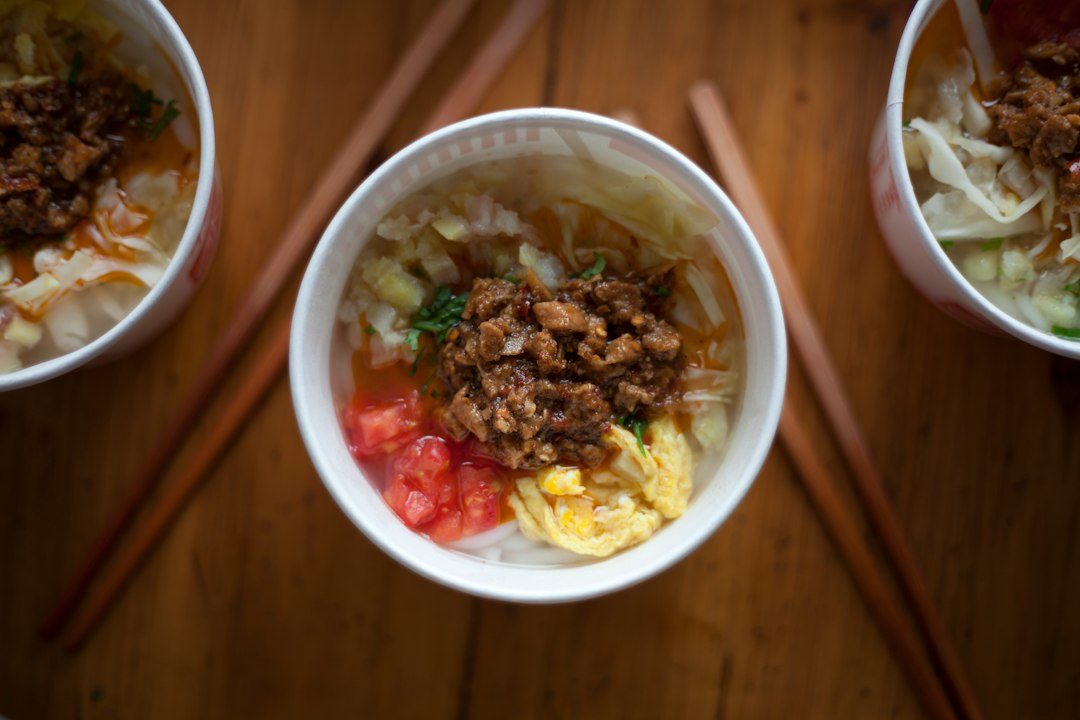
The cab driver in Kunming looked at me in the rearview mirror and asked, in the universal language of hand gestures and raised eyebrows, if I was sure I wanted to eat that. I had pointed at a character on my phone screen that I couldn’t pronounce, hoping it meant “rice noodles.” He shrugged, laughed, and drove me to a tiny, steamy shop tucked behind the Green Lake Park. Twenty minutes later, I was sweating through a bowl of guoqiao mixian (crossing-the-bridge noodles), a slick layer of chili oil reflecting the fluorescent lights above. The broth was so hot it had been delivered separately from the raw ingredients, which I had to slide into the bubbling soup myself. I burned my tongue on the first sip. I didn’t care. That was the moment I understood that Yunnan wasn’t just a province; it was a whole different culinary universe.
This guide is the result of seven years of eating my way through this region, from the Dai barbecue stalls of Xishuangbanna to the Tibetan butter tea houses up north. I’ve gotten lost in Kunming’s back alleys, argued with a chef in Dali about the correct way to pickle vegetables, and nearly cried over a bowl of mushroom soup in Shangri-La. This isn’t a list pulled from a travel forum. It’s a collection of the flavors, smells, and specific shops that have stuck with me long after I left the table. You’ll get the practical details, the prices, and the honest truth about what’s worth your time and what you can skip.
Quick answer
Yunnan’s food is defined by its incredible diversity, drawing on Han, Tibetan, Dai, Bai, and Muslim influences, with a heavy emphasis on wild mushrooms, fresh herbs, and a sour-and-spicy flavor profile that is distinct from Sichuan’s numbing heat. For a first-time visitor, the essential experiences are crossing-the-bridge noodles in Kunming, wild mushroom hotpot in Kunming or Dali, and Dai-style grilled fish in Xishuangbanna. Budget roughly $15-$30 (CNY 110-220) per day for a very good mix of street food and casual restaurants, and note that most vendors now accept Alipay or WeChat Pay, though cash is still useful for tiny stalls.
The Short Version
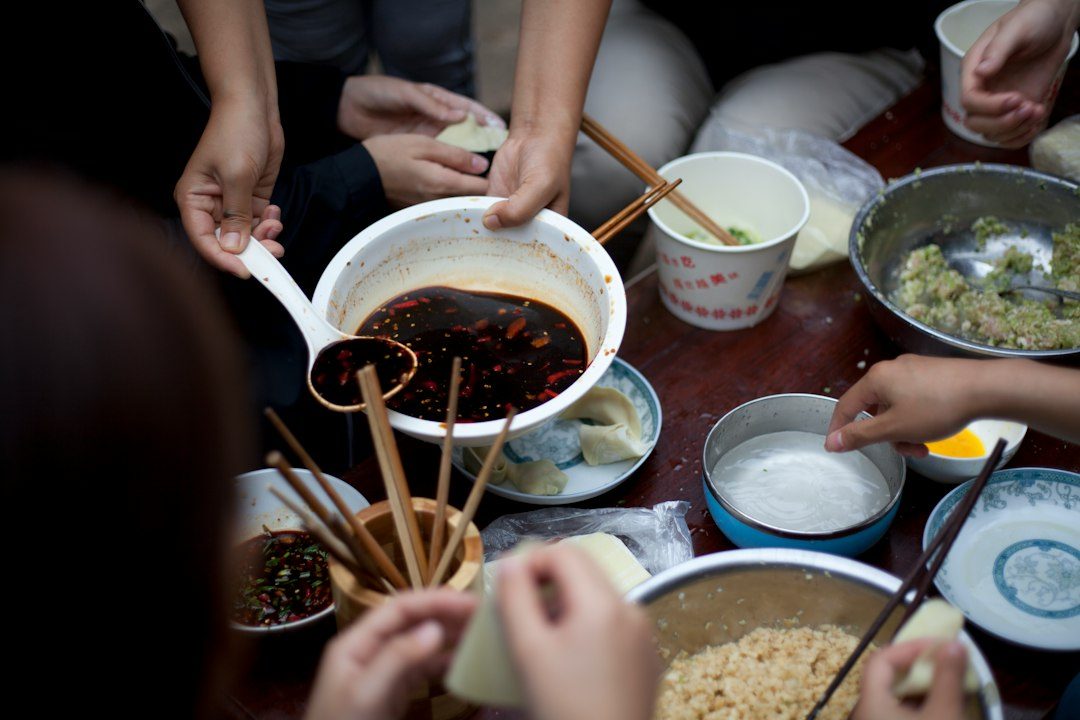
If you only have 90 seconds, here’s the deal. Eat the rice noodles in Kunming, but skip the famous tourist spot on Jinma Biji Square and find a shop where the line is mostly locals. Order the wild mushroom hotpot, but only in the summer and early autumn when they’re fresh, not frozen. In Dali, ignore the overpriced cafes on the main drag and find the ru shan (milk fan) being grilled on a charcoal brazier by an old Bai lady. And in Xishuangbanna, be brave with the herbs and the insects, but be very clear about your spice tolerance. Yunnan food is an adventure, not a comfort zone.
How I Picked These
I didn’t pick these places from a list. I picked them by walking. I’ve spent months in Kunming, weeks in Dali and Lijiang, and made multiple trips to the tropical south. I’ve eaten in markets where I was the only non-local person for miles, and in restaurants so polished they felt like a stage set. I asked taxi drivers where they’d take their families, and I asked hostel owners where they’d take a date. I cross-referenced those suggestions with my own experiences, and I’ve only included places and dishes that I would genuinely go back to tomorrow. I’ve also included a few things I think are overrated, because you deserve to know where not to waste your money.
Comparison Table
| Rank | Place | Best For | Approx Cost (USD) | Time Needed | When to Go |
|---|---|---|---|---|---|
| 1 | Kunming Street Food | First-timers, rice noodles | $5-$15 (CNY 35-110) | 1-2 days | Year-round |
| 2 | Wild Mushroom Hotpot | The ultimate Yunnan experience | $20-$40 (CNY 145-290) | 2-3 hours | Jun-Sep |
| 3 | Dali Old Town | Bai cuisine, relaxed vibe | $10-$25 (CNY 70-180) | 1-2 days | Mar-May, Sep-Nov |
| 4 | Xishuangbanna | Dai food, tropical fruits | $10-$20 (CNY 70-145) | 2-3 days | Nov-Feb (dry season) |
| 5 | Lijiang Old Town | Naxi specialties, atmosphere | $15-$30 (CNY 110-220) | 1 day | Apr-Jun, Sep-Oct |
| 6 | Shangri-La | Tibetan food, yak products | $10-$25 (CNY 70-180) | 1-2 days | May-Oct |
| 7 | Jianshui | Traditional snacks, tofu | $5-$15 (CNY 35-110) | Day trip | Year-round |
| 8 | Erhai Lake Circuit | Rustic farm-to-table | $15-$30 (CNY 110-220) | Half day | Mar-May |
| 9 | Kunming Night Markets | Street food, grilled skewers | $5-$10 (CNY 35-70) | 2-3 hours | Evenings |
| 10 | Yunnan Coffee Farms | Pu’er coffee, scenic | $10-$20 (CNY 70-145) | Half day | Nov-Mar |
Kunming 鈥?The Rice Noodle Capital
The first thing you need to know about Kunming is that it’s not just a gateway to the rest of Yunnan; it’s a food city in its own right. I spent my first week there eating a different version of rice noodles every single day, and I still didn’t scratch the surface. The city’s altitude (about 1,900 meters) means it’s cool even in summer, which makes a steaming bowl of soup feel right at any hour. The classic is guoqiao mixian, but you should also hunt down xiaoguo mixian (small-pot noodles) which come in a spicy, oily broth that’s completely different.
The best place to start is not the famous chain restaurants, but the small shops near the university campuses or in the older residential areas. I found my favorite spot by following a group of students who looked like they knew what they were doing. It was a hole-in-the-wall place on Wenlin Street, and the owner, a woman named Auntie Chen, had been making the same broth for 20 years. She didn’t speak a word of English, but she didn’t need to. She pointed at the pot, pointed at me, and held up two fingers. Two bowls. I ate both.
- 馃搷 Location: Wenlin Street, near Yunnan University
- 馃帿 Entry fee: Free (food costs $3-$8 / CNY 20-60)
- 馃晲 Opening hours: Most shops open 7am-8pm, but go for lunch (11am-1pm) for the freshest broth
- 馃殕 How to get there: Take Metro Line 3 to Wuyi Road Station, Exit C, walk north for 10 minutes
- 鈴?When to visit: Any time, but mornings are best for the full market experience
- 馃挕 Insider tips: Ask for migan (flat rice noodles) instead of mixian (round) to taste the difference. Add a spoonful of the pickled vegetables on every table. Don’t be afraid of the chili oil; it’s more fragrant than spicy. Bring your own tissues, as most shops don’t provide napkins. If you see a shop with a line out the door, just get in it.
- I once watched a man eat three bowls of noodles in the time it took me to finish one, and he didn’t even seem to be in a hurry.
Wild Mushroom Hotpot 鈥?The Taste of the Forest
If there’s one dish that defines Yunnan for me, it’s the wild mushroom hotpot. The province produces more than half of China’s edible wild mushrooms, and between June and September, the markets are piled high with varieties you’ve never seen before. The flavor is earthy, complex, and completely unlike the cultivated mushrooms you get at home. The hotpot experience involves a pot of clear chicken broth, a platter of assorted mushrooms, and a strict rule: you must wait at least 15 minutes after the broth boils before you eat, because some species are toxic if undercooked.
I had my first proper wild mushroom hotpot in a restaurant near Kunming’s Cuihu Park, and the waiter set a timer on the table. When it finally went off, I ladled out a spoonful of broth and it tasted like the forest floor after rain, in the best possible way. The mushrooms themselves have wildly different textures; some are slippery, some are crunchy, some dissolve into the broth entirely. My advice is to let the restaurant choose the mix for you, and to add some erkuai (a type of rice cake) at the end to soak up the remaining broth.
- 馃搷 Location: Around Cuihu Park (Green Lake), Kunming
- 馃帿 Entry fee: Free (hotpot costs $25-$45 / CNY 180-320 for two people)
- 馃晲 Opening hours: Lunch and dinner, but dinner is the main event (5pm-10pm)
- 馃殕 How to get there: Take Metro Line 2 to Cuihu Station, Exit B, walk 5 minutes east
- 鈴?When to visit: June to September for fresh mushrooms; the rest of the year they’re frozen or dried, which is still good but not the same
- 馃挕 Insider tips: The most prized mushroom is the songrong (matsutake), which is expensive but subtle. Try the jian shou qing (green-headed mushroom) for a more intense flavor. Always use the provided timer, even if the staff seem relaxed. Don’t drink the broth until the very end, when it’s absorbed all the mushroom flavor. Ask for a side of niu gan jun (beef liver mushroom) if you want something with a meaty texture.
- My waiter told me that his grandfather had been a mushroom hunter, and that he still goes out every summer before the season starts to check his secret spots.
Dali Old Town 鈥?Bai Cuisine and the Art of Slowing Down
Dali is where I go when I need to remember why I moved to China. The old town is a maze of stone streets, white-walled buildings with grey tiled roofs, and a pace of life that feels almost medicinal after the chaos of Kunming. The food here is Bai cuisine, which is lighter and more vegetable-focused than what you’ll find elsewhere in the province. The signature dish is ru shan (milk fan), a cheese made by stretching cow’s milk into thin sheets and drying them on bamboo poles. It’s often grilled and served with honey or rose petal jam, and it’s unlike anything else in Chinese cooking.
The best way to eat in Dali is to wander away from the main tourist street, Fuxing Road, and find the smaller alleys where the locals actually live. I stumbled upon a tiny restaurant that only served three dishes, all of them made with vegetables from the owner’s garden in the nearby hills. The lao nai yang (old mother’s yogurt) was thick and tangy, and the stir-fried shu jing cai (a local green vegetable) had a slight bitterness that paired perfectly with the garlic. It was the simplest meal I had in Yunnan, and one of the best.
- 馃搷 Location: The old town of Dali, specifically the area around Renmin Road and the south gate
- 馃帿 Entry fee: Free to enter the old town (food costs $5-$20 / CNY 35-145)
- 馃晲 Opening hours: Most restaurants open 11am-9pm, but the night market stalls start around 6pm
- 馃殕 How to get there: Take the high-speed train from Kunming to Dali (about 2 hours), then a taxi or bus to the old town
- 鈴?When to visit: March to May for the best weather; September to November for fewer crowds
- 馃挕 Insider tips: Look for ru shan being grilled on a charcoal brazier, not the pre-made ones in plastic wrap. Try sheng pi (raw pork) only at reputable restaurants, as it’s a local specialty but requires careful preparation. The local baba (flatbread) is better from a street cart than a sit-down restaurant. If you see a sign for “Bai family meal,” it’s worth trying, but ask what’s included before you sit down.
- I once spent an entire afternoon in a tea house on the edge of the old town, watching the clouds roll over Cangshan Mountain, and I didn’t feel guilty about it at all.
Xishuangbanna 鈥?A Taste of Southeast Asia Without Leaving China
Xishuangbanna feels like a different country, and in many ways it is. This is the homeland of the Dai people, who are ethnically and linguistically related to the Thai and Lao. The food is tropical, sour, spicy, and fragrant, with a heavy use of lemongrass, galangal, and lime leaves. You’ll find grilled fish wrapped in banana leaves, sticky rice cooked in bamboo tubes, and salads made with raw vegetables and dried shrimp. It’s a world away from the noodle shops of Kunming, and it’s absolutely essential for anyone who loves Southeast Asian food.
The main city, Jinghong, has a night market that’s worth planning your trip around. The stalls are piled high with exotic fruits, grilled meats on skewers, and fried insects for the brave. I tried a bamboo worm for the first time there, and it tasted like a slightly nutty, very crunchy piece of popcorn. The Dai-style grilled fish, however, is the real star. It’s stuffed with lemongrass and herbs, wrapped in banana leaves, and grilled over charcoal until the skin is crisp and the flesh is moist and fragrant.
- 馃搷 Location: Jinghong city, specifically the Gao Zhuang night market area
- 馃帿 Entry fee: Free (food costs $3-$15 / CNY 20-110)
- 馃晲 Opening hours: The night market starts around 6pm and goes until midnight
- 馃殕 How to get there: Fly from Kunming to Xishuangbanna Gasa Airport (about 1 hour), or take the new high-speed rail line (about 3.5 hours)
- 鈴?When to visit: November to February for the dry season; avoid the rainy season (May-October) unless you enjoy daily downpours
- 馃挕 Insider tips: Learn to say “mai dai” (not spicy) if you can’t handle heat, because the default is very spicy. Try the ganba (a type of fermented soybean paste) with sticky rice. The luosuo (a type of sour fruit) is great for cleansing your palate between spicy dishes. Don’t be afraid of the insects; they’re mostly just crunchy protein. The local beer, called “Dali Beer,” is actually brewed in Dali but is the standard drink here.
- A Dai woman at the market taught me how to eat kao nuan (grilled sticky rice balls) by tearing off a piece and using it to scoop up the spicy dipping sauce.
Lijiang Old Town 鈥?Naxi Specialties and the Tourist Trap Dilemma
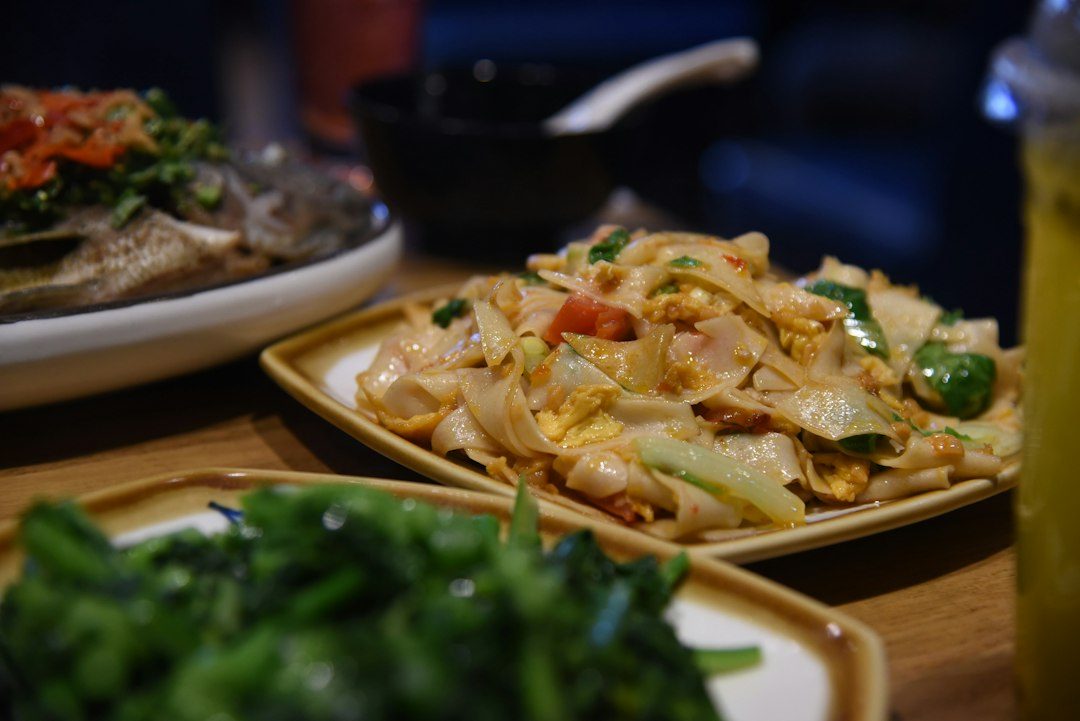
Lijiang is complicated. The old town is stunning, with its canals, stone bridges, and wooden buildings, but it’s also one of the most touristy places in China. The food scene reflects this, with a lot of mediocre restaurants charging inflated prices for dishes that barely resemble the originals. However, if you know where to look, there are still gems to be found. The Naxi people have their own culinary traditions, including ji dou liang fen (chickpea jelly), mi guan chang (rice sausage), and a type of hotpot that uses a special local ham.
My advice is to skip the restaurants on the main square and head to the quieter streets near the south gate. I found a small place that served a Naxi hotpot with a broth made from locally cured ham and wild vegetables. It was hearty, salty, and deeply satisfying after a day of walking through the old town’s maze-like alleys. The owner, a Naxi woman in her sixties, didn’t speak much Mandarin, let alone English, but she communicated through gestures and a warm smile that made me feel like a guest in her home rather than a customer.
- 馃搷 Location: The south end of Lijiang Old Town, away from Sifang Street
- 馃帿 Entry fee: The old town itself is free, but there’s a “maintenance fee” of about $8 (CNY 50) that’s sometimes enforced at the entrances (food costs $10-$25 / CNY 70-180)
- 馃晲 Opening hours: Most restaurants open 11am-9pm
- 馃殕 How to get there: Fly or take the high-speed train from Kunming to Lijiang (about 3 hours by train)
- 鈴?When to visit: April to June and September to October for the best weather
- 馃挕 Insider tips: The “maintenance fee” is often not collected if you enter through the side streets. Try the ji dou liang fen from a street vendor, not a restaurant. The local suan tang yu (sour fish soup) is an acquired taste, but worth trying once. Be careful with the baba here; it’s often deep-fried and much greasier than the Dali version. If a restaurant has a menu in five languages, walk away.
- I made the mistake of ordering a “Naxi-style” pizza at a cafe that clearly catered to backpackers, and I’m still not sure what I ate, but it wasn’t pizza.
Shangri-La 鈥?Tibetan Food at the Roof of the World
Shangri-La, formerly known as Zhongdian, is where the road ends and the mountains begin. The altitude here is over 3,000 meters, the air is thin, and the food is Tibetan. This means yak meat, butter tea, tsampa (roasted barley flour), and a lot of dairy products. It’s hearty, warming food designed for a cold climate, and it’s a complete departure from the rest of Yunnan. The old town, which was rebuilt after a fire in 2014, is smaller and quieter than Lijiang, but it has a charm that comes from its location at the edge of the Tibetan plateau.
The first time I tried butter tea, I wasn’t sure what to make of it. It’s salty, rich, and slightly greasy, and it’s an acquired taste. But after a day of walking around in the cold, I understood why it’s a staple. The yak meat here is leaner and gamier than beef, and it’s often served in a hotpot with root vegetables. The momo (Tibetan dumplings) are similar to the ones you’d find in Nepal or Tibet, and they’re perfect for dipping in the spicy sauce that comes with them.
- 馃搷 Location: Dukezong Old Town, Shangri-La
- 馃帿 Entry fee: Free to enter the old town (food costs $8-$20 / CNY 60-145)
- 馃晲 Opening hours: Most restaurants open 10am-9pm, but the town is quiet after 8pm
- 馃殕 How to get there: Fly from Kunming to Shangri-La Airport, or take a bus from Lijiang (about 4 hours)
- 鈴?When to visit: May to October; the winter months are very cold and many restaurants close
- 馃挕 Insider tips: Acclimatize to the altitude before eating a heavy meal. Try the you cha (butter tea) with a bit of sugar if the salty version is too much. The qingke (highland barley) wine is strong and sweet, but it goes to your head quickly. Look for restaurants that serve tu ba (a type of potato cake) as a side dish. If you’re vegetarian, this is a challenging place to eat, so plan ahead.
- I sat next to a group of Tibetan monks at a restaurant, and they ordered the same hotpot as me, which felt like a good sign.
Jianshui 鈥?The Ancient Town of Tofu and Tradition
Jianshui is a hidden gem that most tourists skip, which is exactly why you should go. This ancient town, about 2 hours south of Kunming by train, is famous for its Confucian temple, its old city gates, and its incredible tofu. The local shao doufu (grilled tofu) is made from a special type of soybean that’s only grown in the area, and it’s served with a spicy dipping sauce made from chili, cumin, and other spices. The tofu is pressed into small cubes and grilled over charcoal until the outside is crisp and the inside is soft and creamy.
The best place to eat it is at the night market, where vendors set up low tables and stools around charcoal braziers. You sit down, order a plate of tofu, and the vendor keeps track of how many pieces you eat by counting the corn kernels in front of you. It’s a system that’s been used for decades, and it’s part of the charm. I sat there for two hours one evening, eating tofu and watching the town’s residents go about their evening routines, and it was one of the most relaxing experiences I had in Yunnan.
- 馃搷 Location: Jianshui Old Town, near the East Gate
- 馃帿 Entry fee: Free to enter the old town (food costs $3-$10 / CNY 20-70)
- 馃晲 Opening hours: The night market starts around 5pm and goes until late
- 馃殕 How to get there: Take a high-speed train from Kunming South Station to Jianshui Station (about 2 hours)
- 鈴?When to visit: Year-round, but the weather is best in spring and autumn
- 馃挕 Insider tips: The grilled tofu is usually served with two dipping sauces: a dry one and a wet one. Try both. The cao ya (grass sprout) is a local vegetable that’s worth ordering if you see it. The town is also famous for its qi zi bing (steamed bread shaped like a chess piece). Don’t be afraid to sit at a communal table; it’s how you’ll meet the locals. The tofu is so cheap that you can eat until you’re full for less than $5 (CNY 35).
- The vendor at my favorite stall told me, through a translation app, that she had been grilling tofu at the same spot for 15 years, and she had no plans to stop.
The Erhai Lake Circuit 鈥?Farm-to-Table in the Countryside
The area around Erhai Lake, just outside Dali, is where you’ll find some of the most interesting food in Yunnan. This is farm country, and the restaurants here source their ingredients from the fields and orchards that surround them. The signature dish is suan la yu (sour and spicy fish), which is made with fish caught fresh from the lake and cooked in a broth flavored with tomatoes, pickled vegetables, and chili. It’s a rustic, homey dish that tastes like it was made by someone’s grandmother, because it probably was.
I rented a bicycle and spent a day riding along the lake’s eastern shore, stopping at small restaurants whenever I got hungry. The best meal I had was at a place that didn’t even have a menu. The owner, a farmer named Mr. Zhao, asked me if I liked fish, and when I said yes, he disappeared into the kitchen and emerged 20 minutes later with a pot of suan la yu, a plate of stir-fried greens, and a bowl of rice. It was the kind of meal that makes you want to cancel your flight and stay forever.
- 馃搷 Location: The eastern shore of Erhai Lake, near the villages of Wase and Shuanglang
- 馃帿 Entry fee: Free (food costs $10-$25 / CNY 70-180)
- 馃晲 Opening hours: Most restaurants open 11am-8pm
- 馃殕 How to get there: Rent a bicycle or e-bike in Dali Old Town and ride along the lake road
- 鈴?When to visit: March to May for the best weather and the most vegetables in season
- 馃挕 Insider tips: Ask the restaurant what’s fresh today, rather than ordering from a menu. The yin yu (silver fish) are tiny and are often fried whole; they’re delicious. If you see a restaurant with a vegetable garden out back, that’s a good sign. The local honey is excellent, so buy a jar to take home. Be prepared for the possibility that no one speaks English, so have your translation app ready.
- I tried a vegetable I’d never seen before, which Mr. Zhao called hai cai (sea vegetable), and it tasted like a cross between spinach and seaweed.
Kunming’s Night Markets 鈥?Where the City Comes Alive
Kunming’s night markets are where the city lets its hair down. The biggest and most tourist-friendly is the one on Nanping Street, but my favorite is the smaller, more local market near the intersection of Jianshe Road and Longquan Road. This is where university students come to eat on a budget, and the food is cheap, fast, and delicious. You’ll find grilled skewers of every imaginable meat and vegetable, fried noodles, erkuai (rice cakes) with various toppings, and a type of grilled cheese that’s surprisingly good.
The atmosphere is chaotic and loud, with vendors shouting over the sizzle of grills and the chatter of customers. It’s not a place for a romantic dinner, but it’s the perfect place to try a little bit of everything. My strategy is to walk the entire market first, see what looks good, and then go back and order from the stalls that have the longest lines. The line is always a good indicator of quality.
- 馃搷 Location: Jianshe Road, near the intersection with Longquan Road, Kunming
- 馃帿 Entry fee: Free (food costs $2-$8 / CNY 15-60)
- 馃晲 Opening hours: 6pm to midnight, but the best selection is between 7pm and 10pm
- 馃殕 How to get there: Take Metro Line 4 to Xiaocaiyuan Station, Exit D, and walk 5 minutes
- 鈴?When to visit: Any evening, but weekends are busier and more lively
- 馃挕 Insider tips: Bring your own napkins and hand sanitizer. The kao leng fen (grilled cold noodles) are a local specialty that’s worth trying. If you see a stall selling bao jiang (a type of fermented rice drink), try it; it’s refreshing and slightly sweet. Don’t be afraid to point at what you want; most vendors are used to non-Chinese speakers. The grilled eggplant with garlic is a must-order.
- I once watched a group of students try to teach a foreigner how to eat erkuai with chopsticks, and it was the most patient and kind interaction I’ve seen in a long time.
Yunnan Coffee Farms 鈥?The Unexpected Specialty
Most people don’t associate China with coffee, but Yunnan is actually the country’s largest coffee-producing province. The coffee industry here has exploded in recent years, with small farms and processing facilities popping up all over the southern part of the province, particularly around Pu’er and Baoshan. The coffee is mostly Arabica, and the best beans are grown at altitudes above 1,200 meters. The flavor profile is often described as having notes of chocolate, nuts, and a slight fruitiness.
Visiting a coffee farm is a great way to escape the tourist trail and see a different side of Yunnan. I spent a morning at a small farm near Pu’er, where the owner, a former tea farmer who switched to coffee, walked me through the entire process, from picking the cherries to roasting the beans. The coffee itself was excellent, and the view of the surrounding hills was worth the trip alone. It’s not a traditional food experience, but it’s a reminder that Yunnan is a place of constant reinvention.
- 馃搷 Location: The hills around Pu’er city, about a 2-hour drive from Xishuangbanna
- 馃帿 Entry fee: Farm visits are usually free, but tastings cost $5-$10 (CNY 35-70)
- 馃晲 Opening hours: Most farms are open 9am-5pm, but it’s best to call ahead
- 馃殕 How to get there: Hire a car and driver in Pu’er, or take a local bus and walk the last few kilometers
- 鈴?When to visit: November to March for the harvest season
- 馃挕 Insider tips: Ask to try the “honey process” beans, which have a sweeter, more complex flavor. The local coffee is often served with condensed milk, which is a Vietnamese influence. If you’re a serious coffee drinker, bring some beans home; they make great gifts. The farms are often combined with tea plantations, so you can do a combined tour. Don’t expect fancy facilities; most farms are still quite rustic.
- The farmer told me that he used to grow tea, but coffee was more profitable, and now he’s planning to open a small cafe in Pu’er city.
FAQ summary
For a first-time visitor to Yunnan, the key takeaways are that the food is incredibly diverse and regional, with Kunming offering the best introduction through its rice noodle culture, while Dali and Xishuangbanna provide distinct Bai and Dai culinary experiences. The best time to visit for the most unique food experiences, particularly wild mushrooms, is between June and September, and you should budget around $15-$30 (CNY 110-220) per day for food. Payment is predominantly cashless via Alipay or WeChat Pay, and you’ll need a VPN and a local SIM card for internet access, as detailed in our China SIM card guide. English is not widely spoken outside of major tourist areas, so a translation app is essential.
FAQ
Q: Is Yunnan food very spicy? A: It can be, but it’s different from Sichuan food. Yunnan cuisine uses fresh chilies and a sour, tangy flavor profile rather than the numbing Sichuan peppercorn. You can usually ask for bu la (not spicy), but in places like Xishuangbanna, the default is quite hot.
Q: Do I need to worry about food safety in Yunnan? A: Generally, no. The street food is cooked fresh in front of you, which is a good sign. The main thing to be careful about is the wild mushrooms, which must be cooked thoroughly. Always eat at busy places with high turnover, and avoid anything that’s been sitting out for a long time.
Q: Can I use credit cards or do I need cash? A: You’ll need to use Alipay or WeChat Pay, as most vendors, even small ones, have gone cashless. Credit cards are rarely accepted outside of high-end hotels and restaurants. It’s a good idea to have some cash as a backup for emergencies.
Q: What’s the best way to get around Yunnan to try all the different foods? A: The high-speed rail network connects Kunming, Dali, Lijiang, and Shangri-La, making it easy to travel between the main food destinations. For Xishuangbanna, flying is the fastest option, though the new rail line is a scenic alternative. Check out our China train travel guide for more details.
Q: Are there vegetarian options in Yunnan? A: Yes, but you’ll need to be proactive. Buddhist vegetarian restaurants exist in many towns, and you can find vegetable dishes at most restaurants. However, many dishes use meat-based broths or lard, so you’ll need to communicate your needs clearly. A translation card explaining your dietary restrictions is a good idea.
Q: Is it safe to eat the insects sold at markets? A: Yes, they’re generally fried or grilled and are safe to eat. They taste like crunchy, slightly nutty snacks. If you’re adventurous, try the bamboo worms or crickets, but start with a small amount to see if you like the texture.
Q: What is the most unique food experience I shouldn’t miss? A: The wild mushroom hotpot in the summer is the most unique and memorable experience. It’s a taste of the Yunnan forest that you can’t get anywhere else. If you’re visiting between June and September, make it a priority.
The Honest Wrap-up
This list is for the traveler who sees food as a way to understand a place, not just fuel for the next sightseeing stop. It’s for the person who’s willing to sit on a tiny plastic stool in a crowded night market and eat something they can’t pronounce. It’s for the person who understands that the best meals are often the ones you stumble upon, not the ones you plan. If that’s you, Yunnan will reward you with flavors you’ll remember for the rest of your life. If you’d rather stick to familiar food and comfortable restaurants, you can still have a good time, but you’ll be missing the point. My final advice is this: be brave, be curious, and always say yes to the dish that the person next to you is eating. And before you go, make sure you’ve sorted out your visa and entry requirements, because the food will be waiting for you on the other side.
Topics
More guides you may like
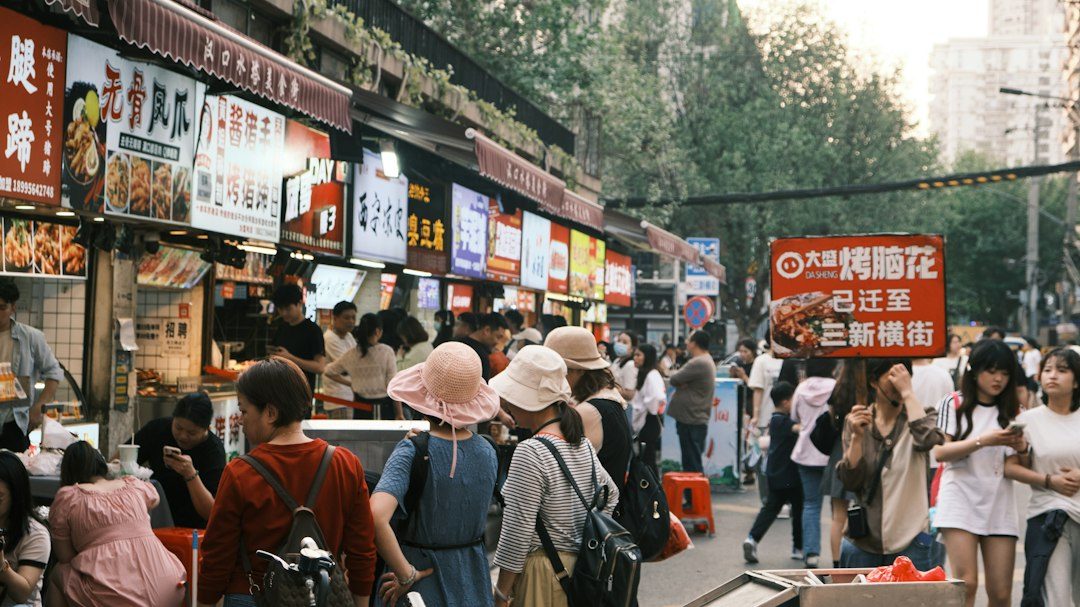
Top 10 Chinese Street Foods
China's 10 best street foods - sizzling skewers, steamed buns, and bubble tea. Where to find them and what to ask for.
18 min read

Hangzhou West Lake Complete Guide
Hangzhou West Lake Complete Guide: 2026 guide covers current prices, transport, payment apps, and what foreign visitors need to know.
18 min read

Yangtze River Cruise Three Gorges Guide
Yangtze River Cruise Three Gorges Guide: 2026 guide covers current prices, transport, payment apps, and what foreign visitors need to know.
19 min read

Guilin Li River Cruise Complete Guide
Guilin Li River Cruise Complete Guide: 2026 guide covers current prices, transport, payment apps, and what foreign visitors need to know.
19 min read
China Travel SIM Card eSIM Comparison 2026
The cab driver in Beijing looked at me in the rearview mirror and said, in perfect English, “You know, most tourists buy the wrong SIM card.” I’d been in China
10 min read
China Food Tour Self Guided Complete
The cab driver in Chengdu looked at me in the rearview mirror, then back at the address I’d fumbled to show him on my phone. He laughed. Not a mean laugh—the ki
16 min read