
China Photography Spots Guide
TODO: Extract from article (100-160 chars)
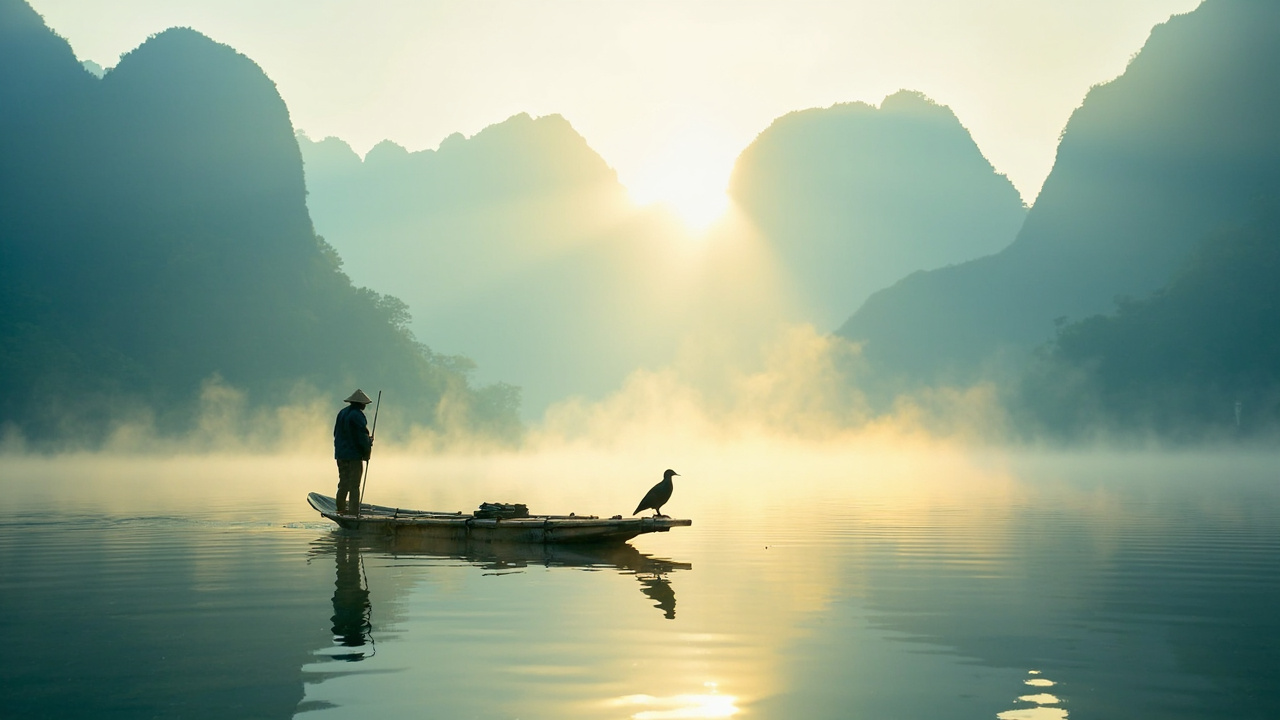
The rain came down sideways off the Yellow Mountains for three straight hours. I was standing on a stone bridge in Hongcun, soaked through my supposedly waterproof jacket, watching a woman in a bamboo hat row a flat boat across the pond. She moved so slowly that the water barely rippled. I had my camera out, but I wasn’t shooting. I was just watching, because some scenes don’t need to be captured to be worth standing in the rain for.
That was my fourth trip to China, and it taught me something important: the best photography spots here aren’t the ones with the best angles. They’re the ones where you actually want to stay after the light goes wrong.
This guide covers ten places I’ve photographed across China over seven years of living in Beijing and traveling through 40-plus trips. Some are famous, some you’ve never heard of, and all of them are worth the effort it takes to reach them. I’ll give you exact directions, honest costs, and the kind of practical details that only come from standing in the wrong place at the wrong time and figuring it out.
Quick answer
China’s best photography spots for first-time visitors are the Great Wall at Mutianyu, the Zhangjiajie pillar forests, the rice terraces at Longji, and the old towns of Pingyao and Hongcun, with most entry fees ranging from $5–40 USD (¥35–290 CNY). Most international visitors can enter China visa-free for up to 30 days through the 2026 visa-free transit policy if they’re transiting through major cities like Beijing or Shanghai. The best overall season for photography is spring (April–May) and autumn (September–October), when light is clear and temperatures are manageable.
The Short Version
If you only have 90 seconds, here’s the honest version. Skip the Forbidden City on a weekend. Go to Mutianyu instead of Badaling. Spend your money on Zhangjiajie and the Longji rice terraces, not on a second day in a big city. Carry cash as backup even though everything takes Alipay or WeChat Pay. And for the love of all that is holy, bring a wide-angle lens. You will need it more than you think.
How I Picked These
I didn’t pull these from a listicle. Every place below is somewhere I’ve personally stood with a camera, usually more than once. I’ve missed the last bus at Zhangjiajie, paid too much for a taxi in Yangshuo, and eaten questionable street food at 6 AM waiting for sunrise at Longji. I’ve also talked to local photographers, hostel owners, and farmers about when they think their home looks best. Their answers sometimes surprised me. This list reflects both what photographs well and what feels worth the effort when you’re actually there.
Comparison Table
| Rank | Place | Best For | Approx Cost (USD) | Time Needed | When to Go |
|---|---|---|---|---|---|
| 1 | Zhangjiajie National Forest Park | Pillar landscapes, mist, hiking | $35 (¥250) | 2–3 days | Apr–Oct, avoid Chinese holidays |
| 2 | Great Wall at Mutianyu | Iconic wall shots, fewer crowds | $25 (¥180) incl. cable car | Half day | Early morning, weekdays |
| 3 | Longji Rice Terraces | Terraced landscapes, sunrise | $12 (¥85) | 1–2 days | May–Jun (flooded), Sep–Oct (golden) |
| 4 | Hongcun Ancient Village | Water reflections, Huizhou architecture | $15 (¥104) | Half day | Early morning before tour groups |
| 5 | Jiuzhaigou Valley | Turquoise lakes, alpine scenery | $40 (¥290) + shuttle | 1–2 days | Oct for autumn colors |
| 6 | Pingyao Ancient City | Ming/Qing architecture, street life | $20 (¥150) | 1–2 days | Weekdays, avoid summer heat |
| 7 | Yangshuo & Li River | Karst peaks, river reflections | Free (river cruise extra) | 2–3 days | Year-round, best in spring |
| 8 | Forbidden City | Grand architecture, symmetry | $8 (¥60) | Half day | Weekdays, book in advance |
| 9 | Chengdu Panda Base | Giant pandas, wildlife | $7 (¥55) | Half day | 7:30–9:30 AM feeding time |
| 10 | Yubeng Village | Remote mountains, Tibetan culture | Free (trekking costs vary) | 3–4 days | May–Jun, Sep–Oct |
Zhangjiajie National Forest Park — The Place That Made Me Question My Lens
The first time I saw the sandstone pillars of Zhangjiajie, I was standing at the edge of a viewing platform with about 200 other people, all of us holding phones and cameras at slightly different angles. I remember thinking: no photograph I take is going to capture what this actually feels like. The pillars rise out of the mist like something from a dream you can’t quite remember. It’s the kind of place that makes you feel small in a good way.
The park is massive, and the crowds can be overwhelming. But here’s the thing: most tourists stick to the cable car routes and the main viewing platforms. If you’re willing to walk, you’ll find quiet corners where the only sound is wind moving through the trees. The park inspired the floating mountains in Avatar, which tells you something about how surreal it is.
📍 Location: Wulingyuan District, Zhangjiajie City, Hunan Province 🎫 Entry fee: ~$35 USD (¥250 CNY) for the main park, valid 4 days 🕒 Opening hours: 7:00 AM – 6:00 PM (varies by season) 🚕 How to get there: Fly or take the high-speed train to Zhangjiajie West Station, then take the 20-minute bus to the Wulingyuan entrance. From the entrance, take the park shuttle to the Bailong Elevator or cable car stations. 📅 When to visit: April–October for green peaks, but go on a weekday. Mist is most likely in the early morning or after rain. 💡 Insider tips: The Bailong Elevator (glass elevator built into a cliff) is worth it once, but the queues can hit 2 hours by 10 AM. Go at opening time. Take the Yangjiajie area for quieter trails. Bring cash for the shuttle buses inside the park, as card payment can be spotty. The mountain weather changes fast, so pack a rain jacket even on clear days.
I once spent an hour sitting on a bench near the Yuanjiajie area, watching a group of Chinese tourists take turns photographing each other in front of the same pillar. None of them looked at the view itself. I think about that a lot.
Great Wall at Mutianyu — The One You Should Actually Visit
Here’s an unpopular opinion: skip Badaling. It’s the most famous section of the Wall, and it’s also the most crowded, commercialized, and honestly, the least interesting to photograph. Mutianyu, about 90 minutes from Beijing, gives you the same iconic views with a fraction of the crowds. The wall here snakes along ridgelines, with watchtowers at regular intervals, and the forest below turns golden in autumn.
The first time I went to Mutianyu, I made the mistake of going on a Saturday in October. The cable car queue was 45 minutes, and the wall itself was shoulder-to-shoulder in places. I went back on a Wednesday in May and had entire sections to myself. The difference was night and day.
📍 Location: Bohai Town, Huairou District, Beijing (about 90 minutes north of central Beijing) 🎫 Entry fee: ~$6 USD (¥45 CNY) for the wall; cable car or chairlift ~$12 USD (¥85 CNY) one way, ~$18 USD (¥130 CNY) round trip 🕒 Opening hours: 7:30 AM – 6:00 PM (summer), 8:00 AM – 5:00 PM (winter) 🚕 How to get there: From Beijing, take a Didi or taxi (about $50–60 USD / ¥350–430 CNY each way), or join a small group tour. There’s also a direct bus from Dongzhimen station, but it takes longer and runs less frequently. 📅 When to visit: Weekdays, ideally Tuesday–Thursday. Early morning before 9 AM or late afternoon after 2 PM for softer light. Autumn (October) and spring (April–May) are the best seasons. 💡 Insider tips: Take the chairlift up and the toboggan down — it’s a ridiculous, fun ride and saves you the cable car queue. Walk west from the main tower area; the crowds thin out dramatically after the first 20 minutes. Bring your passport for the ticket purchase. The wall is steep in places, so wear proper shoes, not fashion sneakers.
The toboggan ride down was the most fun I’ve had on the Wall. I was laughing like a kid, and a Chinese grandmother behind me was laughing too. We didn’t speak the same language, but we didn’t need to.
Longji Rice Terraces — Where the Mountains Look Like Stairs to the Sky
I arrived at the Longji Rice Terraces in the dark, after a bus ride that involved more switchbacks than I could count. The next morning, I woke at 5 AM and walked 20 minutes to a viewing platform above the village. As the sun came up, the terraces filled with water, and the whole mountainside turned into a mirror reflecting the sky. It was one of those moments where you forget to breathe.
The terraces were built by the Yao and Zhuang people over centuries, carving rice paddies into mountainsides that rise to 1,100 meters. They’re functional agriculture, but they look like art. In May and June, the terraces are flooded and reflect the sky. In September and October, the rice ripens to gold. Both are spectacular.
📍 Location: Longsheng County, Guilin Prefecture, Guangxi Province (about 2 hours from Guilin)
🎫 Entry fee: $12 USD (¥85 CNY) for the scenic area
🕒 Opening hours: 24/7 (it’s an open area, but the viewing platforms and villages are accessible all day)
🚕 How to get there: Take a bus from Guilin North Station to Longsheng ($8 USD / ¥60 CNY, 2 hours), then a local bus or taxi to the Ping’an or Dazhai entrances. From the entrance, you can walk or take a shuttle to the villages.
📅 When to visit: May–June for flooded terraces, September–October for golden rice. Sunrise is the magic hour — the light hits the terraces at an angle that makes them glow.
💡 Insider tips: Stay overnight in one of the villages (Ping’an or Dazhai) so you can catch sunrise without a 5 AM bus ride. The walk between villages takes 2–3 hours and is worth it for the views. Bring cash — the villages are small and card payment is unreliable. The stairs are steep and uneven, so pack light and wear grippy shoes.
I ate dinner at a family-run guesthouse in Dazhai, where the grandmother cooked bamboo rice in a hollowed-out bamboo tube over an open fire. She didn’t speak a word of English, but she kept refilling my bowl until I couldn’t eat anymore.
Hongcun Ancient Village — The Water Village That Looks Like a Painting
Hongcun is the kind of place that makes you understand why Chinese painters spent centuries trying to capture the same scenes. The village is built around a network of canals and ponds, and the white-walled, black-tiled houses reflect perfectly in the still water. It’s been here since the Ming Dynasty, and it feels like it hasn’t changed much since.
The most famous spot is the Moon Pond, a crescent-shaped pool in the center of the village. In the early morning, before the tour groups arrive, the water is glassy and the reflections are perfect. I got there at 6:30 AM once and had the whole place to myself for about 30 minutes. Then the tour groups arrived, and I understood why the locals all seem to wake up so early.
📍 Location: Yi County, Huangshan City, Anhui Province (about 1 hour from Huangshan)
🎫 Entry fee: $15 USD (¥104 CNY)
🕒 Opening hours: 24/7 for the village streets; some houses have their own hours (usually 8 AM – 5 PM)
🚕 How to get there: Take the high-speed train to Huangshan North Station, then a bus or taxi to Hongcun ($15 USD / ¥100 CNY, 1 hour). From the bus station at the village entrance, it’s a 5-minute walk to the main pond.
📅 When to visit: Early morning (before 8 AM) for reflections and fewer people. Spring and autumn are best. The village is also stunning after rain, when the stones are wet and the light is soft.
💡 Insider tips: The entrance fee includes entry to several historic houses, so don’t skip them. Walk to the back of the village where the canals are narrower and the crowds thin out. The nearby Xidi village is quieter but less photogenic — Hongcun is the better choice for photography. Bring a polarizing filter for the water reflections.
I watched a local artist paint the Moon Pond from a stool by the water’s edge. He’d been painting the same scene for 20 years, he told me through a translation app. “The light is never the same twice,” he said. “That’s why I keep coming back.”
Jiuzhaigou Valley — The Lakes That Don’t Look Real
Jiuzhaigou is the kind of place that makes you question your eyes. The lakes here are so clear and so intensely colored — turquoise, emerald, sapphire — that they look like someone dyed the water. They haven’t. The color comes from mineral deposits and aquatic plants, and it shifts with the light throughout the day.
The valley is a UNESCO World Heritage site in Sichuan Province, and it’s one of the most beautiful places I’ve ever photographed. But it’s also one of the most crowded. The park is well-managed, with shuttle buses that take you between the main sights, but you’ll still be sharing the boardwalks with hundreds of other visitors. The key is to go early and head to the less-popular sections first.
📍 Location: Jiuzhaigou County, Aba Prefecture, Sichuan Province (about 1.5 hours by plane from Chengdu, or 8+ hours by road) 🎫 Entry fee: ~$40 USD (¥290 CNY) including mandatory shuttle bus 🕒 Opening hours: 7:30 AM – 5:00 PM (hours vary by season) 🚕 How to get there: Fly to Jiuzhaigou Huanglong Airport (JZH) from Chengdu or Xi’an, then take a 1.5-hour taxi or shuttle to the park entrance. Alternatively, take a bus from Chengdu (8–10 hours, overnight options available). 📅 When to visit: October for autumn colors, but expect crowds. May–June for fewer people and still-beautiful scenery. Go on a weekday and enter as early as possible. 💡 Insider tips: The shuttle buses drop you at the top of the valley, and everyone walks down together. Instead, take the shuttle to a mid-point stop and walk the less-crowded trails between lakes. The Five Flower Lake is stunning but always packed — go there first or last. Bring snacks and water; the food inside the park is overpriced and mediocre. The altitude is around 2,000–3,000 meters, so take it easy if you’re not used to elevation.
I met a photographer from Shanghai at one of the quieter lakes. He’d been coming to Jiuzhaigou every October for 12 years. “The colors change every year,” he said. “I’m still chasing the perfect shot.”
Pingyao Ancient City — A Ming Dynasty Time Capsule
Pingyao is the best-preserved ancient walled city in China, and walking through its gates feels like stepping back 400 years. The city walls, the courtyard houses, the narrow streets — it’s all still there, largely unchanged since the Ming and Qing dynasties. It was once the financial center of China, home to the country’s first banks, and you can still visit the former banking houses.
The photography here is different from the natural landscapes. It’s about street life, architecture, and atmosphere. In the early morning, before the shops open, the streets are empty and the light is golden. In the evening, the lanterns come on and the whole city glows. I spent two days here and barely scratched the surface.
📍 Location: Pingyao County, Jinzhong City, Shanxi Province (about 1.5 hours by high-speed train from Taiyuan)
🎫 Entry fee: Free to enter the city; $20 USD (¥150 CNY) for the combined ticket to all the historic sites
🕒 Opening hours: The city is open 24/7; individual sites are usually 8 AM – 6 PM
🚕 How to get there: Take the high-speed train from Taiyuan South Station to Pingyao Ancient City Station ($8 USD / ¥60 CNY, 40 minutes), then a 10-minute taxi to the city gates.
📅 When to visit: Weekdays, early morning or late afternoon. Spring and autumn are best. Summer is hot and crowded; winter is cold but atmospheric, especially after snow.
💡 Insider tips: The city walls are free to walk along and offer great views over the rooftops — go at sunset. The Rishengchang Draft Bank is the most interesting historic site; it’s where Chinese banking began. Stay overnight inside the city walls in a traditional courtyard guesthouse. The night market street food is excellent, especially the pingyao beef.
I got hopelessly lost in the back streets of Pingyao at night and ended up at a tiny restaurant where the owner insisted I try the local vinegar. It was the best vinegar I’ve ever had, and I’ve never found it anywhere else since.
Yangshuo & the Li River — Karst Peaks and River Reflections
The landscape around Yangshuo is the one you’ve seen in every Chinese painting ever made. The karst peaks rise abruptly from the flat farmland, and the Li River winds through them like a silver ribbon. It’s the kind of scenery that seems too perfect to be real, but it is. The rice paddies, the water buffalo, the farmers in conical hats — it’s all here, and it’s all photographable.
The best way to see it is from the water. The bamboo raft trips on the Yulong River are quieter and more scenic than the big Li River cruises. I took a raft trip at sunrise once, and the mist was so thick that the peaks looked like islands floating in a white sea. It was one of the most beautiful things I’ve ever seen.
📍 Location: Yangshuo County, Guilin Prefecture, Guangxi Province (about 1.5 hours from Guilin)
🎫 Entry fee: Free to explore; bamboo raft trips $15–30 USD (¥100–200 CNY) depending on route
🕒 Opening hours: 24/7 for the landscape; raft trips run roughly 8 AM – 6 PM
🚕 How to get there: Take the high-speed train to Yangshuo Station (from Guilin or Guangzhou), then a taxi or shuttle to Yangshuo town ($8 USD / ¥60 CNY, 30 minutes). From town, rent an e-bike to explore the countryside.
📅 When to visit: Spring (April–May) for misty mornings and green rice paddies. Autumn (September–October) for clear skies and golden light. Avoid summer weekends when domestic tourists flood in.
💡 Insider tips: The Xianggong Hill viewpoint is the classic Li River panorama spot — go at sunrise and you’ll have it mostly to yourself. Rent an e-bike for the day (~$10 USD / ¥70 CNY) and explore the back roads; the best scenery is away from the main tourist routes. The Yulong River raft trips are quieter than the Li River ones. Bring cash for the smaller villages.
I rented an e-bike and got lost in the countryside for three hours. I ended up at a village where a farmer invited me to drink tea with his family. We communicated through gestures and a translation app, and I left with photos I’ll treasure forever.
Forbidden City — The Architecture That Demands Respect
The Forbidden City is one of those places that’s so famous, so iconic, that you think you know what to expect. You don’t. The sheer scale of it — 980 buildings, 8,700 rooms, 72 hectares — doesn’t come through in photographs. You have to stand in the middle of the Outer Court, surrounded by golden roofs and red walls, to understand why the emperors built it this way.
The photography here is about symmetry and scale. The buildings are arranged along a central axis, and the courtyards are vast. The best shots are the ones that capture the emptiness — the vast spaces between the buildings, the lone figure walking across a courtyard, the way the light falls on the golden roofs at sunset.
📍 Location: Dongcheng District, central Beijing (north of Tiananmen Square) 🎫 Entry fee: ~$8 USD (¥60 CNY) in peak season (April–October), ~$6 USD (¥40 CNY) in low season 🕒 Opening hours: 8:30 AM – 5:00 PM (April–October), 8:30 AM – 4:30 PM (November–March); closed Mondays 🚕 How to get there: Take Beijing Subway Line 1 to Tiananmen East Station, Exit A, and walk north through the Tiananmen Gate. Or take Line 8 to Shichahai Station and walk south from the north gate. 📅 When to visit: Weekdays, early morning or late afternoon. The light is best in the late afternoon when it hits the golden roofs at an angle. Avoid Chinese public holidays at all costs. 💡 Insider tips: Book tickets online in advance — they sell out days ahead during peak season. Your passport is required for entry. The north gate (Gate of Divine Prowess) is the exit; from there you can walk to Jingshan Park for the classic elevated view over the rooftops. The side courtyards and galleries are quieter than the main axis and often more photogenic.
I watched a Chinese wedding photoshoot happening in one of the side courtyards. The bride was in a red qipao, and the photographer was directing her like a film director. It was a strange mix of ancient and modern, and I couldn’t stop watching.
Chengdu Panda Base — The Best Morning in China
I’m not going to pretend to be objective about this one. I love giant pandas. I’ve been to the Chengdu Panda Base four times, and I would go again tomorrow. There’s something about watching a panda eat bamboo that makes everything else in life seem less urgent. They’re just so thoroughly, completely content.
The base is a research facility that’s open to the public, and it’s home to more than 80 pandas. The best time to visit is early morning, when the pandas are most active and the keepers feed them. By 10 AM, most of the pandas are asleep, and the crowds are thick. Get there at opening time and head straight to the nursery area first.
📍 Location: Chenghua District, Chengdu, Sichuan Province (about 30 minutes from central Chengdu) 🎫 Entry fee: ~$7 USD (¥55 CNY) 🕒 Opening hours: 7:30 AM – 6:00 PM (ticket sales end at 5:00 PM) 🚕 How to get there: Take Metro Line 3 to Panda Avenue Station, Exit B, then walk 10 minutes or take a local bus to the base. A taxi from central Chengdu costs about $5–8 USD (¥35–55 CNY). 📅 When to visit: Arrive at 7:30 AM opening time, especially for the feeding sessions around 8–9 AM. Weekdays are quieter. Spring and autumn are best for weather; summer is hot and the pandas are less active. 💡 Insider tips: Go to the nursery first — the baby pandas are most active in the early morning. The red pandas (actually a separate species) are in the back of the base and often overlooked. Bring a telephoto lens; the pandas are usually far from the viewing areas. The base is large, so wear comfortable shoes and plan for 3–4 hours.
I watched a panda cub fall off a platform and roll down a small hill. It got up, looked around to see if anyone was watching, and then climbed back up and did it again. I laughed so hard I nearly dropped my camera.
Yubeng Village — The Place That Changes How You Think About Travel
Yubeng is not easy to get to. It’s a small Tibetan village at the foot of Meili Snow Mountain in Yunnan Province, and the only way to reach it is by hiking several hours over a mountain pass. There are no roads. No cars. No electricity until recently. But I’m including it because it’s the most beautiful place I’ve ever photographed in China, and I want you to know it exists.
The village sits in a valley surrounded by snow-capped peaks, and the hiking trails around it lead to waterfalls, glaciers, and viewpoints that will make your jaw drop. The light here is different — cleaner, sharper, more alpine. The Tibetan culture is alive and present, from the prayer flags to the butter tea. It’s not an easy trip, but it’s a transformative one.
📍 Location: Deqin County, Diqing Prefecture, Yunnan Province (about 4 hours from Shangri-La) 🎫 Entry fee: Free to enter the village; the Meili Snow Mountain scenic area fee is ~$20 USD (¥150 CNY) if you visit the viewpoints 🕒 Opening hours: 24/7 (it’s a village, not a park) 🚕 How to get there: Fly to Shangri-La (Diqing) Airport, then take a 4-hour bus or taxi to the Feilai Temple area. From there, hike 2–3 hours over the pass to the village. Alternatively, take a bus from Shangri-La to Deqin and arrange transport from there. 📅 When to visit: May–June for wildflowers and clear skies. September–October for autumn colors. Winter is cold but the snow peaks are at their most dramatic. Avoid July–August when the rainy season makes the trails muddy. 💡 Insider tips: Hire a local guide for the trek over the pass — the trail is not well-marked and the altitude (3,000+ meters) can be challenging. Stay in a local guesthouse and try the yak butter tea. The hike to the Ice Lake is strenuous but worth it; allow a full day. Bring cash — there are no ATMs in the village. Pack for all weather; the mountains can change from sun to snow in an hour.
I sat on a hillside above Yubeng for an hour, watching the clouds move across the face of Meili Snow Mountain. A Tibetan woman passed by with a load of firewood on her back, smiled at me, and said something I didn’t understand. I nodded anyway. I think she was saying the same thing I was thinking.
FAQ summary
The most important takeaways for first-time visitors are: most nationalities can enter China visa-free for up to 30 days through the 2026 visa-free transit policy, so check eligibility before assuming you need a full visa. Set up Alipay or WeChat Pay before you arrive, as they’re accepted almost everywhere and cash is increasingly rare. For photography specifically, the best overall season is spring (April–May) and autumn (September–October), and you should prioritize the natural landscapes like Zhangjiajie, Longji, and Jiuzhaigou over city sights if you’re choosing between destinations.
FAQ
Q: Do I need a visa to visit China for photography in 2026? A: Many nationalities can enter China visa-free for up to 30 days through the visa-free transit policy if they’re transiting through major cities like Beijing, Shanghai, or Guangzhou. Check the latest China visa-free transit policy details, as the rules expanded significantly in 2025–2026.
Q: What’s the best time of year for photography in China? A: April–May and September–October offer the best combination of clear light, comfortable temperatures, and manageable crowds. July–August is hot and humid in the south, and Chinese school holidays mean domestic tourists everywhere. Winter is cold but can be magical, especially at the Great Wall or in Pingyao after snow.
Q: How do I pay for things in China as a tourist? A: Set up Alipay or WeChat Pay before you arrive — they’re accepted everywhere, from street food stalls to high-speed rail ticket counters. Link an international credit card to the app. Carry some cash as backup, but know that many places, especially in cities, are increasingly cashless. See our China travel payment guide for step-by-step setup instructions.
Q: Do I need a VPN for internet access in China? A: Yes. Google, Instagram, Facebook, and many Western websites are blocked in China. Install a reliable VPN on your devices before you arrive. You’ll also need a China SIM card or eSIM for data, as your home carrier’s roaming may be slow or blocked.
Q: Is it safe to travel alone in China as a photographer? A: Yes, China is one of the safest countries I’ve traveled in. Violent crime against tourists is extremely rare. The bigger risks are practical: getting lost, language barriers, and altitude sickness in places like Yubeng or Jiuzhaigou. Learn a few phrases in Mandarin, download a translation app, and carry your hotel’s name and address in Chinese characters.
Q: How do I get around between these photography destinations? A: China’s high-speed rail network is the best way to travel between cities — it’s fast, comfortable, and surprisingly affordable. For remote areas like Zhangjiajie, Jiuzhaigou, and Yubeng, you’ll need to fly or take long-distance buses. Domestic flights are cheap but can be delayed; trains are more reliable.
Q: What camera gear should I bring to China? A: A wide-angle lens is essential for landscapes and architecture. A telephoto lens (70–200mm or similar) is useful for the pandas, wildlife, and compressed mountain shots. Bring a tripod for sunrise and night shots, but note that some indoor sites (like the Forbidden City) prohibit tripods. A polarizing filter helps with water reflections and reducing glare.
The Honest Wrap-up
This list is for the traveler who wants to come home with photographs that make their friends say “wait, you actually went there?” It’s not for someone who wants to check off the most famous sights in the shortest time possible. If that’s you, you’ll still enjoy the Great Wall and the Forbidden City, but you might find Zhangjiajie and Yubeng more effort than they’re worth.
If you’re about to book the flight, here’s my final advice: don’t try to see everything. China is too big, and the best experiences come from going deep, not wide. Pick three or four places from this list, give each of them enough time, and leave room for the unexpected. The best photographs I’ve taken in China weren’t at the famous viewpoints. They were on the walks between them, in the moments I didn’t plan for.
And bring a rain jacket. You’ll thank me later.
More guides you may like

Top 10 Bridges in China
China's bridges are engineering marvels spanning mountains, rivers, and seas. Here are 10 of the most spectacular, from ancient stone to modern steel.
8 min read

Top 10 Buddhist Sites in China
From the Leshan Giant Buddha to the Dunhuang Caves, these 10 Buddhist sites represent 2,000 years of China's spiritual heritage.
9 min read

Top 10 Day Trips from Beijing You Shouldn't Miss
Beijing is packed with history, but some of China's best experiences are just a few hours away. Here are 10 day trips that will transform your visit.
9 min read

Top 10 Hidden Gems in China Off the Beaten Path
Beyond the Great Wall and Terracotta Warriors, China has incredible hidden destinations few tourists ever reach. Here are 10 underrated gems worth the detour.
9 min read

Top 10 Markets and Shopping Streets in China
From Shanghai's Bund to Beijing's Silk Street - 10 markets where foreigners can haggle, explore, and bring home authentic Chinese goods.
9 min read

Top 10 Museums in China You Shouldn't Miss
China's museums span 5,000 years of civilization. These 10 - from the Palace Museum to Xi'an's terracotta gallery - are unmissable for culture lovers.
9 min read