
Chinese Breakfast Foods Tourists Should Try
TODO: Extract from article (100-160 chars)
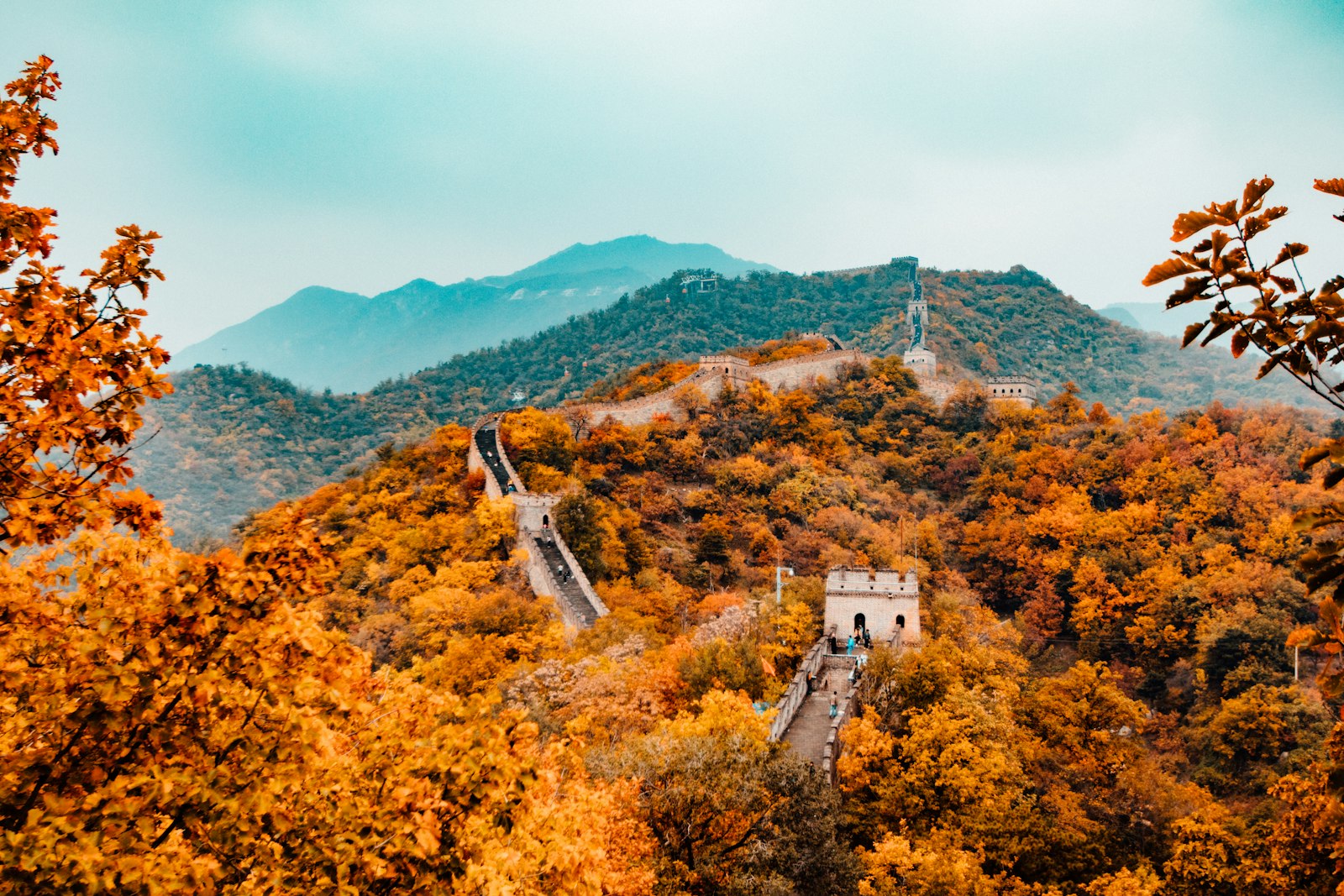
Chinese Breakfast Foods Tourists Should Try
The first morning in Chengdu, I walked out of my hostel at 6:40 a.m. looking for coffee and instead found a woman ladling pale soy milk from a steel drum into plastic bags. She handed me one without asking, took my 3 yuan, and pointed at a vat of fried dough sticks behind her. I stood on the curb eating a youtiao dipped in warm soy milk while scooters hissed past and a man in a suit next to me did exactly the same thing. That was breakfast. No menu, no English, no ceremony.
That’s the thing about mornings in China. Breakfast isn’t a restaurant occasion the way it is back home. It’s a street-corner transaction, a five-minute standing meal, a bowl of something hot you eat before the day properly starts. In Beijing it’s jianbing folded around a crisp cracker. In Guangzhou it’s congee so smooth it barely needs chewing. In Xi’an it’s a dense lamb soup you eat at 7 a.m. in a room full of men who’ve clearly done this every day for thirty years.
Most first-time visitors eat hotel breakfast buffets and miss all of it. That’s a mistake. Chinese breakfast is cheap, fast, and one of the few meals where you’re eating exactly what locals eat, at the hour they eat it, for the price they pay. This guide covers the ten breakfast foods worth planning a morning around, where to find them, what they cost in 2026, and how to order when nobody speaks English.
Quick answer
China’s best breakfast foods are cheap street and shop staples — jianbing (savory crepe, $1–2 / ¥7–15), youtiao with soy milk ($0.70 / ¥5), baozi ($0.70–1.40 / ¥5–10), and Cantonese dim sum ($8–15 / ¥60–110 per person). Most are sold from 6:00–10:00 a.m. only, cost under $3, and require no reservation. Bring cash or set up Alipay/WeChat Pay before you arrive, since many stalls don’t take foreign cards.
The Short Version
If you only have one morning to do this properly: get jianbing in Beijing, congee in Guangzhou, and a bowl of Lanzhou beef noodles anywhere. Skip the hotel buffet at least twice. Go early — 7 to 8 a.m. is peak freshness and peak local crowd. Bring small bills or have your payment app working, because the best stalls are the ones with no English and no card reader. And eat standing up. That’s how it’s done.
How I Picked These
I’ve spent seven years based in Beijing and eaten breakfast in maybe forty Chinese cities, from Harbin in January to Kunming in the rainy season. This list isn’t a ranking of “most famous” — it’s the foods I actually go back for, plus the ones I’ve watched first-timers try and genuinely enjoy. I asked taxi drivers, hostel staff, and the woman who runs the baozi steamer near my old apartment what they eat before work. A few of these made the list because a local insisted, not because a guidebook did. Prices are 2026 estimates from my own receipts and recent trips.
Comparison Table
| Rank | Food | Best For | Approx Cost (USD) | Time Needed | When to Go |
|---|---|---|---|---|---|
| 1 | Jianbing | First-timers, on-the-go | $1–2 (¥7–15) | 5 min | 6:30–9 a.m. |
| 2 | Youtiao + soy milk | Cheapest real breakfast | $0.70 (¥5) | 10 min | 6–9 a.m. |
| 3 | Baozi | Filling, portable | $0.70–1.40 (¥5–10) | 5 min | 6–10 a.m. |
| 4 | Cantonese congee | Light morning, Guangzhou | $1.40–2.80 (¥10–20) | 20 min | 6:30–10 a.m. |
| 5 | Dim sum | Group, sit-down treat | $8–15 (¥60–110) | 60–90 min | 7–11 a.m. |
| 6 | Lanzhou beef noodles | Hearty, any city | $2–3.50 (¥15–25) | 20 min | 6:30–10 a.m. |
| 7 | Xiaolongbao | Shanghai mornings | $2–4 (¥15–30) | 20 min | 7–10 a.m. |
| 8 | Jianbing guozi (Tianjin) | Street-food purists | $1.40 (¥10) | 5 min | 6:30–9 a.m. |
| 9 | Lamb paomo | Xi’an, cold mornings | $3.50–5 (¥25–35) | 30 min | 7–10 a.m. |
| 10 | Douhua (tofu pudding) | Adventurous eaters | $0.70–1.40 (¥5–10) | 10 min | 6:30–9 a.m. |
1. Jianbing — The One You’ll Miss Most When You Go Home
I still remember the first jianbing I ever ate, mostly because I watched the whole thing happen in about ninety seconds. A woman spread batter on a round griddle with a wooden T-shaped scraper, cracked an egg on top, smeared it around, flipped the whole thing, brushed on hoisin and chili paste, laid down a crispy fried cracker, added lettuce and a sausage, folded it into a rectangle, and handed it to me in a paper sleeve. I paid 8 yuan and ate it walking to the subway.
It’s the single best introduction to Chinese breakfast because it’s fast, cheap, portable, and forgiving — you can point at what you want and get it right. The texture is the point: soft crepe outside, shattering crunch inside, salty-sweet-savory all at once.
📍 Location: Everywhere, but Beijing’s hutong edges and subway exits are reliable. In Shanghai look near Line 2 stations. 🍽️ Cost: $1–2 (¥7–15), depending on add-ons. 🕒 Hours: Roughly 6:30–9:30 a.m.; many stalls close when the batter runs out. 🚇 Getting there: Any major subway exit before 9 a.m. In Beijing, try around Gulou or Nanluoguxiang (Line 6/8). ⏰ When to visit: Weekday mornings. Weekend lines double. 💡 Insider tips: Say “bu yao la” (不要辣) if you don’t want chili. Add “jia chang” (加肠) for a sausage. Have exact change or your Alipay QR ready — see our China payment apps guide before you go. The woman near my old apartment always gave me an extra cracker because I came back every Tuesday for two years.
2. Youtiao and Soy Milk — The Cheapest Real Breakfast in China
There’s a rhythm to this one. You buy a bag of hot soy milk and a fried dough stick, sit on a plastic stool, and dip. That’s it. It costs less than a coffee back home and it’s been the standard Chinese breakfast for centuries.
Youtiao is a long, airy fried dough — crisp outside, hollow inside, faintly salty. On its own it’s fine. Dipped in warm sweetened soy milk it becomes something else entirely. Some places serve the soy milk savory (xian doujiang) with vinegar, chili oil, and dried shrimp, which is a different experience and worth trying once.
📍 Location: Breakfast stalls and small shops nationwide; strongest in Beijing, Tianjin, and Shanghai. 🍽️ Cost: $0.70 (¥5) for the pair. 🕒 Hours: 6–9 a.m., sometimes until 10. 🚇 Getting there: Look for steam and a fryer near any residential subway exit. In Shanghai, around Laoximen (Line 8/10). ⏰ When to visit: Early. The youtiao is best in the first hour. 💡 Insider tips: Ask for “tian doujiang” (甜豆浆) for sweet, “xian doujiang” (咸豆浆) for savory. Many shops sell out by 8:30. If you’re new to China, sort your SIM card and internet first so you can use a translation app at the counter. I once watched a retired man order three youtiao and eat them in under four minutes without looking up once.
3. Baozi — The Portable One
Baozi are steamed buns with filling, and they’re the breakfast I recommend to anyone who’s nervous about street food. They’re cooked in front of you, they’re sealed, and they’re almost impossible to get wrong. Pork is standard. Vegetable, egg-and-chive, and red bean are common too.
The dough is soft and slightly sweet, the filling is juicy, and two or three of them will hold you until lunch. Eat them hot, straight from the steamer, and be careful — the first bite of a pork baozi releases scalding juice.
📍 Location: Everywhere. Tianjin and Shanghai have the best reputations. 🍽️ Cost: $0.70–1.40 (¥5–10) each. 🕒 Hours: 6–10 a.m., some shops all day. 🚇 Getting there: Any neighborhood steamer cart. In Beijing, near Dongsi (Line 5/6). ⏰ When to visit: Before 9 a.m. for the freshest batch. 💡 Insider tips: Point at what you want — the fillings are usually labeled in Chinese only. “Rou bao” (肉包) is pork. Bite a small hole first, sip the juice, then eat. Carry tissues; many stalls don’t provide napkins. A shop owner in Tianjin once refused to let me pay for a second baozi, insisting I try the vegetable one “for free, because you’re a guest.”
4. Cantonese Congee — The Gentle Morning
Congee (zhou) is rice cooked down into a silky porridge, and in Guangzhou it’s an art form. The best versions are so smooth the rice grains have basically dissolved. It’s light, warm, and easy on a stomach that’s still adjusting to China.
You order it plain or with toppings — pork and preserved egg (pidan shourou zhou) is the classic, century egg and lean pork. Add a side of youtiao for dipping and you’ve got a proper Guangzhou breakfast for under $3.
📍 Location: Guangzhou, especially Liwan and Yuexiu districts. 🍽️ Cost: $1.40–2.80 (¥10–20). 🕒 Hours: 6:30–10 a.m.; some shops serve it all day. 🚇 Getting there: Take Guangzhou Metro Line 1 to Ximenkou or Line 6 to Yide Lu. ⏰ When to visit: Weekday mornings are calmer; weekends get busy with families. 💡 Insider tips: “Pidan shourou zhou” is the one to order. Congee shops often have no English menu — a translation app helps. Pair it with a small plate of pickles. I ate congee every morning for a week in Guangzhou and never got tired of it, which surprised me.
5. Dim Sum — The Sit-Down Splurge
Dim sum (yum cha) is technically a morning tea meal, and in Guangzhou and Hong Kong it’s a full event. You sit, you order from a cart or a checklist, and small plates keep arriving. Har gow, siu mai, char siu bao, rice rolls, chicken feet if you’re brave.
It’s the most expensive breakfast on this list, but it’s also the most social. Locals do it on weekends with family, lingering for two hours over tea. For a tourist, it’s the best way to try ten things in one sitting.
📍 Location: Guangzhou, Hong Kong, and increasingly Shanghai and Beijing. 🍽️ Cost: $8–15 (¥60–110) per person. 🕒 Hours: 7–11 a.m., some until 2 p.m. 🚇 Getting there: In Guangzhou, try around Beijing Lu (Line 6). In Hong Kong, any MTR stop in Central or Mong Kok. ⏰ When to visit: Weekdays to avoid the weekend queue; go early. 💡 Insider tips: Tea is charged per person and refilled free. Tick your items on the paper menu with a pencil. Don’t over-order — plates add up fast. My hostel receptionist in Guangzhou told me to skip the famous chains and go to the neighborhood place near her grandmother’s building. She was right.
6. Lanzhou Beef Noodles — The Hearty One
Lanzhou beef noodles (niurou lamian) are a northwestern dish sold in shops across the entire country, and they’re a proper sit-down breakfast. You get a bowl of hand-pulled noodles in clear beef broth with sliced beef, radish, chili oil, cilantro, and scallions.
The noodles are pulled to order — you can ask for thin, wide, or extra-thin. The broth is the real achievement: beef bones simmered for hours until it’s clean and deep at the same time. It’s the breakfast I recommend on a cold morning.
📍 Location: Nationwide; best in Lanzhou, Xi’an, and Beijing. 🍽️ Cost: $2–3.50 (¥15–25). 🕒 Hours: 6:30–10 a.m.; many shops close by noon. 🚇 Getting there: In Beijing, look near Niujie (Line 19) or any Muslim quarter. ⏰ When to visit: Early — the broth is best in the first hours. 💡 Insider tips: Specify noodle width: “xi” (细, thin), “kuan” (宽, wide), “er xi” (二细, medium). Chili oil is added at the table, so you control the heat. Say “bu yao cilantro” if you hate it. I once sat next to a man in Lanzhou who finished his bowl in four minutes and ordered a second before I’d gotten halfway through mine.
7. Xiaolongbao — Shanghai’s Morning Ritual
Xiaolongbao are soup dumplings — thin-skinned, pleated, and filled with hot broth and pork. They’re a Shanghai specialty and a perfect breakfast if you want something refined without a formal restaurant.
The technique matters: you bite a small hole, sip the soup, then eat the rest. Get it wrong and you’ll burn your mouth. Get it right and it’s one of the best bites in China.
📍 Location: Shanghai, especially Huangpu and Jing’an districts. 🍽️ Cost: $2–4 (¥15–30) for a steamer of six to eight. 🕒 Hours: 7–10 a.m., some shops all day. 🚇 Getting there: Shanghai Metro Line 2 to People’s Square or Line 10 to Yuyuan Garden. ⏰ When to visit: Before 9 a.m. to beat the tourist crowds at famous spots. 💡 Insider tips: The famous chains have long lines; the neighborhood shops are often better. Use a spoon to catch the soup. Vinegar and ginger are on the table — use them. If you’re spending a few days here, our Shanghai guide covers the rest. I burned the roof of my mouth on my first xiaolongbao and did it again the next day because I refused to learn.
8. Jianbing Guozi — Tianjin’s Version, and It’s Different
Tianjin has its own jianbing, and locals will tell you it’s the original. The batter is mung bean and millet rather than wheat, and the filling is a crispy fried cracker called guobi, plus egg, scallion, and sauce. No lettuce, no sausage, no nonsense.
It’s chewier and more savory than the Beijing version, and it’s worth a detour if you’re in Tianjin. The city is a 30-minute high-speed train from Beijing, which you can book through our China train guide.
📍 Location: Tianjin, especially around the old city and Nanshi. 🍽️ Cost: $1.40 (¥10). 🕒 Hours: 6:30–9 a.m. 🚇 Getting there: Tianjin Metro Line 1 to Xinanjiao, then walk toward the food streets. ⏰ When to visit: Weekday mornings. 💡 Insider tips: Purists order it without extra sauce. Ask for “bu jia” (不加) if you want it plain. Cash is still common at older stalls. A Tianjin vendor corrected me when I called it “jianbing” — “This is guozi,” he said, and handed me one anyway.
9. Lamb Paomo — Xi’an’s Cold-Morning Cure
Paomo is a Xi’an breakfast: torn pieces of flatbread soaked in a rich lamb or beef broth, served with vermicelli, cilantro, and pickled garlic. You tear the bread yourself, which is part of the ritual, then hand the bowl to the kitchen to be filled.
It’s heavy, warming, and perfect on a cold morning. Xi’an winters are brutal, and this is what gets people through them.
📍 Location: Xi’an, especially the Muslim Quarter and around the Bell Tower. 🍽️ Cost: $3.50–5 (¥25–35). 🕒 Hours: 7–10 a.m., some shops all day. 🚇 Getting there: Xi’an Metro Line 2 to Bell Tower, then walk into the Muslim Quarter. ⏰ When to visit: Cold months; mornings before 9. 💡 Insider tips: Tear the bread into small pieces — the smaller, the better the soak. Add chili oil at the table. Pickled garlic is free and expected. I sat across from an elderly man in Xi’an who tore his bread with surgical precision and finished the whole bowl in silence.
10. Douhua — The One That Divides People
Douhua is soft tofu pudding, and it comes two ways: sweet in the south, savory in the north. In the north it’s served with soy sauce, chili oil, and pickles. In the south it’s doused in syrup or sugar. Both are breakfast foods, and locals feel strongly about which is correct.
It’s silky, mild, and cheap. If you like tofu, you’ll like it. If you don’t, this won’t convert you.
📍 Location: Nationwide; savory in Beijing and Xi’an, sweet in Guangzhou and Chengdu. 🍽️ Cost: $0.70–1.40 (¥5–10). 🕒 Hours: 6:30–9 a.m. 🚇 Getting there: Any breakfast street. In Chengdu, around Kuanzhai Alley (Metro Line 4). ⏰ When to visit: Early mornings. 💡 Insider tips: Ask “tian de” (甜的, sweet) or “xian de” (咸的, savory) to avoid surprises. It’s often sold from the same cart as youtiao. Don’t stir it — eat it as served. A Chengdu vendor laughed when I asked for the savory version and said, “You’re in the south now.”
FAQ summary
Chinese breakfast is cheap ($1–3 / ¥7–25 for most items), fast, and eaten early — typically between 6:30 and 9:30 a.m. The best foods to start with are jianbing, youtiao with soy milk, and baozi, all available on almost any street. Most stalls are cash or QR-code only, so set up Alipay or WeChat Pay before your trip, and expect little to no English — a translation app is genuinely useful at the counter.
FAQ
Q: Is Chinese street breakfast safe for tourists to eat? A: Generally yes, especially anything cooked fresh in front of you like jianbing, baozi, or noodles. Stick to busy stalls with high turnover, avoid pre-cut fruit sitting out, and drink bottled or boiled water. If you have a sensitive stomach, start with cooked items and skip raw garnishes.
Q: How much does breakfast cost in China? A: Most street breakfast costs $0.70–2 (¥5–15) per item. A full sit-down dim sum breakfast runs $8–15 (¥60–110) per person. You can eat well every morning for under $3 if you stick to street stalls.
Q: What time do Chinese breakfast places open and close? A: Most open around 6:00–6:30 a.m. and close by 9:30–10 a.m., often when they sell out. Some noodle and congee shops stay open until noon. Dim sum restaurants run later, sometimes until 2 p.m.
Q: Do I need cash or can I use Alipay and WeChat Pay? A: Both work widely, but many small stalls prefer QR payment. Set up Alipay or WeChat Pay with a foreign card before you arrive — see our payment guide. Carry a few small bills as backup, since some older vendors still take cash only.
Q: Do I need a VPN or SIM card to order food in China? A: You don’t need a VPN to pay or translate, but you do need working data. A local SIM or eSIM makes translation apps and payment apps usable on the street. Our SIM and internet guide covers the setup.
Q: Can I find these breakfasts if I don’t speak Chinese? A: Yes, with a translation app and pointing. Learn a few phrases: “zhe ge” (this one), “duo shao qian” (how much), “bu yao la” (no chili). Menus are often Chinese-only, so photos help.
Q: Is China visa-free for tourists in 2026? A: Many nationalities can enter visa-free for up to 30 days, and 240-hour transit visa-free applies to dozens of countries. Rules change, so check our visa-free transit guide before booking.
The Honest Wrap-up
This list is for the traveler who’s willing to eat standing up at 7 a.m. and point at food they can’t pronounce. If you want a hotel buffet with eggs and bacon, that’s fine — but you’ll miss the best part of a Chinese morning. If you have a very sensitive stomach or a strict diet, be selective and stick to cooked, high-turnover stalls.
One last thing: don’t overplan it. The best breakfast I’ve had in seven years wasn’t on any list. It was a bowl of noodles from a shop with no sign, found because I followed the smell of broth down a side street. Book the flight. Walk out early. Follow the steam.
More guides you may like

Top 10 Bridges in China
China's bridges are engineering marvels spanning mountains, rivers, and seas. Here are 10 of the most spectacular, from ancient stone to modern steel.
8 min read

Top 10 Buddhist Sites in China
From the Leshan Giant Buddha to the Dunhuang Caves, these 10 Buddhist sites represent 2,000 years of China's spiritual heritage.
9 min read

Top 10 Day Trips from Beijing You Shouldn't Miss
Beijing is packed with history, but some of China's best experiences are just a few hours away. Here are 10 day trips that will transform your visit.
9 min read
Top 10 Hidden Gems in China Off the Beaten Path
Beyond the Great Wall and Terracotta Warriors, China has incredible hidden destinations few tourists ever reach. Here are 10 underrated gems worth the detour.
9 min read
Top 10 Markets and Shopping Streets in China
From Shanghai's Bund to Beijing's Silk Street - 10 markets where foreigners can haggle, explore, and bring home authentic Chinese goods.
9 min read

Top 10 Museums in China You Shouldn't Miss
China's museums span 5,000 years of civilization. These 10 - from the Palace Museum to Xi'an's terracotta gallery - are unmissable for culture lovers.
9 min read