
Dali Erhai Lake Guide
TODO: Extract from article (100-160 chars)
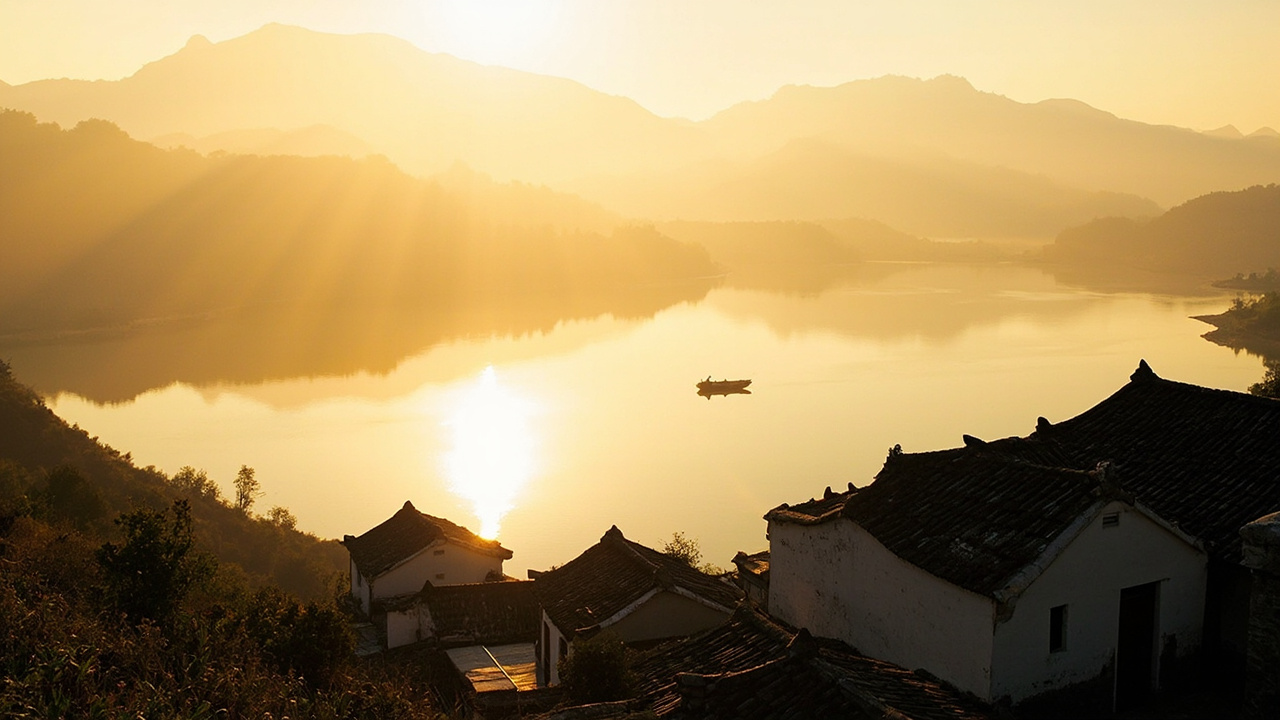
Dali Erhai Lake Guide
The old Bai woman selling grilled cheese on a stick didn’t speak a word of Mandarin I could understand, and I don’t speak Bai, so we communicated entirely through pointing and laughing. I’d been circling Erhai Lake for three days by then, and this was the fourth time I’d stopped at her cart on the road between Xizhou and Shuanglang. She’d started recognizing me. That’s the thing about Erhai — you come for the lake, but you stay for the villages around it, and the people who’ve been living on its shores for a thousand years before anyone thought to call it a tourist destination.
Erhai is the second-largest freshwater lake in Yunnan, shaped roughly like an ear (which is what erhai means), sitting at 1,972 meters (6,470 feet) above sea level. The Cangshan Mountains rise on the west side. The lake stretches about 40 kilometers north to south. Around it sit old towns, fishing villages, and a whole ecosystem of cafés, guesthouses, and bicycle rental shops that have transformed this place in the last decade.
This guide covers everything you need to actually do the loop — where to base yourself, how to get around, what’s worth your time, and what I’d skip. I’ve been around this lake four times now, in different seasons, and I’ve made most of the mistakes so you don’t have to.
Quick answer
Erhai Lake is free to visit and the best way to experience it is a 2-3 day loop by electric scooter, bicycle, or hired car, staying one night in Dali Old Town and one night in Shuanglang or Xizhou. Most nationalities can now enter China visa-free for up to 30 days (check the current visa-free transit rules as policies have expanded through 2025-2026). Budget roughly $40-70 (¥290-500) per day for accommodation, food, and transport. The best months are March-May and September-November — summer is rainy season and winter nights get genuinely cold at this altitude.
The Short Version
If you have 48 hours: base in Dali Old Town, rent an e-scooter, ride the west shore to Xizhou for lunch, sleep in Shuanglang, then loop back the next day. Skip the overpriced “Erhai cruise” boats. Eat the grilled river shrimp. Bring layers — the temperature swings 15°C between noon and midnight. Download a VPN before you arrive if you want Google Maps, and set up Alipay or WeChat Pay at the airport because almost nothing here takes cash anymore.
How I Picked These
I’ve done the full Erhai loop four times between 2019 and 2025, twice by e-scooter, once by bicycle (never again — the west shore road has too much traffic), and once with a hired driver. I’ve stayed in Dali Old Town, Shuanglang, Xizhou, and a tiny village near Caicun that I couldn’t find again on a map if you paid me. I talked to guesthouse owners, scooter rental guys, a fisherman in his 70s who remembered when the lake was clear enough to drink from, and about a dozen other travelers who were either loving it or hating it. What follows is the honest version — including the parts that disappointed me.
Comparison Table
| Rank | Place | Best For | Approx Cost (USD) | Time Needed | When to Go |
|---|---|---|---|---|---|
| 1 | Dali Old Town | Base camp, food, nightlife | $30-60/night | 1-2 days | Year-round, best Oct-Nov |
| 2 | Shuanglang | Sunset views, boutique stays | $50-150/night | 1 night | Sep-Nov, Mar-May |
| 3 | Xizhou | Bai architecture, markets | $20-40/night | Half day | Any, market days best |
| 4 | Erhai Ring Road (west) | Cycling, lake views | $5-15/day rental | 4-6 hours | Morning, avoid weekends |
| 5 | Erhai Ring Road (east) | Quieter riding, photo spots | $5-15/day rental | 4-6 hours | Weekdays |
| 6 | Caicun Wharf | Sunrise, easy access | Free | 1-2 hours | Dawn |
| 7 | Haishe Park | Instagram spots, flowers | ~$4 (¥30) | 2 hours | Spring, autumn |
| 8 | Wase Village | Local life, no crowds | Free | 2-3 hours | Any |
| 9 | Cangshan Mountains | Hiking, cable car views | $20-40 | Half-full day | Clear days, May-Oct |
| 10 | Butterfly Spring | Families, kitsch | ~$6 (¥40) | 1 hour | Skip unless curious |
Dali Old Town — Where Everyone Starts, and That’s Fine
My first night in Dali I got hopelessly lost looking for my guesthouse, ended up in a courtyard where a group of retirees were doing tai chi at 10pm, and stood there watching for ten minutes before anyone noticed me. That’s Dali Old Town. It’s touristy, yes. The main drag (Renmin Road) is wall-to-wall souvenir shops selling the same silver jewelry and rose cakes. But step one alley over and it’s quiet courtyards, old men playing cards, and cats sleeping on stone walls.
Why it’s special: The town was a major stop on the Tea Horse Road, and you can still feel that history in the layout — narrow lanes, wooden buildings, the old city walls. The night market food is genuinely good. The coffee scene is absurdly developed for a town this size.
📍 Location: Dali City, about 13 km (8 miles) from the lake’s western shore
🎫 Entry fee: Free to enter the old town; some temples charge ¥30-60 ($4-8)
🕐 Opening hours: Always open; shops roughly 9am-11pm
🚕 How to get there: From Dali Railway Station, take Bus 8 (¥2, 40 min) or a taxi (¥50, 25 min). From Dali Airport, taxi is ~¥100-120, 45 min.
⏰ When to visit: Weekday mornings for photos, evenings for atmosphere. Avoid Chinese public holidays entirely.
💡 Insider tips: The “Foreigner Street” (Yangren Jie) is overpriced — eat on Guangwu Road instead. Most guesthouses don’t have heating, so ask before booking in winter. Get a local SIM or eSIM sorted before you arrive; wifi in guesthouses is spotty.
I ate a bowl of xidoufen (a local bean jelly dish) at a tiny stall that a guesthouse owner named Li recommended, and it cost ¥8. Best thing I ate in Dali.
Shuanglang — The Sunset Side
I arrived in Shuanglang on a scooter with a dead battery, pushed it the last kilometer, and a café owner took pity on me and let me charge it for free while I drank three cups of Yunnan coffee. That’s Shuanglang. It’s the most polished village on the lake — boutique guesthouses, glass-walled cafés, views straight across the water to Cangshan. It’s also the most expensive.
Why it’s special: The sunsets here are the reason people pay $150 a night. The village sits on a small peninsula on the northeast shore, and when the light hits the mountains across the water, it’s genuinely worth the price. There’s also a small island (Nanzhao Fengqing Island) you can reach by boat for ¥50.
📍 Location: Northeast shore of Erhai, about 60 km from Dali Old Town 🎫 Entry fee: Free; boat to the island ¥50 ($7) 🕐 Opening hours: Always open 🚕 How to get there: No direct public transport. Hire a car (~¥200-250 from Dali) or ride a scooter. The road is paved and easy. ⏰ When to visit: Arrive by 4pm to catch sunset. Stay one night minimum. 💡 Insider tips: Book accommodation at least 2 weeks ahead in high season. The “sea view” rooms on booking sites sometimes mean a sliver of water behind a building — check photos carefully. Cash is almost useless here; make sure your Alipay works.
A guesthouse owner named Yang told me the village gets so crowded in July and August that locals leave. Take that as a warning.
Xizhou — The One Locals Actually Recommend
Every local I asked said the same thing: go to Xizhou. It’s a working Bai town, not a tourist town, and the difference is obvious the moment you arrive. The morning market is real — vegetables, live chickens, old women in traditional blue jackets selling herbs I couldn’t identify. The architecture is the best-preserved on the lake.
Why it’s special: Xizhou has some of the finest surviving Bai courtyard houses in Yunnan, with their distinctive white walls, painted eaves, and inward-facing layouts. The Yan Family Compound (严家大院) is the showpiece, and it’s worth the ¥30 entry. But the real appeal is just wandering.
📍 Location: West shore, about 20 km north of Dali Old Town 🎫 Entry fee: Free for the town; Yan Family Compound ¥30 ($4) 🕐 Opening hours: Market runs roughly 7am-noon; compound 8:30am-6pm 🚕 How to get there: Bus from Dali Old Town’s west gate (¥7, 30 min) or scooter. Easy parking. ⏰ When to visit: Market days are the best — they rotate, so ask your guesthouse. Mornings always beat afternoons. 💡 Insider tips: The famous xizhou baba (a flatbread with various fillings) is sold everywhere, but the best stall is near the market entrance, not on the main road. Bring small bills.
I bought a bag of dried rose petals from a woman who insisted I smell three different varieties before choosing. She was right about which one was best.
The West Shore Ring Road — Do This on a Scooter
The west shore road hugs the lake for about 30 km, and on a clear morning it’s one of the best rides in China. I did it three times and never got tired of it. The road is mostly flat, well-paved, and lined with wildflowers in spring.
Why it’s special: You’re riding between mountains and water the entire time. There are pull-offs every few hundred meters. You can stop at tiny fishing villages, buy grilled shrimp from roadside stalls, and watch cormorant fishermen (though most now do it for tourists, not fish).
📍 Location: Runs from Dali Old Town north to Xizhou and beyond 🎫 Entry fee: Free; scooter rental ¥50-100/day ($7-14) 🕐 Opening hours: Ride anytime; best 7-11am before tour buses 🚕 How to get there: Rent from any shop in Dali Old Town. Bring your passport. Some places require an international driving permit, most don’t. ⏰ When to visit: Weekday mornings. Weekends are chaotic with Chinese tour groups. 💡 Insider tips: Check the scooter’s battery before you leave — I learned this the hard way. Helmets are required and enforced. The road gets windy in the afternoon.
A scooter rental guy named Liu warned me about a police checkpoint near Caicun and told me exactly where to slow down. Saved me a fine.
The East Shore Ring Road — The Quiet Side
Most tourists never make it to the east shore. Their loss. The road here is newer, wider, and almost empty on weekdays. The views face the mountains instead of away from them, which means better light in the afternoon.
Why it’s special: This is where you go when you want the lake without the crowds. There are fewer villages, fewer cafés, and more open space. The photo spots are marked and easy to find.
📍 Location: East shore, from Shuanglang south to Haidong 🎫 Entry fee: Free 🕐 Opening hours: Anytime 🚕 How to get there: Scooter from Shuanglang or Dali. No public transport. ⏰ When to visit: Afternoon, when the light hits the mountains 💡 Insider tips: Fewer places to eat — bring snacks and water. Cell signal is patchy in spots. The road climbs in a few places, so a scooter with decent power matters.
Caicun Wharf — Sunrise, and That’s It
I dragged myself out of bed at 5:30am to catch sunrise here and almost didn’t go. Glad I did. The wharf faces east, and when the sun comes up over the lake, the whole scene turns gold. Then by 8am it’s over and you can go back to bed.
Why it’s special: It’s the closest lake access point to Dali Old Town, which makes it the easiest sunrise spot. There’s a long wooden pier, some old boats, and not much else.
📍 Location: About 5 km east of Dali Old Town 🎫 Entry fee: Free 🕐 Opening hours: Always open 🚕 How to get there: Taxi from Dali Old Town (~¥20, 15 min) or scooter ⏰ When to visit: Sunrise. Seriously, that’s the only reason to come. 💡 Insider tips: Bring a jacket — it’s cold before dawn even in summer. There’s a small café open early near the parking lot.
Haishe Park — The Instagram Spot
Yes, it’s a photo park. Yes, it’s designed for social media. No, I don’t care — the flowers are actually beautiful and the lake views are real. It costs ¥30 and takes two hours.
Why it’s special: It’s a landscaped park right on the water with flower fields, white benches, and the kind of setups that look incredible in photos. In spring the cherry blossoms and rapeseed flowers are genuinely stunning.
📍 Location: East shore, near Shuanglang 🎫 Entry fee: ¥30 ($4) 🕐 Opening hours: 8am-6pm 🚕 How to get there: Scooter or hired car; it’s on the main east shore road ⏰ When to visit: Spring (March-April) for flowers, weekday mornings for fewer people 💡 Insider tips: The “sky mirror” photo spots charge extra and are a scam. Just use the natural lake reflections.
Wase Village — Where Locals Actually Live
I stumbled into Wase by accident, looking for a bathroom, and ended up staying three hours. It’s a small Bai fishing village on the east shore with almost no tourist infrastructure. Old men mending nets. Kids playing on the dock. A single tiny shop selling drinks.
Why it’s special: It’s what the whole lake looked like 20 years ago. If you want to see the real Erhai, this is it.
📍 Location: East shore, south of Shuanglang 🎫 Entry fee: Free 🕐 Opening hours: Always open 🚕 How to get there: Scooter; it’s a short detour off the main road ⏰ When to visit: Any time, but mornings are liveliest 💡 Insider tips: Don’t photograph people without asking. There are no restaurants — eat before or after.
Cangshan Mountains — The Other Half of the View
Everyone photographs the lake. Fewer people actually go up into the mountains behind it. The cable car from Dali Old Town takes you to about 2,600 meters, where there are walking trails and temples.
Why it’s special: The views down onto Erhai from above are the ones you’ll remember. There are 19 peaks in the Cangshan range, and the highest is over 4,000 meters.
📍 Location: Directly west of Dali Old Town 🎫 Entry fee: Cable car ¥180-280 ($25-40) round trip depending on which line 🕐 Opening hours: 8:30am-5pm, weather dependent 🚕 How to get there: The main cable car station is a 15-minute walk west of Dali Old Town ⏰ When to visit: Clear days, May-October. Clouds often block the view in summer. 💡 Insider tips: Altitude sickness is real at 2,600m if you’ve just arrived from sea level. Take it slow.
Butterfly Spring — Skip It
I’m including this so you don’t waste your time. It’s a small pond with a legend about butterflies, a lot of concrete, and a ¥40 entry fee. Unless you’re traveling with small children who need a break, skip it.
📍 Location: West shore, near Xizhou 🎫 Entry fee: ¥40 ($6) 🕐 Opening hours: 8am-6pm 🚕 How to get there: On the main west shore road ⏰ When to visit: Don’t 💡 Insider tips: The actual butterfly season is April-May, and even then it’s underwhelming.
FAQ summary
Erhai Lake is free to visit and best explored over 2-3 days by scooter, bicycle, or hired car, with one night in Dali Old Town and one in Shuanglang or Xizhou. Most foreign visitors can now enter China visa-free for up to 30 days, but you must set up Alipay or WeChat Pay before arrival since cash is rarely accepted. Budget $40-70 (¥290-500) per day. The best seasons are spring (March-May) and autumn (September-November); summer is rainy and winter nights are cold at 1,972m altitude. A VPN is essential if you want Google Maps, Gmail, or Western social media.
FAQ
Q: Do I need a visa to visit Dali and Erhai Lake? A: As of 2026, citizens of most European countries, the US, Australia, and much of Southeast Asia can enter China visa-free for up to 30 days for tourism. Check the latest visa-free policy details before booking, as rules have expanded several times since 2024.
Q: How do I get to Dali from other Chinese cities? A: High-speed trains connect Dali to Kunming (2 hours, ~¥145), Lijiang (2 hours, ~¥34), and Chengdu (8 hours). Flying into Dali Airport (DLU) is faster from major cities but often more expensive. See the China train travel guide for booking details.
Q: Can I pay with cash or credit card around Erhai Lake? A: Almost no. Vendors, guesthouses, and even small stalls expect Alipay or WeChat Pay. Set these up before you arrive — you’ll need a Chinese bank account or a foreign card linked through the tourist-friendly app versions. Cash is technically legal tender but often refused.
Q: Is English spoken around Erhai Lake? A: Rarely outside of boutique guesthouses and cafés in Shuanglang and Dali Old Town. Download a translation app like Baidu Translate or Pleco before you arrive. Google Translate works offline if you download the Chinese pack.
Q: Do I need a VPN in Dali? A: Yes, if you want to use Google, Instagram, WhatsApp, or most Western apps. Install and test your VPN before you arrive — they’re hard to download once you’re inside China. Local alternatives (Baidu Maps, WeChat) work fine without one.
Q: What’s the best way to get around the lake? A: Electric scooter is the most fun and flexible — rent for ¥50-100/day. Bicycles are possible but the west shore road has heavy traffic. Hiring a car with a driver costs ¥400-600/day and is best for groups or bad weather.
Q: Is altitude sickness a problem at Erhai Lake? A: At 1,972m, most people are fine, but you may feel slightly breathless on your first day. If you’re continuing to Shangri-La (3,200m) or Tibet, acclimatize in Dali for 2-3 days first.
The Honest Wrap-up
This guide is for travelers who want to actually experience Erhai, not just photograph it from a tour bus. If you want five-star resorts and English-speaking staff everywhere, base yourself in Shuanglang and don’t leave. If you want the real thing, rent a scooter, get slightly lost, and stop at the roadside stalls. My one piece of advice: don’t try to “do” the whole lake in one day. I watched people attempt it and they all looked miserable by 4pm. Give it three days. Sit by the water. Eat the grilled shrimp. Talk to the old woman selling cheese on a stick, even if you don’t share a language. That’s the trip.
More guides you may like

Top 10 Bridges in China
China's bridges are engineering marvels spanning mountains, rivers, and seas. Here are 10 of the most spectacular, from ancient stone to modern steel.
8 min read

Top 10 Buddhist Sites in China
From the Leshan Giant Buddha to the Dunhuang Caves, these 10 Buddhist sites represent 2,000 years of China's spiritual heritage.
9 min read

Top 10 Day Trips from Beijing You Shouldn't Miss
Beijing is packed with history, but some of China's best experiences are just a few hours away. Here are 10 day trips that will transform your visit.
9 min read

Top 10 Hidden Gems in China Off the Beaten Path
Beyond the Great Wall and Terracotta Warriors, China has incredible hidden destinations few tourists ever reach. Here are 10 underrated gems worth the detour.
9 min read

Top 10 Markets and Shopping Streets in China
From Shanghai's Bund to Beijing's Silk Street - 10 markets where foreigners can haggle, explore, and bring home authentic Chinese goods.
9 min read

Top 10 Museums in China You Shouldn't Miss
China's museums span 5,000 years of civilization. These 10 - from the Palace Museum to Xi'an's terracotta gallery - are unmissable for culture lovers.
9 min read