
Pingyao Ancient Town Guide
TODO: Extract from article (100-160 chars)
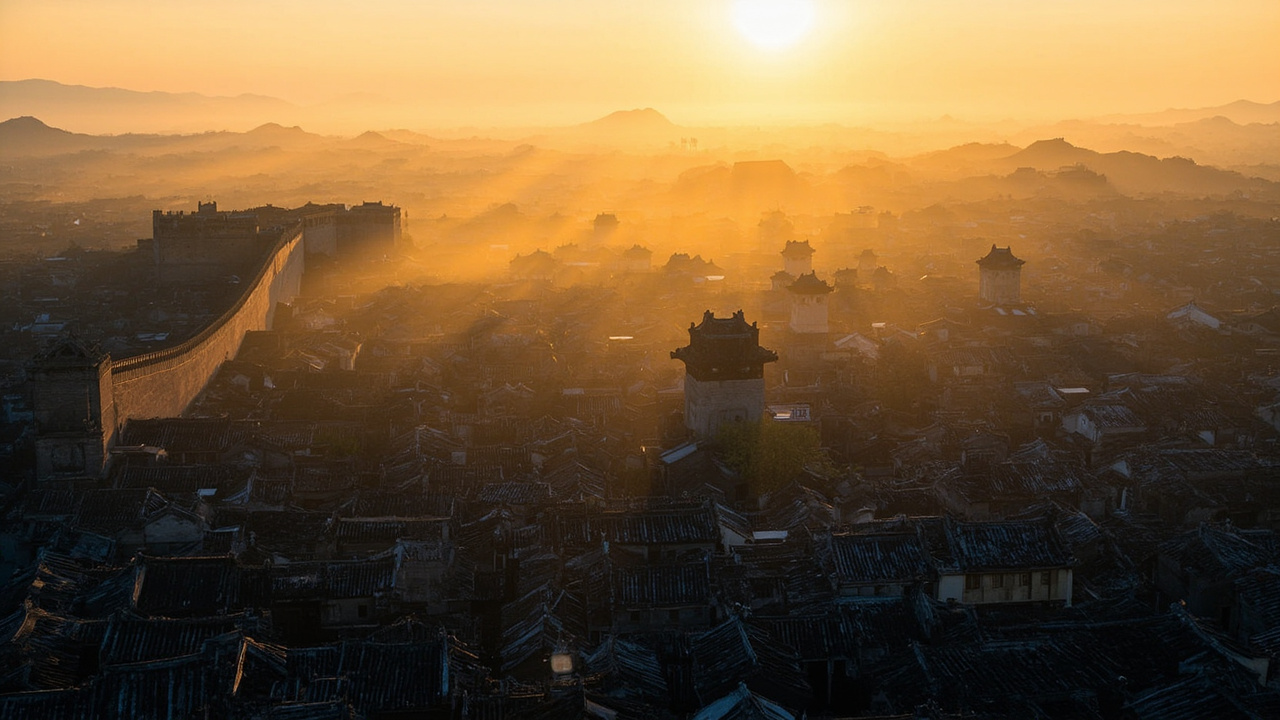
Pingyao Ancient Town Guide
The first thing I noticed was the silence. I’d stepped off the overnight train from Beijing at 6:40 a.m., dropped my bag at a guesthouse inside the old walls, and walked out into a gray morning with almost nobody on the street. A man was sweeping the cobblestones in front of his shop with a broom made of twigs. Somewhere behind me, a woman was frying something in oil, and the smell of it — scallion, pork fat, a little vinegar — followed me for the next two blocks. I’d read that Pingyao was “the best-preserved ancient city in China,” which is the kind of phrase that means nothing until you’re standing in it. Then I understood. This isn’t a rebuilt tourist set. People live here. Their grandparents lived here. The walls are real, the drainage is real, the same grid of lanes has been here since the Ming dynasty.
Pingyao sits in Shanxi province, about 700 km southwest of Beijing, and it’s one of the few walled cities in China that survived the 20th century mostly intact. In the 1800s this was the banking capital of the empire — the first Chinese draft banks, called piaohao, were founded here, and at their peak they handled money transfers across the entire country. That history is why the courtyards are so grand and the shopfronts so solid. It’s also why UNESCO listed the whole town in 1997.
This guide covers what to actually do, see, eat, and skip — based on three trips here, one of them in January when it was so cold my phone died twice.
Quick answer
Pingyao Ancient Town is a UNESCO-listed Ming and Qing walled city in Shanxi province, about 3.5 hours from Beijing by high-speed rail, and the best way to see it is to stay one or two nights inside the walls rather than day-tripping. Entry to the town itself is free; a combined ticket for the main sights costs ¥125 (about $18), and you’ll want 1.5 to 2 full days to do it properly. Most Western passport holders can currently enter China visa-free for up to 30 days under the 2026 policy — check the latest rules on China visa-free transit before booking.
The Short Version
Come for one night minimum, two if you can. Sleep inside the walls. Buy the combined ticket, but don’t try to see all 20 included sights — pick six. Walk the city wall at sunset, eat pingyao niurou (braised beef) and wan tuo (a chewy local noodle), and skip the “ancient” souvenir street after dark unless you enjoy crowds. Bring cash-free payment set up in advance — see my Alipay and WeChat Pay guide — because most small vendors here no longer take cards.
How I Picked These
I’ve been to Pingyao three times: once in October 2022, once in a freezing January 2024, and again in spring 2025. I stayed in three different courtyard guesthouses, ate at roughly 20 restaurants, and got mildly lost in the residential lanes south of the main drag more than once. I also talked to a guesthouse owner named Mr. Wang, who’s lived inside the walls his whole life and told me which temples locals actually visit versus which ones exist mostly for tour groups. Everything below reflects things I did myself or verified on the ground. Where I’m unsure about a current price, I say so.
Comparison Table
| Rank | Place | Best For | Approx Cost (USD) | Time Needed | When to Go |
|---|---|---|---|---|---|
| 1 | City Wall (城墙) | Sunset views, photos | $18 combined ticket | 1–1.5 hrs | Late afternoon, weekdays |
| 2 | Rishengchang Draft Bank (日昇昌) | Understanding Pingyao’s history | Included in combined ticket | 45 min | Morning, before 10 a.m. |
| 3 | Ming-Qing Street (明清街) | Atmosphere, food, shopping | Free to walk | 2–3 hrs | Evening |
| 4 | Temple of the City God (城隍庙) | Architecture, quiet | Included | 40 min | Midday |
| 5 | Shuanglin Temple (双林寺) | World-class sculpture | ¥35 ($5) separate | 1.5 hrs | Morning |
| 6 | Zhenguo Temple (镇国寺) | The oldest building here | ¥25 ($4) separate | 1 hr | Morning |
| 7 | Wang Family Compound (王家大院) | Grand courtyard architecture | ¥55 ($8) + transport | Half day | Early start |
| 8 | Qiao Family Compound (乔家大院) | Famous film location | ¥115 ($17) | Half day | Weekday |
| 9 | Confucius Temple (文庙) | Peace, exam history | Included | 30 min | Any time |
| 10 | Residential lanes (south of center) | Real local life | Free | 1 hr | Early morning |
1. The City Wall — walk it at sunset, not noon
I made the mistake of climbing the wall at 1 p.m. in July once. The stone was so hot I could feel it through my sneakers, and there was no shade anywhere. Don’t do that. Go at 5:30 or 6 p.m., when the light turns gold and the tour groups have thinned out.
The wall is the reason Pingyao exists as a tourist destination. It’s about 6 km around, 12 meters high, and dates to 1370 (the Ming Hongwu era), though it’s been repaired many times since. You can walk the full loop in roughly 90 minutes if you don’t stop, but most people do a section — the south gate to the east gate is the prettiest stretch.
What gets me every time is the view inward. You see the gray tile roofs stacked like fish scales, and the courtyards hidden behind them, and a few satellite dishes, and someone’s laundry. It’s a working town seen from above.
📍 Location: Access points at all six gates; the south gate (Yingxun Gate) is the main one 🎫 Entry fee: Included in the ¥125 ($18) combined ticket; wall-only access isn’t sold separately 🕒 Opening hours: Roughly 8 a.m.–6 p.m. (until 7 p.m. in summer, closes earlier in winter) 🚕 How to get there: From the south gate of the old town, walk 2 minutes south of Ming-Qing Street ⏰ When to visit: Late afternoon on a weekday. Avoid Chinese public holidays entirely. 💡 Insider tips: Bring water — there’s nothing up there. The stairs are steep and uneven, so wear real shoes. The east side has the fewest people. If you’re over 60 or have knee issues, skip the full loop and just do the south section.
I watched a father carry his sleeping daughter up the last flight of stairs, both of them laughing, and thought: yeah, this is the right way to see it.
2. Rishengchang Draft Bank — where Chinese banking started
Here’s a fact that surprised me: the first modern-style bank in China was founded in this courtyard in 1823. It was called Rishengchang, and it invented a system of paper drafts that let merchants move money across provinces without hauling silver. At its peak it had branches in 35 cities.
The building itself is modest — three courtyards, dark wood, a lot of explanatory panels in English. But the story is genuinely interesting, and it explains why Pingyao looks the way it does. All those grand shopfronts? Banking money.
📍 Location: West Street (Xi Dajie), about 200 m west of the crossroad at the town center 🎫 Entry fee: Included in the combined ticket 🕒 Opening hours: 8 a.m.–6:30 p.m. (shorter in winter, roughly 8:30 a.m.–5:30 p.m.) 🚕 How to get there: Walk west from the central tower along Xi Dajie; it’s on your left ⏰ When to visit: Right at opening, before the tour flags arrive 💡 Insider tips: The English signage is actually decent here. Look up at the beams — the original painted decoration is still visible. The small vault room at the back is easy to miss. Skip the gift shop.
A guide told me the bank’s clerks had to pass a handwriting test so strict that a single smudged character meant rejection. I think about that every time I sign a receipt.
3. Ming-Qing Street — the main drag, for better and worse
Ming-Qing Street (明清街) runs north-south through the center of town, and it’s the spine of the tourist experience. During the day it’s shops selling lacquer boxes, vinegar, dried beef, and jade. At night it’s lanterns and crowds and someone’s Bluetooth speaker playing the same three songs.
I have mixed feelings. It’s beautiful, and it’s also the most commodified part of Pingyao. But you should still walk it — just walk it early, around 7 a.m., when it belongs to the shopkeepers again.
📍 Location: Central axis of the old town, from the south gate to the crossroad 🎫 Entry fee: Free 🕒 Opening hours: Always open; shops roughly 8 a.m.–10 p.m. 🚕 How to get there: Enter through the south gate and walk straight north ⏰ When to visit: 6:30–8 a.m. or after 9 p.m. 💡 Insider tips: The vinegar shops will let you taste before buying — the aged Shanxi vinegar is genuinely great and packs flat. Beef jerky sold here is often overpriced; buy it from a smaller side-street shop instead. Watch your bag in the evening crush.
I bought a ¥15 ($2) bowl of dao xiao mian (knife-cut noodles) from a woman who’d been working the same stall for 20 years, and it was better than anything I ate at the sit-down places.
4. Temple of the City God — the one locals actually use
This is my favorite sight in Pingyao, and it’s the one most tour groups rush through. The Temple of the City God (城隍庙) is a Taoist temple complex with incredible painted sculptures, a reflecting pool, and a stage for opera performances. It’s also still an active place of worship — I saw people leaving offerings on a Tuesday morning.
The sculpture work here is the best in the old town. Look for the figures on the side halls: judges, demons, officials, all with faces that look like they were carved by someone who’d met real people.
📍 Location: East side of the old town, on Chenghuangmiao Street 🎫 Entry fee: Included in the combined ticket 🕒 Opening hours: 8 a.m.–6 p.m. 🚕 How to get there: From the central crossroad, walk east 5 minutes; it’s signposted ⏰ When to visit: Midday, when the light hits the main hall 💡 Insider tips: Don’t photograph the active worshippers. The back courtyard is quieter and has better sculpture. There’s a small tea stall outside that sells a decent cup for ¥10 ($1.50).
An elderly caretaker pointed at a particular statue and said something I didn’t catch, then smiled and nodded like I’d understood. I nodded back.
5. Shuanglin Temple — worth the trip outside the walls
If you only do one thing outside the old town, make it Shuanglin Temple. It’s 6 km southwest of Pingyao and it houses what many art historians consider the finest collection of painted clay sculpture from the Song, Yuan, and Ming dynasties anywhere in China. There are over 2,000 figures. They’re extraordinary.
The temple is quiet, rarely crowded, and has an atmosphere the in-town sights can’t match. It’s also a separate ticket — the combined ticket doesn’t cover it.
📍 Location: Qiaotou village, about 6 km southwest of Pingyao 🎫 Entry fee: ¥35 ($5) 🕒 Opening hours: 8 a.m.–6 p.m. (8:30 a.m.–5 p.m. in winter) 🚕 How to get there: Taxi from the old town, roughly ¥30–40 ($4–6) each way, 15 minutes. Or take bus 9 from the south gate area. ⏰ When to visit: Morning, any day except Monday (some halls close for maintenance) 💡 Insider tips: No flash photography. The guardian figures in the front hall are the famous ones — don’t skip the side halls. Bring cash for the ticket if your phone payment isn’t set up. The taxi driver will usually wait if you ask.
I spent 40 minutes in one hall alone, just looking at a single figure’s hands.
6. Zhenguo Temple — the oldest thing in Pingyao
Zhenguo Temple’s main hall, the Wanfo Hall, dates to 963 AD. That’s the Five Dynasties period — older than most of what you’ll see in China, and older than the town walls by four centuries. It’s a wooden building that has survived a thousand years of earthquakes, wars, and weather.
It’s small, it’s 12 km northeast of town, and it’s not on most tourist itineraries. That’s exactly why I like it. You’ll probably have the place mostly to yourself.
📍 Location: Haodong village, about 12 km northeast of Pingyao 🎫 Entry fee: ¥25 ($4) 🕒 Opening hours: 8 a.m.–5:30 p.m. 🚕 How to get there: Taxi, roughly ¥50–60 ($7–9) each way. No convenient public bus. ⏰ When to visit: Any clear morning. Combine with Shuanglin if you have a car. 💡 Insider tips: The painted sculptures inside are original and fragile — no flash, no touching. The caretaker sometimes gives informal tours in Mandarin. Bring a translation app.
I stood in front of a 1,000-year-old wooden beam and felt, honestly, a little dizzy.
7. Wang Family Compound — the courtyard house at maximum scale
The Wang Family Compound (王家大院) is in Lingshi county, about 35 km south of Pingyao, and it’s enormous — over 100 courtyards, 1,000+ rooms, spread across a hillside. It was built over 300 years by the Wang family, who were merchants and officials. Walking through it takes half a day.
Is it better than Pingyao itself? No. Is it worth a half-day trip? Yes, if you care about architecture. The stone carvings and the way the buildings step up the hill are genuinely impressive.
📍 Location: Jingsheng village, Lingshi county, Shanxi 🎫 Entry fee: ¥55 ($8) 🕒 Opening hours: 8 a.m.–6 p.m. (until 5:30 p.m. in winter) 🚕 How to get there: Bus from Pingyao bus station, roughly 1 hour, ¥15–20 ($2–3). Or taxi, ¥150+ ($21+) each way. ⏰ When to visit: Weekday morning. Weekends get crowded with Chinese tour groups. 💡 Insider tips: Wear good shoes — lots of stairs. The English signage is limited, so a translation app helps. There’s a decent noodle restaurant at the entrance. Combine with Mianshan if you have a full day.
I got separated from my group and ended up in a courtyard where an old man was drying chili peppers. He waved me over and gave me one. It was very hot.
8. Qiao Family Compound — the one from the movies
You may have seen this one without knowing it: Zhang Yimou’s Raise the Red Lantern was filmed here in 1991. The Qiao Family Compound (乔家大院) is smaller than the Wang compound but more famous, and it’s about 40 km north of Pingyao.
It’s beautiful, but it’s also the most heavily touristed sight in the area. Go early or skip it. If you’ve already seen the Wang compound, the Qiao one may feel like a smaller version of the same thing.
📍 Location: Qiaojiapu village, Qi county, Shanxi 🎫 Entry fee: ¥115 ($17) 🕒 Opening hours: 8 a.m.–6 p.m. 🚕 How to get there: Bus from Pingyao, about 1 hour, ¥20 ($3). Or taxi, ¥180+ ($25+) each way. ⏰ When to visit: Weekday, right at opening 💡 Insider tips: The lantern courtyard is the photo spot — go there first. The ticket price is steep for what it is. If you’re short on time, pick this OR the Wang compound, not both.
A woman selling postcards told me she’d watched the film crew shoot the movie as a child. She remembered the red lanterns being hung for weeks.
9. Confucius Temple — the quiet one
The Confucius Temple (文庙) is on the southeast side of the old town, and it’s the oldest surviving Confucian temple in China — the main hall dates to 1163. It’s calm, it’s shaded, and it has a beautiful little pond with a bridge.
Most people walk past it on the way to somewhere else. Don’t. It’s 20 minutes of peace in a town that can get loud.
📍 Location: Southeast of the central crossroad, on Wenmiao Street 🎫 Entry fee: Included in the combined ticket 🕒 Opening hours: 8 a.m.–6 p.m. 🚕 How to get there: Walk east from the central tower, then south; signposted ⏰ When to visit: Any time; it’s rarely crowded 💡 Insider tips: The “Dacheng Hall” has the original Song-dynasty beams. There’s a small exhibition on the imperial exam system that’s worth 10 minutes. Sit by the pond.
I read a plaque here that said students used to come before exams to pray. I thought about how little has changed.
10. The residential lanes — the actual town
This isn’t a ticketed sight. It’s just the streets south and east of the main drag, where people live. Go early in the morning, before 8 a.m., and walk. You’ll see old men playing chess, women carrying vegetables, kids in school uniforms, cats on walls.
This is the Pingyao I remember most. The wall and the temples are the reason you come. The lanes are the reason you stay.
📍 Location: Anywhere south of Ming-Qing Street and east of the central axis 🎫 Entry fee: Free 🕒 Opening hours: Always 🚕 How to get there: Just walk; you can’t really get lost inside the walls ⏰ When to visit: 6:30–8 a.m. 💡 Insider tips: Don’t photograph people’s doorways without asking. If someone invites you in for tea, it’s usually genuine — but a small purchase is polite. Learn “ni hao” and “xie xie” and you’ll get a lot further.
A grandmother on a stool outside her door handed me a piece of dried persimmon and said something I didn’t understand. I ate it. It was excellent.
FAQ summary
Pingyao is a UNESCO-listed walled city in Shanxi, reachable from Beijing in about 3.5 hours by high-speed rail. Entry to the town is free; a combined ticket for the main sights costs ¥125 (about $18), and Shuanglin and Zhenguo temples require separate tickets. Most visitors need 1.5–2 days, and staying inside the walls overnight is strongly recommended. Most Western passport holders can currently enter China visa-free for up to 30 days in 2026, but rules change — verify before booking. Set up Alipay or WeChat Pay before arrival, since most vendors no longer accept foreign cards.
FAQ
Q: Do I need a visa to visit Pingyao in 2026? A: If you hold a passport from the US, UK, most EU countries, Australia, or several other nations, you can currently enter China visa-free for up to 30 days under the 2026 policy. Pingyao is in Shanxi province, which is fully covered. Check the latest visa-free rules before you book, since policies can change.
Q: How do I get to Pingyao from Beijing? A: Take a high-speed train from Beijing West or Beijing Fengtai station to Pingyao Ancient City Station. The trip takes about 3.5 hours and costs roughly ¥180–260 ($26–37) for second class. Book on Trip.com or the official 12306 app. See my China high-speed rail guide for the full booking process.
Q: How much does Pingyao cost per day? A: Budget travelers can manage on $40–60 (¥290–430) per day including a hostel bed, street food, and the combined ticket amortized over two days. Mid-range travelers should budget $90–140 (¥650–1,000) per day for a courtyard guesthouse, sit-down meals, and taxis to the outlying temples.
Q: Is English spoken in Pingyao? A: Not much. Hotel staff at mid-range and upscale guesthouses usually speak some English, but restaurants, taxis, and shops mostly don’t. Download a translation app (Google Translate works offline if you pre-download Chinese, or use Baidu Translate) and learn a few basic phrases.
Q: Do I need a VPN or local SIM in Pingyao? A: If you rely on Google, Instagram, WhatsApp, or Gmail, yes — you’ll need a VPN installed before you arrive. A local China Unicom or China Mobile SIM is cheap and reliable; see my China SIM and internet guide for setup. Hotel Wi-Fi exists but is often slow.
Q: What’s the best time of year to visit Pingyao? A: Late April to early June, and September to mid-October. Spring and fall have mild weather and manageable crowds. Summer is hot and packed; winter is cold (I’ve seen -15°C) but atmospheric and very quiet. Avoid Chinese New Year and the first week of October.
Q: How many days do I need in Pingyao? A: Two nights is ideal. One full day for the old town sights and the wall, a half-day for Shuanglin and Zhenguo temples, and an evening for Ming-Qing Street. One night is doable but rushed; three nights is only worth it if you’re also doing the Wang or Qiao compounds.
The Honest Wrap-up
Pingyao isn’t for everyone. If you want nightlife, high-end restaurants, or a checklist of Instagram spots, you’ll be bored by day two. If you want to walk through a living Ming-dynasty town, eat cheap noodles at a plastic table, and watch the sun go down over gray tile roofs from a 650-year-old wall, this is one of the best places in China.
Go in shoulder season. Stay inside the walls. Bring layers, cash-free payment set up, and a translation app. And do the wall at sunset — not at noon. If a friend asked me whether to book the train, I’d say yes, but give it two nights, not one. One night and you’ll leave feeling like you missed something. Two nights and you’ll leave feeling like you almost lived there.
More guides you may like
Top 10 Bridges in China
China's bridges are engineering marvels spanning mountains, rivers, and seas. Here are 10 of the most spectacular, from ancient stone to modern steel.
8 min read

Top 10 Buddhist Sites in China
From the Leshan Giant Buddha to the Dunhuang Caves, these 10 Buddhist sites represent 2,000 years of China's spiritual heritage.
9 min read
Top 10 Day Trips from Beijing You Shouldn't Miss
Beijing is packed with history, but some of China's best experiences are just a few hours away. Here are 10 day trips that will transform your visit.
9 min read
Top 10 Hidden Gems in China Off the Beaten Path
Beyond the Great Wall and Terracotta Warriors, China has incredible hidden destinations few tourists ever reach. Here are 10 underrated gems worth the detour.
9 min read
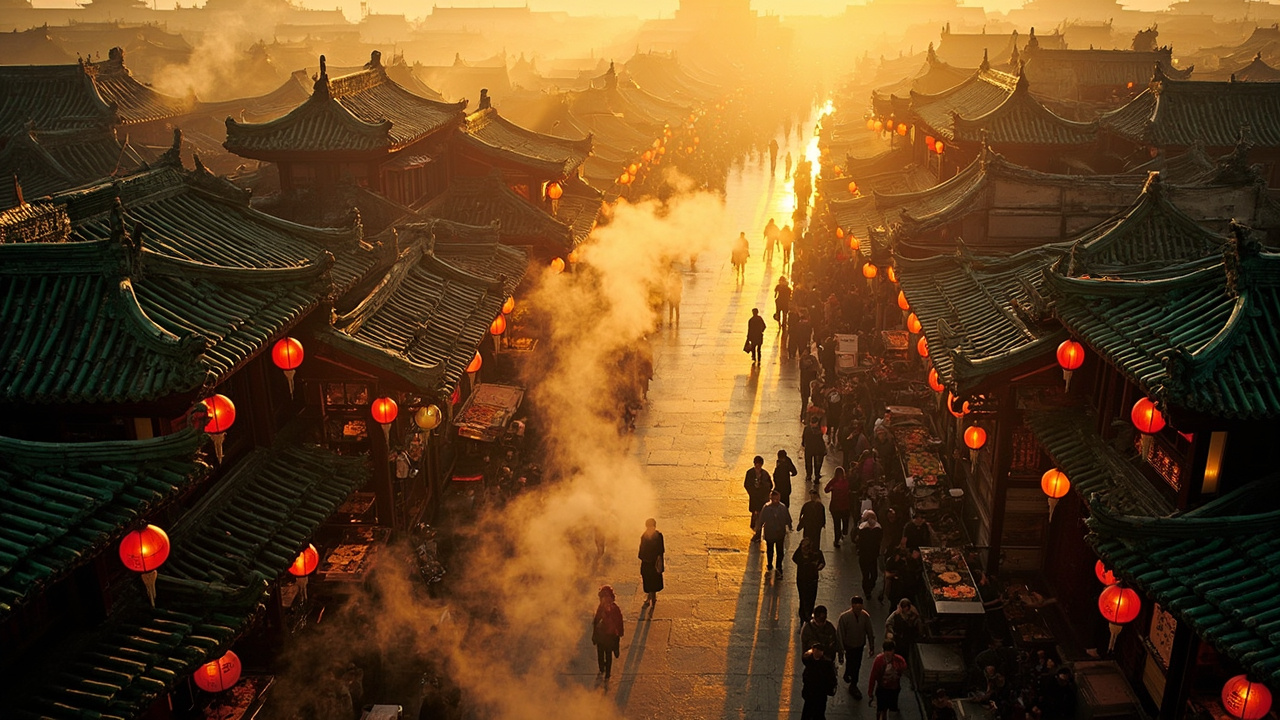
Top 10 Markets and Shopping Streets in China
From Shanghai's Bund to Beijing's Silk Street - 10 markets where foreigners can haggle, explore, and bring home authentic Chinese goods.
9 min read
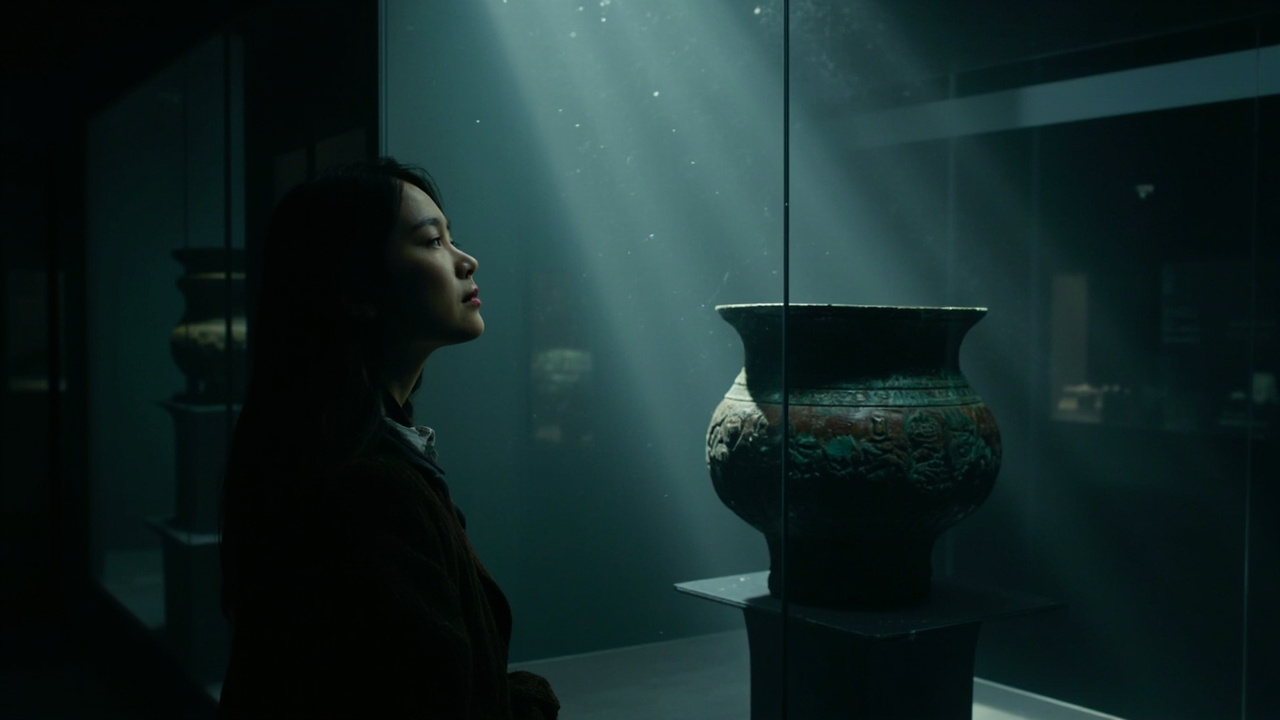
Top 10 Museums in China You Shouldn't Miss
China's museums span 5,000 years of civilization. These 10 - from the Palace Museum to Xi'an's terracotta gallery - are unmissable for culture lovers.
9 min read