
Silk Road China Itinerary
TODO: Extract from article (100-160 chars)
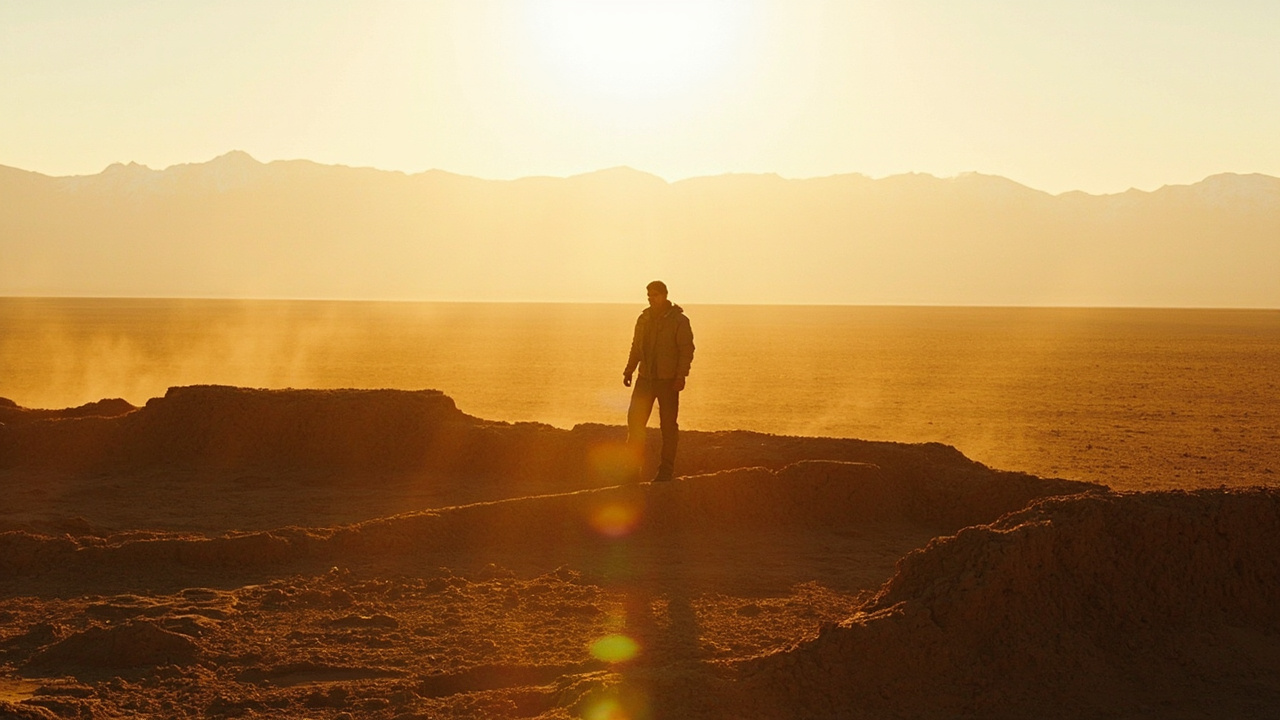
Silk Road China Itinerary
The first time I stood on the Jiayuguan city wall, the wind coming off the Gobi was so loud I couldn’t hear my own footsteps. I’d taken the overnight train from Lanzhou, arrived at 6 a.m. half-asleep, and paid a taxi driver 30 yuan to wait while I ate a bowl of beef noodles at a roadside stall. The noodles were terrible. The wall was not.
That’s the Silk Road in China for you — long stretches of discomfort punctuated by moments that rearrange something in your head. The route through Gansu and Xinjiang is roughly 2,000 km (1,240 miles) of desert, oasis towns, Buddhist caves, and crumbling mud-brick forts. Most first-timers skip it entirely and go straight to Beijing and Shanghai. That’s a mistake, but it’s an understandable one. The infrastructure is thinner out here, English is rarer, and the distances are genuinely punishing.
This guide covers the ten places I’d actually build a Silk Road trip around, in the order I’d do them. I’ve been through this corridor four times since 2019 — twice by train, once by hired car, once on a bicycle that I deeply regretted bringing. What follows is what I’d tell a friend who just texted me “thinking about doing the Silk Road, where do I start?”
Quick answer
For most foreign tourists, the classic Silk Road China itinerary runs Xi’an → Lanzhou → Zhangye → Jiayuguan → Dunhuang → Turpan → Urumqi, taking 12–16 days by high-speed rail and overnight train. Budget roughly $1,800–2,800 per person excluding international flights. The best months are May–June and September–October. If you’re from one of the 50+ countries covered by China’s visa-free entry (up to 30 days as of 2026), you can do this route without a visa — but Xinjiang requires extra planning and some hotels don’t accept foreign guests.
The Short Version
If you only have 10 days: fly to Xi’an, take the high-speed train to Dunhuang via Lanzhou, spend three nights in Dunhuang, then fly out of Dunhuang to your next city. Skip Urumqi and Turpan if you’re short on time. Dunhuang is the single most important stop on this entire route and everything else is negotiable.
How I Picked These
I’ve visited every place on this list at least once, most of them twice. I skipped Kashgar deliberately — I went in 2021 and the experience was complicated enough that I don’t feel comfortable recommending it to first-time visitors without a lot of caveats. I also left off the Xi’an Terracotta Warriors as a standalone entry because they’re already covered in my Beijing and Xi’an guide and they’re not really a “Silk Road” experience in the way the western sites are.
The rankings are based on a mix of: how much the site actually delivers versus its reputation, how easy it is for a non-Chinese speaker to navigate, and whether I’d go back. I talked to a Dunhuang tour guide named Wei who’s been working the route for 14 years, and a hostel owner in Zhangye who’s watched the foreign tourist numbers triple since 2023. Their input shaped a lot of this.
Comparison Table
| Rank | Place | Best For | Approx Cost (USD) | Time Needed | When to Go |
|---|---|---|---|---|---|
| 1 | Dunhuang | Mogao Caves, desert | $250–400 | 3 days | May–Oct |
| 2 | Xi’an | History, food, start point | $200–350 | 3 days | Apr–Jun, Sep–Oct |
| 3 | Jiayuguan | Great Wall western end | $120–200 | 1–2 days | May–Oct |
| 4 | Zhangye | Danxia landforms | $150–250 | 2 days | Jun–Sep |
| 5 | Turpan | Oasis culture, grapes | $150–250 | 2 days | Apr–Oct |
| 6 | Lanzhou | Noodles, gateway city | $100–180 | 1–2 days | Year-round |
| 7 | Urumqi | Xinjiang museum, bazaar | $200–350 | 2 days | May–Oct |
| 8 | Maijishan Grottoes | Buddhist cave art | $80–150 | 1 day | Apr–Oct |
| 9 | Xiahe | Tibetan monastery | $120–200 | 2 days | Jun–Sep |
| 10 | Yumen Pass | Remote Han dynasty ruin | $60–100 | Half day | May–Sep |
Dunhuang — The Reason You Came
I cried at the Mogao Caves. Not dramatically, just a few tears standing in front of a Tang dynasty bodhisattva in Cave 45. The guard pretended not to notice. That’s the kind of place this is.
Dunhuang is the single most important Silk Road site in China, full stop. The Mogao Caves hold 735 painted caves carved into a cliff face over a thousand years, and you get to see about eight of them on the standard tour. The rest are locked, climate-controlled, and studied by researchers. The ticket system is genuinely strict — you book online weeks in advance, you get a timed slot, you watch two films at the visitor center, then a shuttle bus takes you 15 km out to the actual caves.
What makes it special isn’t just the art. It’s that Dunhuang was where the Silk Road actually functioned as a meeting point — Chinese, Tibetan, Uyghur, Sogdian, and Indian traders all passed through. You can see it in the cave paintings, which mix Greek-influenced Buddha faces with Chinese landscape techniques and Persian textile patterns.
📍 Location: Mogao Caves are 25 km southeast of Dunhuang city, Gansu Province. The city itself is small and walkable.
🎫 Entry fee: Mogao Caves A-ticket is about $34 (238 CNY) in peak season, includes 8 caves and English guide. B-ticket is $14 (100 CNY) for 4 caves. Book at mgk.dha.ac.cn at least 2 weeks ahead.
🕒 Opening hours: 8:00–18:00 May–Oct, 9:00–17:30 Nov–Apr. Closed for maintenance some winter days.
🚕 How to actually get there: Fly into Dunhuang Mogao International Airport (DNH) — direct flights from Xi’an, Lanzhou, Beijing. Or take the high-speed train from Lanzhou (6 hours) or Jiayuguan (2.5 hours). From the city, shuttle buses to Mogao leave from the Digital Exhibition Center near the train station, or take a taxi for about $8 (55 CNY).
⏰ When to visit: May, June, September, October. July–August is brutally hot (40°C/104°F) and packed. Go at the 8 a.m. slot if you can — the caves are cooler and the light is better.
💡 Insider tips: The A-ticket sells out 3–4 weeks ahead in summer, so book the moment your dates are fixed. Bring your passport — you need it at every checkpoint. The night market on Shazhou Night Market street is genuinely good; try the apricot juice and the lamb skewers. The Crescent Lake and Singing Sand Dunes are touristy but worth one sunset. If you have an extra day, hire a driver to take you to Yumen Pass and Han Great Wall ruins.
The night I arrived, I ate dinner next to a Uyghur family who insisted I try their hand-pulled noodles. I couldn’t understand a word they said and they couldn’t understand me, but we managed 20 minutes of conversation through a translation app and a lot of pointing.
Xi’an — Where the Silk Road Actually Starts
Xi’an is where every Silk Road itinerary begins, whether you like it or not. It was Chang’an, the Tang dynasty capital, and the eastern terminus of the route. The city is now a 13-million-person sprawl with a subway system and a Muslim Quarter that’s been continuously inhabited for 1,300 years.
The Terracotta Warriors get all the attention, but I think the real Silk Road experience in Xi’an is the Great Mosque and the surrounding Muslim Quarter. The mosque was founded in 742 AD and looks like a Chinese garden with Arabic calligraphy — no domes, no minarets, just pavilions and courtyards. The Hui Muslim community here has been on this land for over a millennium and the food reflects it: yangrou paomo (lamb soup with torn bread), roujiamo (Chinese “hamburger”), and cold noodles with sesame paste.
📍 Location: Muslim Quarter is in the old city, near Bell Tower. Metro Line 2 to Zhonglou Station, Exit C.
🎫 Entry fee: Great Mosque is $4 (25 CNY) for non-Muslims. Terracotta Warriors are $17 (120 CNY) in peak season.
🕒 Opening hours: Great Mosque 8:00–19:30 daily. Terracotta Warriors 8:30–18:00 (last entry 16:30).
🚕 How to actually get there: Fly into Xi’an Xianyang International Airport (XIY), take the airport express to North Railway Station, then Metro Line 2 south. Or fly direct from most major Asian hubs. High-speed trains connect Xi’an to Beijing (4.5 hours), Shanghai (6 hours), and Lanzhou (3 hours).
⏰ When to visit: April–June and September–October. Summer is hot and crowded. Avoid Chinese national holidays (early October, early May) at all costs.
💡 Insider tips: Book Terracotta Warriors tickets on WeChat official account “秦始皇帝陵博物院” — the English site is unreliable. Go to the Muslim Quarter hungry and eat at the stalls with the longest local queues, not the ones with English menus. Set up Alipay or WeChat Pay before you arrive — cash is technically accepted but nobody wants it.
A shopkeeper near the mosque let me try on a hand-embroidered hat and then refused to let me pay for the tea she poured. “You’re a guest,” she said in English she’d clearly practiced.
Jiayuguan — The End of the Wall
The Great Wall doesn’t end at Badaling. It ends here, at Jiayuguan, in the middle of the Gobi Desert, at a fortress built in 1372 to guard the westernmost pass of the Ming dynasty. Beyond this point, historically, was exile.
The fortress itself is a well-restored Ming military complex with walls, towers, and a small museum. But the real draw is the setting — you can see the Qilian Mountains to the south, snow-capped year-round, and the black desert stretching west. There’s an “Overhanging Great Wall” section about 8 km north that’s a steep 45-minute climb with almost no crowds.
📍 Location: Jiayuguan city, Gansu Province. The fortress is 6 km west of downtown.
🎫 Entry fee: $16 (110 CNY) combined ticket for fortress + Overhanging Wall + First Pier.
🕒 Opening hours: 8:30–18:00 May–Oct, 9:00–17:00 Nov–Apr.
🚕 How to actually get there: High-speed train from Lanzhou (4 hours) or Zhangye (1.5 hours). Jiayuguan South Railway Station is 8 km from the fortress; take a taxi for about $5 (35 CNY) or bus 4.
⏰ When to visit: May–October. The wind is relentless year-round. Go early morning for the fortress, late afternoon for the Overhanging Wall.
💡 Insider tips: The combined ticket is valid for 3 days, so you can split the sites across two days. The “First Pier of the Great Wall” (长城第一墩) is a 20-minute drive from the fortress and mostly a ruin — skip it unless you’re a completist. Bring a windbreaker even in summer. There’s a decent noodle shop inside the fortress complex but the food in town is better.
I made the mistake of wearing shorts in October. The wind cut through them like they weren’t there. I bought a pair of cheap fleece pants at a market for $9 (60 CNY) and wore them for the rest of the trip.
Zhangye — The Rainbow Mountains (Sort Of)
The Zhangye Danxia landforms are the most photographed place on this route, and the photos are misleading. The colors are real, but they’re muted in person — the saturation in most Instagram shots comes from editing. That said, at sunrise or sunset, with the right light, the striped hills genuinely look painted.
The geopark has four viewing platforms connected by shuttle bus. Platform 4 is the famous one with the “rainbow” stripes. The whole visit takes 2–3 hours. The town of Zhangye itself is a pleasant oasis city with a giant reclining Buddha in the Dafo Temple and a night market that’s better than Dunhuang’s.
📍 Location: Linze County, 40 km west of Zhangye city, Gansu Province.
🎫 Entry fee: $11 (75 CNY) including shuttle bus.
🕒 Opening hours: 6:00–18:00 (sunrise and sunset slots require separate booking in peak season).
🚕 How to actually get there: High-speed train from Lanzhou (3 hours) or Jiayuguan (1.5 hours). From Zhangye West Station, take bus 4 or a taxi ($12/80 CNY) to the geopark.
⏰ When to visit: June–September. Sunrise is best for photos but you’ll need to book a special early slot. Weekdays are noticeably less crowded.
💡 Insider tips: The “Rainbow Mountains” nickname is marketing — locals call them 七彩丹霞 (seven-color Danxia). Bring a polarizing filter if you’re shooting photos; it cuts the haze. The Dafo Temple in Zhangye city has a 35-meter reclining Buddha that’s genuinely impressive and almost empty of tourists. Eat the local 搓鱼面 (cuoyu mian) — short, chewy noodles served with vegetables.
A hostel owner in Zhangye told me foreign tourist numbers have tripled since 2023. “Before, maybe five foreigners a week. Now, thirty.” He was happy about it but also said he’d had to learn English quickly.
Turpan — The Lowest Point in China
Turpan sits in a depression 154 meters below sea level, surrounded by desert, and yet it’s one of the greenest places in Xinjiang. The secret is the karez — an ancient underground irrigation system that channels snowmelt from the Tianshan Mountains through 5,000 km of tunnels. It’s been running for 2,000 years.
The city is Uyghur-majority and the culture is distinctly Central Asian. The Emin Minaret is a 44-meter Islamic tower built in 1777. The Jiaohe Ruins are a 2,000-year-old abandoned city on a plateau. The Grape Valley is exactly what it sounds like — vineyards, trellises, and Uyghur families selling raisins and fresh grapes.
📍 Location: Turpan, Xinjiang Uyghur Autonomous Region. About 180 km southeast of Urumqi.
🎫 Entry fee: Emin Minaret $7 (45 CNY). Jiaohe Ruins $10 (70 CNY). Grape Valley $9 (60 CNY).
🕒 Opening hours: Most sites 8:00–20:00 in summer, shorter in winter.
🚕 How to actually get there: High-speed train from Urumqi (1 hour) or Dunhuang (4 hours). Turpan North Railway Station is 40 km from the city; taxi is about $15 (100 CNY).
⏰ When to visit: April–October. Summer is extremely hot (45°C/113°F). Spring and autumn are ideal.
💡 Insider tips: Xinjiang has extra security checkpoints — carry your passport at all times. Some hotels in Turpan don’t accept foreign guests; book through a platform that confirms foreigner acceptance (Trip.com is more reliable than Booking here). The night market near the Emin Minaret is excellent. Try the 大盘鸡 (big plate chicken) and the local naan, which is better than anywhere else in China.
I got stopped at a checkpoint outside Turpan and spent 20 minutes explaining through a translation app that I was a tourist, not a journalist. The officer was polite but thorough. Bring patience.
Lanzhou — Just Here for the Noodles
Lanzhou is a transit city. Almost everyone passes through on the way to somewhere else. But the beef noodles here are the best in China, and that alone justifies a night.
Lanzhou beef noodles (兰州牛肉面) are a specific thing: hand-pulled noodles in clear beef broth with sliced beef, chili oil, cilantro, and radish. The city has thousands of noodle shops and the good ones sell out by 10 a.m. The best I’ve found is a hole-in-the-wall near the Zhangye Road night market with no English sign and a line out the door.
The city itself has the Yellow River running through it, a decent provincial museum with Silk Road artifacts, and not much else. One night is enough.
📍 Location: Lanzhou, Gansu Province. Noodle shops cluster around Zhangye Road and the Yellow River.
🎫 Entry fee: Provincial Museum is free (passport required).
🕒 Opening hours: Noodle shops 6:00–14:00 typically. Museum 9:00–17:00, closed Mondays.
🚕 How to actually get there: Lanzhou is the main rail hub for the region. High-speed trains from Xi’an (3 hours), Beijing (8 hours), and Urumqi (11 hours). Airport is 70 km from the city — take the airport express train.
⏰ When to visit: Year-round. Spring and autumn are most pleasant.
💡 Insider tips: Order your noodles by width — 毛细 (very thin), 细 (thin), 二细 (medium), 宽 (wide). “二细” is the standard. Pay at the counter first, then hand your ticket to the noodle puller. Add vinegar and chili oil at the table. The provincial museum has genuine Silk Road textiles and a giant fossil of a prehistoric giraffe-relative that’s worth 30 minutes.
I ate three bowls of noodles in one day in Lanzhou. I regret nothing.
Urumqi — Gateway to Xinjiang
Urumqi is the capital of Xinjiang and the biggest city on this route, with 4 million people. It’s modern, sprawling, and honestly not that interesting as a tourist destination. But the Xinjiang Regional Museum is one of the best in China, and the Grand Bazaar is worth an afternoon.
The museum’s star attraction is a collection of 3,000-year-old mummies from the Tarim Basin, including the famous “Loulan Beauty” — a woman with European features who died around 1800 BC. The mummies are genuinely extraordinary and the museum has excellent English signage.
📍 Location: Urumqi, Xinjiang. Museum is in the northern part of the city, near the Nanmen metro stop.
🎫 Entry fee: Museum is free (passport required, book online in advance). Grand Bazaar is free to enter.
🕒 Opening hours: Museum 10:30–18:00, closed Mondays. Bazaar 10:00–22:00.
🚕 How to actually get there: Fly into Urumqi Diwopu International Airport (URC) — direct flights from Beijing, Shanghai, and most Central Asian capitals. Or arrive by high-speed train from Turpan (1 hour).
⏰ When to visit: May–October. Winter is cold and the city is grey.
💡 Insider tips: Book museum tickets on the official WeChat account at least 3 days ahead — walk-ins are often turned away. The Grand Bazaar is mostly a tourist market but the food court on the second floor has good Uyghur food. Security is heavy throughout the city; expect bag checks at metro stations and malls. If you’re American, be aware that Xinjiang travel can attract extra scrutiny — it’s legal and safe, but plan for it.
A Uyghur vendor at the bazaar sold me a hand-embroidered doppa (skullcap) and then spent 10 minutes teaching me how to say “thank you” in Uyghur. “Rahmat.” I still remember it.
Maijishan Grottoes — The Caves Nobody Talks About
Maijishan is the most underrated site on this entire route. It’s a 1,600-year-old Buddhist cave complex carved into a 142-meter cliff face, with 194 caves and over 7,000 sculptures. It gets a fraction of the visitors that Mogao does, and the experience is arguably more dramatic because you’re climbing narrow wooden walkways bolted to the cliff.
The caves are 45 km southeast of Tianshui, a small city in Gansu. Most tourists skip it entirely. That’s their loss.
📍 Location: Maijishan District, Tianshui, Gansu Province.
🎫 Entry fee: $12 (80 CNY) for the main caves. Some special caves require separate tickets.
🕒 Opening hours: 8:00–17:30 May–Oct, 8:30–17:00 Nov–Apr.
🚕 How to actually get there: High-speed train from Lanzhou (1.5 hours) or Xi’an (2 hours) to Tianshui South Station. From there, bus 34 or a taxi ($15/100 CNY) to Maijishan.
⏰ When to visit: April–October. Avoid weekends if possible.
💡 Insider tips: The walkways are narrow and vertiginous — if you’re afraid of heights, this might not be for you. Bring cash for the small vendors at the base. The Tianshui night market has excellent 呱呱 (guagua), a local noodle dish made from pea starch. The site is genuinely uncrowded even in peak season.
I had the walkways almost to myself on a Tuesday in May. The only other visitors were a school group of 12-year-olds who found the whole thing hilarious.
Xiahe — Tibetan Monastery in Gansu
Xiahe is a small town in southern Gansu with a majority Tibetan population and the Labrang Monastery, one of the six great monasteries of the Gelug school of Tibetan Buddhism. It’s at 2,900 meters altitude, so give yourself a day to acclimatize.
The monastery has 6,000 monks in residence and the surrounding town has a strong Tibetan character — prayer flags, butter tea, and pilgrims doing full-body prostrations around the monastery perimeter. It’s the closest thing to Tibet you can visit without a permit.
📍 Location: Xiahe County, Gannan Tibetan Autonomous Prefecture, Gansu Province.
🎫 Entry fee: Monastery is $6 (40 CNY) with a guided tour.
🕒 Opening hours: 8:00–18:00 daily. Tours in English at 10:15 and 14:15 (check ahead).
🚕 How to actually get there: Bus from Lanzhou (4 hours) or fly to Gannan Xiahe Airport (flight from Lanzhou, 1 hour). The bus is more scenic.
⏰ When to visit: June–September. Winter is cold and many guesthouses close.
💡 Insider tips: Dress modestly — cover shoulders and knees. Don’t photograph monks without asking. The kora (pilgrimage circuit) around the monastery takes about an hour on foot and is the best way to see the place. Try the Tibetan yogurt with honey at one of the small cafes on the main street. Altitude sickness is real — drink water, take it slow the first day.
I sat on a bench outside the monastery for an hour watching pilgrims walk the kora. An old woman stopped to give me a piece of dried yak cheese. It tasted like leather. I ate it anyway.
Yumen Pass — The Actual End of the Road
Yumen Pass (玉门关) is a Han dynasty frontier post 90 km northwest of Dunhuang, in the middle of absolutely nothing. It’s a mud-brick ruin, about 10 meters tall, surrounded by desert. There’s a small museum and a parking lot. That’s it.
And yet, standing there, looking west toward nothing, you understand something about the Silk Road that no museum can teach you. This was the edge of the known world for a Chinese official in 100 BC. Beyond this, you were on your own.
📍 Location: 90 km northwest of Dunhuang, Gansu Province. Only accessible by car or tour.
🎫 Entry fee: $6 (40 CNY) combined ticket with Han Great Wall and Yangguan Pass.
🕒 Opening hours: 8:00–18:00 May–Oct. Closed in winter.
🚕 How to actually get there: Hire a driver in Dunhuang for the day — about $60–80 (400–550 CNY) for the round trip, including stops at Han Great Wall and Yangguan Pass. No public transport.
⏰ When to visit: May–September. Go early morning — the desert heat is brutal by noon.
💡 Insider tips: Bring water, sunscreen, and a hat. There’s no shade anywhere. The “Yangguan Pass” nearby is more restored but less atmospheric. Most tour groups do all three sites in one day — that’s the right approach. The drive itself is the experience; you’ll pass through salt flats and see wild camels.
The driver I hired, a man named Liu, played Uyghur pop music the whole way and stopped twice to show me wild camel tracks in the sand. He didn’t speak English and I don’t speak enough Mandarin for a real conversation, but we managed.
FAQ summary
The classic Silk Road China itinerary runs Xi’an → Lanzhou → Zhangye → Jiayuguan → Dunhuang → Turpan → Urumqi over 12–16 days, using high-speed rail and overnight trains. Budget $1,800–2,800 per person excluding international flights. Most foreign visitors from 50+ countries can enter visa-free for up to 30 days as of 2026, but Xinjiang requires extra planning — some hotels don’t accept foreign guests, and security checkpoints are common. Book Mogao Caves tickets 3–4 weeks ahead; they sell out in summer. Best travel months are May–June and September–October.
FAQ
Q: Do I need a visa for the Silk Road route in China? A: As of 2026, citizens of 50+ countries (including the US, UK, most of the EU, Australia, Japan, and South Korea) can enter China visa-free for up to 30 days. If your country isn’t covered, you’ll need a standard tourist visa — see the China visa guide for details. Xinjiang is fully open to foreign tourists but expect extra security checks.
Q: How much does a Silk Road trip in China cost? A: Budget $1,800–2,800 per person for 12–16 days, excluding international flights. This covers high-speed trains ($400–600 total), hotels ($40–80/night for mid-range), food ($15–25/day), and site tickets ($150–250 total). Dunhuang and Urumqi are the most expensive stops; Lanzhou and Zhangye are the cheapest.
Q: What’s the best way to travel the Silk Road in China? A: High-speed rail for the eastern half (Xi’an–Lanzhou–Zhangye–Jiayuguan–Dunhuang) and either high-speed rail or short flights for the western half (Dunhuang–Turpan–Urumqi). Book trains on Trip.com or the official 12306 app 2 weeks ahead. See the China train travel guide for booking details.
Q: Do I need a VPN or SIM card for the Silk Road? A: Yes to both. Google, WhatsApp, Instagram, and most Western apps are blocked in China. Get an international eSIM (Airalo, Holafly) before you arrive or a local SIM at the airport. For VPN, install it before you land — see the China SIM and internet guide. Xinjiang has additional restrictions on some apps.
Q: Is Xinjiang safe for foreign tourists? A: Yes, it’s safe. Security is heavy — expect bag checks at metro stations, malls, and some hotels. The main practical issue is that some hotels don’t accept foreign guests, so book through Trip.com and confirm foreigner acceptance. American citizens should be aware that Xinjiang travel can attract extra scrutiny at checkpoints, though it’s fully legal.
Q: What should I pack for the Silk Road? A: Layers, a windbreaker, sunscreen, a hat, and comfortable walking shoes. Desert temperatures swing 20°C between day and night. Bring a power bank — you’ll be on trains and in the desert for long stretches. A translation app (Pleco or Baidu Translate) is essential; English is rare outside major hotels.
Q: Can I do the Silk Road in 10 days? A: Yes, but you’ll have to cut. The best 10-day version is Xi’an (2 nights) → Lanzhou (1 night) → Dunhuang (3 nights) → fly out. Skip Zhangye, Jiayuguan, Turpan, and Urumqi. You’ll miss a lot, but Dunhuang alone justifies the trip.
The Honest Wrap-up
This itinerary is for travelers who are comfortable with discomfort. It’s not for people who want a curated, English-speaking, air-conditioned experience. The Silk Road in China is dusty, hot, occasionally frustrating, and full of moments where you’ll have no idea what’s happening. That’s the point.
If you’re a first-time visitor to China and you only have two weeks, I’d honestly suggest doing Beijing–Xi’an–Shanghai instead. Come back for the Silk Road when you have three weeks and a higher tolerance for ambiguity. But if you’re ready for it — if the idea of standing alone at Yumen Pass at sunrise sounds like your kind of thing — then book the flight. Go in September. Book Mogao now.
The noodles in Lanzhou are worth the trip by themselves.
More guides you may like
Top 10 Bridges in China
China's bridges are engineering marvels spanning mountains, rivers, and seas. Here are 10 of the most spectacular, from ancient stone to modern steel.
8 min read

Top 10 Buddhist Sites in China
From the Leshan Giant Buddha to the Dunhuang Caves, these 10 Buddhist sites represent 2,000 years of China's spiritual heritage.
9 min read
Top 10 Day Trips from Beijing You Shouldn't Miss
Beijing is packed with history, but some of China's best experiences are just a few hours away. Here are 10 day trips that will transform your visit.
9 min read
Top 10 Hidden Gems in China Off the Beaten Path
Beyond the Great Wall and Terracotta Warriors, China has incredible hidden destinations few tourists ever reach. Here are 10 underrated gems worth the detour.
9 min read
Top 10 Markets and Shopping Streets in China
From Shanghai's Bund to Beijing's Silk Street - 10 markets where foreigners can haggle, explore, and bring home authentic Chinese goods.
9 min read
Top 10 Museums in China You Shouldn't Miss
China's museums span 5,000 years of civilization. These 10 - from the Palace Museum to Xi'an's terracotta gallery - are unmissable for culture lovers.
9 min read