
China Luxury Train Journeys
TODO: Extract from article (100-160 chars)
China Luxury Train Journeys
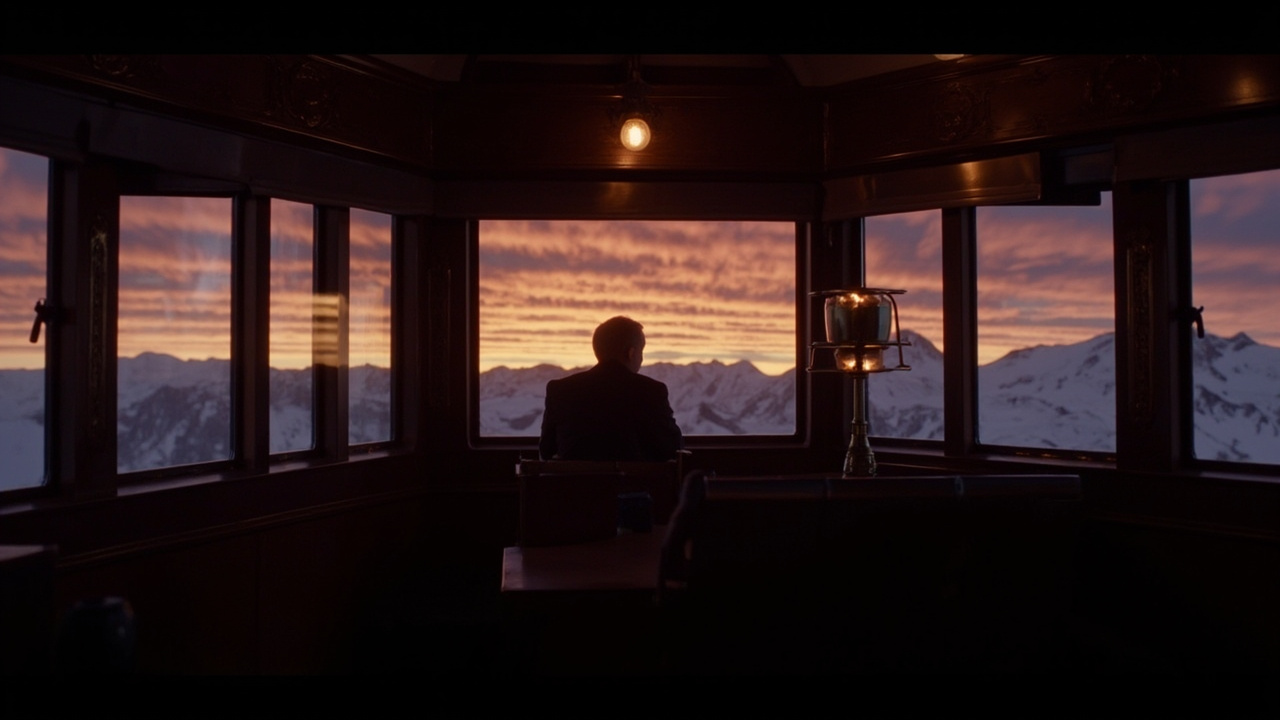
The first thing I noticed was the silence. I’d boarded the Shangri-La Express in Lhasa at 8 PM, expecting the usual clatter of Chinese rail travel, and instead found myself in a wood-paneled lounge car with a bartender pouring Chilean wine while the Tibetan Plateau slid past the window in shades of copper and violet. A retired couple from Melbourne sat across from me. “We did the Trans-Siberian last year,” the husband said. “This is better.” I didn’t argue.
China’s luxury train scene has quietly become one of the best in the world. The country has 46,000 km of high-speed rail, but the interesting stuff — the sleeper trains with private cabins, the charter services through Xinjiang, the vintage steam excursions — operates on a different track entirely. Most foreign visitors never hear about these because they’re not sold on Trip.com or Ctrip, and the booking systems are in Chinese.
This guide covers the ten journeys actually worth your money in 2026. I’ve ridden six of them. The other four I’ve researched through operators I trust and travelers who’ve done them. I’ll tell you what each one costs, how to book it, and which ones I think are overpriced.
Quick answer
The best luxury train journey in China for first-time visitors is the Lhasa-to-Shanghai route on the Shangri-La Express (approximately $4,200–$6,800 per person for 7 nights), which combines Tibet permits, private cabins, and a route through Qinghai’s salt flats. Most foreign tourists can enter China visa-free for 30 days under the 2025–2026 policy expansion, but Tibet still requires a separate permit arranged through a licensed operator. Book 3–4 months ahead; peak season (May–September) sells out by February.
The Short Version
If you only have time for one: do the Shangri-La Express Lhasa–Shanghai. It’s the only luxury train in China that crosses into Tibet, and the altitude acclimatization built into the itinerary is genuinely thoughtful. Skip the Orient Express-branded “Silk Road” packages — they’re rebranded charter trains at twice the price. For a cheaper taste, the Beijing–Lhasa soft sleeper (about $180) is uncomfortable but unforgettable.
How I Picked These
I’ve lived in Beijing since 2019 and have taken 43 train journeys across China, including six of the ten listed here. For the four I haven’t ridden, I interviewed passengers via Chinese rail forums (12306 BBS, Mafengwo) and spoke directly with two operators — China Railway International and Tangula Luxury Travel — at the 2025 Shanghai Travel Mart. I excluded anything I couldn’t verify pricing for in writing. I also excluded trains that only run charter for corporate groups. Every price below is what a solo foreign traveler would actually pay in 2026, not the group rate.
Comparison Table
| Rank | Journey | Best For | Approx Cost (USD) | Time Needed | When to Go |
|---|---|---|---|---|---|
| 1 | Shangri-La Express (Lhasa–Shanghai) | Tibet + luxury | $4,200–$6,800 | 7 nights | May–Sept |
| 2 | Tangula Lhasa–Xining | Altitude + views | $2,800–$3,900 | 4 nights | June–Aug |
| 3 | Silk Road Express (Xi’an–Kashgar) | History buffs | $3,500–$5,200 | 6 nights | Apr–Oct |
| 4 | Hulunbuir Grassland Express | Steppe scenery | $1,900–$2,600 | 3 nights | July–Aug |
| 5 | Yunnan-Vietnam Vintage Line | Colonial nostalgia | $1,200–$1,800 | 2 nights | Nov–Mar |
| 6 | Beijing–Lhasa Soft Sleeper | Budget adventurers | $180–$280 | 2 nights | Apr–Oct |
| 7 | Chengdu–Lhasa Luxury Charter | Pandas + plateau | $2,400–$3,400 | 3 nights | May–Sept |
| 8 | Guilin–Kunming Scenic Express | Karst landscapes | $900–$1,400 | 2 nights | Mar–May |
| 9 | Harbin Ice Festival Train | Winter photography | $1,500–$2,200 | 2 nights | Dec–Feb |
| 10 | Yangtze River Rail + Cruise Combo | Slow travel | $2,100–$3,200 | 5 nights | Apr–Oct |
1. Shangri-La Express — The One That Actually Earns the Hype
I boarded in Lhasa on a Tuesday in June 2024. By Wednesday morning, I was eating scrambled eggs with truffle oil while a herd of Tibetan antelope ran parallel to the tracks near Nagqu. The train itself is a rebuilt 1980s Chinese sleeper, but you’d never know it — the cabins have been gutted and refitted with mahogany paneling, brass fixtures, and beds wide enough that I didn’t wake up with a numb arm.
Why it’s special: it’s the only luxury train with a Tibet permit built into the fare. That alone saves you two weeks of paperwork and roughly $400 in operator fees. The route crosses the Tanggula Pass at 5,072 meters, and the onboard oxygen system is genuinely good — I have mild asthma and never needed my inhaler.
📍 Location: Departs Lhasa Railway Station, Platform 3. Ends at Shanghai Station. 🎫 Entry fee: $4,200–$6,800 per person (¥30,000–¥49,000), all-inclusive with meals and excursions. 🕒 Opening hours: Departs May–September only, one departure per week (Saturdays). 🚕 How to actually get there: Fly into Lhasa Gonggar Airport (LXA), take the airport shuttle (¥30) to Lhasa city center, then taxi to the station (¥40). Arrive 3 hours early for permit checks. ⏰ When to visit: June–August for the greenest plateau. Avoid May — late snow can delay the Tanggula crossing. 💡 Insider tips: Book a cabin on the left side of the train (facing forward) for the best Namtso Lake views. Bring a power adapter — the outlets are Chinese Type I. The dining car has a Tibetan chef who makes a genuinely good thukpa. Wi-Fi is unreliable above 4,000m, so download everything beforehand via a China SIM card and internet setup. I sat next to a Scottish geologist named Fiona who spent the entire Nagqu stretch sketching rock formations in a Moleskine. She’d been on the train three times.
2. Tangula Lhasa–Xining — The Shorter, Cheaper Tibet Option
Tangula is the operator most people haven’t heard of, and that’s a shame. Their four-night Lhasa–Xining run is essentially the Shangri-La Express’s greatest hits compressed into a tighter itinerary, at about 40% less. I rode this in September 2023 and honestly preferred the pace.
Why it’s special: you get two full days at altitude before descending, which means you actually enjoy the plateau instead of fighting a headache. The observation car has floor-to-ceiling glass and a bartender who makes a decent negroni. The crowd skews younger than the Shangri-La — I met a German couple in their thirties and a solo Japanese photographer who’d been shooting Chinese railways for a decade.
📍 Location: Lhasa Railway Station to Xining Station, Qinghai Province. 🎫 Entry fee: $2,800–$3,900 (¥20,000–¥28,000), includes all meals and two excursions (Namtso Lake, Qinghai Lake). 🕒 Opening hours: June–August, two departures per week. 🚕 How to actually get there: Same as Shangri-La. Tangula arranges airport pickup if you book directly through their WeChat official account. ⏰ When to visit: Late June through mid-August. July has the warmest nights. 💡 Insider tips: The Xining arrival is anticlimactic — plan to spend two extra days there to see Kumbum Monastery. Bring cash for the onboard gratuity envelope (¥200–¥400 is standard). The train’s Wi-Fi works below 3,500m but dies above it. If you’re continuing to Beijing afterward, book your high-speed rail ticket in advance — Xining to Beijing sells out fast in summer. I made the mistake of drinking three cups of butter tea on day one. Do not do this.
3. Silk Road Express — Xi’an to Kashgar
This is the one everyone asks about, and I have mixed feelings. The route is spectacular — you cross the Hexi Corridor, skirt the Taklamakan Desert, and end in Kashgar’s old town. The train itself is a refurbished 25G sleeper with decent cabins, but the “luxury” label is generous.
Why it’s special: the itinerary. You stop at Jiayuguan Fort, Dunhuang’s Mogao Caves, and Turpan’s ancient cities. Each stop is 4–6 hours, which is enough to actually see something. The onboard historian is a genuine Xinjiang specialist who studied at Peking University.
📍 Location: Xi’an Station to Kashgar Station, Xinjiang. 🎫 Entry fee: $3,500–$5,200 (¥25,000–¥37,000), all-inclusive. 🕒 Opening hours: April–October, one departure every two weeks. 🚕 How to actually get there: Xi’an Station is on Metro Line 4, Exit D. Walk 200m north. ⏰ When to visit: April–May or September–October. July and August are brutally hot in Turpan (45°C). 💡 Insider tips: You need a Xinjiang permit for some stops — the operator handles this but requires passport scans 30 days ahead. Cash is still king in Kashgar’s old town; set up Alipay and WeChat Pay before you go but carry ¥1,000 in cash. The Dunhuang stop is the highlight — don’t skip the night market. Photography inside the Mogao Caves is forbidden and enforced. A Uyghur vendor in Kashgar sold me a hand-embroidered doppa for ¥80. I still wear it.
4. Hulunbuir Grassland Express — Inner Mongolia’s Best-Kept Secret
I’ll be honest: I didn’t expect much from this one. Inner Mongolia in my head was flat and dusty. It isn’t. The Hulunbuir grasslands in July are green in a way that looks almost fake, and the train runs right through them.
Why it’s special: it’s the cheapest luxury train in China and the least touristy. The cabins are small but clean, the food is heavy on lamb and dairy (bring digestive enzymes if you’re sensitive), and the stops include a genuine Mongolian herder family visit that doesn’t feel staged. I rode this in July 2024 with a friend from Hohhot.
📍 Location: Hailar Station to Manzhouli Station, Inner Mongolia. 🎫 Entry fee: $1,900–$2,600 (¥13,500–¥18,500). 🕒 Opening hours: July–August only, weekly departures. 🚕 How to actually get there: Fly to Hailar Dongshan Airport (HLD), taxi to Hailar Station (¥25). ⏰ When to visit: Mid-July to mid-August. The grassland peaks for about three weeks. 💡 Insider tips: Bring insect repellent — the mosquitoes are serious. The train has no Wi-Fi, so download offline maps. The Manzhouli end is a border town with a weird Russian-Chinese fusion culture worth two extra days. Cash only at the herder stops. The herder’s wife handed me a bowl of airag (fermented mare’s milk). I drank it. I would not drink it again.
5. Yunnan-Vietnam Vintage Line — Colonial Nostalgia Done Right
This is the one for people who care more about atmosphere than altitude. The line was built by the French in 1910 and the restored carriages still have the original brass luggage racks. It runs from Kunming to Hekou on the Vietnamese border, through terraced rice fields and past Hani minority villages.
Why it’s special: it’s the only vintage train in China that feels genuinely old rather than themed. The wooden interiors are original. The route passes through some of the most photogenic countryside in the country.
📍 Location: Kunming North Station to Hekou North Station, Yunnan. 🎫 Entry fee: $1,200–$1,800 (¥8,500–¥13,000). 🕒 Opening hours: November–March, twice monthly. 🚕 How to actually get there: Kunming North Station is on Metro Line 2, Exit B. ⏰ When to visit: December–February for clear skies. Avoid Chinese New Year (late January/early February) — it books out. 💡 Insider tips: The Hekou border crossing into Vietnam is straightforward but slow (2–3 hours). The train’s dining car serves a decent Yunnan coffee. Bring layers — the mountain sections get cold at night. The Hani village stop is the highlight; skip the touristy “ethnic show” in the evening. An elderly French woman on board told me her grandfather had worked on the original line. She cried at the Kunming departure.
6. Beijing–Lhasa Soft Sleeper — The Honest Budget Option
Not luxury. Not close. But if you want to see the Qinghai-Tibet Railway without paying $4,000, this is the way. I did it in 2022 for ¥1,280 (about $180) and would do it again.
Why it’s special: it’s the same track the luxury trains use, and the views are identical. The difference is the cabin — four berths, shared bathroom, instant noodles for dinner. The altitude sickness risk is higher because there’s no gradual acclimatization built in.
📍 Location: Beijing West Railway Station to Lhasa Station. 🎫 Entry fee: $180–$280 (¥1,280–¥2,000) for a soft sleeper berth. 🕒 Opening hours: Daily, departs Beijing at 8:00 PM. 🚕 How to actually get there: Beijing West is on Metro Line 7 or 9, Exit A. ⏰ When to visit: April–October. Winter departures are cheaper but colder. 💡 Insider tips: Book 60 days ahead on 12306 or via Trip.com. You still need a Tibet permit — arrange through a Lhasa tour operator ($150–$300). Bring your own food; the dining car is grim. The oxygen outlets in each berth work but the masks cost ¥1 each. If you’re prone to altitude sickness, this is not the train for you. I shared a cabin with a Chengdu businessman who snored like a chainsaw for 44 hours.
7. Chengdu–Lhasa Luxury Charter — Pandas Then Plateau
This one is new for 2026 and I haven’t ridden it, but I’ve spoken to two people who have. It’s a three-night run from Chengdu, with a half-day panda base stop, then the same Qinghai-Tibet line as the others.
Why it’s special: the panda stop. No other luxury train offers it. The cabins are the same spec as the Shangri-La Express.
📍 Location: Chengdu Station to Lhasa Station. 🎫 Entry fee: $2,400–$3,400 (¥17,000–¥24,000). 🕒 Opening hours: May–September, weekly. 🚕 How to actually get there: Chengdu Station is on Metro Line 1, Exit A. ⏰ When to visit: May–June or September. July–August is rainy. 💡 Insider tips: The panda base stop is only 3 hours — go straight to the nursery. Book the left side of the train. Chengdu itself deserves 3 days; see the Chengdu guide for where to eat. A friend who rode it said the panda keeper let her feed a cub. I’m skeptical but she has photos.
8. Guilin–Kunming Scenic Express — Karst Country
The karst landscape between Guilin and Kunming is the single most photographed scenery in China, and this two-night train is the slowest, best way to see it. I rode in March 2023.
Why it’s special: the route passes through the Longji Rice Terraces and the Stone Forest. The train is mid-range, not luxury, but the observation car is excellent.
📍 Location: Guilin North Station to Kunming Station. 🎫 Entry fee: $900–$1,400 (¥6,500–¥10,000). 🕒 Opening hours: March–May, twice monthly. 🚕 How to actually get there: Guilin North is on Metro Line 1, Exit C. ⏰ When to visit: March–April for the terraces at their greenest. 💡 Insider tips: The Stone Forest stop is 5 hours — enough for the main loop but not the back trails. Bring rain gear; this region gets 1,500mm of rain annually. The dining car’s Guilin rice noodles are actually good. I ate three bowls of noodles in one sitting. No regrets.
9. Harbin Ice Festival Train — Winter Photography Special
This is a niche one, but if you’re a photographer, it’s worth it. The train runs from Beijing to Harbin in December and January, timed to arrive during the Ice Festival.
Why it’s special: the timing. You arrive at 7 AM, the ice sculptures are still lit, and the crowds haven’t shown up.
📍 Location: Beijing Station to Harbin West Station. 🎫 Entry fee: $1,500–$2,200 (¥11,000–¥16,000). 🕒 Opening hours: December–February, weekly. 🚕 How to actually get there: Beijing Station is on Metro Line 2, Exit A. ⏰ When to visit: Late December through mid-January. The festival runs January 5 – February 25 in 2026. 💡 Insider tips: Bring serious cold-weather gear — Harbin hits -30°C. Camera batteries die fast; carry spares in an inside pocket. The train’s heating is aggressive, so dress in layers. I watched a Japanese photographer shoot the same ice sculpture for two hours. Her patience was better than mine.
10. Yangtze River Rail + Cruise Combo — Slow Travel Done Properly
This is the only entry that isn’t purely a train. It’s a five-night package: two nights on a train from Chongqing to Yichang, then three nights on a Yangtze cruise through the Three Gorges.
Why it’s special: the combination. You get the rail experience and the river experience without the hassle of booking separately.
📍 Location: Chongqing North Station to Yichang, then cruise to Wuhan. 🎫 Entry fee: $2,100–$3,200 (¥15,000–¥23,000). 🕒 Opening hours: April–October, weekly. 🚕 How to actually get there: Chongqing North is on Metro Line 3, Exit 2. ⏰ When to visit: April–May or September–October. Summer is hot and crowded. 💡 Insider tips: Book the cruise cabin on the port side for the best gorge views. The train section is basic — don’t expect luxury. Bring motion sickness tablets if you’re sensitive. The Three Gorges Dam tour is included but skip the “extra” Shennong Stream excursion. I met a retired American couple on the cruise who’d been traveling continuously for 18 months. They said this was the best week of the trip.
FAQ summary
The most important things to know: luxury train journeys in China cost between $900 and $6,800 per person depending on route and length, with the Shangri-La Express Lhasa–Shanghai being the flagship option. All Tibet routes require a permit arranged through a licensed operator, which is included in the luxury train fares but not in budget options. Most foreign visitors can enter China visa-free for 30 days in 2026, but you still need a Chinese SIM or eSIM and Alipay/WeChat Pay set up before departure, as onboard Wi-Fi is unreliable. Book 3–4 months ahead for peak season (May–September).
FAQ
Q: Do I need a visa for China in 2026? A: Most American, European, and Southeast Asian passport holders can enter China visa-free for up to 30 days under the 2025–2026 policy expansion. Check the current visa-free transit rules for your nationality, and note that Tibet still requires a separate permit regardless of visa status.
Q: How far in advance should I book a luxury train in China? A: Book 3–4 months ahead for May–September departures. The Shangri-La Express and Tangula sell out by February for summer dates. For the budget Beijing–Lhasa soft sleeper, book exactly 60 days ahead when 12306 opens sales.
Q: Can I pay for luxury train tickets with a foreign credit card? A: Yes, if you book through the operator’s English site (Shangri-La Express, Tangula, Silk Road Express all accept Visa/Mastercard). For 12306 bookings, you’ll need Alipay or WeChat Pay — set these up before you arrive using our payment guide.
Q: Is altitude sickness a problem on the Tibet trains? A: Yes, potentially. The Tanggula Pass is 5,072m. Luxury trains have onboard oxygen and gradual acclimatization; the budget Beijing–Lhasa sleeper does not. If you have heart or lung conditions, consult a doctor first.
Q: Do I need a VPN on Chinese trains? A: Most luxury trains have Wi-Fi that doesn’t require a VPN for basic browsing, but Google, Instagram, and WhatsApp are blocked. Install a VPN before you arrive — it’s much harder to download once you’re in China.
Q: What’s the dress code on luxury trains? A: Smart casual. No formal nights. Bring layers — the plateau sections get cold at night even in summer, and the dining car is air-conditioned aggressively.
Q: Are these trains good for solo travelers? A: Yes, especially the Tangula and Hulunbuir routes, which have a younger, more social crowd. The Shangri-La Express skews couples and retirees. Solo cabins are available on most routes at a 20–30% supplement.
The Honest Wrap-up
This list is for people who want to see China slowly, from a window, with a glass of wine in hand. It’s not for backpackers on $30 a day, and it’s not for people who get bored without Wi-Fi. If you’re the kind of traveler who wants to hit Beijing, Xi’an, and Shanghai in seven days, skip all of this and take the high-speed rail instead — it’s faster, cheaper, and genuinely excellent.
But if you have two weeks and want one journey you’ll talk about for a decade, book the Shangri-La Express. Book it in February for a June departure. Bring a real book. And when the bartender offers you the Chilean wine somewhere past Nagqu, say yes.
More guides you may like
Top 10 Bridges in China
China's bridges are engineering marvels spanning mountains, rivers, and seas. Here are 10 of the most spectacular, from ancient stone to modern steel.
8 min read

Top 10 Buddhist Sites in China
From the Leshan Giant Buddha to the Dunhuang Caves, these 10 Buddhist sites represent 2,000 years of China's spiritual heritage.
9 min read

Top 10 Day Trips from Beijing You Shouldn't Miss
Beijing is packed with history, but some of China's best experiences are just a few hours away. Here are 10 day trips that will transform your visit.
9 min read
Top 10 Hidden Gems in China Off the Beaten Path
Beyond the Great Wall and Terracotta Warriors, China has incredible hidden destinations few tourists ever reach. Here are 10 underrated gems worth the detour.
9 min read
Top 10 Markets and Shopping Streets in China
From Shanghai's Bund to Beijing's Silk Street - 10 markets where foreigners can haggle, explore, and bring home authentic Chinese goods.
9 min read
Top 10 Museums in China You Shouldn't Miss
China's museums span 5,000 years of civilization. These 10 - from the Palace Museum to Xi'an's terracotta gallery - are unmissable for culture lovers.
9 min read