
China Scams to Avoid
TODO: Extract from article (100-160 chars)
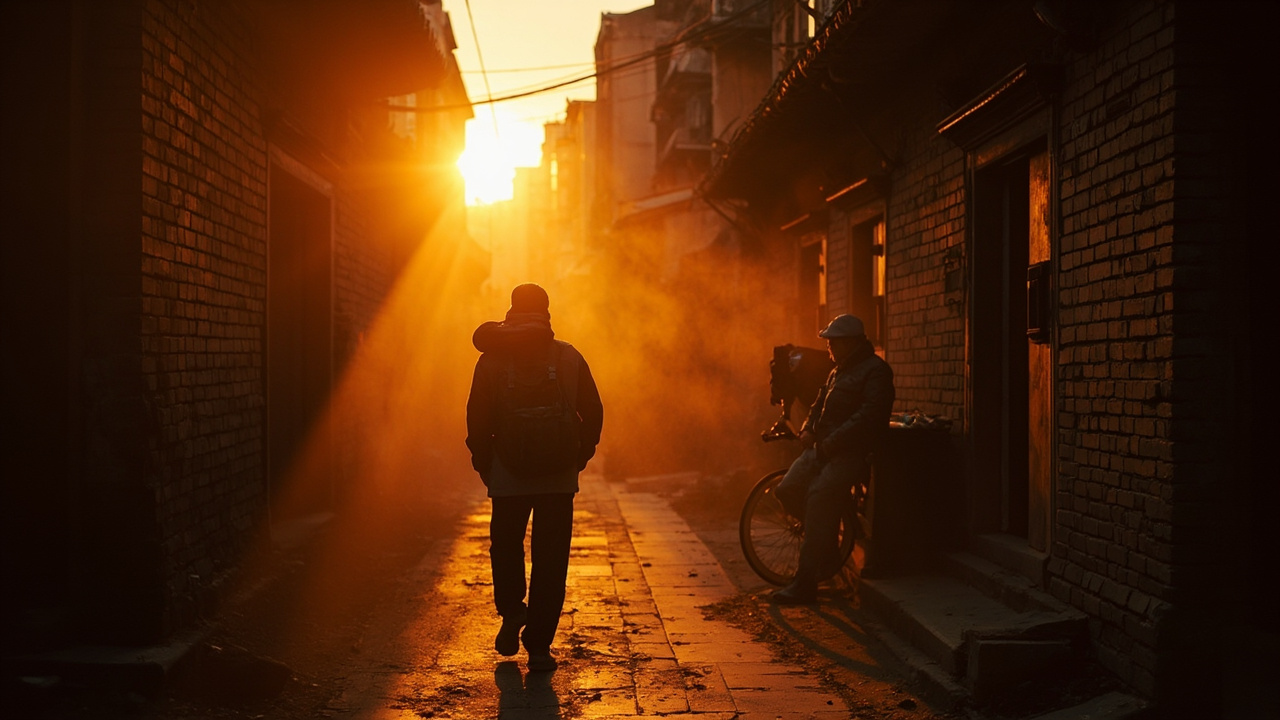
China Scams to Avoid
The tea ceremony started before I could say no. A woman in a silk jacket waved me into a courtyard near the Drum Tower, poured something that smelled like jasmine, and told me it was free. Twenty minutes later a man appeared with a laminated price list and a very different story: 1,800 yuan ($250) for the “experience.” I paid 300 and walked out feeling stupid. That was 2019, my second month in Beijing, and it taught me more about traveling here than any guidebook ever did.
Here’s the thing nobody tells you: China is one of the safest countries I’ve traveled in. Violent crime against tourists is rare. I’ve walked alone through Chengdu at midnight and slept on trains with my bag unzipped. The scams that exist here are almost all about money and psychology, not danger. They target hesitation, politeness, and the fact that you don’t speak Mandarin. They’re annoying, not life-threatening, and once you know the five or six standard plays, you’ll spot them from across the street.
This guide covers the scams I’ve personally hit, the ones friends have hit, and the ones locals keep warning me about. I’ll give you the setup, the tell, and the exit line. You’ll still get approached. You just won’t get taken.
Quick answer
The most common scams in China target foreign tourists in Beijing, Shanghai, and Xi’an: the tea ceremony scam, the art student gallery scam, the fake “closed” attraction redirect, and unlicensed taxis at stations. Almost none involve physical danger, and all are avoidable by refusing unsolicited invitations, using Didi or the metro instead of street taxis, and paying only through Alipay or WeChat Pay so you have a transaction record. Set up Alipay or WeChat Pay before you land, and you remove about 80% of the risk in one move.
The Short Version
If you read nothing else: never follow a stranger who approaches you in English. Not to a tea house, not to an art gallery, not to a “student practice” event. Real locals don’t recruit tourists off the street. Use Didi instead of hailing cabs, buy attraction tickets on the official WeChat mini-program, and if someone tells you a place is closed, walk to the gate and check yourself. That’s it. That’s the whole game.
How I Picked These
I’ve lived in Beijing since 2018 and traveled through 40-plus Chinese cities. Everything here comes from either getting scammed myself, watching it happen to someone in front of me, or a local friend explaining the mechanics afterward. I’ve also cross-checked with hostel staff, Didi drivers, and a Chengdu police officer who laughed at me for ten minutes about the tea thing. I left out the scams that only apply to long-term residents or business travelers. This list is for you: the first-timer with a backpack and a translation app.
Comparison Table
| Rank | Scam | Where It Happens | Typical Loss (USD) | Difficulty to Spot | Best Defense |
|---|---|---|---|---|---|
| 1 | Tea ceremony | Beijing, Shanghai | $50–250 | Medium | Refuse all invitations |
| 2 | Art student gallery | Beijing (798, Wangfujing) | $100–500 | Medium | Never buy art from a “student” |
| 3 | Fake “closed” attraction | Tiananmen, Forbidden City | $20–60 | Easy | Walk to the gate yourself |
| 4 | Unlicensed taxi | Airports, train stations | $15–80 | Easy | Use Didi or metro |
| 5 | Rickshaw “tour” | Beijing hutongs | $30–100 | Easy | Just walk |
| 6 | Fake monk blessing | Wudaokou, temples | $10–50 | Medium | Decline the bracelet |
| 7 | Bar / club drink scam | Sanlitun, Shanghai | $200–2,000 | Hard | Never follow promoters |
| 8 | Counterfeit money | Markets, taxis | $10–50 | Hard | Pay by phone only |
| 9 | Fake tickets | Train stations, attractions | $20–100 | Medium | Buy in official apps |
| 10 | Overpriced souvenirs | Tourist markets | $5–50 | Easy | Walk away, they’ll drop price |
The Tea Ceremony Scam — the one that got me
Two young women approached me near the Drum Tower in Beijing. Perfect English, big smiles, said they were art students practicing conversation. After ten minutes of genuinely pleasant chat, they suggested a traditional tea ceremony nearby. I said sure. The tea house was beautiful. The bill was 1,800 yuan.
The tell is the invitation itself. Real Chinese people do not walk up to foreigners on the street to practice English. They might ask for directions or a photo, but they don’t invite you somewhere. If two attractive, well-dressed young people approach you in fluent English near a tourist site, you’re in a scripted scene.
The exit is simple: “No thanks, I’m meeting someone.” Keep walking. Don’t be polite about it. Politeness is the currency they’re farming.
📍 Location: Drum Tower, Houhai, Wangfujing, the Bund in Shanghai, and the Muslim Quarter in Xi’an 🎫 Entry fee: The scam itself costs $50–250 (350–1,800 CNY) depending on how long you stay 🕐 Opening hours: They work tourist hours, roughly 10am–9pm 🚇 How to actually get there: If you want real tea, go to a proper tea house like Lao She Teahouse near Qianmen (Line 2, Qianmen Station, Exit A) and pay a fixed price ⏰ When to visit: Scammers are most active on weekends and holidays when tourist density is highest 💡 Insider tips: Legitimate tea houses list prices outside. If there’s no menu, leave. If someone else is paying, you’re not. Set up Alipay so you can pay by phone and dispute later if needed. One friend paid 4,000 yuan ($550) at the same spot. She was too embarrassed to argue.
The Art Student Gallery Scam — worse than the tea
A guy named “Chen” approached me outside 798 Art District. Said he was a student, invited me to a gallery show. The gallery was real. The paintings were mediocre. The prices were insane.
This one is nastier because the art is technically real and the receipts are legitimate. You buy a “student painting” for $300, get a certificate, and only later realize it’s a factory print worth $15. The “student” gets a commission. The gallery gets the rest.
The tell: any stranger who approaches you in English and mentions art, students, or an “exhibition” is running this. Real galleries don’t need street recruiters.
📍 Location: 798 Art District, Wangfujing, Nanluoguxiang, and near the Shanghai Museum 🎫 Entry fee: Free to enter; the scam is in the purchase 🕐 Opening hours: 10am–7pm, matching gallery hours 🚇 How to actually get there: 798 is on Line 14, Wangjing South Station, Exit B, then a 15-minute walk ⏰ When to visit: Weekday mornings are quietest and scammer-light 💡 Insider tips: If you actually want Chinese art, go to a reputable auction house or the National Art Museum of China (Line 8, National Art Museum Station). Prices there are transparent. Never buy from someone who approached you. I made this mistake too. The painting is now in my parents’ garage.
The “Attraction Is Closed” Scam — the easiest to beat
You’re walking toward the Forbidden City. A friendly man in a polo shirt tells you it’s closed today, but he knows a better place. He’ll even call you a rickshaw. The rickshaw takes you to a jade shop.
This one works because it’s plausible. Attractions do close for maintenance, holidays, and state events. But the fix is embarrassingly simple: walk to the gate. If it’s closed, there’s a sign. If it’s open, you just walk past the scammer and enjoy your day.
📍 Location: Tiananmen Square approaches, Forbidden City south gate, Terracotta Warriors in Xi’an, Great Wall entrances 🎫 Entry fee: Real tickets for the Forbidden City are 60 yuan ($8) in high season; the scam redirect costs $20–60 in “detour” spending 🕐 Opening hours: Forbidden City is closed Mondays. That’s the one real closure to remember 🚇 How to actually get there: Line 1 to Tiananmen East, Exit B, walk north ⏰ When to visit: Book Forbidden City tickets 7 days ahead on the official WeChat mini-program; they sell out 💡 Insider tips: The Forbidden City genuinely closes on Mondays. Check the Beijing guide before you go. Never accept a “detour” from a stranger. A taxi driver named Liu once drove me 40 minutes out of my way because I believed him about a “closed” section of the Great Wall. He apologized at the end, which somehow made it worse.
Unlicensed Taxis at Airports and Train Stations
At Beijing Capital Airport, a man asked if I needed a taxi. I said yes. He charged me 600 yuan ($85) for a ride that costs 120 ($17). The meter was fake. The car was unmarked.
The tell: real taxis queue at official stands. Anyone approaching you inside the terminal, holding a sign, or asking “taxi?” is not a real taxi. At Beijing South Railway Station, the same thing happens with “private cars” offering to take you to your hotel.
📍 Location: All major airports, Beijing South, Shanghai Hongqiao, Guangzhou South, Xi’an North 🎫 Entry fee: Real airport taxi to central Beijing is 100–150 yuan ($14–21); the scam charges 400–800 ($55–110) 🕐 Opening hours: Scammers work whenever flights and trains land, including 3am 🚇 How to actually get there: Use Didi (works in English), the Airport Express train (25 yuan, $3.50), or the official taxi queue outside baggage claim ⏰ When to visit: Late-night arrivals are highest risk; pre-book a Didi before you land 💡 Insider tips: Download Didi before you fly. It shows the price upfront. If you must take a street taxi, insist on the meter (“da biao”) and refuse flat rates. Read the train travel guide for station layouts. I now take the Airport Express every time. It’s faster than the scam taxi anyway.
The Hutong Rickshaw “Tour”
A rickshaw driver in Nanluoguxiang offered me a 30-minute hutong tour for 200 yuan ($28). I said yes. He pedaled me around for 12 minutes, stopped at three shops where I was pressured to buy things, and then demanded 500 yuan.
The tell: legitimate hutong tours are booked through hotels or official tour operators with fixed prices and durations. A guy on a rickshaw waving at you is not that.
📍 Location: Nanluoguxiang, Houhai, Shichahai, and the Drum Tower area 🎫 Entry fee: Real hutong walking tours are free or 50–100 yuan ($7–14); the scam runs $30–100 🕐 Opening hours: 9am–8pm, weather permitting 🚇 How to actually get there: Line 6 or 8 to Nanluoguxiang Station, Exit E ⏰ When to visit: Early morning, before the tour groups 💡 Insider tips: The hutongs are perfectly walkable. Just wander. If you want a guided experience, book through your hotel. Never get in a rickshaw without agreeing on price and duration in writing. The driver’s name was Wang. He was actually pretty funny. I still overpaid.
The Fake Monk Blessing
In Wudaokou, a man in monk’s robes offered me a bracelet and a blessing. Then he asked for a donation. Then he named a number: 500 yuan.
The tell: real monks don’t approach foreigners on the street. They don’t hand out bracelets. If they did, they wouldn’t ask for money.
📍 Location: Wudaokou, temple exits, Wangfujing, and near the Lama Temple 🎫 Entry fee: Real temple entry is 25–50 yuan ($3.50–7); the “blessing” scam runs $10–50 🕐 Opening hours: Temple hours, roughly 8am–5pm 🚇 How to actually get there: Line 2 or 5 to Yonghegong Lama Temple Station, Exit C ⏰ When to visit: Weekday mornings 💡 Insider tips: If you want a real blessing, go inside the temple and follow what locals do. No one will ask you for money. Decline any bracelet offered on the street. A friend gave 200 yuan before realizing the “monk” was wearing Nikes under his robe.
Bar and Club Drink Scams
This is the expensive one. A promoter invites you to a bar in Sanlitun. Drinks are “free.” Then the bill arrives for 8,000 yuan ($1,100) and two large men block the door.
The tell: any promoter who approaches you on the street with a “free drinks” offer is running this. Real bars don’t need street recruiters.
📍 Location: Sanlitun (Beijing), Xintiandi and the Bund (Shanghai), and any tourist-heavy nightlife district 🎫 Entry fee: Free entry; the scam is the bill, which can hit $2,000 🕐 Opening hours: 10pm–4am 🚇 How to actually get there: Line 10 to Tuanjiehu for Sanlitun, then walk ⏰ When to visit: If you want nightlife, go to established venues with published prices 💡 Insider tips: Never follow a promoter. Never accept a “free” drink from a stranger. If you’re trapped, call 110 (Chinese police) and ask for the tourist police. Pay by phone so there’s a record. A hostel roommate lost $900 this way. The police helped, but the money was gone.
Counterfeit Money and the “No Change” Trick
A market vendor gave me change that included two fake 100-yuan notes. I didn’t notice until I tried to use them at a convenience store, where the cashier laughed and handed them back.
The tell: cash handling in tourist markets is where counterfeits circulate. The fix is to pay by phone. Alipay and WeChat Pay are accepted almost everywhere, including street stalls.
📍 Location: Tourist markets, small taxis, souvenir stands 🎫 Entry fee: Loss is usually $10–50 🕐 Opening hours: Market hours 🚇 How to actually get there: Any tourist market ⏰ When to visit: Whenever you’d use cash 💡 Insider tips: Set up mobile payment before you arrive. If you must use cash, check the watermark and texture of every 100-yuan note. Real notes have a clear window and rough texture on Mao’s collar. I now carry almost no cash. It solved this problem entirely.
Fake Tickets and Overpriced Souvenirs
At Beijing South Railway Station, a man offered to “help” me buy a train ticket for a 50-yuan markup. At the Great Wall, someone sold me a “skip-the-line” pass that didn’t exist.
The tell: official ticket offices and apps don’t need middlemen. Buy train tickets on the 12306 app or Trip.com. Buy attraction tickets on official WeChat mini-programs.
📍 Location: Train stations, Great Wall entrances, Terracotta Warriors, any high-traffic attraction 🎫 Entry fee: Markups run $20–100 🕐 Opening hours: Station and attraction hours 🚇 How to actually get there: Use official channels only ⏰ When to visit: Book ahead, especially for high-speed rail and popular attractions 💡 Insider tips: The 12306 app now has an English version. Trip.com works too. For the Great Wall, buy tickets at the official gate or online. Read the train guide before your first station visit. Souvenir stalls will drop prices by 60% if you walk away. Try it.
FAQ summary
The main scams in China target foreign tourists through unsolicited English-language approaches, fake “closed” attraction redirects, and unlicensed transport. Almost none involve physical danger, and nearly all are preventable by refusing street invitations, using Didi and the metro, buying tickets through official apps, and paying via Alipay or WeChat Pay. If you set up mobile payment before you arrive and adopt a firm “no thanks” policy for strangers, your risk drops dramatically. Police can be reached at 110, and tourist police exist in major cities.
FAQ
Q: Is China dangerous for tourists? A: No. Violent crime against tourists is rare, and I’ve felt safer walking around Chinese cities at night than in most American downtowns. The risks are financial, not physical. Petty scams and overcharging are the main issues, and they’re avoidable.
Q: What’s the single most common scam in China? A: The tea ceremony scam, where friendly English-speaking strangers invite you to a tea house and then present an inflated bill. It’s most common in Beijing, Shanghai, and Xi’an. The fix is simple: never follow a stranger who approaches you.
Q: Do I need a VPN in China? A: Yes, if you want to use Google, Instagram, WhatsApp, or most Western apps. Set it up before you arrive, because VPN websites are blocked inside China. See the SIM and internet guide for setup details.
Q: How do I avoid taxi scams? A: Use Didi (the Chinese Uber, with an English interface) or the metro. If you take a street taxi, insist on the meter and refuse flat rates. At airports, use the official taxi queue or the Airport Express train.
Q: Are credit cards accepted in China? A: Rarely. China runs on Alipay and WeChat Pay. Link your international card to Alipay before you arrive. Cash works but is increasingly inconvenient. See the payment guide.
Q: What should I do if I get scammed? A: Call 110 for police, or find the tourist police in major cities. Report the incident to your hotel. If you paid by Alipay or WeChat Pay, you have a transaction record that helps. Don’t confront scammers physically.
Q: Is English widely spoken in China? A: Not outside major tourist areas. Download a translation app like Pleco or Baidu Translate. Hotel staff in big cities usually speak some English. Elsewhere, you’ll rely on your phone.
The Honest Wrap-up
This list is for first-timers. If you’ve been to China before, you already know most of this. If you haven’t, the goal isn’t to make you paranoid. It’s to make you boring to scammers. They want hesitation, politeness, and confusion. Give them a firm “no thanks” and keep walking, and they’ll move on to someone else.
One last thing: the vast majority of Chinese people you meet will be genuinely kind and helpful. The scams are a small, loud minority. Don’t let them shape your whole impression of a country that has given me seven of the best years of my life. Book the flight. Just set up Alipay first.
More guides you may like

Top 10 Bridges in China
China's bridges are engineering marvels spanning mountains, rivers, and seas. Here are 10 of the most spectacular, from ancient stone to modern steel.
8 min read

Top 10 Buddhist Sites in China
From the Leshan Giant Buddha to the Dunhuang Caves, these 10 Buddhist sites represent 2,000 years of China's spiritual heritage.
9 min read

Top 10 Day Trips from Beijing You Shouldn't Miss
Beijing is packed with history, but some of China's best experiences are just a few hours away. Here are 10 day trips that will transform your visit.
9 min read

Top 10 Hidden Gems in China Off the Beaten Path
Beyond the Great Wall and Terracotta Warriors, China has incredible hidden destinations few tourists ever reach. Here are 10 underrated gems worth the detour.
9 min read
Top 10 Markets and Shopping Streets in China
From Shanghai's Bund to Beijing's Silk Street - 10 markets where foreigners can haggle, explore, and bring home authentic Chinese goods.
9 min read
Top 10 Museums in China You Shouldn't Miss
China's museums span 5,000 years of civilization. These 10 - from the Palace Museum to Xi'an's terracotta gallery - are unmissable for culture lovers.
9 min read