
Hidden Gems in Beijing
TODO: Extract from article (100-160 chars)
Hidden Gems in Beijing
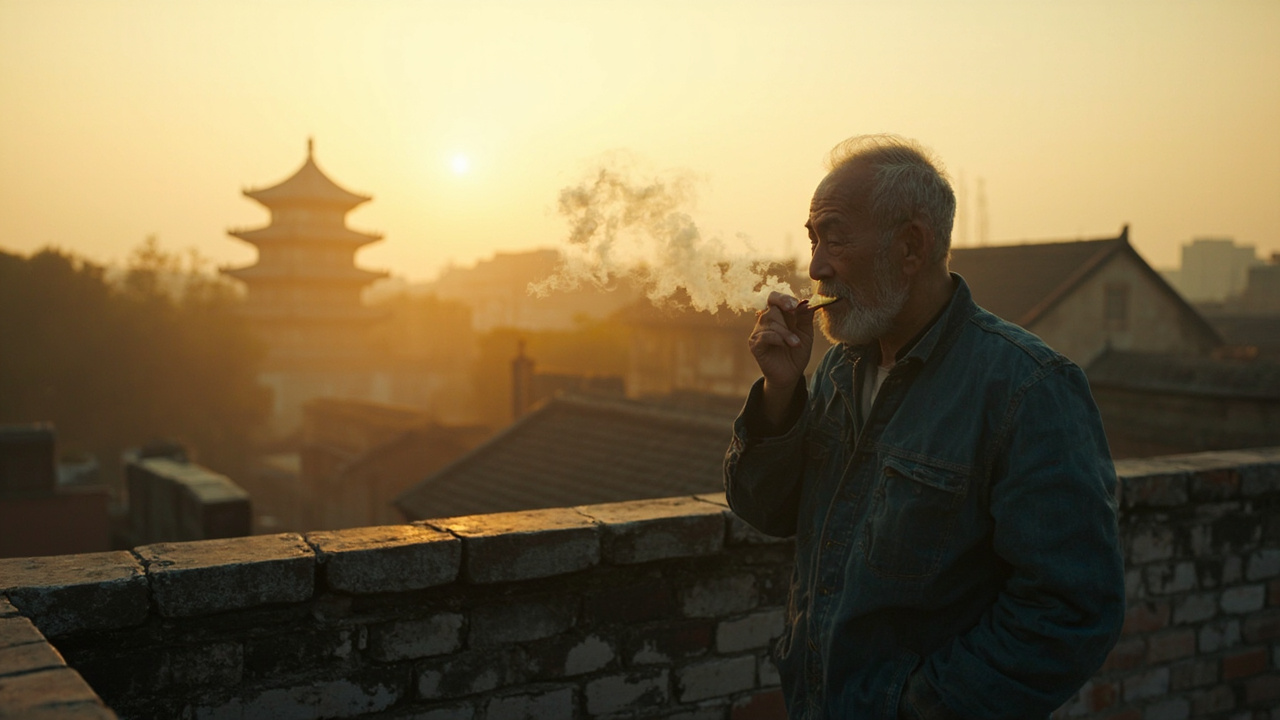
The old man at the drum tower in Andingmen didn’t speak a word of English, and I don’t speak enough Mandarin to argue. He just pointed at my camera, then at the courtyard below, then made a sweeping gesture with his hand that I eventually understood meant wait. So I waited. Twenty minutes later the light dropped behind the hutong rooftops and turned every gray brick wall the color of weak tea, and I got the shot. He nodded once, lit a cigarette, and walked off. That was four years ago. I still haven’t found a guidebook that mentions his tower.
That’s the thing about Beijing. The city has 3,000 years of history stacked on top of itself, and roughly 95% of visitors see the same five places: the Forbidden City, the Great Wall at Badaling, the Summer Palace, Tiananmen, and the Temple of Heaven. All worth it. But the Beijing I keep coming back to is the one hiding in the gaps — a Ming-dynasty observatory on a forgotten stretch of city wall, a Tibetan temple that smells like yak butter and costs nothing to enter, a noodle shop in a hutong alley where the owner has been making the same bowl for 30 years.
This guide is for the traveler who’s already booked the main Beijing sights and wants the other half of the city. Every place below I’ve been to at least twice. Most of them cost under $5. Several are free. None of them require a tour guide.
Quick answer
Beijing’s best hidden gems are the Ancient Observatory ($3 / ¥20, Jianguomen), the Western Yellow Temple ($0, free entry, Andingmen), Zhihua Temple’s daily 10am Ming-dynasty music performance ($3 / ¥20), and the wild Jiankou section of the Great Wall (free, 2 hours by bus from Dongzhimen). Most are reachable on Line 2 or Line 5 of the subway, cost under $5, and are nearly empty on weekday mornings. You’ll need Alipay or WeChat Pay set up before you go — almost none of these places take foreign cards.
The Short Version
Skip the tour buses. Spend one full day doing the “other” Beijing: start at the Ancient Observatory at 9am, walk the Ming city wall to the Southeast Corner Tower, grab lunch in the Qianmen hutongs, then hit Zhihua Temple for the 3pm music performance. Total cost: about $15. You’ll see maybe 40 other foreigners all day. If you only have time for one thing, make it Zhihua Temple — the 600-year-old Buddhist music is genuinely unlike anything else in China.
How I Picked These
I’ve lived in Beijing for seven years and I’ve been back to most of these places a dozen times. The rule was simple: if I wouldn’t take a friend from home, it didn’t make the list. That eliminated a lot of “hidden gems” that are actually just mediocre temples with good Instagram angles. I also asked three Beijing-born friends — a taxi driver named Liu who grew up in Dongcheng, a hostel receptionist in Gulou, and a barista in Sanlitun — where they take out-of-town relatives. About half the list came from them. The other half came from me getting lost on purpose, which is honestly the best way to find anything in this city.
Comparison Table
| Rank | Place | Best For | Approx Cost (USD) | Time Needed | When to Go |
|---|---|---|---|---|---|
| 1 | Zhihua Temple | Music, atmosphere | $3 (¥20) | 1.5 hrs | Weekday 10am or 3pm show |
| 2 | Ancient Observatory | History buffs, views | $3 (¥20) | 1 hr | Weekday morning |
| 3 | Western Yellow Temple | Tibetan Buddhism | Free | 45 min | Any weekday |
| 4 | Ming City Wall Relics Park | Walking, photos | Free | 1.5 hrs | Sunset |
| 5 | Jiankou Great Wall | Hikers, no crowds | Free (transport ~$4) | Full day | Apr–May, Sep–Oct |
| 6 | Fayuan Temple | Quiet, locals only | $1 (¥5) | 1 hr | Morning |
| 7 | Dongyue Temple | Weird, wonderful | $1.50 (¥10) | 1 hr | Weekday |
| 8 | Liulichang West Street | Antiques, calligraphy | Free | 2 hrs | Afternoon |
| 9 | Beijing Ancient Architecture Museum | Architecture nerds | $2 (¥15) | 1.5 hrs | Weekday |
| 10 | Panjiayuan Antique Market | Bargain hunters | Free entry | 3 hrs | Sat/Sun early |
Zhihua Temple — the 600-year-old concert you’ve never heard of
I found Zhihua by accident. I was walking from the Dongsi subway station toward a coffee shop and saw a red gate with a small sign in English that just said “Temple.” I went in because it was free to look. At 10am sharp, six monks in yellow robes sat down in the main hall and started playing instruments I’d never seen — a sheng (bamboo mouth organ), a guan (double-reed pipe), drums, bells. The sound was thin and haunting, like something recorded in a cave. I sat on a stone step for 40 minutes and didn’t move.
This is the last surviving Ming-dynasty Buddhist music tradition in China, performed daily by monks who train for years. The temple itself dates to 1444 and was built by a eunuch named Wang Zhen — a controversial figure, but the architecture he left behind is stunning. The ceiling of the main hall is a zaojing (caisson), an intricate wooden dome that most tourists walk right past.
📍 Dongcheng District, 5 Lumicang Hutong, off Chaoyangmen Inner Street 🎫 ¥20 ($3) — cash or WeChat Pay only 🕐 8:30am–4:30pm daily; music performances at 10am and 3pm (schedule occasionally shifts — call ahead if it’s your main reason for going) 🚇 Line 5 or Line 6 to Dongsi Station, Exit C, walk 8 minutes north on Chaoyangmen Inner Street, turn right into Lumicang Hutong ⏰ Weekday mornings are emptiest. Avoid the 3pm show on weekends — it fills with domestic tour groups. 💡 Insider tips: Sit on the left side of the hall for the best acoustics. Photography is allowed but no flash during the performance. The small gift shop sells recordings of the music for ¥50 ($7) — worth it. There’s a clean bathroom behind the main hall, which is rare for a temple this size.
I tried to ask one of the monks afterward what the piece was called. He smiled, said “old music,” and went back to sweeping.
Ancient Observatory — Ming dynasty stargazing on a highway median
You will absolutely walk past this place without noticing it. The Ancient Observatory sits on a raised platform right next to the Jianguomen overpass, surrounded by traffic and office towers, looking like a forgotten film set. It was built in 1442 under the Ming, and the bronze astronomical instruments on the roof — armillary spheres, a quadrant, a sextant — were designed by Jesuit missionaries in the 1600s. They’re the real thing, not replicas.
What gets me is the scale. These instruments are the size of small cars, and they were used to predict eclipses and map the stars for the emperor. The view from the platform over the CBD skyline is one of the strangest juxtapositions in Beijing — 15th-century bronze next to 21st-century glass towers.
📍 Dongcheng District, 2 Dongbiaobei Hutong, right at Jianguomen Bridge 🎫 ¥20 ($3); free on the first Wednesday of each month 🕐 9am–5pm Tue–Sun (closed Mondays); last entry 4:30pm 🚇 Line 1 or Line 2 to Jianguomen Station, Exit C, the observatory is directly above you — look up ⏰ Go on a clear weekday morning. Smog can ruin the view, and weekends bring school groups. 💡 Insider tips: Bring your passport — you’ll need it for the ticket. The English signage is decent but the audio guide (¥20 / $3) is better. The rooftop is exposed; bring a hat in summer. There’s a small museum inside with original star charts that most people skip.
A guard there once told me the instruments were almost melted down for scrap during the Cultural Revolution. Someone hid them. He wouldn’t say who.
Western Yellow Temple — the Tibetan temple nobody visits
Beijing has a Tibetan Buddhist temple, and almost no foreign tourist knows about it. The Western Yellow Temple (Xihuang Si) was built in 1652 for a visiting Dalai Lama, and it’s still an active place of worship. The smell hits you first — yak butter, incense, and something sweet I’ve never been able to identify. Monks in maroon robes walk between the halls. Prayer flags snap in the wind.
The main hall has a sand mandala under glass and a 5-meter-tall Buddha that’s genuinely impressive. But the reason I keep coming back is the quiet. On a Tuesday morning I’ve had the entire courtyard to myself. In a city of 22 million people, that’s a small miracle.
📍 Chaoyang District, 6 Andingmenwai Street, just north of the Andingmen subway stop 🎫 Free — donations welcome 🕐 9am–4:30pm daily, though hours can be irregular during Tibetan festivals 🚇 Line 2 to Andingmen Station, Exit B, walk 5 minutes north; the temple is set back from the road behind a wall ⏰ Weekday mornings. Avoid Tibetan New Year (Losar, usually Feb/March) unless you want crowds — though the ceremonies then are spectacular. 💡 Insider tips: Dress modestly — shoulders and knees covered. Don’t photograph monks without asking. The small tea shop on the north side serves butter tea (¥15 / $2) that’s an acquired taste but worth trying once. Cash only for donations.
I once watched an elderly Tibetan woman walk the entire perimeter doing full-body prostrations. It took her over an hour. Nobody else was watching.
Ming City Wall Relics Park — the wall you can actually walk on
Everyone goes to the Great Wall. Almost nobody knows Beijing still has its own city wall — a 1.5-km stretch near the Southeast Corner Tower, restored and open to walk. The wall is 12 meters high and wide enough for three people side by side. From the top you look down into a park full of retirees doing tai chi, playing erhu, and arguing about mahjong.
The Corner Tower itself is the last surviving one of Beijing’s original four. It’s a two-story wooden structure with 144 arrow windows, built in 1439. The interior is a small museum with models of the old city. I like this place best at sunset, when the light hits the gray bricks and the CBD towers glow orange in the distance.
📍 Dongcheng District, Chongwenmen East Street, near the Beijing Railway Station 🎫 Free to walk the park; ¥10 ($1.50) to enter the Corner Tower 🕐 Park 6am–9pm; tower 9am–4pm Tue–Sun 🚇 Line 2 or Line 5 to Chongwenmen Station, Exit A, walk east 10 minutes ⏰ Late afternoon on a weekday. Weekends bring kite-flyers and it gets crowded. 💡 Insider tips: The wall is not wheelchair accessible — steep stairs at both ends. Bring water; there’s nothing on top. The park below has clean public bathrooms. Combine this with a walk through the Qianmen hutongs afterward for lunch.
I once saw a man flying a kite shaped like a dragon that must have been 30 meters long. He let a kid hold the string. The kid screamed with joy.
Jiankou Great Wall — the wild, crumbling section
Jiankou is the Great Wall as it actually looks when nobody’s maintaining it. It’s unrestored, overgrown, and in places genuinely dangerous — steep, crumbling, with drop-offs on both sides. It’s also the most beautiful stretch I’ve ever seen. The wall snakes up a ridge like a spine, and on a clear day you can see it for miles.
This is not a casual visit. You need proper shoes, water, and a full day. The hike from Xizhazi village to the wall takes about 90 minutes uphill, and the wall itself is a scramble in places. I’ve done it three times and fallen once. Worth it.
📍 Huairou District, about 75 km north of central Beijing 🎫 Free (the wall itself); transport costs around ¥30 ($4) 🕐 Daylight hours only — do not attempt at night 🚇 Take bus 916 from Dongzhimen to Huairou, then a local taxi (¥100–150 / $14–21 round trip) to Xizhazi village. Or book a private driver for the day (~¥500 / $70) ⏰ April–May and September–October. Summer is brutally hot; winter is icy and dangerous. 💡 Insider tips: Go with a guide if it’s your first time — the trails are unmarked. Bring more water than you think you need. There are no bathrooms or shops. Tell someone where you’re going. The high-speed rail doesn’t reach here; this is a bus-and-taxi trip.
The last time I went, a farmer at the trailhead sold me a Coke for ¥10 and pointed at my sneakers, shaking his head. He was right. I should have worn boots.
Fayuan Temple — the one locals actually use
Fayuan is a working Buddhist temple in the Xicheng district, founded in 645 AD. It’s not on any tour itinerary. The courtyards are full of old trees, and the halls are dark and smell of sandalwood. Monks chant in the mornings. Locals come to burn incense and sit.
The temple also houses the Buddhist Academy of China, so you’ll see young monks studying in the side halls. It’s a quiet, serious place — not a photo op. I go when I want to remember why I live in this city.
📍 Xicheng District, 7 Fayuansi Front Street, south of Caishikou 🎫 ¥5 ($1) 🕐 8:30am–11:30am and 1pm–3:30pm daily 🚇 Line 4 to Caishikou Station, Exit D, walk 8 minutes southwest ⏰ Early morning. The chanting starts around 8:30am. 💡 Insider tips: No photos inside the halls. The vegetarian restaurant next door (Fayuan Temple Vegetarian) is excellent and cheap — try the mock-meat dishes. Bring small bills for incense.
An old woman there once handed me a tangerine and said something I didn’t understand. I ate it. It was the best tangerine I’ve had in China.
Dongyue Temple — Beijing’s strangest museum
Dongyue is a Taoist temple dedicated to the god of Mount Tai, and it’s full of statues depicting the 76 departments of the afterlife — including, memorably, the Department of Fifteen Kinds of Violent Deaths and the Department of Implementing Wishes. It’s weird, funny, and genuinely fascinating. The statues are vivid and slightly gruesome.
The temple was built in 1319 and has been a museum since the 1990s. It’s rarely crowded. The English signage is surprisingly good.
📍 Chaoyang District, 141 Chaoyangmenwai Street 🎫 ¥10 ($1.50) 🕐 8:30am–4:30pm Tue–Sun 🚇 Line 2 or Line 6 to Chaoyangmen Station, Exit A, walk 10 minutes east ⏰ Weekday afternoon 💡 Insider tips: The stele forest in the back courtyard is easy to miss — don’t skip it. The temple is across the street from a huge mall if you need a coffee afterward.
I brought a friend here who’d been to Beijing five times. She’d never heard of it. She took 200 photos.
Liulichang West Street — antiques and calligraphy
Liulichang is a restored Qing-dynasty street lined with shops selling calligraphy brushes, ink stones, scrolls, and antiques (some real, many not). It’s touristy but in a pleasant way — no touts, no scams, just shops. I come here for the brush shop at number 34, where the owner will let you try before you buy.
The street is best in the afternoon, when the light hits the wooden shopfronts. There’s a small museum of ancient books halfway down that’s free and almost always empty.
📍 Xicheng District, south of Hepingmen 🎫 Free 🕐 Shops 9am–6pm daily 🚇 Line 2 to Hepingmen Station, Exit D, walk 5 minutes south ⏰ Weekday afternoon 💡 Insider tips: Bargain politely — 20–30% off is normal. Bring cash; some smaller shops don’t take foreign cards. The tea shop at the east end does free tastings.
Beijing Ancient Architecture Museum — for the architecture nerds
This is the Temple of Agriculture, a Ming-dynasty complex next to the Temple of Heaven that almost nobody visits. It’s now a museum of Chinese architecture with models, drawings, and original building components. If you’ve ever wondered how a dougong bracket works, this is your place.
📍 Dongcheng District, 21 Dongjing Road 🎫 ¥15 ($2) 🕐 9am–4pm Tue–Sun 🚇 Line 5 to Tiantan Dongmen Station, Exit A, walk 5 minutes north ⏰ Weekday morning 💡 Insider tips: Combine with the Temple of Heaven next door. The courtyard has a 500-year-old cypress tree that’s worth the trip alone.
Panjiayuan Antique Market — go early, bring cash
Panjiayuan is the biggest antique market in Asia, and it’s a glorious mess. Half the stalls sell genuine Qing-era ceramics; the other half sell convincing fakes. The fun is figuring out which is which. Go on a Saturday or Sunday morning before 9am, when the dealers are setting up and the prices are softest.
📍 Chaoyang District, 18 Huaweili, near Panjiayuan Bridge 🎫 Free entry 🕐 8:30am–6pm daily; best on weekends 🚇 Line 10 to Panjiayuan Station, Exit B, walk 5 minutes ⏰ Saturday or Sunday, 7–10am 💡 Insider tips: Bring cash — most dealers don’t take foreign cards. Learn the phrase “tai gui le” (too expensive) and use it. Don’t buy anything labeled “Ming dynasty” unless you’re an expert.
FAQ summary
Beijing’s hidden gems are concentrated in the Dongcheng and Xicheng districts and are almost all reachable on subway Lines 2, 5, and 6. Most cost under $5, several are free, and none require advance booking. The single best experience for a first-time visitor is the 10am Ming-dynasty music performance at Zhihua Temple. For the Great Wall without crowds, Jiankou is the answer, but it requires a full day and proper shoes. You’ll need Alipay or WeChat Pay set up before you arrive, and a working VPN if you want Google, Instagram, or WhatsApp — both are covered in our China SIM and internet guide.
FAQ
Q: Do I need a visa to visit Beijing in 2026? A: Most European, American, and Southeast Asian passport holders can enter China visa-free for up to 30 days as of 2026, and there’s also a 240-hour (10-day) visa-free transit policy for many nationalities. Check the current visa rules before booking, since the list changes.
Q: How much should I budget per day for these hidden gems? A: Entry fees for all ten places total about $12 (¥85). Add $10–15 for subway and taxis, and $15–20 for food. A full day of hidden-gem sightseeing runs $40–50 per person, versus $150+ for a tour-bus day.
Q: Is English spoken at these places? A: Rarely. Zhihua Temple and the Ancient Observatory have some English signage; the rest mostly don’t. Download a translation app (Baidu Translate works offline and is better than Google Translate in China). Learn “duo shao qian?” (how much?) and “xie xie” (thank you).
Q: Do I need a VPN? A: Yes, if you want Google, Instagram, WhatsApp, or most Western news sites. Install it before you arrive — VPN apps are hard to download once you’re in China. See our internet guide for specifics.
Q: Can I pay with a foreign credit card at these places? A: Almost never. Set up Alipay or WeChat Pay with your foreign card before you arrive — both work at nearly every vendor now. Carry ¥200–300 in cash as backup for small temples and markets.
Q: What’s the best time of year for these spots? A: April–May and September–October. Summer is hot and smoggy; winter is cold but the temples are empty and atmospheric. Avoid Chinese public holidays (especially the first week of October) when even hidden gems get crowded.
Q: Are these places safe for solo travelers? A: Yes. Beijing is one of the safest major cities in the world for solo travel. The only real risk is Jiankou Great Wall, where the trails are unmarked and the wall is crumbling — go with a guide if you’re alone.
The Honest Wrap-up
This list is for the traveler who’s already seen the big stuff and wants to feel like they’ve actually been somewhere. It’s not for someone on a 3-day layover with a checklist — you’ll need at least four full days to do these properly, and honestly you should give yourself a week. If you’re the kind of person who needs English menus and a tour guide at every stop, half of these will frustrate you. But if you’re willing to get a little lost, eat something you can’t identify, and sit in a temple courtyard with no plan, this is the Beijing I’d want you to see. Book the flight. Bring good shoes. Learn to say thank you.
More guides you may like
Top 10 Bridges in China
China's bridges are engineering marvels spanning mountains, rivers, and seas. Here are 10 of the most spectacular, from ancient stone to modern steel.
8 min read

Top 10 Buddhist Sites in China
From the Leshan Giant Buddha to the Dunhuang Caves, these 10 Buddhist sites represent 2,000 years of China's spiritual heritage.
9 min read
Top 10 Day Trips from Beijing You Shouldn't Miss
Beijing is packed with history, but some of China's best experiences are just a few hours away. Here are 10 day trips that will transform your visit.
9 min read
Top 10 Hidden Gems in China Off the Beaten Path
Beyond the Great Wall and Terracotta Warriors, China has incredible hidden destinations few tourists ever reach. Here are 10 underrated gems worth the detour.
9 min read
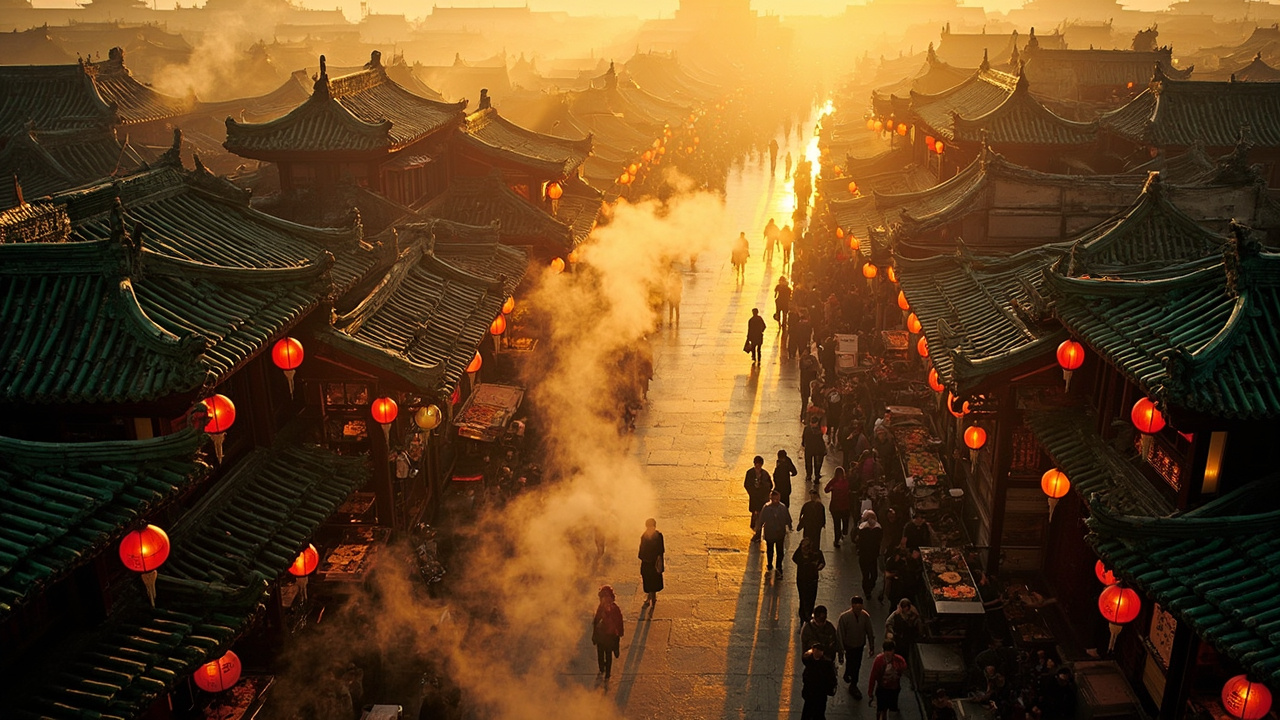
Top 10 Markets and Shopping Streets in China
From Shanghai's Bund to Beijing's Silk Street - 10 markets where foreigners can haggle, explore, and bring home authentic Chinese goods.
9 min read
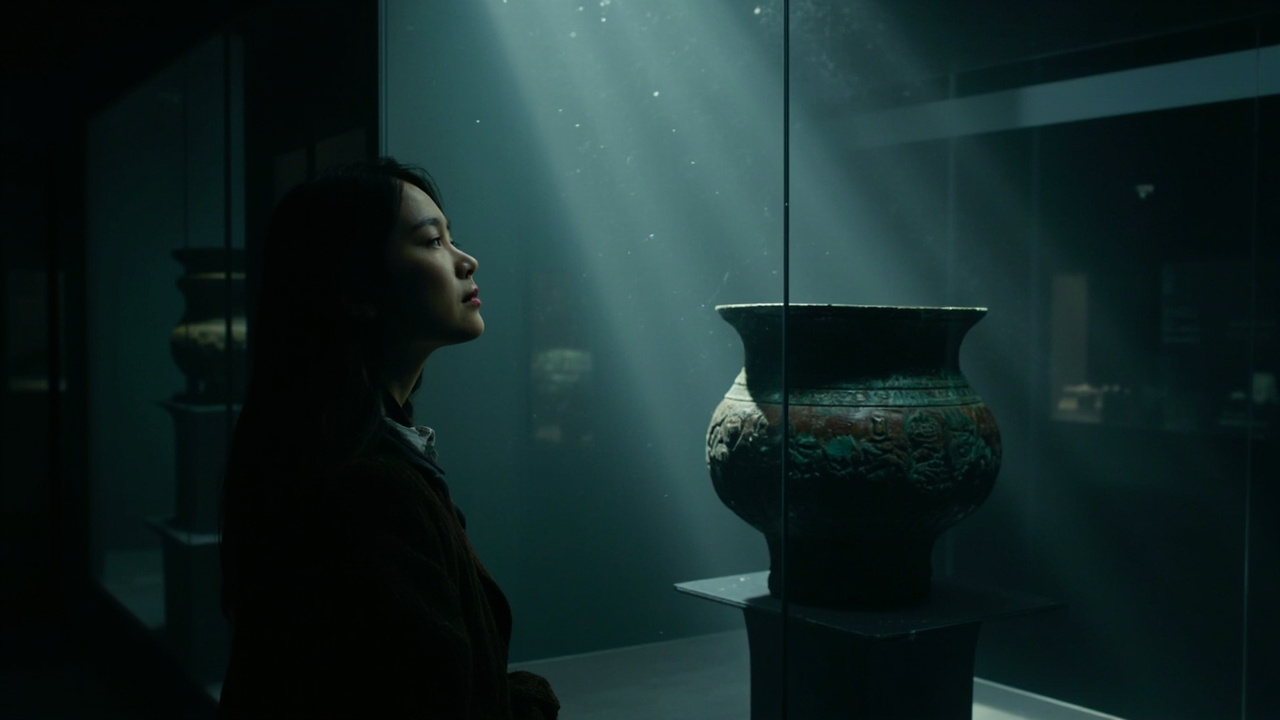
Top 10 Museums in China You Shouldn't Miss
China's museums span 5,000 years of civilization. These 10 - from the Palace Museum to Xi'an's terracotta gallery - are unmissable for culture lovers.
9 min read