
Halal Food in China Travel
TODO: Extract from article (100-160 chars)
Halal Food in China Travel
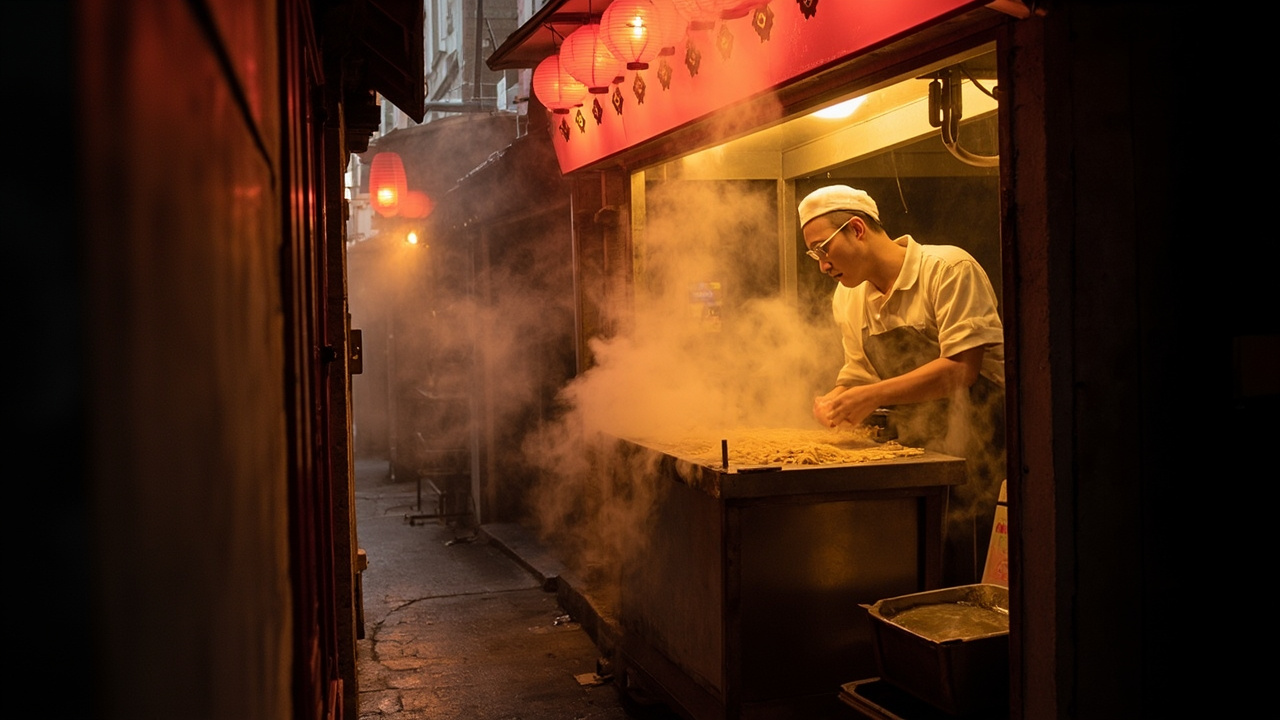
I was standing in a narrow alley off Xi’an’s Muslim Quarter at 7pm, watching a man in a white cap stretch a lump of dough into noodles so thin they looked like thread. His hands moved fast, almost angry, slapping the dough against the counter between stretches. Behind him, a lamb carcass hung from a hook, and the smell of cumin and rendered fat filled the whole street. I’d been in China for three weeks at that point, surviving mostly on convenience store rice balls and the occasional vegetarian dumpling, convinced that finding halal food would be a constant struggle.
I was wrong. Not just in Xi’an, but in Beijing, Guangzhou, Kunming, and even a random truck stop in Gansu where a Hui family ran a noodle shop out of what used to be a garage.
China has roughly 20 to 25 million Muslim citizens, mostly Hui and Uyghur, and their food culture is woven into the country’s daily life in ways that surprised me every single time. You don’t need to eat at a hotel buffet or hunt down an “international” restaurant. The halal food here is often better than the non-halal food, cheaper, and served by people who genuinely seem pleased when a foreigner walks in and says “salaam.”
This guide is what I wish someone had handed me before my first trip. It covers the cities where halal food is easiest to find, what to actually order, how to spot a real halal restaurant versus a fake one, and the small practical stuff — payment apps, translation, prayer rooms — that nobody tells you until you’re already hungry and standing on the wrong side of a language barrier.
Quick answer
China has a large Muslim population (mostly Hui and Uyghur), so halal food is widely available in cities like Xi’an, Lanzhou, Beijing, Guangzhou, and Urumqi, with meals typically costing $3–8 (¥20–55). Look for the Arabic word “حلال” or the Chinese characters “清真” (qīngzhēn) on restaurant signs — qingzhen is the standard Chinese term for halal food. Most major cities have at least one mosque with a restaurant cluster nearby, and translation apps like Pleco or Baidu Translate will help you confirm ingredients.
The Short Version
If you only have 90 seconds: base yourself in Xi’an, Beijing, or Lanzhou if halal food matters to you. Xi’an’s Muslim Quarter is the single best halal food destination in China, full stop. Learn the characters 清真 before you land. Set up Alipay or WeChat Pay before you arrive — most small halal restaurants don’t take cash easily and definitely don’t take foreign cards. And don’t assume “no pork” means halal; you need to see the qingzhen sign.
How I Picked These
I’ve spent seven years living in Beijing and have traveled through China more than 40 times, often specifically seeking out halal food because I got tired of eating the same three safe dishes over and over. For this piece, I focused on places I’ve personally eaten at, plus a handful recommended by Hui and Uyghur friends in Beijing and Xi’an who know their own food culture far better than I do. I skipped fancy hotel restaurants and anything aimed primarily at tourists. I also skipped a few famous spots that have gone downhill or gotten too expensive. What’s left is a list of places where the food is good, the prices are honest, and a foreigner with a translation app can walk in and eat well.
Comparison Table
| Rank | Place | Best For | Approx Cost (USD) | Time Needed | When to Go |
|---|---|---|---|---|---|
| 1 | Xi’an Muslim Quarter | Variety, atmosphere, street food | $5–10 (¥35–70) | 2–3 hours | Evening, spring/fall |
| 2 | Lanzhou Beef Noodle Shops | Cheap, fast, reliable noodles | $2–4 (¥15–30) | 30 min | Any time |
| 3 | Beijing Niujie | Hui culture, sit-down meals | $8–15 (¥55–105) | 2 hours | Lunch, weekdays |
| 4 | Guangzhou Xiaobei Road | African-Muslim fusion, Yemeni food | $6–12 (¥40–85) | 1–2 hours | Dinner |
| 5 | Kashgar Old Town | Uyghur cuisine, lamb, naan | $4–8 (¥30–55) | Half day | Summer/fall |
| 6 | Kunming Shuncheng Street | Yunnan-Hui fusion, mushrooms | $5–9 (¥35–65) | 1–2 hours | Lunch |
| 7 | Shanghai Huxi Mosque Area | Convenience, central location | $8–14 (¥55–100) | 1 hour | Any meal |
| 8 | Urumqi Grand Bazaar | Uyghur food, dried fruit, kebabs | $5–10 (¥35–70) | 2–3 hours | Evening |
| 9 | Hohhot Muslim Quarter | Inner Mongolian halal lamb | $6–11 (¥40–75) | 1–2 hours | Dinner |
| 10 | Sanya Hui Village | Beach + halal seafood | $7–13 (¥50–90) | Half day | Winter |
1. Xi’an Muslim Quarter — The One Place You Should Not Skip
The first time I walked into Xi’an’s Muslim Quarter, I made the classic mistake of eating at the first stall I saw. It was fine. The second time, a Hui shopkeeper named Ma pulled me into his family’s restaurant off the main drag, sat me down, and brought out lamb paomo — a bowl of torn flatbread drowned in mutton broth — without asking what I wanted. It cost about $5 (¥35). It was one of the best meals I’ve had anywhere in China.
Why it’s special: This isn’t a tourist ghetto. Yes, there are crowds and souvenir shops, but the food is genuinely excellent and the Hui families who run these stalls have been doing it for generations. The lamb skewers alone are worth the trip. The whole neighborhood smells like cumin and charcoal from about 4pm onward.
📍 Location: Beiyuanmen Street and the surrounding lanes, just west of the Drum Tower in Lianhu District, Xi’an.
🎟️ Entry fee: Free to walk the streets. Individual dishes $1–6 (¥7–40).
🕒 Opening hours: Most stalls run 10am to 10pm, later on weekends. Some close on Fridays for prayer.
🚇 How to actually get there: Take Metro Line 2 to Zhonglou (Bell Tower) Station, Exit B, walk west 5 minutes past the Drum Tower. You’ll smell it before you see it.
⏰ When to visit: Go on a weekday evening around 6pm. Weekends are packed with domestic tour groups. Spring and fall are ideal; summer is brutally hot and humid.
💡 Insider tips: Look for the Arabic “حلال” sign, not just the Chinese 清真 — some non-halal places use qingzhen loosely. Bring cash as backup; many small stalls prefer WeChat Pay but will take ¥10 notes. The lamb paomo is best at the smaller family places, not the big flashy ones on the main street. If you want to sit down, ask for “yángròu pàomó” and point.
I still think about Ma’s paomo. I never got his full name.
2. Lanzhou Beef Noodle Shops — The Backbone of Halal Eating in China
There’s a Lanzhou beef noodle shop on almost every other block in Beijing, and I’ve eaten at probably 40 of them. They’re all run by Hui families from Gansu or Qinghai, they all serve the same basic menu, and they’re all cheap, fast, and reliable. A bowl of noodles costs $2–3 (¥15–22). You’ll be in and out in 20 minutes.
Why it’s special: This is the most accessible halal food in China. You don’t need to plan around it. You don’t need to speak Mandarin. You point at the noodle picture on the wall, pay, and eat. The broth is beef or lamb, the noodles are hand-pulled, and the chili oil is optional but recommended.
📍 Location: Everywhere. Seriously. In Beijing, try the ones near Niujie or along Chaoyangmen Inner Street.
🎟️ Entry fee: N/A. A bowl is $2–4 (¥15–30).
🕒 Opening hours: Usually 7am to 9pm, some 24 hours.
🚇 How to actually get there: Just walk. If you’re near a mosque, there’s one within 200 meters.
⏰ When to visit: Breakfast or lunch. The broth is freshest in the morning.
💡 Insider tips: Say “yī wǎn niúròu miàn” (one bowl of beef noodles). Ask for “bù yào là” if you don’t want spicy. The pickled garlic on the table is free and excellent. Most shops don’t have English menus, so download a translation app before you go. Also, check out our China train travel guide if you’re planning to hop between cities — Lanzhou itself is worth a stop for the noodle culture alone.
I once watched a man in a Lanzhou shop eat three bowls in a row while reading the newspaper. I understood.
3. Beijing Niujie — The Hui Heartland
Niujie means “Ox Street,” and it’s been a Hui Muslim neighborhood for over a thousand years. The Niujie Mosque is the oldest and largest in Beijing, and the surrounding streets are packed with halal butchers, bakeries, and restaurants. I went on a Tuesday lunch and ended up at a tiny place where the owner, a woman in her 60s, refused to let me pay for my tea.
Why it’s special: This is where Beijing’s Hui community actually lives and eats. It’s not a tourist attraction in the Disneyland sense — it’s a working neighborhood. The food is heavier and more sit-down than Xi’an’s street stalls, with a focus on lamb hotpot, braised beef, and pastries.
📍 Location: Niujie Street, Xicheng District, Beijing.
🎟️ Entry fee: Free. Meals $8–15 (¥55–105).
🕒 Opening hours: Restaurants 10am–9pm. Mosque open to non-Muslims outside prayer times.
🚇 How to actually get there: Metro Line 19 to Niujie Station, Exit B, walk east 3 minutes.
⏰ When to visit: Weekday lunch. Fridays are busy with prayer.
💡 Insider tips: The mosque is worth a look even if you’re not Muslim — it’s a beautiful blend of Chinese and Islamic architecture. Don’t photograph people praying. The lamb hotpot places are best in winter. If you’re doing the standard Beijing tourist circuit, see our Beijing complete travel guide for how to fit Niujie into a broader itinerary.
The woman who wouldn’t let me pay for tea — I think about her more than I think about the food.
4. Guangzhou Xiaobei Road — Where African and Arab Muslims Eat
Xiaobei Road is unlike any other halal food area in China. It’s where Guangzhou’s African and Middle Eastern trading community eats, and the restaurants reflect that — Yemeni lamb mandi, Somali-style rice, Egyptian koshari, plus the usual Chinese halal staples. I had a Yemeni chicken dish here that cost $7 (¥50) and was better than most of the Middle Eastern food I’ve had in Europe.
Why it’s special: The fusion is real and organic, not a marketing concept. You’ll hear Arabic, French, Somali, and Mandarin in the same room. The food is hearty and the portions are large. It’s also a fascinating window into Guangzhou’s role as a trading hub.
📍 Location: Xiaobei Road and the surrounding streets, Yuexiu District, Guangzhou.
🎟️ Entry fee: Free. Meals $6–12 (¥40–85).
🕒 Opening hours: Most restaurants 11am–11pm.
🚇 How to actually get there: Metro Line 5 to Xiaobei Station, Exit B, walk north 5 minutes.
⏰ When to visit: Dinner. The area comes alive after 7pm.
💡 Insider tips: Bring cash for the smaller Yemeni places. The Muslim Brotherhood Mosque nearby is a useful landmark. Don’t expect English menus everywhere — Google Translate with camera mode is your friend. If you’re new to China’s payment apps, read our Alipay and WeChat Pay guide first, because this neighborhood is where you’ll need them most.
I met a Somali trader named Ahmed who’d been in Guangzhou for 11 years. He told me the food here is better than what he gets back home. I believed him.
5. Kashgar Old Town — Uyghur Food at Its Source
Kashgar is a different China. The food is Uyghur, the language on the signs is often Uyghur first, and the flavors are Central Asian rather than Chinese. I ate lamb kebabs here that were so good I ordered a second round before finishing the first. A full meal with naan, kebabs, and tea cost me about $6 (¥40).
Why it’s special: This is where many of the flavors you’ll taste in Xi’an’s Muslim Quarter actually come from. The naan is baked in tandoor ovens, the lamb is fresh, and the pilaf (polo) is a meal in itself. The Old Town has been heavily redeveloped in recent years, which is controversial, but the food culture is still strong.
📍 Location: Kashgar Old Town, Xinjiang Uyghur Autonomous Region.
🎟️ Entry fee: Free to walk. Meals $4–8 (¥30–55).
🕒 Opening hours: Food stalls 8am–10pm, restaurants 11am–10pm.
🚇 How to actually get there: Fly into Kashgar Airport (KHG), then take a taxi to the Old Town (about 20 minutes, $4/¥30). There’s no metro.
⏰ When to visit: Summer or early fall. Winters are cold and many stalls close.
💡 Insider tips: Learn a few Uyghur phrases — “rahmat” (thank you) goes a long way. Cash is more useful here than in eastern China. The Sunday livestock market (now moved outside town) is worth the trip if you’re interested in where the meat comes from. Note that travel to Xinjiang can require additional permits for some areas — check current rules before booking.
The naan here ruined all other naan for me. I’m not exaggerating.
6. Kunming Shuncheng Street — Yunnan-Hui Fusion
Kunming has a smaller Muslim community than Xi’an or Lanzhou, but the halal food scene is interesting because it blends Hui cooking with Yunnan’s obsession with mushrooms and herbs. I had a halal mushroom hotpot here that was unlike anything I’d eaten in northern China — lighter, more fragrant, with at least six types of local fungi.
Why it’s special: If you’re tired of heavy lamb and beef dishes, Kunming is a welcome change. The Hui restaurants here use Yunnan’s incredible produce, and the results are subtle and delicious. It’s also a good base for exploring Yunnan’s minority cultures.
📍 Location: Shuncheng Street and the area around Nancheng Mosque, Wuhua District, Kunming.
🎟️ Entry fee: Free. Meals $5–9 (¥35–65).
🕒 Opening hours: 10am–9pm.
🚇 How to actually get there: Metro Line 3 to Wuyi Road Station, Exit A, walk 8 minutes south.
⏰ When to visit: Lunch. The mushroom dishes are best in summer and fall.
💡 Insider tips: Ask for “qīngzhēn huǒguō” (halal hotpot). The wild mushroom season is June to October. If you’re sensitive to unfamiliar foods, stick to the cultivated mushrooms — some wild ones can cause stomach issues if undercooked.
I ate here with a Hui friend from Kunming who told me his grandmother refused to eat mushrooms until she was 60. Then she tried them and never stopped.
7. Shanghai Huxi Mosque Area — Convenient Halal in the Big City
Shanghai is not a halal food destination in the same way Xi’an is, but the area around Huxi Mosque in Putuo District has a solid cluster of halal restaurants that are convenient if you’re staying in the city. I had a decent lamb noodle soup here for $8 (¥55) — more expensive than Lanzhou, but you’re paying for location.
Why it’s special: It’s the easiest halal food to find in central Shanghai. The mosque itself is a landmark, and the surrounding streets have a mix of Hui, Uyghur, and Middle Eastern restaurants. It’s not the most exciting food in China, but it’s reliable.
📍 Location: Huxi Mosque, Changde Road, Putuo District, Shanghai.
🎟️ Entry fee: Free. Meals $8–14 (¥55–100).
🕒 Opening hours: 10am–10pm.
🚇 How to actually get there: Metro Line 7 to Changshou Road Station, Exit 4, walk 6 minutes.
⏰ When to visit: Any meal. Weekday lunch is quietest.
💡 Insider tips: The area is more expensive than equivalent neighborhoods in Beijing or Xi’an. If you have time, take a train to Xi’an instead — it’s only 6 hours on the high-speed rail. For general Shanghai logistics, see our Shanghai complete travel guide.
I once paid $14 (¥100) for a bowl of noodles here and felt robbed. Then I remembered I was in Shanghai.
8. Urumqi Grand Bazaar — Uyghur Food and Dried Fruit Heaven
The Grand Bazaar in Urumqi is part market, part food court, part tourist attraction. The food is genuinely good if you know where to look — skip the front stalls and head to the back where the locals eat. I had lamb skewers, hand-pulled noodles, and a bag of dried apricots for about $8 (¥55) total.
Why it’s special: It’s the most accessible introduction to Uyghur food in Xinjiang’s capital. The variety is huge, from kebabs to samsa (baked meat pastries) to fresh pomegranate juice. It’s also a great place to buy dried fruit and nuts to take home.
📍 Location: Jiefang South Road, Tianshan District, Urumqi.
🎟️ Entry fee: Free. Food $5–10 (¥35–70).
🕒 Opening hours: 10am–10pm, later in summer.
🚇 How to actually get there: Metro Line 1 to Erdaoqiao Station, Exit C, walk 3 minutes.
⏰ When to visit: Evening. The atmosphere is best after sunset.
💡 Insider tips: Bargain on dried fruit — the first price is never the final price. The samsa are best fresh out of the oven. Bring cash for the smaller stalls. If you’re heading to Xinjiang, check current travel advisories and permit requirements.
I bought a bag of dried figs here that lasted me the entire train ride back to Beijing. Best $3 (¥20) I ever spent.
9. Hohhot Muslim Quarter — Inner Mongolian Halal Lamb
Hohhot is not on most tourists’ radar, but the city has a significant Hui population and some of the best halal lamb in China. I ate at a small restaurant near the Great Mosque where the lamb was so tender it fell apart with a spoon. The whole meal, with tea and bread, cost $9 (¥65).
Why it’s special: Inner Mongolian lamb is genuinely different — grass-fed, less gamey, and often served simply with salt and scallions. The Hui community here has its own distinct food culture, separate from both Beijing and Xinjiang.
📍 Location: Around the Great Mosque, Huimin District, Hohhot.
🎟️ Entry fee: Free. Meals $6–11 (¥40–75).
🕒 Opening hours: 10am–9pm.
🚇 How to actually get there: Metro Line 1 to Affiliated Hospital Station, Exit B, walk 10 minutes west.
⏰ When to visit: Dinner. Weekends are busier but more lively.
💡 Insider tips: Try “shǒuzhuā yángròu” (hand-grabbed lamb) — it’s the local specialty. The mosque is worth a visit. If you’re combining this with a broader China trip, our top 10 must-visit places guide can help you plan the route.
I met a man here who told me he’d eaten lamb every day for 40 years. He looked great.
10. Sanya Hui Village — Halal Seafood by the Beach
Sanya’s Hui community lives in a village near the beach, and the food here is a rare thing in China: halal seafood. I had grilled fish, shrimp, and a coconut rice dish that I still think about. The whole meal cost about $11 (¥75).
Why it’s special: If you’re in Sanya for the beaches, this is where you eat. The Hui community here has been fishing and cooking for centuries, and the seafood is as fresh as it gets. It’s also a nice break from the lamb-and-noodle routine.
📍 Location: Hui Village (Huihui Cun), near Sanya Bay, Hainan.
🎟️ Entry fee: Free. Meals $7–13 (¥50–90).
🕒 Opening hours: 11am–10pm.
🚇 How to actually get there: Taxi from Sanya city center, about 20 minutes, $5 (¥35). No metro.
⏰ When to visit: Winter. Summer is too hot and rainy.
💡 Insider tips: Ask for the catch of the day. Prices are negotiable at the smaller stalls. The village is quiet during the day — go for dinner. Bring mosquito repellent.
I ate here on my last night in Sanya and wished I’d found it sooner.
FAQ summary
Halal food in China is widely available and generally cheap, with meals costing $3–8 (¥20–55) at most local restaurants. The key is to look for the Chinese characters 清真 (qīngzhēn) or the Arabic word حلال on signs, and to base yourself in cities with large Muslim populations like Xi’an, Lanzhou, Beijing, or Urumqi. Set up Alipay or WeChat Pay before you arrive, download a translation app, and don’t be afraid to walk into small family-run places — they’re often the best.
FAQ
Q: Is halal food easy to find in China? A: Yes, especially in cities with large Hui or Uyghur populations like Xi’an, Lanzhou, Beijing, and Urumqi. Even in smaller cities, you can usually find at least one qingzhen restaurant within a few blocks of the main mosque. The hardest places are rural areas and smaller towns in the east, where you may need to rely on convenience stores or vegetarian options.
Q: What does 清真 mean? A: 清真 (qīngzhēn) literally means “pure and true” and is the standard Chinese term for halal food. It’s used on restaurant signs, food packaging, and butcher shops. It’s not a perfect guarantee — some places use it loosely — but combined with the Arabic حلال sign, it’s a reliable indicator.
Q: Do I need to speak Mandarin to order halal food? A: Not really. Most halal restaurants have picture menus, and translation apps like Pleco or Baidu Translate can handle the rest. Learning a few phrases like “yī wǎn niúròu miàn” (one bowl of beef noodles) and “bù yào là” (not spicy) helps a lot. English is rare outside major tourist areas.
Q: Can I pay with a foreign credit card at halal restaurants? A: Almost never. Most halal restaurants are small family businesses that only accept WeChat Pay, Alipay, or cash. Set up one of the payment apps before you arrive, and carry some cash as backup. Foreign cards work at hotels and larger restaurants but not at the places you’ll actually want to eat.
Q: Are there prayer facilities near halal restaurants? A: Usually yes, because most halal restaurants are near mosques. In Xi’an, Beijing, Lanzhou, and other cities with Muslim communities, you’ll often find a mosque within walking distance. Ask the restaurant owner — they’ll point you in the right direction.
Q: Is halal food in China expensive? A: No, it’s usually cheaper than non-halal restaurant food. A bowl of beef noodles costs $2–4 (¥15–30), and a full sit-down meal with lamb or beef is $6–12 (¥40–85). Street food in Xi’an’s Muslim Quarter is even cheaper, often under $5 (¥35) per dish.
Q: Do I need a VPN to use translation apps in China? A: Google Translate doesn’t work reliably in China without a VPN. Download Pleco (works offline) and Baidu Translate before you arrive. If you need a VPN for other reasons, set it up before you land — most VPN apps are blocked once you’re inside China. See our SIM card and internet guide for the full setup.
The Honest Wrap-up
This guide is for travelers who want to eat well in China without spending hours researching every meal. It’s not for people who want white-tablecloth fine dining or who refuse to eat in places without English menus. If that’s you, stick to hotel restaurants and international chains — you’ll be fine, just bored.
For everyone else: China’s halal food scene is one of the country’s great underrated pleasures. It’s cheap, it’s everywhere, and it’s often better than the food tourists default to. My one piece of advice before you book the flight: learn the two characters 清真, set up Alipay, and download Pleco. That’s it. Everything else you’ll figure out on the ground, probably while standing in a crowded alley in Xi’an, watching someone stretch noodles and wondering why you waited so long to come.
More guides you may like

Top 10 Bridges in China
China's bridges are engineering marvels spanning mountains, rivers, and seas. Here are 10 of the most spectacular, from ancient stone to modern steel.
8 min read

Top 10 Buddhist Sites in China
From the Leshan Giant Buddha to the Dunhuang Caves, these 10 Buddhist sites represent 2,000 years of China's spiritual heritage.
9 min read

Top 10 Day Trips from Beijing You Shouldn't Miss
Beijing is packed with history, but some of China's best experiences are just a few hours away. Here are 10 day trips that will transform your visit.
9 min read
Top 10 Hidden Gems in China Off the Beaten Path
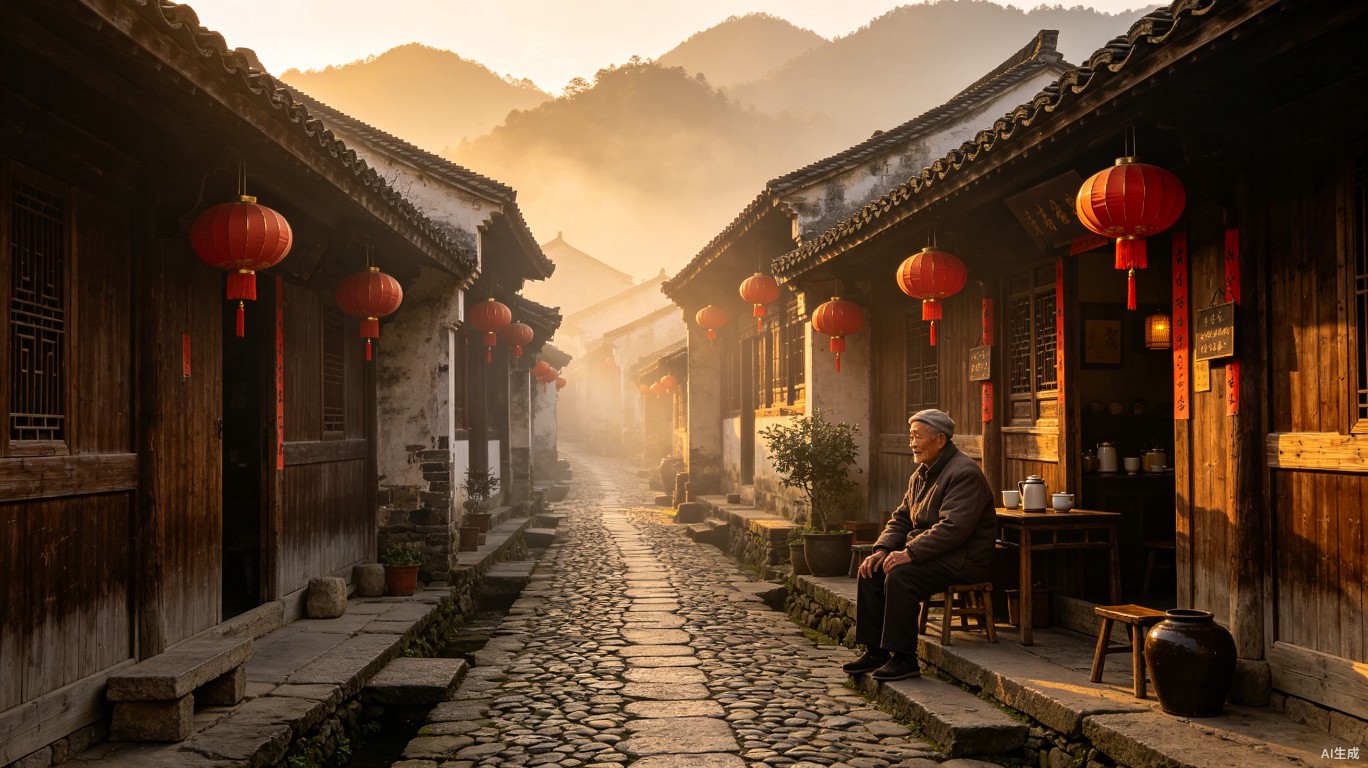
Beyond the Great Wall and Terracotta Warriors, China has incredible hidden destinations few tourists ever reach. Here are 10 underrated gems worth the detour.
9 min read
Top 10 Markets and Shopping Streets in China
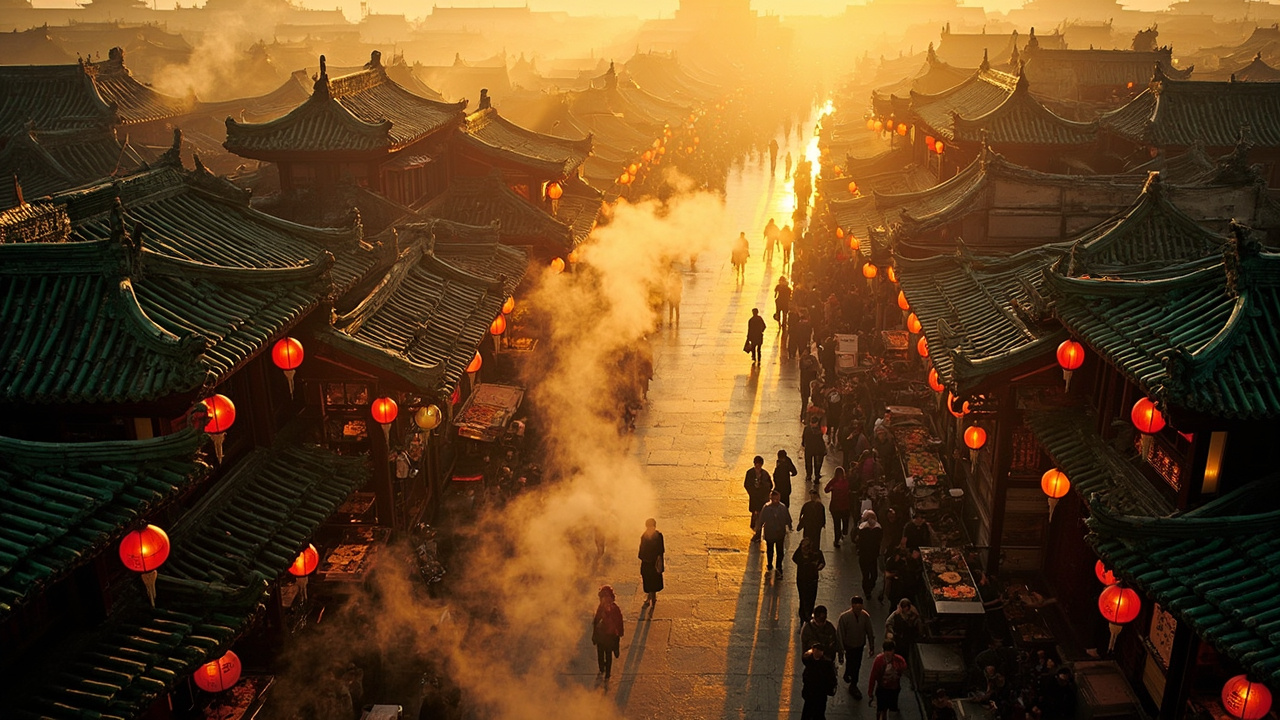
From Shanghai's Bund to Beijing's Silk Street - 10 markets where foreigners can haggle, explore, and bring home authentic Chinese goods.
9 min read
Top 10 Museums in China You Shouldn't Miss
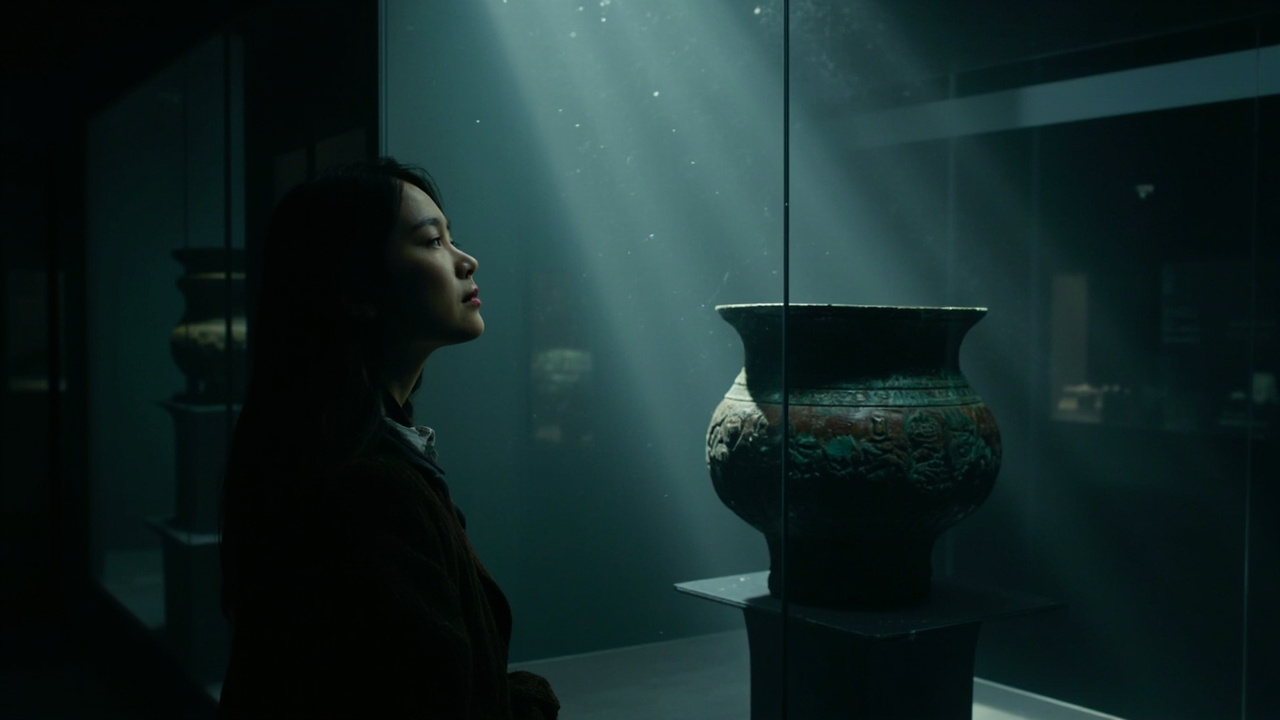
China's museums span 5,000 years of civilization. These 10 - from the Palace Museum to Xi'an's terracotta gallery - are unmissable for culture lovers.
9 min read