
Tibet Autonomous Region Guide
TODO: Extract from article (100-160 chars)
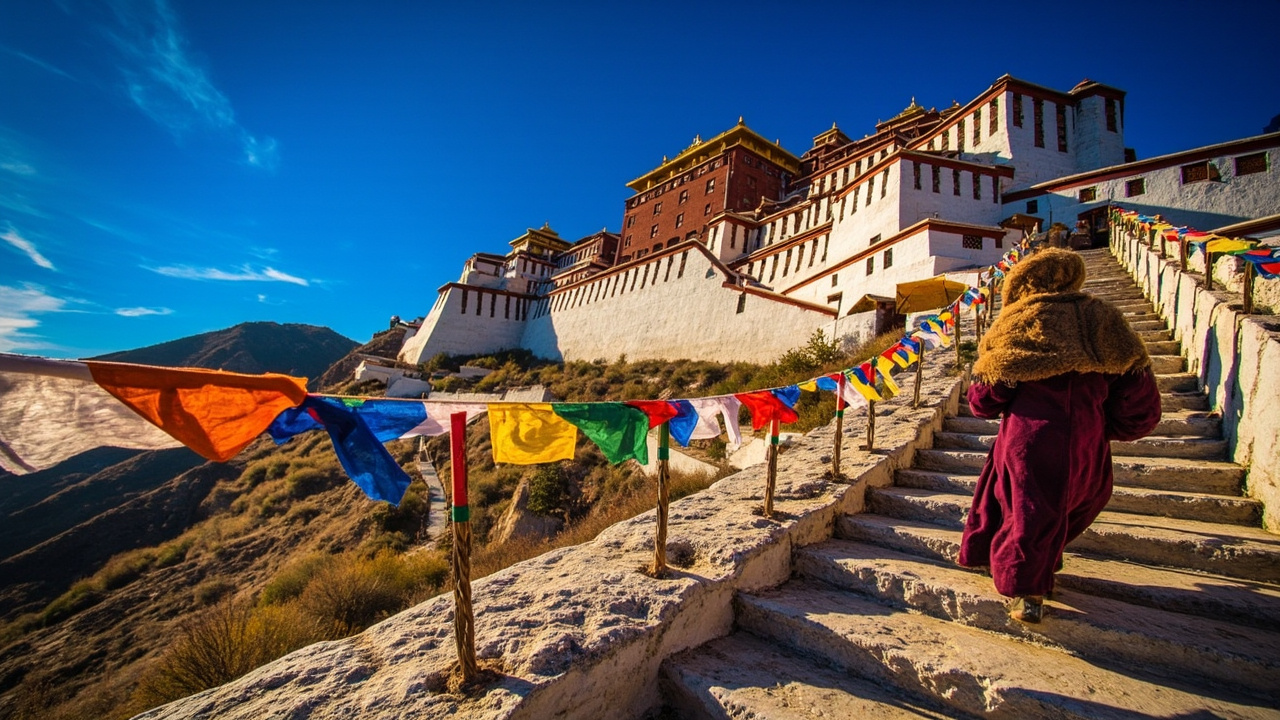
The first thing I noticed in Lhasa wasn’t the Potala Palace. It was the smell of yak butter tea drifting out of a open doorway on Barkhor Street, and the sound of a woman’s wooden prayer beads clicking against each other as she walked clockwise around the Jokhang Temple. I’d been in China for years by that point, but Tibet felt like a different country entirely — and in a lot of practical ways, it is.
Tibet is the one part of China that doesn’t work like the rest of China. You can’t just show up. You need a permit, a guide, and a pre-arranged itinerary before any airline will even sell you a ticket to Lhasa. That sounds like a hassle, and honestly, it is. But it’s also why Tibet still feels like Tibet. The infrastructure is thinner, the crowds are smaller, and the experience is more controlled — which cuts both ways.
I’ve made the trip three times now, twice by train from Xining and once by air from Chengdu. I’ve gotten altitude sickness on the second day, paid too much for a “certified” guide, and eaten more yak than I care to remember. What follows is what I’d tell a friend who just texted me “hey, I’m thinking about Tibet.”
Quick answer
Foreign tourists need a Tibet Travel Permit arranged through a licensed agency at least 15-20 days in advance — you cannot travel independently, and you must book a guide and driver for your entire stay. The permit costs roughly $100-$200 (¥700-¥1,400) on top of your tour package, and you’ll also need a China visa (or visa-free entry) plus a confirmed itinerary before any flight or train into Lhasa can be booked. The best time to visit is April to June or September to October, when skies are clear and the roads to Everest Base Camp and western Tibet are open.
The Short Version
Tibet is expensive, bureaucratic, and worth it. Budget $150-$250 per day for a mid-range guided tour including transport, hotels, and permits. Lhasa alone needs 3 days minimum. If you only have a week, do Lhasa plus one side trip — don’t try to cram in Everest. Altitude is the real boss here, not your itinerary. Fly into Lhasa, not Xining, if you’re short on time; take the train if you want the scenery and can afford the extra day.
How I Picked These
Everything here comes from three trips between 2019 and 2025, plus a lot of arguing with tour operators in Chengdu and Lhasa. I traveled with two different agencies, one good and one mediocre, and I’ve talked to enough travelers on the Barkhor to know which routes consistently deliver and which ones leave people disappointed. I’ve skipped some famous spots on purpose — Namtso in winter, for example, because the road conditions make it a gamble. Where I’m unsure about a 2026 price, I’ve given a range rather than a fake number.
Comparison Table
| Rank | Place | Best For | Approx Cost (USD) | Time Needed | When to Go |
|---|---|---|---|---|---|
| 1 | Lhasa | First-timers, culture | $80-150/day | 3-4 days | Apr-Jun, Sep-Oct |
| 2 | Everest Base Camp (North) | Bucket-list views | $400-700 (3-4 day tour) | 4 days | Apr-Jun, Sep-Oct |
| 3 | Shigatse & Tashilhunpo | Monasteries, fewer crowds | $200-350 (2-day tour) | 2 days | May-Oct |
| 4 | Namtso Lake | Landscape photography | $150-250 (2-day tour) | 2 days | May-Sep |
| 5 | Gyantse | Tibetan history, Kumbum | $150-250 (with Shigatse) | 1-2 days | May-Oct |
| 6 | Nyingchi (Bayi) | Lower altitude, forests | $200-350 (3-day tour) | 3 days | Mar-Apr (peach blossom) |
| 7 | Mount Kailash & Lake Manasarovar | Pilgrimage, hard trek | $1,500-2,500 (12-15 day tour) | 12-15 days | Jun-Sep |
| 8 | Yamdrok Lake | Day trip from Lhasa | $60-100 (day tour) | 1 day | May-Oct |
| 9 | Sera Monastery | Monk debates, easy access | Included in Lhasa | Half day | Year-round |
| 10 | Ganden Monastery | Hiking, kora circuit | $50-80 (day trip) | 1 day | May-Oct |
Lhasa — Where Everyone Starts, and Where Most People Should Stay Longer
I got off the train at Lhasa Station at 4pm, walked maybe 200 meters to the taxi stand, and immediately felt like someone had put a hand on my chest. That’s the altitude. Lhasa sits at 3,650 meters (11,975 feet), and it does not care how fit you are.
The Potala Palace is the postcard, and yes, it’s worth it — but the timed-entry system means you get about an hour inside, and the stairs will humble you. The Jokhang Temple is the beating heart. Go at dawn, when pilgrims are prostrating on the flagstones out front, and just stand there for twenty minutes. That’s the memory you’ll keep.
📷 Location: Chengguan District, central Lhasa. Barkhor Street circles the Jokhang.
🎟️ Entry fee: Potala Palace ¥200 ($28) peak season, ¥100 off-season. Jokhang ¥85 ($12). Sera Monastery ¥50 (~$7).
🕐 Opening hours: Potala 9am-4pm (timed tickets, book through your agency). Jokhang 7am-noon for pilgrims, noon-6pm for tourists. Sera 9am-4pm, monk debates around 3pm except Sunday.
🚕 How to actually get there: Fly into Lhasa Gonggar Airport (LXA), 60km south, ~1 hour by shuttle (¥30) or taxi (¥200). Or take the Qinghai-Tibet Railway from Xining (21 hours) — book a soft sleeper, roughly ¥800-1,200.
⏰ When to visit: April-June and September-October. July-August is rainy and crowded with domestic tourists. Winter is cold but cheap and quiet.
💡 Insider tips: Give yourself a full rest day before doing anything. Drink more water than you think you need. Diamox helps some people, but start it a day before you fly. The Potala requires a passport check at multiple points — carry it everywhere. Cash still matters here; set up Alipay and WeChat Pay before you arrive, but bring ¥1,000 in cash as backup.
I met a monk named Tenzin outside the Jokhang who insisted I try butter tea. It tasted like salty soup. I drank the whole cup because he was watching.
Everest Base Camp (North Side) — The Long Drive Is the Point
Everyone talks about the moment you see Everest. Honestly, the moment that stuck with me was hour nine of the drive from Shigatse, when our driver pulled over at a pass and pointed at a wall of white that didn’t look real.
The North Base Camp sits at 5,200 meters (17,060 feet). You don’t climb anything — you drive to a tent camp, sleep (badly), and watch the sunrise hit the peak. The road from Lhasa takes two days each way, with a night in Shigatse and another at the camp or in nearby Tibetan guesthouses.
📷 Location: Tingri County, Shigatse Prefecture. About 700km from Lhasa.
🎟️ Entry fee: Included in tour packages. The Everest Nature Reserve permit is ¥180 ($25) per person, plus ¥400 ($56) per vehicle.
🕐 Opening hours: April-October only. Closed November-March due to snow.
🚕 How to actually get there: You cannot drive yourself. Book a 4-day tour from Lhasa through your agency. Typical route: Lhasa → Shigatse → EBC → Shigatse → Lhasa.
⏰ When to visit: Late April to early June, or September to mid-October. July-August brings clouds that hide the peak.
💡 Insider tips: The tent camp at EBC is basic — shared toilets, no showers, and it gets below freezing at night even in summer. Bring a proper sleeping bag. Oxygen canisters are sold at the camp for ¥50-100. If you have any heart or lung condition, don’t do this. The altitude at EBC is no joke.
I made the mistake of skipping lunch on the drive up and spent the evening with a splitting headache. Eat, even when you don’t feel like it.
Shigatse & Tashilhunpo Monastery — The Second City That Feels Like the First
Shigatse is Tibet’s second-largest city, and Tashilhunpo is the seat of the Panchen Lama. I expected a smaller version of Lhasa. I got something quieter and, in some ways, more moving.
The monastery itself is a walled complex the size of a small town. The giant Buddha statue inside — 26 meters tall, gilded — is the thing everyone photographs, but the courtyards where monks sit and chat in the afternoon are what I remember. Nobody rushed me. Nobody tried to sell me anything.
📷 Location: Shigatse city center, Shigatse Prefecture. About 270km west of Lhasa. 🎟️ Entry fee: ¥100 (~$14) for the main halls. Some outer courtyards are free. 🕐 Opening hours: 9am-5pm daily, though afternoon hours can vary. 🚕 How to actually get there: Most people arrive as part of an EBC tour. If you’re going independently (with a guide), it’s a 5-6 hour drive from Lhasa on the G318. ⏰ When to visit: May-October. The monastery is busiest during Tibetan New Year (Losar, usually February-March), which is spectacular but crowded. 💡 Insider tips: Photography inside the main halls is banned and enforced. Dress modestly — no shorts, no tank tops. There’s a decent Sichuan restaurant two blocks from the monastery entrance that most tour groups skip.
Namtso Lake — The One That Looks Photoshopped
Namtso sits at 4,718 meters, and the water is a shade of blue that doesn’t seem possible. I took about forty photos and none of them captured it.
It’s a 4-5 hour drive from Lhasa, and most tours do it as an overnight. The lakeshore has a small tent camp with basic guesthouses. Sunset and sunrise are the reasons to stay over — the day-trippers miss both.
📷 Location: Damxung County, about 240km north of Lhasa. 🎟️ Entry fee: ¥120 (~$17) park entrance. 🕐 Opening hours: May-October. The road closes in winter. 🚕 How to actually get there: Book a 2-day tour from Lhasa. Independent travel isn’t allowed for foreigners here. ⏰ When to visit: June-September. It’s cold at night year-round — bring layers. 💡 Insider tips: The altitude here is higher than Lhasa, so if you’re still adjusting, wait a few days. There’s a small medical station at the entrance. Bring your own snacks — the food at the camp is overpriced and mediocre.
Gyantse — The Town Most Tours Rush Through
Gyantse is usually a lunch stop between Lhasa and Shigatse. That’s a mistake. The Kumbum Stupa — a 32-meter, nine-tiered structure with 76 chapels — is one of the most extraordinary buildings in Tibet, and most people see it for forty minutes.
I spent three hours there. The chapels spiral upward, each one with different murals and statues, and by the top you’re looking out over the whole valley.
📷 Location: Gyantse County, Shigatse Prefecture. About 260km from Lhasa. 🎟️ Entry fee: ¥60 (~$8) for the Kumbum and Pelkor Chode Monastery. 🕐 Opening hours: 9am-6pm. 🚕 How to actually get there: Part of the Lhasa-Shigatse route. Ask your guide to build in two hours minimum. ⏰ When to visit: May-October. 💡 Insider tips: The old town around the stupa is worth a walk. There’s a small family-run teahouse near the entrance that serves the best momos I had in Tibet.
Nyingchi — Tibet for People Who Hate Altitude
Nyingchi sits at only 3,000 meters, which makes it the “easy” Tibet. It’s greener, wetter, and looks more like Yunnan than the Tibetan plateau. In late March and early April, the peach blossoms here are genuinely spectacular.
📷 Location: Nyingchi Prefecture, southeastern Tibet. 🎟️ Entry fee: Varies by site. Basum Tso lake is ¥120 (~$17). 🕐 Opening hours: Site-dependent. 🚕 How to actually get there: Flights from Lhasa (1 hour) or Chengdu (2 hours). Nyingchi Mainling Airport (LZY) is the main hub. ⏰ When to visit: March-April for blossoms, September-October for clear weather. 💡 Insider tips: This is a good option if you’re traveling with older family members or anyone worried about altitude. The food here is more varied — you’ll find better vegetables and less yak.
Mount Kailash & Lake Manasarovar — The Pilgrimage
This is the big one, and I’ll be honest: I haven’t done the full kora. It’s a 52km, 3-day trek around the mountain at altitudes up to 5,600 meters, and it requires serious fitness and acclimatization. What I did do was visit Lake Manasarovar, which is a 12-15 day round trip from Lhasa.
The lake is one of the highest freshwater lakes in the world, and the silence there is total. Pilgrims from India, Nepal, and across Tibet come to bathe in it.
📷 Location: Ngari Prefecture, western Tibet. Very remote. 🎟️ Entry fee: Permit and tour costs dominate — expect $1,500-2,500 all-in. 🕐 Opening hours: June-September only for foreigners. 🚕 How to actually get there: Guided tour only. Most depart from Lhasa, some from Kathmandu (though the Nepal border crossing has been unreliable). ⏰ When to visit: June-September. 💡 Insider tips: This is a serious trip. Get a medical check before booking. The road is rough and the infrastructure is minimal. Bring a satellite phone if you can.
Yamdrok Lake — The Easy Day Trip
Yamdrok is the lake you see on the drive between Lhasa and Shigatse, and it’s worth a dedicated stop. The viewpoint at the top of the pass is the classic photo. There’s a small tourist stop with yak rides and souvenirs, which I’d skip.
📷 Location: Nagarze County, about 110km southwest of Lhasa. 🎟️ Entry fee: ¥60 (~$8). 🕐 Opening hours: Daylight hours. 🚕 How to actually get there: Day tour from Lhasa, or as a stop on the Shigatse route. ⏰ When to visit: May-October. 💡 Insider tips: The lake is at 4,441 meters, so pace yourself. There’s a small restaurant at the pass with surprisingly decent noodles.
Sera Monastery — The Debates
Sera is one of Lhasa’s three great monasteries, and the afternoon monk debates are the draw. Monks sit in a courtyard and slap their hands together to punctuate arguments. It’s theatrical, and it’s real.
📷 Location: Northern Lhasa, about 5km from the city center. 🎟️ Entry fee: ¥50 (~$7). 🕐 Opening hours: 9am-4pm. Debates around 3pm, Monday-Saturday. 🚕 How to actually get there: Taxi from Barkhor takes 15 minutes, about ¥30. Or take bus 16. ⏰ When to visit: Weekday afternoons for the debates. Avoid Sunday. 💡 Insider tips: You can photograph the debates but not the monks’ faces up close. There’s a small English-language guidebook at the entrance for ¥20.
Ganden Monastery — The Kora Walk
Ganden is 40km east of Lhasa and sits on a ridge with a kora (pilgrimage circuit) that takes about 90 minutes at a gentle pace. The views over the valley are the best I’ve seen near Lhasa.
📷 Location: Dagze County, about 40km east of Lhasa. 🎟️ Entry fee: ¥50 (~$7). 🕐 Opening hours: 9am-4pm. 🚕 How to actually get there: Day trip from Lhasa, about 1 hour by car. ⏰ When to visit: May-October. 💡 Insider tips: The kora starts behind the main hall. Wear proper shoes — the path is uneven. There’s a small teahouse halfway around.
FAQ summary
Foreign visitors to Tibet must book through a licensed travel agency and obtain a Tibet Travel Permit at least 15-20 days before arrival; independent travel is not permitted. Expect to pay $150-$250 per day for a guided tour including permits, transport, and accommodation, with Lhasa as the mandatory starting point. The best months are April-June and September-October, and altitude sickness is the biggest practical risk — plan a rest day in Lhasa before any further travel.
FAQ
Q: Do I need a special permit to visit Tibet as a foreigner? A: Yes. You need a Tibet Travel Permit, arranged by a licensed agency, plus additional permits for regions like Everest or Ngari. Apply at least 15-20 days ahead, and note that the permit is checked when you book flights or trains into Lhasa.
Q: Can I travel to Tibet independently? A: No. Foreign tourists must travel with a licensed guide and driver for the entire trip. This is non-negotiable and has been the rule for years. Budget for it — it’s a significant part of your total cost.
Q: How much does a Tibet trip cost? A: A 7-day mid-range guided tour runs $1,500-$2,500 per person, all-in. Daily costs on the ground are $150-$250. Everest and Kailash trips cost more. You can cut costs by joining a group tour rather than going private.
Q: What’s the best way to get to Lhasa? A: Flying is faster — direct flights from Chengdu, Beijing, and Xi’an. The train from Xining takes 21 hours and helps with acclimatization, but it’s a long ride. Most first-timers fly in and take the train out. See our China train travel guide for booking details.
Q: Is altitude sickness a real problem? A: Yes, and it affects everyone differently. Lhasa is at 3,650m. Plan a full rest day on arrival, drink water constantly, and consider Diamox. Don’t fly in and immediately head to Everest — that’s how people end up in the hospital.
Q: Do I need a VPN or special SIM card in Tibet? A: Standard China rules apply — many Western apps are blocked, so set up a VPN before you arrive. Local SIM cards work in Lhasa but coverage gets spotty outside the city. See our China SIM and internet guide for setup.
Q: Is English widely spoken? A: Not really. Your guide will speak English, but outside the tour bubble, expect to rely on translation apps. Download an offline Mandarin pack before you go. Tibetan is the local language, but Mandarin is the practical fallback.
The Honest Wrap-up
Tibet isn’t for everyone. If you want spontaneity, cheap street food, and the freedom to wander off a map, this will frustrate you. If you’re willing to pay for access and accept that your itinerary is partly out of your hands, it’s one of the most rewarding places you’ll ever go.
Book through an agency with recent reviews, not the cheapest option. Give yourself two extra days beyond what you think you need. And if you’re combining this with the rest of China, look at our top places to visit list — Tibet works best as the finale, not the opener.
One last thing: bring cash, bring layers, and don’t skip the butter tea. Even if you hate it.
More guides you may like
Top 10 Bridges in China
China's bridges are engineering marvels spanning mountains, rivers, and seas. Here are 10 of the most spectacular, from ancient stone to modern steel.
8 min read

Top 10 Buddhist Sites in China
From the Leshan Giant Buddha to the Dunhuang Caves, these 10 Buddhist sites represent 2,000 years of China's spiritual heritage.
9 min read
Top 10 Day Trips from Beijing You Shouldn't Miss
Beijing is packed with history, but some of China's best experiences are just a few hours away. Here are 10 day trips that will transform your visit.
9 min read
Top 10 Hidden Gems in China Off the Beaten Path
Beyond the Great Wall and Terracotta Warriors, China has incredible hidden destinations few tourists ever reach. Here are 10 underrated gems worth the detour.
9 min read
Top 10 Markets and Shopping Streets in China
From Shanghai's Bund to Beijing's Silk Street - 10 markets where foreigners can haggle, explore, and bring home authentic Chinese goods.
9 min read
Top 10 Museums in China You Shouldn't Miss
China's museums span 5,000 years of civilization. These 10 - from the Palace Museum to Xi'an's terracotta gallery - are unmissable for culture lovers.
9 min read