
Things to Do in Tianjin
TODO: Extract from article (100-160 chars)
Things to Do in Tianjin
I stepped out of Tianjin Station on a Tuesday morning in October and immediately got lost in the wrong way. Not geographically — I could see the Hai River right there, brown and wide and busy with barges. I mean culturally. I’d come from Beijing expecting a smaller, sleepier version of the capital. Instead I found a city that felt like a European port town had a baby with a northern Chinese industrial hub, and the baby grew up speaking Mandarin with a weird accent and eating incredible street food.
The first thing I ate was a jianbing from a cart outside the station. The woman running it cracked two eggs without asking, brushed on three sauces, and folded it into a paper sleeve before I could say anything. It cost me 8 yuan. I ate it standing on a bridge watching a man fish with a net the size of a bedsheet.
Tianjin gets skipped by almost every first-time China itinerary. I think that’s a mistake. It’s 30 minutes from Beijing on the high-speed rail, it has one of the most intact colonial architecture districts in Asia, and the food is genuinely different from anything you’ll eat in the capital. If you’re already doing the Beijing loop and you have a spare day, this is where you should spend it.
This guide covers the ten things I’d actually tell a friend to do, with real prices, real transit directions, and the specific mistakes I made so you don’t repeat them.
Quick answer
Tianjin is a 30-minute high-speed train ride from Beijing South Station (about $8–11 / 55–80 CNY one way) and works as a day trip or a relaxed 2-day stop. Most visitors from the US, UK, EU, Australia, and Southeast Asia can enter China visa-free for up to 30 days under the 2026 policy, so no separate visa is needed for Tianjin. The must-see cluster is the Five Great Avenues colonial district, the Italian Style Town, and the Tianjin Eye ferris wheel, all within walking distance of each other on the west bank of the Hai River.
The Short Version
If you have 90 seconds: come for one full day, arrive by 9am, start at the Five Great Avenues, walk to Italian Style Town for lunch, ride the Tianjin Eye at dusk, then eat goubuli baozi or jianbing for dinner and take the last train back to Beijing. Skip the Ancient Culture Street unless you love tourist markets. Bring a translation app — English is much rarer here than in Beijing or Shanghai.
How I Picked These
I’ve been to Tianjin four times over seven years, twice as a day trip from Beijing and twice staying overnight. I picked these ten based on three filters: would I go back, is it actually reachable without a car, and does it show you something you can’t get in Beijing. I asked a taxi driver named Liu, a hostel receptionist near the Italian district, and a woman selling mahua fried dough twists on Ancient Culture Street what they’d tell a foreign friend to see. Two of their answers made this list. I also cut three famous spots that I think are overrated, and I’ll tell you which ones below.
Comparison Table
| Rank | Place | Best For | Approx Cost (USD) | Time Needed | When to Go |
|---|---|---|---|---|---|
| 1 | Five Great Avenues (Wudadao) | Colonial architecture, walking | Free | 2–3 hrs | Weekday morning |
| 2 | Italian Style Town | Cafes, photos, relaxed lunch | Free to enter | 1.5–2 hrs | Weekday afternoon |
| 3 | Tianjin Eye | Views, night skyline | $10 (70 CNY) | 45 min | Sunset or after dark |
| 4 | Ancient Culture Street | Souvenirs, snacks, crowds | Free | 1–1.5 hrs | Early morning |
| 5 | Porcelain House | Quirky art, photos | $7 (50 CNY) | 45 min | Weekday |
| 6 | Tianjin Museum | History, free culture fix | Free | 2 hrs | Rainy day |
| 7 | Hai River Cruise | Skyline from water | $14 (100 CNY) | 50 min | Evening |
| 8 | Binhai Library | Architecture, Instagram | Free | 1 hr | Weekday |
| 9 | St. Joseph’s Cathedral | Photos, quiet | Free | 30 min | Morning |
| 10 | Yangliuqing Ancient Town | Folk art, day trip | Free | Half day | Weekend |
Five Great Avenues (Wudadao) — Where Tianjin Stops Feeling Like China
I got lost here on purpose. The Five Great Avenues is a grid of streets lined with around 2,000 villas and mansions built between 1900 and 1940, when Tianjin was a treaty port carved up by foreign powers. British, French, Italian, German, Japanese, and Belgian concessions all left buildings behind, and the result is a neighborhood that looks like a European city that somehow ended up in northern China.
What makes it special is that it’s not a museum. People live here. I watched an old man in a tracksuit water his roses outside a 1920s British-style villa, and a kid on a scooter nearly ran me over while I was photographing a brick archway. The streets are quiet, tree-lined, and genuinely pleasant to walk without a plan.
📍 Location: Heping District, bounded roughly by Chengdu Road, Machang Road, Xikang Road, and Munan Road. 🎟️ Entry fee: Free to walk. Some individual villas charge $3–5 (20–35 CNY) to enter; most are closed to the public. 🕒 Opening hours: Streets are always open. Best light is 8–11am. 🚕 How to actually get there: Take Metro Line 1 to Xiaobailou Station, Exit B, then walk 15 minutes west. Or take a taxi from Tianjin Station for about $3 (20 CNY). ⏰ When to visit: Weekday mornings. Weekends bring wedding photographers and tour groups. 💡 Insider tips: Rent a shared bike (Hellobike or Meituan, scan with WeChat Pay or Alipay — set these up before you arrive using our China payment apps guide). The best photo spots are on Munan Road and the small side streets off Chengdu Road. Bring cash for the tiny tea houses; some don’t take foreign cards.
I paid $4 for a cup of jasmine tea at a courtyard cafe on Munan Road and sat there for an hour because the owner, a woman in her 60s, kept refilling it without being asked.
Italian Style Town — The Most Photogenic Lunch Stop in North China
I didn’t expect much from a place literally called “Italian Style Town.” I assumed it would be a themed shopping street with overpriced pasta. It’s better than that. The buildings are genuine early-1900s Italianate architecture, restored but not Disneyfied, and the whole area sits right on the Hai River with a small piazza at its center.
Why it’s special: it’s the only place in China where I’ve eaten a decent espresso and watched a Chinese wedding party take photos in front of a statue of Marco Polo in the same 10 minutes. The restaurants are hit or miss — the pasta is mediocre, the pizza is fine, the coffee is surprisingly good — but you’re here for the atmosphere and the river views.
📍 Location: Hebei District, along the north bank of the Hai River near Marco Polo Square. 🎟️ Entry fee: Free. 🕒 Opening hours: Always open; restaurants typically 10am–10pm. 🚕 How to actually get there: Metro Line 2 to Jianguodao Station, Exit C, walk 8 minutes south toward the river. ⏰ When to visit: Weekday lunch. Evenings get busy with locals. 💡 Insider tips: The best coffee is at the small roasters on the side streets, not the main piazza. English menus are common here, unlike most of Tianjin. If you need a SIM card or eSIM for China, sort it before you arrive — see our China SIM and internet guide.
I ordered a cappuccino that cost $5 (35 CNY) — expensive by Chinese standards, normal by Italian ones — and the barista asked me where I was from in perfect English, which was the only time that happened all day.
Tianjin Eye — Ride It at Dusk, Not at Noon
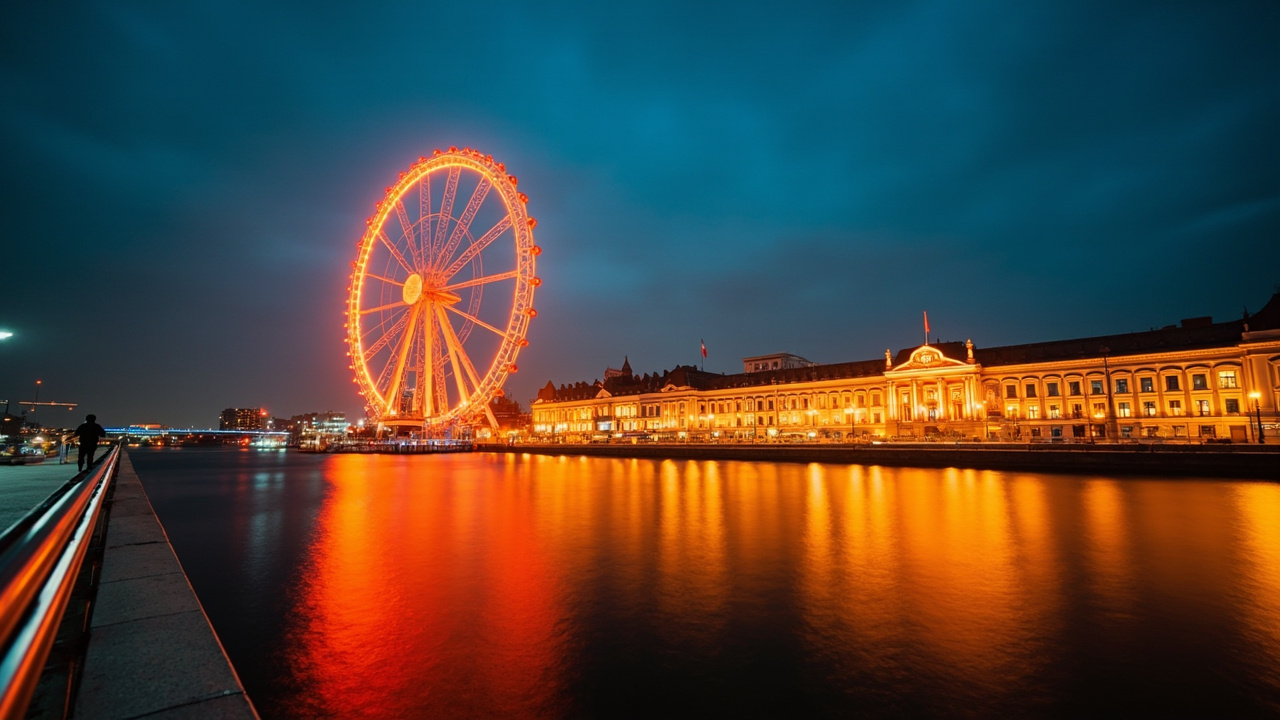
The Tianjin Eye is a 120-meter ferris wheel built over the Yongle Bridge, straddling the Hai River. It’s the only ferris wheel in the world built on a bridge, which is a fun fact but not why you should go. You should go because the view at dusk, when the river lights up and the city turns orange, is genuinely worth $10.
I rode it at 6:30pm in October and got a full rotation of about 28 minutes. The cabins are enclosed and hold up to 8 people. I shared mine with a family of five from Shandong who took approximately 200 photos of themselves and none of the view. That’s fine. The view is for you.
📍 Location: On Yongle Bridge, Hebei District, west bank of the Hai River. 🎟️ Entry fee: $10 (70 CNY) for adults; $5 (35 CNY) for children under 1.4m. 🕒 Opening hours: Roughly 9am–9:30pm, but hours shift seasonally — check at the ticket booth. 🚕 How to actually get there: Metro Line 1 to Xibeijiao Station, Exit B, walk 10 minutes east to the river. ⏰ When to visit: 30 minutes before sunset. Weekday if possible. 💡 Insider tips: Buy tickets on-site; there’s no reliable English booking site. Bring your passport — you’ll need it for the ticket. The line moves fast, but weekends can be a 45-minute wait.
My mistake: I wore a jacket that was too thin and spent the last 10 minutes of the ride shivering. Bring a layer even in October.
Ancient Culture Street — Go Early or Skip It
I’ll be honest: Ancient Culture Street is a tourist market dressed up as a historic street. It’s rebuilt, it’s crowded, and half the stalls sell the same plastic souvenirs. But it’s also where you’ll find the best mahua (fried dough twists), the traditional Tianjin snack, and the street itself is pretty in the early morning before the tour buses arrive.
Why it’s worth a short visit: the architecture is a decent example of Qing-style commercial streets, the temple at the north end (Tianhou Palace) is genuinely old, and the food stalls are legit. I bought a bag of mahua for $3 (20 CNY) and ate it over three days.
📍 Location: Nankai District, along the west bank of the Hai River, south of the Tianjin Eye. 🎟️ Entry fee: Free. Tianhou Palace is $2 (10 CNY). 🕒 Opening hours: Shops roughly 9am–9pm; best before 10am. 🚕 How to actually get there: Metro Line 2 to Dongnanjiao Station, Exit D, walk 5 minutes north. ⏰ When to visit: Before 10am on a weekday. After 11am on weekends it’s shoulder-to-shoulder. 💡 Insider tips: The mahua at the stalls near the north entrance is better than the big brand shops. Bargain hard on souvenirs — start at 40% of the asking price. Skip the “traditional tea ceremony” shops; they’re overpriced.
A vendor named Mrs. Chen sold me a paper cut for $2 and then gave me a second one for free because I tried to say “thank you” in Mandarin and got the tone wrong.
Porcelain House — Weird, Wonderful, and Slightly Overwhelming
The Porcelain House is a 1920s French-style villa that a collector named Zhang Lianzhi covered in roughly 400 million pieces of broken porcelain, 13,000 pieces of ancient pottery, and 300 marble lions. It sounds like a fever dream. It looks like one too.
I spent 45 minutes here and left with a headache and about 30 photos. It’s not beautiful in a conventional way — it’s obsessive and strange and completely unlike anything else in China. Whether you love it or hate it, you won’t forget it.
📍 Location: Heping District, at the corner of Chifeng Road and Xinhua Road. 🎟️ Entry fee: $7 (50 CNY) for adults; $4 (25 CNY) for students and seniors. 🕒 Opening hours: 9am–6pm daily, last entry 5pm. 🚕 How to actually get there: Metro Line 1 to Xiaobailou Station, Exit A, walk 10 minutes north. ⏰ When to visit: Weekday morning. It’s small and gets cramped fast. 💡 Insider tips: Photography is allowed but no tripods. The interior is tight — leave big bags at your hotel. There’s a small cafe next door that’s a good place to decompress.
I met a retired couple from Guangzhou here who had driven 20 hours specifically to see it. They told me it was “the strangest thing in China,” which felt like high praise.
Tianjin Museum — The Free Rainy-Day Save
If it rains, this is where you go. The Tianjin Museum is a modern building in the Culture Center district with a solid collection of Chinese painting, calligraphy, jade, and ceramics, plus a good section on Tianjin’s treaty-port history. It’s free, it’s air-conditioned, and it’s rarely crowded.
Why it’s worth 2 hours: the painting and calligraphy galleries are genuinely good, and the historical exhibits explain the colonial period you’ve been walking through. I went in expecting a provincial museum and left impressed.
📍 Location: Hexi District, Culture Center, Youyi Road. 🎟️ Entry fee: Free with passport registration. 🕒 Opening hours: 9am–4:30pm, closed Mondays. 🚕 How to actually get there: Metro Line 5 or 6 to Culture Center Station, Exit C. ⏰ When to visit: Any rainy weekday. Avoid Monday (closed) and weekend afternoons. 💡 Insider tips: Bring your passport — you need it to enter. English signage is decent but not complete. The museum shop has good, affordable reproductions of folk art.
I spent 20 minutes in front of a single Ming dynasty scroll and a security guard came over to tell me, in gestures, that it was his favorite too.
Hai River Cruise — The Best $14 You’ll Spend at Night
The Hai River cuts through the middle of Tianjin, and the night cruise is the single best way to see the city’s skyline. The boats run from a few piers along the river, and the ride is about 50 minutes with commentary in Mandarin (and sometimes English).
I did this on my second trip and wished I’d done it on the first. The bridges are lit, the buildings reflect on the water, and the Tianjin Eye glows orange in the distance. It’s not a party boat — it’s calm, and mostly locals.
📍 Location: Multiple piers; the main one is near the Tianjin Eye on the west bank. 🎟️ Entry fee: $14 (100 CNY) for adults; $7 (50 CNY) for children. 🕒 Opening hours: Evening departures roughly 7–9pm; seasonal. 🚕 How to actually get there: Metro Line 1 to Xibeijiao Station, then walk to the pier near the Eye. ⏰ When to visit: After dark, any night the weather is clear. 💡 Insider tips: Buy tickets at the pier, not from touts. Bring a light jacket — the river wind is cold. Sit on the open upper deck if you can.
The boat captain let a kid steer for about 30 seconds, which his mother photographed like it was a graduation.
Binhai Library — The One That Went Viral
You’ve seen the photos. The Binhai Library has a giant spherical “eye” in the middle of a curved white atrium lined with what look like books. It’s a real library, and it’s genuinely striking in person, though the “books” on the upper shelves are actually printed wallpaper.
I’ll be honest: it’s a 45-minute metro ride from central Tianjin, and you’ll spend about 20 minutes there. Whether it’s worth it depends on how much you care about architecture photos. I think it is, but only if you’re already heading east.
📍 Location: Binhai New Area, far east of central Tianjin. 🎟️ Entry fee: Free. 🕒 Opening hours: 10am–6pm, closed Mondays. 🚕 How to actually get there: Metro Line 9 from Tianjin Station to Citizen Plaza Station, about 45 minutes. ⏰ When to visit: Weekday morning. Weekends are packed with photographers. 💡 Insider tips: You can’t actually reach most of the books — the upper shelves are decorative. The lower floors are a working library, so keep quiet. There’s a decent cafe on the ground floor.
I watched a man in a suit spend 15 minutes directing his girlfriend to stand in exactly the right spot for a photo, then leave without looking at a single book.
St. Joseph’s Cathedral — Five Minutes of Quiet
St. Joseph’s Cathedral is a brick Gothic church built in 1916, sitting in the middle of a busy commercial district. It’s small, it’s free, and it’s a nice five-minute pause between bigger stops.
I ducked in on a hot afternoon and sat in a pew for 20 minutes. A woman was praying in the front row. Nobody bothered me. It was the quietest I’d been all day.
📍 Location: Heping District, at the corner of Nanjing Road and Dushan Road. 🎟️ Entry fee: Free. 🕒 Opening hours: Roughly 8am–5pm; closed during Mass. 🚕 How to actually get there: Metro Line 1 or 3 to Yingkoudao Station, Exit B, walk 3 minutes. ⏰ When to visit: Mid-afternoon on a weekday. 💡 Insider tips: Dress modestly — no shorts or tank tops inside. Photography is allowed but be respectful. There’s a good noodle shop on the same block.
An old man selling rosaries outside told me, in broken English, “very old, very quiet, very good,” which is exactly right.
Yangliuqing Ancient Town — The Half-Day Trip Worth Taking
Yangliuqing is a small town about 15km west of central Tianjin, known for its traditional New Year woodblock prints (nianhua). It’s a real working town with a restored old quarter, not a theme park, and it’s where you’ll see how folk art is actually made.
I went on a Saturday and spent three hours wandering. The print workshops are the highlight — you can watch artisans carve and print by hand, and buy originals for $5–20 (35–140 CNY). It’s a completely different side of Tianjin.
📍 Location: Xiqing District, about 15km west of the city center. 🎟️ Entry fee: Free to enter the old town; some workshops charge $2–3 (15–20 CNY). 🕒 Opening hours: Shops roughly 9am–5pm. 🚕 How to actually get there: Take Metro Line 1 to Liuyuan Station, then a taxi for about $5 (35 CNY). Or a direct bus from Tianjin West Station. ⏰ When to visit: Weekday if possible; weekends are busier but livelier. 💡 Insider tips: Buy prints directly from the workshops, not the souvenir stalls. Bring cash for small vendors. English is rare here — have your translation app ready.
A printmaker named Mr. Wang showed me how to pull a print and let me keep the one I made, which is now on my kitchen wall.
FAQ summary
The most important things to know about visiting Tianjin: it’s a 30-minute high-speed train from Beijing and works well as a day trip or a relaxed 2-day stop. Most Western and Southeast Asian passport holders can enter China visa-free for up to 30 days in 2026, so no separate visa is needed. The core sights — Five Great Avenues, Italian Style Town, and the Tianjin Eye — cluster within walking distance of the Hai River, and a full day costs roughly $40–60 (280–420 CNY) including train, food, and one paid attraction. English is much less common than in Beijing or Shanghai, so download a translation app and set up WeChat Pay or Alipay before you arrive.
FAQ
Q: Do I need a visa to visit Tianjin as a US or EU citizen? A: Under the 2026 policy, most US, UK, EU, Australian, and Southeast Asian passport holders can enter China visa-free for up to 30 days for tourism. You still need a passport valid for at least 6 months and a return ticket. Check the latest rules before booking — see our China visa guide for details.
Q: How do I get from Beijing to Tianjin? A: Take the high-speed train from Beijing South Railway Station to Tianjin Station. It runs every 10–20 minutes, takes about 30 minutes, and costs $8–11 (55–80 CNY). Book on the official 12306 app or at the station. See our China train travel guide for how to book as a foreigner.
Q: Is one day in Tianjin enough? A: Yes, for the highlights. A full day covering the Five Great Avenues, Italian Style Town, the Tianjin Eye, and one meal is doable and satisfying. If you want Binhai Library or Yangliuqing, add a second day.
Q: Can I use Alipay or WeChat Pay in Tianjin? A: Yes, both work almost everywhere, including small street vendors. Set them up with your home card before you arrive — see our payment apps guide. Carry about $30 (200 CNY) in cash for the rare stall that doesn’t accept digital payment.
Q: Is English widely spoken in Tianjin? A: Less than in Beijing or Shanghai. Hotel staff and Italian Style Town cafes usually speak some English. Everywhere else, expect to use a translation app like Pleco or Google Translate (download offline Chinese before you arrive).
Q: Do I need a VPN in Tianjin? A: Google, Instagram, WhatsApp, and most Western apps are blocked in mainland China. If you need them, install a reputable VPN before you arrive — VPN apps can’t be downloaded once you’re inside China. See our SIM and internet guide.
Q: What’s the best time of year to visit Tianjin? A: Late April to mid-June and September to late October. Summers are hot and humid, winters are cold and dry with occasional smog. Spring has the nicest light for the colonial district.
The Honest Wrap-up
This list is for travelers who are already doing Beijing and want one more city that feels genuinely different, without a long detour. It’s not for people who want a checklist of famous monuments — Tianjin doesn’t have those. It’s for people who like walking, eating, and looking at buildings that don’t quite belong where they are.
If you’re booking the flight right now: give Tianjin one full day, not two, unless you’re adding Binhai or Yangliuqing. Take the earliest train from Beijing South, walk the Five Great Avenues before the crowds, and take the last train back. You’ll be tired. You’ll also have eaten something you can’t get anywhere else.
More guides you may like
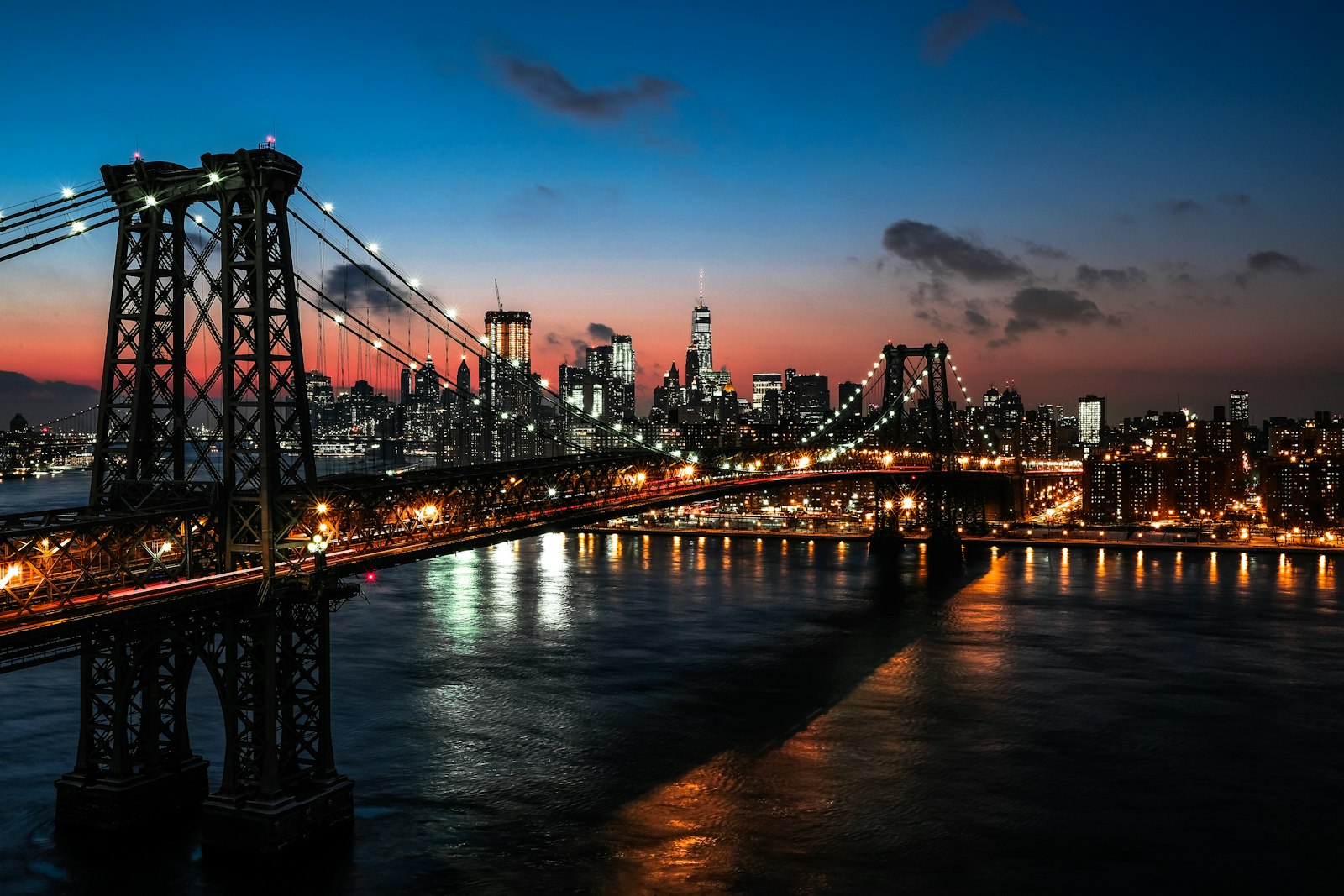
Top 10 Bridges in China
China's bridges are engineering marvels spanning mountains, rivers, and seas. Here are 10 of the most spectacular, from ancient stone to modern steel.
8 min read

Top 10 Buddhist Sites in China
From the Leshan Giant Buddha to the Dunhuang Caves, these 10 Buddhist sites represent 2,000 years of China's spiritual heritage.
9 min read

Top 10 Day Trips from Beijing You Shouldn't Miss
Beijing is packed with history, but some of China's best experiences are just a few hours away. Here are 10 day trips that will transform your visit.
9 min read
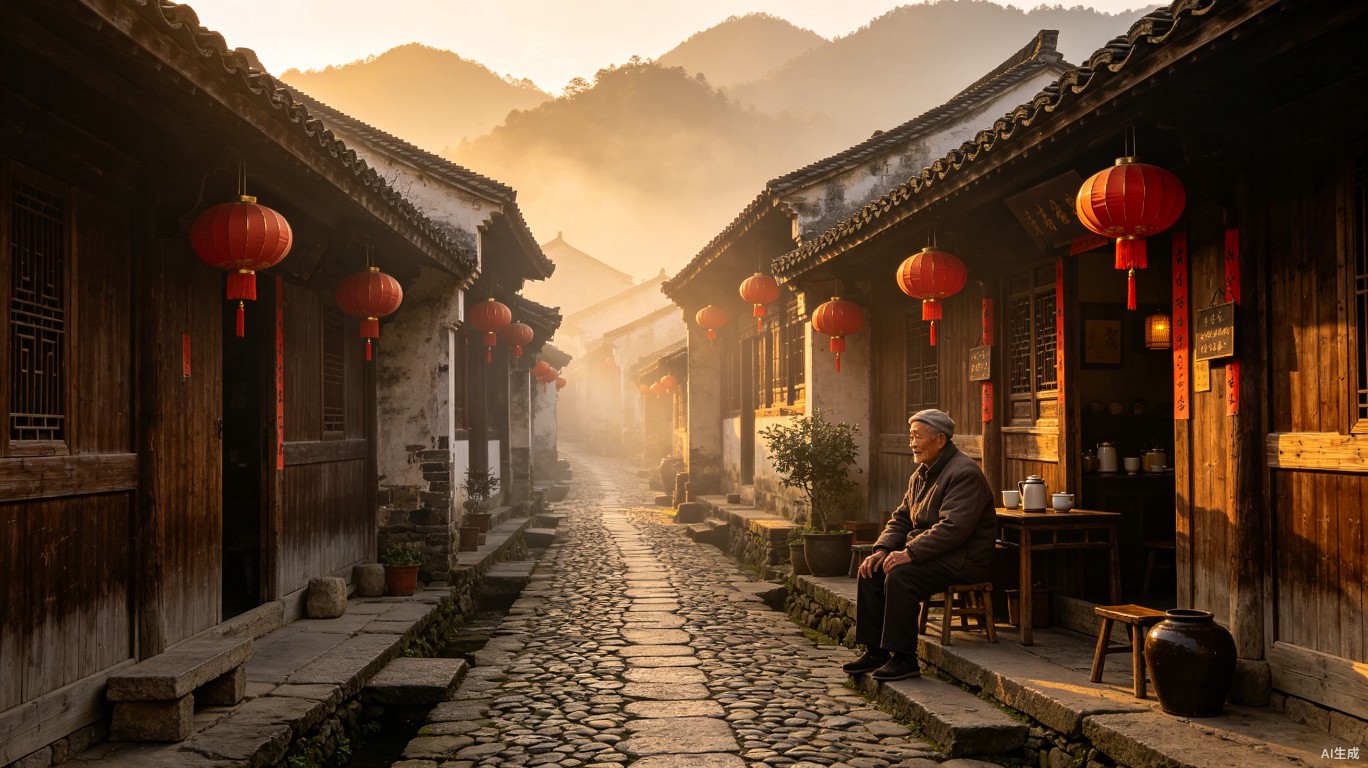
Top 10 Hidden Gems in China Off the Beaten Path
Beyond the Great Wall and Terracotta Warriors, China has incredible hidden destinations few tourists ever reach. Here are 10 underrated gems worth the detour.
9 min read
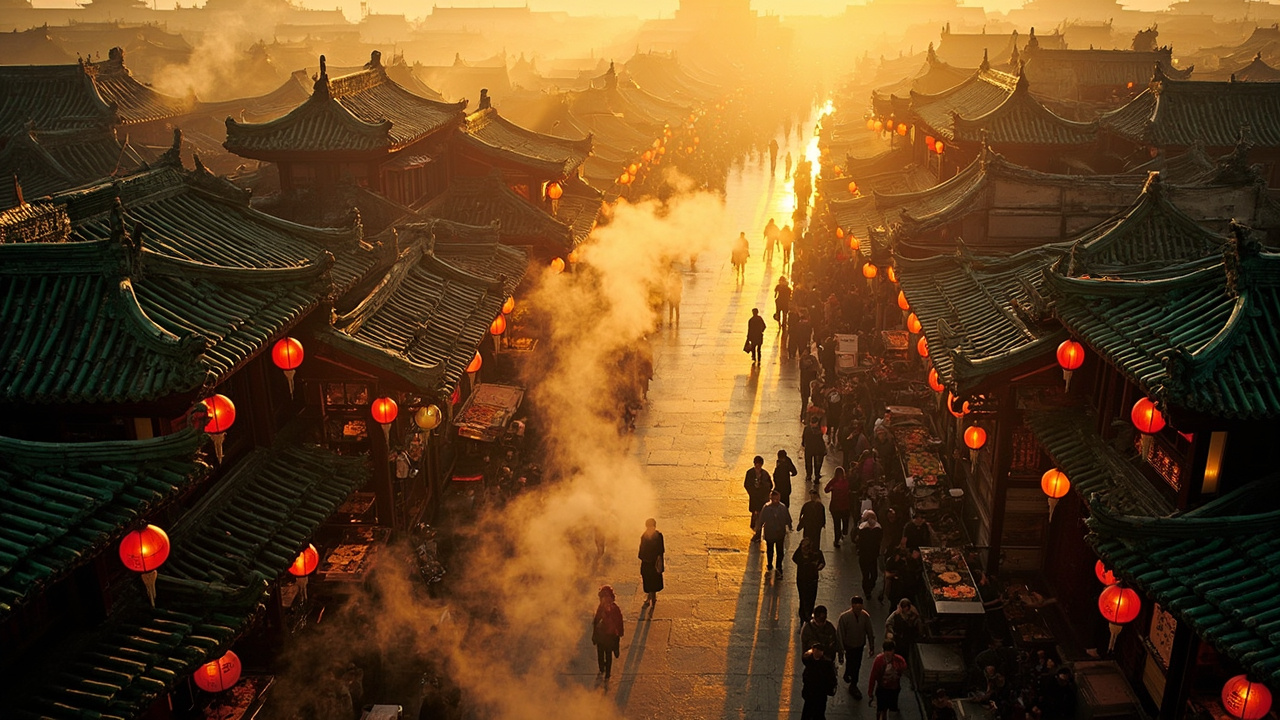
Top 10 Markets and Shopping Streets in China
From Shanghai's Bund to Beijing's Silk Street - 10 markets where foreigners can haggle, explore, and bring home authentic Chinese goods.
9 min read
Top 10 Museums in China You Shouldn't Miss
China's museums span 5,000 years of civilization. These 10 - from the Palace Museum to Xi'an's terracotta gallery - are unmissable for culture lovers.
9 min read