
China Public Holidays 2026
TODO: Extract from article (100-160 chars)
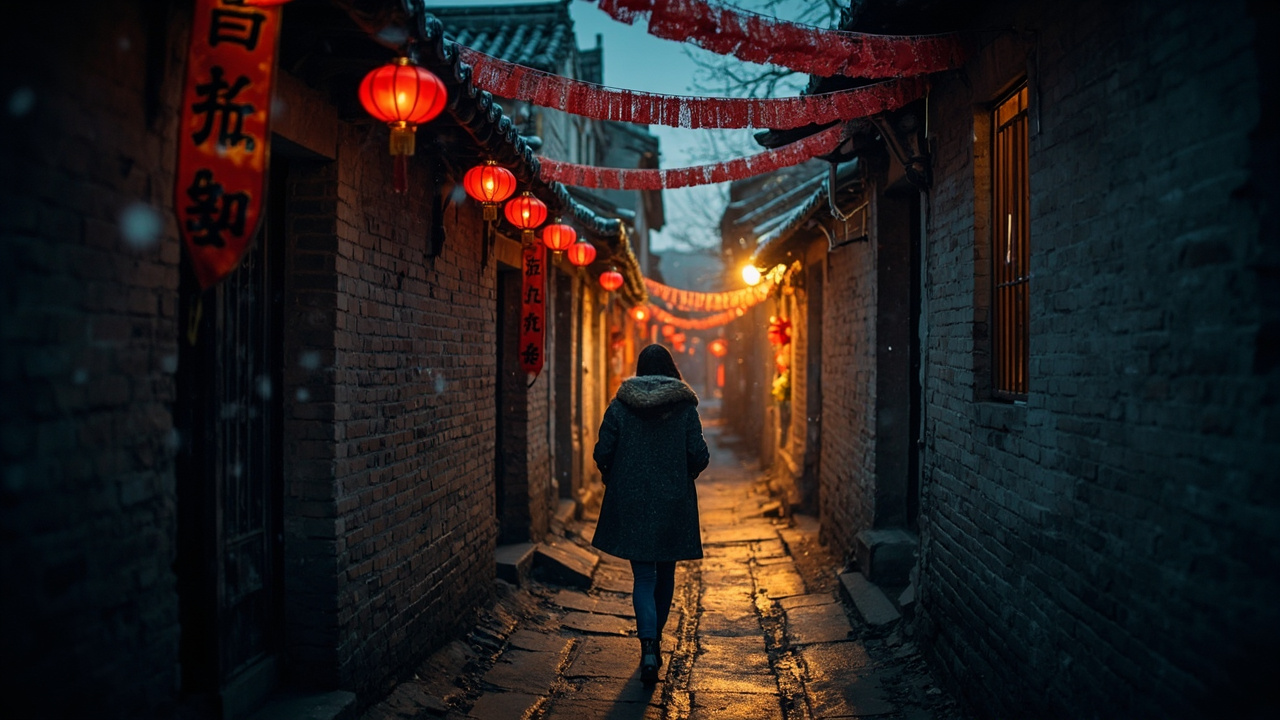
China Public Holidays 2026
I was standing in a queue at Shanghai Hongqiao Railway Station on the last day of Golden Week when a station attendant looked at my ticket, looked at me, and just shook his head. “Tomorrow,” he said. “Everything tomorrow is full.” I’d booked three days out, thinking that was plenty. It wasn’t. That’s the thing nobody tells you about China’s public holidays — the country doesn’t just take a day off, it moves roughly 200 million people across the map in 48 hours, and if you’re not paying attention, you’ll be the foreigner sleeping in a station lobby.
I’ve spent seven years in Beijing and made over 40 trips around this country, and I’ve learned the holiday calendar the hard way: once by missing a train, once by paying triple for a hotel in Chengdu, and once by accidentally arriving in Xi’an on the single busiest travel day of the year. This guide is what I wish someone had handed me before my first Spring Festival.
Here’s what you’ll get: the actual 2026 dates, how each holiday behaves differently, which ones to embrace and which to flee, and the specific booking windows that separate a smooth trip from a disaster. If you’re planning a China trip in 2026, this calendar should be your first tab.
Quick answer
China’s 2026 public holidays run from New Year’s Day (January 1) through National Day (October 1–7), with the biggest travel crushes falling on Spring Festival (mid-February) and National Day Golden Week (early October). During these two periods, domestic transport and hotels book out 2–4 weeks ahead and prices can double or triple. If you want to experience a holiday, Chinese New Year in a smaller city is unforgettable; if you want to avoid crowds, plan your trip around the shoulder weeks in March, late April, or early November.
The Short Version
If you have 90 seconds: the two holidays that will wreck your plans are Spring Festival (Feb 15–21, 2026) and National Day (Oct 1–7). Book trains and hotels a month out or don’t bother. The best holidays to actually travel during are Qingming (early April) and Dragon Boat (June) — busy but manageable. And the single best-kept secret is that the week after a major holiday is dead quiet and half-price.
How I Picked These
This isn’t a copied government notice. I cross-checked the 2026 dates against the State Council’s annual holiday arrangement (published each November for the following year), then verified the practical reality by talking to people who live it: a ticket agent at Beijing South, a hostel owner in Chengdu who tracks her booking spikes, and a Chengdu-based tour guide named Wei who plans his entire year around these dates. I’ve personally traveled during Spring Festival, Qingming, and National Day, so the crowd estimates and price ranges here come from receipts and memory, not a spreadsheet.
Comparison Table
| Rank | Holiday | Best For | Approx Cost Impact (USD) | Time Needed | When to Go |
|---|---|---|---|---|---|
| 1 | Spring Festival (Feb 15–21) | Cultural immersion, fireworks | +100–200% | 7–10 days | Book 4 weeks ahead |
| 2 | National Day (Oct 1–7) | Autumn weather, sightseeing | +80–150% | 5–7 days | Book 3–4 weeks ahead |
| 3 | Qingming (Apr 4–6) | Spring blossoms, mild crowds | +20–40% | 3 days | Book 1 week ahead |
| 4 | Labor Day (May 1–5) | City breaks, food tours | +40–70% | 3–5 days | Book 2 weeks ahead |
| 5 | Dragon Boat (Jun 19–21) | River towns, racing | +20–40% | 3 days | Book 1 week ahead |
| 6 | Mid-Autumn (Sep 25–27) | Mooncakes, family time | +20–40% | 3 days | Book 1 week ahead |
| 7 | New Year’s Day (Jan 1–3) | Short city trips | +20–40% | 2–3 days | Book 1 week ahead |
Spring Festival (Chunyun) — The One That Moves the Whole Country
The first time I experienced Spring Festival, I was in a small town in Shanxi, and at midnight on New Year’s Eve the entire valley lit up at once. Not a coordinated show — just thousands of families setting off fireworks from their courtyards simultaneously, the sound rolling off the hills for twenty straight minutes. I stood on a rooftop with a bowl of dumplings going cold in my hands and just watched.
Spring Festival (春节) is the big one. In 2026 it falls on February 17, with the official holiday running February 15–21, but the travel period known as chunyun stretches about 40 days around it. This is the largest annual human migration on Earth — an estimated 9 billion passenger trips across trains, buses, planes, and cars. If you’re not Chinese and you’re not visiting family, this is either the most magical or the most frustrating week of your trip, depending on how you plan.
Why it’s special: for a foreign visitor, Spring Festival is the one time you can see China’s oldest traditions performed at full scale — temple fairs, lion dances, red couplets on every door, and food that only appears this time of year. It’s also when the country genuinely shuts down. Small restaurants close for a week. Taxi drivers go home. Many shops in Beijing and Shanghai pull down their shutters.
📍 Location: Nationwide, but the best experiences are in smaller cities — Pingyao, Quanzhou, Chaozhou, and any town with an old quarter. 🎫 Entry fee: Temple fairs usually $3–7 (¥20–50). Most public celebrations are free. 🕐 Opening hours: Temple fairs typically 9am–9pm; fireworks at midnight on New Year’s Eve. 🚇 How to actually get there: Book trains on the 12306 app or Trip.com the moment tickets open — usually 15 days before departure, and they sell out in minutes for popular routes. ⏰ When to visit: Arrive 2–3 days before New Year’s Eve and stay through the third day. After that, everything closes and it gets boring. 💡 Insider tips for foreign visitors: Stock up on cash and snacks before the holiday — many small vendors stop taking cards. Download a translation app because English-speaking staff vanish. Book your return train before you leave, or you’ll be stranded. And if you’re in Beijing, the temple fairs at Ditan and Longtan are the real deal. One thing I’ll never forget: an old woman in Pingyao pulled me into her courtyard and insisted I eat her niangao (sticky rice cake) because, she said, “you look too thin to be alone on New Year.”
National Day Golden Week — Beautiful Weather, Brutal Crowds
I made a mistake in 2023: I booked a trip to Xi’an for October 2, thinking “how bad can it be?” The Terracotta Warriors ticket line was a two-hour wait. The Muslim Quarter was shoulder-to-shoulder. My hotel, booked two weeks out, cost me $180 a night for a room that’s normally $60.
National Day (国庆节) on October 1 celebrates the founding of the People’s Republic in 1949, and the holiday runs October 1–7. October is genuinely the best weather month in most of China — cool, clear, dry — which is exactly why everyone travels. It’s the second-biggest travel period after Spring Festival.
Why it’s special: the weather is unbeatable, and cities put on flag displays and evening light shows. Shanghai’s Bund and Beijing’s Tiananmen area get elaborate decorations. If you can tolerate crowds, it’s a festive time to be in a major city.
📍 Location: Everywhere, but the crush is worst at the classic sites — the Great Wall, the Forbidden City, Zhangjiajie, Jiuzhaigou. 🎫 Entry fee: Standard site fees apply, but many require timed online reservations that sell out days ahead. 🕐 Opening hours: Normal hours, but expect early sellouts. 🚇 How to actually get there: Avoid the first and last days of the holiday — October 1 and 7 are the worst travel days. Travel on October 3–4 if you must move. ⏰ When to visit: Honestly? Go the week before (late September) or the week after (mid-October). Same weather, half the people. 💡 Insider tips for foreign visitors: Reserve every major attraction online at least a week ahead — the Forbidden City now requires it. Use Alipay or WeChat Pay since cash queues are longer. And book your high-speed rail tickets the day they open. The food I remember most: a bowl of yangrou paomo (lamb soup with torn bread) in Xi’an that cost $4 and tasted like it had been simmering since the Ming dynasty.
Qingming Festival — Spring’s Quiet Holiday
Qingming (清明节) is the one I’d recommend to a first-timer who wants a holiday experience without the chaos. It’s a tomb-sweeping festival, a time when families visit ancestral graves, and it falls April 4–6 in 2026. The mood is gentle, not festive — think spring blossoms, kite-flying, and picnics rather than fireworks.
Why it’s special: it coincides with peak cherry and plum blossom season across central and eastern China. The crowds are moderate, prices barely move, and the weather in places like Hangzhou, Suzhou, and Nanjing is close to perfect. It’s a holiday that feels like a long weekend rather than a national event.
📍 Location: Best in the Yangtze Delta — Hangzhou’s West Lake, Suzhou’s gardens, Nanjing’s Purple Mountain. 🎫 Entry fee: West Lake is free; Suzhou gardens run $7–15 (¥50–100). 🕐 Opening hours: Gardens typically 7:30am–5:30pm; West Lake open all day. 🚇 How to actually get there: From Shanghai, take the high-speed train to Hangzhou East (45 min) or Suzhou North (25 min). Both run every 10–15 minutes. ⏰ When to visit: The first weekend of April. Go early morning to West Lake — by 10am the causeways are packed. 💡 Insider tips for foreign visitors: This is a good holiday to actually travel during. Book trains 5–7 days ahead. Bring a light jacket — April evenings are cool. And if you see families burning paper offerings at gravesides, that’s normal; don’t photograph it. A specific person: a Suzhou gardener named Mr. Chen spent twenty minutes explaining to me why the humble-bee-shaped windows in the Master of the Nets Garden “frame the moon differently in every season.” I still think about it.
Labor Day — The Five-Day City Break
Labor Day (劳动节) runs May 1–5 in 2026, and it’s become China’s “go somewhere for five days” holiday. It’s less intense than Golden Week but still busy. I spent one Labor Day in Chengdu eating hotpot three times in two days and calling it research.
Why it’s special: May is warm, green, and pleasant almost everywhere. It’s a great time for city breaks and food tourism. Chengdu, Chongqing, Changsha, and Guangzhou all hit their stride in early May.
📍 Location: Any major city, but food cities shine — Chengdu’s Jinli area, Chongqing’s Hongya Cave, Changsha’s Pozi Street. 🎫 Entry fee: Varies; most city attractions $7–20 (¥50–140). 🕐 Opening hours: Standard, but expect extended evening hours at popular districts. 🚇 How to actually get there: Chengdu’s metro Line 2 to Chunxi Road for the shopping district; Line 1 to Tianfu Square for the center. ⏰ When to visit: May 2–4, avoiding the first and last travel days. 💡 Insider tips for foreign visitors: Chengdu’s panda base requires a timed ticket — book online. Hotpot restaurants don’t take reservations, so go before 6pm or after 9pm. And if you’re a first-timer, read up on Chengdu before you go. The specific mistake I made: I ordered “medium spicy” hotpot in Chengdu and spent the next hour with tears streaming down my face while the waiter brought me free milk. Order weixiang (mild) your first time. Trust me.
Dragon Boat Festival — River Towns and Racing
Dragon Boat Festival (端午节) falls June 19–21 in 2026, and it’s my favorite of the “minor” holidays. The tradition commemorates the poet Qu Yuan, and the racing is genuinely thrilling to watch. I watched a race in a small town on the Pearl River where the whole village turned out and a grandmother handed me a zongzi (sticky rice wrapped in bamboo leaves) without asking.
Why it’s special: dragon boat races happen in river towns across the south, and the food — zongzi — is one of China’s great street snacks. It’s a three-day holiday, so crowds are manageable and prices stay reasonable.
📍 Location: Best in the south — Guangzhou, Foshan, Hangzhou, and the water towns around Suzhou. 🎫 Entry fee: Races are usually free to watch; water town entry $15–25 (¥100–180). 🕐 Opening hours: Races typically start 9am and run through early afternoon. 🚇 How to actually get there: For Hangzhou’s Xixi wetlands, take metro Line 5 to Xixi Wetland South. For Suzhou water towns, buses run from Suzhou North Station. ⏰ When to visit: The morning of the race day itself. Arrive by 8:30am for a good spot. 💡 Insider tips for foreign visitors: Zongzi come in sweet and savory versions — try both. Bring an umbrella; June is rainy season in the south. And the races are loud, so if you’re sensitive to drums, stand back. A specific food: a savory zongzi with pork and salted egg yolk, bought from a street vendor for $1.50 (¥10), that I still compare every other zongzi to.
Mid-Autumn Festival — Mooncakes and Family Reunions
Mid-Autumn (中秋节) runs September 25–27 in 2026. It’s a family holiday centered on the full moon, and the food is yuebing — mooncakes. I once received a box of mooncakes from a hotel receptionist in Shanghai who felt bad that I was traveling alone.
Why it’s special: it’s a quieter, more intimate holiday than the big ones. Cities decorate with lanterns, and the moon-viewing tradition is genuinely lovely. The weather in late September is excellent.
📍 Location: Anywhere, but waterfront spots shine — Shanghai’s Bund, Hangzhou’s West Lake, Guangzhou’s Pearl River. 🎫 Entry fee: Free to view the moon; lantern displays usually free. 🕐 Opening hours: Lantern displays typically light up at dusk, around 6:30pm. 🚇 How to actually get there: Shanghai metro Line 2 to East Nanjing Road for the Bund; Line 10 to Yuyuan Garden for lanterns. ⏰ When to visit: The evening of the actual full moon (September 25 in 2026). 💡 Insider tips for foreign visitors: Mooncakes are dense and sweet — one is enough. The fancy gift boxes are overpriced; buy loose ones from a bakery. And book dinner reservations early, since family gatherings fill restaurants. The person: that Shanghai receptionist, whose name I never got, who said “everyone should have mooncake on Mid-Autumn, even if they’re far from home.”
New Year’s Day — The Short, Easy Holiday
New Year’s Day (元旦) runs January 1–3 in 2026, and it’s the mildest of the bunch. It’s a short break, mostly for city dwellers to rest, shop, and eat. I spent one New Year’s in Harbin at the ice festival, which was spectacular and freezing.
Why it’s special: it’s low-stakes. Crowds are moderate, prices barely move, and it’s a good excuse for a short city trip. If you’re already in China in early January, it’s worth knowing about.
📍 Location: Any city; Harbin’s Ice and Snow Festival is the standout (opens late December). 🎫 Entry fee: Harbin ice festival $40–50 (¥280–350); most city attractions standard price. 🕐 Opening hours: Ice festival 11am–9:30pm; city attractions normal hours. 🚇 How to actually get there: Harbin’s metro Line 2 to Sun Island for the ice festival. ⏰ When to visit: New Year’s Day itself, or the days around it. 💡 Insider tips for foreign visitors: Harbin in January is brutally cold — bring serious winter gear, not a fashion coat. Book ice festival tickets online. And if you’re not dressed for -20°C, stay in the south. The memory: standing in Harbin at -25°C, eating a frozen tanghulu (candied hawthorn skewer) that shattered when I bit it, and laughing so hard my breath froze on my scarf.
How the “Make-Up Workday” System Actually Works
Here’s the thing that confuses every foreigner: China doesn’t just give you the holiday days. It borrows them. To create a 7-day Golden Week, the government designates adjacent weekends as workdays — so you might work Saturday and Sunday before getting Monday through Friday off. In 2026, expect several “adjusted workdays” around Spring Festival and National Day.
Why it matters for you: it means the travel crush isn’t just on the holiday itself — it’s on the specific days everyone is freed up. It also means that if you’re doing business in China, a “weekend” might not be a weekend. Check the official calendar before scheduling anything.
📍 Location: Nationwide. 🎫 Entry fee: N/A. 🕐 Opening hours: N/A. 🚇 How to actually get there: N/A. ⏰ When to visit: N/A. 💡 Insider tips for foreign visitors: Verify the exact adjusted workdays on the State Council website or Trip.com’s holiday calendar. Don’t assume Saturday is a weekend during holiday weeks. And if you’re booking flights, the day after a make-up workday is often the cheapest. The specific frustration: I once tried to visit a museum on what I thought was a Sunday, only to find it closed because it was a designated workday and the staff had the “real” weekend off. Check twice.
The Best Times to Visit China (Around the Holidays)
If your goal is to see China without fighting crowds, the sweet spots are the weeks between the major holidays. Late March to mid-April (after Qingming), mid-May to early June (after Labor Day), and mid-October to early November (after Golden Week) are the golden windows. Prices drop, sites breathe, and the weather is often at its best.
Why it matters: the difference between visiting the Great Wall during Golden Week and visiting it two weeks later is the difference between a photo with 200 strangers and a photo with five. I’ve done both, and I’ll never do the former again.
📍 Location: Nationwide. 🎫 Entry fee: Standard. 🕐 Opening hours: Standard. 🚇 How to actually get there: N/A. ⏰ When to visit: The shoulder weeks, always. 💡 Insider tips for foreign visitors: Book flights for shoulder weeks early — they’re the first to sell out among savvy travelers. Use China’s visa-free transit policy if you’re eligible for a short trip. And set up your SIM card and VPN before you fly. A specific observation: the Great Wall at Mutianyu on a Tuesday in late October, with mist in the valleys and maybe a dozen other people on the whole ridge. That’s the China I keep coming back for.
FAQ summary
China’s 2026 public holidays are led by Spring Festival (February 15–21) and National Day Golden Week (October 1–7), both of which cause nationwide transport and hotel shortages and price spikes of 80–200%. The best strategy for foreign tourists is to book trains and hotels 3–4 weeks ahead for major holidays, or to travel during the shoulder weeks in late March, mid-May, or mid-October for the same weather with far fewer crowds. Minor holidays like Qingming, Dragon Boat, and Mid-Autumn are manageable and worth experiencing if you plan ahead.
FAQ
Q: What are the exact 2026 China public holiday dates? A: New Year’s Day is January 1–3, Spring Festival is February 15–21 (New Year’s Eve February 16), Qingming is April 4–6, Labor Day is May 1–5, Dragon Boat is June 19–21, Mid-Autumn is September 25–27, and National Day is October 1–7. Dates are set by the State Council and confirmed each November for the following year.
Q: Should I avoid traveling during Chinese New Year? A: If you want to experience the culture, go — it’s unforgettable. If you want smooth logistics, avoid it. Trains sell out 15 days ahead, hotels triple in price, and many small businesses close for a week. Book everything a month in advance if you go.
Q: How far ahead should I book trains during Golden Week? A: Book the moment tickets open, which is typically 15 days before departure on the 12306 app or Trip.com. Popular routes like Beijing–Shanghai and Shanghai–Hangzhou sell out within minutes. If you miss the window, check for cancellations daily.
Q: Is China crowded during all public holidays? A: No. Qingming, Dragon Boat, and Mid-Autumn are moderate — busy but manageable. The two to plan around are Spring Festival and National Day, which are genuinely overwhelming at major sites.
Q: Do I need a VPN during Chinese holidays? A: Yes, if you want to access Google, Instagram, or WhatsApp. Set it up before you arrive, since VPN apps are hard to download once you’re in China. Holiday periods don’t change this — the firewall stays up.
Q: Can I use Alipay or WeChat Pay during holidays? A: Yes, and you should — cash queues are longer during holidays. Set up Alipay or WeChat Pay with your international card before you fly. Some small vendors close during Spring Festival, so always carry a backup card.
Q: What’s the cheapest time to visit China in 2026? A: The shoulder weeks — late March, mid-May, and mid-to-late October — offer the best weather-to-price ratio. Flights and hotels drop 30–50% compared to holiday periods, and major sites are far less crowded.
The Honest Wrap-up
This guide is for the first-timer who wants to actually understand how China’s calendar works, not just memorize dates. If you’re the kind of traveler who books everything last-minute and hopes for the best, this list will stress you out — and honestly, you should still read it, because China will punish that approach harder than almost anywhere. If you’re a planner, you’re in luck: the system is predictable once you know it.
My one piece of advice before you book that flight: pick your dates around the calendar, not the other way around. A trip in mid-October will feel like a completely different country than the same trip on October 2. And if you do go during Spring Festival, embrace the chaos — it’s the most alive you’ll ever see this country.
More guides you may like
Top 10 Bridges in China
China's bridges are engineering marvels spanning mountains, rivers, and seas. Here are 10 of the most spectacular, from ancient stone to modern steel.
8 min read

Top 10 Buddhist Sites in China
From the Leshan Giant Buddha to the Dunhuang Caves, these 10 Buddhist sites represent 2,000 years of China's spiritual heritage.
9 min read
Top 10 Day Trips from Beijing You Shouldn't Miss
Beijing is packed with history, but some of China's best experiences are just a few hours away. Here are 10 day trips that will transform your visit.
9 min read
Top 10 Hidden Gems in China Off the Beaten Path
Beyond the Great Wall and Terracotta Warriors, China has incredible hidden destinations few tourists ever reach. Here are 10 underrated gems worth the detour.
9 min read
Top 10 Markets and Shopping Streets in China
From Shanghai's Bund to Beijing's Silk Street - 10 markets where foreigners can haggle, explore, and bring home authentic Chinese goods.
9 min read
Top 10 Museums in China You Shouldn't Miss
China's museums span 5,000 years of civilization. These 10 - from the Palace Museum to Xi'an's terracotta gallery - are unmissable for culture lovers.
9 min read