
China Eastern Cities Route
TODO: Extract from article (100-160 chars)
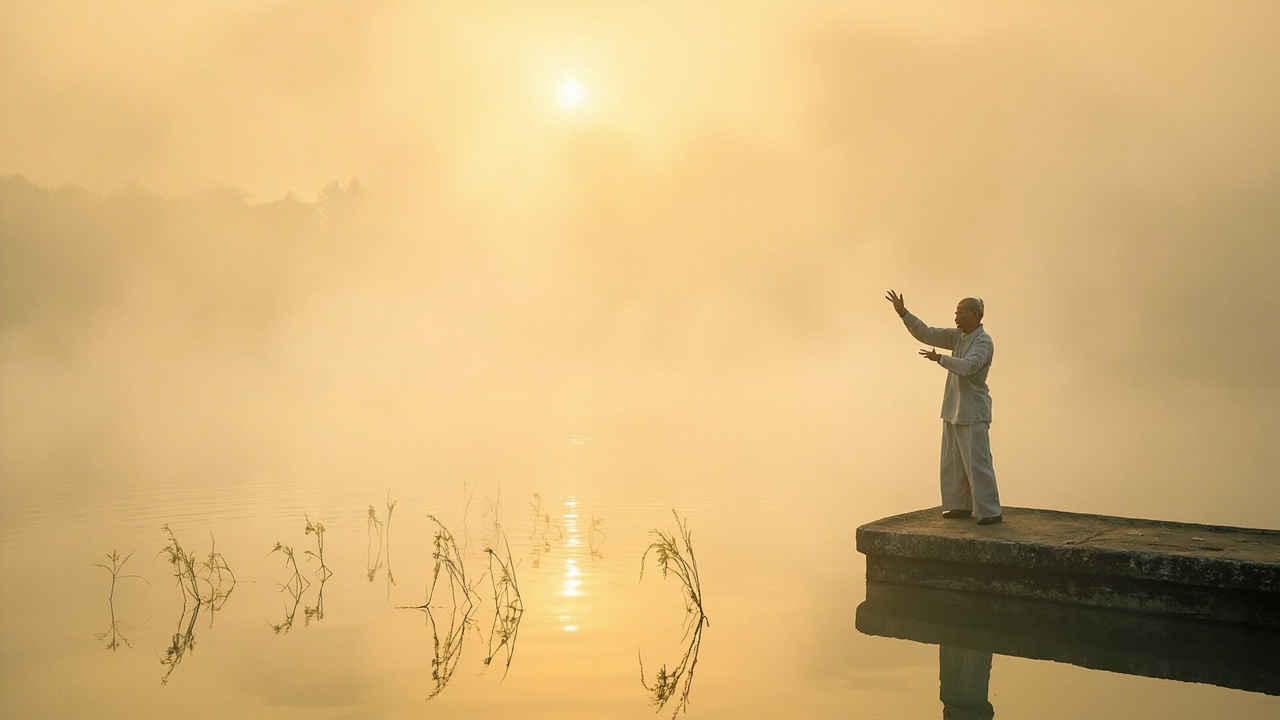
China Eastern Cities Route
The woman at the noodle stall on Shanghai’s Wukang Road didn’t look up when I sat down. She was too busy pulling dough into ribbons, dropping them into boiling water, and shouting something at a man on a scooter who’d stopped to pick up three orders at once. I’d been in China for two weeks by then, and this was the first meal that felt like I’d actually arrived. A bowl of scallion oil noodles cost me 18 yuan. I ate it standing up because there were no chairs left.
That’s the thing about eastern China. The famous stuff — the Bund, West Lake, the canals of Suzhou — is genuinely worth your time. But the region rewards you most when you slow down and let the small moments happen. The eastern cities route runs roughly from Beijing down through Nanjing, Suzhou, Shanghai, and Hangzhou, with side trips to places like Huangshan and the water towns. It’s the most accessible part of China for a first-timer: high-speed rail connects everything, English signage is common in the big cities, and the food is varied enough that you won’t get bored after a week.
This guide covers ten stops on that route, with real prices, specific directions, and the kind of details I wish someone had told me before my first trip in 2019. I’ve been back seven times since. Some of these places I’ve visited four or five times. A couple I’d skip if I were you.
Quick answer
The classic eastern China route is Beijing → Nanjing → Suzhou → Shanghai → Hangzhou, connected by high-speed rail (2–5 hours between each city, tickets $30–$80 / ¥220–¥580). Most nationalities can now enter visa-free for up to 30 days under China’s 2026 expanded visa-free policy, and the whole loop takes 10–14 days at a comfortable pace. Best months are April–May and September–October.
The Short Version
If you only have 90 seconds: fly into Beijing, take the train to Shanghai with stops in Nanjing and Suzhou, finish in Hangzhou. Skip Huangshan unless you love hiking. Book train tickets 7–10 days ahead on Trip.com or the official 12306 app. Download Alipay and WeChat before you land — you’ll need them for everything. Learn to say “bú yào” (don’t want) and “duō shǎo qián” (how much). Everything else works itself out.
How I Picked These
I’ve done this route four times since 2019, twice solo and twice with friends who’d never been to China. I’ve also spent a cumulative five months living in Shanghai, which means I’ve had time to revisit places and change my mind about them. Suzhou, for example, I dismissed as “nice but skippable” on my first trip. By my third visit I’d realized I was wrong — I’d just been going to the wrong gardens.
I talked to hostel staff, taxi drivers, and a tea shop owner in Hangzhou named Chen who gave me a 40-minute lecture on why Longjing tea is overpriced in the tourist areas. I’ve included places I’ve personally returned to, and I’ve left out a few that get recommended everywhere but don’t hold up. No sponsored content, no tourism board input.
Comparison Table
| Rank | Place | Best For | Approx Cost (USD) | Time Needed | When to Go |
|---|---|---|---|---|---|
| 1 | Shanghai | Food, nightlife, architecture | $80–150/day | 3–4 days | Mar–May, Sep–Nov |
| 2 | Beijing | History, the Wall, scale | $70–130/day | 4–5 days | Apr–May, Sep–Oct |
| 3 | Hangzhou | Tea, lakes, slow pace | $60–110/day | 2–3 days | Apr–May, Oct |
| 4 | Suzhou | Gardens, canals, silk | $55–100/day | 2 days | Apr–May, Oct |
| 5 | Nanjing | History, museums, food | $50–90/day | 2 days | Apr, Oct–Nov |
| 6 | Huangshan | Hiking, mountain scenery | $90–140/day | 2–3 days | Apr–May, Sep–Oct |
| 7 | Wuzhen | Water town atmosphere | $70–120/day | 1–2 days | Apr–May, Sep–Oct |
| 8 | Ningbo | Seafood, less touristy | $50–90/day | 1–2 days | May, Oct |
| 9 | Yangzhou | Gardens, morning tea culture | $45–80/day | 1–2 days | Apr–May |
| 10 | Xiamen | Beaches, island vibe | $60–110/day | 2–3 days | Mar–May, Oct–Nov |
Shanghai — The City That Actually Lives Up to the Hype
I once spent an entire afternoon in Shanghai doing nothing but walking from Jing’an Temple to the French Concession and back, stopping every few blocks for coffee or dumplings. That’s the thing about Shanghai — it doesn’t demand that you do anything. It just lets you exist in it, and the city is interesting enough that existing is enough.
Shanghai is where most first-timers should start their eastern route, not Beijing. It’s easier to navigate, the food is more varied, and the expat infrastructure means you can ease into China without the full culture shock. The Bund gets all the attention, but the real Shanghai is in the former French Concession — plane-tree-lined streets, art deco apartment buildings, and a density of good coffee shops that would embarrass most American cities.
📍 Location: The Bund is in Huangpu District along the river. The French Concession (Xuhui and Jing’an Districts) is west of the river. Jing’an Temple is at the intersection of Nanjing West Road and Jing’an Park.
🎫 Entry fee: The Bund is free. Jing’an Temple costs ¥50 ($7). Shanghai Museum is free but requires advance booking through WeChat.
🕒 Opening hours: The Bund is always open. Most museums close Mondays.
🚕 How to actually get there: From Pudong Airport, take Metro Line 2 to People’s Square (about 65 minutes, ¥7 / $1). From Hongqiao Railway Station (where high-speed trains arrive), Line 2 or Line 10 gets you downtown in 30–40 minutes. For the Bund, get off at East Nanjing Road Station (Line 2/10), Exit 5, and walk east for 5 minutes.
⏰ When to visit: April–May and September–November. Avoid Chinese New Year (late January/February 2026) and the first week of October — the city is packed.
💡 Insider tips: Get a Shanghai Public Transportation Card at any metro station or just use Alipay’s transport QR code. The Yu Garden area is overpriced and crowded — skip it unless you really want the photo. For the Bund skyline view without the crowds, go to the rooftop bar at Bar Rouge (¥150 minimum spend) or just walk north past the crowds to Waibaidu Bridge. The Shanghai guide has more on neighborhoods.
I met a French expat named Marie at a wine bar in Jing’an who’d been in Shanghai for six years. She told me the city had changed more in those six years than Paris had in thirty. I believed her.
Beijing — More Than the Wall
The first time I went to the Great Wall, I went to Badaling because that’s what everyone does. It was a Tuesday in October and there were maybe 4,000 people on the same 500-meter stretch of wall. I went back two years later to Mutianyu and had entire watchtowers to myself.
Beijing is the historical anchor of any eastern China trip. The Forbidden City, Temple of Heaven, and Summer Palace are all genuinely worth their ticket prices, and the city has a scale that’s hard to grasp until you’re standing in Tiananmen Square watching the sun set behind Mao’s portrait. But Beijing is also the most difficult city in eastern China for a first-timer — it’s huge, the subway is confusing, and English is less common than in Shanghai.
📍 Location: The Forbidden City is in Dongcheng District, directly north of Tiananmen Square. The Mutianyu section of the Great Wall is in Huairou District, about 70 km northeast of the city center.
🎫 Entry fee: Forbidden City ¥60 ($8) in peak season, ¥40 ($6) off-season. Mutianyu Great Wall ¥45 ($6) entry plus ¥120 ($17) for the cable car round trip. Temple of Heaven ¥35 ($5) for the through ticket.
🕒 Opening hours: Forbidden City 8:30am–5pm (last entry 4pm), closed Mondays. Mutianyu 7:30am–5:30pm in summer, 8am–5pm in winter.
🚕 How to actually get there: For the Forbidden City, take Metro Line 1 to Tiananmen East Station, Exit A, and walk north. You must book tickets in advance through the official WeChat account — they sell out days ahead in peak season. For Mutianyu, take the 916 Express bus from Dongzhimen to Huairou, then a local minibus (¥30 total), or book a private car through your hotel (¥400–600 round trip).
⏰ When to visit: Late April to mid-May and September to October. The Forbidden City is best right at opening — get there by 8:15am. Mutianyu is best on weekdays.
💡 Insider tips: The Forbidden City ticket office no longer sells same-day tickets — book online at least 3 days ahead. Skip the audio guide and use the free app instead. For the Wall, Mutianyu is worth the extra effort over Badaling. Bring cash for the cable car — the card reader is often broken. The Beijing guide covers more neighborhoods and day trips.
I made the mistake of trying to see both the Forbidden City and the Summer Palace in one day. Don’t do that. My feet still haven’t forgiven me.
Hangzhou — Where I’d Live If I Had to Choose
I met a tea farmer named Chen on a hillside above Longjing Village who told me, without any prompting, that the most expensive tea sold in Hangzhou’s tourist shops is usually not from Hangzhou at all. “It’s from Fujian,” he said. “They just put it in a Longjing tin.” I bought 100 grams from him for ¥180 ($25). It was the best tea I’ve ever had.
Hangzhou is the emotional center of the eastern route. West Lake is the obvious draw, and it deserves its reputation — early morning mist on the water, old men doing tai chi on the causeway, willows trailing into the lake. But the city is also a tech hub (Alibaba is headquartered here) and has a food scene that’s quietly excellent. It’s the place on this list where I’d most want to spend an extra day.
📍 Location: West Lake is in the center of the city. Longjing Village is in the hills southwest of the lake, about 20 minutes by taxi.
🎫 Entry fee: West Lake is free. Lingyin Temple ¥45 ($6) plus ¥30 ($4) for the Feilai Feng grottoes. Longjing Village is free to walk around.
🕒 Opening hours: Lingyin Temple 7am–6pm. Most tea houses open around 9am and close by 6pm.
🚕 How to actually get there: From Hangzhou East Railway Station, take Metro Line 1 to Longxiangqiao Station, then walk 10 minutes to the lake. For Longjing Village, take bus 27 from the lake area or a taxi (¥30–40 / $4–6).
⏰ When to visit: April–May for tea season, October for the best weather. Avoid summer — Hangzhou gets brutally hot and humid.
💡 Insider tips: Rent a bike and circle the lake early in the morning (before 8am) when it’s quiet. The “Impression West Lake” show is expensive (¥260–¥880 / $36–$122) and I found it overrated — skip it. Eat at Zhi Wei Guan, a local chain, for cheap and excellent Hangzhou food. The payment guide is essential reading before you go — most tea shops don’t take cash.
Chen’s tea shop is called Longjing Tea House Number 7, though I’m not sure it has an English name. He doesn’t advertise. You just have to find him.
Suzhou — The Gardens Are Worth the Detour
I almost skipped Suzhou on my first trip because I’d read that the gardens were “small” and “overrated.” I was wrong. The Humble Administrator’s Garden, which is the largest and most famous, is genuinely beautiful — but the smaller, less-visited gardens like the Master of the Nets Garden are where Suzhou actually shines.
Suzhou is 30 minutes from Shanghai by high-speed rail, which makes it an easy day trip. But I’d recommend staying overnight. The city is famous for its classical gardens (nine of which are UNESCO World Heritage Sites), its canals, and its silk production. It’s also noticeably cheaper than Shanghai — you can get a good hotel room for $50 a night.
📍 Location: The Humble Administrator’s Garden is in Gusu District, near the Suzhou Museum. The Master of the Nets Garden is in the same district, about a 15-minute walk away.
🎫 Entry fee: Humble Administrator’s Garden ¥80 ($11) in peak season, ¥70 ($10) off-season. Master of the Nets Garden ¥40 ($6). Suzhou Museum is free but requires advance booking.
🕒 Opening hours: Gardens typically open 7:30am–5:30pm, with last entry around 4:30pm. Suzhou Museum is closed Mondays.
🚕 How to actually get there: From Suzhou Railway Station, take Metro Line 4 to Beisita Station, then walk 10 minutes to the Humble Administrator’s Garden. Or take a taxi (¥20–30 / $3–4).
⏰ When to visit: April–May and October. The gardens are best right at opening — by 10am they’re crowded with tour groups.
💡 Insider tips: Buy a combined ticket for multiple gardens if you’re visiting more than two — it saves about 20%. The Suzhou Museum was designed by I.M. Pei and is worth a visit even if you don’t care about museums. The canal area near Pingjiang Road is touristy but still pleasant in the early morning. Skip the silk factory tours — they’re just sales pitches.
I got lost trying to find the Master of the Nets Garden and ended up in a residential alley where an old woman was drying chili peppers on a bamboo mat. She pointed me in the right direction without saying a word.
Nanjing — The City That Remembers
Nanjing is heavy. The Nanjing Massacre Memorial Hall is one of the most affecting museums I’ve ever visited, and it’s not something you can just breeze through. I spent three hours there and didn’t speak for most of the afternoon afterward.
But Nanjing is more than its history. It’s a former capital with a relaxed pace, excellent food (Nanjing salted duck is a local specialty), and a beautiful old city wall that you can walk on. It’s also less touristy than Shanghai or Hangzhou, which means you’ll get a more authentic experience of daily Chinese life.
📍 Location: The Massacre Memorial Hall is in Jianye District, west of the city center. The old city wall runs along the south side of the city, near Zhonghua Gate.
🎫 Entry fee: Massacre Memorial Hall is free. Zhonghua Gate ¥50 ($7). Sun Yat-sen Mausoleum ¥70 ($10) including the cable car.
🕒 Opening hours: Massacre Memorial Hall 8:30am–4:30pm, closed Mondays. Zhonghua Gate 8:30am–5pm.
🚕 How to actually get there: From Nanjing South Railway Station, take Metro Line 1 to Xinjiekou, then transfer to Line 2 to Yunjin Road for the memorial hall. For Zhonghua Gate, take Line 1 to Zhonghua Gate Station, Exit 3.
⏰ When to visit: April and October–November. Summer is hot and humid.
💡 Insider tips: The memorial hall is free but you need to book a time slot in advance through WeChat. Bring tissues. The Confucius Temple area is touristy but has good street food at night. Nanjing salted duck is best bought from a local shop, not a restaurant — try Han Fuxing.
I met a university student named Li at the memorial hall who was there with her grandfather. She translated part of the exhibit for me. He had been a child during the war. Neither of them said much.
Huangshan — The Mountain That Earns Its Reputation
I hiked Huangshan in October and it rained the entire first day. I couldn’t see more than 20 meters in front of me. The second day was clear, and I understood why Chinese painters have been obsessed with this mountain for a thousand years.
Huangshan (Yellow Mountain) is the most famous mountain in eastern China and one of the most photographed landscapes in the country. The granite peaks, the sea of clouds, the twisted pine trees — it’s all real, and it’s all as dramatic as the photos suggest. But it’s also a serious hike. The cable car helps, but you’ll still be climbing thousands of stone steps.
📍 Location: Huangshan Scenic Area is in Anhui Province, about 3 hours by high-speed rail from Shanghai or 2.5 hours from Hangzhou.
🎫 Entry fee: ¥190 ($26) in peak season, ¥150 ($21) off-season. Cable cars are ¥80–100 ($11–14) each way.
🕒 Opening hours: The scenic area is open 6:30am–4:30pm, with the last cable car down around 5pm.
🚕 How to actually get there: Take the high-speed rail to Huangshan North Station, then a bus to the scenic area (¥30 / $4, about 1 hour). From there, take the shuttle bus to the cable car station (¥19 / $3).
⏰ When to visit: April–May and September–October. Avoid Chinese holidays — the mountain gets genuinely dangerous with crowds.
💡 Insider tips: Stay overnight on the mountain if you can afford it (¥600–1,500 / $83–208 for a basic room). The sunrise is the whole point. Bring layers — it’s cold at the top even in summer. The western steps are less crowded than the eastern ones. If it’s raining, wait a day — the clouds usually clear.
I met a German couple at the summit who’d been traveling for eight months. They said Huangshan was the most beautiful place they’d seen in China. I think they might be right, but I’d still put Hangzhou first.
Wuzhen — The Water Town That Doesn’t Feel Fake
Most Chinese water towns are basically open-air shopping malls. Wuzhen is different — it’s still touristy, but it has a residential population, and if you stay overnight you’ll see a side of it that day-trippers miss.
Wuzhen is divided into East Scenic Area and West Scenic Area. The West is more polished and more expensive; the East is more local and cheaper. I’d recommend staying in the East and visiting the West in the evening when the lights come on.
📍 Location: Wuzhen is in Zhejiang Province, about 1.5 hours by bus from Shanghai or 1 hour from Hangzhou.
🎫 Entry fee: East Scenic Area ¥110 ($15), West Scenic Area ¥150 ($21), combined ticket ¥190 ($26).
🕒 Opening hours: East 7am–6pm, West 9am–10pm.
🚕 How to actually get there: From Shanghai, take a bus from the Shanghai South Bus Station (¥50 / $7, about 1.5 hours). From Hangzhou, buses leave from the Hangzhou Bus Center every 30 minutes.
⏰ When to visit: April–May and September–October. Weekdays are much quieter than weekends.
💡 Insider tips: Stay overnight — the town is magical after 8pm when the day-trippers leave. The boat rides are worth it (¥60 / $8 for a 20-minute ride). Eat the local braised pork — it’s a Wuzhen specialty. Bring cash for small vendors.
A woman selling rice wine from a wooden barrel let me try three different varieties for free. I bought a bottle for ¥40 ($6) and drank it on the boat back to my hotel.
Ningbo — The City Tourists Forget
I went to Ningbo because a friend from Shanghai told me it had the best seafood in eastern China. She was right. The city is a port town with a long history, and it’s almost entirely ignored by international tourists.
Ningbo is worth a day if you’re passing through, mostly for the food and the Tianyi Pavilion, which is the oldest private library in Asia. It’s not a must-see, but it’s a nice change of pace from the bigger cities.
📍 Location: Tianyi Pavilion is in Haishu District, near the city center. The old Bund area is along the Yongjiang River.
🎫 Entry fee: Tianyi Pavilion ¥30 ($4). The old Bund is free.
🕒 Opening hours: Tianyi Pavilion 8:30am–5:30pm, closed Mondays.
🚕 How to actually get there: Ningbo is 2 hours from Shanghai by high-speed rail. From Ningbo Railway Station, take Metro Line 2 to Chenghuangmiao Station for the old town.
⏰ When to visit: May and October. Summer is hot and humid.
💡 Insider tips: Eat at the seafood market near the old Bund — pick your fish and they’ll cook it for you. The Ningbo Museum was designed by Wang Shu and is worth a visit. Most restaurants don’t have English menus, so bring a translation app.
I ate a whole crab for ¥80 ($11) at a street stall. It was the best crab I’ve ever had.
Yangzhou — The Slowest City on the Route
Yangzhou is famous in China for its morning tea culture — not “tea” in the British sense, but a full breakfast of dumplings, buns, and pastries eaten slowly over several hours. It’s a ritual, and it’s worth planning your day around.
The city is also home to Slender West Lake, which is smaller and less crowded than Hangzhou’s West Lake. It’s a pleasant place to spend a morning, but I wouldn’t plan a whole trip around it.
📍 Location: Slender West Lake is in the north of the city. The main morning tea restaurants are in the old town, near Dongguan Street.
🎫 Entry fee: Slender West Lake ¥100 ($14) in peak season, ¥60 ($8) off-season. Ge Garden ¥45 ($6).
🕒 Opening hours: Slender West Lake 7am–5:30pm. Morning tea restaurants typically open at 6:30am and close by 10am.
🚕 How to actually get there: Yangzhou is 1.5 hours from Nanjing by high-speed rail. From Yangzhou Railway Station, take bus 1 or a taxi (¥30 / $4) to the old town.
⏰ When to visit: April–May. The city is famous for its spring flowers.
💡 Insider tips: Go to Fuchun Teahouse for the full morning tea experience — it’s the most famous in the city. Order the “three ding bao” (three-diced buns) and the thousand-layer cake. Get there by 7am to avoid the crowds.
I sat next to an old man at Fuchun who’d been eating there every morning for 40 years. He told me the secret was to order less food than you think you want.
Xiamen — The Beach Stop
Xiamen is the odd one out on this list — it’s a coastal city with a subtropical climate, and it feels more like Southeast Asia than the rest of eastern China. The main draw is Gulangyu Island, a car-free island with colonial architecture and a lot of tourists.
I liked Xiamen, but I wouldn’t prioritize it over the other cities on this list unless you specifically want a beach break. The food is excellent (Xiamen is known for its seafood and its peanut soup), and the pace is slower than Shanghai.
📍 Location: Gulangyu Island is a 5-minute ferry ride from the Xiamen ferry terminal. The main city is on the mainland.
🎫 Entry fee: Ferry to Gulangyu ¥35–50 ($5–7) round trip. Some attractions on the island charge extra.
🕒 Opening hours: Ferries run 5:30am–midnight. Most attractions on the island close by 6pm.
🚕 How to actually get there: Xiamen has a high-speed rail connection to Shanghai (5.5 hours) and Shenzhen (3.5 hours). From Xiamen Railway Station, take Metro Line 1 to Zhongshan Park for the ferry terminal.
⏰ When to visit: March–May and October–November. Summer is hot and typhoon season runs July–September.
💡 Insider tips: Book your ferry ticket in advance — they sell out. Stay overnight on Gulangyu if you can; the island is much nicer after the day-trippers leave. The seafood night market on Zhongshan Road is worth a visit.
I ate a bowl of peanut soup for ¥15 ($2) at a tiny shop near the ferry terminal. It was sweet, salty, and completely unlike anything I’d had before.
FAQ summary
The eastern China route (Beijing–Nanjing–Suzhou–Shanghai–Hangzhou) takes 10–14 days and costs roughly $1,200–2,500 per person excluding flights, depending on your comfort level. Most Western passports qualify for China’s 30-day visa-free entry in 2026, but check your specific nationality before booking. High-speed rail is the best way to travel between cities — book tickets 7–10 days ahead on Trip.com or the 12306 app, and set up Alipay or WeChat Pay before you arrive, since cash is rarely accepted.
FAQ
Q: Do I need a visa for China in 2026? A: Most European passports, plus citizens of Australia, New Zealand, Japan, and several other countries, can enter China visa-free for up to 30 days under the expanded 2026 policy. US and UK passport holders currently need a visa unless transiting through China for under 240 hours. Check the visa guide for your specific nationality.
Q: How much does the eastern China route cost? A: Budget $80–150 per day in Shanghai and Beijing, $50–90 per day in smaller cities. A 12-day trip typically runs $1,200–2,500 per person excluding international flights. High-speed rail tickets add $150–250 total.
Q: What’s the best way to get between cities? A: High-speed rail, without question. Beijing to Shanghai is 4.5 hours, Shanghai to Hangzhou is 45 minutes, Shanghai to Suzhou is 30 minutes. Book on Trip.com or the official 12306 app. The train guide has more details.
Q: Is English widely spoken? A: In Shanghai and Beijing, yes — especially in hotels, restaurants, and tourist areas. In smaller cities like Yangzhou or Ningbo, English is rare. Download a translation app (Google Translate works if you have a VPN; otherwise use Baidu Translate or Pleco).
Q: Do I need a VPN? A: Yes, if you want to use Google, Instagram, WhatsApp, or most Western apps. Set it up before you arrive — VPN apps are difficult to download once you’re in China. Check the SIM and internet guide for details.
Q: What’s the best time of year to go? A: April–May and September–October. Avoid Chinese New Year (late January/February) and the first week of October — everything is crowded and prices spike.
Q: Can I use cash, or do I need Alipay/WeChat Pay? A: You can use cash, but many places won’t accept it or won’t have change. Set up Alipay or WeChat Pay before you arrive — both accept foreign credit cards now. The payment guide walks you through it.
The Honest Wrap-up
This route is for first-timers who want a mix of big cities, history, and natural scenery without the intensity of western China. It’s not for people who want to “get off the beaten path” — the eastern cities are the beaten path, and that’s the point. If you want remote villages and Tibetan monasteries, go west. If you want to understand how modern China actually works, stay east.
One last piece of advice: don’t try to do all ten places in one trip. Pick four or five and give them time. The best moments I’ve had in China weren’t at the famous sights — they were sitting in a tea shop in Hangzhou, eating noodles on a street corner in Shanghai, or getting lost in a Suzhou alley. You can’t plan those. You just have to leave room for them.
More guides you may like

Top 10 Bridges in China
China's bridges are engineering marvels spanning mountains, rivers, and seas. Here are 10 of the most spectacular, from ancient stone to modern steel.
8 min read

Top 10 Buddhist Sites in China
From the Leshan Giant Buddha to the Dunhuang Caves, these 10 Buddhist sites represent 2,000 years of China's spiritual heritage.
9 min read

Top 10 Day Trips from Beijing You Shouldn't Miss
Beijing is packed with history, but some of China's best experiences are just a few hours away. Here are 10 day trips that will transform your visit.
9 min read

Top 10 Hidden Gems in China Off the Beaten Path
Beyond the Great Wall and Terracotta Warriors, China has incredible hidden destinations few tourists ever reach. Here are 10 underrated gems worth the detour.
9 min read

Top 10 Markets and Shopping Streets in China
From Shanghai's Bund to Beijing's Silk Street - 10 markets where foreigners can haggle, explore, and bring home authentic Chinese goods.
9 min read

Top 10 Museums in China You Shouldn't Miss
China's museums span 5,000 years of civilization. These 10 - from the Palace Museum to Xi'an's terracotta gallery - are unmissable for culture lovers.
9 min read