
China Safety Tips for Tourists
TODO: Extract from article (100-160 chars)
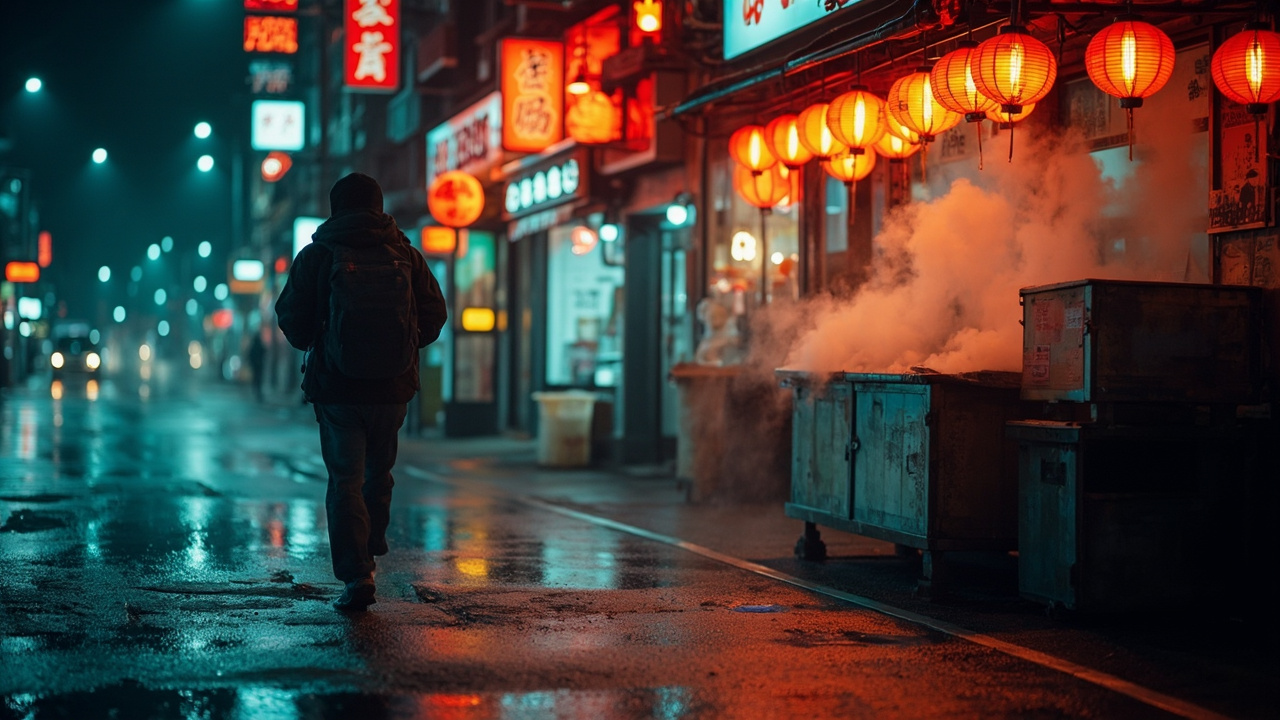
China Safety Tips for Tourists
The first thing I noticed was how quiet the subway was at 11pm on a Tuesday. I’d been in Beijing maybe four days, still jet-lagged, riding Line 10 back to my hostel near the Drum Tower, and a woman in her sixties sat down next to me, put her shopping bag between us, and fell asleep. Just like that. Phone in her lap, bag unguarded, dead to the world for six stops. Nobody touched anything. Nobody even looked.
That moment reset something in my head. I’d spent the weeks before my first China trip reading the same worried forum threads every first-timer reads — pickpockets, tea scams, sketchy taxis, the whole menu. And here was a woman treating a public train car like her own living room.
I’m not going to tell you China is a crime-free utopia. It isn’t. There are scams aimed squarely at tourists, there are traffic rules that exist mostly as suggestions, and there are a hundred small ways to lose money or get frustrated if you don’t know what you’re doing. But the actual danger — the stuff that ruins trips — is almost never violent crime. It’s a sprained ankle on a wet temple step, a stomach bug from a street stall that looked fine, a taxi driver who takes the long way, or a phone that won’t load Google Maps because you forgot the VPN.
This guide is the safety briefing I wish someone had given me before my first trip. Seven years and 40-plus visits later, here’s what actually matters.
Quick answer
China is one of the safest countries in the world for violent crime — solo female travelers routinely describe it as the safest place they’ve visited, and walking alone at night in major cities is normal. The real risks are petty scams (tea house, art student, fake taxi), traffic, food and water hygiene, and practical stuff like payment apps and internet access. Set up Alipay or WeChat Pay before you fly, get a VPN installed before you land, and you’ve eliminated 80% of first-timer problems.
The Short Version
Violent crime: basically a non-issue. Petty scams: real, but avoidable once you know the three or four standard plays. Traffic: genuinely dangerous, look both ways even on a green light. Food: eat where locals eat, drink bottled or boiled water. Internet: install a VPN before you arrive, not after. Payments: Alipay and WeChat Pay work for foreigners now, set them up at home. That’s it. Go.
How I Picked These
I’ve lived in Beijing since 2019 and traveled through China more than 40 times — everything from Shanghai and Chengdu to small towns in Yunnan and Gansu where nobody spoke a word of English. I’ve been scammed twice (once for about $40, once for a taxi fare that was triple what it should’ve been), gotten food poisoning exactly once, and had my phone snatched zero times. I’ve also talked to dozens of other travelers, hostel staff, and a few police officers who were genuinely helpful when I got lost in Chongqing at 1am.
This isn’t a list of things I read about. It’s what I’ve actually run into, plus what my friends keep asking me before their first trip.
Comparison Table: The Real Risks, Ranked
| Rank | Risk | Best For (Who It Hits) | Approx Cost If It Goes Wrong | Time to Recover | When It Happens |
|---|---|---|---|---|---|
| 1 | Petty scams | First-timers near tourist sites | $20–$200 (¥140–¥1,400) | Same day | Anytime, worse in peak season |
| 2 | Traffic / road crossings | Everyone, especially in big cities | Medical bills, ¥500+ | Days to weeks | Rush hour, night |
| 3 | Food & water illness | Adventurous eaters | $10–$50 (¥70–¥350) | 1–3 days | First week, usually |
| 4 | Payment / app failures | Anyone without Alipay set up | A whole wasted afternoon | Hours | Day one |
| 5 | Internet / VPN issues | Anyone relying on Google | $0, just frustration | Until you fix it | Constantly |
| 6 | Overpaying taxis | Anyone hailing on the street | 2–3x normal fare | Same day | Airport, train stations |
| 7 | Altitude sickness | Tibet, western Sichuan | Medical evacuation, serious | Days | Above 3,000m |
| 8 | Theft | Almost nobody | Rare | N/A | Basically never |
| 9 | Violent crime | Tourists | Essentially zero | N/A | N/A |
| 10 | Natural disasters | Regional (earthquakes, typhoons) | Varies | Varies | Seasonal |
1. The Tea House Scam — and Its Cousins
I want to start here because it’s the one that actually got me. I was 26, walking near Wangfujing in Beijing, and two young women asked if I wanted to practice English over tea. They were friendly. They were charming. Forty minutes later I was staring at a bill for ¥1,800 (about $250) for “rare pu’er” and they had vanished.
This is the classic tea house scam, and it has cousins. The “art student” who wants to show you a gallery and then pressures you into buying a $500 scroll. The “student” who invites you to a karaoke bar and leaves you with a ¥3,000 tab. The “friendly local” who takes you to a “traditional medicine” shop.
The pattern is always the same: unsolicited friendliness in a tourist area, an invitation to somewhere private, and a bill at the end. Real locals don’t approach strangers to practice English. If someone does, just smile, say “bù hǎo yì si” (sorry), and keep walking.
📍 Location: Wangfujing, Qianmen, the Bund in Shanghai, West Lake in Hangzhou — anywhere tourists cluster 🎫 Entry fee: N/A, but the “bill” can run $200–$500 (¥1,400–¥3,500) 🕐 Opening hours: Scammers work roughly 10am–10pm 🚇 How to actually get there: You’ll find them without trying ⏰ When to visit: Peak tourist season is worst — summer, Golden Week 💡 Insider tips: No legitimate business approaches you on the street. If you’re already in a tea house and the bill is absurd, ask for a receipt (发票, fāpiào), take a photo of the menu, and call 110 (police). Sometimes they back down. Also: the police number 110 works, and tourist police in major cities often have English speakers.
The lesson I learned: my $250 tea was the most expensive English lesson of my life, and I’ve been more careful ever since.
2. Traffic Is the Actual Danger
Here’s the thing nobody tells you: China’s roads are statistically the most dangerous part of your trip. Not crime. Traffic.
E-bikes come at you from every direction, including the wrong way down one-way streets, on sidewalks, and through red lights. Right-turn-on-red is legal almost everywhere and drivers rarely yield to pedestrians. In Shanghai, I watched a scooter clip a tourist who stepped off a curb while looking at his phone. The scooter didn’t stop.
The rule that saved me: look left, right, left again, and then look behind you too, because e-bikes are silent and fast. Even on a green pedestrian light, check before you step. Chinese pedestrians do this instinctively — follow their lead.
📍 Location: Everywhere, but worst in Shanghai, Beijing, Chongqing, and any city with heavy scooter traffic 🎫 Entry fee: Free to observe, expensive to learn the hard way 🕐 Opening hours: Rush hours (7–9am, 5–7pm) are the worst 🚇 How to actually get there: N/A ⏰ When to visit: N/A 💡 Insider tips: Cross with a crowd, not alone. Use pedestrian overpasses and underpasses when they exist. Never assume a car sees you. In Beijing, the subway is safer, faster, and cheaper than any street crossing. If you’re renting a scooter, don’t — the rules are unwritten and the fines are real.
A friend of mine, a French guy I met in a Chengdu hostel, broke his wrist on day two of a three-week trip because he stepped into a bike lane without looking. He spent the rest of the trip in a cast.
3. Food and Water: What Actually Gets You Sick
I’ve eaten scorpions on a stick in Wangfujing, fermented tofu in Changsha, and hot pot so spicy I cried in Chongqing. I’ve gotten sick exactly once, and it was from a hotel breakfast buffet, not a street stall.
The pattern I’ve noticed: street food is usually fine if it’s cooked fresh in front of you and there’s a line of locals. The danger is lukewarm buffet food, pre-cut fruit sitting out, and raw vegetables washed in tap water. Tap water in China is not drinkable — locals boil it or buy bottled. Ice in drinks is usually fine in cities but sketchy in rural areas.
📍 Location: Everywhere 🎫 Entry fee: N/A 🕐 Opening hours: Street stalls peak 6–9pm 🚇 How to actually get there: N/A ⏰ When to visit: Eat where you see locals eating, at busy times 💡 Insider tips: Carry Imodium and oral rehydration salts. Bottled water is cheap (¥2–¥5, about $0.30–$0.70). Ask for “bù yào bīng” (no ice) if you’re worried. Hot tea is always safe. Fruit you peel yourself (bananas, oranges) is safest. Avoid salads at cheap restaurants. If you do get sick, pharmacies (药店, yàodiàn) are everywhere and staff can usually figure out what you need with a translation app.
The one time I got sick, it was a hotel buffet in Xi’an. Two days of misery. The street noodles I ate the night before were perfect.
4. Payments: Set This Up Before You Fly
This is the number one practical thing that ruins first days in China. Since 2023, Alipay and WeChat Pay officially support foreign cards, but you need to set them up before you arrive, ideally with a card that doesn’t charge foreign transaction fees.
I watched a British couple at a Beijing convenience store spend 20 minutes trying to pay with a Visa card. The cashier couldn’t process it. They had no Alipay. They had no cash. It was painful.
📍 Location: Everywhere 🎫 Entry fee: N/A 🕐 Opening hours: N/A 🚇 How to actually get there: N/A ⏰ When to visit: Set up 1–2 weeks before departure 💡 Insider tips: Download Alipay and WeChat before you leave home — both are available in Western app stores. Link a Visa or Mastercard. Verify your identity with your passport. Carry ¥500–¥1,000 (about $70–$140) in cash as backup. Small vendors sometimes prefer WeChat. ATMs at Bank of China and ICBC accept foreign cards. Hotels can usually break large bills.
The couple eventually paid with cash they’d gotten at the airport. They were fine. But they lost an hour they could’ve spent eating dumplings.
5. Internet and VPN: Install It Before You Land
Google, Gmail, WhatsApp, Instagram, Facebook, and most Western news sites are blocked in mainland China. If you rely on Google Maps, you’ll be lost — literally. Apple Maps works. Baidu Maps works but is in Chinese. Amap (高德地图) works and has an English mode.
The key thing: install your VPN before you arrive. Once you’re in China, VPN websites are blocked, and downloading a VPN from the Chinese app store is basically impossible. I use a paid VPN that I won’t name here (they get blocked and unblocked constantly), but the principle is: have two VPN options installed, and test them before you fly.
📍 Location: Everywhere in mainland China 🎫 Entry fee: VPNs run $5–$15/month 🕐 Opening hours: N/A 🚇 How to actually get there: N/A ⏰ When to visit: Install 1 week before departure 💡 Insider tips: A local SIM card from China Mobile or China Unicom is cheap (¥100–¥200, about $14–$28 for a tourist plan) and gives you a Chinese number, which you’ll need for some apps. eSIMs from Airalo or Nomad work too. Hotel WiFi is common but often slow and sometimes requires a Chinese phone number to log in. Download offline maps before you go.
I once landed in Shanghai with no VPN and no offline maps. It took me three hours to get from Pudong Airport to my hostel. Never again.
6. Taxis, DiDi, and Not Getting Overcharged
Hailing a taxi on the street in China is a gamble. At airports and train stations, unofficial drivers will approach you and quote a fare that’s two or three times the real price. The fix is simple: use DiDi (the Chinese Uber) through the Alipay app, or walk to the official taxi queue.
DiDi works in English through Alipay, shows the price upfront, and pays through your linked card. It’s what I use 95% of the time. Official taxis are metered and safe — just make sure the driver starts the meter (打表, dǎ biǎo).
📍 Location: Airports, train stations, tourist areas 🎫 Entry fee: DiDi rides in Beijing start around ¥13 ($1.80); airport runs ¥80–¥150 ($11–$21) 🕐 Opening hours: 24/7 🚇 How to actually get there: N/A ⏰ When to visit: N/A 💡 Insider tips: At Beijing Capital Airport, follow signs to the official taxi queue — ignore anyone who approaches you inside the terminal. At Shanghai Pudong, the Maglev train is faster and cheaper than a taxi if you’re heading to Pudong. DiDi drivers sometimes call you to confirm pickup; if you don’t speak Chinese, use the in-app chat. Screenshot your destination in Chinese characters before you get in.
A driver in Chongqing once took me on a “scenic route” that added 20 minutes. I paid it because I didn’t want an argument. Now I always use DiDi.
7. Altitude Sickness: The One That Actually Hospitalizes People
If you’re going to Tibet, western Sichuan, or parts of Yunnan and Qinghai, altitude is a real risk. Lhasa sits at 3,650m. Shangri-La is at 3,200m. Some travelers fly straight in and end up in a clinic with headaches, nausea, and worse.
The rule: ascend slowly, hydrate constantly, and don’t drink alcohol the first two days. If you’re flying directly to Lhasa, plan a rest day. Diamox (acetazolamide) helps but needs a prescription and takes a day to kick in.
📍 Location: Tibet, western Sichuan (Kangding, Litang), northern Yunnan (Shangri-La), Qinghai 🎫 Entry fee: N/A 🕐 Opening hours: N/A 🚇 How to actually get there: N/A ⏰ When to visit: N/A 💡 Insider tips: Tibet requires a permit and a guide for foreigners — you can’t just show up. Travel agencies in Chengdu or Lhasa arrange this. Symptoms of serious altitude sickness (HACE/HAPE) include confusion, breathlessness at rest, and a cough — descend immediately if these appear. Portable oxygen cans are sold everywhere in high-altitude towns (¥20–¥40, about $3–$6). Insurance that covers high-altitude evacuation is worth the extra cost.
I met a guy in Litang who’d flown from Chengdu and spent two days in bed. He missed the whole reason he came.
8. Solo Female Travel: What Women Actually Report
I’m not a woman, so I’ll defer to what my female friends and readers have told me. The consistent message: China is one of the safest countries they’ve traveled in. Catcalling is rare. Walking alone at night in cities is normal. Public transport is safe.
That said, there are still things to know. Unwanted attention happens, especially in tourist areas. Some hostels and hotels have had issues with staff entering rooms without knocking. And a few women have reported being followed by men who then tried the tea house scam.
📍 Location: Everywhere 🎫 Entry fee: N/A 🕐 Opening hours: N/A 🚇 How to actually get there: N/A ⏰ When to visit: N/A 💡 Insider tips: Book hotels with strong reviews from solo female travelers. Share your location with someone at home. The police (110) are generally helpful and some stations have English-speaking officers. If a man approaches you with a “friendly” invitation, it’s almost always a scam. Trust your gut — the same instincts that work at home work here.
A friend of mine, a solo traveler from Germany, spent three weeks in China and told me the only time she felt unsafe was in a night market in Guangzhou when a man followed her for two blocks. She walked into a convenience store and he left.
9. Health, Pharmacies, and What to Pack
Pharmacies (药店) are on nearly every block, and staff can usually help with basic issues using a translation app. But bring your own prescription meds — some Western drugs aren’t available or have different names. Also note: some common medications (like certain stimulants) are illegal in China, so check before you fly.
Hospitals in big cities have international clinics with English-speaking staff, but they’re expensive. Travel insurance with medical coverage is essential. The public system is cheap but chaotic and mostly Chinese-speaking.
📍 Location: Everywhere 🎫 Entry fee: N/A 🕐 Opening hours: Pharmacies typically 8am–10pm, some 24h 🚇 How to actually get there: N/A ⏰ When to visit: N/A 💡 Insider tips: Pack Imodium, rehydration salts, ibuprofen, bandaids, and any prescription meds in original packaging. A basic first-aid kit costs almost nothing to assemble. If you need a doctor, ask your hotel to call a clinic — they usually know which ones take foreigners. Emergency numbers: 120 (ambulance), 110 (police), 119 (fire).
I once needed antibiotics for a sinus infection in Beijing. A pharmacy near my apartment sold me a course for ¥40 (about $6). No prescription needed. It worked.
10. Natural Disasters and Regional Risks
China is huge, and risks vary by region. Earthquakes happen in Sichuan and Yunnan. Typhoons hit the southeast coast (Fujian, Guangdong, Zhejiang) from June to October. Flooding is common in the Yangtze basin in summer. Winter brings heavy snow to the northeast.
None of this should stop you from traveling — it just means checking the forecast and having a plan B. The Chinese government’s response to disasters is fast and well-organized. If something happens, follow local instructions.
📍 Location: Regional 🎫 Entry fee: N/A 🕐 Opening hours: N/A 🚇 How to actually get there: N/A ⏰ When to visit: Check seasonal forecasts 💡 Insider tips: Travel insurance should cover natural disasters and trip interruption. If you’re in an earthquake zone, know where the exits are. During typhoon season, flights and trains get cancelled — build buffer days into your itinerary. The high-speed rail network is usually more reliable than flights in bad weather.
I was in Chengdu during a minor earthquake in 2022. The building shook for maybe 10 seconds. Everyone went back to eating. That’s the level of normal.
FAQ summary
China is extremely safe for tourists — violent crime against foreigners is rare, and solo travel, including for women, is common and generally comfortable. The real risks are petty scams in tourist areas (tea house, art student, fake taxi), traffic accidents, food and water hygiene, and practical setup issues like payment apps and VPN access. Set up Alipay or WeChat Pay and a VPN before you fly, carry some cash, use DiDi instead of street taxis, and you’ll avoid nearly every problem first-timers run into.
FAQ
Q: Is China safe for solo female travelers? A: Yes — most solo female travelers report China as one of the safest countries they’ve visited. Walking alone at night in cities is normal, public transport is safe, and catcalling is rare. Standard precautions apply: book well-reviewed hotels, share your location with someone at home, and avoid the tea house scam.
Q: Do I need a VPN in China? A: Yes, if you want to use Google, Gmail, WhatsApp, Instagram, or Facebook. Install it before you arrive — VPN websites are blocked once you’re in China. Have two options ready in case one stops working.
Q: Can I drink tap water in China? A: No. Tap water isn’t drinkable anywhere in mainland China. Hotels provide kettles and bottled water; locals boil their water. Bottled water costs ¥2–¥5 (about $0.30–$0.70) and is available everywhere.
Q: Is it safe to eat street food in China? A: Usually yes, if it’s cooked fresh in front of you and there’s a line of locals. Avoid lukewarm buffet food, pre-cut fruit, and raw vegetables. I’ve eaten street food across 40+ trips and gotten sick once — from a hotel buffet.
Q: What’s the emergency number in China? A: 110 for police, 120 for ambulance, 119 for fire. English-speaking operators aren’t guaranteed, but translation apps work. Hotels can usually call on your behalf.
Q: Do I need travel insurance for China? A: Strongly recommended. Medical care for foreigners is expensive at international clinics, and high-altitude evacuation (Tibet, western Sichuan) can cost thousands. Get a policy that covers medical, evacuation, and trip interruption.
Q: How much cash should I carry? A: ¥500–¥1,000 (about $70–$140) as backup. Alipay and WeChat Pay work for foreigners now, but small vendors and rural areas sometimes prefer cash. ATMs at Bank of China and ICBC accept foreign cards.
The Honest Wrap-up
If you’re a first-time visitor nervous about China, this list is for you. If you’re an experienced traveler who’s been to 30 countries and rolls your eyes at safety guides, you can skim it — you already know most of this. And if you’re someone who thinks “safety tips” means “don’t go,” this isn’t for you either. China is genuinely one of the easiest, safest places I’ve traveled, and I say that as someone who’s been scammed, gotten food poisoning, and once spent three hours lost in Shanghai with no internet.
The one piece of advice I’d give a friend about to book the flight: set up Alipay and a VPN before you leave home, and don’t let the forum threads scare you. The woman asleep on the Beijing subway was right. It’s a lot safer than the internet makes it sound.
More guides you may like

Top 10 Bridges in China
China's bridges are engineering marvels spanning mountains, rivers, and seas. Here are 10 of the most spectacular, from ancient stone to modern steel.
8 min read

Top 10 Buddhist Sites in China
From the Leshan Giant Buddha to the Dunhuang Caves, these 10 Buddhist sites represent 2,000 years of China's spiritual heritage.
9 min read

Top 10 Day Trips from Beijing You Shouldn't Miss
Beijing is packed with history, but some of China's best experiences are just a few hours away. Here are 10 day trips that will transform your visit.
9 min read

Top 10 Hidden Gems in China Off the Beaten Path
Beyond the Great Wall and Terracotta Warriors, China has incredible hidden destinations few tourists ever reach. Here are 10 underrated gems worth the detour.
9 min read

Top 10 Markets and Shopping Streets in China
From Shanghai's Bund to Beijing's Silk Street - 10 markets where foreigners can haggle, explore, and bring home authentic Chinese goods.
9 min read

Top 10 Museums in China You Shouldn't Miss
China's museums span 5,000 years of civilization. These 10 - from the Palace Museum to Xi'an's terracotta gallery - are unmissable for culture lovers.
9 min read