
China Summer Travel Tips
TODO: Extract from article (100-160 chars)
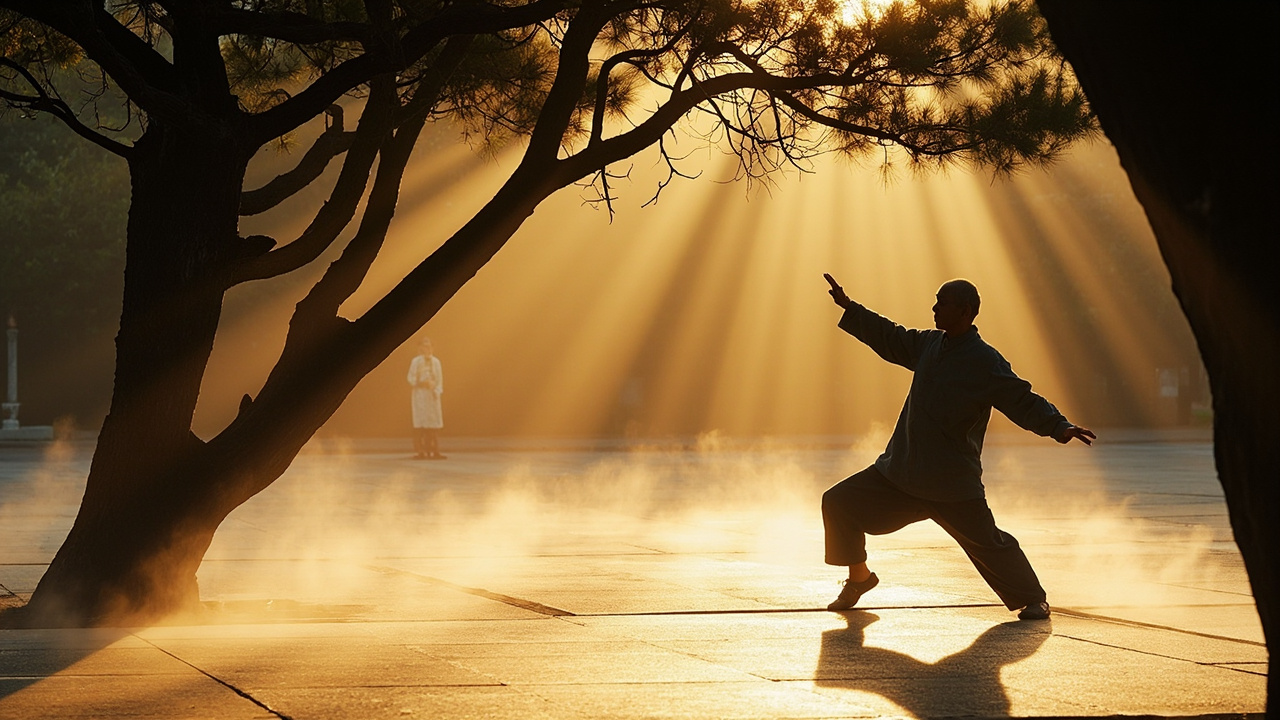
China Summer Travel Tips
The first thing I do every June in Beijing is check the weather app and laugh at it. 38°C. Feels like 44°C. Humidity at 80%. I’ve been living here seven years and I still forget how brutal the summer can be until I step outside and my glasses fog up instantly.
But here’s the thing — summer is also when China comes alive in ways you don’t get the rest of the year. Night markets in Chengdu stay packed until 2am. The beaches in Qingdao actually get warm enough to swim. Guilin’s rice terraces turn that deep electric green you see in photos. And because most Western tourists avoid China in July and August (understandably), you’ll have some places almost to yourself.
I’ve spent four summers traveling through this country — from the frozen noodle shops of Harbin in July (still 28°C up there) to the sweaty chaos of Shanghai’s Bund at midnight. I’ve made every mistake: booked trains without AC, wore the wrong shoes to Huangshan, ate street food that ended my trip two days early. This guide is what I wish someone had handed me before my first summer here.
You’ll get real temperatures, real prices, real transport directions, and the honest truth about which places are worth the sweat and which ones you should save for October.
Quick answer
Summer in China (June–August) means 30–40°C (86–104°F) with high humidity across most of the country, so plan around early mornings and evenings, not midday. Most Western tourists can now enter visa-free for up to 30 days under the 2026 expanded policy, and high-speed rail between major cities costs $30–$120 (¥220–¥880). Book trains and hotels 2–3 weeks ahead for July–August, and set up Alipay or WeChat Pay before you land — almost nothing takes cash anymore.
The Short Version
Go north or go high. Beijing, Xi’an, Qingdao, and Harbin are bearable in summer. Shanghai, Guangzhou, and Hong Kong are not — they’re saunas with skyscrapers. If you want beaches, go to Qingdao or Sanya. If you want mountains, go to Huangshan or Zhangjiajie. Skip the southern lowlands entirely in July and August unless you genuinely enjoy sweating through your shirt by 9am. And carry a small towel. You’ll thank me.
How I Picked These
I’ve spent four full summers in China since 2019, plus countless shorter trips. Everything here comes from personal experience — the guesthouse owner in Dali who let me stay an extra night for free when my train got cancelled, the Xi’an taxi driver who drove me 20 minutes out of his way to find a specific noodle shop, the hostel receptionist in Guilin who drew me a hand map because Google Maps doesn’t work properly in China.
I also asked about 30 other expats and frequent travelers which summer spots they’d actually recommend versus which ones they’d never go back to in peak heat. Some answers surprised me. A few places everyone raves about I think are genuinely overrated in summer. I’ll tell you which ones.
Comparison Table
| Rank | Place | Best For | Approx Cost (USD) | Time Needed | When to Go |
|---|---|---|---|---|---|
| 1 | Beijing | History, food, culture | $80–150/day | 4–5 days | June or late August |
| 2 | Qingdao | Beaches, beer, seafood | $60–100/day | 3 days | July–August |
| 3 | Chengdu | Food, pandas, nightlife | $50–90/day | 3–4 days | June or September |
| 4 | Xi’an | Terracotta Warriors, history | $60–100/day | 2–3 days | June or late August |
| 5 | Guilin/Yangshuo | Karst scenery, cycling | $50–80/day | 3–4 days | June (rainy but green) |
| 6 | Huangshan | Mountain hiking | $70–120/day | 2 days | June or September |
| 7 | Shanghai | Urban culture, nightlife | $100–180/day | 3–4 days | Late September (avoid July) |
| 8 | Harbin | Cool escape, Russian history | $60–100/day | 2–3 days | July–August |
| 9 | Zhangjiajie | Avatar mountains | $70–110/day | 3 days | June or September |
| 10 | Sanya | Tropical beach resort | $100–200/day | 4–5 days | Avoid July–August |
Beijing — The Northern Escape That Actually Works in Summer
I was standing on the Drum Tower at 6am last July, watching a guy in his seventies do tai chi in nothing but shorts and a towel around his neck. He nodded at me like we were old friends. That’s Beijing in summer — everyone’s up before the heat, and by 10am the city belongs to the air conditioners.
Beijing is my top pick for a summer trip because it’s the most manageable major Chinese city in July and August. It’s dry-ish (by Chinese standards), the evenings cool down, and there’s enough indoor stuff — museums, temples, the Forbidden City’s shaded courtyards — that you’re never trapped in the sun for hours.
The Forbidden City is genuinely worth the sweat, but go at opening (8:30am) and you’ll have the first hour almost to yourself. By 11am it’s a furnace and a crush of tour groups. The Great Wall at Mutianyu is better in summer than Badaling because it’s less crowded and has a cable car, but start by 7am or you’re hiking in full sun.
📷 Location: Dongcheng District for the main sights; Chaoyang for nightlife and restaurants 🎫 Entry fee: Forbidden City $9 (¥60), Temple of Heaven $5 (¥35), Great Wall Mutianyu $6 (¥45) plus $20 (¥140) for cable car 🕐 Opening hours: Forbidden City 8:30am–5pm (closed Mondays), most temples 6am–9pm 🚇 How to get there: Fly into Beijing Capital (PEK) or Daxing (PKX). Take Line 2 to Qianmen for Tiananmen, Line 1 to Tian’anmen East for the Forbidden City. For Mutianyu, book a shared van ($25/¥180 round trip) — public buses take 3+ hours each way. ⏰ When to visit: June or late August. Avoid mid-July to mid-August if you can — that’s peak domestic tourist season and the hottest stretch. 💡 Insider tips: Download a VPN before you arrive or Google Maps, WhatsApp, and Instagram won’t work. Set up Alipay with your foreign card — it works everywhere. Carry tissues because public bathrooms rarely have toilet paper. The subway is air-conditioned and costs $0.40–$1 (¥3–¥8) per ride. Buy a Yikatong transit card at any station or just tap your phone.
I once watched a Beijing taxi driver named Liu refuse to take my money after driving me 15 minutes to a hutong restaurant. “You’re a guest in my city,” he said through Google Translate. That’s Beijing.
Qingdao — The Beach Town That Feels Like a Different Country
I didn’t expect to like Qingdao as much as I did. I went for the beer (Tsingtao is brewed here) and stayed for the German colonial architecture, the seafood markets, and the fact that you can actually swim in the ocean without freezing.
Qingdao sits on the Yellow Sea in Shandong province, and its summer is genuinely pleasant — 25–30°C (77–86°F) with ocean breezes. The city was a German concession from 1898 to 1914, so you get these weird, wonderful Bavarian-style buildings mixed with Chinese high-rises. It’s like someone dropped a small piece of Munich onto the Chinese coast.
The beaches aren’t Thailand-level, but they’re clean and the water’s warm enough by July. Number 1 Bathing Beach is the most popular and gets packed on weekends. I prefer Shilaoren Beach, about 30 minutes east by taxi, where it’s mostly locals and the sand is softer.
📷 Location: Shinan District for the old town and beaches; Laoshan District for the mountains 🎫 Entry fee: Beaches are free. Tsingtao Brewery Museum $8 (¥60). St. Michael’s Cathedral $1.50 (¥10). 🕐 Opening hours: Beaches open 24 hours but lifeguards only 9am–6pm in summer 🚇 How to get there: Fly into Qingdao Jiaodong International (TAO), then take Metro Line 8 to the city center (about 50 minutes, $1.20/¥8). For the old town, get off at Qingdao Station on Line 1 or 3. ⏰ When to visit: July and August are peak beach season. June is cooler and less crowded but the water’s still cold. 💡 Insider tips: Buy beer from the plastic bag vendors on the street — it’s fresher and cheaper than the bottled stuff, about $0.70 (¥5) for a liter. The seafood market near Taidong is where locals eat; pick your fish and they’ll cook it for $3–5 (¥20–35). Bring cash for small vendors. English is limited outside hotels, so have a translation app ready.
The mistake I made: I tried to walk from the old town to Shilaoren Beach thinking it was “just a few kilometers.” It was 14km in 32°C heat. Take a taxi. It’s $8 (¥55).
Chengdu — Where Summer Means Eating Until 2am
Chengdu in summer is hot. I’m not going to pretend otherwise. It’s humid, it’s sticky, and the sun doesn’t really break through the haze until late afternoon. But Chengdu is also the food capital of China, and summer is when the night markets hit their stride.
I spent a week here last July and ate more than I have in any other week of my life. Dan dan noodles at 11pm. Hotpot at 1am with a table of strangers who adopted me for the night. Cold jelly noodles for breakfast because it was already 30°C at 8am.
The pandas are the obvious draw, and yes, you should go — but go at 7:30am when they’re active. By 10am they’re asleep and so is your $8 (¥55) ticket. The Chengdu Research Base of Giant Panda Breeding is about 30 minutes north of the city center.
📷 Location: Jinjiang District for the panda base and central sights; Wuhou District for Jinli Ancient Street 🎫 Entry fee: Panda base $8 (¥55), Wuhou Shrine $7 (¥50), Leshan Buddha $12 (¥80) 🕐 Opening hours: Panda base 7:30am–6pm (arrive by 8am), most temples 8am–6pm 🚇 How to get there: Fly into Chengdu Tianfu (TFU) or Shuangliu (CTU). Metro Line 3 to Panda Avenue station for the pandas, then a 10-minute walk. For Jinli, Line 3 to Gaoshengqiao, Exit D. ⏰ When to visit: June or September. July–August is brutally humid and crowded with domestic tourists. 💡 Insider tips: Chengdu’s hotpot is numbing-spicy (málà), not just hot — ask for 微辣 (wēi là, mild) if you’re not used to Sichuan pepper. The high-speed train from Xi’an takes 3 hours and costs $40 (¥290). Set up Didi (China’s Uber) in the app before you arrive — taxis are cheap but drivers rarely speak English.
A woman at a hotpot restaurant on Yulin Street saw me struggling with the spice and brought me a bowl of plain rice and a glass of soy milk without me asking. She patted my shoulder and said something I didn’t understand. I think it was “you’ll get used to it.”
Xi’an — History With a Side of Heatstroke
Xi’an in summer is dry heat, which sounds better than humidity until you realize it’s 38°C and there’s no shade anywhere near the Terracotta Warriors. I made the mistake of going at noon my first time. Don’t do that.
The Terracotta Warriors are the reason most people come, and they’re worth it — but go at opening (8:30am) and bring a hat, sunscreen, and at least two liters of water. The site is huge and mostly outdoors. The actual warriors are in covered pits, but you’ll be walking between buildings in full sun.
The city itself is more interesting than I expected. The Muslim Quarter has been a trading hub for over 1,000 years, and the food there — lamb skewers, hand-pulled noodles, persimmon cakes — is some of the best street food in China. Go hungry and go at night when it cools down.
📷 Location: Beilin District for the Muslim Quarter and city wall; Lintong District for the Terracotta Warriors (40km east) 🎫 Entry fee: Terracotta Warriors $17 (¥120), City Wall $8 (¥54), Big Wild Goose Pagoda $7 (¥50) 🕐 Opening hours: Terracotta Warriors 8:30am–6pm (March–November), City Wall 8am–10pm 🚇 How to get there: Fly into Xi’an Xianyang (XIY). Metro Line 2 to Yongningmen for the City Wall. For the warriors, take Metro Line 9 to Huaqingchi then bus 613, or book a tour van ($30/¥220 round trip). ⏰ When to visit: June or late August. July is peak heat and peak crowds. 💡 Insider tips: The City Wall is 14km around — rent a bike ($6/¥45 for 2 hours) instead of walking. The Muslim Quarter is best after 7pm when the heat breaks. Xi’an is a major high-speed rail hub — you can get here from Beijing in 4.5 hours for $75 (¥540).
I paid $25 (¥180) for a “guided tour” of the Terracotta Warriors that turned out to be a guy who walked me to the entrance and left. Book through your hotel or a reputable app instead.
Guilin and Yangshuo — The Greenest Place in China
The Li River in summer is the color of jade and the air smells like wet stone and river grass. I took the 4-hour boat from Guilin to Yangshuo in June and spent most of it just staring. The karst mountains rise out of the water like something from a painting, and in summer everything is so green it almost looks fake.
Yangshuo is the base most travelers use. It’s a small town surrounded by rice paddies and limestone peaks, and you can rent a bike for $3 (¥20) a day and just ride. I rode 20km through villages, past water buffalo, and stopped at a roadside stall where an old woman sold me cold noodles for $1 (¥7). Best meal of the trip.
The heat in summer is real — 32–35°C (90–95°F) with high humidity — but the river and the mountains make it bearable. Go early, take a midday break, and go out again in the late afternoon.
📷 Location: Yangshuo town for the base; Xingping for the classic 20-yuan note view 🎫 Entry fee: Li River boat $30 (¥215) one way, Yulong River bamboo raft $25 (¥180), Moon Hill $2 (¥15) 🕐 Opening hours: Boats run 9am–2pm, rafts 8am–6pm 🚇 How to get there: Fly into Guilin Liangjiang (KWL), then take a bus or taxi to Yangshuo (1.5 hours, $8/¥55). Or take the high-speed train from Guangzhou (2.5 hours, $35/¥250) or Shenzhen (3 hours, $45/¥320). ⏰ When to visit: June is green and rainy (bring a poncho). July–August is hot but the river is at its best. Avoid the first week of October (Golden Week). 💡 Insider tips: The Li River boat is scenic but touristy — the Yulong River bamboo raft is smaller, quieter, and cheaper. Rent an e-bike if you don’t want to sweat. Yangshuo has a surprising number of English-speaking cafes and hostels. Bring mosquito repellent — the river area has bugs at dusk.
A guesthouse owner in Yangshuo named Wei let me stay an extra night for free when my train got cancelled. She made me green tea and said, “You’re not a customer, you’re a guest.” I think about that a lot.
Huangshan — The Mountain That Will Humble You
I thought I was in decent shape before I climbed Huangshan. I was not. The steps are steep, uneven, and there are thousands of them. In summer, the mountain is also wet — clouds roll in, rain comes sideways, and the stone gets slick.
But here’s why you should still go: Huangshan in summer is when the sea of clouds is most active. I woke up at 4:30am to watch the sunrise from Bright Summit and saw the clouds below me turn pink and gold. It’s one of the few travel moments that actually lived up to the hype.
The mountain is in Anhui province, about 3 hours by high-speed train from Shanghai or 4.5 hours from Beijing. Most people do it as an overnight — stay in one of the summit hotels (book weeks ahead, they sell out) or a hostel at the base.
📷 Location: Huangshan Scenic Area, about 1 hour by bus from Huangshan North Railway Station 🎫 Entry fee: $27 (¥190) for the scenic area, plus $11 (¥80) for the cable car each way 🕐 Opening hours: Cable cars run 6:30am–4:30pm (summer), park open 6am–7pm 🚇 How to get there: Take the high-speed train to Huangshan North Station, then bus 20 to the scenic area transfer center (40 minutes, $4/¥30), then another bus to the cable car. ⏰ When to visit: June or September. July–August is rainy and crowded. Avoid weekends if you can. 💡 Insider tips: Bring a rain jacket, not an umbrella — the wind will destroy it. Wear shoes with grip. The summit hotels are expensive ($150–300/¥1,100–2,200) but worth it for the sunrise. There are porters who will carry your bag for $30 (¥220) if you don’t want to. Bring cash for the small shops on the mountain.
I slipped on wet steps near Lotus Peak and a Chinese hiker caught my arm before I went down. He laughed, said something in Anhui dialect, and gave me a thumbs up. We hiked together for the next hour.
Shanghai — The City That Doesn’t Care If You’re Sweating
Shanghai in July is a wet blanket. 35°C, 85% humidity, and the air feels like soup. But Shanghai is also the most international city in China, which means it’s the easiest place to be a foreigner — English signage, international food, and a subway system that’s genuinely world-class.
The Bund at night is the classic Shanghai experience, and yes, it’s crowded and touristy, but it’s also genuinely beautiful. Go at 9pm when the lights come on and the heat finally breaks. The French Concession is where I’d actually spend my time — tree-lined streets, independent coffee shops, and a slower pace than the rest of the city.
Shanghai is also the best city in China for a summer trip if you want air-conditioned comfort. The museums are excellent (Shanghai Museum is free), the malls are massive, and there’s always somewhere cool to escape to.
📷 Location: Huangpu District for the Bund; Xuhui District for the French Concession 🎫 Entry fee: The Bund is free, Shanghai Museum is free, Oriental Pearl Tower $30 (¥220) 🕐 Opening hours: The Bund 24 hours, museums 9am–5pm (closed Mondays) 🚇 How to get there: Fly into Pudong (PVG) or Hongqiao (SHA). Metro Line 2 to Nanjing East Road for the Bund, Line 1 or 10 to South Shaanxi Road for the French Concession. ⏰ When to visit: Late September is ideal. If you’re here in summer, do indoor stuff midday and outdoor stuff at night. 💡 Insider tips: The Maglev from Pudong Airport to the city takes 8 minutes and costs $7 (¥50) — it hits 430 km/h. Get a Shanghai Public Transport Card at any metro station. The Bund gets insanely crowded on weekend nights — go on a Tuesday. Set up a Chinese SIM or eSIM before you arrive.
I once watched a man in a full suit eat a bowl of hot noodles on the Bund in 36°C heat without breaking a sweat. I don’t understand Shanghai people.
Harbin — The Cool Escape Nobody Talks About
Harbin is famous for its ice festival in January, but summer here is a secret. It’s 25–28°C (77–82°F) in July and August, the air is dry, and the city has a weird, charming Russian-influenced architecture that makes it feel like nowhere else in China.
I went last July expecting nothing and left wanting to stay. The Songhua River runs through the city, and there’s a cable car across it ($8/¥55) with great views. The Central Street (Zhongyang Dajie) is a pedestrian mall with European-style buildings, Russian restaurants, and the best ice cream in China (Modern Ice Cream, $1/¥7).
It’s not a typical first-timer destination, but if you’re doing a longer trip and want a break from the heat, Harbin is genuinely worth the detour. High-speed trains from Beijing take 4.5 hours ($80/¥580).
📷 Location: Daoli District for Central Street and the river; Songbei District for the Sun Island 🎫 Entry fee: Central Street is free, Sun Island $4 (¥30), Siberian Tiger Park $15 (¥110) 🕐 Opening hours: Most sights 8am–5pm, Central Street 24 hours 🚇 How to get there: Fly into Harbin Taiping (HRB), then airport bus 3 to Central Street (50 minutes, $3/¥20). Or high-speed train from Beijing (4.5 hours, $80/¥580). ⏰ When to visit: July–August for the cool weather. Avoid January unless you want -30°C. 💡 Insider tips: Try Russian food — Harbin has a real Russian community and the borscht is legit. The Songhua River has swimming areas in summer. English is rare here, so download a translation app. Bring a light jacket for evenings.
A taxi driver in Harbin took me to his favorite dumpling shop and refused to let me pay for his meal. “You’re my guest,” he said. I’ve heard that three times in China now. It’s not a coincidence.
Zhangjiajie — The Mountains That Inspired Avatar
The first time I saw the sandstone pillars of Zhangjiajie, I understood why they used them in Avatar. They’re absurd — 200-meter-tall columns of rock rising out of a green forest, often with clouds wrapped around them. In summer, the mist makes them look even more otherworldly.
The problem is the crowds. Zhangjiajie is one of China’s most popular domestic tourist destinations, and in July and August it’s packed. The glass bridge (yes, that one) has hour-long queues. The cable cars have hour-long queues. Everything has queues.
Go in June or September if you can. If you must go in summer, start at 6:30am when the park opens and do the most popular stuff first. The Avatar Hallelujah Mountain (the actual name) is best at sunrise before the tour groups arrive.
📷 Location: Wulingyuan District, about 40km from Zhangjiajie city 🎫 Entry fee: $32 (¥225) for a 4-day park pass, cable cars $10–15 (¥70–110) each 🕐 Opening hours: Park 7am–6pm (summer), cable cars 7:30am–5:30pm 🚇 How to get there: Fly into Zhangjiajie Hehua (DYG), then bus or taxi to Wulingyuan (40 minutes, $5/¥35). Or high-speed train from Changsha (2.5 hours, $20/¥145). ⏰ When to visit: June or September. Avoid July–August and Chinese holidays. 💡 Insider tips: The park is huge — plan at least 2 days. Stay in Wulingyuan town, not Zhangjiajie city, to save commute time. Bring rain gear. The glass bridge is overrated; the cable car to Tianmen Mountain is better. Buy tickets through the official WeChat mini-program.
I got lost on a trail for two hours because the signage is confusing and my phone died. A group of Chinese hikers adopted me and led me back to the main path. One of them gave me a packet of dried mango. I still don’t know her name.
Sanya — The Tropical Beach Resort That Feels Like Another Country
Sanya is on Hainan Island, the southernmost point of China, and it’s the closest thing the country has to a tropical resort destination. Think palm trees, white sand, warm water, and resorts that wouldn’t look out of place in Bali.
The catch: summer is Sanya’s low season because it’s genuinely hot — 33–35°C (91–95°F) with high humidity and occasional typhoons. But if you’re okay with heat and want a beach vacation, the prices drop dramatically in summer. I stayed at a 4-star resort in July for $80 (¥580) a night that would cost $250 (¥1,800) in winter.
Yalong Bay is the nicest beach — calm water, soft sand, and resorts lining the shore. Dadonghai is more budget-friendly and has better street food. The seafood is excellent and cheap if you go to the local markets.
📷 Location: Yalong Bay for resorts, Dadonghai for budget travelers, Sanya Bay for sunsets 🎫 Entry fee: Beaches are free, Wuzhizhou Island $20 (¥145), Nanshan Temple $18 (¥130) 🕐 Opening hours: Beaches 24 hours, attractions 8am–5:30pm 🚇 How to get there: Fly into Sanya Phoenix (SYX). Taxi to Yalong Bay is $15 (¥110), to Dadonghai $8 (¥55). There’s also a high-speed rail loop around the island. ⏰ When to visit: Avoid July–August if you can (typhoon season). November–March is peak season. Summer is cheap but hot. 💡 Insider tips: Buy seafood at the First Market and have it cooked at a nearby restaurant for $3–5 (¥20–35). Bring reef-safe sunscreen. The water is warm but not crystal clear like Thailand. English is limited outside resorts.
I paid $40 (¥290) for a “sunset cruise” that turned out to be a 30-minute boat ride with warm beer. Skip the tours and just watch the sunset from the beach.
FAQ summary
Summer in China is hot and humid almost everywhere, but it’s manageable if you go north (Beijing, Qingdao, Harbin) or high (Huangshan, Zhangjiajie) and plan your days around early mornings and evenings. Most Western tourists can enter visa-free for up to 30 days in 2026, high-speed rail is cheap and fast, and Alipay or WeChat Pay linked to a foreign card works almost everywhere. Book trains and hotels 2–3 weeks ahead for July–August, carry a VPN and translation app, and skip the southern lowlands (Shanghai, Guangzhou, Hong Kong) in peak summer unless you genuinely enjoy sauna conditions.
FAQ
Q: Do I need a visa to visit China in summer 2026? A: Most Western passport holders (US, UK, EU, Australia, Canada, and others) can enter China visa-free for up to 30 days under the expanded 2026 policy. Check your specific nationality before booking — some countries get 15 days, others 30. If you’re transiting through China to a third country, the 240-hour visa-free transit covers most major cities.
Q: How hot does it actually get in China in summer? A: Beijing and Xi’an hit 35–38°C (95–100°F) in July with moderate humidity. Shanghai, Guangzhou, and Hong Kong reach 33–36°C (91–97°F) with 80%+ humidity, which feels much worse. Harbin and Qingdao stay around 25–30°C (77–86°F). The southern lowlands are the hardest to handle.
Q: Is Alipay or WeChat Pay really necessary? A: Yes. China is almost entirely cashless now. Set up Alipay or WeChat Pay with your foreign credit card before you arrive — both apps accept Visa and Mastercard now. Cash works at some places but it’s inconvenient and you’ll get strange looks.
Q: Do I need a VPN in China? A: Yes, if you want to use Google, WhatsApp, Instagram, Facebook, or most Western news sites. Download and install a VPN before you arrive — they’re hard to get once you’re inside China. Also set up a Chinese eSIM or local SIM for reliable data.
Q: How far in advance should I book trains and hotels for summer? A: Book high-speed trains 2–3 weeks ahead for July and August — popular routes (Beijing–Xi’an, Shanghai–Huangshan) sell out. Hotels are less urgent but book at least a week ahead for major cities. Peak domestic travel is mid-July to mid-August, so avoid those weeks if you can.
Q: Is English widely spoken in China? A: Not really. Major hotels, international restaurants, and big-city tourist sites usually have some English. Everywhere else, you’ll need a translation app (Pleco or Google Translate with offline Chinese downloaded). Learn a few phrases — “nǐ hǎo” (hello), “xièxie” (thank you), “duōshǎo qián” (how much).
Q: What should I pack for a summer trip to China? A: Lightweight, breathable clothing, a small towel (you’ll sweat), sunscreen, mosquito repellent, comfortable walking shoes, a rain jacket (summer thunderstorms are common), and a portable charger. Bring any medication you need — Chinese pharmacies are good but labels are in Chinese.
The Honest Wrap-up
This guide is for first-time visitors who want to see China in summer without losing their minds to the heat. It’s not for people who want a relaxing beach vacation — go to Thailand for that. It’s for travelers who are okay with sweating, getting lost, eating things they can’t identify, and having strangers treat them like family.
If I could give you one piece of advice before you book: go north or go high. Beijing, Qingdao, Harbin, Huangshan, Zhangjiajie. Skip Shanghai and Guangzhou in July unless you have a specific reason. And pack more underwear than you think you need. You’ll understand when you get here.
More guides you may like
Top 10 Bridges in China
China's bridges are engineering marvels spanning mountains, rivers, and seas. Here are 10 of the most spectacular, from ancient stone to modern steel.
8 min read

Top 10 Buddhist Sites in China
From the Leshan Giant Buddha to the Dunhuang Caves, these 10 Buddhist sites represent 2,000 years of China's spiritual heritage.
9 min read
Top 10 Day Trips from Beijing You Shouldn't Miss
Beijing is packed with history, but some of China's best experiences are just a few hours away. Here are 10 day trips that will transform your visit.
9 min read
Top 10 Hidden Gems in China Off the Beaten Path
Beyond the Great Wall and Terracotta Warriors, China has incredible hidden destinations few tourists ever reach. Here are 10 underrated gems worth the detour.
9 min read
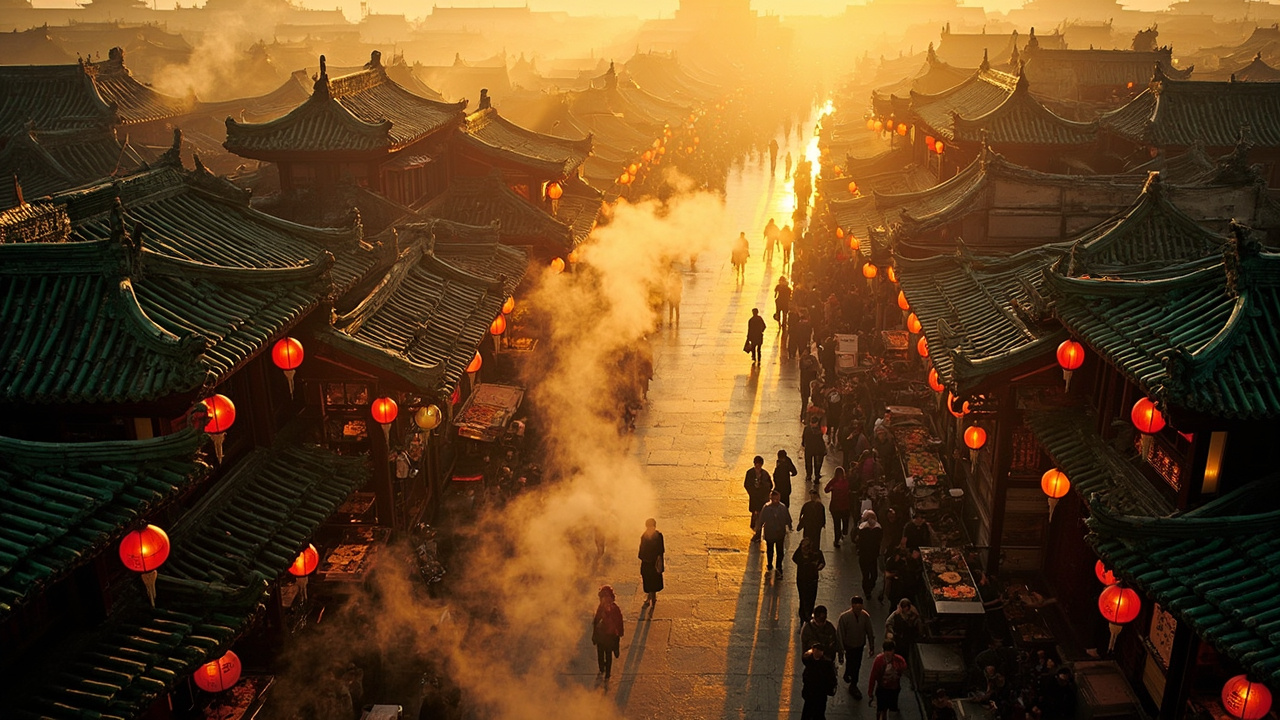
Top 10 Markets and Shopping Streets in China
From Shanghai's Bund to Beijing's Silk Street - 10 markets where foreigners can haggle, explore, and bring home authentic Chinese goods.
9 min read
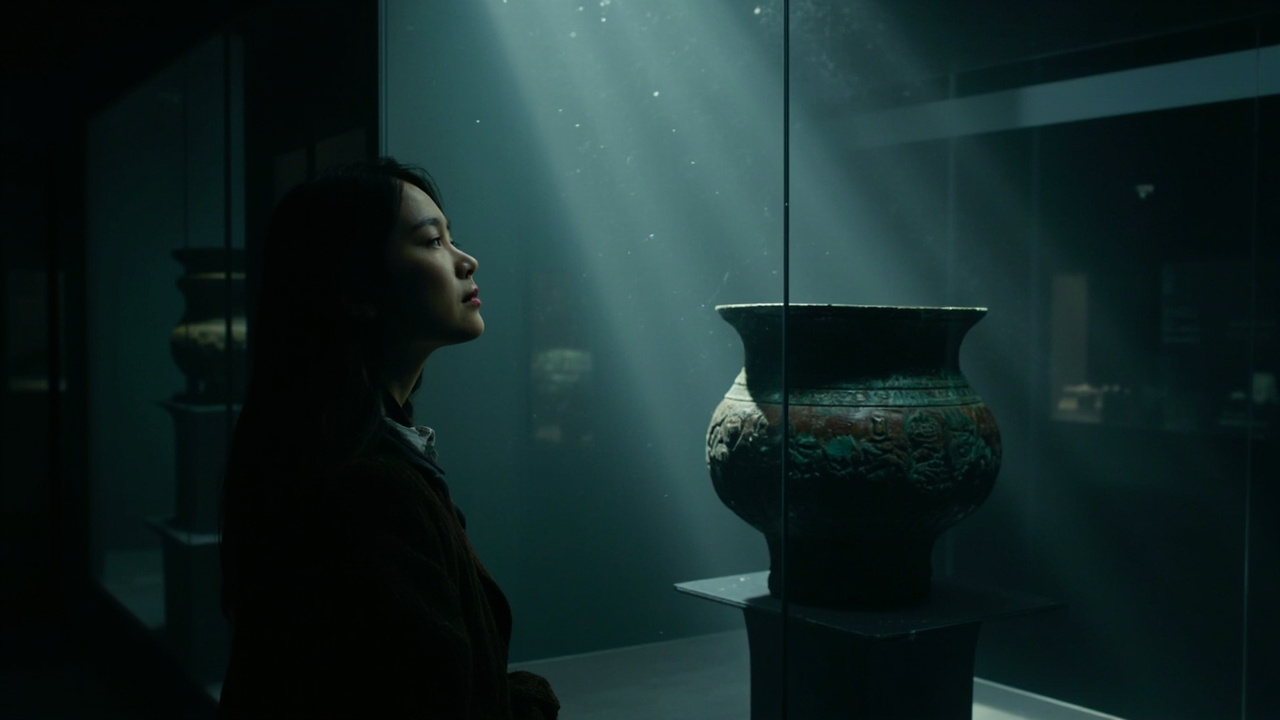
Top 10 Museums in China You Shouldn't Miss
China's museums span 5,000 years of civilization. These 10 - from the Palace Museum to Xi'an's terracotta gallery - are unmissable for culture lovers.
9 min read