
China Plum Blossom Festival
TODO: Extract from article (100-160 chars)
China Plum Blossom Festival
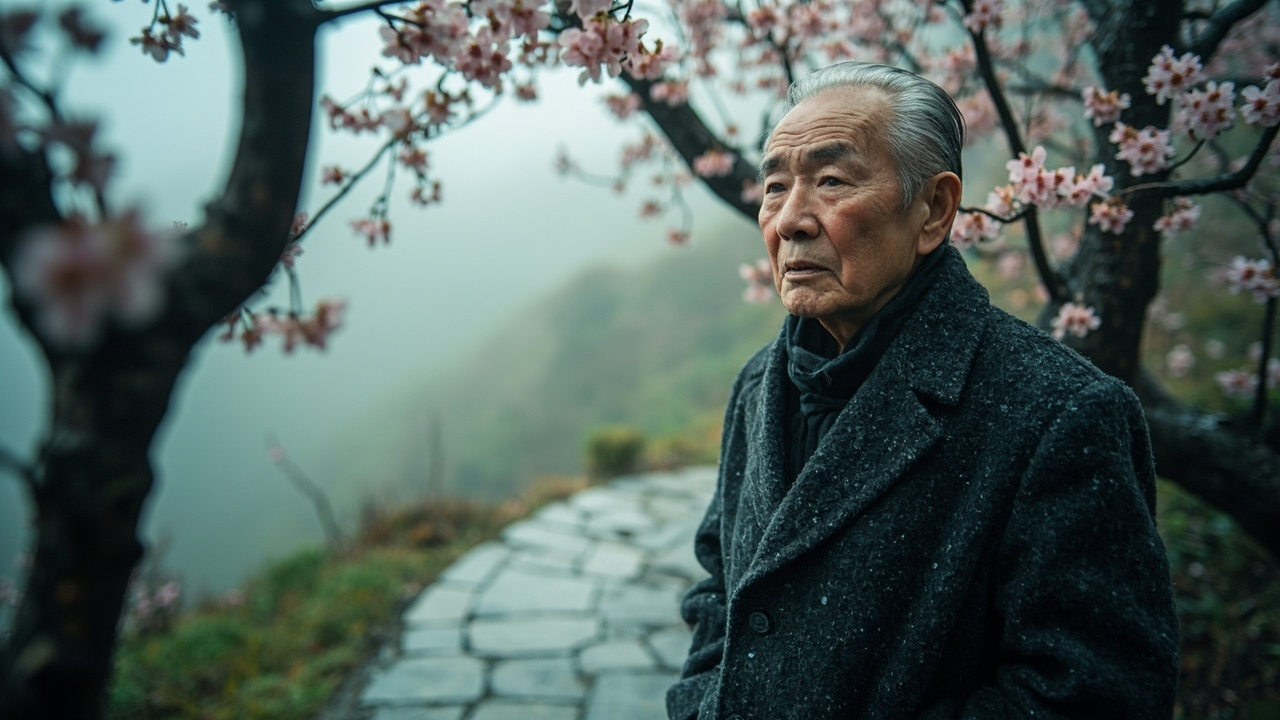
The old man didn’t say anything when I stopped next to him. He just tilted his chin toward the branch, and we both watched a single petal let go and spiral down onto the wet stone. It was 6:40 in the morning at Meiyuan Xincun in Nanjing, the light still gray, and I’d been in China long enough to know that chasing plum blossoms is a thing people genuinely plan their winter around. Not as a photo op. As a season.
Here’s what nobody tells you before your first trip: plum blossom season in China is not one festival. It’s a rolling wave that starts in the warm south in January and creeps north through February and into March, and if you time it wrong you’ll arrive to bare branches and a gift shop full of plastic flowers. Get it right and you’ll stand in a 1,600-year-old grove in Hangzhou with maybe forty other people, most of them retirees with thermoses, while a light rain makes the whole hillside smell like cold bark and wet moss.
The blossoms themselves are small and a bit stubborn-looking. Five petals, dark angular branches, no leaves to soften the picture. That’s the appeal. Plum blossoms open in the cold, before anything else has the nerve to, which is why Chinese poets have been writing about them for a thousand years and why every city with a decent garden plants a few hundred trees and calls it a meiyuan.
This guide covers the ten plum blossom spots actually worth building a trip around, with real prices, real transit directions, and the timing mistakes I’ve made so you don’t repeat them.
Quick answer
China’s plum blossom season runs roughly mid-January to mid-March, peaking in the Yangtze Delta (Nanjing, Hangzhou, Suzhou, Wuhan) in February and in Beijing in late March. Most plum gardens cost $0–8 (¥0–60), and many of the best ones are free public parks. Citizens of 50+ countries including the US, UK, and most of the EU can currently enter China visa-free for up to 30 days, so a plum blossom trip needs no visa paperwork — just a passport valid 6+ months.
The Short Version
Go in February. Fly into Shanghai or Hangzhou, take the high-speed train to Nanjing for two days, then work back through Suzhou and Hangzhou. Skip the big “plum blossom festivals” with ticket gates and stages — the free municipal gardens are better and quieter. Book hotels early for the two weeks around Chinese New Year, because domestic tourism spikes hard. Bring a rain shell, not an umbrella; the good groves are on hillsides and the wind does what it wants.
How I Picked These
I’ve been based in Beijing since 2019 and I’ve now done seven plum blossom seasons, which is more than anyone needs. The list below is places I’ve personally stood in, usually more than once, at different points in the season. I’ve cross-checked bloom timing against the China Meteorological Administration’s annual meihua forecast (yes, that’s a real thing) and against what taxi drivers and park gardeners told me on the ground. I deliberately left off a few famous spots that are crowded, overpriced, or mostly a photo backdrop. If a place made the list, it’s because the trees are old, the setting is real, and a foreign visitor can actually get there without a car.
| Rank | Place | Best For | Approx Cost (USD) | Time Needed | When to Go |
|---|---|---|---|---|---|
| 1 | Meihuashan, Nanjing | Sheer scale, 35,000+ trees | $5 (¥35) | Half day | Mid-Feb–early Mar |
| 2 | Chaoshan Scenic Area, Hangzhou | Walking trails, fewer crowds | $11 (¥80) | Full day | Late Jan–Feb |
| 3 | Xuanwu Lake, Nanjing | Free, easy, lakeside | Free | 2–3 hours | Feb |
| 4 | Dengwei Plum Garden, Suzhou | Ancient trees, mountain setting | $8 (¥60) | Half day | Feb |
| 5 | East Lake Plum Garden, Wuhan | Biggest in China, 20,000 trees | $6 (¥40) | Half day | Feb–early Mar |
| 6 | Yuyuantan Park, Beijing | Northern season, easy metro | $0.30 (¥2) | 2 hours | Late Mar |
| 7 | Gushan, Hangzhou | West Lake views, literati vibe | Free | 2 hours | Feb |
| 8 | Meiyuan New Village, Nanjing | Local neighborhood feel | Free | 1–2 hours | Feb |
| 9 | Wuxi Plum Garden | Riverside, family-friendly | $8 (¥60) | Half day | Feb |
| 10 | Longquan Plum Grove, Chengdu | Rural Sichuan, farmhouse food | Free | Half day | Late Feb–Mar |
1. Meihuashan, Nanjing — The One That Ruins Other Plum Gardens For You
I went on a Tuesday morning in a light drizzle and still had to wait ten minutes for a parking shuttle. That tells you something about how seriously Nanjing takes this.
Meihuashan (“Plum Blossom Mountain”) sits on the southern slope of Purple Mountain and holds something like 35,000 plum trees across 400-plus varieties. The scale is the point. You walk in and the hillside is white and pink and faintly green from the early varieties, and it keeps going, and then it keeps going some more. There’s a small museum of plum culture near the entrance that almost nobody visits, which is a shame because it explains why the Chinese have 1,000 years of poetry about a flower that looks like a slightly grumpy apricot.
The best section is the upper terraces, reached by a stone path on the left side of the main gate. Most tour groups turn right and never make it up. Go left.
📍 Location: Xuanwu District, southern slope of Zijinshan (Purple Mountain), adjacent to Ming Xiaoling 🎫 Entry fee: $5 (¥35) for the plum garden; the surrounding Purple Mountain scenic area has separate tickets 🕒 Opening hours: 7:00–18:00 daily, extended to 19:00 during peak bloom (typically mid-February to early March) 🚇 How to get there: Metro Line 2 to Muxuyuan Station, Exit 1, then walk 15 minutes west or take bus 20/315 two stops ⏰ When to visit: Weekday mornings before 9am. Weekends during peak bloom are genuinely packed with domestic tour groups 💡 Insider tips: Buy your ticket through the park’s WeChat mini-program to skip the gate queue. Bring cash for the roasted sweet potato carts outside. The tea house halfway up sells terrible tea but has the best view. Set up Alipay or WeChat Pay before you come — the ticket window takes cards but the snack stalls don’t. 🍜 Food note: I ate a bowl of duck blood soup at a tiny place near the exit and it was the best ¥18 I spent all week.
2. Chaoshan Scenic Area, Hangzhou — The Quiet One
Everyone goes to West Lake. Almost nobody goes 20 km north to Chaoshan, and I genuinely don’t understand why.
Chaoshan is a low mountain covered in plum trees, with stone paths winding between them and a handful of small temples tucked into the folds. When I was there last February, I counted eleven other visitors over three hours. Eleven. In peak season. The trees are older than the ones in the city parks, gnarled and dark, and the trails are steep enough that you feel like you earned the view.
The highlight is the Tang dynasty temple near the summit, which has a plum tree in its courtyard that’s supposedly over 800 years old. I have no way to verify that and neither does anyone else, but it’s a beautiful tree and the monks don’t mind if you sit quietly.
📍 Location: Tangqi Town, Linping District, about 20 km north of central Hangzhou 🎫 Entry fee: $11 (¥80) including the shuttle bus from the gate 🕒 Opening hours: 8:00–17:00, last entry 16:00 🚇 How to get there: Take Metro Line 1 to Linping Station, then a Didi (about $9/¥65) or local bus 786 to the Chaoshan entrance. There’s no direct metro. ⏰ When to visit: Late January through February. Weekdays only if you can manage it — the shuttle buses fill up on weekends. 💡 Insider tips: The shuttle from the gate to the trailhead is mandatory and included in your ticket. Wear real shoes; the paths are uneven stone. Bring water, because the one shop at the top closes unpredictably. Download an offline map — cell signal drops in the valleys. If you’re coming from Shanghai, the high-speed rail takes under an hour and drops you at Hangzhou East. 🍜 Food note: The temple serves a simple vegetarian lunch for ¥20, and an old woman running the stall insisted I take a second bowl of rice “for the climb.”
3. Xuanwu Lake, Nanjing — The Free One That’s Actually Good
Most “free” attractions in China are free for a reason. Xuanwu Lake is not one of them.
The lake sits right in the middle of Nanjing, ringed by a park with several plum groves, and the whole thing is free to enter. You can walk from the metro, rent a bike for ¥20, and be standing under flowering trees within fifteen minutes of leaving your hotel. On a weekday morning in February it’s mostly retirees doing tai chi and a few photographers with tripods, and the light coming off the water is genuinely lovely.
Don’t expect the scale of Meihuashan. Expect a pleasant, easy, unpretentious park where plum blossoms are one of several nice things happening.
📍 Location: Xuanwu District, north side of central Nanjing, bordering the old city wall 🎫 Entry fee: Free 🕒 Opening hours: Open 24 hours; the plum groves are best lit from 7:00–10:00 🚇 How to get there: Metro Line 1 to Xuanwumen Station, Exit 3, walk 5 minutes north to the south gate ⏰ When to visit: Any weekday morning in February. Weekends get busy but never unbearable. 💡 Insider tips: The best grove is on the northwest shore near the Lingzhou ferry dock — most people never walk that far. Bring a thermos and sit on the wall like the locals do. The China SIM card and internet setup matters here because you’ll want to scan the bike-share QR codes. 🍜 Food note: A vendor near the south gate sells hot osmanthus wine for ¥10, and drinking it while looking at plum blossoms in the cold is one of the better things I’ve done in China.
4. Dengwei Plum Garden, Suzhou — The One With the Mountain
Suzhou gets sold as a garden city, which it is, but the classical gardens are walled and small. Dengwei is different. It’s a plum grove on the slope of a real mountain, and the combination of dark branches against limestone cliffs is something you don’t get anywhere else on this list.
I went on a cold, clear day and the light was so sharp it hurt. The trees here are old, some reportedly Ming dynasty, and the whole site has a slightly wild feel that the manicured gardens in central Suzhou don’t. There’s a small temple at the top of the path and a tea house halfway up where I paid ¥30 for a pot of local green tea and sat for an hour watching mist move through the valley.
📍 Location: Dengwei Village, Wuzhong District, about 25 km west of Suzhou’s old town, on the slope of Dengwei Mountain 🎫 Entry fee: $8 (¥60) during peak bloom, $4 (¥30) off-season 🕒 Opening hours: 8:00–17:00 daily during bloom season 🚇 How to get there: Take Metro Line 5 to Taihu Lake Station, then a Didi (about $12/¥85) or bus 65 to the Dengwei entrance. It’s genuinely awkward without a car or Didi. ⏰ When to visit: February, ideally mid-week. The road up gets congested on sunny weekends. 💡 Insider tips: The path to the summit takes about 40 minutes and most visitors skip it — do it. Bring cash for the tea house. If you’re combining this with Suzhou’s classical gardens, buy a combo ticket at the tourist office in the old town and save about $5. Suzhou is 25 minutes from Shanghai by high-speed rail, so it works as a day trip. 🍜 Food note: The village at the base sells plum wine and plum preserves, and I bought a jar of preserved plums that I finished in three days.
5. East Lake Plum Garden, Wuhan — The Biggest One
Wuhan doesn’t get much tourist traffic from foreigners, which is a shame, because East Lake Plum Garden is the largest plum garden in China by tree count — somewhere around 20,000 trees across 800 varieties — and it’s genuinely spectacular.
I’ll be honest: Wuhan in February is cold and damp in a way that seeps into your bones. But the plum garden is worth the discomfort. The trees are arranged along the shore of East Lake, and on a misty morning the whole thing has a soft, watercolor quality that photographs can’t capture. The garden is also less internationalized than Nanjing or Hangzhou, which means fewer English signs and more actual Chinese families having picnics.
📍 Location: Moshan area, East Lake Scenic Area, Wuchang District 🎫 Entry fee: $6 (¥40) for the plum garden; the wider East Lake Scenic Area has separate tickets 🕒 Opening hours: 8:00–18:00 daily 🚇 How to get there: Metro Line 8 to Lijiayuan Station, Exit A, then bus 402 or a short Didi to the Moshan gate ⏰ When to visit: February through early March. Weekday mornings. 💡 Insider tips: English is genuinely limited here — have a translation app ready. The garden connects to the East Lake Greenway, a 100+ km bike path along the lake, and renting a bike for ¥30 is a great way to extend the day. Wuhan is a major high-speed rail hub, so it slots easily into a Shanghai–Nanjing–Wuhan route. 🍜 Food note: Wuhan’s famous hot dry noodles (reganmian) cost about ¥6 and are the correct breakfast here.
6. Yuyuantan Park, Beijing — The Northern Season
Beijing’s plum blossom season is late — usually the last week of March — and by then the city has already started warming up. Yuyuantan is the main event, and it’s a strange, wonderful mix of plum, cherry, and the first green shoots of spring.
I went on a Saturday and it was packed with families, which is part of the charm. Kids flying kites, grandparents with cameras, a brass band playing somewhere near the lake. The plum grove is on the western side of the park, and if you walk past the main cherry avenue and keep going, you’ll find the plum trees in a quieter corner that most visitors miss.
📍 Location: Haidian District, west Beijing, near the Military Museum 🎫 Entry fee: $0.30 (¥2) park entry; plum grove free 🕒 Opening hours: 6:00–21:00 daily 🚇 How to get there: Metro Line 1 to Military Museum Station, Exit A, walk 10 minutes north to the east gate. Or Line 9 to Military Museum, Exit D. ⏰ When to visit: Late March, weekday mornings. Cherry blossom season overlaps and the park gets very busy. 💡 Insider tips: Beijing’s air quality in late March is usually decent, but check the AQI app before committing to a long walk. The park has a small boat rental on the lake that’s cheap and fun. If you’re new to Beijing, read the Beijing travel guide first — the metro system takes a day to figure out. 🍜 Food note: There’s a jianbing cart outside the east gate that makes the best ¥8 breakfast in the neighborhood.
7. Gushan, Hangzhou — The Literati One
Gushan (“Solitary Hill”) is where every Chinese poet who ever visited Hangzhou went to look at plum blossoms and feel melancholy. It’s on the north shore of West Lake, connected to the causeway, and it’s free.
The plum grove here is small — maybe 500 trees — but the setting is unmatched. You’re looking at blossoms with West Lake behind them and the city skyline far off in the haze, and it feels like walking into a Song dynasty painting. I went at dusk on a cold evening and had the whole grove to myself.
📍 Location: Gushan, north shore of West Lake, Xihu District 🎫 Entry fee: Free 🕒 Opening hours: Open 24 hours; best light 7:00–9:00 and 16:00–18:00 🚇 How to get there: Metro Line 1 to Longxiangqiao Station, Exit B, walk 15 minutes west to the lake, then north along the causeway ⏰ When to visit: February, any time of day. Sunset is the move. 💡 Insider tips: Combine this with the Xiling Seal Engravers’ Society next door, which has a lovely small garden and costs ¥10. The nearby Zhejiang Museum is free and worth an hour if it rains. Hangzhou is 45 minutes from Shanghai by high-speed rail. 🍜 Food note: There’s a tiny noodle shop on Beishan Road that serves a bowl of shrimp and eel noodles for ¥38 that I still think about.
8. Meiyuan New Village, Nanjing — The Local One
This is the neighborhood where I had my opening moment. It’s not a tourist site. It’s a residential area in Nanjing with plum trees planted along the streets and in a small central garden, and in February the whole place smells faintly of blossoms and coal smoke.
I found it because a taxi driver named Liu told me his mother walked there every morning. He was right. It’s quiet, it’s free, and it’s the kind of place where you’ll see old men playing xiangqi under the trees and a woman selling roasted chestnuts from a cart. There’s nothing to “do.” That’s the point.
📍 Location: Meiyuan Xincun, Xuanwu District, near the Nanjing Museum 🎫 Entry fee: Free 🕒 Opening hours: Always open 🚇 How to get there: Metro Line 2 to Minggugong Station, Exit 1, walk 5 minutes east ⏰ When to visit: Any morning in February 💡 Insider tips: Pair this with the Nanjing Museum next door, which is free and one of the best in China. Beware of touts near the museum entrance selling “skip the line” tickets — there is no line. If you’re coming from Shanghai, the high-speed rail takes about 70 minutes and drops you at Nanjing South. 🍜 Food note: The duck at the neighborhood shops here is better and cheaper than the famous tourist spots.
9. Wuxi Plum Garden — The Family One
Wuxi is a mid-sized city between Suzhou and Nanjing, and its plum garden sits on the shore of Taihu Lake with a view of the water that makes the whole thing feel bigger than it is. It’s a proper municipal attraction — ticket gates, snack stalls, the works — but the trees are good and the setting is lovely.
I went with a hostel receptionist and her family, which is probably why I remember it fondly. Her mother packed a thermos of tea and a bag of sunflower seeds, and we sat on a bench for two hours doing nothing much. That’s the correct way to do this garden.
📍 Location: Binhu District, on the shore of Taihu Lake, about 15 km from central Wuxi 🎫 Entry fee: $8 (¥60) 🕒 Opening hours: 7:00–17:30 daily 🚇 How to get there: Metro Line 1 to Wuxi Movie Metropolis Station, then bus 82 or a Didi (about $10/¥70) ⏰ When to visit: February, weekday afternoons 💡 Insider tips: The lakeside path is the best part and most visitors stay near the entrance. Bring snacks. Wuxi is 30 minutes from Suzhou and 45 from Shanghai by high-speed rail. 🍜 Food note: Wuxi ribs are famously sweet — try them once, then decide.
10. Longquan Plum Grove, Chengdu — The Rural One
This one is different. Longquan is a rural district east of Chengdu, on a hillside covered in plum and peach orchards, and in late February the whole slope turns white. There’s no ticket, no gate, no signage in English. You just walk up the hill and the trees are there.
I went with a friend who grew up nearby, and we ate lunch at a farmhouse where the owner grilled fish over charcoal and refused to let us pay for the tea. The plum blossoms here are working trees, not ornamental ones, which gives the whole thing a different feeling — less curated, more alive.
📍 Location: Longquanyi District, about 30 km east of central Chengdu 🎫 Entry fee: Free 🕒 Opening hours: Always open 🚇 How to get there: Metro Line 2 to Longquanyi Station, then a Didi (about $8/¥55) to the orchard area. Ask the driver for “Longquan shan” — they’ll know. ⏰ When to visit: Late February through March, weekday mornings 💡 Insider tips: English is essentially nonexistent here. Have a translation app and a Chinese address written down. The farmhouse restaurants along the ridge road are the real attraction — go for lunch. Chengdu itself is worth 3 days; see the Chengdu travel guide. 🍜 Food note: The farmhouse fish and the fresh-picked greens were the best meal of that entire trip.
FAQ summary
China’s plum blossom season runs from mid-January in the south to late March in Beijing, with February as the peak month in the Yangtze Delta cities of Nanjing, Hangzhou, Suzhou, and Wuhan. Most plum gardens cost $0–11 (¥0–80), and several of the best ones — Xuanwu Lake, Gushan, Meiyuan New Village, Longquan — are completely free. US, UK, and most EU citizens can currently enter China visa-free for up to 30 days, so no visa is required for a plum blossom trip. Book hotels early around Chinese New Year (dates shift yearly; in 2026 it falls in mid-February), because domestic tourism spikes sharply during that window.
FAQ
Q: When exactly is plum blossom season in China? A: It runs roughly mid-January to mid-March, moving from south to north. Wuhan, Hangzhou, and Nanjing peak in February. Suzhou and Wuxi peak mid-to-late February. Beijing peaks in late March. Exact dates shift each year by 1–2 weeks depending on winter temperatures, so check the China Meteorological Administration’s annual meihua forecast before booking.
Q: Do I need a visa to visit China for plum blossom season in 2026? A: Most likely not. Citizens of 50+ countries including the US, UK, Australia, and most of the EU currently qualify for visa-free entry for up to 30 days. Check the current visa-free policy before you book, since rules have been updated several times since 2024.
Q: How much does a plum blossom trip cost? A: Budget about $80–140 per day for mid-range travel (hotel, food, transport, entries). Plum garden tickets are $0–11 (¥0–80). High-speed rail between Shanghai and Nanjing is about $20 (¥140) one way. A 7-day trip through Shanghai, Suzhou, and Nanjing runs roughly $900–1,400 per person excluding international flights.
Q: Can I pay with a credit card at plum gardens? A: Sometimes, but not reliably. Set up Alipay or WeChat Pay before you arrive — both now accept foreign cards and work at nearly every ticket window, snack stall, and taxi. Carry ¥200–300 in cash for small vendors and rural farmhouses.
Q: Is English spoken at these gardens? A: Rarely. Major sites in Nanjing, Hangzhou, and Beijing have some English signage. Wuhan, Wuxi, and Longquan have almost none. Download a translation app with offline Chinese before you go, and have your hotel address written in Chinese characters.
Q: Do I need a VPN or a local SIM card? A: Yes to a local SIM or eSIM — you’ll need data for maps, translation, and payment apps. Google, Instagram, and WhatsApp are blocked on Chinese networks, so if you need them, install a VPN before you arrive. See the China SIM and internet guide for specifics.
Q: What should I wear to a plum blossom garden? A: Layers, a rain shell, and shoes with grip. February in the Yangtze Delta is 35–50°F (2–10°C) with frequent drizzle, and the best groves are on hillsides with uneven stone paths. Skip the umbrella — the wind makes it useless and you’ll want both hands free for tea and photos.
The Honest Wrap-up
This list is for travelers who want to see something seasonal and specific, not tick off landmarks. If you’re here for the Great Wall and the Terracotta Warriors, plum blossoms are a nice side dish, not the main course. If you’re the kind of person who plans a trip around cherry blossoms in Japan, this is your China equivalent, and honestly it’s less crowded and less expensive.
One piece of advice: don’t over-schedule. I’ve watched people sprint between three gardens in one day and end up remembering none of them. Pick two cities, give yourself five days, and spend one morning sitting still under a tree with a cup of tea while the petals fall. That’s the whole point.
More guides you may like

Top 10 Bridges in China
China's bridges are engineering marvels spanning mountains, rivers, and seas. Here are 10 of the most spectacular, from ancient stone to modern steel.
8 min read

Top 10 Buddhist Sites in China
From the Leshan Giant Buddha to the Dunhuang Caves, these 10 Buddhist sites represent 2,000 years of China's spiritual heritage.
9 min read

Top 10 Day Trips from Beijing You Shouldn't Miss
Beijing is packed with history, but some of China's best experiences are just a few hours away. Here are 10 day trips that will transform your visit.
9 min read

Top 10 Hidden Gems in China Off the Beaten Path
Beyond the Great Wall and Terracotta Warriors, China has incredible hidden destinations few tourists ever reach. Here are 10 underrated gems worth the detour.
9 min read

Top 10 Markets and Shopping Streets in China
From Shanghai's Bund to Beijing's Silk Street - 10 markets where foreigners can haggle, explore, and bring home authentic Chinese goods.
9 min read

Top 10 Museums in China You Shouldn't Miss
China's museums span 5,000 years of civilization. These 10 - from the Palace Museum to Xi'an's terracotta gallery - are unmissable for culture lovers.
9 min read