
Less Visited Cities in China
TODO: Extract from article (100-160 chars)
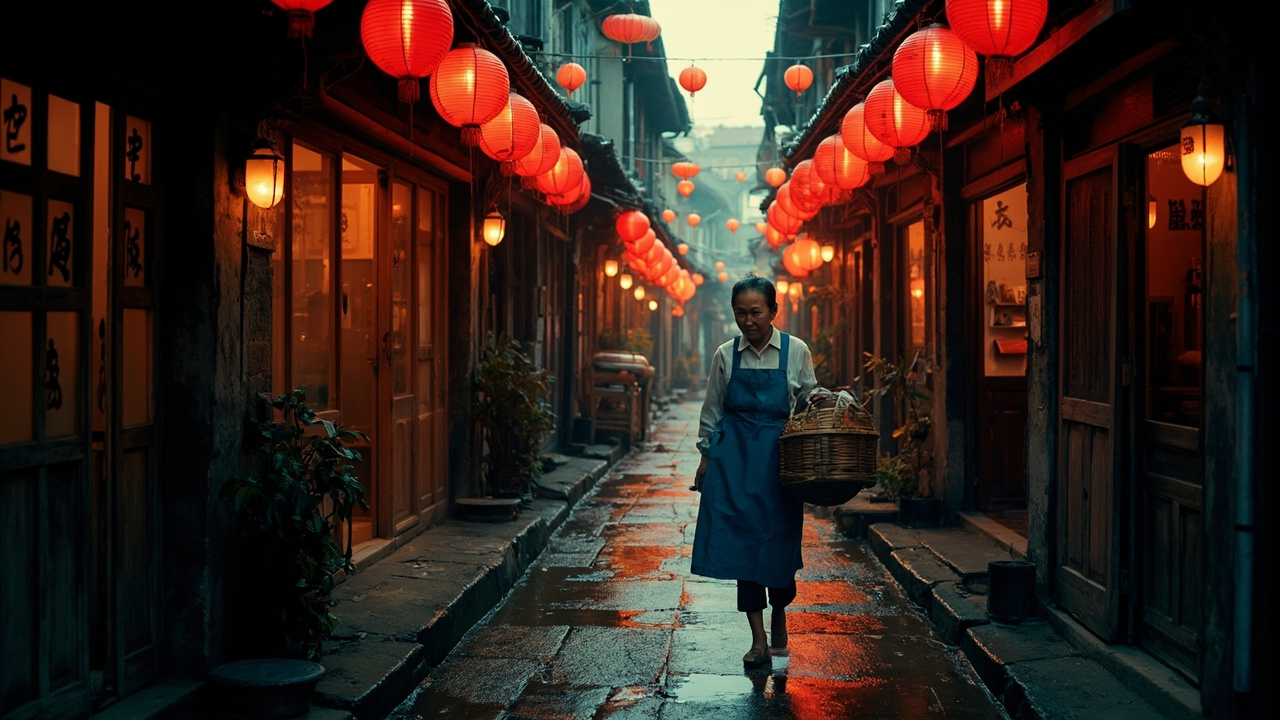
Less Visited Cities in China
The old man at the noodle stall in Linxia didn’t speak a word of Mandarin to me. He spoke a dialect closer to Arabic-inflected Turkic, and when I pointed at a bowl on the next table, he just nodded and got to work. What arrived was hand-pulled beef noodles with a broth so clean and beefy I sat there for twenty minutes afterward, watching the steam rise off the empty bowl, trying to figure out how something so simple could taste like that. Nobody in the place was a tourist. Nobody was taking photos. It was just a Tuesday morning in a city most foreigners have never heard of.
That’s the thing about China. Everyone goes to Beijing, Shanghai, Xi’an, maybe Chengdu or Guilin. And those places are worth it — I’ve been to Beijing more times than I can count and I still find new alleys. But the country has 600+ cities, and the ones I keep thinking about months later are the ones where I was the only foreigner on the street. Where the taxi driver asked me, genuinely curious, why I’d come. Where dinner cost $4 and I ate things I still can’t name.
This guide is for the traveler who’s already done the big-ticket loop, or who’s willing to skip one of them for something stranger and more memorable. I’ve picked ten cities I’ve actually spent time in — not the ones that show up on every “hidden gems” listicle. For each, you’ll get what it’s actually like, how to get there, what it costs, and the one thing locals know that tourists don’t.
Quick answer
The best less-visited cities in China for first-time visitors are Linxia and Kashgar (Silk Road Muslim culture), Quanzhou (UNESCO port history), Jingdezhen (porcelain), Chaozhou (food), Dali and Lijiang (Yunnan scenery), Kaifeng (Song dynasty), Zhenyuan (riverside old town), and Harbin in winter (ice festival). Most are reachable by high-speed rail or a short domestic flight, cost $30–70 per day for a mid-range traveler, and are easiest to visit April–June or September–November. China’s 240-hour visa-free transit applies at major gateways, but check your specific city before booking.
The Short Version
Skip one big city and go to Quanzhou or Chaozhou instead. Both are in Fujian and Guangdong respectively, both have world-class food, both have old towns you can walk in a day, and both are on the high-speed rail network. If you have two weeks, do Beijing → Xi’an → Quanzhou → Chaozhou → Hong Kong. You’ll see more real China than a week in Shanghai. Bring a translation app. Learn to say “thank you” in the local dialect. Eat everything.
How I Picked These
I’ve been based in Beijing for seven years and I’ve taken roughly forty trips around the country, mostly by high-speed rail because it’s cheap, fast, and I like watching the countryside change. I picked these ten by a few rules: I had to have spent at least two nights there, I had to have eaten at least one meal I’d think about later, and the city had to be somewhere a first-timer could actually navigate without speaking Mandarin. I also asked Chinese friends — a Chengdu chef, a Shanghai architect, a Uyghur taxi driver in Urumqi — where they’d go if they had a week off. Half of these came from those conversations. The other half came from getting on the wrong train.
Comparison Table
| Rank | Place | Best For | Approx Cost (USD/day) | Time Needed | When to Go |
|---|---|---|---|---|---|
| 1 | Quanzhou | History + food | $45–70 | 2 days | Oct–Apr |
| 2 | Chaozhou | Serious eating | $40–65 | 2 days | Oct–Mar |
| 3 | Linxia | Muslim culture, Silk Road | $30–50 | 1–2 days | May–Sep |
| 4 | Jingdezhen | Porcelain + art scene | $45–70 | 2–3 days | Apr–Jun, Sep–Nov |
| 5 | Kashgar | Frontier atmosphere | $40–65 | 3 days | May–Oct |
| 6 | Dali | Lakes, mountains, slow pace | $40–60 | 3–4 days | Mar–May, Sep–Nov |
| 7 | Kaifeng | Song dynasty history | $35–55 | 1–2 days | Apr–May, Sep–Oct |
| 8 | Zhenyuan | Riverside old town | $35–55 | 2 days | Apr–Jun, Sep–Nov |
| 9 | Lijiang | Naxi culture, base for hikes | $45–70 | 3 days | Mar–May, Sep–Nov |
| 10 | Harbin (winter) | Ice festival | $70–110 | 3 days | Jan–Feb only |
Quanzhou — The Port That Made Marco Polo Jealous
I got off the train at Quanzhou Station and immediately noticed the trees. Banyan trees, huge ones, with aerial roots hanging down like the city had been there so long the plants had started growing second trunks. The taxi driver pointed at a mosque minaret and then at a Buddhist temple next door and said, in broken English, “Same street. Same time. Old China.”
Quanzhou was, in the 12th and 13th centuries, one of the biggest ports in the world — bigger than Venice, if you believe the Arab geographers who wrote about it. Marco Polo supposedly left from here on his way home. What’s left is a strange, layered city where a 1,000-year-old mosque sits beside a Confucian temple beside a Hindu stone carving that someone reused as a Buddhist temple pillar. UNESCO listed the whole thing in 2021. Most foreigners still haven’t heard of it.
📍 Location: The old town is in Licheng District, walkable between Kaiyuan Temple and the Confucian Temple. 🎫 Entry fee: Kaiyuan Temple free; Qingjing Mosque $0.50 (¥3); most sites free or under $1. 🕒 Opening hours: Temples generally 8am–5:30pm; old town streets always open. 🚕 How to get there: High-speed rail from Xiamen (30 min, ~$5/¥35) or Fuzhou (1 hr, $10/¥70). From Quanzhou Station, take Bus K1 or a 20-minute taxi ($4/¥28) to Kaiyuan Temple. ⏰ When to visit: October–April. Avoid July–September, which is typhoon season and brutally humid. 💡 Insider tips: The beef soup shops on Ximen Street open at 6am and close when they sell out — go early. The maritime museum (Quanzhou Overseas Transportation History Museum) is free and genuinely world-class. Most locals speak Minnan dialect, not Mandarin, so have your translation app ready. The mistake I made: I skipped the mosque thinking it’d be small. It’s the oldest surviving mosque in China, founded in 1009, and I had to come back the next day.
Chaozhou — Where the Food Is the Point
A friend in Shanghai, a chef, told me: “If you only eat in one city in China, eat in Chaozhou.” I thought he was exaggerating. He wasn’t.
Chaozhou is in eastern Guangdong, and its cuisine — Chao Zhou cai — is one of the eight great regional cuisines of China, but it’s the one that gets the least attention abroad. The city is small, the old town is walled, and the food is obsessive. Beef balls so springy they bounce. Goose braised in a master stock that some restaurants have kept going for decades. Oysters cooked in a tiny omelet with sweet potato starch. Tea ceremonies that last an hour and cost nothing.
📍 Location: Old town inside the city walls, centered on Paifang Street. 🎫 Entry fee: Old town free; Guangji Bridge $2.80 (¥20); Han Wen Gong Temple $2.80 (¥20). 🕒 Opening hours: Guangji Bridge 9am–5pm (closed Mondays for maintenance). 🚕 How to get there: High-speed rail from Shenzhen (2 hrs, ~$22/¥160) or Xiamen (1.5 hrs, $17/¥120). Chaozhou Station is 20 min from old town by taxi ($4/¥28). ⏰ When to visit: October–March. Summer is hot and wet. 💡 Insider tips: The night market on West Road starts around 6pm and is where locals actually eat. Beef ball shops often have no English menu — point at what looks good. The city is small enough to walk end-to-end in 40 minutes. What I ate: A bowl of fish ball soup at a stall with no sign, for $1.40 (¥10), that I still think about.
Linxia — The “Little Mecca” of China
Linxia is in Gansu Province, on the old Silk Road, and it has more mosques per capita than almost anywhere in China. The city is majority Hui and Dongxiang Muslim, and the food, the architecture, and the rhythm of the day are unlike anywhere else I’ve been in the country. I arrived during Ramadan and the streets were quiet during the day and packed at night, everyone eating lamb skewers and drinking tea until 2am.
This is not a polished tourist city. There’s almost no English signage. But that’s the point. The hand-pulled noodles here are the best I’ve had in China, and I’ve eaten a lot of noodles.
📍 Location: Central Linxia city, Gansu Province. 🎫 Entry fee: Most mosques free; some ask for a small donation. 🕒 Opening hours: Mosques generally open outside prayer times; ask before entering. 🚕 How to get there: Fly to Lanzhou, then bus or train to Linxia (1.5–2 hrs, ~$4/¥28). Or high-speed rail to Lanzhou then a shared van. ⏰ When to visit: May–September. Winters are cold and dry. 💡 Insider tips: Dress conservatively — long pants and covered shoulders for everyone. Women should bring a scarf for mosque visits. The Dongxiang hand-pulled noodles are a specific local style, different from Lanzhou beef noodles. Friday is the big prayer day; the main mosque gets crowded. The moment I remember: An old man at a tea house poured me a cup of “three炮台” tea — tea with rock sugar, dried fruit, and nuts — and refused to let me pay.
Jingdezhen — The City That’s Been Making Porcelain for 1,700 Years
I went to Jingdezhen expecting a museum town and found a working city. Kilns everywhere. Clay dust on the sidewalks. A whole district — Taoxichuan — built inside a former state porcelain factory, now full of young ceramicists from all over China and a handful from Europe and Japan. The city has been making porcelain since the Han dynasty and hit its peak in the Ming and Qing, when it supplied the imperial court and most of Europe’s “china.”
What surprised me is how alive it still is. There are maybe 30,000 people working in ceramics here. You can take a two-hour wheel-throwing class for $15. You can buy a hand-thrown teapot for $8 or a museum-quality piece for $8,000.
📍 Location: Taoxichuan district (the old factory area) and the Sculpture Factory (Diaosu Cichang). 🎫 Entry fee: Most studios and galleries free; some museums $3–7 (¥20–50). 🕒 Opening hours: Taoxichuan 10am–10pm; museums typically 9am–5pm, closed Mondays. 🚕 How to get there: High-speed rail from Shanghai (4 hrs, ~$45/¥320) or Nanchang (1 hr, $12/¥85). From Jingdezhen North Station, taxi to Taoxichuan is 15 min ($3/¥20). ⏰ When to visit: April–June or September–November. The Jingdezhen International Ceramic Fair is in October. 💡 Insider tips: The Saturday morning market at the Sculpture Factory is where local artists sell seconds and experiments cheaply. Many studios let you watch for free. Bring cash for small purchases — some older sellers don’t take WeChat. What I bought: A celadon cup for $12 (¥85) that I use every morning.
Kashgar — The Far West, and Worth the Flight
Kashgar is about as far from Beijing as you can get in China — 4,000 km, closer to Islamabad than to Shanghai. It’s in Xinjiang, majority Uyghur, and the old town is a maze of mud-brick alleys, tea houses, and workshops that feels like a different country. The Sunday livestock market, about 30 minutes outside the city, is one of the great markets of Asia.
I’ll be honest: the political situation in Xinjiang is complicated and I’m not going to pretend otherwise. But the city itself is extraordinary, the people I met were warm, and the food — lamb kebabs, hand-pulled noodles, samsa, pomegranate juice — is some of the best in China.
📍 Location: Kashgar old town, Xinjiang Uyghur Autonomous Region. 🎫 Entry fee: Old town free; Id Kah Mosque $6 (¥45); livestock market free. 🕒 Opening hours: Old town always open; Id Kah Mosque 9am–5pm (closed during prayers). 🚕 How to get there: Direct flights from Beijing, Shanghai, Urumqi (2 hrs from Urumqi, ~$70/¥500). Or overnight train from Urumqi (12 hrs). ⏰ When to visit: May–October. The Sunday market is best in summer. 💡 Insider tips: Bring your passport everywhere — there are checkpoints. Photography of government buildings and police is not allowed. English is rare; download an offline Uyghur/Chinese translation pack. The night market near Id Kah Mosque is the easiest place to eat. One thing I’ll never forget: A Uyghur baker pulled a fresh samsa out of a tandoor for me and handed it over without asking for money.
Dali — The Lake, the Mountains, and the Slowest Week of My Life
Dali sits between Erhai Lake and the Cangshan Mountains in Yunnan, and it’s the kind of place where you plan to stay two nights and end up staying six. The old town is touristy in parts, but walk 10 minutes in any direction and you’re in villages where people still farm and fish. I rented a bike for $3 a day and rode around the lake, stopping at small Bai minority villages for lunch.
📍 Location: Dali Old Town (Dali Gucheng), Yunnan Province. 🎫 Entry fee: Old town free; Three Pagodas $11 (¥75); cable car up Cangshan $30–50 (¥200–350). 🕒 Opening hours: Three Pagodas 8am–6pm; cable cars 8:30am–4pm. 🚕 How to get there: Fly to Dali Airport, or high-speed rail from Kunming (2 hrs, ~$20/¥145) or Lijiang (1.5 hrs, ~$12/¥85). ⏰ When to visit: March–May or September–November. 💡 Insider tips: The east side of the lake is quieter than the west. The Saturday market in Shaping village is worth the trip. Many guesthouses are run by Chinese transplants from Beijing and Shanghai who speak some English. The mistake I made: I booked only two nights. Rookie error.
Kaifeng — The Song Dynasty Capital That Time Forgot
Kaifeng was the capital of the Northern Song dynasty, and in the 11th century it was probably the largest city in the world — over a million people. Today it’s a mid-sized city in Henan that most tourists skip, which is a shame because the night market on Gulou Square is one of the best in China and the old city walls are still intact.
📍 Location: Gulou District, Henan Province. 🎫 Entry fee: City walls $4 (¥30); Iron Pagoda $4 (¥30); most temples free. 🕒 Opening hours: Walls 8am–6pm; night market 6pm–midnight. 🚕 How to get there: High-speed rail from Zhengzhou (20 min, ~$4/¥28) or Beijing (3.5 hrs, ~$40/¥290). ⏰ When to visit: April–May or September–October. 💡 Insider tips: The night market is the main event — go hungry. The “first楼” soup dumplings are a local specialty. Most signage is Chinese-only. What I ate: A bowl of almond tea for $0.70 (¥5) that was so good I had three.
Zhenyuan — The Riverside Town Nobody Talks About
Zhenyuan is in Guizhou, built along a bend in the Wu River, and it’s the kind of place that looks like a painting. Wooden houses on stilts, a curving river, a stone bridge in the middle. It’s a real town, not a theme park, and the food is Guizhou-style — sour, spicy, and unlike anything else in China.
📍 Location: Zhenyuan County, Guizhou Province. 🎫 Entry fee: Old town free; some temples $2–4 (¥15–30). 🕒 Opening hours: Always open. 🚕 How to get there: High-speed rail from Guiyang (1.5 hrs, ~$15/¥110) or Kaili (40 min, ~$6/¥45). ⏰ When to visit: April–June or September–November. 💡 Insider tips: Stay on the old town side of the river, not the new town. The night view from the bridge is the photo everyone takes. What I ate: Sour fish soup, a Guizhou specialty, for $6 (¥45).
Lijiang — Naxi Culture and a Base for the Mountains
Lijiang’s old town is UNESCO-listed and, yes, touristy. But it’s also the gateway to Tiger Leaping Gorge and Jade Dragon Snow Mountain, and the Naxi culture here — with its own script, music, and religion — is genuinely distinct. Go early in the morning before the tour groups arrive.
📍 Location: Lijiang Old Town, Yunnan Province. 🎫 Entry fee: Old town free; Jade Dragon Snow Mountain $14 (¥100) plus cable car $17–40 (¥120–280). 🕒 Opening hours: Old town always open; mountain 7am–6pm. 🚕 How to get there: Fly to Lijiang Airport, or high-speed rail from Kunming (3 hrs, ~$30/¥215). ⏰ When to visit: March–May or September–November. 💡 Insider tips: The Naxi ancient music performances are worth an evening. Tiger Leaping Gorge is a 2-hour bus ride away. The mistake I made: I went in August, during peak domestic tourist season. Don’t.
Harbin — The Ice City, and Yes, It’s Worth the Cold
Harbin in January is -25°C and the ice festival is unlike anything else on earth. The city was built by Russians in the early 20th century, so the architecture is a strange mix of Russian Orthodox and Chinese, and the food reflects it — smoked sausages, borscht, and a local version of Russian bread. The ice sculptures are genuinely spectacular, and the city is more walkable than you’d expect.
📍 Location: Daoli District, Heilongjiang Province. 🎫 Entry fee: Ice and Snow World $45–55 (¥320–390); Sun Island Snow Sculpture Expo $30 (¥220). 🕒 Opening hours: Ice festival 11am–9:30pm; most sites 9am–5pm. 🚕 How to get there: Fly to Harbin Taiping Airport, or high-speed rail from Beijing (5 hrs, ~$80/¥580). ⏰ When to visit: January–February only. 💡 Insider tips: Buy your ice festival ticket online in advance — they sell out. Bring hand warmers, thermal underwear, and a face mask. The Central Street pedestrian area is where the Russian architecture is. What I ate: A bowl of borscht for $3 (¥20) that warmed me up after three hours in the cold.
FAQ summary
The best less-visited cities in China for a first-time visitor are Quanzhou and Chaozhou for history and food, Linxia and Kashgar for Silk Road Muslim culture, and Jingdezhen for ceramics. Most are reachable by high-speed rail or a short domestic flight, cost $30–70 per day, and are best visited April–June or September–November. English is limited outside major hotels, so download a translation app and set up Alipay or WeChat Pay before you arrive. A China SIM card or eSIM is essential, and a VPN is needed if you want Google, Instagram, or WhatsApp.
FAQ
Q: Do I need a visa to visit these cities? A: It depends on your nationality. Many European and some Asian passport holders can use China’s 240-hour visa-free transit if they’re passing through to a third country. Otherwise, apply for a standard tourist visa in advance — see our China visa guide for the current rules. Check your specific case before booking.
Q: Is it safe to travel to these less-visited cities as a foreigner? A: Yes. China is generally very safe, including for solo travelers and women. The main issues are language barriers and occasional stares in places where foreigners are rare. In Xinjiang, expect passport checks and some restrictions on photography near government buildings.
Q: How do I pay for things if I don’t have a Chinese bank account? A: Set up Alipay or WeChat Pay with your international card before you arrive. Both work at most shops, restaurants, and transport. Carry a few hundred yuan in cash as backup — some small vendors in less-touristy cities still prefer it.
Q: Do I need a VPN? A: Yes, if you want to use Google, Gmail, Instagram, WhatsApp, or most Western news sites. Download and test your VPN before you leave your home country — they’re harder to install once you’re in China.
Q: How much Mandarin do I need? A: Almost none, but a translation app is essential. In the cities on this list, English is rare outside international hotels. Learn “ni hao” (hello), “xie xie” (thank you), and “duo shao qian” (how much). Pointing at menus and using your phone camera works well.
Q: What’s the best way to get between these cities? A: High-speed rail for most routes, domestic flights for the far west (Kashgar, Linxia) and far northeast (Harbin). Book train tickets through the official 12306 app or Trip.com. See our high-speed rail guide for the details.
Q: When should I avoid traveling in China? A: Avoid the first week of October (National Day holiday) and Chinese New Year (late January or February, depending on the year). Both are peak domestic travel periods and everything is crowded and expensive. Also avoid July–August in southern China — it’s hot, humid, and typhoon season.
The Honest Wrap-up
This list is for the traveler who’s already done the big cities, or who’s willing to trade one of them for something they’ll actually remember. It’s not for someone who wants everything in English, who needs a Hilton, or who gets anxious when they can’t read a menu. If that’s you, stick to Beijing and Shanghai — they’re great, and I mean that.
But if you’re the kind of person who gets a small thrill from being the only foreigner in a noodle shop, who’d rather eat where the taxi driver eats, who thinks a 12-hour train ride is part of the trip and not a problem to solve — book the flight to Quanzhou or Chaozhou first. Everything else follows. Bring a translation app, set up your payments before you go, and say yes to the tea when someone offers it.
More guides you may like
Top 10 Bridges in China
China's bridges are engineering marvels spanning mountains, rivers, and seas. Here are 10 of the most spectacular, from ancient stone to modern steel.
8 min read

Top 10 Buddhist Sites in China
From the Leshan Giant Buddha to the Dunhuang Caves, these 10 Buddhist sites represent 2,000 years of China's spiritual heritage.
9 min read
Top 10 Day Trips from Beijing You Shouldn't Miss
Beijing is packed with history, but some of China's best experiences are just a few hours away. Here are 10 day trips that will transform your visit.
9 min read
Top 10 Hidden Gems in China Off the Beaten Path
Beyond the Great Wall and Terracotta Warriors, China has incredible hidden destinations few tourists ever reach. Here are 10 underrated gems worth the detour.
9 min read
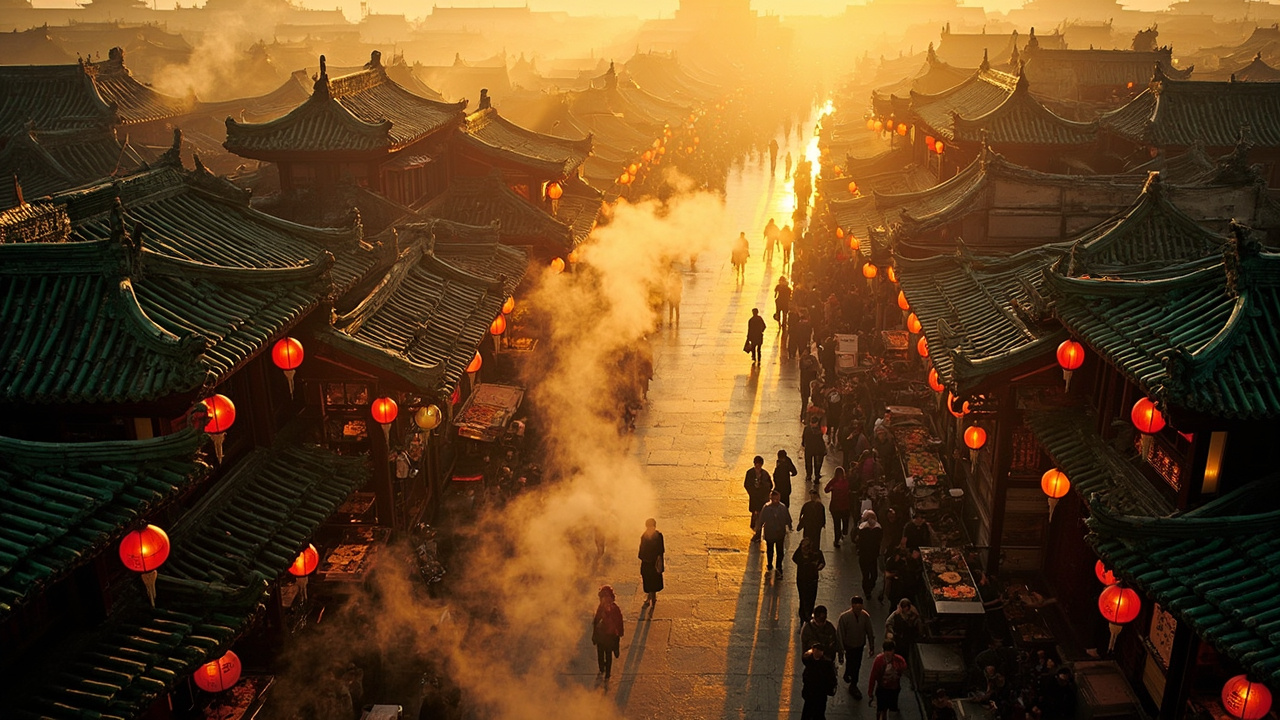
Top 10 Markets and Shopping Streets in China
From Shanghai's Bund to Beijing's Silk Street - 10 markets where foreigners can haggle, explore, and bring home authentic Chinese goods.
9 min read
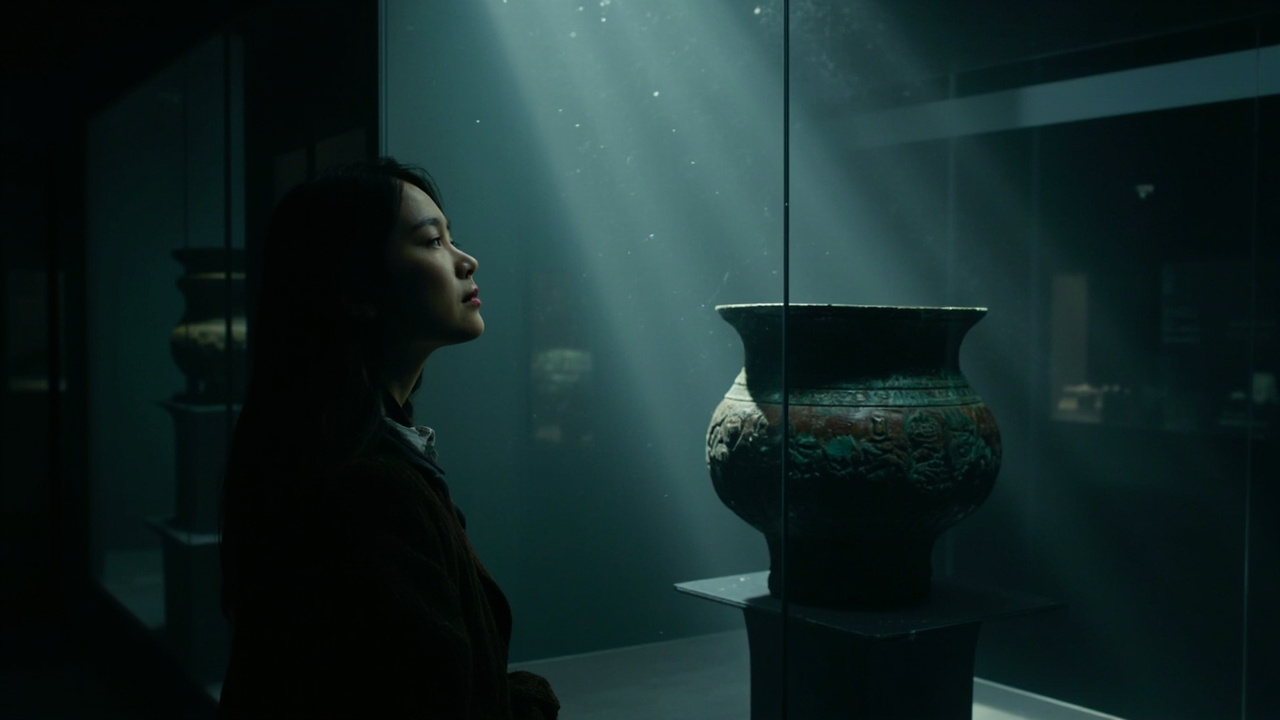
Top 10 Museums in China You Shouldn't Miss
China's museums span 5,000 years of civilization. These 10 - from the Palace Museum to Xi'an's terracotta gallery - are unmissable for culture lovers.
9 min read