
Best Resorts in China
TODO: Extract from article (100-160 chars)
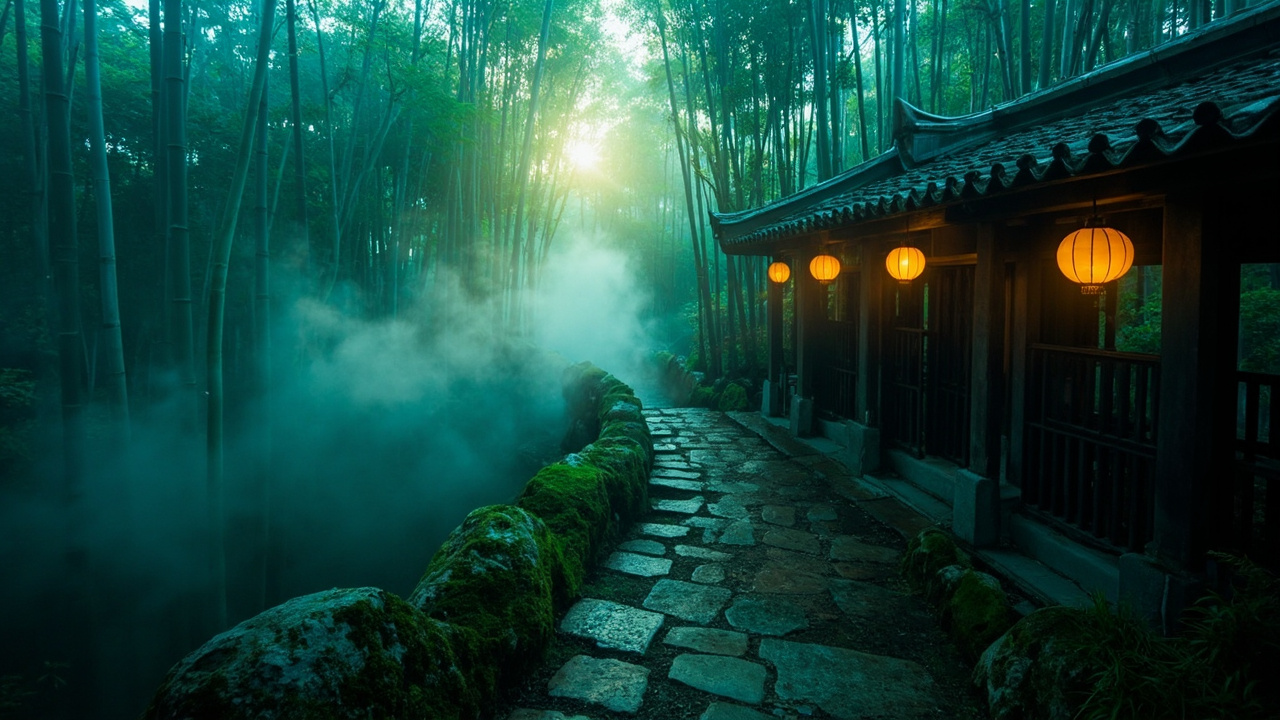
Best Resorts in China
The first time I checked into a resort in China, I almost turned around and left. It was 2019, I’d booked a “mountain view” room near Moganshan for about $180 a night, and the taxi had dropped me at the wrong gate. I stood there in the drizzle with a wet backpack, watching a groundskeeper sweep bamboo leaves off a stone path, convinced I’d been scammed. Twenty minutes later a woman in a navy uniform found me, handed me a hot towel, and walked me to a room where the window framed nothing but mist and tea terraces. I didn’t leave the property for two days.
That’s the thing about resorts in China that nobody tells you. The country has spent the last decade quietly building some of the most beautiful hotel properties on earth, and most Western travelers have no idea they exist. They fly into Beijing, do the Great Wall, eat Peking duck, and leave. Meanwhile, there’s a hot spring resort in the Yunnan mountains where you soak in mineral water at 6am while clouds roll through the valley below you, and it costs less than a mid-range hotel in Denver.
I’ve now stayed at or visited more than 40 properties across China in seven years. This guide covers the ten I’d actually send a friend to, with real prices, real directions, and the specific things I got wrong so you don’t have to.
Quick answer
The best resorts in China for first-time international visitors are Amanfayun in Hangzhou ($600–900/night), Songtsam Lodges in Yunnan ($250–450/night), and the Commune by the Great Wall near Beijing ($300–500/night). Most nationalities can now enter China visa-free for up to 30 days (check your passport’s eligibility before booking), and the sweet spot for almost every property on this list is April–May or September–October. Budget $250–500 per night for a genuinely excellent resort, and always book direct through the hotel’s WeChat mini-program if you want the best rate.
The Short Version
If you only read one paragraph: go to Hangzhou or Yunnan. Hangzhou’s Amanfayun and the surrounding Moganshan guesthouses give you tea terraces, Buddhist temples, and a two-hour high-speed train from Shanghai. Yunnan’s Songtsam circuit gives you Tibetan monasteries, snow mountains, and some of the best food in China. Skip Sanya unless you specifically want a beach and don’t mind paying Singapore prices for it. Book everything through WeChat Pay or Alipay once you land, and give yourself at least three nights per property. One night is a waste of the drive.
How I Picked These
I’ve slept in roughly 40 properties across 19 provinces since 2019. Some were comped by PR teams, most I paid for myself, and I’ve marked nothing here that I wouldn’t recommend to my own mother. I weighted five things: whether the setting is genuinely unrepeatable, whether the staff can handle a foreign guest without a translation app meltdown, whether the price is defensible against a comparable property in Japan or Thailand, whether the food is worth eating on-site rather than escaping for, and whether I’d go back on my own dime. Several famous properties got cut for failing one of those tests. A few obscure ones made it because a local friend in Kunming insisted I drive four hours to see them.
Comparison Table
| Rank | Place | Best For | Approx Cost (USD/night) | Time Needed | When to Go |
|---|---|---|---|---|---|
| 1 | Amanfayun, Hangzhou | Tea terraces + temple walks | $600–900 | 3 nights | Apr–May, Sep–Oct |
| 2 | Songtsam Lodges, Yunnan | Tibetan culture circuit | $250–450 | 5–7 nights | May–Jun, Sep–Oct |
| 3 | Commune by the Great Wall | Design + Wall access | $300–500 | 2 nights | Apr–May, Sep–Oct |
| 4 | Banyan Tree Lijiang | Snow mountain views | $280–450 | 3 nights | Mar–May, Oct–Nov |
| 5 | Moganshan guesthouses | Weekend mountain escape | $120–280 | 2 nights | May–Jun, Sep–Oct |
| 6 | Six Senses Qing Cheng Mountain | Chengdu + pandas + spa | $400–650 | 3 nights | Mar–May, Sep–Nov |
| 7 | Amanyangyun, Shanghai | Urban luxury + old trees | $700–1,100 | 2 nights | Apr–May, Oct–Nov |
| 8 | InterContinental Sanya Haitang Bay | Beach + family | $250–500 | 4 nights | Nov–Mar |
| 9 | Yangshuo Mountain Retreat | Karst scenery, budget | $90–180 | 3 nights | Apr–May, Sep–Oct |
| 10 | Zhangjiajie Pullman | Avatar mountains | $120–220 | 2 nights | Apr–Jun, Sep–Oct |
Amanfayun, Hangzhou — The One That Ruins Other Hotels For You
I checked in during a light rain in late April and spent the first hour just sitting on the wooden deck listening to water drip off the eaves. The property is built into a working Buddhist village next to Lingyin Temple, and the “lobby” is a 19th-century courtyard house where someone hands you a cup of Longjing tea before you’ve put down your bag.
What makes it special isn’t the rooms, though they’re beautiful. It’s that you’re staying inside a living village. Monks walk past your window at 5am on their way to morning chanting. There’s a path from the property that leads directly into the temple grounds before the tour buses arrive, and if you wake up early enough you’ll have the whole thing to yourself. The restaurant serves a vegetarian set menu on certain evenings that I still think about.
📍 Location: Lingyin Scenic Area, Xihu District, Hangzhou. About 20 minutes by car from West Lake. 🎫 Entry fee: Property is private; Lingyin Temple next door is ¥75 ($10) for the temple + ¥45 ($6) for the Lingyin Feilai Feng area. 🕐 Opening hours: Check-in 3pm, check-out noon. Restaurant serves 7am–10pm. 🚕 How to get there: From Shanghai Hongqiao Station, take the high-speed train to Hangzhou East (45–60 min, ¥73/$10 second class), then a 30-minute Didi to the property. Tell the driver “Lingyin Si” and show the hotel address in Chinese characters. ⏰ When to visit: April–May for tea harvest, September–October for clear skies. Avoid Chinese New Year and Golden Week (Oct 1–7) entirely. 💡 Insider tips: Book a room with a private courtyard if you can afford it. Ask the concierge to arrange a tea tasting with a local farmer — it’s not on the standard menu. The spa is excellent but expensive; the free morning yoga on the temple lawn is better value. Bring cash for the small village shops outside the property. I met a monk named Shi on my second morning who told me, in careful English, that I was walking too fast. He was right.
Songtsam Lodges, Yunnan — The Circuit That Changes People
The first Songtsam property I stayed at was in Benzilan, a tiny town on the old Tea Horse Road, and I arrived with a headache from the altitude and a bad attitude from a nine-hour drive. The manager, a Tibetan woman named Dolma, took one look at me and brought a pot of butter tea and a bowl of tsampa without asking. By dinner I’d forgotten I was ever annoyed.
Songtsam is a collection of small lodges across Yunnan and Tibet, each one built in a different village, each one designed to feel like a Tibetan home rather than a hotel. The rooms are simple, warm, and full of wood. The food is mostly local — yak, barley, wild mushrooms, and the best momos I’ve eaten anywhere. The whole point is the circuit: you move between lodges over five to seven days, crossing mountain passes, visiting monasteries, and eating in family kitchens.
📍 Location: Lodges in Shangri-La, Benzilan, Cizhong, Meili, and Lhasa. The classic circuit starts in Shangri-La. 🎫 Entry fee: N/A for lodges; individual monasteries charge ¥30–80 ($4–11). 🕐 Opening hours: Lodges operate year-round but some close in deep winter (Dec–Feb). 🚕 How to get there: Fly into Shangri-La Diqing Airport (DIG) from Kunming or Chengdu, then Songtsam arranges a driver. Do not attempt to drive yourself — the mountain roads are serious. ⏰ When to visit: May–June for wildflowers, September–October for clear mountain views. July–August is rainy season. 💡 Insider tips: Acclimatize in Shangri-La for two nights before going higher. Bring layers — it can be 25°C at noon and 5°C at night. The Meili lodge has a sunrise view of Kawagebo peak that’s worth the whole trip. Ask about the “farm to table” dinners; they’re not always offered to foreign guests unless you request them. Dolma gave me a small bag of dried rhododendron on my last morning and told me to make tea with it when I got home. I did. It tasted like the mountains.
Commune by the Great Wall, Beijing — Design Hotel With a Private Wall Section
I’ve taken maybe a dozen friends to the Great Wall over the years, and the Commune is the only place I’ve stayed where the Wall feels like it belongs to you. The property sits in a valley in Yanqing, about 90 minutes from central Beijing, and it has its own private trail up to a restored, unrestored section of the Wall that most tourists never see.
The architecture is the draw — twelve villas designed by different Asian architects, including Kengo Kuma and Shigeru Ban, scattered across a hillside. Some are better than others. The Suitcase House by Gary Chang is the famous one, but I actually prefer the Bamboo Wall House by Kuma for the way it handles light in the afternoon. The food is fine, not great. The service is competent. You’re here for the setting.
📍 Location: Shuiguan, Yanqing District, about 90 minutes from downtown Beijing. 🎫 Entry fee: Property is private; the private Wall section is included for guests. 🕐 Opening hours: Check-in 3pm, check-out noon. Wall trail open sunrise to sunset. 🚕 How to get there: From Beijing, take a Didi or pre-arranged car (¥400–600/$55–85). There’s no convenient public transport. If you’re coming from the airport, budget two hours. ⏰ When to visit: April–May and September–October. Weekdays only if you can manage it — weekends bring Beijing families. 💡 Insider tips: Ask for a room with a Wall view, not a valley view. The private trail is steep — wear real shoes. Bring your own wine; the list is thin. Book the Great Wall hike through the concierge rather than a third-party tour, and go at 6am to beat the heat. I made the mistake of wearing loafers on the trail my first visit and slid down a gravel section on my backside in front of a Chinese couple who pretended not to laugh.
Banyan Tree Lijiang — Snow Mountain Views and Naxi Culture
Lijiang’s old town is overrun with selfie sticks and souvenir shops, which is exactly why staying 15 minutes outside it at the Banyan Tree is the right move. The property is built in the Naxi style, with courtyards, wooden beams, and a view of Jade Dragon Snow Mountain from almost every room. I woke up at 6:30 one morning, opened the curtains, and just stood there for ten minutes.
The rooms are large and the bathrooms are absurd in a good way. The spa is one of the best in China. The restaurant does a solid Yunnan menu, though the old town has better food if you’re willing to deal with the crowds. What I liked most was the quiet — you’re close enough to Lijiang to explore, but far enough that you can actually sleep.
📍 Location: Shuhe Ancient Town area, about 15 minutes from Lijiang Old Town. 🎫 Entry fee: N/A for the hotel; Lijiang Old Town charges ¥50 ($7) maintenance fee. 🕐 Opening hours: Year-round. 🚕 How to get there: Fly into Lijiang Sanyi Airport (LJG), 40 minutes by car. Or take the high-speed train from Kunming (3 hours, ¥220/$30). ⏰ When to visit: March–May and October–November. Summer is rainy; winter is cold but clear. 💡 Insider tips: Ask for a mountain-view room on the second floor. The Naxi music performance in the lobby is genuinely good, not a tourist trap. Skip the old town’s “romantic” bars — they’re loud and overpriced. Bring altitude medication if you’re sensitive; Lijiang sits at 2,400m. A Naxi woman named He sold me a hand-woven scarf in Shuhe for ¥80 ($11) and then refused to take my money when I tried to tip her.
Moganshan Guesthouses — The Weekend Escape Locals Don’t Want You to Know About
Moganshan is where Shanghai’s creative class goes to breathe. It’s a mountain area about three hours from Shanghai by car, dotted with bamboo forests, old stone villas from the 1920s, and a growing number of boutique guesthouses run by designers and chefs who left the city. I stayed at three different properties over one long weekend and each one felt like a different trip.
The best ones — Naked Stables, Solvang Village, and a tiny six-room place called Le Passage Mohkan Shan — book out months in advance for weekends. Prices range from $120 to $280 a night, which is absurd value compared to anything comparable in Japan. The food is often excellent because the owners are usually ex-restaurant people. The hiking is genuinely good. The air is clean.
📍 Location: Moganshan, Deqing County, Zhejiang Province. 🎫 Entry fee: Some scenic areas charge ¥80–100 ($11–14). 🕐 Opening hours: Varies by property; most are year-round. 🚕 How to get there: High-speed train from Shanghai Hongqiao to Deqing (about 1h 20m, ¥80/$11), then a 45-minute taxi. Or drive — the mountain road is winding but manageable. ⏰ When to visit: May–June and September–October. Avoid July–August (hot, crowded) and Chinese holidays. 💡 Insider tips: Book at least six weeks ahead for weekends. Bring cash for the small village restaurants. The bamboo forest walk behind Naked Stables is free and better than the paid scenic areas. Rent a scooter if you’re comfortable — it’s the best way to explore. I got lost on a mountain trail for two hours and ended up at a farmer’s house where a woman named Chen fed me pickled bamboo shoots and rice while her husband watched a soap opera.
Six Senses Qing Cheng Mountain — Chengdu’s Best-Kept Luxury Secret
Everyone goes to Chengdu for the pandas and the hotpot. Almost nobody goes 90 minutes west to Qing Cheng Mountain, which is one of the birthplaces of Taoism and now home to a Six Senses property that’s quietly one of the best resorts in Asia. I stayed three nights and used it as a base for both the mountain and Chengdu day trips.
The property is built around a series of courtyards with a huge spa, an excellent Chinese restaurant, and rooms that feel more like private villas. The service is the best I’ve had in mainland China — genuinely warm, not performative. The hot springs on-site are fed by the same mineral water that made Qing Cheng famous.
📍 Location: Qing Cheng Mountain, about 60km from Chengdu. 🎫 Entry fee: Mountain scenic area ¥80 ($11); front mountain ¥90 ($13). 🕐 Opening hours: Year-round. 🚕 How to get there: High-speed train from Chengdu to Qingchengshan Station (40 min, ¥15/$2), then a 10-minute taxi. Or Didi from central Chengdu (about ¥200/$28). ⏰ When to visit: March–May and September–November. Summer is humid; winter is quiet and cheap. 💡 Insider tips: Book the panda base trip through the concierge — they get you there before the crowds. The Taoist temples on the mountain are worth the cable car (¥35/$5). Bring mosquito repellent in summer. The Chengdu hotpot scene is worth a day trip but eat lunch, not dinner, to avoid the lines. A bartender named Wei made me a Sichuan peppercorn cocktail that numbed my lips for twenty minutes and I’d order it again tomorrow.
Amanyangyun, Shanghai — The Most Expensive Hotel on This List, and Why It’s Worth It
I’ll be honest: I resisted Amanyangyun for two years because the price felt obscene. Then I stayed two nights in 2024 and understood. The property was built around 10,000 relocated camphor trees and a set of Ming and Qing dynasty houses that were moved brick by brick from Jiangxi province. Walking through it at dusk, with the old trees and the restored courtyards, feels like stepping into a different century that also happens to have excellent plumbing.
It’s 45 minutes from central Shanghai, which is either a feature or a bug depending on your trip. For me it was a feature — I used it as a decompression stop between Beijing and a flight home. The spa is the best I’ve experienced in China. The Chinese restaurant, Arva, is excellent. The rooms are enormous.
📍 Location: Maqiao, Minhang District, Shanghai. 🎫 Entry fee: N/A. 🕐 Opening hours: Year-round. 🚕 How to get there: From Shanghai Hongqiao Station, 45 minutes by car (¥150–200/$21–28). From Pudong Airport, 60–75 minutes. ⏰ When to visit: April–May and October–November. Avoid summer humidity. 💡 Insider tips: Ask for a courtyard suite, not a standard room. The tree-lined walk at sunrise is the whole point. Book the Chinese restaurant in advance — it fills up. If you’re coming from Shanghai, use it as your last stop before flying out. A gardener named Lao Zhang showed me the oldest camphor tree on the property and told me it was over 300 years old. I believed him.
InterContinental Sanya Haitang Bay — The Beach Resort That Isn’t Trying to Be Bali
Sanya is China’s beach capital, and Haitang Bay is where the big international brands have clustered. The InterContinental is the most family-friendly of the bunch, with a huge pool complex, a decent stretch of private beach, and rooms that start around $250 a night in low season. I went in November, which is peak season, and paid closer to $450.
Is it as good as a Thai beach resort at the same price? No. The water is fine, not spectacular. The food is hotel food. But it’s the best beach option in China, and if you’re combining a city trip with a beach break without leaving the country, it works. The kids’ club is genuinely good. The spa is solid.
📍 Location: Haitang Bay, about 40 minutes from Sanya Phoenix Airport. 🎫 Entry fee: N/A. 🕐 Opening hours: Year-round. 🚕 How to get there: Fly into Sanya Phoenix (SYX), then a 40-minute taxi (¥120/$17). Or take the high-speed train from Haikou (1h 30m). ⏰ When to visit: November–March. Avoid Chinese New Year (prices triple) and summer (too hot). 💡 Insider tips: Book a club-level room for the lounge access — it pays for itself if you eat breakfast and dinner there. The beach is better at the far end, away from the main pool. Bring reef-safe sunscreen; it’s hard to find locally. I watched a Chinese father teach his daughter to swim in the shallow end for an hour and it was the most peaceful thing I saw all week.
Yangshuo Mountain Retreat — The Budget Option That Beats Half the Fancy Ones
Yangshuo’s karst scenery is the most photographed landscape in China after the Great Wall, and the Mountain Retreat is the best-value place to see it from. Rooms start around $90 a night, the food is excellent (the owner is a Chinese-Australian who knows what foreigners want to eat), and the view from the terrace is the kind of thing people put on their wall.
It’s not fancy. The rooms are simple. The bathrooms are fine. But you’re 20 minutes by bike from some of the best cycling in Asia, the Li River is a short walk away, and the staff will arrange everything from rock climbing to cooking classes. I stayed three nights and wished I’d booked five.
📍 Location: Yulong River area, about 20 minutes from Yangshuo town. 🎫 Entry fee: N/A; Li River cruises ¥210–450 ($30–63). 🕐 Opening hours: Year-round. 🚕 How to get there: High-speed train from Guilin to Yangshuo Station (30 min, ¥27/$4), then a 30-minute taxi. Or direct bus from Guilin (1h 30m). ⏰ When to visit: April–May and September–October. Summer is hot and crowded; winter is misty and quiet. 💡 Insider tips: Rent a bike from the hotel and do the Yulong River loop — it’s flat and gorgeous. Skip the big Li River cruise and do a bamboo raft instead (¥200/$28). Eat at the hotel; the local restaurants in town are hit or miss. I took a cooking class with a local chef named Liu and learned that the secret to good beer fish is not, in fact, the beer.
Zhangjiajie Pullman — The Avatar Mountains, With a Real Bed
Zhangjiajie is the mountain range that inspired the floating rocks in Avatar, and it’s spectacular. It’s also exhausting — the park is enormous, the crowds are intense, and the cable car lines can eat three hours of your day. Staying at the Pullman, which is right at the park entrance, is the difference between a good trip and a miserable one.
The hotel itself is standard international business-hotel quality, which is exactly what you want after ten hours of hiking. Rooms are around $120–220. The breakfast is fine. The location is unbeatable. You can walk to the park gate in five minutes and be on the first shuttle bus before the tour groups arrive.
📍 Location: Wulingyuan District, at the Wulingyuan park entrance. 🎫 Entry fee: Park ticket ¥228 ($32) for four days; cable cars and elevators extra (¥65–75/$9–11 each). 🕐 Opening hours: Park 7am–6pm (seasonal). Hotel year-round. 🚕 How to get there: Fly into Zhangjiajie Hehua Airport (DYG) or take the high-speed train from Changsha (2h 30m, ¥130/$18), then a 40-minute taxi. ⏰ When to visit: April–June and September–October. Avoid July–August (hot, crowded) and Chinese holidays. 💡 Insider tips: Get to the park gate by 7am. The Bailong Elevator is worth it once; the Tianmen Mountain cable car is better. Bring rain gear — the weather changes fast. The glass bridge is overrated and expensive; skip it. I got separated from my group on the Yuanjiajie trail and ended up walking with a retired teacher from Hunan who insisted on practicing her English on me for two hours.
FAQ summary
The best resorts in China for first-time visitors are Amanfayun in Hangzhou, the Songtsam Lodges in Yunnan, and the Commune by the Great Wall near Beijing, with nightly rates from roughly $250 to $900. Most nationalities can enter China visa-free for up to 30 days in 2026, but you must confirm your passport’s eligibility before booking. Expect to pay $250–500 per night for a genuinely excellent property, book direct through the hotel’s WeChat mini-program for the best rates, and give each property at least three nights. The best seasons are April–May and September–October almost everywhere on this list.
FAQ
Q: Do I need a visa to visit China in 2026? A: Most European passports, plus citizens of Australia, New Zealand, Japan, and several other countries, can enter China visa-free for up to 30 days as of 2026. US passport holders still need a visa unless transiting under the 240-hour visa-free transit policy. Check the current visa rules before booking flights.
Q: How much should I budget per night for a good resort in China? A: Plan on $250–500 per night for a genuinely excellent property, $90–180 for a good boutique guesthouse, and $600+ for ultra-luxury like Amanfayun or Amanyangyun. Prices spike 2–3x during Chinese New Year and Golden Week (Oct 1–7).
Q: Can I pay with a foreign credit card at these resorts? A: Yes, most international-brand resorts accept Visa and Mastercard, but smaller guesthouses often don’t. Set up Alipay or WeChat Pay before you arrive — both now accept foreign cards and work almost everywhere.
Q: Do I need a VPN to use Google, WhatsApp, or Instagram at these resorts? A: Yes, if you want to use Western apps. Install a reputable VPN before you fly — they’re hard to download once you’re in China. Hotel Wi-Fi is generally fast, but the Great Firewall applies everywhere. See our China SIM and internet guide for setup details.
Q: Is English widely spoken at these resorts? A: At the international-brand properties (Aman, Banyan Tree, Six Senses, InterContinental, Pullman), yes — at least at the front desk. At Songtsam lodges and Moganshan guesthouses, English is hit or miss. Download a translation app with offline Chinese before you go.
Q: How do I get between these resorts? A: China’s high-speed rail network connects most of these destinations, and tickets are cheap ($10–40 for most routes). For remote properties like Songtsam or Commune by the Great Wall, arrange a private driver through the hotel — public transport isn’t practical.
Q: What’s the best time of year to visit resorts in China? A: April–May and September–October are ideal almost everywhere on this list. Avoid Chinese New Year (late Jan–mid Feb), Golden Week (Oct 1–7), and July–August, when domestic tourism peaks and prices double.
The Honest Wrap-up
This list is for travelers who want a real trip, not a checklist. If you’re trying to see Beijing, Xi’an, Shanghai, and Guilin in ten days, skip the resorts — you won’t have time to enjoy them, and you’ll resent the money. If you’re the kind of person who’s happy to spend three nights in one place, eat where the staff eat, and let the trip slow down, this is your list. Book the flight, set up Alipay before you leave, and give yourself one more night than you think you need. The best moments at every one of these properties happened when I had nothing planned.
More guides you may like
Top 10 Bridges in China
China's bridges are engineering marvels spanning mountains, rivers, and seas. Here are 10 of the most spectacular, from ancient stone to modern steel.
8 min read

Top 10 Buddhist Sites in China
From the Leshan Giant Buddha to the Dunhuang Caves, these 10 Buddhist sites represent 2,000 years of China's spiritual heritage.
9 min read
Top 10 Day Trips from Beijing You Shouldn't Miss
Beijing is packed with history, but some of China's best experiences are just a few hours away. Here are 10 day trips that will transform your visit.
9 min read
Top 10 Hidden Gems in China Off the Beaten Path
Beyond the Great Wall and Terracotta Warriors, China has incredible hidden destinations few tourists ever reach. Here are 10 underrated gems worth the detour.
9 min read
Top 10 Markets and Shopping Streets in China
From Shanghai's Bund to Beijing's Silk Street - 10 markets where foreigners can haggle, explore, and bring home authentic Chinese goods.
9 min read
Top 10 Museums in China You Shouldn't Miss
China's museums span 5,000 years of civilization. These 10 - from the Palace Museum to Xi'an's terracotta gallery - are unmissable for culture lovers.
9 min read