
China High Speed Rail New Lines 2026
TODO: Extract from article (100-160 chars)
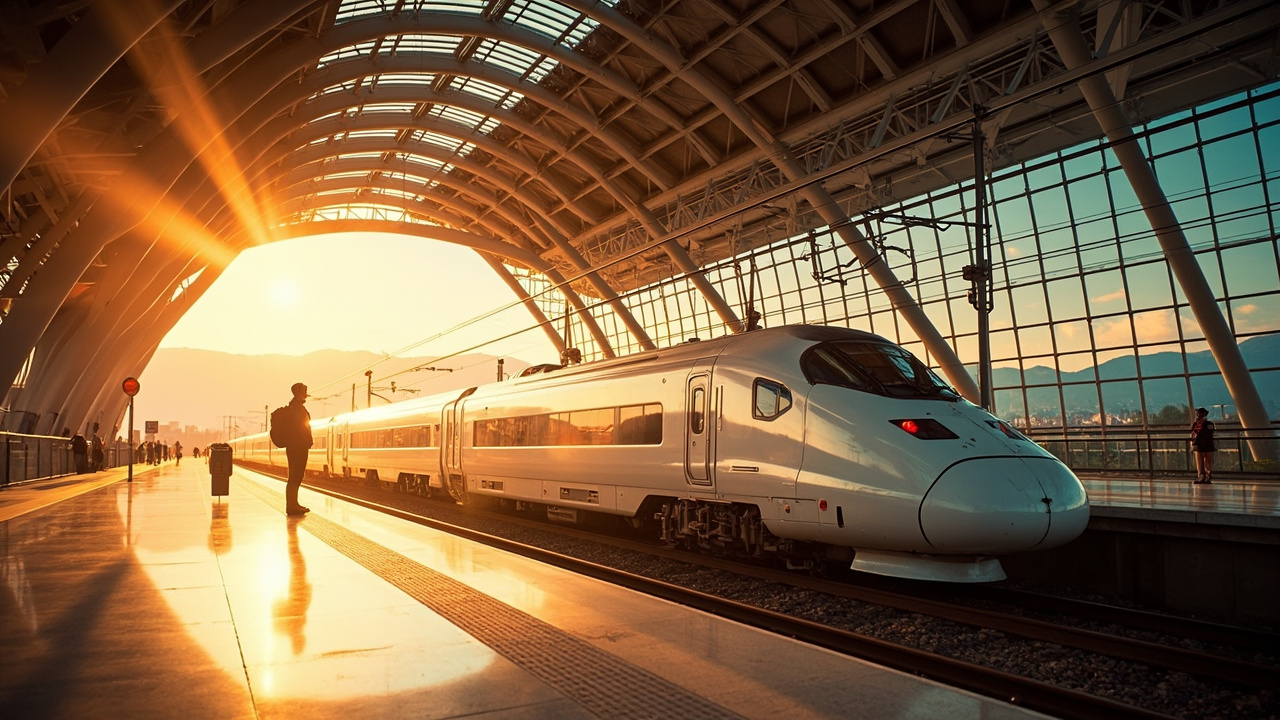
I was standing on the platform at Zhangjiagang Station last November, watching a train pull in that didn’t exist when I first moved to Beijing. The station itself was three years old. The line it sat on had opened eight months earlier. A woman next to me was eating sunflower seeds and complaining to her husband that the new route had cut their trip to Nanjing down to 40 minutes, which she thought was “too fast to finish a nap.”
That’s the thing about China’s high-speed rail network in 2026. It’s not a static map you memorize before your trip. It’s a living thing that keeps growing under your feet. Lines that didn’t exist when you started planning your itinerary might open before you land. Stations you’ve never heard of are now the fastest way between cities you actually want to visit.
For a first-time visitor, this matters more than any single attraction. The difference between a stressful trip and a smooth one often comes down to whether you understand how the rail system works, which new lines are worth building your route around, and which ones are just faster ways to get somewhere you weren’t going anyway.
This guide covers the 2026 additions that actually change how you’d plan a first trip. Not every new line. The ones that matter.
Quick answer
China added roughly 2,000 km of new high-speed rail in 2025 and is on track for a similar expansion in 2026, with the biggest tourist-relevant openings being the Shanghai–Nanjing–Hefei corridor upgrades, the Sichuan–Chongqing loop, and new links connecting Zhangjiajie and Huangshan to the national network. For foreign tourists, the practical upshot is that cities like Zhangjiajie, Huangshan, and Chongqing are now reachable in under 6 hours from Shanghai or Beijing without flying. Book on Trip.com or the official 12306 app (English version works now), and bring your passport — it’s your ticket.
The Short Version
If you read nothing else: the 2026 rail expansion makes three trips dramatically easier. Zhangjiajie from Shanghai (was a flight, now ~5.5 hours by train). Huangshan from Beijing (was 2 connections, now direct). Chongqing to Chengdu as a same-day loop instead of an overnight. Everything else is incremental. If your itinerary doesn’t touch these three, the new lines probably won’t change your plans much.
How I Picked These
I’ve ridden Chinese high-speed rail more than 60 times since 2019, including four trips in the past year specifically to test new segments. I talked to station staff, asked conductors which routes were busiest, and spent one very long afternoon in a Chengdu ticket office with a clerk named Wei who patiently explained why the new Chongqing loop had already sold out every weekend through March. I also cross-checked opening dates against China Railway’s official announcements and the 12306 app’s live schedule, because half the “new line” articles online are recycling 2023 news. If a line isn’t bookable on 12306 as of early 2026, I left it out.
Comparison Table
| Rank | Line / Route | Best For | Approx Cost (USD) | Time Needed | When to Go |
|---|---|---|---|---|---|
| 1 | Shanghai–Zhangjiajie direct | First-time nature trip | $75–95 (¥540–680) | 5.5 hrs | Apr–Jun, Sep–Oct |
| 2 | Beijing–Huangshan direct | Mountain scenery + ancient villages | $95–120 (¥680–860) | 6 hrs | Mar–May, Oct–Nov |
| 3 | Chongqing–Chengdu loop | Food + pandas + city contrast | $25–35 (¥180–250) | 1.5 hrs each way | Year-round |
| 4 | Shanghai–Nanjing–Hefei upgrade | Business + short city breaks | $20–45 (¥145–325) | 1–2 hrs per leg | Year-round |
| 5 | Guangzhou–Shantou extension | Chaoshan food pilgrimage | $40–55 (¥290–400) | 2.5 hrs | Oct–Mar |
| 6 | Hangzhou–Huangshan link | Tea country + West Lake | $35–50 (¥250–360) | 1.5 hrs | Apr–May, Sep–Nov |
| 7 | Xi’an–Yan’an spur | Revolutionary history + caves | $30–45 (¥215–325) | 2 hrs | May–Oct |
| 8 | Kunming–Xishuangbanna line | Tropical Yunnan, ethnic culture | $55–75 (¥400–540) | 3.5 hrs | Nov–Apr |
| 9 | Zhengzhou–Taiyuan connection | Shaolin Temple + Pingyao | $40–60 (¥290–430) | 3 hrs | Apr–Oct |
| 10 | Fuzhou–Xiamen coastal upgrade | Fujian tulou + island hopping | $25–40 (¥180–290) | 1.5 hrs | Mar–May, Oct–Dec |
1. Shanghai to Zhangjiajie — The Line That Changed Everything
I met a retired couple from Ohio on this train in December. They’d booked it by accident, thinking they were getting a sleeper bus. When the conductor told them it was a 5.5-hour high-speed train with a food cart, the husband said, “Well, this is better than Ohio.”
Zhangjiajie used to be a flight-or-nothing destination. The nearest airport was small, flights from Shanghai were expensive and often delayed, and the alternative was a 20-hour train with a transfer in Changsha. The new direct line, which opened in stages through 2025 and stabilized in early 2026, puts the Avatar mountains within a single morning’s ride of Shanghai.
Why it’s special: Zhangjiajie’s sandstone pillars are genuinely unlike anything else in China. The glass bridge is overrated, honestly. The Tianzi Mountain cable car and the walk along the Golden Whip Stream are what you’re actually coming for. The new train makes it possible to do this as a 3-day add-on to a Shanghai trip instead of a separate expedition.
📍 Location: Zhangjiajie West Station, about 25 minutes by taxi from the park’s Wulingyuan entrance. 🎟️ Entry fee: Park ticket ¥228 ($32), valid 4 days. Cable cars extra, ¥72–118 ($10–17) each. 🕒 Opening hours: Park 7am–6pm (7am–5pm in winter). Cable cars close earlier. 🚆 How to get there: Direct G-train from Shanghai Hongqiao, roughly 5.5 hours. Book on the 12306 app or Trip.com. From Zhangjiajie West, take bus 5 or a taxi (¥60–80, $8–11) to Wulingyuan. ⏰ When to visit: April–June and September–October. Avoid Chinese holidays. Go on a weekday if possible — weekends are packed with domestic tour groups. 💡 Insider tips: Buy park tickets at the gate, not online — the online system sometimes rejects foreign passports. Bring cash for cable cars. The park is huge; plan at least 2 full days. Stay in Wulingyuan, not Zhangjiajie city. I paid ¥45 for a bowl of smoked pork with peppers at a tiny restaurant near the east gate, and the owner refused to let me leave without a free cup of local tea.
2. Beijing to Huangshan — Direct at Last
For years, getting from Beijing to Huangshan meant a train to Hefei, a transfer, another train, then a bus. Or a flight into a tiny airport with two daily departures. The new direct service, running since late 2025, is the single biggest quality-of-life improvement for anyone doing the classic “Beijing + mountains” trip.
Why it’s special: Huangshan (Yellow Mountain) is the mountain that Chinese landscape painting has been copying for a thousand years. The granite peaks, the sea of clouds, the twisted pines — it’s all real. The nearby villages of Hongcun and Xidi are UNESCO sites and genuinely worth a day. The direct train turns a logistical headache into a straightforward 6-hour ride.
📍 Location: Huangshan North Station, ~40 minutes by bus from the mountain’s cable car base. 🎟️ Entry fee: Mountain ¥190 ($27). Cable cars ¥80–100 ($11–14) each way. Hongcun village ¥104 ($15). 🕒 Opening hours: Mountain 6:30am–4:30pm (last cable car up). Villages 7:30am–5:30pm. 🚆 How to get there: Direct G-train from Beijing South, ~6 hours. From Huangshan North, shuttle bus ¥30 ($4) to the scenic area. ⏰ When to visit: March–May for wildflowers, October–November for clear skies. Summer is crowded and foggy. Winter is beautiful but icy. 💡 Insider tips: Stay overnight on the mountain if you can afford it (¥800+, $115+) — sunrise is the whole point. Otherwise, stay in Tangkou at the base. Bring layers; it’s 10°C colder up top. Buy your Alipay or WeChat Pay setup before you go, because the mountain vendors mostly don’t take cash. A woman selling roasted chestnuts at the cable car station told me, in perfect English, that she’d learned it “from YouTube, during the pandemic.”
3. Chongqing–Chengdu Loop — The Food Corridor
This one isn’t a single new line — it’s a set of upgrades that turned the Chengdu–Chongqing corridor into a genuine loop with multiple stops. You can now do Chengdu → Chongqing → back to Chengdu in a day if you’re insane, or as a relaxed 3-day food tour if you’re sensible.
Why it’s special: These two cities are the yin and yang of Sichuan cuisine. Chengdu is slower, greener, panda-filled. Chongqing is vertical, industrial, and home to the best hotpot on earth. The upgraded rail link means you don’t have to choose.
📍 Location: Chengdu East Station and Chongqing North Station are the main hubs. 🎟️ Entry fee: N/A (it’s transport). 🕒 Opening hours: First trains ~6:30am, last ~10pm. 🚆 How to get there: G-trains every 20–30 minutes, 1.5 hours, ¥154–246 ($21–34). ⏰ When to visit: Year-round, but October–April avoids the brutal summer humidity. 💡 Insider tips: Book same-day tickets on 12306 — they rarely sell out except during holidays. In Chongqing, take the metro from Chongqing North to Hongyadong (Line 6, Exit 2) for the classic night view. In Chengdu, the panda base is best at 7:30am opening. If you’re doing a broader Chengdu trip, build in a day for Leshan. I ate hotpot in Chongqing with a local friend who ordered “medium spicy” and then apologized for three hours while I cried into my napkin.
4. Shanghai–Nanjing–Hefei Upgrade — The Business Corridor
This isn’t glamorous, but it’s the most-used new capacity in the country. The Shanghai–Nanjing–Hefei corridor got additional tracks and faster rolling stock in 2025–2026, cutting Shanghai–Nanjing to under an hour on some services and Shanghai–Hefei to under 2 hours.
Why it’s special: If you’re doing the classic eastern China tour, this is the spine. Nanjing has the Ming tombs and a genuinely great museum. Hefei is underrated and cheap. The upgrade means you can day-trip between them without losing half your day to transit.
📍 Location: Shanghai Hongqiao, Nanjing South, Hefei South. 🎟️ Entry fee: N/A. 🕒 Opening hours: Trains from 6am to 11pm. 🚆 How to get there: G-trains every 10–15 minutes on the Shanghai–Nanjing leg. ⏰ When to visit: Year-round. Spring and autumn are best for walking. 💡 Insider tips: Shanghai Hongqiao is enormous — arrive 45 minutes early if you’re not familiar. Nanjing South has a metro connection (Line 1/3/S1) that’s easier than a taxi. Hefei’s Anhui Museum is free and has a great bronze collection. If you’re new to Shanghai, give it at least 3 days before you start day-tripping. A conductor on the Shanghai–Nanjing run told me he’d been doing the same route for 11 years and still hadn’t visited Nanjing’s old city wall. “No time,” he said. “Always the next train.”
5. Guangzhou–Shantou Extension — The Chaoshan Food Line
The extension of the Guangzhou–Shantou line has made Chaoshan cuisine — one of China’s great regional cuisines — accessible as a weekend trip from Guangzhou or Shenzhen. Before, it was a 5-hour bus or a slow train.
Why it’s special: Chaoshan food (beef hotpot, oyster omelets, rice noodle rolls, and the best tea culture in China) is worth a trip on its own. Shantou and Chaozhou are two different cities, both worth visiting. The new line connects them.
📍 Location: Shantou Station, Chaozhou Station. 🎟️ Entry fee: N/A. 🕒 Opening hours: Trains from 7am to 9pm. 🚆 How to get there: G/D-trains from Guangzhou East, ~2.5 hours, ¥180–280 ($25–40). ⏰ When to visit: October–March. Summer is humid and hot. 💡 Insider tips: Chaozhou’s old town is the better base. Eat beef hotpot at a place with no English menu — point at what looks good. The tea shops in Chaozhou will let you taste before buying. Bring small cash for street food. I met a tea shop owner in Chaozhou named Mr. Lin who spent 40 minutes explaining oolong fermentation to me, then gave me a bag of his personal stash “for the road.”
6. Hangzhou–Huangshan Link — Tea Country
This link connects two of eastern China’s most photogenic destinations: Hangzhou (West Lake, Longjing tea) and Huangshan (the mountain). It’s short, scenic, and makes a natural pairing.
Why it’s special: You can drink tea in a Hangzhou teahouse in the morning and be at the foot of Huangshan by lunch. The route passes through some genuinely pretty countryside.
📍 Location: Hangzhou East Station, Huangshan North Station. 🎟️ Entry fee: N/A. 🕒 Opening hours: Trains from 7am to 8pm. 🚆 How to get there: G-trains, ~1.5 hours, ¥115–165 ($16–23). ⏰ When to visit: April–May for tea season, September–November for clear mountain views. 💡 Insider tips: Hangzhou East is huge — use the metro (Line 1/4) rather than taxis. Longjing tea is best bought in Meijiawu village, not at West Lake. Book Huangshan tickets in advance during autumn. A Hangzhou tea farmer told me the best Longjing is picked before April 5th, and everything after that is “just leaves.”
7. Xi’an–Yan’an Spur — Revolutionary History
The Xi’an–Yan’an high-speed line opened in 2025 and cuts a 4-hour drive to a 2-hour train. Yan’an is the endpoint of the Long March and the spiritual home of the Chinese Communist Party — a pilgrimage site for domestic tourists and a genuinely interesting historical destination for foreigners.
Why it’s special: The Yan’an Revolutionary Memorial Hall and the cave dwellings (yaodong) where Mao lived are worth a day. Combined with Xi’an’s Terracotta Warriors, it makes a solid 4-day historical trip.
📍 Location: Yan’an Station, ~15 km from the city center. 🎟️ Entry fee: Memorial Hall free (passport required). Some cave sites ¥30–60 ($4–9). 🕒 Opening hours: 8am–5pm, closed Mondays. 🚆 How to get there: G-train from Xi’an North, 2 hours, ¥145–215 ($20–30). ⏰ When to visit: May–October. Winter is cold and bleak. 💡 Insider tips: Bring your passport — you’ll need it for the free memorial. English signage is limited; a translation app is essential. The cave dwellings are spread out; hire a driver for the day (¥300–400, $42–56). A Xi’an taxi driver named Liu told me he’d taken his parents to Yan’an “because they wanted to see where the story started.”
8. Kunming–Xishuangbanna Line — Tropical Yunnan
This line, fully operational since 2024 and with 2026 service improvements, connects Kunming to Xishuangbanna (Jinghong) in 3.5 hours. Xishuangbanna is subtropical, ethnically Dai, and feels more like Thailand than China.
Why it’s special: The Dai minority culture, the night markets, the tropical fruit, and the Buddhist temples make this a genuinely different China. It’s also a gateway to Laos via the Boten border.
📍 Location: Jinghong Station, ~10 km from the city center. 🎟️ Entry fee: Varies. Manting Park ¥40 ($6), Wild Elephant Valley ¥65 ($9). 🕒 Opening hours: Attractions generally 8am–6pm. 🚆 How to get there: D/G-train from Kunming South, 3.5 hours, ¥220–320 ($31–45). ⏰ When to visit: November–April (dry season). Avoid the Water Splashing Festival unless you want to be soaked. 💡 Insider tips: The night market at Gaozhuang is the best food market in Yunnan. Bring mosquito repellent. English is rare — download a translation app. The border to Laos is a separate trip; don’t try to do it same-day. I ate a plate of grilled river fish with lemongrass at the night market and a Dai woman laughed at me for not knowing how to eat it properly, then showed me.
9. Zhengzhou–Taiyuan Connection — Shaolin and Pingyao
This connection links Zhengzhou (Shaolin Temple) with Taiyuan (Pingyao ancient city) in about 3 hours. It’s a niche route but perfect for anyone doing a martial arts or ancient-city tour.
Why it’s special: Shaolin Temple is the birthplace of Zen Buddhism and kung fu. Pingyao is one of China’s best-preserved ancient walled cities. The new link makes them combinable in a single trip.
📍 Location: Zhengzhou East, Taiyuan South. 🎟️ Entry fee: Shaolin ¥80 ($11). Pingyao ¥125 ($18) for the through-ticket. 🕒 Opening hours: Shaolin 8am–5:30pm. Pingyao 8am–6pm. 🚆 How to get there: G-train, ~3 hours, ¥280–420 ($40–60). ⏰ When to visit: April–October. 💡 Insider tips: Shaolin is crowded and commercialized — go early. The kung fu shows are every hour. Pingyao is best at night when the day-trippers leave. Stay inside the walls. A monk at Shaolin, when I asked him if the kung fu was real, just smiled and walked away.
10. Fuzhou–Xiamen Coastal Upgrade — Fujian Tulou and Islands
The upgraded coastal line between Fuzhou and Xiamen cuts travel time and adds stops near the Fujian tulou (the famous circular earthen buildings). It also makes Xiamen’s Gulangyu Island more accessible.
Why it’s special: The tulou are UNESCO-listed communal buildings that look like UFOs from above. Xiamen is one of China’s most livable coastal cities, with a car-free island (Gulangyu) and great seafood.
📍 Location: Xiamen North Station, Fuzhou Station. 🎟️ Entry fee: Tulou clusters ¥90–100 ($13–14). Gulangyu ferry ¥35–50 ($5–7). 🕒 Opening hours: Tulou 8am–5:30pm. Ferries 7am–6pm. 🚆 How to get there: G/D-trains, ~1.5 hours, ¥130–210 ($18–29). ⏰ When to visit: March–May, October–December. 💡 Insider tips: Book Gulangyu ferry tickets in advance — they sell out. The tulou are best visited with a local guide; the clusters are spread out. Xiamen’s Zhongshan Road has the best street food. An old woman in a tulou courtyard offered me tea and told me her family had lived in the same building for 22 generations.
FAQ summary
The most important takeaways for 2026: China’s high-speed rail network now connects Zhangjiajie, Huangshan, and Chongqing directly to major hubs like Shanghai and Beijing, eliminating the need for flights on those routes. Foreign tourists can book all trains on the 12306 app (English version available) or Trip.com using their passport as ID. Prices range from $20 to $120 for most tourist-relevant routes, and trains are almost always cheaper and more reliable than domestic flights. Visa-free transit (240 hours for many nationalities) makes short rail-based trips feasible without a full visa.
FAQ
Q: Do I need a visa to ride these trains? A: You need whatever entry permission gets you into China — either a tourist visa or one of the visa-free transit schemes. As of 2026, citizens of many European countries, the US (via 240-hour transit), and most of Southeast Asia can enter visa-free or with transit exemptions. Check the visa-free transit guide before booking.
Q: How do I book high-speed rail tickets as a foreigner? A: Use the official 12306 app (it has an English version now) or Trip.com. You’ll need your passport number. Tickets open 15 days before departure. Book early for holiday periods.
Q: Can I use my passport as a ticket? A: Yes. Your passport is your ticket. Scan it at the gate. No paper ticket needed on most routes.
Q: Is English spoken at stations? A: Major stations have English signage and some English-speaking staff, but smaller stations often don’t. Download a translation app like Pleco or Baidu Translate before you go.
Q: Do I need a VPN or Chinese SIM card? A: You need a Chinese SIM or eSIM for data, and a VPN if you want to use Google, WhatsApp, or Instagram. See the SIM and internet guide for setup details.
Q: Are the new lines actually faster than flying? A: For routes under 6 hours, yes — once you factor in airport transfers, security, and delays. For longer routes, flying can still win.
Q: What’s the best app for checking schedules? A: 12306 for booking, Trip.com for English-language browsing, and Amap (Gaode) for station navigation. Google Maps doesn’t work well in China.
The Honest Wrap-up
This guide is for the traveler who wants to see more than Beijing, Shanghai, and Xi’an — who’s willing to build a route around a train schedule instead of a flight map. It’s not for someone who wants a fully guided tour where everything is arranged. The new lines reward a bit of planning.
If you’re booking your first China trip and feeling overwhelmed, pick two cities and one new-line destination. Shanghai plus Zhangjiajie. Beijing plus Huangshan. Chengdu plus Chongqing. That’s enough. Don’t try to do all ten.
One last thing: buy your tickets the day they open, not the day you fly. The good routes sell out, and the difference between a 5-hour train and a 20-hour one is whether you booked three weeks ago or three days ago.
More guides you may like
Top 10 Bridges in China
China's bridges are engineering marvels spanning mountains, rivers, and seas. Here are 10 of the most spectacular, from ancient stone to modern steel.
8 min read

Top 10 Buddhist Sites in China
From the Leshan Giant Buddha to the Dunhuang Caves, these 10 Buddhist sites represent 2,000 years of China's spiritual heritage.
9 min read
Top 10 Day Trips from Beijing You Shouldn't Miss
Beijing is packed with history, but some of China's best experiences are just a few hours away. Here are 10 day trips that will transform your visit.
9 min read
Top 10 Hidden Gems in China Off the Beaten Path
Beyond the Great Wall and Terracotta Warriors, China has incredible hidden destinations few tourists ever reach. Here are 10 underrated gems worth the detour.
9 min read
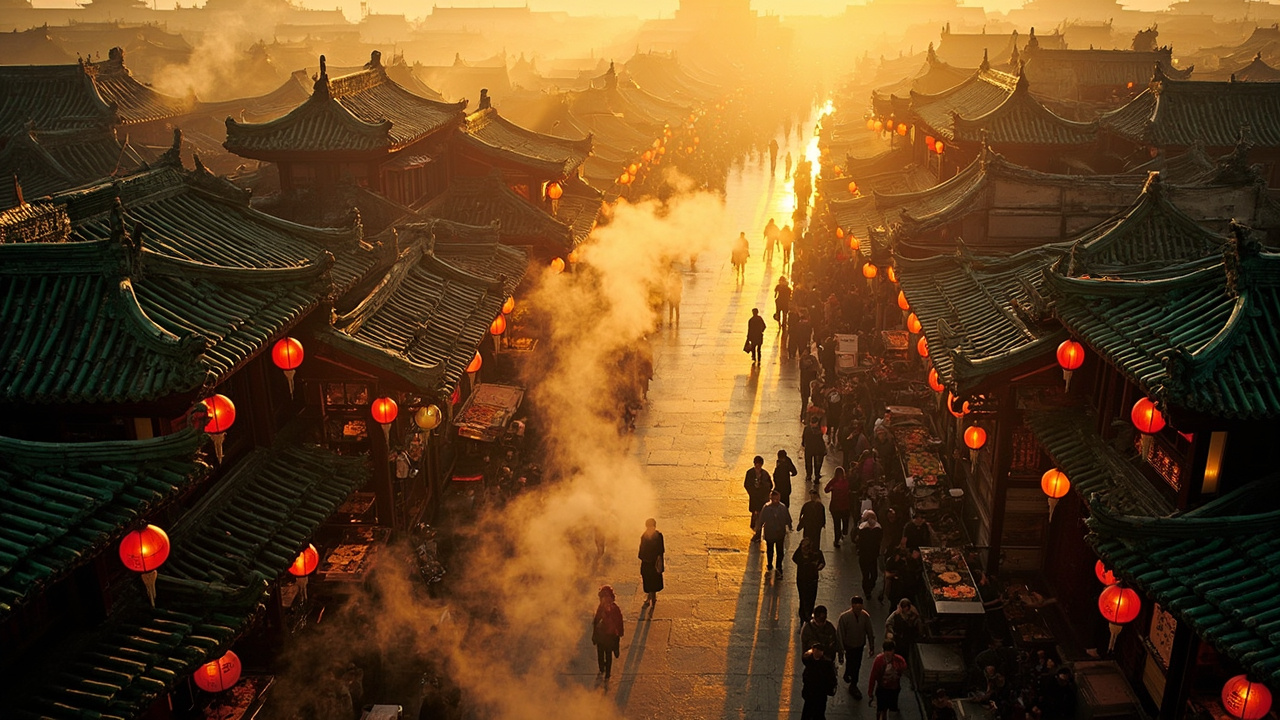
Top 10 Markets and Shopping Streets in China
From Shanghai's Bund to Beijing's Silk Street - 10 markets where foreigners can haggle, explore, and bring home authentic Chinese goods.
9 min read
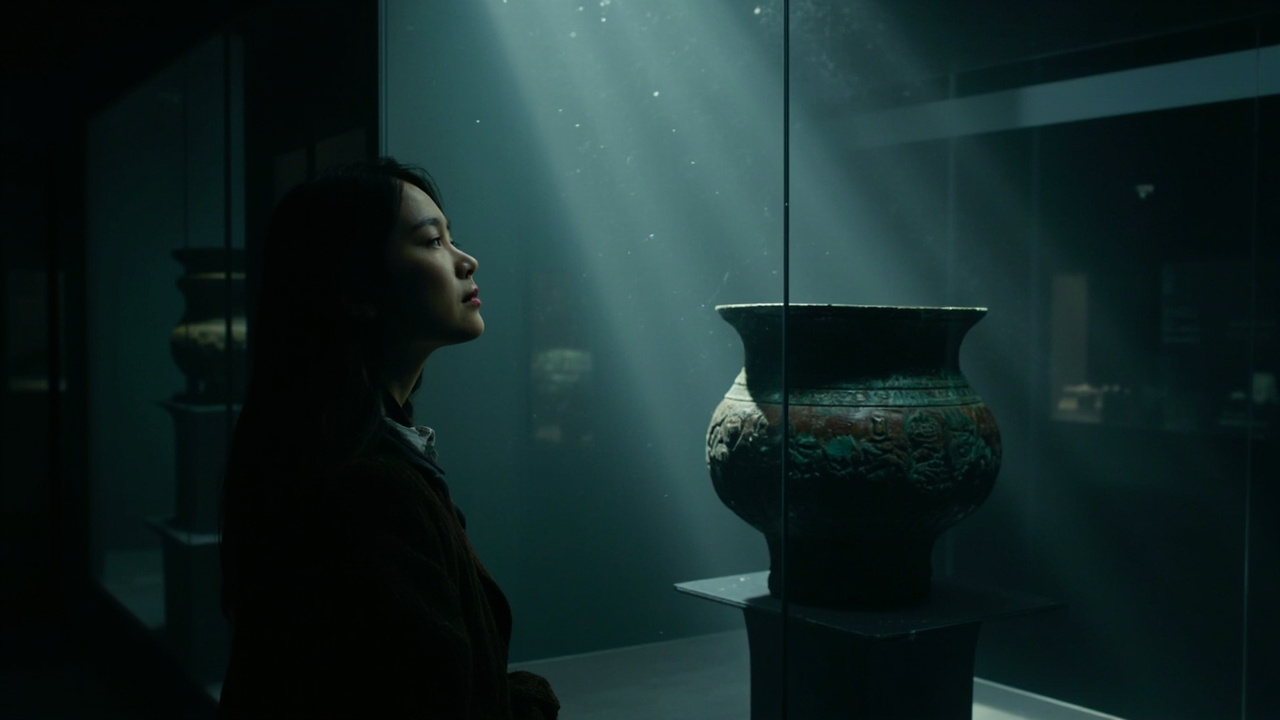
Top 10 Museums in China You Shouldn't Miss
China's museums span 5,000 years of civilization. These 10 - from the Palace Museum to Xi'an's terracotta gallery - are unmissable for culture lovers.
9 min read