
Summer Palace Beijing Guide
The first thing I noticed wasn't the lake or the pavilions. It was the sound of a man practicing the erhu under a willow tree near the East Palace Gate,…
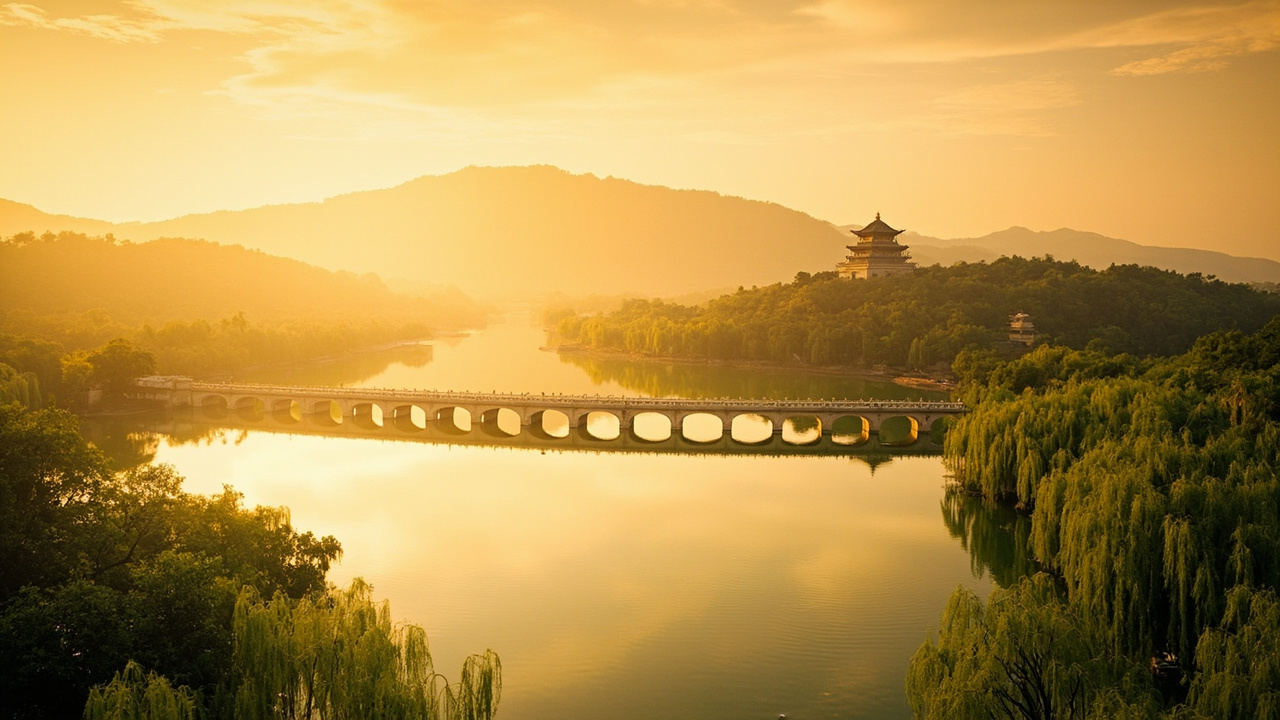
Summer Palace Beijing Guide
The first thing I noticed wasn’t the lake or the pavilions. It was the sound of a man practicing the erhu under a willow tree near the East Palace Gate, completely unbothered by the tour groups streaming past him. I stood there for maybe ten minutes listening, and nobody else stopped. That’s the Summer Palace in a nutshell — 290 hectares of imperial gardens where 30,000 tourists a day walk right past the best parts because they’re following a flag on a stick.
I’ve been to the Summer Palace six times now, in every season except deep winter (I’m told the frozen lake is worth it, but I hate being cold). I’ve done it wrong — rushing through in two hours on a package tour — and I’ve done it right, spending a slow morning with a thermos of tea watching the mist burn off Kunming Lake. The difference is enormous.
This guide is for first-time visitors to China who want to see the Summer Palace properly without wasting a day or getting fleeced. I’ll cover what it actually costs, how to get there on the subway, which sections are worth your time, and the small things that took me three visits to figure out. If you’re building a broader Beijing itinerary, this fits naturally alongside the Forbidden City and the Great Wall, but it deserves its own half-day minimum.
Quick answer
The Summer Palace (颐和园, Yíhéyuán) is Beijing’s largest imperial garden, a UNESCO World Heritage Site about 15 km northwest of the city center, open daily roughly 6:30am–6:00pm in peak season (April–October) and 7:00am–5:00pm in low season. Entry costs ¥30 ($4) in low season and ¥60 ($8) in peak season for the main gate, plus ¥10–¥60 (~$1.50–$8) for individual attractions inside like the Tower of Buddhist Incense. The easiest way to get there is Subway Line 4 to Beigongmen Station (北宫门), Exit D, which puts you at the North Palace Gate in under two minutes. Budget 3–4 hours minimum; a full half-day is better.
The Short Version
If you only have 90 seconds: go on a weekday morning, enter at the North Palace Gate (Line 4, Beigongmen), walk up Longevity Hill first while you still have energy, then descend to Kunming Lake and take the boat across to the East Palace Gate. Skip the paid side halls unless you love imperial furniture. Bring cash or set up Alipay or WeChat Pay before you arrive — some ticket windows still don’t take foreign cards. Wear real shoes. The paths are uneven and there are a lot of stairs.
How I Picked These
I didn’t rank restaurants or hotels here — the Summer Palace is one site, so this guide breaks down the ten areas and experiences within the park that are actually worth your limited time. I’ve walked all of them, most of them multiple times, and I’ve talked to the ticket staff, the boat operators, and a retired Beijinger named Old Wang who does tai chi by the Seventeen-Arch Bridge every morning at 6am. I’ve also made the classic mistakes: paying for the wrong combination ticket, arriving at 11am on a Saturday in July, and trying to “see everything” in two hours. The rankings below reflect what I’d tell a friend, not what a brochure says.
Comparison Table
| Rank | Area | Best For | Approx Cost (USD) | Time Needed | When to Go |
|---|---|---|---|---|---|
| 1 | Longevity Hill & Tower of Buddhist Incense | Views, imperial architecture | $8 (¥60) combo | 60–90 min | Morning, clear days |
| 2 | Kunming Lake & Seventeen-Arch Bridge | Photos, boat rides, atmosphere | $4–$8 (¥30–¥60) | 60 min | Late afternoon |
| 3 | Long Corridor (Changlang) | Painted ceilings, shade, easy walking | Included in entry | 30 min | Any time |
| 4 | Suzhou Street | Shopping, canal-side photos | $1.50 (¥10) | 30 min | Midday |
| 5 | Marble Boat | Quick photo stop, history | Included | 10 min | Any time |
| 6 | Hall of Benevolence and Longevity | Imperial history, throne room | Included | 20 min | Morning |
| 7 | Garden of Harmonious Interests | Quiet gardens, fewer crowds | $1.50 (¥10) | 30 min | Weekday mornings |
| 8 | Wenchang Gallery | Art, calligraphy, AC in summer | $3 (¥20) | 30 min | Hot afternoons |
| 9 | Kunming Lake boat crossing | Resting your legs, lake views | $2–$4 (¥15–¥30) | 15 min | Any time |
| 10 | West Causeway & Jade Belt Bridge | Solitude, locals, birdwatching | Included | 45 min | Early morning |
Longevity Hill and the Tower of Buddhist Incense — climb it first, thank me later
I made the mistake on my second visit of doing the lake first and the hill second. By the time I reached the Tower of Buddhist Incense (佛香阁, Fóxiānggé), my legs were done and I couldn’t enjoy the view. Now I always start here.
The tower sits at the top of a long, steep staircase — around 100 steps, and they’re uneven. It’s the visual anchor of the entire Summer Palace, an octagonal three-story structure built in 1750 and rebuilt in 1891 after British and French troops destroyed it during the Second Opium War. From the top, you get the postcard view: Kunming Lake spread out below, the Seventeen-Arch Bridge in the distance, and on a clear day, the western hills beyond.
Why it’s special: this is where you understand the scale of the place. Empress Dowager Cixi, who essentially ran China from here in the late 19th century, reportedly spent a fortune rebuilding this hill with funds meant for the navy. Whether that story is fully accurate is debated, but standing at the top, you get why she wanted it.
📍 Location: Center of the park, on Longevity Hill’s south slope
🎫 Entry fee: Included in the ¥60 ($8) peak combo ticket; ¥10 ($1.50) standalone in low season
🕒 Opening hours: 8:00am–5:00pm (last entry 4:30pm), year-round
🚇 How to get there: From the North Palace Gate (Line 4, Beigongmen, Exit D), walk south through Suzhou Street and follow signs uphill — about 20 minutes
⏰ When to visit: Right at opening, especially April–May and September–October
💡 Insider tips: The staircase is slippery after rain; wear grippy shoes. There’s a small tea house halfway up with surprisingly decent jasmine tea for ¥20 (~$3). Most tour groups skip the tower entirely, so it’s often quieter than the lake.
I once watched an elderly Chinese woman in heels make it to the top without stopping. I was wheezing. She patted my shoulder and said “慢慢来” (take it slow). I think about that a lot.
Kunming Lake and the Seventeen-Arch Bridge — the postcard, and it earns it
The Seventeen-Arch Bridge (十七孔桥, Shíqīkǒng Qiáo) is 150 meters long and has 544 stone lions carved along its balustrades. On a winter solstice afternoon, the setting sun lines up perfectly with all seventeen arches, and photographers camp out for hours to catch it. I’ve never timed it right, but I’ve seen the photos and they’re not exaggerated.
The lake itself is man-made, dug in the 18th century to mimic West Lake in Hangzhou. In summer, lotus flowers cover the shallow areas near the shore. In winter, it freezes solid and locals ice-skate on it — a genuinely great thing to watch if you’re there in January.
Why it’s special: it’s the emotional center of the park. You can rent a paddle boat (¥60–¥100/hour, ~$8–$14), walk the 700-meter Long Corridor along the north shore, or just sit on a bench and watch the world go by. I’ve done all three and the sitting is underrated.
📍 Location: Southern half of the park, below Longevity Hill
🎫 Entry fee: Included in main entry; boat rides ¥15–¥30 ($2–$4)
🕒 Opening hours: Same as park hours; boats run roughly 8:30am–5:00pm, weather permitting
🚇 How to get there: From the East Palace Gate (Line 4, Xiyuan Station, Exit C2, walk 10 minutes west), you’re right at the lake
⏰ When to visit: Late afternoon for golden-hour light; avoid midday summer heat
💡 Insider tips: The bridge is best photographed from the small island at its far end — walk across and turn around. Boat tickets are cash or WeChat Pay only at the dock; don’t count on Alipay there. If you’re visiting in winter and the lake is frozen, the ice-skating rental is ¥40 ($5.50) an hour and worth doing once.
A vendor near the bridge sold me a roasted sweet potato for ¥8 (~$1) on a cold October morning. Best ¥8 I’ve spent in Beijing.
The Long Corridor — 728 meters of painted ceilings
I almost skipped this on my first visit because it sounded boring. A corridor. Big deal. Then I looked up.
The Long Corridor (长廊, Chángláng) runs 728 meters along the north shore of Kunming Lake, and every one of its 14,000-plus painted panels is different. Landscapes, flowers, scenes from Chinese literature, birds, calligraphy. It was built in 1750 and rebuilt in 1888, and it’s genuinely one of the most impressive painted galleries I’ve seen anywhere.
Why it’s special: it’s shade in summer, shelter in rain, and a slow, easy walk that lets you absorb the park without climbing anything. It’s also where you’ll see the widest cross-section of Chinese tourists — families with grandparents, school groups, couples taking wedding photos.
📍 Location: North shore of Kunming Lake, running east-west 🎫 Entry fee: Included in main entry 🕒 Opening hours: Same as park 🚇 How to get there: Any gate works, but the East Palace Gate puts you at the eastern end ⏰ When to visit: Midday in summer (it’s shaded), or during light rain (it’s covered) 💡 Insider tips: The best paintings are in the middle section, not the ends. Look for the ones depicting Journey to the West. There are benches every 20 meters or so — use them. If it’s raining, this is where everyone goes, so it gets crowded fast.
Suzhou Street — touristy, but I still like it
Suzhou Street (苏州街, Sūzhōu Jiē) is a reconstructed Qing-dynasty shopping street built along a canal at the back of the park. It was originally built in 1760 for the emperor to experience “commoner life” without leaving the palace — which is a wild concept if you think about it for more than a second.
Today it’s a mix of souvenir shops, tea houses, and a few snack stalls. It’s the most overtly commercial part of the Summer Palace, and some travelers skip it entirely. I don’t, because the canal-side setting is genuinely pretty and the shops sell better-quality stuff than the vendors outside the main gates.
Why it’s special: it’s a good place to buy gifts without leaving the park, and the boat ride through the canal (¥10, ~$1.50) is a nice 10-minute break. The architecture is a faithful reconstruction, so if you’re interested in Qing commercial design, it’s worth a look.
📍 Location: North end of the park, near the North Palace Gate 🎫 Entry fee: ¥10 (~$1.50) on top of main entry 🕒 Opening hours: 9:00am–4:30pm 🚇 How to get there: Directly inside the North Palace Gate (Line 4, Beigongmen, Exit D) ⏰ When to visit: Midday, when you want a break from walking 💡 Insider tips: Prices here are 20–30% higher than outside the park. The silk scarves are decent; the “antiques” are not. Cash works everywhere here, which is unusual for Beijing in 2026.
Marble Boat — a 10-minute stop with a weird history
The Marble Boat (石舫, Shífāng) is exactly what it sounds like: a boat-shaped structure made of stone, sitting at the northwest edge of Kunming Lake. It was built in 1755 and rebuilt in 1893 with a Western-style superstructure, which makes it look slightly out of place among all the traditional Chinese architecture.
Why it’s special: it’s a curiosity more than a highlight. Empress Dowager Cixi reportedly used it as a floating tea house. The story goes that she diverted navy funds to build it, which is why it’s sometimes called a monument to imperial excess. It’s a 10-minute stop, but it’s on the way to other things, so you’ll pass it anyway.
📍 Location: Northwest shore of Kunming Lake 🎫 Entry fee: Included in main entry 🕒 Opening hours: Same as park 🚇 How to get there: Walk west along the lake from the Long Corridor ⏰ When to visit: Any time; it’s a quick stop 💡 Insider tips: The best photo angle is from the small bridge to the east, not from directly in front. There’s a decent public toilet nearby, which matters more than you’d think.
Hall of Benevolence and Longevity — the throne room
This is the first major building you hit if you enter from the East Palace Gate, and it’s where Empress Dowager Cixi actually conducted business. The throne room is preserved with original furniture, and the dragon carvings are genuinely impressive.
Why it’s special: it’s the most “imperial” part of the park. If you’ve been to the Forbidden City and want more of that energy, this delivers. The scale is smaller, which makes it easier to actually see details.
📍 Location: Eastern side of the park, near the East Palace Gate 🎫 Entry fee: Included in main entry 🕒 Opening hours: 8:00am–5:00pm 🚇 How to get there: 5-minute walk from the East Palace Gate (Line 4, Xiyuan, Exit C2) ⏰ When to visit: Morning, before tour groups arrive around 10am 💡 Insider tips: The English signage here is better than most of the park. The bronze animals in the courtyard are original — don’t touch them, guards will yell.
Garden of Harmonious Interests — the quiet corner
This is my favorite part of the Summer Palace, and almost nobody goes here. It’s a small garden in the northeast corner, modeled after a famous garden in Wuxi, and it’s usually empty.
Why it’s special: it’s peaceful. After two hours of crowds, you can sit by the small pond and hear birds. The architecture is delicate and the scale is intimate. If you’re the kind of traveler who needs a break from being “on,” this is it.
📍 Location: Northeast corner of the park, near the North Palace Gate 🎫 Entry fee: ¥10 (~$1.50) 🕒 Opening hours: 9:00am–4:30pm 🚇 How to get there: Enter at North Palace Gate, walk east 10 minutes ⏰ When to visit: Weekday mornings 💡 Insider tips: Bring a book. Seriously. There are benches in the shade and nobody will bother you.
Wenchang Gallery — the AC break
Wenchang Gallery (文昌院, Wénchāng Yuàn) is a small museum inside the park with rotating exhibits of imperial art, calligraphy, and ceramics. It’s air-conditioned, which in July is worth the ¥20 (~$3) entry on its own.
Why it’s special: it’s a genuine museum with real artifacts, not a tourist trap. The collection rotates, so repeat visitors see different things. The calligraphy section is particularly good.
📍 Location: East side of the park, near Wenchang Gate 🎫 Entry fee: ¥20 (~$3) 🕒 Opening hours: 9:00am–4:30pm, closed Mondays 🚇 How to get there: 10-minute walk from East Palace Gate ⏰ When to visit: Hot afternoons, or rainy days 💡 Insider tips: The English labels are decent but sparse. Download a translation app before you go — I use Pleco for Chinese characters and it works well here.
Kunming Lake Boat Crossing — save your legs
There are several boat routes across the lake, and they’re the single best value in the park. The main route runs from the Marble Boat area to the South Lake Island, and it takes about 15 minutes.
Why it’s special: it’s a rest, a view, and a shortcut all at once. The lake looks completely different from the water, and you get close to the Seventeen-Arch Bridge without walking to it.
📍 Location: Multiple docks around the lake 🎫 Entry fee: ¥15–¥30 (~$2–$4) depending on route 🕒 Opening hours: 8:30am–5:00pm, weather permitting 🚇 How to get there: Docks are signed in English and Chinese ⏰ When to visit: Mid-afternoon when you’re tired 💡 Insider tips: Boats stop running in high wind or heavy rain. Buy tickets at the dock, not in advance. WeChat Pay works; foreign cards sometimes don’t.
West Causeway and Jade Belt Bridge — where the locals go
The West Causeway is a long, tree-lined path along the western edge of Kunming Lake, and the Jade Belt Bridge (玉带桥, Yùdài Qiáo) is a graceful arched bridge at its northern end. This area is far from the main gates, so it’s mostly locals walking, jogging, and doing tai chi.
Why it’s special: it’s the Summer Palace without the tourists. On a weekday morning, you’ll see more birds than people. The Jade Belt Bridge is one of the most photographed structures in the park, but from the causeway side, you get it almost to yourself.
📍 Location: Western edge of Kunming Lake 🎫 Entry fee: Included in main entry 🕒 Opening hours: Same as park 🚇 How to get there: From the North Palace Gate, walk west and south — about 25 minutes ⏰ When to visit: Early morning, any season 💡 Insider tips: This is where I met Old Wang, the tai chi guy. He’s there most mornings around 6:30am and will happily show you a few moves if you ask. Bring a thermos of tea — there’s a spot near the bridge where locals gather.
FAQ summary
The Summer Palace costs ¥30–¥60 (~$4–$8) for main entry depending on season, plus optional fees for inner attractions, and takes 3–4 hours minimum to see properly. The easiest access is Subway Line 4 to Beigongmen Station (North Gate) or Xiyuan Station (East Gate), both of which put you inside the park in under 10 minutes on foot. Peak season is April–October with the highest crowds in July–August and on weekends; weekday mornings in spring or autumn are the best time to visit. Foreign visitors should set up Alipay or WeChat Pay before arriving, as some ticket windows and boat docks don’t accept foreign credit cards.
FAQ
Q: Do I need to book Summer Palace tickets in advance? A: In peak season (April–October), yes — book through the official WeChat mini-program or a platform like Trip.com at least 1–2 days ahead, especially for weekends. In low season, you can usually buy at the gate. Bring your passport; it’s required for entry.
Q: How much does the Summer Palace cost in total?
A: Budget ¥60–¥100 ($8–$14) per person: ¥60 ($8) peak entry, plus ¥10 ($1.50) for Suzhou Street, ¥20 ($3) for Wenchang Gallery, and ¥15–¥30 ($2–$4) for a boat ride. You can do it for ¥30 ($4) in low season if you skip the extras.
Q: Is the Summer Palace worth visiting if I’ve already seen the Forbidden City? A: Yes, and they’re completely different experiences. The Forbidden City is dense, urban, and architectural; the Summer Palace is open, green, and about landscape. If you only have time for one imperial site, do the Forbidden City. If you have two days, do both.
Q: How do I get to the Summer Palace from central Beijing? A: Take Subway Line 4 to Beigongmen Station (北宫门) for the North Gate, or Xiyuan Station (西苑) for the East Gate. From Tiananmen East, it’s about 50 minutes with one transfer at Xidan. A taxi from Wangfujing costs roughly ¥80–¥100 (~$11–$14) and takes 40–60 minutes depending on traffic.
Q: Is English spoken at the Summer Palace? A: Basic English is spoken at ticket windows and major attractions, but not everywhere. Signage is bilingual at main sites. Download a translation app (Pleco, Google Translate with offline Chinese) before you go — it makes a big difference for smaller exhibits and food stalls.
Q: Do I need a VPN or local SIM card for the Summer Palace? A: You’ll want a working phone for maps, translation, and payment apps. A local SIM or eSIM is the easiest option; if you’re relying on a foreign SIM with roaming, set up a VPN before you arrive since Google Maps and some apps are blocked in China.
Q: What should I wear and bring? A: Comfortable walking shoes with grip — the paths are uneven and there are many stairs. Bring water, sunscreen, and a hat in summer. In winter, layer up; the lake area is windy and cold. Cash in small bills (¥10–¥50) is useful for snacks and boat tickets.
The Honest Wrap-up
This guide is for travelers who want to actually experience the Summer Palace, not just check it off. If you’re on a two-hour package tour and just want the photo of the lake, skip most of this — enter at the East Gate, walk the Long Corridor, take a photo of the bridge, and leave. That’s a fine way to do it.
But if you have a half-day and you’re willing to walk, the Summer Palace rewards you. Start at the North Gate, climb the hill first, eat lunch at one of the small tea houses, and spend the afternoon by the water. Bring a book. Sit down. Watch the old men fish. That’s the version I’d tell a friend to book a flight for.
One last thing: check the visa-free transit rules before you book — as of 2026, many nationalities can enter Beijing for up to 240 hours without a visa, which makes a Summer Palace day trip much easier to plan.
More guides you may like
Top 10 Bridges in China
China's bridges are engineering marvels spanning mountains, rivers, and seas. Here are 10 of the most spectacular, from ancient stone to modern steel.
8 min read

Top 10 Buddhist Sites in China
From the Leshan Giant Buddha to the Dunhuang Caves, these 10 Buddhist sites represent 2,000 years of China's spiritual heritage.
9 min read
Top 10 Day Trips from Beijing You Shouldn't Miss
Beijing is packed with history, but some of China's best experiences are just a few hours away. Here are 10 day trips that will transform your visit.
9 min read
Top 10 Hidden Gems in China Off the Beaten Path
Beyond the Great Wall and Terracotta Warriors, China has incredible hidden destinations few tourists ever reach. Here are 10 underrated gems worth the detour.
9 min read
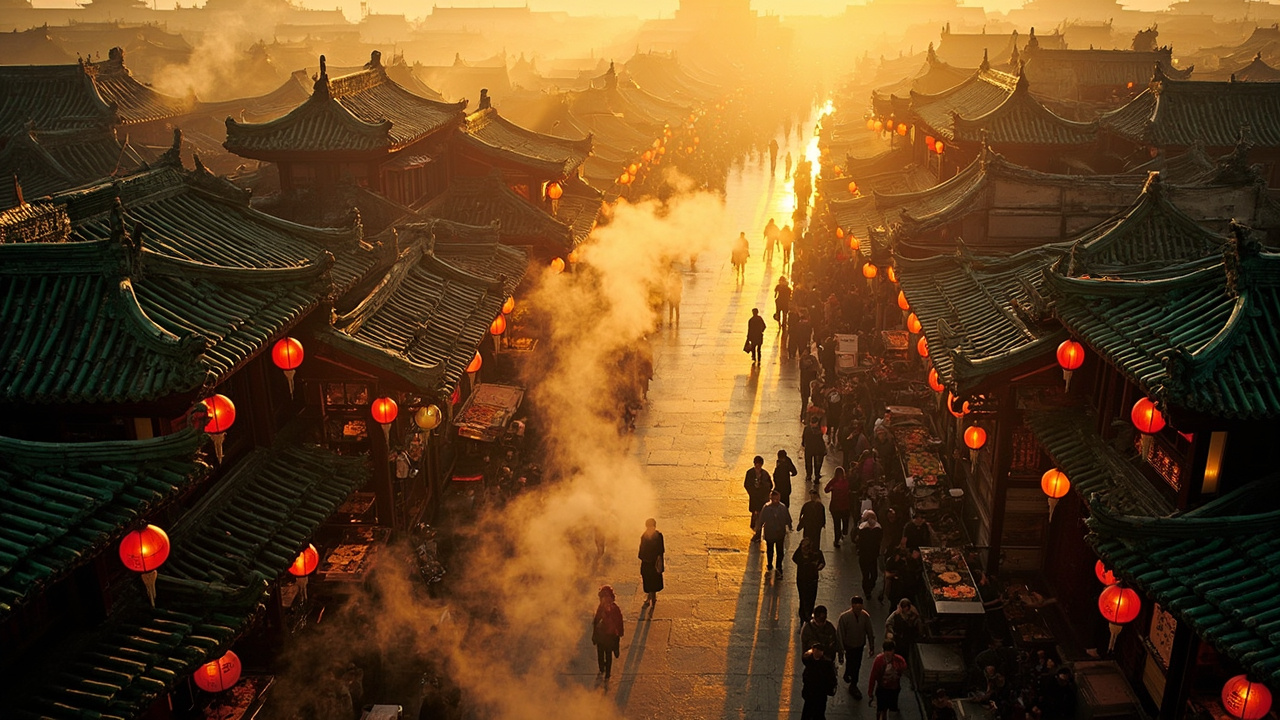
Top 10 Markets and Shopping Streets in China
From Shanghai's Bund to Beijing's Silk Street - 10 markets where foreigners can haggle, explore, and bring home authentic Chinese goods.
9 min read
Top 10 Museums in China You Shouldn't Miss
China's museums span 5,000 years of civilization. These 10 - from the Palace Museum to Xi'an's terracotta gallery - are unmissable for culture lovers.
9 min read