
China Ancient Water Towns
The woman at the noodle stall in Zhouzhuang looked at my chopsticks, then at me, then back at the chopsticks. I'd been trying to fish a slippery eel out of…
China Ancient Water Towns
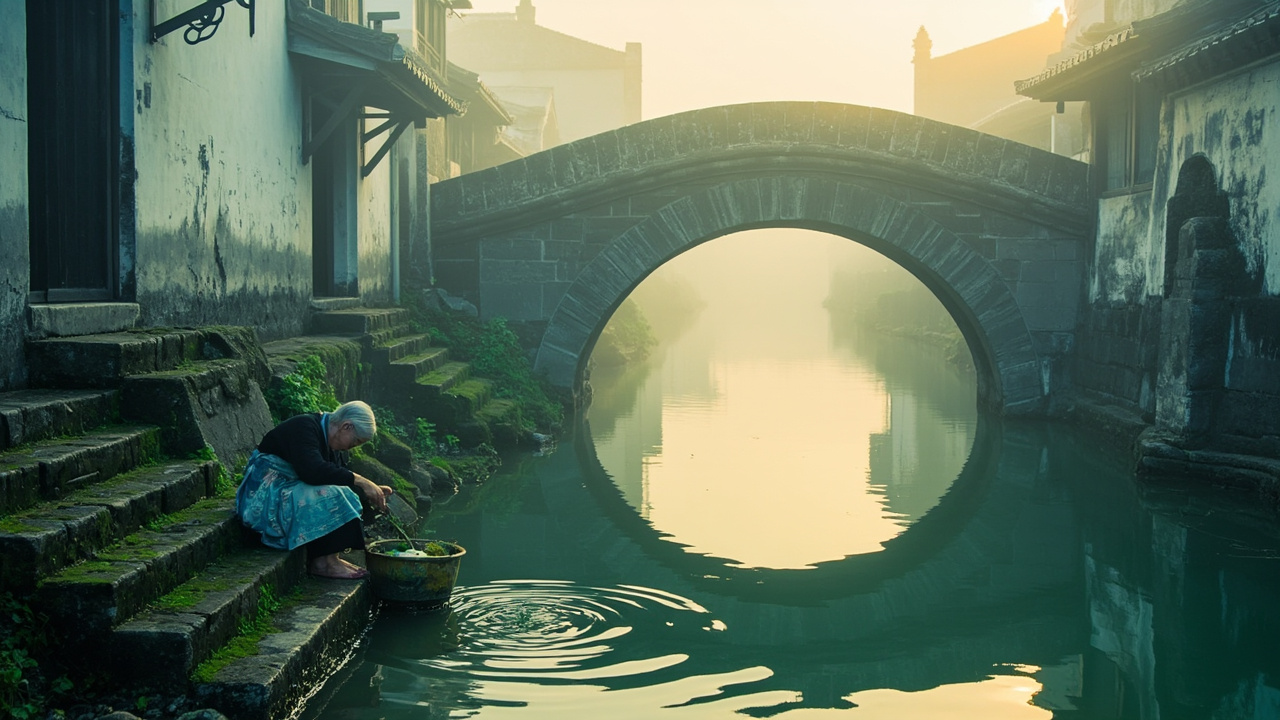
The woman at the noodle stall in Zhouzhuang looked at my chopsticks, then at me, then back at the chopsticks. I’d been trying to fish a slippery eel out of my soup for about ninety seconds. She sighed, reached over, pinched the eel between her own two chopsticks, and dropped it into my bowl with a small nod. Then she went back to her wok like nothing had happened. That’s a water town for you. The canals are pretty, sure. But what stays with you is the smallness of the place, the way everyone knows everyone, and the fact that people have been eating eel out of the same canals for six hundred years.
China has dozens of these canal towns, mostly clustered in the Yangtze River Delta between Shanghai and Suzhou. They were trading hubs built on water, with stone bridges, whitewashed houses, and narrow lanes you can’t fit a car through. Some are now theme-park busy. Others are quiet enough that you’ll hear a bicycle bell from three streets away. Picking the right one for your trip is the whole game.
This guide is for first-time visitors who want to see one or two of these towns without wasting a day on the wrong one. I’ve been to most of them, some twice, once in the rain with a broken umbrella and no regrets.
Quick answer
The best ancient water towns near Shanghai are Zhouzhuang (most famous, busiest), Tongli (best balance of scenery and crowds), and Xitang (best for atmosphere at night). Most charge an entry fee of $14–$22 (100–160 CNY) that covers the main sights. Day trips from Shanghai take 1.5–2.5 hours by bus or high-speed rail, and you can visit one as a day trip or stay overnight for a much better experience. Most nationalities currently qualify for China’s 240-hour visa-free transit, so you may not need a separate visa for a short trip — check the visa-free transit rules before you book.
The Short Version
If you only have time for one, go to Tongli. It’s 30 minutes from Suzhou by metro and bus, less mobbed than Zhouzhuang, and the Tuisi Garden alone is worth the trip. If you want the postcard version with the famous double bridge, go to Zhouzhuang and accept the crowds. If you have two nights, do Xitang — it’s the only one that genuinely improves after dark. Skip Wuzhen’s east scenic zone unless you’re fine paying Disneyland prices for a reconstructed village.
How I Picked These
I’ve spent seven years in Beijing and made more than forty trips around China, most of them by high-speed rail. For this piece I revisited six water towns in the Yangtze Delta over the past two years, including one rainy Tuesday in November when I had Tongli almost entirely to myself. I talked to guesthouse owners, a boat rower in Zhouzhuang named Uncle Chen, and a Suzhou-based tour guide who’s been running water-town day trips since 2011. I also factored in how easy each town is to reach without a car, how English-friendly it is, and whether the entry fee feels worth it. I left out a few towns that get recommended online but are honestly a slog for a first-timer.
Comparison Table
| Rank | Place | Best For | Approx Cost (USD) | Time Needed | When to Go |
|---|---|---|---|---|---|
| 1 | Tongli | Best all-rounder | $14 (100 CNY) | Full day or overnight | Mar–May, Sep–Nov |
| 2 | Zhouzhuang | The iconic photo | $15 (110 CNY) | Day trip | Weekday mornings |
| 3 | Xitang | Night atmosphere | $14 (100 CNY) | Overnight | Any clear night |
| 4 | Wuzhen | Polished, upscale | $22 (150 CNY) | Overnight | Weekdays |
| 5 | Nanxun | Quiet, literary | $14 (100 CNY) | Half day | Spring, autumn |
| 6 | Luzhi | Local, uncrowded | $8 (55 CNY) | Half day | Any weekday |
| 7 | Qibao | Quick Shanghai fix | Free | 2–3 hours | Weekday morning |
| 8 | Zhujiajiao | Easy from Shanghai | Free / $4 combo | Half day | Weekday |
| 9 | Xinchang | Shanghai outskirts | Free | 2 hours | Weekend |
| 10 | Fengjing | Painting village | $7 (50 CNY) | Half day | Spring |
Tongli — The One I Keep Going Back To
I went to Tongli on a wet Tuesday in November and had the Three Bridges to myself for maybe ten minutes. That never happens in Zhouzhuang. The town sits on five small islands linked by 49 bridges, and the whole place feels engineered for wandering rather than for tour groups. The Tuisi Garden is the standout — a retired Qing official built it in 1885 as a private retreat, and the covered walkways and water pavilions still feel private even with twenty other people inside.
What makes Tongli special is the scale. It’s small enough to walk end to end in forty minutes, but dense enough that you keep finding courtyards and old family halls tucked behind ordinary doorways. The Gengle Tang and Jiayin Tang halls are both worth the extra ticket. And unlike some towns where the “ancient” parts are reconstructions, Tongli’s core is genuinely old — some of the residential lanes date to the Ming dynasty.
📍 Location: Wujiang District, Suzhou, about 18 km southeast of Suzhou’s old city.
🎫 Entry fee: $14 (100 CNY) for the combined ticket covering all main sights. Free to walk the outer streets.
🕒 Opening hours: 7:30am–5:30pm daily, extended to 9pm in summer for the night scenic zone.
🚕 How to actually get there: From Suzhou, take Metro Line 4 to Tongli Station (Exit 2), then bus 725 for 10 minutes to the town gate. From Shanghai, high-speed rail to Suzhou (25 min, $6/45 CNY) then the same metro. Total door-to-door from Shanghai: about 2 hours.
⏰ When to visit: Spring and autumn are ideal. Go on a weekday morning if possible. Avoid Chinese public holidays entirely.
💡 Insider tips: Buy the combined ticket at the main gate, not online — the QR codes sometimes fail for foreign phones. The boat ride ($16/120 CNY for up to 6 people) is worth it at dusk. Most guesthouses accept Alipay and WeChat Pay but cash is still useful for small vendors.
I ate a bowl of “three whites” — white fish, white shrimp, and whitebait — at a canal-side restaurant for $9 (65 CNY). It was the best meal of the trip.
Zhouzhuang — Famous for a Reason, Crowded for the Same Reason
The first time I saw the Double Bridge in Zhouzhuang, a tour group of about forty people was posing on it in matching yellow hats. I waited fifteen minutes for them to move. They did not move. I eventually got my photo by standing at a weird angle and cropping them out. That’s Zhouzhuang in a nutshell: genuinely beautiful, genuinely mobbed.
The town’s fame comes from a 1984 oil painting by Chen Yifei called “Memory of Hometown,” which put it on the map. Since then it’s become the most-visited water town in China, drawing around 5 million people a year. The core is small — maybe 1 km of canal — so the crowds concentrate hard.
Why bother? Because the Double Bridge (Shuangqiao) really is that pretty, and the Shen House and Zhang House give you a real sense of how wealthy merchant families lived here in the Ming and Qing dynasties. The night boat rides with lanterns are also lovely, if you can ignore the selfie sticks.
📍 Location: Kunshan, Suzhou, about 30 km southeast of Suzhou city.
🎫 Entry fee: $15 (110 CNY) day ticket, $22 (160 CNY) night ticket.
🕒 Opening hours: 7:30am–9pm daily.
🚕 How to actually get there: From Shanghai, buses leave from the Shanghai Stadium tourist bus station every 30–60 minutes ($5/35 CNY, 1.5 hours). Or take high-speed rail to Kunshan South, then bus 133. From Suzhou, buses from Suzhou North Bus Station take 1 hour.
⏰ When to visit: Weekday mornings before 10am. Never on a weekend if you can help it.
💡 Insider tips: The night ticket is actually better value because the crowds thin out after 6pm. Eat before you enter — the food inside is overpriced. Bring a translation app; English signage is limited outside the main gate.
Uncle Chen, who rowed my boat, told me he’s been doing the same 20-minute loop for 22 years and still likes it when the light is right.
Xitang — The One That’s Better After Dark
Most water towns are daytime attractions. Xitang is the exception. The covered corridors that line the canals — called “langpeng” — were built so merchants could walk the length of the town without getting wet, and at night they’re strung with red lanterns that reflect off the water in a way that genuinely stopped me mid-step the first time I saw it.
The town is smaller than Zhouzhuang and less polished than Wuzhen, which is exactly why I like it. There are 104 bridges, 122 lanes, and a lot of residents still living in the old houses. You’ll see laundry hanging over the canal and old men playing cards in doorways. That’s not a performance.
The downside: Xitang is in Zhejiang, not Jiangsu, so it’s slightly further from Shanghai than Tongli or Zhouzhuang. But it’s still doable as an overnight from Shanghai, and honestly, an overnight is the right call.
📍 Location: Jiashan County, Jiaxing, Zhejiang Province.
🎫 Entry fee: $14 (100 CNY), valid for 2 days if you stay overnight.
🕒 Opening hours: 8am–5pm for ticketed sights; the town itself stays open and lit until around 11pm.
🚕 How to actually get there: From Shanghai South Railway Station, high-speed rail to Jiashan South (30 min, $5/35 CNY), then a 20-minute taxi ($8/55 CNY). From Hangzhou, direct buses take 1.5 hours.
⏰ When to visit: Any clear evening. Spring and autumn are best; summer is humid and buggy.
💡 Insider tips: Stay inside the old town, not outside the gate — the atmosphere is the whole point. The bars along the canal are loud until midnight, so pick a guesthouse on a side lane. Bring mosquito repellent in summer.
I tried a local specialty called “eight-treasure cake” and have no idea what was in it. It was good.
Wuzhen — Polished, Pricey, and Worth One Night
Wuzhen is the water town that got a corporate makeover. The East Scenic Zone is essentially a rebuilt village with costumed staff, and I found it a bit much. The West Scenic Zone, though, is genuinely lovely — it’s been carefully restored rather than rebuilt, and the evening light show on the canal is one of the better tourist spectacles in the region.
The town hosts the annual World Internet Conference, which is why the infrastructure is so good. Free Wi-Fi, clean bathrooms, English menus everywhere. If you’re traveling with kids or older relatives who don’t want to deal with rough edges, Wuzhen is the safest pick.
The catch is the price. Tickets are higher than any other water town, and accommodation inside the scenic zone starts around $80 (580 CNY) a night. You’re paying for convenience and polish.
📍 Location: Tongxiang, Jiaxing, Zhejiang.
🎫 Entry fee: $22 (150 CNY) for the West Zone, $17 (120 CNY) for the East Zone, $28 (200 CNY) combined.
🕒 Opening hours: 9am–10pm daily.
🚕 How to actually get there: High-speed rail from Shanghai Hongqiao to Tongxiang (40 min, $7/50 CNY), then a free shuttle bus to the scenic zone every 20 minutes.
⏰ When to visit: Weekdays outside school holidays. The night show runs nightly around 7pm.
💡 Insider tips: Book the West Zone only if you’re short on time. The free shuttle from Tongxiang station is easy to miss — it leaves from the north exit. Most staff speak some English.
A guesthouse owner told me the town empties out by 9pm and the streets after that are the best part.
Nanxun — The Quiet Literary One
Nanxun doesn’t get the crowds, and that’s its whole appeal. It was home to the “Four Elephants” — four fabulously wealthy silk merchant families in the late Qing — and their mansions are still standing, some with Western architectural details they picked up from foreign traders. The Xiaolian Zhuang library is the highlight, a two-story building with a garden that feels more like a scholar’s retreat than a tourist site.
I spent a half day here and wished I’d booked a night. The canals are wide, the bridges are low, and the whole place has a lived-in feel that the more famous towns have lost. There’s also a small population of foreign expats who’ve moved in, which means you can find decent coffee.
📍 Location: Nanxun District, Huzhou, Zhejiang.
🎫 Entry fee: $14 (100 CNY) for the combined ticket.
🕒 Opening hours: 8am–5pm daily.
🚕 How to actually get there: From Shanghai, high-speed rail to Huzhou (1 hr 40 min, $14/100 CNY), then bus 101 for 40 minutes. From Hangzhou, buses from Hangzhou North take 1.5 hours.
⏰ When to visit: Spring and autumn. Weekdays are almost empty.
💡 Insider tips: The Xiaolian Zhuang library is the one sight you shouldn’t skip. Rent a bike — the area around the town is flat and pretty. English is rare here, so have a translation app ready.
I met a retired teacher named Mr. Zhou who insisted on walking me to the library even though I hadn’t asked.
Luzhi — The Local One
Luzhi is what Tongli was twenty years ago. It’s small, mostly residential, and the entry fee is low enough that locals still use it as a shortcut to the market. There are 41 bridges in a town you can cross in fifteen minutes, and the Baosheng Temple has nine Tang dynasty arhat statues that are genuinely remarkable.
I went on a Saturday and still found quiet corners. The town isn’t trying to impress anyone, which is exactly why it works. Don’t come here expecting a full day of activities — come here to slow down for three hours.
📍 Location: Wuzhong District, Suzhou.
🎫 Entry fee: $8 (55 CNY).
🕒 Opening hours: 8am–5pm daily.
🚕 How to actually get there: From Suzhou, bus 518 from the train station takes 1 hour. From Shanghai, high-speed rail to Suzhou then the same bus.
⏰ When to visit: Any weekday. Spring is best for the willows.
💡 Insider tips: The Baosheng Temple arhats are the reason to come. The town’s “wife cakes” (laopo bing) are a local specialty worth trying. Bring cash for the small vendors.
I paid $1.50 (10 CNY) for a bowl of tofu pudding from a cart and it was better than most restaurant meals I’ve had.
Qibao — The Shanghai Shortcut
Qibao is technically a water town, but it’s really a Shanghai neighborhood with a canal running through it. It’s on Metro Line 9, which makes it the easiest one to reach from central Shanghai — about 30 minutes door to door from Xujiahui. The trade-off is that it’s small, crowded, and more food street than historic town.
That said, if you have a spare afternoon and don’t want to commit to a full day trip, Qibao works. The Qibao Temple and the old bridge are the main sights, and the snack street is genuinely good — try the tangyuan (glutinous rice balls) and the stinky tofu if you’re brave.
📍 Location: Minhang District, Shanghai.
🎫 Entry fee: Free to enter; $4 (30 CNY) for the temple and a few small sights.
🕒 Opening hours: Streets open all day; temple 9am–4:30pm.
🚕 How to actually get there: Metro Line 9 to Qibao Station, Exit 2, walk 5 minutes west.
⏰ When to visit: Weekday mornings. Weekends are packed with locals.
💡 Insider tips: Don’t come here expecting Tongli. Come for the snacks and the easy metro access. Most vendors take Alipay and WeChat Pay but a few small stalls are cash only.
I bought a bag of candied hawthorn and ate the whole thing before I got back to the metro.
Zhujiajiao — The Other Shanghai One
Zhujiajiao is bigger than Qibao and slightly more “real,” with a proper canal network and a handful of old gardens. It’s also on Metro Line 17, which makes it easy from Shanghai. The Fangsheng Bridge is the town’s icon — a five-arch stone bridge from 1571 — and the Kezhi Garden is a pleasant place to sit for half an hour.
The problem is that Zhujiajiao has been heavily commercialized. The main street is wall-to-wall souvenir shops, and the canal boats are packed. Still, if you’re based in Shanghai and want a half-day taste of the water-town experience without a train ride, it’s fine.
📍 Location: Qingpu District, Shanghai.
🎫 Entry fee: Free to walk; $4 (30 CNY) for the combined ticket covering gardens and boats.
🕒 Opening hours: 8:30am–4:30pm for ticketed sights.
🚕 How to actually get there: Metro Line 17 to Zhujiajiao Station, Exit 1, walk 10 minutes.
⏰ When to visit: Weekday mornings before 10am.
💡 Insider tips: Skip the boat ride here — it’s short and overpriced. The Kezhi Garden is the best-value sight. Eat before you arrive; the food is mediocre and expensive.
I made the mistake of coming on a Sunday and spent more time queuing for the bridge than walking on it.
Xinchang — The One Nobody Talks About
Xinchang is a small water town on the edge of Shanghai that barely registers on tourist maps. It has one main canal, a handful of old bridges, and a few restored houses. That’s it. But it’s free, it’s quiet, and it’s a 90-minute metro ride from central Shanghai.
I went because a Shanghai friend told me about it, and I’m glad I did. There’s a small teahouse on the canal where the owner, a woman in her sixties, makes a decent longjing and doesn’t mind if you sit for two hours. The town is also known for its “down wine” — a local rice wine served warm — which is worth trying if you’re there in the afternoon.
📍 Location: Pudong New Area, Shanghai.
🎫 Entry fee: Free.
🕒 Opening hours: Always open; teahouse 9am–5pm.
🚕 How to actually get there: Metro Line 16 to Xinchang Station, Exit 2, walk 8 minutes.
⏰ When to visit: Any afternoon. Weekends are busier with local families.
💡 Insider tips: This is a half-day trip at most. Bring cash for the teahouse. There’s almost no English signage.
The teahouse owner gave me a free refill and told me I looked tired. She was right.
Fengjing — The Painting Village
Fengjing is known as the “painting village” because it’s home to a school of peasant painters whose folk-art style is now famous across China. The town itself is small and quiet, with a few canals and a handful of old houses, but the art is the draw. The Fengjing Painting Village Gallery is free and genuinely interesting.
I came here expecting a tourist trap and left with a small painting I didn’t plan to buy. The artist, a man in his fifties, explained his work through a translation app and charged me $20 (140 CNY), which felt fair.
📍 Location: Jinshan District, Shanghai.
🎫 Entry fee: $7 (50 CNY) for the combined ticket.
🕒 Opening hours: 8am–4:30pm daily.
🚕 How to actually get there: From Shanghai South Railway Station, bus to Fengjing takes 1 hour ($3/20 CNY). Or metro Line 1 to Lianhua Road then bus Fengmei Line.
⏰ When to visit: Spring and autumn. Weekdays are quiet.
💡 Insider tips: The painting gallery is the reason to come. Buy art directly from the artists if you can — prices are negotiable. English is rare.
I still have the painting on my wall.
FAQ summary
The best ancient water town for most first-time visitors is Tongli, followed by Zhouzhuang for the iconic photo and Xitang for night atmosphere. Entry fees run $8–$22 (55–160 CNY), and all the major towns are reachable from Shanghai or Suzhou by high-speed rail plus a short bus or taxi in 1.5–2.5 hours. Most nationalities can currently enter China visa-free for up to 240 hours under the transit policy, so a short water-town trip usually doesn’t require a separate visa. Overnight stays are strongly recommended over day trips, especially in Xitang and Wuzhen.
FAQ
Q: Do I need a visa to visit China’s water towns? A: Most nationalities currently qualify for China’s 240-hour visa-free transit policy if they’re transiting through China to a third country. If you’re flying in and out of the same country, you’ll need a regular tourist visa. Check the current visa-free rules before booking.
Q: How do I pay for things in a water town? A: Set up Alipay or WeChat Pay before you arrive — both work with foreign cards and are accepted almost everywhere, including small vendors. Carry $30–$50 (200–350 CNY) in cash as backup for older shops and boat rowers.
Q: Can I visit a water town as a day trip from Shanghai? A: Yes, but you’ll spend 3–5 hours in transit round-trip. Tongli, Zhouzhuang, and Zhujiajiao are the most realistic day trips. For Xitang, Wuzhen, and Nanxun, an overnight is much better.
Q: What’s the best time of year to go? A: Spring (March–May) and autumn (September–November) are ideal — mild weather, fewer bugs, and good light. Summer is humid and crowded; winter is quiet but many canalside restaurants close early.
Q: Do people speak English in the water towns? A: Not much. Staff at major sights and hotels usually speak some English, but restaurants, taxis, and small shops often don’t. Download a translation app like Pleco or Baidu Translate before you go.
Q: Do I need a VPN or a local SIM card? A: Yes to both, ideally. Google, WhatsApp, and Instagram are blocked in China, so install a VPN before you arrive. A local SIM card gives you cheaper data and easier app registration — see our SIM card and internet guide for details.
Q: How much should I budget for a water-town overnight? A: Expect $40–$90 (290–650 CNY) per night for a decent guesthouse inside the old town, plus $20–$40 (145–290 CNY) for meals and boat rides. Total for one night: roughly $80–$150 (580–1,090 CNY) per person.
The Honest Wrap-up
This list is for travelers who want to see one or two water towns done properly, not tick off all ten. If you’re on a two-week China trip, pick Tongli and maybe Xitang, and give each one a full day and night. If you’re only in Shanghai for a few days, do Zhujiajiao or Qibao and save the real ones for next time. If you hate crowds and don’t care about the famous photo, skip Zhouzhuang entirely.
One last thing: book your train tickets through the official 12306 app or Trip.com at least three days ahead, especially on weekends. And bring a small umbrella. The rain in these towns is part of the experience — just ask the woman at the noodle stall.
More guides you may like
Top 10 Bridges in China
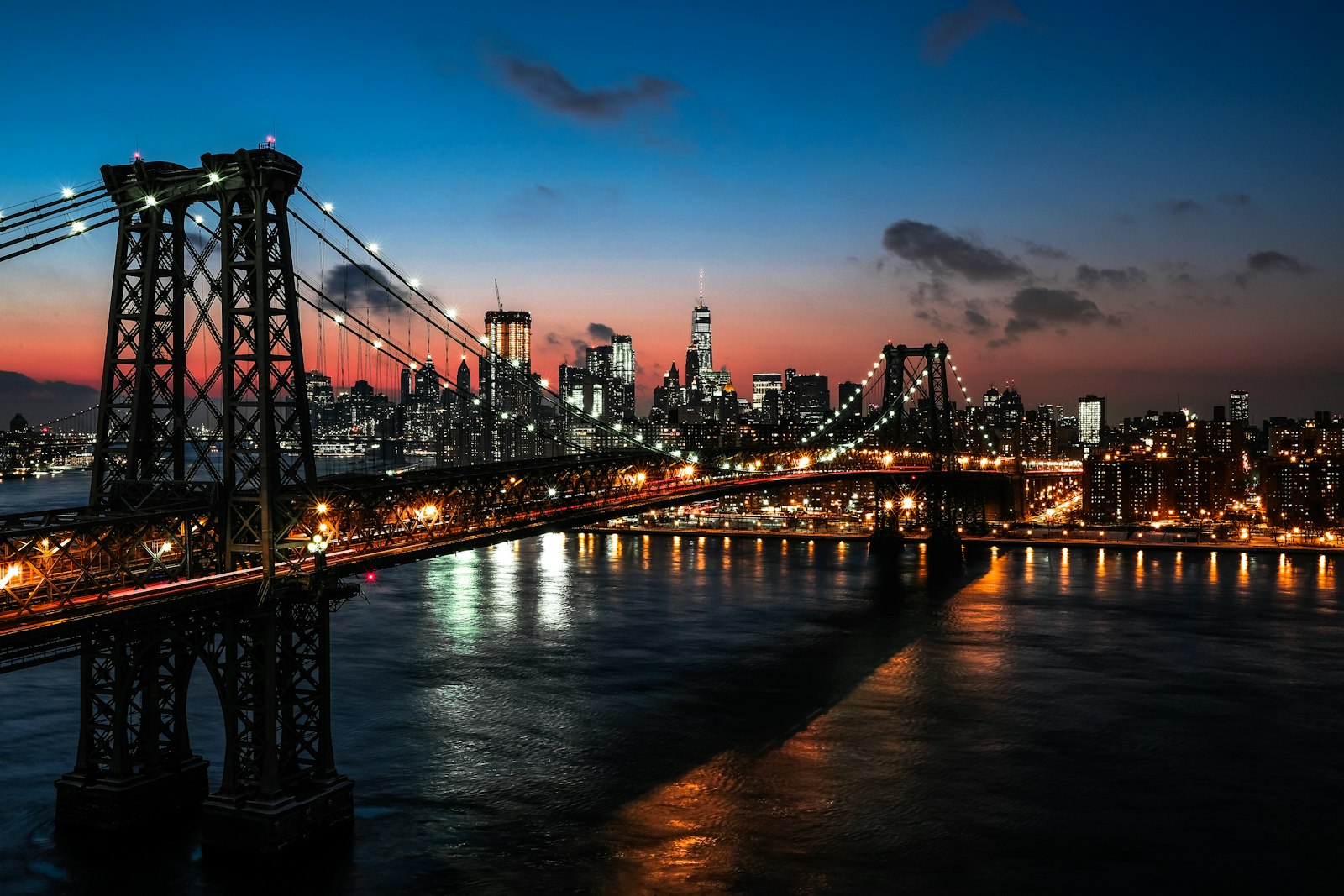
China's bridges are engineering marvels spanning mountains, rivers, and seas. Here are 10 of the most spectacular, from ancient stone to modern steel.
8 min read

Top 10 Buddhist Sites in China
From the Leshan Giant Buddha to the Dunhuang Caves, these 10 Buddhist sites represent 2,000 years of China's spiritual heritage.
9 min read
Top 10 Day Trips from Beijing You Shouldn't Miss
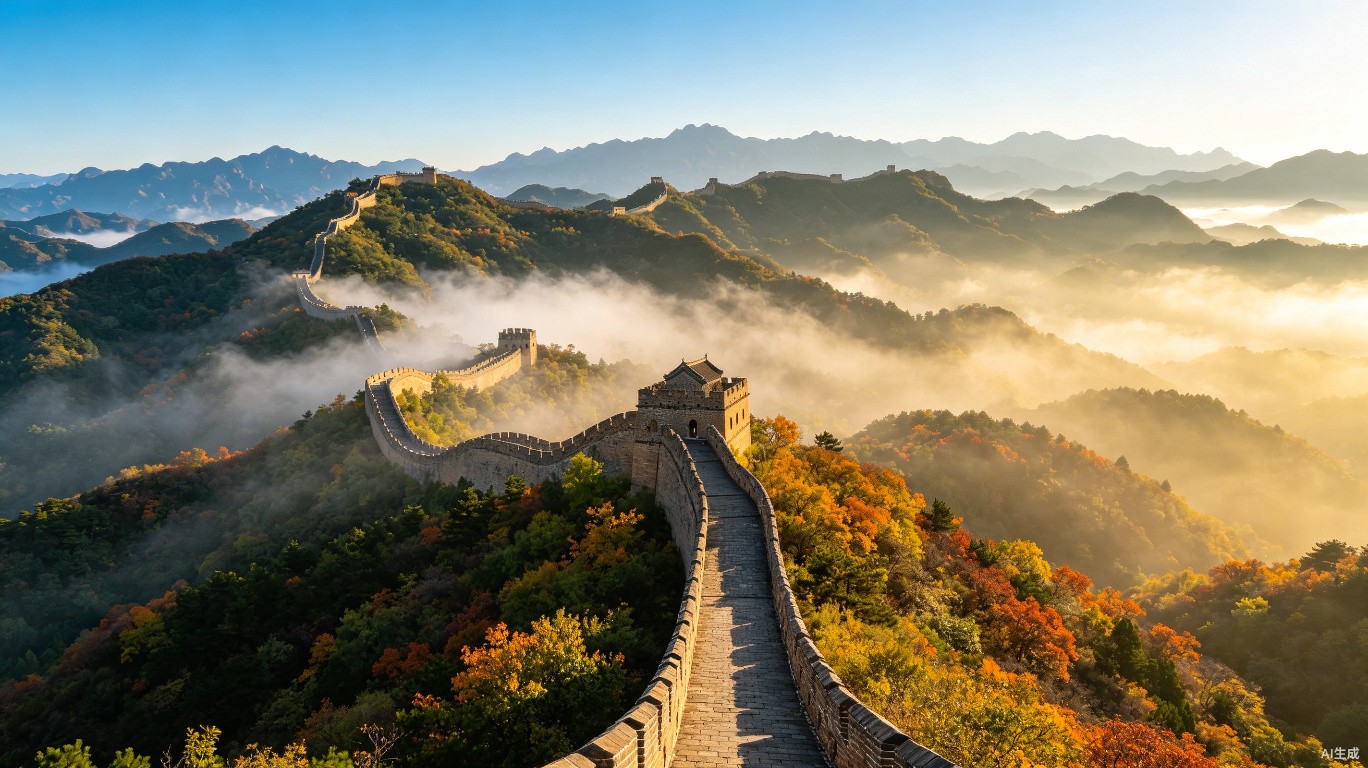
Beijing is packed with history, but some of China's best experiences are just a few hours away. Here are 10 day trips that will transform your visit.
9 min read
Top 10 Hidden Gems in China Off the Beaten Path
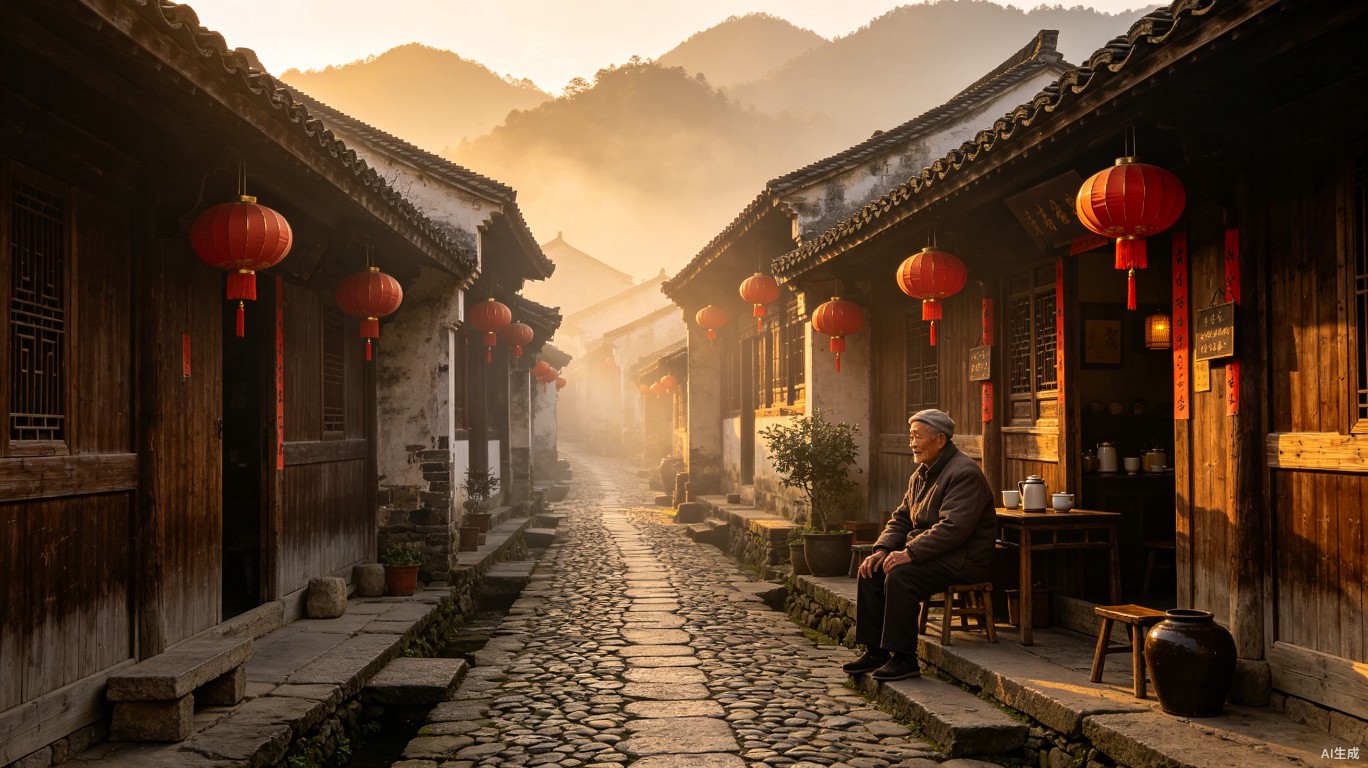
Beyond the Great Wall and Terracotta Warriors, China has incredible hidden destinations few tourists ever reach. Here are 10 underrated gems worth the detour.
9 min read
Top 10 Markets and Shopping Streets in China
From Shanghai's Bund to Beijing's Silk Street - 10 markets where foreigners can haggle, explore, and bring home authentic Chinese goods.
9 min read
Top 10 Museums in China You Shouldn't Miss
China's museums span 5,000 years of civilization. These 10 - from the Palace Museum to Xi'an's terracotta gallery - are unmissable for culture lovers.
9 min read