
Ancient Water Towns Near Shanghai
The rain started just as I stepped off the bus in Zhujiajiao, and within thirty seconds the cobblestones had gone from gray to a slick, mirror-black. I…
Destination at a glance
- Best time to visit
- Weekdays in October-November or April-May, arriving before 9am to beat tour groups.
- Daily budget
- $30-60/day per person including transport, entry, lunch, and a boat ride.
- Visa
- Most foreign visitors qualify for China's 240-hour visa-free transit via Shanghai; no separate visa needed for a day trip.
- Safety
- Very safe, with low street crime; watch for pickpockets in crowded markets and slippery stone bridges after rain.
- Getting around
- Metro plus high-speed rail plus local taxis or buses; English signage is limited outside the major towns, so a translation app is essential.
- Connectivity
- Buy an eSIM or local SIM on arrival; a VPN is required for Google, Instagram, and WhatsApp.
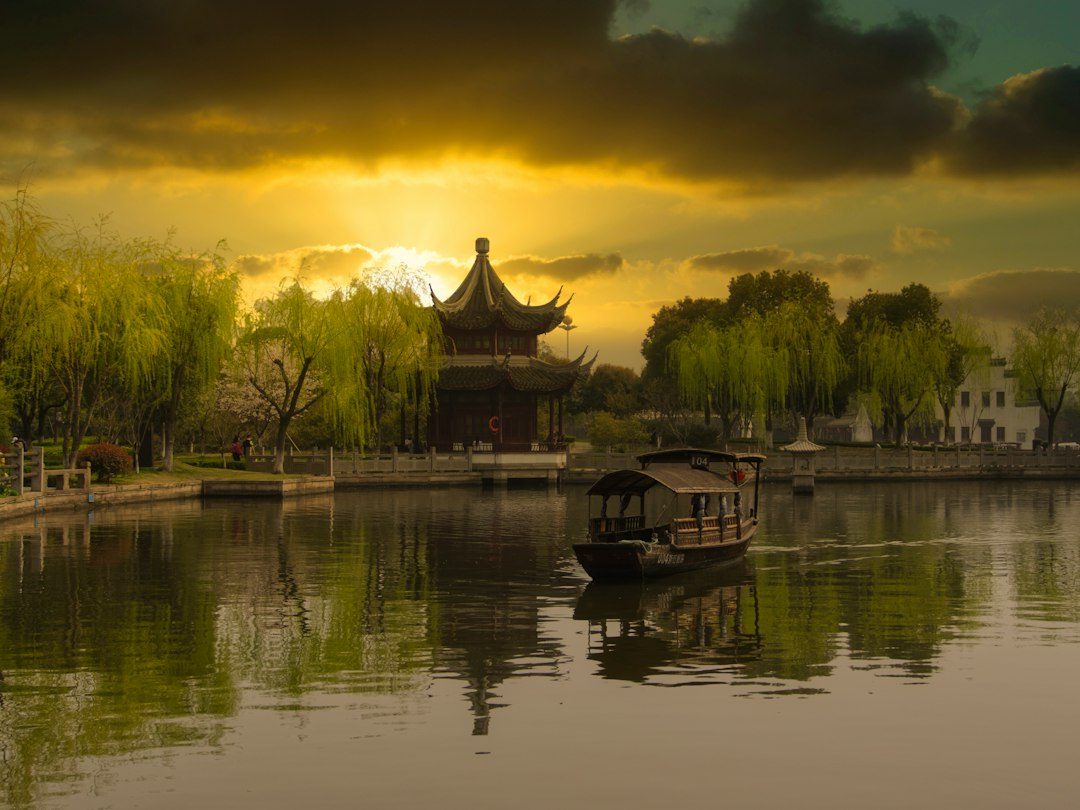
The rain started just as I stepped off the bus in Zhujiajiao, and within thirty seconds the cobblestones had gone from gray to a slick, mirror-black. I ducked under the awning of a shop selling smoked pork knuckle, and the woman running it handed me a plastic stool without a word. I sat there for twenty minutes watching tour groups in matching ponchos stream past, and that’s when I understood the rhythm of these towns: they empty out the moment the weather turns, and that’s exactly when they get good.
Shanghai has maybe a dozen of these canal towns within a two-hour radius. They were silk and rice trading hubs in the Ming and Qing dynasties, built around a lattice of waterways that farmers used to float grain to market. Most have been restored to varying degrees — some tastefully, some not. The trick is knowing which is which, and which ones you can actually reach without a car.
This guide covers the ten worth your time, ranked. I’ve been to all of them at least once, several in the rain, one in the middle of a typhoon warning. I’ll tell you which are worth the trip and which are a tourist trap with a canal in the middle.
Quick answer
The best ancient water towns near Shanghai are Zhujiajiao (closest, 1 hour by metro, best for a half-day), Wuzhen (best overall, 2 hours by bus, $15-22 entry), and Xitang (best for atmosphere and covered corridors, 1.5 hours by train plus taxi). Most foreign visitors can enter China visa-free for up to 240 hours under the current transit policy, so a day trip from Shanghai needs no separate visa. Go on a weekday, arrive before 9am, and budget $30-60 per person for transport, entry, and lunch.
The Short Version
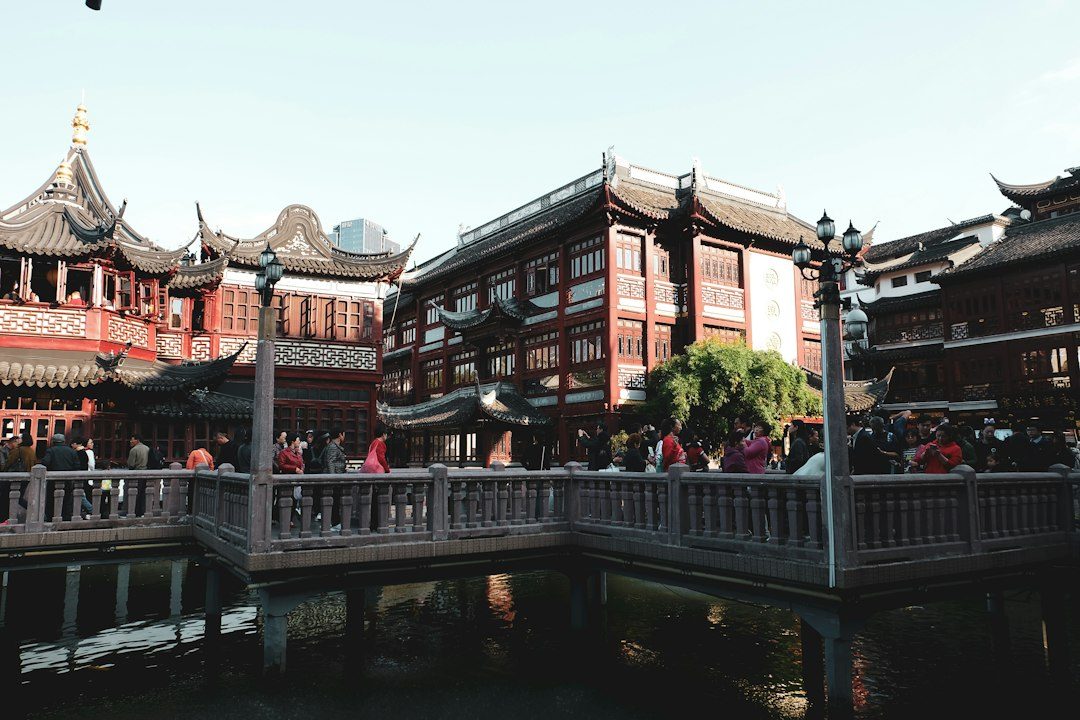
If you do one: Wuzhen. It’s the most polished, the most photogenic, and the only one where the evening lantern lighting is genuinely worth staying for. If you want the closest and easiest: Zhujiajiao, straight off Metro Line 17, no planning required. If you hate crowds: Xitang or Nanxun on a Tuesday in November. Skip Qibao unless you’re already in Shanghai and have two hours to kill.
How I Picked These
I’ve lived in Beijing for seven years and get down to the Shanghai region three or four times a year, usually tacking a water town onto a city trip. I’ve visited all ten of these in person, most of them twice — once in summer peak season and once in the off-season — because the experience is so different it’s almost not the same place. I talked to the boatwomen, the old men playing cards under the covered corridors, and the hostel staff who deal with foreign tourists every day. I also factored in how easy each town is to reach without a car, since most first-time visitors aren’t renting one. A few towns I loved got ranked lower purely because getting there is a hassle.
Comparison Table
| Rank | Place | Best For | Approx Cost (USD) | Time Needed | When to Go |
|---|---|---|---|---|---|
| 1 | Wuzhen | Overall best, evening lights | $15-22 (¥110-160) | Full day + night | Weekday, Oct-Nov |
| 2 | Zhujiajiao | Easiest day trip | $0-8 (¥0-60) | Half day | Weekday morning |
| 3 | Xitang | Atmosphere, covered lanes | $14 (¥100) | Full day | Weekday, spring |
| 4 | Nanxun | Quiet, uncrowded | $14 (¥100) | Full day | Weekday, any season |
| 5 | Tongli | Gardens + canals combo | $14 (¥100) | Full day | Weekday, Apr-May |
| 6 | Zhouzhuang | Classic postcard views | $14 (¥100) | Half-full day | Early morning |
| 7 | Xinchang | Local life, no tourists | $0 | 2-3 hours | Any weekday |
| 8 | Luzhi | Sculpture, small scale | $8 (¥55) | 2-3 hours | Weekday |
| 9 | Jinxi | Very quiet, budget | $9 (¥65) | Half day | Weekday |
| 10 | Qibao | Convenience only | $0 | 2 hours | Weekday morning |
Wuzhen — The One That Earns the Hype
I’ll be honest: I expected to dislike Wuzhen. It’s the most famous, the most expensive, and the most aggressively marketed. Then I stayed for the evening lighting and understood why everyone goes.
Wuzhen is split into two sections, East Scenic Zone (Dongzha) and West Scenic Zone (Xizha). Xizha is the one you want — it’s the restored, evening-lit section with the canals, the wooden houses, and the little bridges that look like they were designed by a set decorator. They kind of were: the restoration was meticulous, and it shows. The downside is that it’s a managed attraction, not a living town. You’re walking through a beautifully preserved stage set. But what a stage set.
📍 Location: Tongxiang, Zhejiang Province, about 130 km (80 miles) southwest of Shanghai.
🎫 Entry fee: Xizha $22 (¥150), Dongzha $15 (¥110), combined ticket $28 (¥190). Evening-only entry after 5pm is cheaper at around $8 (¥60).
🕒 Opening hours: 9am-10pm daily, with evening lighting starting around 5:30pm in winter, 7pm in summer.
🚌 How to actually get there: High-speed train from Shanghai Hongqiao to Tongxiang (about 40 minutes, $7-10 / ¥50-70), then bus K350 from the station to the scenic area (20 minutes, $0.30 / ¥2). Or direct tourist buses from Shanghai South Railway Station, about 2 hours, $5 (¥35).
⏰ When to visit: Weekday, October or November. Avoid Chinese public holidays entirely — the crowds are genuinely unpleasant.
💡 Insider tips: Stay overnight inside Xizha if you can afford it (guesthouses run $60-150 / ¥430-1080); the town is magical after 9pm when day-trippers leave. Buy the combined ticket only if you have a full day. The boat ride ($8 / ¥60 per person) is worth it once, at dusk. Bring cash for small vendors; some don’t take WeChat Pay.
I met a boatwoman named Chen who’d been punting tourists up and down the same 400-meter stretch for eleven years. She said the best time was “the hour before closing, when the lights are on but nobody’s left.”
Zhujiajiao — The One You Can Do Half-Asleep
Zhujiajiao is the water town for people who didn’t plan a water town. It’s on Metro Line 17, which means you can wake up in Shanghai, decide over breakfast to go, and be on a canal by 10am. That convenience is worth a lot.
The town itself is genuinely old — 1,700 years, one of the oldest in the region — and the Fangsheng Bridge, a five-arch stone bridge from 1571, is the real deal. The problem is that everyone knows this. By 11am on a Saturday, the main street is a solid wall of people buying zongzi and stinky tofu. Go early or don’t go.
📍 Location: Qingpu District, western Shanghai municipality.
🎫 Entry fee: Free to enter the town. Individual attractions (Ke Zhi Garden, the Buddhist temple, the boat rides) charge separately, $1-5 (¥10-40) each. A combined ticket is around $8 (¥60).
🕒 Opening hours: Town is always open. Attractions generally 8:30am-4:30pm.
🚇 How to actually get there: Metro Line 17 from Hongqiao Railway Station to Zhujiajiao Station (about 30 minutes, $0.70 / ¥5). Exit 1, then walk 10 minutes west following the signs, or take a local bus. This is the easiest water town to reach, period.
⏰ When to visit: Weekday morning, arriving by 8:30am. By noon it’s a mob.
💡 Insider tips: The boat ride ($8 / ¥60 for up to 6 people) is a better deal than the individual attractions. Skip the “ancient street” food stalls and eat at one of the restaurants on the quieter back canals. The town has a real residential population, so wander off the main drag — the side alleys are where you’ll find old men playing mahjong and cats sleeping on rice sacks.
I paid too much for a “traditional” lunch my first time here — $18 (¥130) for a plate of river shrimp that a local would have paid $5 for. Ask to see the menu with prices before sitting down.
Xitang — The Covered Corridor Town
Xitang has something the others don’t: nearly a kilometer of covered wooden corridors running along the canals. When it rains — and it rains a lot here — you can walk the entire town without an umbrella. That alone makes it my pick for spring and early summer.
The corridors were built by merchants so their goods wouldn’t get wet, and they give the town a lived-in, working feel that Wuzhen’s polished streets lack. Xitang is also where they filmed scenes from Mission: Impossible III, which the locals will mention within thirty seconds of meeting you.
📍 Location: Jiashan County, Zhejiang Province, about 90 km (56 miles) southwest of Shanghai.
🎫 Entry fee: $14 (¥100) for the scenic area.
🕒 Opening hours: 8am-5pm for ticketed entry, but the town stays open and lit in the evening.
🚄 How to actually get there: High-speed train from Shanghai Hongqiao to Jiashan South (about 30 minutes, $5-7 / ¥35-50), then taxi or local bus to the town (15 minutes, $4-6 / ¥30-45). Or direct buses from Shanghai South Station, 1.5 hours, $5 (¥35).
⏰ When to visit: Weekday in April or May. The covered corridors make it the best rain-day option.
💡 Insider tips: The evening is when Xitang shines — red lanterns along the corridors, far fewer people. Stay overnight if you can. The “lantern street” gets crowded at dusk; walk the opposite direction along the quieter canal. Try the local smoked tofu and the rice wine; both are better than the tourist-restaurant versions suggest.
I got caught in a downpour here in 2023 and ended up sharing a corridor bench with an elderly man who insisted on giving me half his bag of roasted chestnuts. We couldn’t understand a word each other said. Best twenty minutes of the trip.
Nanxun — The Quiet One
Nanxun is what Wuzhen would be if nobody had told the tour buses about it. It’s a working town with a restored old quarter, and on a weekday in November I counted maybe forty other visitors in three hours. Forty.
The architecture is a hybrid — Chinese courtyards with Western touches, because Nanxun was a silk-trading town with international connections in the late Qing dynasty. The old library, the Zhang family mansion, and the “Red House” (a European-style villa built by a silk merchant) are the highlights. The canals are narrower and quieter than the bigger towns, and the boatwomen actually sing.
📍 Location: Nanxun District, Huzhou, Zhejiang Province, about 120 km (75 miles) southwest of Shanghai.
🎫 Entry fee: $14 (¥100) for the combined ticket covering the main sights.
🕒 Opening hours: 8am-5pm, last entry 4:30pm.
🚄 How to actually get there: High-speed train from Shanghai Hongqiao to Huzhou (about 45 minutes, $8-11 / ¥55-80), then taxi to Nanxun (30 minutes, $12-15 / ¥85-110). It’s the least convenient town on this list, and that’s exactly why it’s quiet.
⏰ When to visit: Any weekday. Spring and autumn are best.
💡 Insider tips: The boat ride here is the best value on this list — $12 (¥85) for a 40-minute trip, and the boatwomen sing traditional songs. The old quarter has real residents, so be respectful when photographing doorways. Eat at one of the family-run restaurants near the library; the braised pork is excellent.
Tongli — Canals Plus Gardens
Tongli is the one to pick if you want a two-for-one: a proper water town plus one of the finest classical gardens in the region. The Retreat and Reflection Garden (Tuisi Yuan) is a UNESCO World Heritage site, and it’s genuinely beautiful — a small, perfectly composed space of pavilions, ponds, and rockeries.
The town itself has the classic canal layout, with the famous “Three Bridges” (a trio of stone bridges at a junction) and enough lanes to get pleasantly lost in. It’s less polished than Wuzhen and less crowded than Zhouzhuang, which puts it in a sweet spot.
📍 Location: Wujiang District, Suzhou, Jiangsu Province, about 80 km (50 miles) west of Shanghai.
🎫 Entry fee: $14 (¥100) combined ticket including the garden.
🕒 Opening hours: 8am-5:15pm.
🚄 How to actually get there: High-speed train from Shanghai to Suzhou (25 minutes, $5-7 / ¥35-50), then bus or taxi to Tongli (30 minutes, $5-8 / ¥35-55). Or direct tourist bus from Shanghai, 1.5 hours, $6 (¥45).
⏰ When to visit: Weekday, April-May or September-October.
💡 Insider tips: The garden is best before 10am, before the tour groups arrive. The boat ride ($12 / ¥85 for up to 6) is a good way to see the back canals. Try the local “three bridges” fish dish at one of the canal-side restaurants.
Zhouzhuang — The Postcard
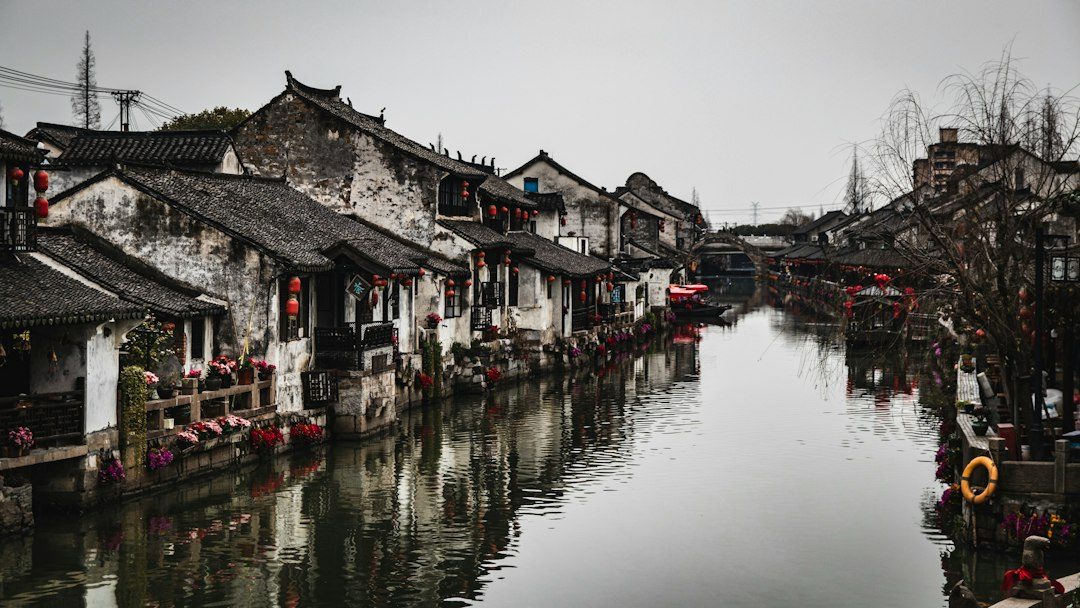
Zhouzhuang is the town that appears on every “ancient water town” postcard, and for good reason: the Twin Bridges (Shuang Qiao) are genuinely lovely, and the canal views are exactly what you’d hope for. It’s also the most crowded of the major towns, and the main street is essentially an open-air souvenir market.
Go early. I mean 7:30am early. By 9am the tour buses from Shanghai and Suzhou have arrived, and the postcard views become a scrum of selfie sticks. If you can’t do early, do evening — the town is lit after 5pm and the day-trippers leave.
📍 Location: Kunshan, Suzhou, Jiangsu Province, about 60 km (37 miles) west of Shanghai.
🎫 Entry fee: $14 (¥100).
🕒 Opening hours: 7:30am-9pm (ticketed sights close at 5pm).
🚄 How to actually get there: High-speed train from Shanghai to Kunshan South (20 minutes, $4-6 / ¥30-45), then bus or taxi (30 minutes, $5-8 / ¥35-55). Or direct bus from Shanghai, 1.5 hours, $5 (¥35).
⏰ When to visit: 7:30-9am, weekday. Avoid weekends entirely.
💡 Insider tips: The Shen family mansion and the Zhang family mansion are worth the extra time. The “Wansan pork knuckle” is the local specialty — eat it at a back-street restaurant, not a main-street stall. The boat ride is $10 (¥70) per person.
Xinchang — The One With No Tourists
Xinchang is barely a tourist destination at all, which is exactly why I like it. It’s a small old town in Pudong, of all places, with a single canal, a few stone bridges, and a residential population that has mostly ignored the restoration. There’s no entry fee, no ticket office, no boat rides. Just old houses, a couple of teahouses, and locals going about their business.
I went on a Sunday afternoon and saw one other foreigner. The teahouses were full of old men playing cards. It’s not spectacular — there’s no grand garden, no famous bridge — but it’s real in a way the bigger towns aren’t.
📍 Location: Xinchang Town, Pudong New Area, Shanghai.
🎫 Entry fee: Free.
🕒 Opening hours: Always open; teahouses roughly 8am-5pm.
🚇 How to actually get there: Metro Line 16 from Longyang Road to Xinchang Station (about 40 minutes, $0.70 / ¥5), then a 10-minute walk. It’s the only water town on this list reachable entirely by metro without a transfer to a bus.
⏰ When to visit: Any weekday afternoon.
💡 Insider tips: This is a teahouse town, not a sightseeing town — sit down, order tea ($3-5 / ¥20-35), and watch. The old street is short; you’ll see it in an hour. Combine with a visit to the nearby Shanghai Wild Animal Park if you’re traveling with kids.
Luzhi — The Sculpture Town
Luzhi is small, quiet, and known for one specific thing: the Tang-dynasty stone sculptures in the Baosheng Temple, which are among the oldest Buddhist stone carvings in the region. If you care about that kind of thing, it’s worth the trip. If you don’t, Luzhi is a pleasant but unremarkable canal town.
It’s also the least commercialized of the ticketed towns — the main street has more hardware stores than souvenir shops. I liked it for that. It felt like a town that happened to have a canal, rather than a canal that happened to have a town around it.
📍 Location: Wuzhong District, Suzhou, Jiangsu Province, about 70 km (43 miles) west of Shanghai.
🎫 Entry fee: $8 (¥55).
🕒 Opening hours: 8am-5pm.
🚄 How to actually get there: High-speed train from Shanghai to Suzhou (25 minutes, $5-7 / ¥35-50), then bus 518 or a taxi (40 minutes, $8-10 / ¥55-70).
⏰ When to visit: Weekday, any season.
💡 Insider tips: The Baosheng Temple sculptures are the reason to come — go there first. The local radish (Luzhi luobo) is famous in the region; try it pickled. The boat ride is short and cheap ($6 / ¥45).
Jinxi — The Budget Option
Jinxi is the least-known town on this list, and the cheapest. It’s a small canal town in Kunshan with a handful of restored buildings, a few bridges, and almost no foreign visitors. The entry fee is low, the food is cheap, and the pace is slow.
It’s not the most beautiful town here. The restoration is patchy, and some of the canals are a bit scruffy. But if you want to see a water town without the crowds and without spending much, Jinxi delivers.
📍 Location: Kunshan, Suzhou, Jiangsu Province, about 65 km (40 miles) west of Shanghai.
🎫 Entry fee: $9 (¥65).
🕒 Opening hours: 8am-4:30pm.
🚄 How to actually get there: High-speed train from Shanghai to Kunshan South (20 minutes, $4-6 / ¥30-45), then taxi (25 minutes, $6-9 / ¥45-65).
⏰ When to visit: Weekday, spring or autumn.
💡 Insider tips: The ancient brick kilns are the local curiosity — worth a look. Eat at the small family restaurants near the canal; a full meal runs $5-8 (¥35-55). Bring cash.
Qibao — Only If You’re Already There
Qibao is a water town inside Shanghai’s Minhang District, reachable by Metro Line 9. That’s its entire selling point. It’s small, extremely crowded, and the “old street” is essentially a food market with a canal running through it. The snacks are good — qibaogao (a local rice cake) is worth trying — but the atmosphere is closer to a theme park than a town.
I went once, on a Tuesday, and left after an hour. If you have a spare afternoon and no time to leave the city, it’s fine. Otherwise, take the extra hour and go to Zhujiajiao.
📍 Location: Minhang District, Shanghai.
🎫 Entry fee: Free to enter; the temple and some attractions charge $1-2 (¥5-15).
🕒 Opening hours: 8:30am-5pm.
🚇 How to actually get there: Metro Line 9 to Qibao Station, Exit 2, walk 10 minutes.
⏰ When to visit: Weekday morning, and only if you’re already in Shanghai.
💡 Insider tips: The food is the point — try the qibaogao, the stinky tofu, and the tangyuan (glutinous rice balls). Go before 10am or after 4pm to avoid the worst crowds.
FAQ summary
The best ancient water town near Shanghai for most first-time visitors is Wuzhen, reached by high-speed train to Tongxiang plus a short bus, with entry around $15-22 (¥110-160) and a full day needed. Zhujiajiao is the easiest option, directly on Metro Line 17 with no planning required and free entry to the town itself. Most foreign visitors can enter China visa-free for up to 240 hours under the current transit policy, so a water town day trip from Shanghai requires no separate visa. Weekday visits before 9am are essential to avoid crowds, and total cost for a day trip runs $30-60 per person including transport, entry, and lunch.
FAQ
Q: Do I need a visa to visit these water towns? A: No, if you’re eligible for China’s 240-hour visa-free transit policy, which covers most European, American, and Southeast Asian passport holders arriving via Shanghai. The water towns are all within the permitted travel area. Check the current visa-free transit rules before booking, and carry your onward ticket.
Q: How do I pay for things in these towns? A: Set up Alipay or WeChat Pay before you arrive — both link to foreign credit cards and are accepted almost everywhere, including small vendors. Some older stallholders still prefer cash, so carry $15-30 (¥100-200) in small notes. See the China payment guide for setup steps.
Q: Which water town is best for a day trip from Shanghai? A: Zhujiajiao for convenience (Metro Line 17, free entry), Wuzhen for the best overall experience (2 hours by train and bus, $15-22 entry). If you have only half a day, Zhujiajiao. If you have a full day and can leave early, Wuzhen.
Q: Are these towns crowded? A: Yes, on weekends and Chinese public holidays — genuinely unpleasant at Zhouzhuang and Qibao. On a weekday in the off-season, most are manageable, and Nanxun and Xinchang are quiet even in peak season. Arrive before 9am.
Q: Do I need a VPN or local SIM card? A: Yes, if you want to use Google, Instagram, or WhatsApp — these are blocked in China. Buy an eSIM or local SIM before or on arrival; see the China SIM and internet guide. Hotel WiFi works but is also subject to the same restrictions.
Q: How much does a day trip cost? A: Budget $30-60 per person for transport, entry, lunch, and a boat ride. Wuzhen is at the top of that range; Zhujiajiao and Xinchang are at the bottom. High-speed train tickets from Shanghai run $5-11 (¥35-80) each way depending on the town.
Q: Is English spoken in these towns? A: Barely. Signage at the major towns (Wuzhen, Zhujiajiao, Zhouzhuang) has English, but restaurant menus and local vendors usually don’t. Download a translation app with offline Chinese before you go — Google Translate works if your VPN is active, and Pleco is a good offline dictionary.
The Honest Wrap-up
This list is for first-time visitors who want to see a canal town without wasting a day on the wrong one. It’s not for people who want to “discover” an untouched village — these are all tourist sites to some degree, and the quiet ones are quiet because they’re harder to reach. If you have one day, go to Wuzhen and stay for the evening lights. If you have half a day, go to Zhujiajiao and be on the first metro. If you have a week in Shanghai, do both, plus Xitang on a rainy day. One last thing: book your high-speed train tickets a few days ahead through the 12306 app or Trip.com, especially for weekend travel — they do sell out.
Destination at a Glance
- Best time to visit: Weekdays in October-November or April-May, arriving before 9am to beat tour groups.
- Daily budget: $30-60/day per person including transport, entry, lunch, and a boat ride.
- Visa: Most foreign visitors qualify for China’s 240-hour visa-free transit via Shanghai; no separate visa needed for a day trip.
- Safety: Very safe, with low street crime; watch for pickpockets in crowded markets and slippery stone bridges after rain.
- Getting around: Metro plus high-speed rail plus local taxis or buses; English signage is limited outside the major towns, so a translation app is essential.
- Connectivity: Buy an eSIM or local SIM on arrival; a VPN is required for Google, Instagram, and WhatsApp.
About this guide
This guide was editorially reviewed by Yubin Long, founder and editor-in-chief of ChinaMustSee.com, a Beijing-based travel editor who has covered China’s canal towns since 2018. Facts were checked against current 2026 sources, including the updated 240-hour visa-free transit policy and the 12306 train booking system. One recent update confirmed: the Metro Line 17 extension to Zhujiajiao now runs more frequent weekend services, cutting the trip from Hongqiao to about 30 minutes. (Yubin Long)
More guides you may like
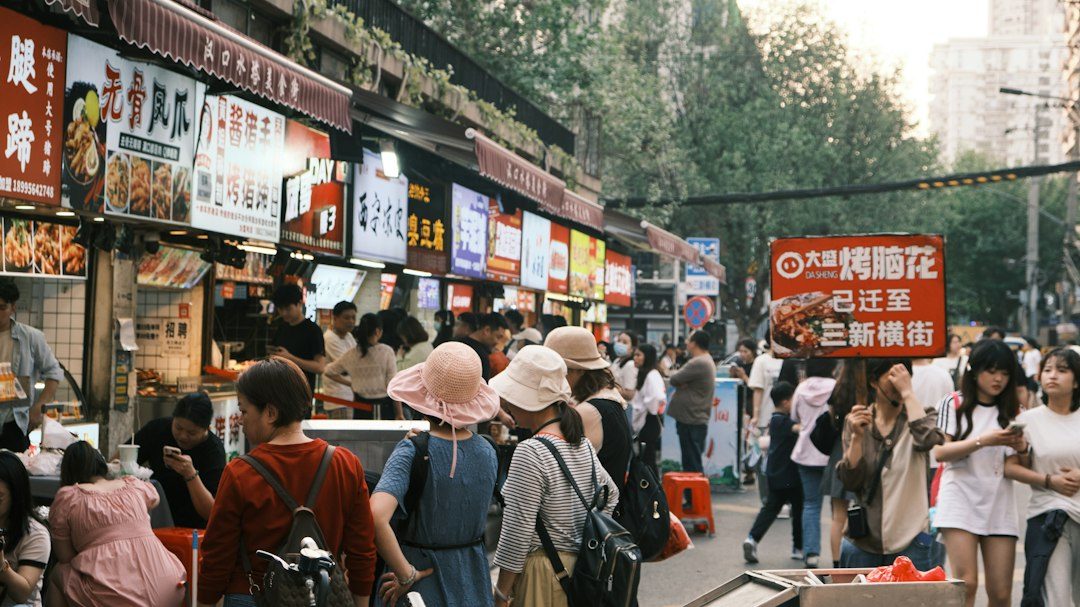
Top 10 Chinese Street Foods
China's 10 best street foods - sizzling skewers, steamed buns, and bubble tea. Where to find them and what to ask for.
18 min read
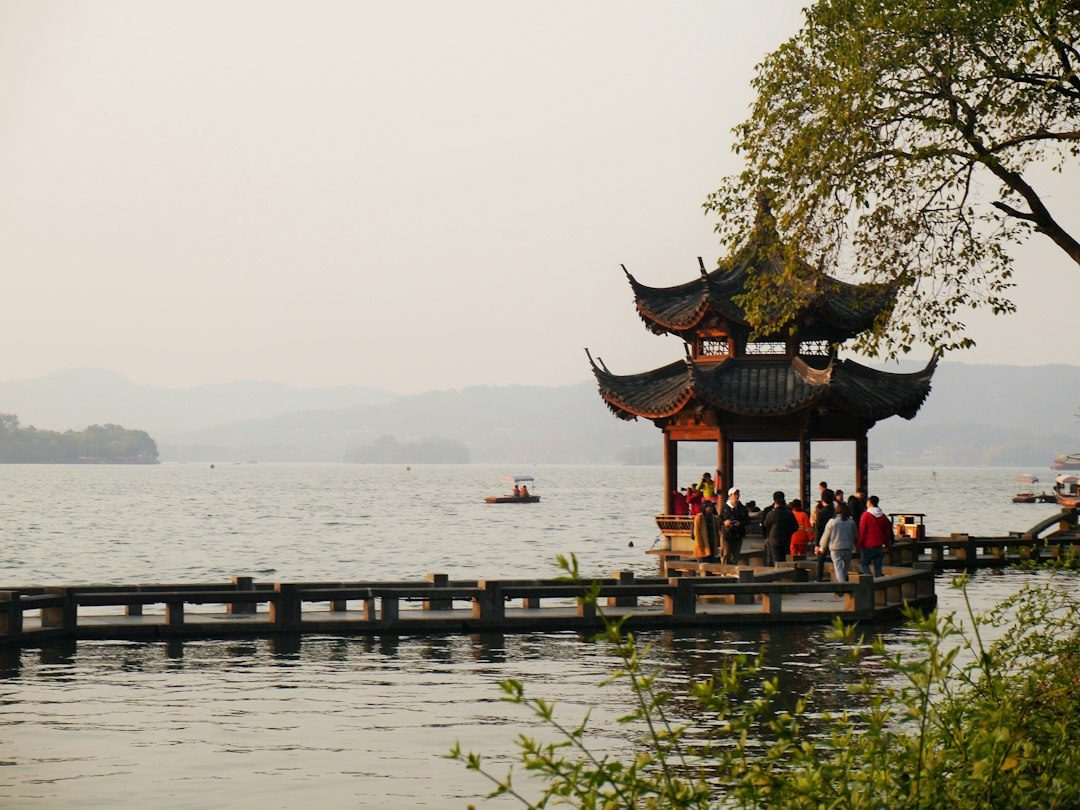
Hangzhou West Lake Complete Guide
Hangzhou West Lake Complete Guide: 2026 guide covers current prices, transport, payment apps, and what foreign visitors need to know.
18 min read
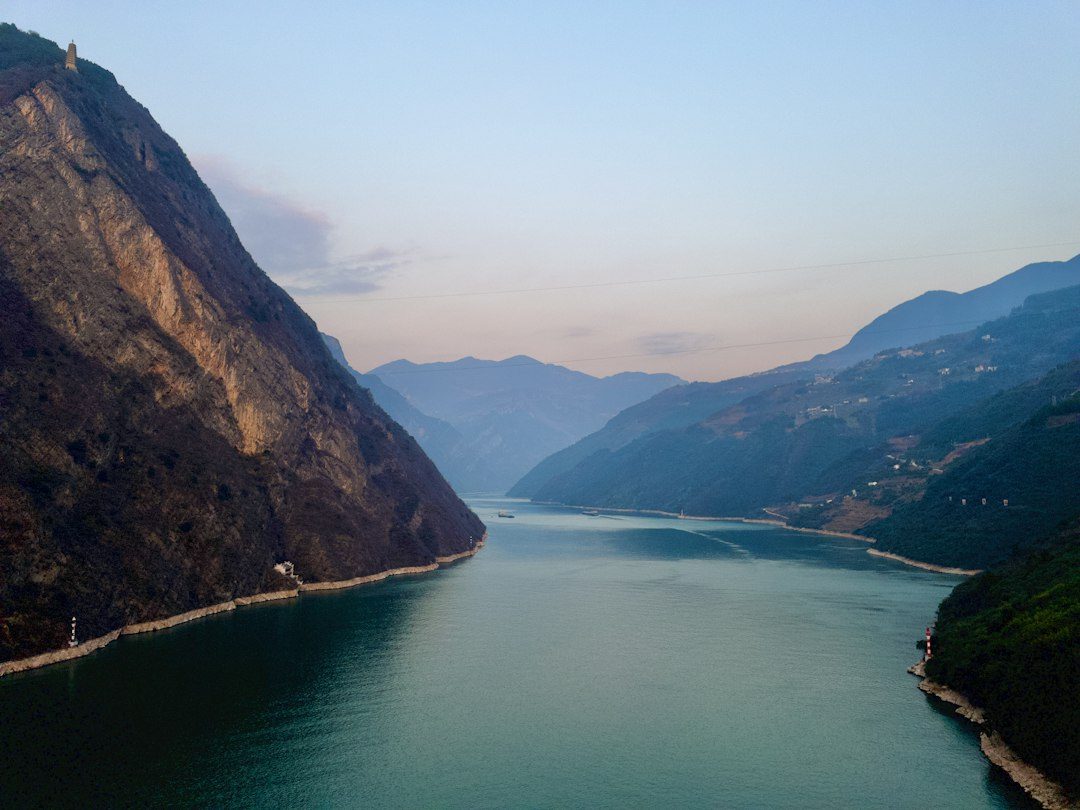
Yangtze River Cruise Three Gorges Guide
Yangtze River Cruise Three Gorges Guide: 2026 guide covers current prices, transport, payment apps, and what foreign visitors need to know.
19 min read
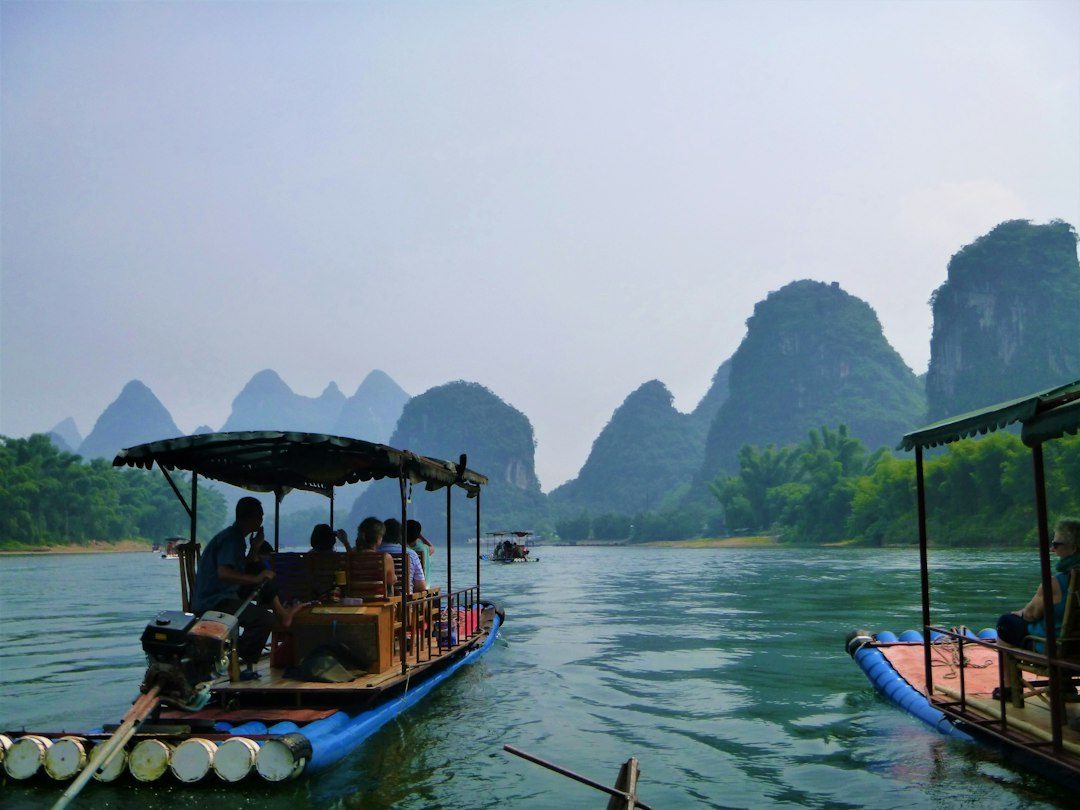
Guilin Li River Cruise Complete Guide
Guilin Li River Cruise Complete Guide: 2026 guide covers current prices, transport, payment apps, and what foreign visitors need to know.
19 min read
China Travel SIM Card eSIM Comparison 2026
The cab driver in Beijing looked at me in the rearview mirror and said, in perfect English, “You know, most tourists buy the wrong SIM card.” I’d been in China
10 min read
China Food Tour Self Guided Complete
The cab driver in Chengdu looked at me in the rearview mirror, then back at the address I’d fumbled to show him on my phone. He laughed. Not a mean laugh—the ki
16 min read