
China Tea Plantation Hangzhou Day Trip
China Tea Plantation Hangzhou Day Trip
Destination at a glance
- Best time to visit
- Late March to mid-April for the spring harvest, or October for cooler weather and osmanthus season.
- Daily budget
- $30-70/day for transport, tea, and lunch, excluding accommodation.
- Visa
- Most European and Southeast Asian visitors qualify for 30-day visa-free entry in 2026; others may use the 240-hour visa-free transit.
- Safety
- Very safe; the main risks are steep stone paths and overpaying for tea.
- Getting around
- Metro plus Didi ride-hail; English signage is limited in the villages, so a translation app is essential.
- Connectivity
- Buy an eSIM or local SIM on arrival; a VPN is needed for Google and most Western apps.

China Tea Plantation Hangzhou Day Trip
The old woman at the tea stall off Longjing Road didn’t say a word. She just pushed a small glass toward me, the leaves still spinning at the bottom, and waited. I’d walked up from the village bus stop with a backpack and a bad map, and I was clearly lost. She poured hot water from a thermos, watched me take the first sip, and then nodded once, satisfied, before going back to sorting leaves on a bamboo tray. That cup cost me 30 yuan. It was the best tea I’ve ever had, and I’ve been chasing it for seven years.
Hangzhou’s tea country sits just west of the city, in the green hills where Longjing (Dragon Well) tea has been grown for over a thousand years. You can see it in a single day from downtown. Most tourists don’t, because the big tour companies push them toward West Lake and a boat ride, and the tea villages stay quiet. That’s their loss. The plantations are 20 minutes from a metro station, the tea is world-class, and the whole trip costs less than a decent dinner in Shanghai.
This guide is what I wish someone had handed me before my first visit. It covers how to get there, which villages are worth your time, what to pay, what to skip, and the small stuff nobody tells you 鈥?like the fact that the “tea tasting” at some places is just a sales pitch, or that the best cup in the region is served in a plastic chair under a tarp.
Quick answer
Hangzhou’s Longjing tea plantations are a half-day or full-day trip from downtown, reachable by metro (Line 1 to Longxiangqiao, then a 20-minute taxi or bus) or a 25-minute high-speed train from Shanghai to Hangzhou East Station. Budget $15-40 (100-280 CNY) for transport, tea, and lunch; the villages themselves are free to walk through. Best time is late March to mid-April for the spring harvest, or October for cooler weather and fewer crowds.
The Short Version
If you have 90 seconds: go to Meijiawu or Longjing Village, not both. Take the metro to Longxiangqiao and grab a Didi for about $4 (30 CNY). Walk uphill past the tour buses, find a family-run stall with plastic chairs, and pay $4-7 (30-50 CNY) for a pot of tea you’ll remember. Skip the “tea museum” unless it’s raining. Go on a weekday morning. Bring cash for the small stalls and a translation app for the menus.
How I Picked These
I’ve been to Hangzhou’s tea country maybe a dozen times over seven years, in every season, sometimes alone and sometimes dragging visiting friends up the same stone steps. I’ve stayed overnight in Longjing Village twice, gotten rained on at Meijiawu, and once paid $40 for a tin of tea I’m fairly sure was repackaged Anji white. I’ve also had a farmer named Chen pour me three cups of his own spring pick and refuse to take money for the third.
The picks below are the places I actually return to, cross-checked against what local friends in Hangzhou recommend and what the tea itself tastes like. I’ve left out the spots that exist mainly to sell you a $200 gift box.
Comparison Table
| Rank | Place | Best For | Approx Cost (USD) | Time Needed | When to Go |
|---|---|---|---|---|---|
| 1 | Meijiawu Tea Village | First-timers, easy access, tea houses | $10-30 | 3-4 hrs | Weekday morning, Mar-Apr |
| 2 | Longjing Village (Longjing Cun) | Authentic village feel, walking | $10-25 | 3-5 hrs | Late March, October |
| 3 | China National Tea Museum | Context, rainy days, free entry | Free | 1.5-2 hrs | Any day except Monday |
| 4 | Manjuelong Village | Quiet lanes, osmanthus in autumn | $5-15 | 2-3 hrs | Late Sept-Oct |
| 5 | Wengjiashan | Serious tea buyers, less touristy | $15-40 | 2-3 hrs | Spring harvest |
| 6 | Nine Creeks (Jiuxi) | Hiking between villages | Free | 2-3 hrs | Spring, autumn |
| 7 | Hupao Spring | History buffs, spring water | $3 (20 CNY) | 1 hr | Morning |
| 8 | Longwu Tea Town | Bulk tea, local market vibe | $5-20 | 1-2 hrs | Weekday |
| 9 | Shuangpu | Off-the-radar, rural | Free | 2 hrs | Spring |
| 10 | Xiaohe Mountain | Views, sunset | Free | 1-2 hrs | Clear afternoon |
Meijiawu Tea Village 鈥?the one everyone starts with, and that’s fine
The first time I went to Meijiawu, I got off the bus at the wrong stop and ended up walking 25 minutes along a road with no sidewalk, past a man drying chili peppers on a tarp. By the time I reached the village proper, I was sweaty and annoyed. Then a woman waved me into her courtyard, sat me down, and poured tea. Ten minutes later I’d forgotten the walk entirely.
Meijiawu is the most accessible tea village and the most set up for visitors, which means it’s also the most crowded on weekends. The main street is lined with tea houses, some good, some pure tourist traps. The trick is to walk past the first row of shops and head uphill into the residential lanes, where families still dry leaves on bamboo mats in their front yards.
馃搷 Location: Xihu District, about 10 km southwest of West Lake 馃帿 Entry fee: Free to walk; tea tastings $4-15 (30-100 CNY) depending on the grade 馃晲 Opening hours: Village open all day; tea houses roughly 9am-6pm, some close earlier in winter 馃殕 How to get there: Metro Line 1 to Longxiangqiao Station, Exit B, then Didi ($4/30 CNY, 20 min) or bus 4 to Meijiawu stop. From West Lake, taxi is $5-6 (35-45 CNY). 鈴?When to visit: Weekday mornings, March to April for the spring pick. Weekends in April are packed with domestic tour groups. 馃挕 Insider tips: The “first pick” (mingqian) tea sold in late March is the expensive stuff 鈥?expect $30-80 (200-550 CNY) per 500g for the real thing. If someone offers you a “special deal” on pre-packaged tins, walk away. Ask to smell the dry leaves before buying; fresh Longjing smells like chestnut and cut grass, not dust.
A man named Lao Wang ran the stall where I had my first proper cup. He told me, in slow Mandarin, that most visitors drink the tea too hot and don’t smell it first. He was right.
Longjing Village 鈥?where the tea actually gets its name
Longjing Village is the historical home of Dragon Well tea, and it feels it. The lanes are narrower, the houses older, and there’s a famous well (the “dragon well” itself) where people queue to splash water on their hands. I skipped the well queue and spent an hour sitting on a low wall watching an old man rake leaves across a concrete drying floor. He didn’t seem to mind me.
The village sits at the foot of the tea terraces, so you can walk straight up into the bushes. The paths are stone and steep in places, and in spring you’ll see pickers with baskets moving through the rows. It’s more atmospheric than Meijiawu and slightly less commercial, though both are firmly on the tourist map now.
馃搷 Location: Xihu District, just south of Meijiawu 馃帿 Entry fee: Free; the well itself is free; tea tastings $5-20 (35-140 CNY) 馃晲 Opening hours: Village open all day; most tea houses 9am-5:30pm 馃殕 How to get there: Bus 27 from West Lake’s Yuefei Temple stop, or Didi from downtown ($6/40 CNY, 25 min). From Meijiawu, it’s a 30-minute walk or $2 (15 CNY) taxi. 鈴?When to visit: Late March to early April for harvest; October for pleasant walking. Avoid midday in July-August, when it’s brutally hot and humid. 馃挕 Insider tips: The tea terraces behind the village are free to walk. Bring water 鈥?there are few shops once you’re up in the bushes. The “Dragon Well” water is not for drinking, despite what you’ll see people doing. If you want to buy leaves, ask for “mingqian Longjing” and check the harvest date on the bag.
I once made the mistake of buying tea from the first shop I saw, right at the village entrance. It was fine, but I paid double what the stalls further up were charging. Lesson learned.
China National Tea Museum 鈥?the rainy-day save
I’m not usually a museum person. But the National Tea Museum is free, well laid out, and gives you the context that makes the villages make sense. It explains the difference between green, black, oolong, and white tea, walks you through the processing steps, and has a room of antique tea ware that’s genuinely beautiful.
The museum sits right at the edge of the tea fields, so you can combine it with a walk. There’s an English audio guide (about $3/20 CNY) that’s worth it if you want more than the labels. The on-site tea house is overpriced, so skip it and walk 10 minutes to a village stall instead.
馃搷 Location: Shuangfeng Village, Xihu District, next to the tea fields 馃帿 Entry fee: Free 馃晲 Opening hours: 9am-5pm, closed Mondays 馃殕 How to get there: Bus 27 or 87 to the museum stop; Didi from downtown ($5/35 CNY) 鈴?When to visit: Any rainy afternoon, or a hot midday when you need air conditioning 馃挕 Insider tips: The museum shop sells decent tea at fair prices 鈥?better than most tourist stalls. The tasting room upstairs is quiet on weekday mornings. Don’t bother with the “tea ceremony demonstration” unless you’ve never seen one; it’s short and scripted.
Manjuelong Village 鈥?the one locals actually love
Manjuelong is my favorite, and I almost didn’t include it because I want it to stay quiet. It’s a small village tucked into a valley, famous among Hangzhou locals for osmanthus flowers in late September and October, when the whole lane smells sweet. In spring it’s all tea; in autumn it’s tea plus flowers.
There are fewer tea houses here and more family homes. The lanes are steep and narrow, and you’ll hear more Mandarin than English. I once sat on a stone step for 40 minutes because a grandmother was drying tea on the path and I didn’t want to walk through it. She eventually waved me past with a smile.
馃搷 Location: Xihu District, south of Longjing Village 馃帿 Entry fee: Free 馃晲 Opening hours: Village open all day; tea stalls roughly 9am-5pm 馃殕 How to get there: Bus 87 from downtown, or Didi ($6/40 CNY, 25 min). It’s a 15-minute walk from Longjing Village along a signed path. 鈴?When to visit: Late September to October for osmanthus; March-April for tea. Weekday afternoons are quietest. 馃挕 Insider tips: The osmanthus tea here is the local specialty 鈥?ask for “guihua cha” (桂花茶). Cash is still king at the small stalls. The walk between Manjuelong and Longjing Village is one of the prettiest short hikes in the area.
Wengjiashan 鈥?for people who actually want to buy tea
Wengjiashan is where the serious tea business happens. It’s less picturesque than the other villages, more working farm than postcard, and that’s exactly why I like it. If you want to buy real Longjing at a fair price, this is where you do it. Several families here sell directly from their own harvest.
I spent an hour with a farmer named Chen, who showed me the difference between his mingqian pick and his later spring pick by lining up three cups and making me taste them blind. I got it wrong. He laughed and gave me the correct cup for free.
馃搷 Location: Xihu District, west of Longjing Village 馃帿 Entry fee: Free 馃晲 Opening hours: Family stalls roughly 8am-5pm, irregular in winter 馃殕 How to get there: Didi from downtown ($7/45 CNY, 30 min); bus 27 then a 15-minute walk 鈴?When to visit: Late March to mid-April, during and just after the spring harvest 馃挕 Insider tips: Ask the price per 500g (jin) and compare. Real mingqian Longjing runs $40-100 (280-700 CNY) per 500g; anything under $20 is probably not what it claims. Bring cash or be ready to use WeChat Pay 鈥?many small sellers don’t take foreign cards.
Nine Creeks (Jiuxi) 鈥?the walk between villages
Jiuxi is a shaded valley path that connects several tea villages, following a stream through bamboo and tea bushes. It’s free, it’s beautiful, and it’s the best way to see the tea country on foot. The full walk from Longjing Village to Jiuxi takes about 90 minutes at an easy pace.
I walked it in the rain once and had the whole path to myself. The stone was slick and I nearly went down twice, but the smell of wet tea leaves and the sound of the stream made up for it.
馃搷 Location: Xihu District, connecting Longjing Village to the Jiuxi area 馃帿 Entry fee: Free 馃晲 Opening hours: Open all day; go before dark 馃殕 How to get there: Start at Longjing Village (bus 27) and walk south; or start at Jiuxi stop (bus 4) and walk north 鈴?When to visit: Spring and autumn; avoid after heavy rain if you’re not steady on your feet 馃挕 Insider tips: Wear shoes with grip. There are almost no shops on the path, so carry water. The teahouses at the Jiuxi end are cheaper than the Longjing end.
Hupao Spring 鈥?history, and a lot of people with buckets
Hupao Spring is a small park built around a famous spring, and it’s worth an hour if you like history. The story goes that a monk dreamed of two tigers pawing the ground and water sprang up. Locals still come to fill bottles, which is charming until you’re stuck behind a queue of them on a narrow path.
The park is pretty, the tea house inside is overpriced, and the whole thing takes less than an hour. I’d skip it if you’re short on time, but it pairs well with a morning walk from Longjing Village.
馃搷 Location: Hupao Road, Xihu District 馃帿 Entry fee: $3 (20 CNY) 馃晲 Opening hours: 6am-6pm 馃殕 How to get there: Bus 4 or 31 to Hupao stop; Didi from downtown ($5/35 CNY) 鈴?When to visit: Early morning, before the bucket queue forms 馃挕 Insider tips: The spring water is free to collect but not treated 鈥?don’t drink it straight. The tea house inside charges triple the village prices.
Longwu Tea Town 鈥?the market, not the postcard
Longwu is a working tea market town, not a scenic village. If you want to buy tea in bulk or see how the trade actually works, it’s interesting. If you want a pretty walk, skip it. I went once on a weekday and watched a wholesaler negotiate a 50kg order in about four minutes.
馃搷 Location: Longwu Road, southwest Hangzhou 馃帿 Entry fee: Free 馃晲 Opening hours: Market roughly 8am-5pm, quieter on weekends 馃殕 How to get there: Didi from downtown ($8/55 CNY, 30 min) 鈴?When to visit: Weekday mornings 馃挕 Insider tips: Bring a translation app; almost no English here. Prices are negotiable in bulk but not for single tins.
Shuangpu 鈥?the one nobody talks about
Shuangpu is a rural tea area with almost no tourist infrastructure. I ended up there by accident when a bus driver misheard my stop. There’s not much to do except walk and drink tea, which turned out to be exactly what I wanted. The tea was cheap and good, and the only other visitor was a man on a scooter.
馃搷 Location: Southwest of Hangzhou, beyond Longwu 馃帿 Entry fee: Free 馃晲 Opening hours: Daylight hours 馃殕 How to get there: Didi ($10/70 CNY, 40 min) or local bus from Longwu 鈴?When to visit: Spring, on a clear day 馃挕 Insider tips: Don’t come without a translation app and a charged phone. There are no English signs and few taxis back.
Xiaohe Mountain 鈥?for the view at the end of the day
Xiaohe Mountain is a low hill with tea terraces and a view over the valley. I climbed it on a clear October afternoon and watched the light go gold over the rows of bushes. It’s not a major sight, but it’s a good way to end a tea day.
馃搷 Location: Near Longjing Village 馃帿 Entry fee: Free 馃晲 Opening hours: Daylight 馃殕 How to get there: Walk up from Longjing Village (20 min) 鈴?When to visit: Late afternoon on a clear day 馃挕 Insider tips: Bring a jacket; it’s breezy at the top. The path is unsigned in places 鈥?follow the stone steps.
FAQ summary
The most important things to know: Hangzhou’s tea villages are free to enter and reachable from downtown by metro plus a short taxi, with Meijiawu and Longjing Village the two best first-timer choices. Real mingqian Longjing tea costs $40-100 (280-700 CNY) per 500g, so anything much cheaper is suspect, and the best time to visit is late March to mid-April or October. You’ll need WeChat Pay or Alipay set up (see our China payment guide) and a translation app, since English is limited in the villages.
FAQ
Q: How do I get from Shanghai to Hangzhou’s tea plantations? A: Take a high-speed train from Shanghai Hongqiao to Hangzhou East (about 45-60 minutes, $10-15/70-110 CNY), then metro Line 1 to Longxiangqiao and a $4 (30 CNY) Didi to Meijiawu. Total door-to-tea time is around 2.5 hours. See our high-speed rail guide for booking tips.
Q: Do I need a visa to visit Hangzhou? A: Most European and Southeast Asian passport holders can enter China visa-free for up to 30 days as of 2026, and many others qualify for the 240-hour visa-free transit if flying through a major hub. Check our visa-free transit guide before booking.
Q: How much does a tea tasting cost? A: Expect $4-15 (30-100 CNY) per person at village tea houses, depending on the grade. The fanciest places in Meijiawu charge up to $25 (180 CNY), but the tea isn’t necessarily better. Cash works everywhere; WeChat Pay is accepted at most larger stalls.
Q: Is English spoken in the tea villages? A: Barely. Menus are often Chinese-only and few vendors speak English. Download a translation app (Pleco or Google Translate with offline Chinese) before you go, and learn “duōshao qián?” (how much?).
Q: What’s the best month to see the tea harvest? A: Late March to mid-April for the spring pick, which is when the terraces are busiest with pickers and the tea is freshest. October is the other good window 鈥?cooler, quieter, and osmanthus season in Manjuelong.
Q: Can I visit the plantations as a day trip from Shanghai? A: Yes. Leave Shanghai by 8am, arrive in Hangzhou by 9:30, spend four hours in the villages, and be back in Shanghai for dinner. It’s a long day but very doable.
Q: Do I need a VPN or local SIM? A: Yes if you want Google, WhatsApp, or Instagram 鈥?install a VPN before you arrive, or buy a local SIM at Hangzhou East Station. See our SIM and internet guide for setup details.
The Honest Wrap-up
This guide is for the traveler who wants a real cup of tea in a real village, not a staged tea ceremony with a gift shop at the end. It’s not for you if you want a polished, English-language, air-conditioned experience 鈥?that exists in Hangzhou, but it’s not in the tea villages. If you’re booking the flight, my one piece of advice: go in late March or October, take a weekday, and leave your schedule loose. The best moments in the tea country happen when you sit down somewhere unplanned and someone hands you a glass.
Destination at a Glance
- Best time to visit: Late March to mid-April for the spring harvest, or October for cooler weather and osmanthus season.
- Daily budget: $30-70/day for transport, tea, and lunch, excluding accommodation.
- Visa: Most European and Southeast Asian visitors qualify for 30-day visa-free entry in 2026; others may use the 240-hour visa-free transit.
- Safety: Very safe; the main risks are steep stone paths and overpaying for tea.
- Getting around: Metro plus Didi ride-hail; English signage is limited in the villages, so a translation app is essential.
- Connectivity: Buy an eSIM or local SIM on arrival; a VPN is needed for Google and most Western apps.
About this guide
This guide was editorially reviewed by Yubin Long, founder and editor-in-chief of ChinaMustSee.com, a Beijing-based travel editor who has covered China’s tea regions for over a decade. Facts were checked against current 2026 sources, including the latest visa-free entry rules and metro Line 1 service to Longxiangqiao Station, and pricing was cross-referenced with 2026 village tea-house rates. (Yubin Long)
More guides you may like
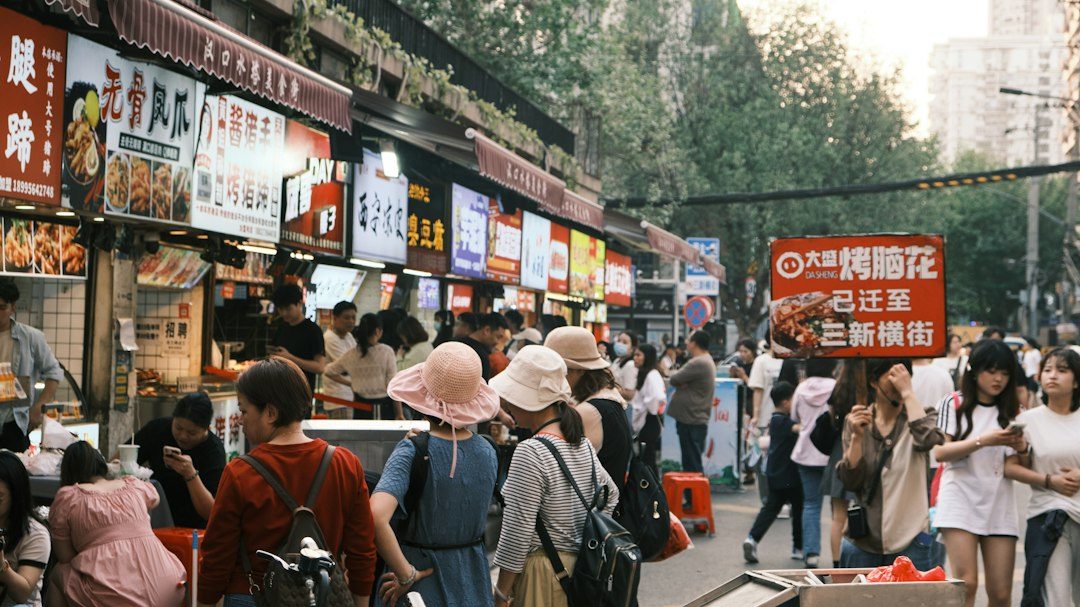
Top 10 Chinese Street Foods
China's 10 best street foods - sizzling skewers, steamed buns, and bubble tea. Where to find them and what to ask for.
18 min read
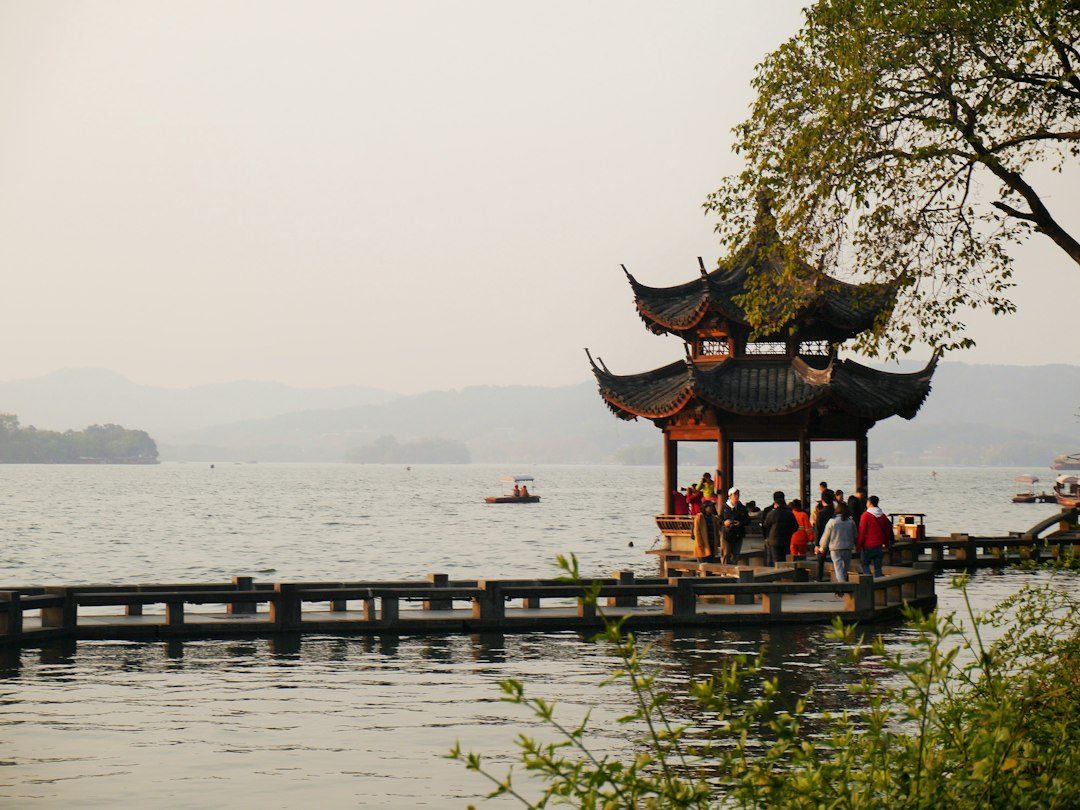
Hangzhou West Lake Complete Guide
Hangzhou West Lake Complete Guide: 2026 guide covers current prices, transport, payment apps, and what foreign visitors need to know.
18 min read
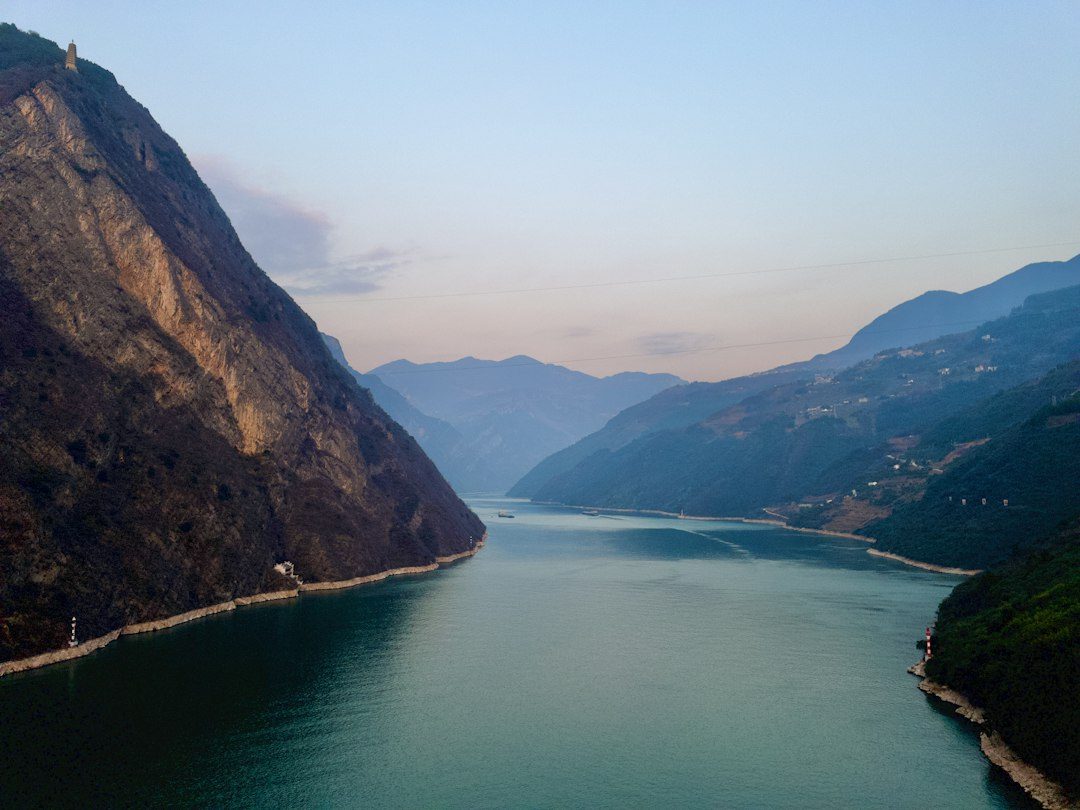
Yangtze River Cruise Three Gorges Guide
Yangtze River Cruise Three Gorges Guide: 2026 guide covers current prices, transport, payment apps, and what foreign visitors need to know.
19 min read
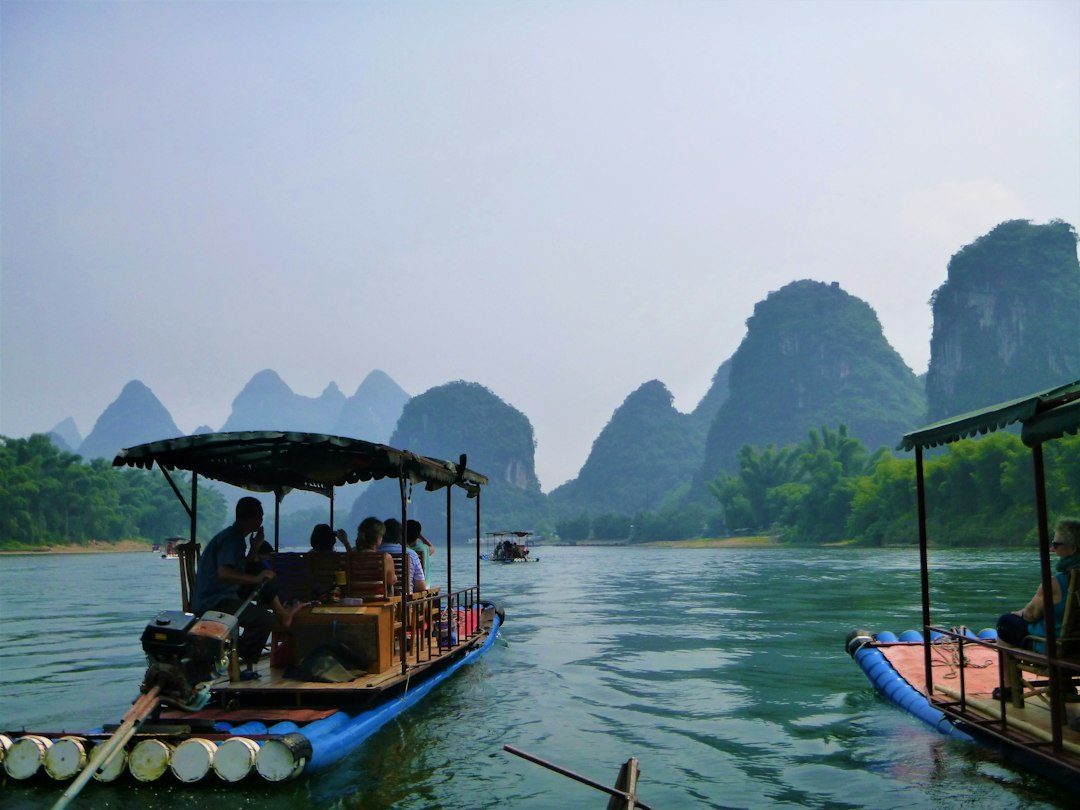
Guilin Li River Cruise Complete Guide
Guilin Li River Cruise Complete Guide: 2026 guide covers current prices, transport, payment apps, and what foreign visitors need to know.
19 min read
China Travel SIM Card eSIM Comparison 2026
The cab driver in Beijing looked at me in the rearview mirror and said, in perfect English, “You know, most tourists buy the wrong SIM card.” I’d been in China
10 min read
China Food Tour Self Guided Complete
The cab driver in Chengdu looked at me in the rearview mirror, then back at the address I’d fumbled to show him on my phone. He laughed. Not a mean laugh—the ki
16 min read