
Things to Do in Hangzhou
The first thing I noticed was the smell of osmanthus. It was late September, and I'd stepped off the high-speed train from Shanghai into a wall of warm,…
Destination at a glance
- Best time to visit
- Late March–May for spring tea harvest, or September–November for osmanthus blooms and mild weather.
- Daily budget
- $70–120/day for a mid-range foreign tourist, including hotel, food, and transport.
- Visa
- Most nationalities qualify for 240-hour visa-free transit; otherwise apply for a standard tourist visa in advance.
- Safety
- Very safe — violent crime is rare, but watch for pickpockets in crowded tourist areas.
- Getting around
- Metro is clean and cheap (¥2–7 per ride); use Alipay for ride-hailing and bike-share; English signage is limited outside major stations.
- Connectivity
- Buy an eSIM or local SIM on arrival; install a VPN before you fly for Google and social media.
The first thing I noticed was the smell of osmanthus. It was late September, and I’d stepped off the high-speed train from Shanghai into a wall of warm, sugary air that seemed to come from every direction at once. I asked the woman selling tea eggs near the exit what it was. She pointed at the trees lining the road and said one word: “桂花.” Guìhuā. Osmanthus. For the next three days I couldn’t walk a block without catching that scent, and now whenever someone mentions Hangzhou, that’s what I think of first — not the lake, not the temples, but the smell of tiny yellow flowers that bloom for about two weeks a year and make the whole city smell like a bakery.
Hangzhou has a reputation problem, at least among foreigners. Everyone knows it’s “beautiful” — Marco Polo supposedly called it the finest city in the world — but most people treat it as a day trip from Shanghai and never give it a proper look. That’s a mistake. The city has a lake that takes a full day to walk around, a tea village where you can drink Longjing in the garden where it was grown, a Buddhist temple complex carved into a cliff, and a food scene that’s quietly one of the best in eastern China. It’s also one of the easiest Chinese cities to navigate as a first-timer, which matters more than guidebooks admit.
This guide covers the ten things I’d tell a friend to do, with real prices, real transport directions, and the small stuff that trips people up.
Quick answer
Hangzhou is best visited in spring (March–May) or autumn (September–November), when temperatures sit between 60–75°F and the osmanthus blooms in late September. Most foreign visitors can enter China visa-free for up to 240 hours (10 days) under the current transit policy, which is plenty for Hangzhou plus Shanghai. Budget $70–120 per day for a comfortable trip including hotel, food, and transport — the lake itself is free, and most of the best experiences cost under $15.
The Short Version
If you have 90 seconds: spend two days minimum. Day one, walk West Lake at dawn, then hit Lingyin Temple and the tea fields at Longjing. Day two, do the Grand Canal and Hefang Street, eat as much as you can, and leave. Skip the boat tours unless you want the postcard photo. Download Alipay before you fly — you’ll need it for everything from taxis to tea.
How I Picked These
I’ve been to Hangzhou five times over seven years, in every season except deep winter. I’ve done the tourist circuit and I’ve wandered into residential neighborhoods where nobody spoke a word of English. I’ve taken the boat, skipped the boat, gotten lost looking for a tea house, and once paid 80 RMB for a cup of tea I could have bought for 15 down the road. Everything here comes from those trips, plus a lot of conversations with locals — a taxi driver named Chen who insisted I try the fish at a restaurant near his apartment, a hostel receptionist who drew me a map to a temple I’d never heard of. I’ve cross-checked prices and hours against 2026 sources, but treat the numbers as approximate. Things change.
Comparison Table
| Rank | Place | Best For | Approx Cost (USD) | Time Needed | When to Go |
|---|---|---|---|---|---|
| 1 | West Lake (西湖) | First-timers, walking, photos | Free (boat $8–15) | Half to full day | Dawn, any season |
| 2 | Lingyin Temple (灵隐寺) | History, Buddhist art | $10–11 (¥75) | 2–3 hours | Weekday morning |
| 3 | Longjing Tea Village (龙井村) | Tea, countryside, food | Free (tea $5–20) | 3–4 hours | Spring, morning |
| 4 | Grand Canal (京杭大运河) | Local life, architecture | Free (boat $4) | 2 hours | Late afternoon |
| 5 | Hefang Street (河坊街) | Snacks, souvenirs, crowds | Free | 1–2 hours | Evening |
| 6 | Leifeng Pagoda (雷峰塔) | Lake views, sunset | $5.50 (¥40) | 1 hour | Sunset |
| 7 | Xixi Wetland (西溪湿地) | Nature, birdwatching | $11 (¥80) | 3–4 hours | Spring/autumn |
| 8 | China National Tea Museum | Tea culture, quiet | Free | 1.5 hours | Weekday |
| 9 | Wushan Square & Chenghuang Pavilion | City views, local parks | Free–$4 | 1–2 hours | Morning |
| 10 | Impression West Lake Show | Evening spectacle | $40–75 (¥280–520) | 1 hour | Night, Apr–Oct |
West Lake — The Lake That Earns Its Reputation
I walked the entire perimeter on my second visit — about 9 miles — and by the end my feet were done, but I’d seen the lake change character six or seven times. The east shore is crowded and commercial. The west shore is quiet, wooded, and feels like a different city. Most tourists never make it past the Broken Bridge, which is a shame.
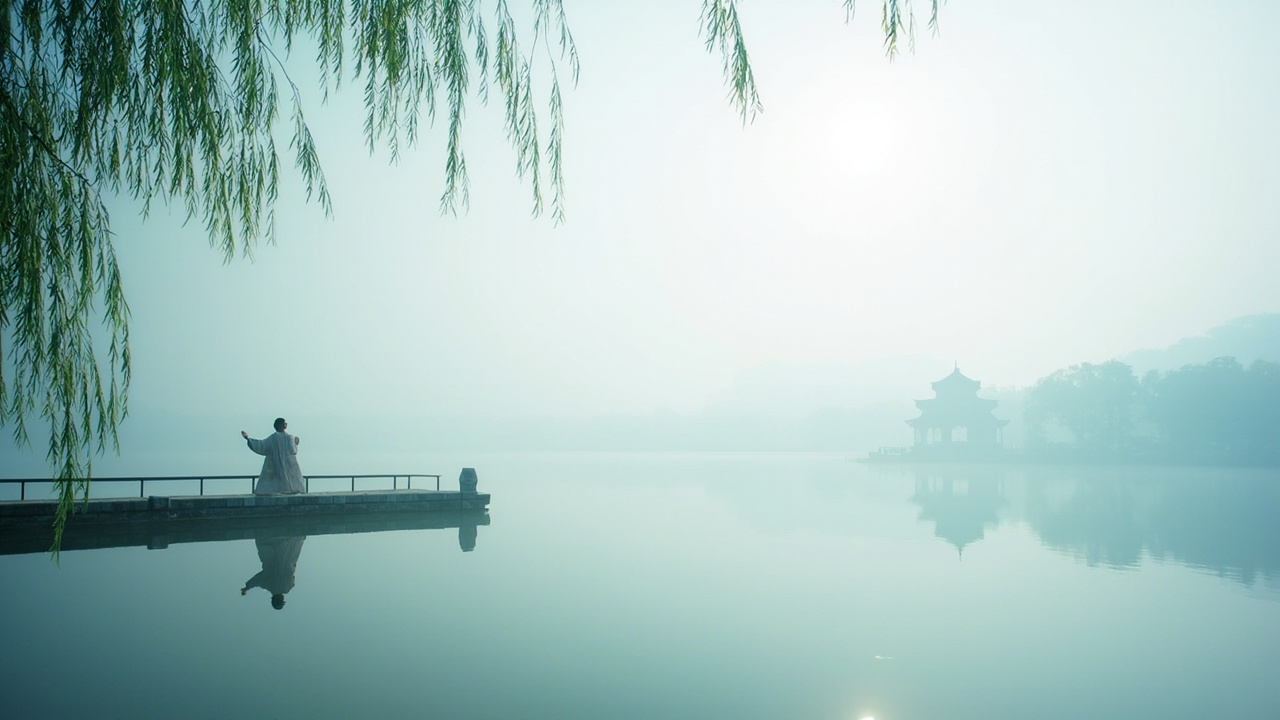
West Lake is the reason Hangzhou exists as a tourist destination, and unlike most famous lakes, it’s genuinely worth the hype. It’s a UNESCO site, ringed by temples, pagodas, and causeways built by poets and governors over a thousand years. The famous “Ten Scenes” are mostly marketing, but the lake itself — especially at dawn, when the mist sits on the water and the only sound is old men doing tai chi — is something else.
📍 Location: Xihu District, central Hangzhou 🎫 Entry fee: Free to walk the shore. Boat rides $8–15 (¥55–110). Leifeng Pagoda is separate. 🕒 Opening hours: 24 hours, but boats run roughly 8am–5pm 🚇 How to get there: Metro Line 1 to Longxiangqiao (龙翔桥) Station, Exit C — you’ll walk straight into the lake area in 5 minutes. Line 2 to Fengqi Road also works for the north shore. ⏰ When to visit: Dawn (5:30–7am) is magic. Avoid weekends and Chinese public holidays entirely if you can. 💡 Insider tips: Rent a shared bike (Hellobike or Meituan, $0.15/30 min via Alipay) and ride the Su Causeway instead of walking it. The west shore path from Quyuan Fenghe to Yanggong Causeway is the quietest stretch. Skip the “Three Pools Mirroring the Moon” island boat unless you really want the ¥1 note photo — it’s crowded and overpriced.
I once sat on a bench near the Broken Bridge at 6am and watched an old man fish for two hours without catching anything. He seemed perfectly content. That’s West Lake.
Lingyin Temple — The Cliff Carvings Are the Real Star
Everyone talks about the temple. The temple is fine — big halls, gold statues, incense smoke. But the walk in, past the Feilai Feng (飞来峰, “Peak That Flew Here”) limestone carvings, is the part that stuck with me. There are over 300 Buddhist figures carved into the rock between the 10th and 14th centuries, and most tourists walk right past them on the way to the main gate.
Lingyin is one of China’s wealthiest and most important Buddhist temples, founded in 328 AD. It’s busy, sometimes oppressively so. But the carvings on the approach are genuinely extraordinary — weathered faces, tiny details, a 30-foot Maitreya laughing at nothing. Give yourself an hour just for those.
📍 Location: Lingyin Road, Xihu District, west of West Lake 🎫 Entry fee: $10–11 (¥75) combined ticket for Feilai Feng + temple. Separate $4.50 (¥30) for the temple itself. 🕒 Opening hours: 7am–6pm (last entry 5:30pm), daily 🚇 How to get there: Metro Line 1 to Longxiangqiao, then bus 7 or Y2 to Lingyin stop (about 25 min). Or taxi from West Lake, $4–5 (¥30). ⏰ When to visit: Arrive by 7:30am. By 10am on weekends it’s a crush. 💡 Insider tips: Buy the combined ticket at the gate — it’s cheaper than buying separately. Wear shoes you can slip off, since you’ll enter halls barefoot or in socks. There’s a vegetarian restaurant inside the complex (¥30–50) that’s better than anything on the tourist strip outside. Don’t photograph monks without asking.
I made the mistake of visiting on a Saturday in October. Never again. Go on a Tuesday.
Longjing Tea Village — Drink Tea Where It Grows
The first time I went to Longjing, a woman named Mrs. Wang waved me into her front yard, sat me on a plastic stool, and poured me a cup of tea from a batch she’d picked that morning. She didn’t ask if I wanted to buy anything. She just wanted to talk about the weather. I ended up buying 200 grams of tea for about $28 (¥200), which I later learned was a fair price — the tourist shops in town charge triple.
Longjing (Dragon Well) village sits in the hills southwest of West Lake, surrounded by terraced tea fields that have been cultivated for over a thousand years. This is where China’s most famous green tea comes from. It’s not a theme park — people live and work here — but it’s set up for visitors, with tea houses, restaurants, and walking paths through the fields.
📍 Location: Longjing Road, Xihu District, about 3 miles southwest of West Lake 🎫 Entry fee: Free to walk the village and fields. Tea tasting $5–20 (¥35–150) depending on quality. 🕒 Opening hours: Village is always open; tea houses roughly 9am–6pm 🚇 How to get there: Bus 27 or Y3 from West Lake area to Longjing Chacun stop (about 20 min). Taxi from West Lake $5–6 (¥35–45). ⏰ When to visit: Spring (late March–April) is harvest season — the fields are busy with pickers and the tea is freshest. Autumn is quieter and still lovely. 💡 Insider tips: Walk 10 minutes past the main village into the terraced fields — most tourists stop at the first tea house. The China National Tea Museum is a 15-minute walk downhill and free. If someone offers you “the best tea in China” for ¥800, walk away. A good price for everyday Longjing is ¥150–300 per 500g.
Mrs. Wang’s tea was the best I’ve had in China. I still think about it.
Grand Canal — Where Locals Actually Hang Out
The Grand Canal is the oldest and longest canal in the world, and Hangzhou is its southern terminus. The section through the city — especially around Gongchen Bridge (拱宸桥) — has been restored into a pleasant waterfront strip where locals walk their dogs, kids skateboard, and old men play cards on folding tables. It’s not spectacular. It’s just nice.
This is the antidote to West Lake. No tour groups, no selfie sticks, no one trying to sell you a boat ride. Just a working canal with a few museums, some good cheap restaurants, and a sense of how people actually live in this city.
📍 Location: Gongshu District, north of the city center 🎫 Entry fee: Free. Water bus $0.60 (¥4). 🕒 Opening hours: Canal area always open; museums 9am–4:30pm (closed Mondays) 🚇 How to get there: Metro Line 5 to Gongchen Bridge East (拱宸桥东) Station, Exit B — the canal is a 5-minute walk west. ⏰ When to visit: Late afternoon (4–6pm), when the light softens and locals come out. 💡 Insider tips: Take the water bus (水上巴士) from Wulinmen Wharf to Gongchen Bridge — it’s ¥4 and a genuinely local experience. The Hangzhou Arts and Crafts Museum and the Knife, Scissors and Sword Museum are both free and oddly fascinating. Eat at one of the small noodle shops along the canal rather than the restaurants facing the water.
I spent an hour watching a man teach his grandson to fish with a bamboo pole. Neither of them caught anything. It was perfect.
Hefang Street — Tourist Trap With Good Snacks
Yes, it’s a tourist street. Yes, it’s crowded. Yes, half the shops sell the same fridge magnets. But Hefang Street (河坊街) is also where you can eat your way through a dozen Hangzhou snacks for under $10, and that alone justifies a visit.
The street runs from Wushan Square to the Southern Song Dynasty Imperial Street, and it’s been a commercial area for over 800 years. The current version is heavily restored, but the food is real. Look for: beggar’s chicken (叫花鸡), Dongpo pork (东坡肉), stinky tofu (臭豆腐 — trust me), and the candied fruit skewers that every child in China seems to be eating.
📍 Location: Shangcheng District, near Wushan Square 🎫 Entry fee: Free 🕒 Opening hours: Shops roughly 9am–10pm, busiest 6–9pm 🚇 How to get there: Metro Line 1 to Ding’an Road (定安路) Station, Exit C — 5-minute walk west. ⏰ When to visit: Evening, when the lanterns are on and the snack stalls are in full swing. Avoid weekends. 💡 Insider tips: Walk one block off the main street in any direction and prices drop by half. The Hu Qing Yu Tang Chinese Medicine Museum (¥10) at the south end is genuinely interesting and almost empty. Bring cash for the smallest stalls — some don’t take Alipay.
I paid ¥25 for a beggar’s chicken that was worth every yuan. My friend paid ¥60 for the same thing two stalls down. Walk around first.
Leifeng Pagoda — For the Sunset, Not the History
Leifeng Pagoda is a reconstruction. The original collapsed in 1924, and what stands today is a 2002 concrete-and-steel version with escalators. Purists hate it. I don’t care — the view from the top at sunset is the best in the city, and the original foundation and artifacts are preserved in the basement.
The pagoda sits on the south shore of West Lake and offers a 360-degree view of the lake, the city, and the hills beyond. Go an hour before sunset, watch the light change, and leave.
📍 Location: South shore of West Lake, Xihu District 🎫 Entry fee: $5.50 (¥40) 🕒 Opening hours: 8am–8pm (last entry 7:30pm), daily 🚇 How to get there: Bus 4 or Y3 to Jingsi Temple stop, or taxi from West Lake ($3–4). Metro Line 1 to Longxiangqiao then 20-min walk. ⏰ When to visit: Sunset, obviously. Check the time — it varies from 5pm in winter to 7pm in summer. 💡 Insider tips: The escalators only go up partway — you’ll still climb stairs. The basement museum with the original pagoda foundation is worth 15 minutes. Skip the gift shop.
I went with a friend who’s a history teacher. She spent 20 minutes in the basement and 5 minutes at the top. I did the opposite. We were both happy.
Xixi Wetland — The Quiet Alternative
Xixi is a 2,700-acre wetland park west of the city, and it’s where I go when I need a break from people. It’s not as famous as West Lake, which means it’s not as crowded. You can rent a small boat, drift through the reed channels, and hear nothing but birds.
The park has three zones (A, B, and C), and Zone C is the quietest. It’s a bit of a walk from the entrance, but that’s the point.
📍 Location: Wuchang District, about 3 miles west of West Lake 🎫 Entry fee: $11 (¥80) for the main zone; boat rides extra ($8–15) 🕒 Opening hours: 8am–5:30pm (last entry 4:30pm) 🚇 How to get there: Metro Line 5 to Xixi Wetland South (西溪湿地南) Station, Exit A — 10-minute walk to the entrance. ⏰ When to visit: Spring or autumn, weekday mornings. Summer is hot and buggy. 💡 Insider tips: Rent a bike at the entrance — the park is huge. Bring mosquito repellent in summer. The boat rides are worth it if you want to see the interior channels, but the walking paths are just as good.
I got lost in Zone C for two hours and didn’t mind at all.
China National Tea Museum — Free and Underrated
Most people skip this. Don’t. It’s free, it’s well-curated, and it explains the entire history of Chinese tea in a way that makes the rest of your trip more interesting. There’s a tasting room, a small tea garden, and almost no one there on weekdays.
📍 Location: Longjing Road, near Longjing Village 🎫 Entry fee: Free 🕒 Opening hours: 9am–4:30pm, closed Mondays 🚇 How to get there: Bus 27 or Y3 to Shuangfeng stop, or walk 15 minutes downhill from Longjing Village. ⏰ When to visit: Weekday mornings 💡 Insider tips: The tasting room at the back is free and the staff will happily explain the differences between tea types. The garden out back has examples of every major tea plant in China.
Wushan Square & Chenghuang Pavilion — City Views Without the Crowds
Wushan Square is a local park on a hill in the middle of the city, and the Chenghuang Pavilion at the top has a view that rivals Leifeng Pagoda for a fraction of the price. It’s where old men bring their birds in cages and retirees do tai chi at 6am. Go early.
📍 Location: Shangcheng District, near Hefang Street 🎫 Entry fee: Square is free; pavilion $4 (¥30) 🕒 Opening hours: Square 24 hours; pavilion 8am–5pm 🚇 How to get there: Metro Line 1 to Ding’an Road, Exit C, then 10-minute walk up the hill. ⏰ When to visit: Early morning for the local scene, or late afternoon for the view. 💡 Insider tips: The walk up through the park is pleasant and free. The pavilion itself is optional — the view from the square is almost as good.
Impression West Lake — The One Splurge
This is a Zhang Yimou production — the same director who did the Beijing Olympics opening ceremony — and it’s staged on the actual surface of West Lake. Dancers walk on water (there’s a submerged platform), the lighting is extraordinary, and the whole thing lasts about an hour. It’s touristy, it’s expensive, and I loved it.
📍 Location: Yuehu Lake, near the Yue Fei Temple, north shore of West Lake 🎫 Entry fee: $40–75 (¥280–520) depending on seat 🕒 Opening hours: Shows nightly April–October, usually 7:30pm and 8:45pm 🚇 How to get there: Bus 7 or Y1 to Yue Fei Temple stop, or taxi from West Lake ($3). ⏰ When to visit: Any clear night. Book online via Trip.com or the official WeChat account. 💡 Insider tips: Bring a jacket — it gets cold by the water. The cheap seats are fine. Skip if it’s raining.
FAQ summary
The most important things to know: Hangzhou is easily reached from Shanghai by high-speed train in under an hour, most foreign visitors can enter China visa-free for 240 hours, and the city’s top attractions (West Lake, Lingyin Temple, Longjing Village) are all within a 20-minute taxi of each other. Budget $70–120 per day, download Alipay and a VPN before you fly, and visit in spring or autumn for the best weather.
FAQ
Q: Do I need a visa to visit Hangzhou? A: Most foreign visitors can enter China visa-free for up to 240 hours (10 days) under the current transit policy, which covers Hangzhou and the surrounding region. Check the latest rules on the China visa-free transit guide before you book, since policies change.
Q: How do I get from Shanghai to Hangzhou? A: High-speed trains run every 10–15 minutes from Shanghai Hongqiao Station to Hangzhou East Station, taking 45–60 minutes. Tickets cost $10–15 (¥73–110) and can be booked via the China train travel guide or Trip.com.
Q: Is Hangzhou expensive? A: No — it’s cheaper than Shanghai or Beijing. A comfortable mid-range hotel is $50–90/night, meals are $5–15, and most attractions are free or under $15. Budget $70–120 per day total.
Q: Can I use Alipay and WeChat Pay in Hangzhou? A: Yes, and you should. Set up Alipay before you fly — it works for taxis, metro, restaurants, and most shops. Cash is accepted but increasingly awkward.
Q: Do I need a VPN in Hangzhou? A: Yes, if you want to use Google, Instagram, WhatsApp, or Gmail. Install a reputable VPN before you arrive — see the China SIM and internet guide for options. Hotel Wi-Fi is common but filtered.
Q: How many days do I need in Hangzhou? A: Two full days covers the highlights. Three days lets you slow down and add Xixi Wetland or a day trip to a nearby water town like Wuzhen.
Q: Is Hangzhou safe for solo travelers? A: Very. Violent crime is rare, streets are busy late into the night, and the metro is well-lit and staffed. Watch for pickpockets in crowded tourist areas and you’ll be fine.
The Honest Wrap-up
This list is for first-timers who want to see the real Hangzhou without spending a week doing it. It’s not for people who want luxury resorts and guided tours — you can find those, but they’re not why you come here. If you only do one thing, walk West Lake at dawn. If you do two, add Longjing Village. And if you’re on the fence about visiting at all: go in late September, when the osmanthus blooms and the whole city smells like tea and sugar. You’ll understand.
Destination at a Glance
- Best time to visit: Late March–May for spring tea harvest, or September–November for osmanthus blooms and mild weather.
- Daily budget: $70–120/day for a mid-range foreign tourist, including hotel, food, and transport.
- Visa: Most nationalities qualify for 240-hour visa-free transit; otherwise apply for a standard tourist visa in advance.
- Safety: Very safe — violent crime is rare, but watch for pickpockets in crowded tourist areas.
- Getting around: Metro is clean and cheap (¥2–7 per ride); use Alipay for ride-hailing and bike-share; English signage is limited outside major stations.
- Connectivity: Buy an eSIM or local SIM on arrival; install a VPN before you fly for Google and social media.
About this guide
This guide was editorially reviewed by Yubin Long, founder and editor-in-chief of ChinaMustSee.com, a Beijing-based travel editor who has covered China for over a decade. Facts were checked against current 2026 sources, including the latest 240-hour visa-free transit policy and updated metro line information for Hangzhou (Line 5 now connects directly to Xixi Wetland). Prices and hours are approximate and should be confirmed before travel. (Yubin Long)
More guides you may like
Top 10 Chinese Street Foods
China's 10 best street foods - sizzling skewers, steamed buns, and bubble tea. Where to find them and what to ask for.
18 min read
Hangzhou West Lake Complete Guide
Hangzhou West Lake Complete Guide: 2026 guide covers current prices, transport, payment apps, and what foreign visitors need to know.
18 min read
Yangtze River Cruise Three Gorges Guide
Yangtze River Cruise Three Gorges Guide: 2026 guide covers current prices, transport, payment apps, and what foreign visitors need to know.
19 min read
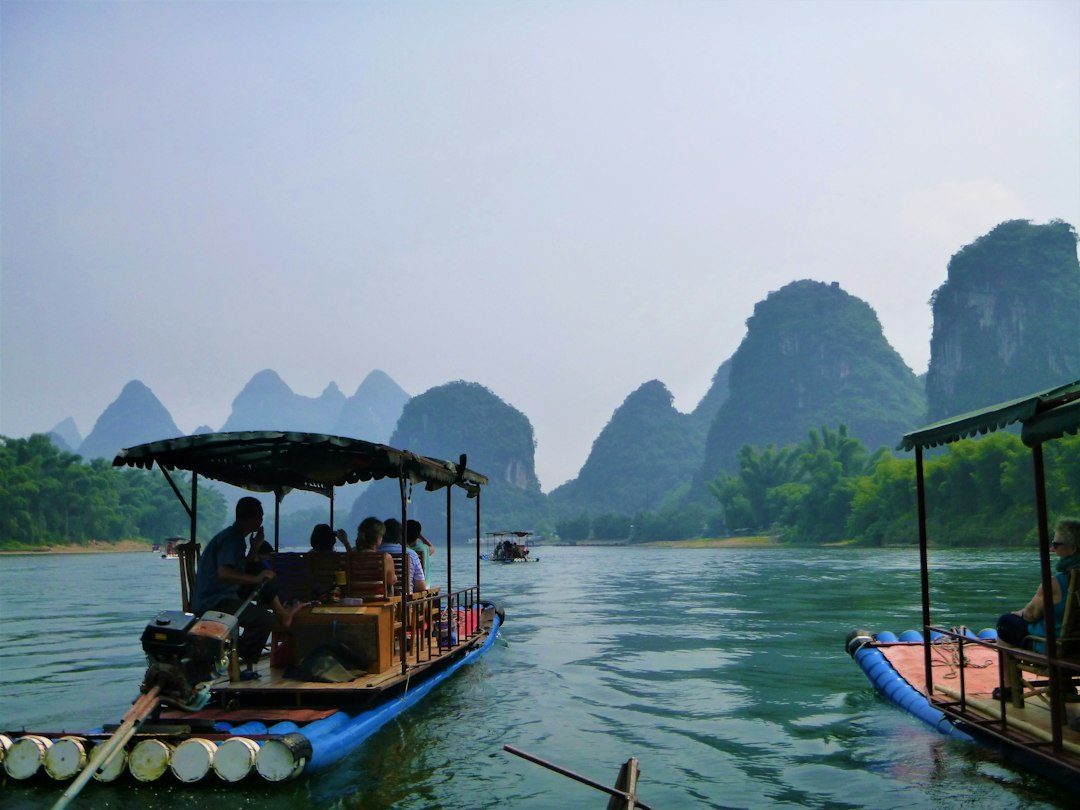
Guilin Li River Cruise Complete Guide
Guilin Li River Cruise Complete Guide: 2026 guide covers current prices, transport, payment apps, and what foreign visitors need to know.
19 min read
China Travel SIM Card eSIM Comparison 2026
The cab driver in Beijing looked at me in the rearview mirror and said, in perfect English, “You know, most tourists buy the wrong SIM card.” I’d been in China
10 min read
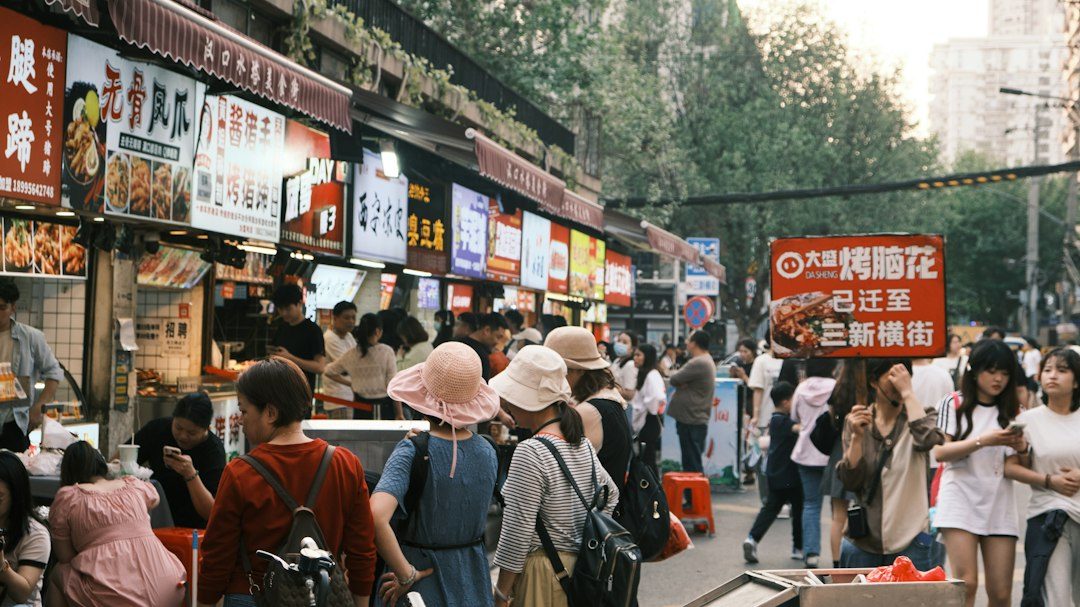
China Food Tour Self Guided Complete
The cab driver in Chengdu looked at me in the rearview mirror, then back at the address I’d fumbled to show him on my phone. He laughed. Not a mean laugh—the ki
16 min read