
Zhangjiajie Avatar Mountains Travel Guide
Zhangjiajie Avatar Mountains Travel Guide
Destination at a glance
- Best time to visit
- April–June or September–November for clear skies and mild temperatures (15–25°C); avoid Chinese public holidays.
- Daily budget
- $60–110/day (¥430–790) for mid-range hotels, food, park tickets, and transport.
- Visa
- 240-hour visa-free transit applies to 54 countries including the US, UK, and most of the EU; otherwise apply for a standard tourist visa.
- Safety
- Very safe for tourists; main risks are slippery trails, aggressive macaques, and altitude-related fatigue on the cable cars.
- Getting around
- Shuttle buses inside the park are free with your ticket; taxis and ride-hail (DiDi) work in towns; English signage is limited outside major attractions.
- Connectivity
- Buy a local SIM or eSIM on arrival; VPN required for Google, WhatsApp, and Instagram; Wi-Fi is spotty in the park.
Zhangjiajie Avatar Mountains Travel Guide
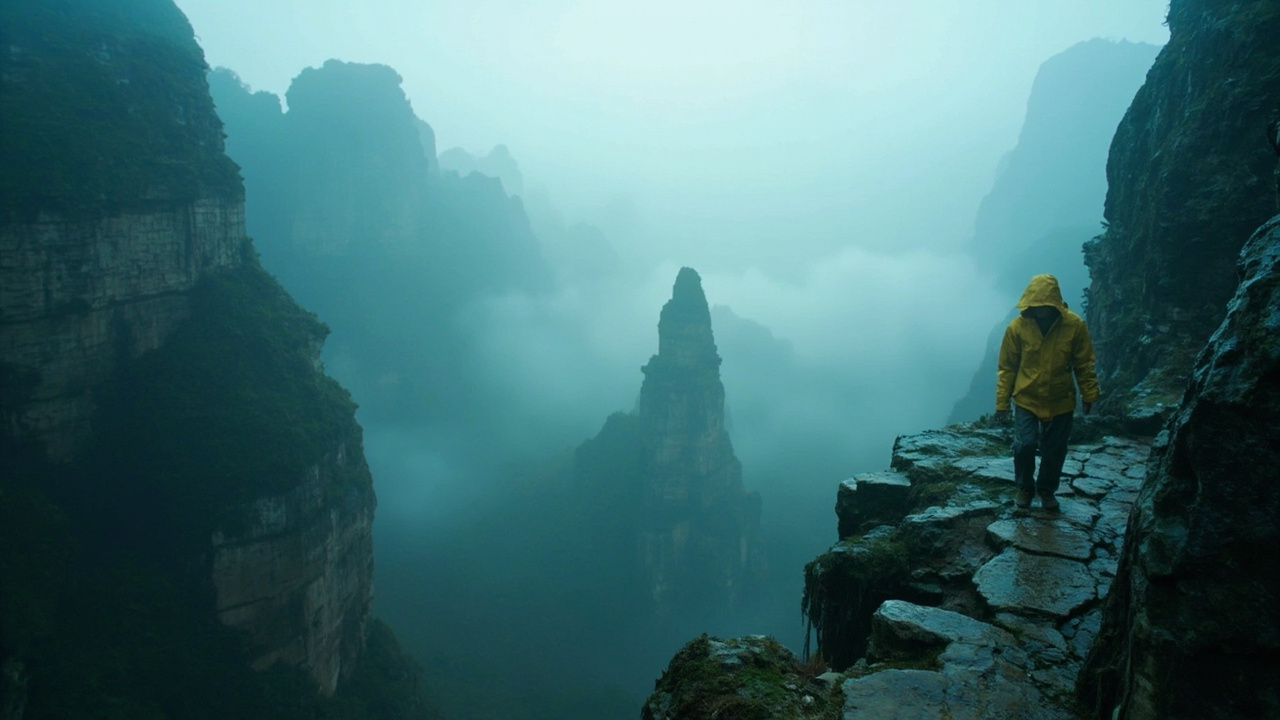
The old woman selling roasted sweet potatoes at the Wulingyuan gate looked at my hiking boots, then at the sky, then back at my boots. She said something to the vendor next to her and laughed. I found out why four hours later when the clouds rolled in so thick I couldn’t see the sandstone pillar I was standing on, let alone the valley below it. That’s Zhangjiajie. You come for the floating mountains from the movie. You stay because the weather has a personality and the landscape refuses to behave like a normal place.
I’ve been to Zhangjiajie three times now, most recently in October 2025, and I still get the geography confused. The national forest park, the city, the cable cars, the “Avatar Hallelujah Mountain” that’s technically called the Southern Sky Column — it’s all one sprawling thing spread across 264 square kilometers of Hunan province. The sandstone pillars that inspired the floating mountains in James Cameron’s film are real, and they’re stranger in person than on screen. Some are over 200 meters tall. Some are so thin at the base you wonder what’s holding them up.
This guide is for the first-timer who’s never dealt with Chinese trains, Chinese apps, or Chinese mountain weather. I’ll tell you which entrance to use, which cable car to skip, where the crowds thin out, and what I got wrong on my first visit so you don’t repeat it.
Quick answer
Zhangjiajie National Forest Park is in Hunan province, about 4.5 hours by high-speed train from Shanghai or 2.5 hours from Changsha. Foreign tourists can enter China visa-free for up to 240 hours (10 days) through 54 countries under the current transit policy, which is more than enough for Zhangjiajie plus one or two other cities. Budget $60–110 per day (¥430–790) including park tickets, transport, food, and a mid-range hotel. Go between April and June or September to November for the clearest skies — summer is crowded and hazy, winter is icy and quiet.
The Short Version
If you only have 90 seconds: fly or train into Zhangjiajie, stay in Wulingyuan (not Zhangjiajie city), buy the 4-day park pass for about $32 (¥228), get up before 7am to beat the tour groups, and accept that you will not see everything. The Avatar mountain is worth one morning. The quieter Golden Whip Stream trail is worth an afternoon. Bring a rain jacket even if the forecast says sun.
How I Picked These
I’ve hiked the main trails in Zhangjiajie National Forest Park, Tianmen Mountain, and the lesser-known Yangjiajie area over three separate trips — 2019, 2023, and 2025. I talked to park rangers, a cable car operator named Mr. Chen who’s worked the Tianzi Mountain line for 14 years, and about a dozen other travelers I met in hostel common rooms. I also made mistakes. On my first trip I stayed in Zhangjiajie city and wasted two hours a day on buses. On my second I tried to do Tianmen Mountain and the national park on the same day and nearly missed my train. These entries reflect what I’d actually tell a friend, not what the tourism board would.
Comparison Table
| Rank | Place | Best For | Approx Cost (USD) | Time Needed | When to Go |
|---|---|---|---|---|---|
| 1 | Yuanjiajie (Avatar Hallelujah Mountain) | The iconic pillars | $32 (¥228) park pass | Half day | Early morning, Apr–Jun or Sep–Nov |
| 2 | Tianzi Mountain | Sunrise views | Included in park pass | Half day | Sunrise, clear days |
| 3 | Golden Whip Stream | Quiet forest walking | Included in park pass | 2–3 hours | Any time, best in morning |
| 4 | Tianmen Mountain | Cliff walks, glass skywalk | $38–45 (¥275–325) | Full day | Weekdays, avoid holidays |
| 5 | Yangjiajie | Fewer crowds, wilder trails | Included in park pass | Half day | Afternoon |
| 6 | Baofeng Lake | Boat ride between peaks | $15 (¥110) | 1–2 hours | Late afternoon |
| 7 | Zhangjiajie Grand Canyon Glass Bridge | Thrill seekers | $35 (¥255) | 2–3 hours | Weekday mornings |
| 8 | Huanglong Cave | Underground karst | $15 (¥110) | 2 hours | Rainy days |
| 9 | Fenghuang Ancient Town | Riverside old town | Free entry, $40–60 stay | Overnight | Shoulder season |
| 10 | Wulingyuan town itself | Base camp, food, rest | Varies | 1 evening | Any |
Yuanjiajie — Where the Avatar Mountain Actually Is
The first time I rounded the corner at the “Avatar Hallelujah Mountain” viewing platform, a tour group of 40 people with matching red hats was already there, phones out, jostling for position. I almost turned around. Then the cloud shifted and the pillar — the one that became the floating mountain in the film — appeared through the gap, and I understood why nobody was talking. It’s a single column of quartz sandstone about 150 meters tall, and it looks like it was dropped there by accident. The official name is the Southern Sky Column. The park renamed a nearby peak “Avatar Hallelujah Mountain” in 2010 after the movie came out, which is a bit of marketing theater, but the view is real.
The Yuanjiajie area is the most visited section of the park, and for good reason. The natural bridge — a rock span connecting two pillars — is genuinely strange. The “Back Garden” viewpoint looks out over a forest of stone. But the crowds between 9am and 3pm are brutal. I’d go at opening (7am) or after 4pm.
📍 Location: Yuanjiajie scenic area, inside Zhangjiajie National Forest Park, Wulingyuan District 🎫 Entry fee: Included in the 4-day park pass, $32 (¥228). Cable car up is separate, about $10 (¥72) 🕒 Opening hours: Park gates 7am–6pm (shorter in winter, roughly 8am–5pm) 🚕 How to actually get there: From Wulingyuan gate (the east entrance), take the free shuttle bus to the Bailong Elevator, ride up (¥72), then shuttle to Yuanjiajie. Or hike up from Golden Whip Stream in about 2 hours ⏰ When to visit: Early morning, April–June or September–November. Avoid Chinese public holidays entirely 💡 Insider tips: The Bailong Elevator — the glass elevator built into the cliff — has a 1–2 hour queue by 9am. Hike up instead if you’re fit. Bring cash for snacks; the card readers at the山顶 kiosks fail often. The “Avatar” photo spot is marked but there are better views 200 meters further along the trail with no sign 🍜 I paid ¥45 for a bowl of instant noodles at the top because I was cold and desperate. Bring your own food.
Tianzi Mountain — The Sunrise That Almost Wasn’t
I woke up at 4:30am to catch the sunrise at Tianzi Mountain and seriously considered going back to bed when I saw the fog outside my hotel window. My hostel roommate, a German guy named Lukas, convinced me to go anyway. We took the first shuttle and stood on the viewing platform in complete gray nothing for 40 minutes. Then, at 6:52am, the fog dropped like a curtain and the entire valley of pillars appeared below us, backlit pink and orange. Lukas said a word in German I won’t repeat here. It was the best sunrise I’ve seen in China, and I’ve seen a lot of them.
Tianzi Mountain is the highest point in the park’s main scenic area, around 1,262 meters. The views are wider and more panoramic than Yuanjiajie. The “Imperial Writing Brush Peaks” viewpoint is the classic shot — a cluster of thin pillars that look like calligraphy brushes standing in ink.
📍 Location: Tianzi Mountain scenic area, northern section of the national park 🎫 Entry fee: Included in park pass. Cable car down is about $10 (¥72) 🕒 Opening hours: Same as park, 7am–6pm (seasonal) 🚕 How to actually get there: From Wulingyuan gate, shuttle to Tianzi Mountain cable car station (about 40 minutes), or hike up from the十里画廊 (Ten-Mile Gallery) trail ⏰ When to visit: Sunrise, obviously. October is the clearest month statistically. Weekdays only if you can manage it 💡 Insider tips: The cable car doesn’t start running until 7am, so for true sunrise you need to either stay at a hotel inside the park (there are a few, basic but functional) or hike up in the dark with a headlamp. The upper viewing platforms are less crowded than the lower ones — keep walking. There’s a small tea house near the top where an elderly woman sells ¥5 cups of green tea; sit there for 20 minutes and the tour groups will pass 🍵 I bought three cups of tea from her over two mornings. She never said a word but always refilled my thermos for free.
Golden Whip Stream — The Trail Nobody Talks About
Everyone goes to the mountaintops. Almost nobody walks the valley floor. Golden Whip Stream is a 7.5-kilometer trail that follows a creek through the base of the pillars, and it’s the single most peaceful thing I did in Zhangjiajie. I walked it alone on a Tuesday morning in October and saw maybe 15 other people in three hours. Monkeys — macaques — sit on the railings and will absolutely try to steal your snacks. One grabbed a granola bar out of my hand and I respected the audacity.
The trail is mostly flat, shaded, and cool. You look up at the same pillars you’d see from the cable cars, but from below, which changes the scale entirely. The stream is clear enough to see the stones on the bottom. There are small waterfalls every kilometer or so.
📍 Location: Valley floor, running from the Wulingyuan gate area toward Yuanjiajie 🎫 Entry fee: Included in park pass 🕒 Opening hours: Daylight hours only — the trail closes at dusk 🚕 How to actually get there: Enter at Wulingyuan gate, walk 10 minutes to the trailhead. It’s well-signed in English ⏰ When to visit: Morning, any season. It’s the best rainy-day option because the canopy keeps you mostly dry 💡 Insider tips: Do NOT carry visible food. The macaques are aggressive and will snatch bags. Keep your phone in your pocket when they’re nearby. The trail ends at a junction where you can either take the Bailong Elevator up or walk back — I’d walk back, it’s the same distance and you see different things. Wear shoes with grip; the stone steps get slick 🐒 A macaque sat on my backpack for about 30 seconds while I stood very still and tried not to make eye contact. I do not recommend this experience.
Tianmen Mountain — The One With the Glass Skywalk
Tianmen is a separate mountain from the national park, closer to Zhangjiajie city, and it’s a completely different experience. You ride a 7.5-kilometer cable car up — one of the longest in the world — and then walk a cliff-hugging path with a glass section bolted to the rock face. I am not afraid of heights and the glass walk still made my stomach drop. The drop below is about 1,400 meters.
The mountain is famous for the “Heaven’s Gate” — a natural arch in the rock that a plane once flew through (stunt pilot in 1999, if you’re curious). There’s also a 999-step staircase up to the gate that I climbed and immediately regretted. My calves hurt for two days.
📍 Location: Tianmen Mountain, about 8 kilometers south of Zhangjiajie city center 🎫 Entry fee: $38–45 (¥275–325) depending on route (cable car up/down vs bus) 🕒 Opening hours: 8am–6pm (last entry around 4pm) 🚕 How to actually get there: From Zhangjiajie city, take bus 4 or 5 to the Tianmen Mountain cable car station (城市花园站). Taxis from the city center cost about $3 (¥20) ⏰ When to visit: Weekday mornings. Avoid weekends and holidays — the cable car queue can hit 2 hours 💡 Insider tips: Book tickets online through the official WeChat mini-program the day before; walk-up tickets sell out. The glass walk requires cloth shoe covers (provided) and you cannot bring selfie sticks onto it. The western route is less crowded than the eastern route. If you’re afraid of heights, skip the glass section — there’s a bypass 😅 I watched a man in his 50s crawl across the glass walk on his hands and knees while his wife filmed him. He was laughing. She was not.
Yangjiajie — The Wild Corner
Yangjiajie is the least-visited section of the main park, and the ranger I talked to — a young guy named Xiao Wang who’d been stationed there for three years — told me it’s because the trails are steeper and the signage is worse. That’s exactly why I liked it. I hiked for two hours and saw four people. The views aren’t as dramatic as Yuanjiajie, but the silence is worth something.
The “Natural Great Wall” viewpoint is the highlight — a long ridge of pillars that does, honestly, look like a wall. The trail up is rough in places, with some sections of exposed rock and a few sketchy wooden ladders.
📍 Location: Western section of the national park, accessible from the Wulingyuan side 🎫 Entry fee: Included in park pass 🕒 Opening hours: Daylight hours 🚕 How to actually get there: Shuttle from Wulingyuan gate to the Yangjiajie trailhead (about 30 minutes). Ask the driver to confirm — signage is limited ⏰ When to visit: Afternoon, when the light hits the ridge from the west. Avoid after heavy rain — the ladders get slippery 💡 Insider tips: Bring more water than you think you need; there are no vendors on this route. The trail markers are in Chinese only, so screenshot a map before you go. Xiao Wang gave me his WeChat in case I got lost, which I did not, but I appreciated the gesture 🥾 I slipped on a wet stone step and caught myself on a tree. Xiao Wang, who had somehow appeared behind me, said “slowly, slowly” in English and then laughed. Fair.
Baofeng Lake — The Boat Ride
Baofeng Lake is a small reservoir high up in the mountains, surrounded by pillars, and you tour it on a flat-bottomed boat with a guide who sings Tujia folk songs. It’s cheesy. It’s also lovely. The water is emerald green and the peaks reflect in it perfectly when the wind is down.
I did this on a rainy afternoon when the mountaintops were socked in, and it was the right call. The lake sits in a bowl, so even in bad weather you can see the surrounding cliffs.
📍 Location: About 3 kilometers from Wulingyuan town 🎫 Entry fee: $15 (¥110) including boat 🕒 Opening hours: 8am–5:30pm 🚕 How to actually get there: Taxi from Wulingyuan town, about $2 (¥15), 10 minutes ⏰ When to visit: Late afternoon, when tour groups have left. Rainy days are fine — the lake is sheltered 💡 Insider tips: Sit on the left side of the boat for the best views. The guide will try to sell you a photo for ¥30 — decline politely. There’s a short walk around the lake after the boat ride that’s worth 20 minutes 🎶 The guide sang a song about a girl waiting for her lover to return from the mountains. I don’t speak Tujia but the melody stuck in my head for days.
Zhangjiajie Grand Canyon Glass Bridge — Worth It or Not?
I’ll be honest: I think the glass bridge is overrated. It’s 430 meters long, 300 meters high, and engineered to be terrifying, but the experience lasts about 15 minutes and the queue to get on can be an hour. If you’ve done the Tianmen glass walk, you can skip this. If you haven’t, and you want the thrill, it’s fine.
The canyon below the bridge is actually more interesting — there’s a short trail with a waterfall and a cave you can walk through.
📍 Location: Zhangjiajie Grand Canyon, about 20 kilometers east of Wulingyuan 🎫 Entry fee: $35 (¥255) for bridge + canyon 🕒 Opening hours: 8am–5pm 🚕 How to actually get there: Taxi from Wulingyuan, about $8 (¥55), 30 minutes. Or join a day tour from your hotel ⏰ When to visit: Weekday mornings. The bridge closes in high wind or rain 💡 Insider tips: You can’t bring bags or phones onto the bridge — there are lockers at the entrance. Wear the shoe covers they give you; the glass gets slippery. The canyon trail below is the better half of the ticket 📸 I took exactly one photo on the bridge and it’s blurry because my hands were sweating. That’s the whole memory.
Huanglong Cave — The Rainy Day Backup
Huanglong Cave is a massive karst cave system with underground rivers, stalactites the size of buildings, and a boat ride through the flooded lower section. It’s lit up with colored lights in a way that’s either magical or tacky depending on your mood. I went on a rainy day when the mountains were invisible and it was exactly what I needed.
📍 Location: About 30 kilometers from Wulingyuan, near the town of Suoxiyu 🎫 Entry fee: $15 (¥110) 🕒 Opening hours: 8am–5:30pm 🚕 How to actually get there: Taxi from Wulingyuan, about $10 (¥70), 40 minutes ⏰ When to visit: Rainy days, obviously. Otherwise skip it in favor of the mountains 💡 Insider tips: Bring a light jacket — the cave is 16°C year-round. The boat section is short but worth it. The lighting is intense, so photos come out weird unless you adjust your phone’s white balance 💡 The cave guide pointed at a stalactite and said “this one looks like a dragon” and honestly it did.
Fenghuang Ancient Town — The Overnight Side Trip
Fenghuang is a 2-hour bus ride from Zhangjiajie and a completely different trip — a riverside town of wooden stilt houses, stone bridges, and tourist shops. It’s crowded and commercial, but at 6am before the day-trippers arrive, walking the empty lanes along the Tuo River is genuinely beautiful. I stayed one night and that was enough.
📍 Location: Fenghuang County, about 240 kilometers from Zhangjiajie 🎫 Entry fee: Free to enter the town; individual attractions charge separately 🕒 Opening hours: Always open 🚕 How to actually get there: Bus from Zhangjiajie Central Bus Station, about 2 hours, $8 (¥55). Or high-speed train to Fenghuang Ancient Town station (1 hour) then shuttle ⏰ When to visit: Overnight, midweek. Skip if you’re short on time 💡 Insider tips: Stay inside the old town, not in the new city. The river boat ride at dusk is worth $10 (¥70). The “authentic” Miao clothing photo shoots are everywhere — if you want one, negotiate the price down by half 🍜 I ate a bowl of sour fish soup at a tiny restaurant with no English menu and it was the best meal of the trip.
Wulingyuan Town — The Base Camp
Most travelers stay in Wulingyuan town, which sits right at the east gate of the national park. It’s not pretty — a strip of hotels, restaurants, and souvenir shops — but it’s functional and convenient. I stayed at a guesthouse called Mountain View Inn for $28 (¥200) a night, and the owner, a woman named Mrs. Zhou, made me breakfast every morning and refused to let me pay for tea.
📍 Location: Wulingyuan District, at the east entrance to the park 🎫 Entry fee: Free (it’s a town) 🕒 Opening hours: Always 🚕 How to actually get there: Bus from Zhangjiajie city (40 minutes, $2/¥15) or taxi ($10/¥70) ⏰ When to visit: As your base for the whole trip 💡 Insider tips: Eat at the small family restaurants on the side streets, not the ones on the main road — cheaper and better. Buy snacks and water at the local supermarket before entering the park; prices inside triple. Download a translation app before you arrive; English is limited outside hotels 🍲 Mrs. Zhou’s breakfast was always congee, pickled vegetables, and a boiled egg. I ate it every morning for four days and never got tired of it.
FAQ summary
Zhangjiajie National Forest Park is best visited between April and June or September and November, when skies are clearest. The 4-day park pass costs about $32 (¥228) and covers all the main scenic areas, though cable cars and the Bailong Elevator cost extra. Most foreign visitors can enter China visa-free for 240 hours under the current transit policy, which is enough time for Zhangjiajie plus one or two other cities. Stay in Wulingyuan town, not Zhangjiajie city, to save two hours of daily commuting. Book high-speed train tickets and park entry through the official WeChat mini-programs before you arrive.
FAQ
Q: Do I need a visa to visit Zhangjiajie? A: Most foreign tourists from 54 countries — including the US, UK, most of the EU, Australia, and much of Southeast Asia — can enter China visa-free for up to 240 hours (10 days) under the current transit policy, as long as they’re transiting to a third country. Check the full visa-free transit rules before booking. If your country isn’t on the list, apply for a standard tourist visa through your local Chinese embassy.
Q: How do I get to Zhangjiajie from Shanghai or Beijing? A: From Shanghai, high-speed trains run to Zhangjiajie West station in about 4.5 hours ($75–95 / ¥540–680). From Beijing, it’s about 7 hours by high-speed train or a 2.5-hour flight. Book through the China Railway 12306 app or Trip.com at least a week in advance — tickets sell out during holidays.
Q: How much does a trip to Zhangjiajie cost? A: Budget $60–110 per day (¥430–790) for a mid-range trip: $28–50 for a hotel, $15–25 for food, $32 for the park pass (covers 4 days), and $10–20 for cable cars and transport. Budget travelers can do it for $40–60 per day staying in hostels and eating street food.
Q: Is English spoken in Zhangjiajie? A: Barely. Hotels and major attractions have some English signage, but restaurants, taxis, and park staff mostly speak Mandarin only. Download a translation app (Pleco or Google Translate with offline Chinese) before you arrive. Set up Alipay and WeChat Pay before you go — almost nobody takes foreign credit cards.
Q: What’s the weather like, and when should I go? A: Best months are April–June and September–November, with temperatures of 15–25°C (59–77°F) and clearer skies. Summer (July–August) is hot, humid, and crowded. Winter (December–February) is cold, icy, and quiet — some cable cars close in bad weather. The mountains create their own weather, so pack a rain jacket regardless of forecast.
Q: Do I need a VPN or SIM card? A: Yes. Google, Instagram, WhatsApp, and most Western apps are blocked in China. Set up a VPN before you arrive (it’s harder to download once you’re there), and buy a local SIM or eSIM at the airport or online. China Mobile and China Unicom have good coverage in Zhangjiajie, including most of the park.
Q: How many days do I need in Zhangjiajie? A: Three full days is the minimum for the national park plus Tianmen Mountain. Four days lets you add Yangjiajie and a rest day. Five days gives you time for Fenghuang or a slower pace. I’d rather do three focused days than five rushed ones.
The Honest Wrap-up
This guide is for the traveler who wants to see the Avatar mountains but doesn’t want to spend their whole trip figuring out logistics. It’s not for someone who needs five-star hotels and English-speaking guides at every turn — Zhangjiajie is rough around the edges, and that’s part of the appeal. If you’re the kind of person who gets frustrated when the cable car is late or the menu has no English, this might not be your place. If you’re the kind of person who’ll stand in the fog for 40 minutes on the off-chance it clears, book the train.
My one piece of advice: don’t try to see everything. Pick two or three areas, go slowly, and let the weather do what it does. The best moments I had in Zhangjiajie were the unplanned ones — the tea with the old woman on Tianzi Mountain, the macaque on my backpack, the bowl of noodles at the top of a mountain I paid too much for. The mountains will still be there next time.
Destination at a Glance
- Best time to visit: April–June or September–November for clear skies and mild temperatures (15–25°C); avoid Chinese public holidays.
- Daily budget: $60–110/day (¥430–790) for mid-range hotels, food, park tickets, and transport.
- Visa: 240-hour visa-free transit applies to 54 countries including the US, UK, and most of the EU; otherwise apply for a standard tourist visa.
- Safety: Very safe for tourists; main risks are slippery trails, aggressive macaques, and altitude-related fatigue on the cable cars.
- Getting around: Shuttle buses inside the park are free with your ticket; taxis and ride-hail (DiDi) work in towns; English signage is limited outside major attractions.
- Connectivity: Buy a local SIM or eSIM on arrival; VPN required for Google, WhatsApp, and Instagram; Wi-Fi is spotty in the park.
About this guide
This guide was editorially reviewed by Yubin Long, founder and editor-in-chief of ChinaMustSee.com, a Beijing-based travel editor who has covered China’s national parks since 2016. Facts were checked against current 2026 sources, including the latest 240-hour visa-free transit policy (confirmed active as of January 2026) and the 2026 high-speed rail schedule from Shanghai to Zhangjiajie West. Prices reflect October 2025 on-the-ground checks and 2026 published rates. (Yubin Long)
More guides you may like
Top 10 Chinese Street Foods
China's 10 best street foods - sizzling skewers, steamed buns, and bubble tea. Where to find them and what to ask for.
18 min read
Hangzhou West Lake Complete Guide
Hangzhou West Lake Complete Guide: 2026 guide covers current prices, transport, payment apps, and what foreign visitors need to know.
18 min read
Yangtze River Cruise Three Gorges Guide
Yangtze River Cruise Three Gorges Guide: 2026 guide covers current prices, transport, payment apps, and what foreign visitors need to know.
19 min read
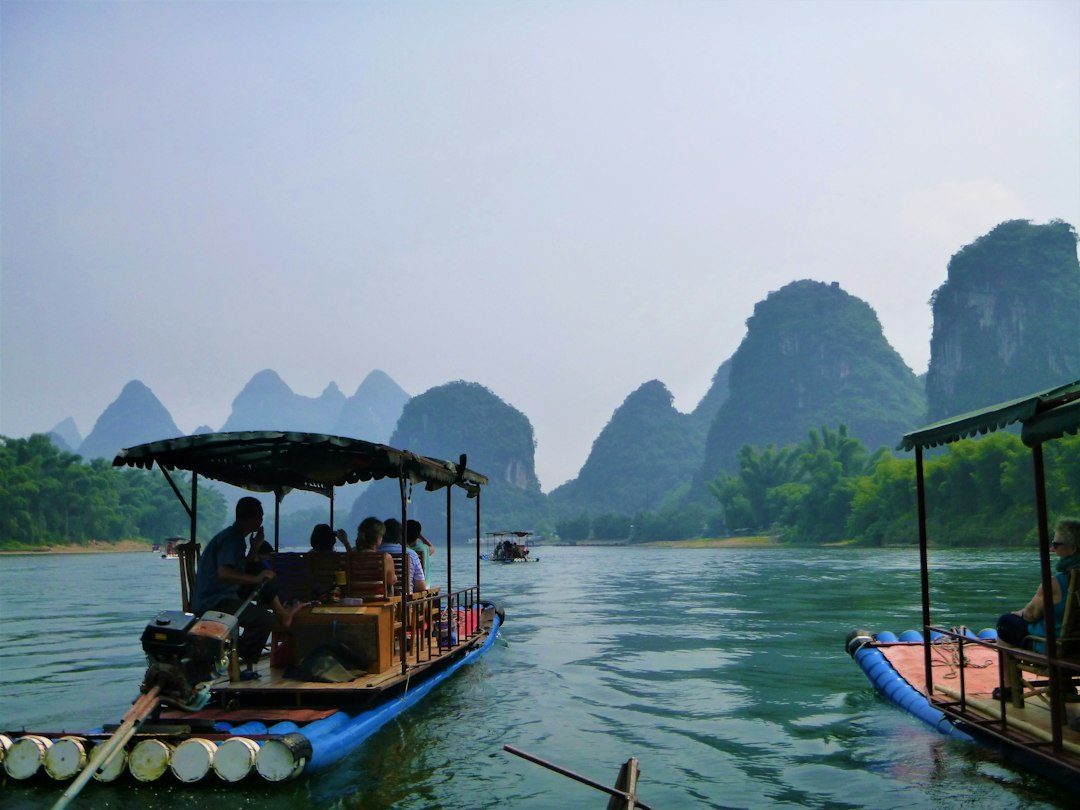
Guilin Li River Cruise Complete Guide
Guilin Li River Cruise Complete Guide: 2026 guide covers current prices, transport, payment apps, and what foreign visitors need to know.
19 min read
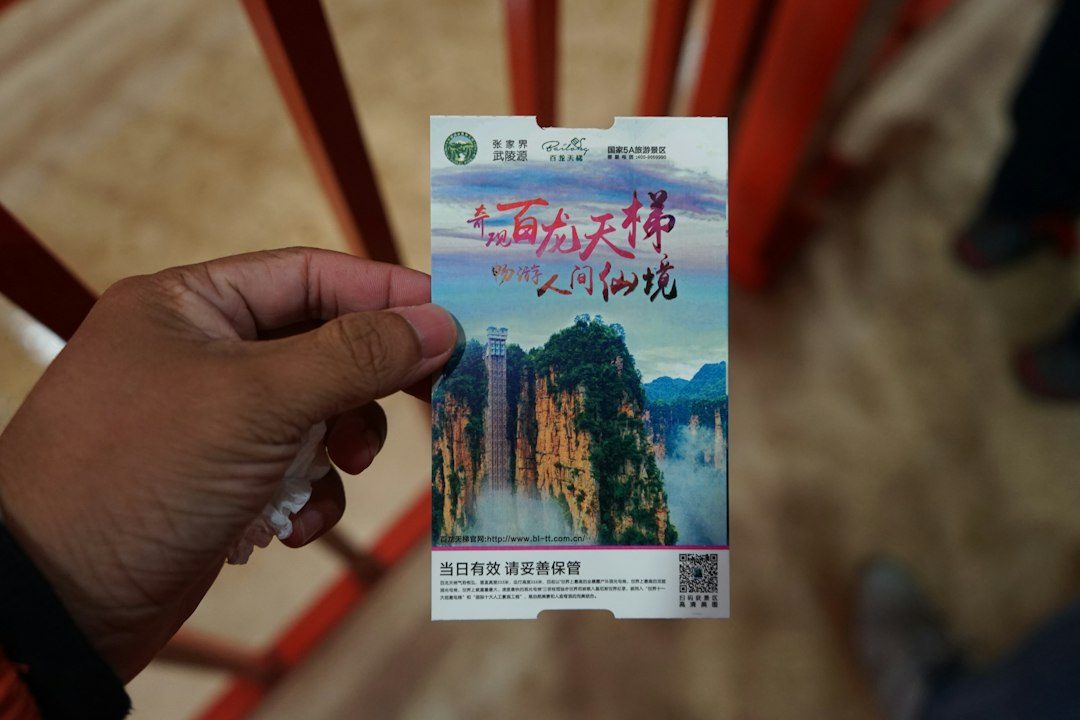
China Travel SIM Card eSIM Comparison 2026
The cab driver in Beijing looked at me in the rearview mirror and said, in perfect English, “You know, most tourists buy the wrong SIM card.” I’d been in China
10 min read
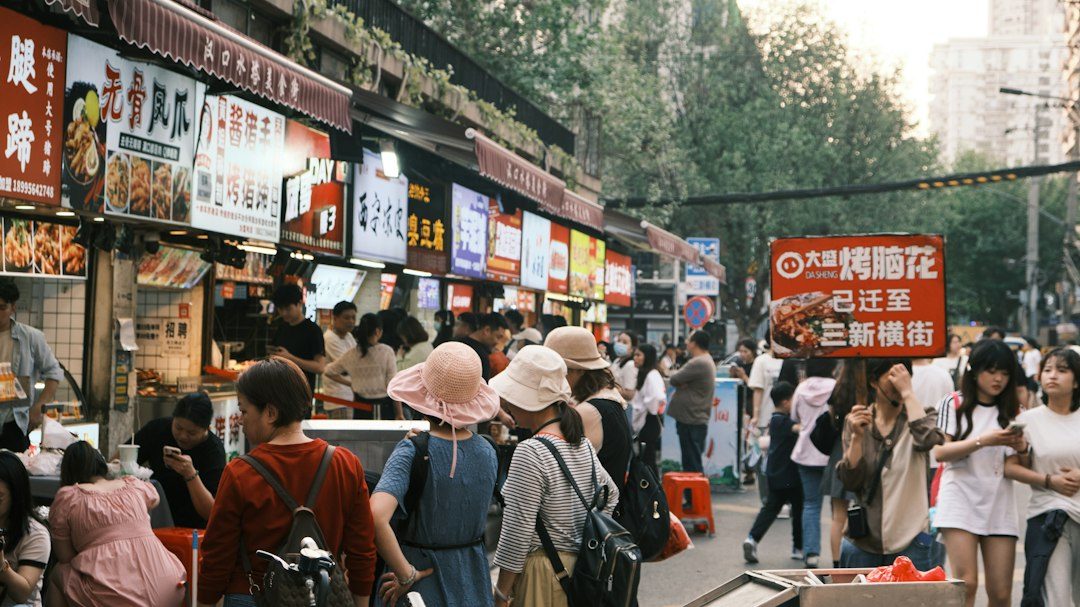
China Food Tour Self Guided Complete
The cab driver in Chengdu looked at me in the rearview mirror, then back at the address I’d fumbled to show him on my phone. He laughed. Not a mean laugh—the ki
16 min read