
Xinjiang Cuisine Guide
The first thing I ate in Xinjiang was a mistake, and I knew it about four seconds in. I was in Urumqi's Erdaoqiao night market, jet-lagged and…
Destination at a glance
- Best time to visit
- May to October, with September best for fruit and comfortable heat.
- Daily budget
- $45–90/day for food, transport, and mid-range lodging.
- Visa
- A standard tourist visa is safest; the 240-hour visa-free transit rule applies but is impractical given Xinjiang's distance from international hubs.
- Safety
- Generally safe for tourists, with standard big-city precautions.
- Getting around
- Metro in Urumqi plus ride-hail apps; English signage is limited outside major stations.
- Connectivity
- Buy a local SIM or eSIM on arrival; a VPN is needed for Google and most Western apps.
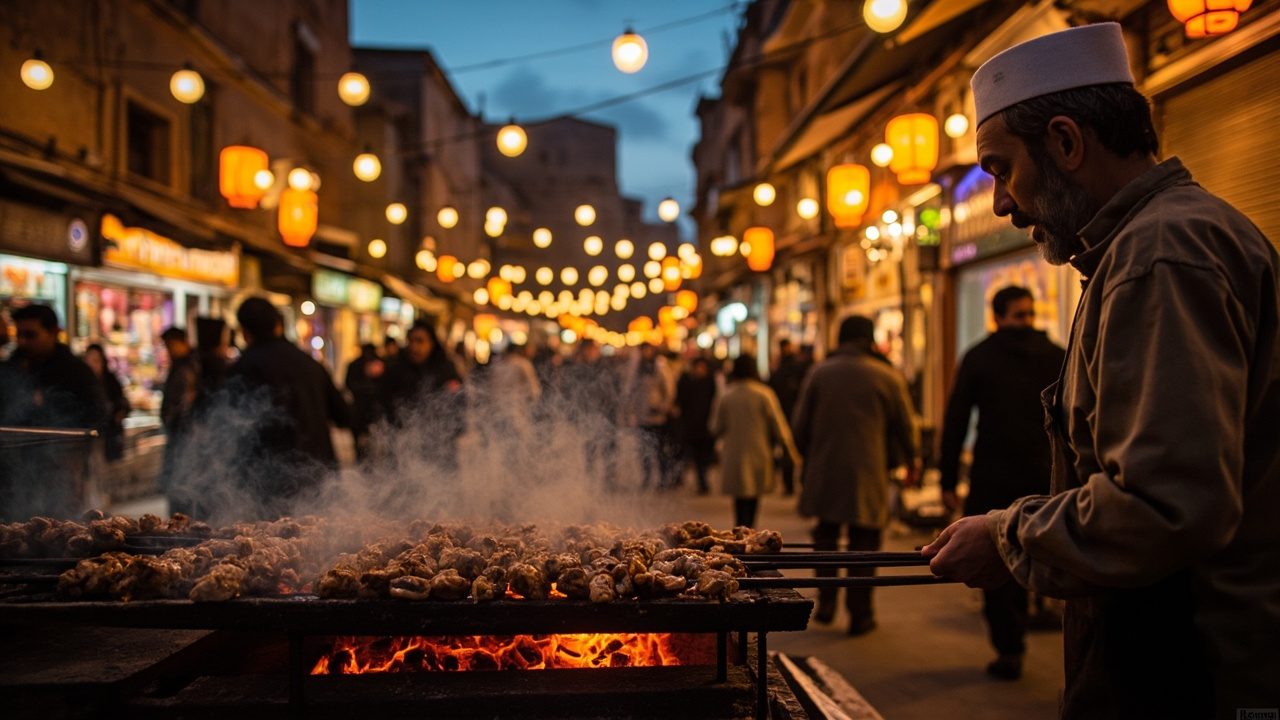
The first thing I ate in Xinjiang was a mistake, and I knew it about four seconds in. I was in Urumqi’s Erdaoqiao night market, jet-lagged and overconfident, and I’d pointed at a stall selling what looked like giant noodles in a black wok. The vendor said something, laughed, and handed me a bowl of laghman drowned in a chili oil so aggressive my eyes watered before the first bite. I ate the whole thing anyway. Then I ordered a second, because the noodles themselves — hand-pulled, chewy, a little irregular — were the best I’d had anywhere in China.
That’s the thing about Xinjiang food. It doesn’t ease you in. It’s lamb and cumin and hand-pulled dough and yogurt and heat, and it’s unlike anything you’ll eat in Beijing or Shanghai or Chengdu. This is the food of the Silk Road, cooked by Uyghur, Kazakh, Hui, and Han families who’ve been at it for centuries, and it’s arguably the single best regional cuisine in China. I’ve now eaten my way across the region three times — Kashgar, Turpan, Urumqi, Ili — and I still find dishes I’ve never seen before.
This guide is for first-time visitors who want to eat well without getting lost in translation. I’ll cover what to order, where to find it, what it costs, and the small stuff nobody tells you — like which stalls are worth the queue, how to pay when nobody speaks English, and why you should never refuse the tea.
Quick answer
Xinjiang cuisine is a Silk Road mix of hand-pulled noodles (laghman), cumin-spiced lamb skewers, pilaf rice (polo), and baked breads (naan), best eaten at night markets and family-run restaurants in Urumqi and Kashgar. Budget roughly $8–15 (CNY 55–110) per person for a full meal, and note that most international visitors can enter China visa-free for up to 240 hours under the current transit policy, though Xinjiang’s remote location makes a proper visa the safer bet. English is rare outside big hotels, so have a translation app and Alipay or WeChat Pay set up before you arrive.
The Short Version
If you eat only three things in Xinjiang, make them lamb skewers (yang rou chuan), laghman noodles, and polo — the cumin-carrot-lamb rice. Skip the hotel restaurants. Eat where the plastic stools are and the menu is on the wall in Chinese and Uyghur only. Carry cash for small stalls and set up Alipay or WeChat Pay before you fly, because half the good places don’t take foreign cards.
How I Picked These
I’ve spent about six weeks in Xinjiang across three trips, mostly eating. I don’t trust listicles built from other listicles, so I did this the slow way: I asked taxi drivers where they eat, followed market crowds, got dragged into family restaurants by strangers, and ate at places I couldn’t pronounce. A few picks come from a Uyghur guide named Memet in Kashgar who took pity on my terrible ordering and spent an afternoon feeding me. Others are places I found by getting lost. I’ve flagged the touristy ones honestly — some are still worth it, some aren’t.
Comparison Table
| Rank | Place | Best For | Approx Cost (USD) | Time Needed | When to Go |
|---|---|---|---|---|---|
| 1 | Erdaoqiao Night Market, Urumqi | Variety, first-timers | $10–15 | 2–3 hrs | Evening, any season |
| 2 | Kashgar Old City | Uyghur home cooking | $8–12 | Half day | Spring–autumn |
| 3 | Grand Bazaar food lanes, Urumqi | Snacking, spices | $5–10 | 1–2 hrs | Afternoon |
| 4 | Turpan grape-valley kitchens | Polo, dried fruit | $8–12 | Half day | Late summer–autumn |
| 5 | Ili (Yining) Kazakh restaurants | Dairy, horse cuisine | $10–15 | Evening | Summer |
| 6 | Urumqi’s Renmin Road | Local noodle shops | $6–10 | 1–2 hrs | Lunch |
| 7 | Kashgar Sunday Livestock Market | Street lamb | $5–8 | Morning | Sundays only |
| 8 | Heavenly Lake (Tianchi) area | Tourist-friendly lamb | $12–18 | Day trip | Jun–Sep |
| 9 | Ürümqi International Grand Bazaar | Souvenirs + snacks | $5–10 | 1–2 hrs | Afternoon |
| 10 | Any highway rest-stop naan stand | Road-trip bread | $2–4 | 20 min | Anytime |
Erdaoqiao Night Market 鈥?the loud, chaotic starting line
The smoke hits you before the food does. Erdaoqiao, in central Urumqi, is a long covered lane of grills and woks and shouting vendors, and on my first night there I stood still for a full minute just taking in the smell of cumin hitting hot lamb fat. It’s touristy. I’ll say that up front. But it’s also genuinely fun, and for a first-timer it’s the easiest place to see the whole cuisine laid out at once.
You’ll find skewers, laghman, polo, baked samsa pastries, and bowls of yogurt so thick you can stand a spoon in them. Prices are marked and haggling isn’t really a thing here — you pay what’s on the board. A full grazing meal runs about $10–15 (CNY 70–110).
📍 Location: Erdaoqiao, Tianshan District, Urumqi, just south of the Grand Bazaar. 🎿 Entry fee: Free to enter; pay per stall. 🕒 Opening hours: Roughly 6pm to midnight, busiest 8–10pm. Open year-round. 🚕 How to get there: Take Urumqi Metro Line 1 to Erdaoqiao Station, Exit B, and walk two minutes north. Taxis from the city center cost about $2 (CNY 15). ⏰ When to visit: Any evening, but go on a weekday if you can — weekends are shoulder-to-shoulder. 💡 Insider tips: Point at what you want rather than trying to order by name. Carry small notes for the few cash-only stalls. The lamb skewers at the stalls furthest from the entrance are usually better and cheaper than the ones up front. Don’t skip the cold yogurt drink (kumis-adjacent, tart) — it cuts the grease.
A vendor here, an older man with a gray beard, refused to let me pay for a second skewer after I told him (badly, via translation app) that it was the best I’d had in China. He just waved me off and said something to his neighbor, and they both laughed.
Kashgar Old City 鈥?where the food feels oldest
Kashgar is the beating heart of Uyghur food culture, and the Old City is where you eat it in people’s homes and courtyard kitchens. I spent an afternoon with a guide named Memet, who kept stopping at doorways to greet relatives and then, somehow, we’d be sitting down to eat again. By the third house I had to politely decline. He looked genuinely wounded.
The signature here is polo — rice cooked with lamb, carrots, and enough oil to make it glossy — plus hand-pulled laghman and fresh naan baked in a tandoor. It’s simpler and more home-style than Urumqi’s market food, and better for it. A full meal runs $8–12 (CNY 55–85).
📍 Location: Kashgar Old City, around Aitiga’er Mosque and the surrounding lanes. 🎿 Entry fee: Free to walk; individual homes and teahouses charge per meal. 🕒 Opening hours: Most kitchens serve lunch (12–3pm) and dinner (7–10pm); teahouses run all day. 🚕 How to get there: Fly into Kashgar Airport (KHG), then a 20-minute taxi ($4 / CNY 30) to the Old City. No metro in Kashgar. ⏰ When to visit: Spring through autumn. Late afternoon is best for wandering and eating. 💡 Insider tips: Ask before photographing people cooking. The teahouses near the mosque are the best place to sit and people-watch with a pot of tea for about $1 (CNY 8). Learn the word “laghman” and you’ll eat well anywhere. Cash is still king in the smaller lanes.
Memet’s aunt made a polo so good I asked for the recipe and she laughed at me for a full ten seconds. I never got it.
Grand Bazaar food lanes 鈥?snacking and spice-hunting
The Grand Bazaar in Urumqi is part souvenir market, part snack street, and the food lanes in the back are where locals actually buy spices and dried fruit. I came here for cumin and left with a bag of dried apricots I’m still working through. The snack stalls are cheap — $5–10 (CNY 35–70) gets you a full graze.
📍 Location: Jiefang South Road, Tianshan District, Urumqi. 🎿 Entry fee: Free. 🕒 Opening hours: About 10am–8pm daily. 🚕 How to get there: Metro Line 1 to Erdaoqiao, Exit A, then a five-minute walk. ⏰ When to visit: Weekday afternoons, when it’s calmer. 💡 Insider tips: Buy spices by weight and smell before you commit. The naan sold here travels well for train journeys. Skip the “authentic” restaurants facing the main road — the back lanes are better.
Turpan 鈥?grape valleys and slow-cooked rice
Turpan sits in a desert basin so hot that locals joke you can cook an egg on the road in July. The food reflects the place: dried fruit, sweet grapes, and polo cooked slowly over low heat. I ate at a family kitchen in the Grape Valley and the owner brought out a plate of dried apricots and walnuts before we’d even ordered. That’s normal here.
📍 Location: Grape Valley (Putao Gou), about 10km east of Turpan city. 🎿 Entry fee: Valley entry about $8 (CNY 55); meals extra. 🕒 Opening hours: Valley 8am–8pm; kitchens lunch and dinner. 🚕 How to get there: Taxi from Turpan city, about 20 minutes ($5 / CNY 35). ⏰ When to visit: Late summer to autumn for the grape harvest. 💡 Insider tips: Bring cash. The dried fruit here is the best and cheapest in the region. Drink the local grape juice, not the wine.
Ili (Yining) 鈥?Kazakh dairy and horse country
Yining is greener, cooler, and more Kazakh than the rest of Xinjiang, and the food shifts with it — more dairy, more horse meat (try it once), and thick yogurt. I ate at a Kazakh restaurant where the owner’s daughter translated the menu for me on her phone. The kazy (horse sausage) is not for everyone, but the fresh yogurt is extraordinary.
📍 Location: Yining city center, Ili Kazakh Autonomous Prefecture. 🎿 Entry fee: N/A. 🕒 Opening hours: Dinner from 6pm. 🚕 How to get there: Fly to Yining (YIN) or take a long bus from Urumqi; taxis within the city are cheap. ⏰ When to visit: Summer, when the valleys are green. 💡 Insider tips: Ask for “shubat” (fermented camel milk) if you’re brave. Dairy here is fresher than anywhere else in the region.
Urumqi’s Renmin Road 鈥?the local noodle lunch
Away from the markets, Renmin Road is where office workers eat lunch, and the noodle shops here are cheap and fast. I paid $6 (CNY 42) for a bowl of laghman and a side of pickles and it was better than most of what I ate at the night market. This is where you go to eat like a local, not a tourist.
📍 Location: Renmin Road, Tianshan District, Urumqi. 🎿 Entry fee: N/A. 🕒 Opening hours: Lunch 11am–3pm, some reopen for dinner. 🚕 How to get there: Metro Line 1 to Nanmen, Exit C, walk east. ⏰ When to visit: Weekday lunch. 💡 Insider tips: Order at the counter, pay first, then sit. Point at the noodle bowl on the wall if the menu defeats you.
Kashgar Sunday Livestock Market 鈥?the real deal
The Sunday livestock market outside Kashgar is not a food market, but the lamb skewers and noodle stalls around it are the freshest and cheapest you’ll find anywhere. I watched a man buy a sheep, then eat skewers from a stall ten meters away, which felt about as direct a farm-to-table as it gets.
📍 Location: About 10km north of Kashgar city. 🎿 Entry fee: Free. 🕒 Opening hours: Sunday mornings, roughly 8am–2pm. 🚕 How to get there: Taxi from Kashgar, about 20 minutes ($5 / CNY 35). ⏰ When to visit: Sunday morning only. 💡 Insider tips: Go early. Bring cash. Don’t photograph the bargaining without asking.
Heavenly Lake (Tianchi) 鈥?tourist-friendly but worth it
The restaurants around Tianchi cater to tour groups, and prices reflect it — $12–18 (CNY 85–125) for a lamb dish. But the setting is spectacular and the food is fine. I ate here after a long hike and the polo tasted better than it probably was.
📍 Location: Tianchi scenic area, about 110km east of Urumqi. 🎿 Entry fee: Scenic area entry about $22 (CNY 155). 🕒 Opening hours: 8am–7pm in summer. 🚕 How to get there: Bus or tour from Urumqi, about 2 hours. ⏰ When to visit: June to September. 💡 Insider tips: Bring your own snacks; the food is overpriced. Eat before you hike, not after.
Any highway naan stand 鈥?the road-trip staple
Driving between cities, you’ll see roadside stands selling fresh naan for about $2 (CNY 15). Stop at one. The bread is baked in a tandoor on the spot, and it’s the best travel food in the region. I bought three on a drive to Turpan and ate them all before we arrived.
📍 Location: Everywhere along the highways. 🎿 Entry fee: N/A. 🕒 Opening hours: Daylight hours. 🚕 How to get there: By car or bus. ⏰ When to visit: Anytime. 💡 Insider tips: Buy it hot. It keeps for a day or two.
FAQ summary
The most important things to know: Xinjiang food is cheap (most meals $8–15 / CNY 55–110), best eaten at night markets and family restaurants, and heavily lamb- and noodle-based. English is rare, so set up a translation app and Alipay or WeChat Pay before you arrive, and carry some cash for small stalls. Check the current China visa rules before booking, since Xinjiang’s distance from major hubs makes a full visa the safer choice than relying on visa-free transit.
FAQ
Q: Is Xinjiang food spicy? A: Some dishes are, but it’s more cumin-and-lamb than chili heat. Skewers and polo are mild; laghman can be spicy if you add the chili oil. Ask for “bu la” (not spicy) if you’re worried.
Q: Can I eat vegetarian in Xinjiang? A: It’s hard. Most dishes contain lamb or meat fat. Naan, polo without meat, and some vegetable dishes exist, but you’ll need to ask carefully and use a translation app.
Q: Do I need cash or can I use Alipay/WeChat Pay? A: Bigger restaurants take mobile pay, but many small stalls are cash-only. Carry $20–30 (CNY 150–220) in small notes and set up Alipay or WeChat Pay as backup.
Q: Is the tap water safe to drink? A: No. Drink bottled or boiled water. Bottled water is cheap and everywhere.
Q: How do I get to Xinjiang from Beijing? A: Fly (about 4.5 hours) or take a long train. See the China high-speed rail guide for train options.
Q: Do I need a VPN in Xinjiang? A: Yes, if you want Google, WhatsApp, or Instagram. Set it up before you arrive — see the SIM and internet guide.
Q: Is it safe to eat street food? A: Generally yes. Choose busy stalls with high turnover, and avoid anything that’s been sitting out.
The Honest Wrap-up
This guide is for eaters who don’t mind pointing at menus and getting their hands greasy. It’s not for picky eaters or anyone who needs English menus and air conditioning. My one piece of advice: book the flight, then spend your first evening at Erdaoqiao with an empty stomach and no plan. Order too much. You’ll be glad you did.
Destination at a Glance
- Best time to visit: May to October, with September best for fruit and comfortable heat.
- Daily budget: $45–90/day for food, transport, and mid-range lodging.
- Visa: A standard tourist visa is safest; the 240-hour visa-free transit rule applies but is impractical given Xinjiang’s distance from international hubs.
- Safety: Generally safe for tourists, with standard big-city precautions.
- Getting around: Metro in Urumqi plus ride-hail apps; English signage is limited outside major stations.
- Connectivity: Buy a local SIM or eSIM on arrival; a VPN is needed for Google and most Western apps.
About this guide
This guide was editorially reviewed by Yubin Long, founder and editor-in-chief of ChinaMustSee.com, a Beijing-based travel editor. Facts were checked against current 2026 sources, including the confirmed 240-hour visa-free transit policy and current Alipay/WeChat Pay foreign-card support. (Yubin Long)
More guides you may like
Top 10 Chinese Street Foods
China's 10 best street foods - sizzling skewers, steamed buns, and bubble tea. Where to find them and what to ask for.
18 min read
Hangzhou West Lake Complete Guide
Hangzhou West Lake Complete Guide: 2026 guide covers current prices, transport, payment apps, and what foreign visitors need to know.
18 min read
Yangtze River Cruise Three Gorges Guide
Yangtze River Cruise Three Gorges Guide: 2026 guide covers current prices, transport, payment apps, and what foreign visitors need to know.
19 min read
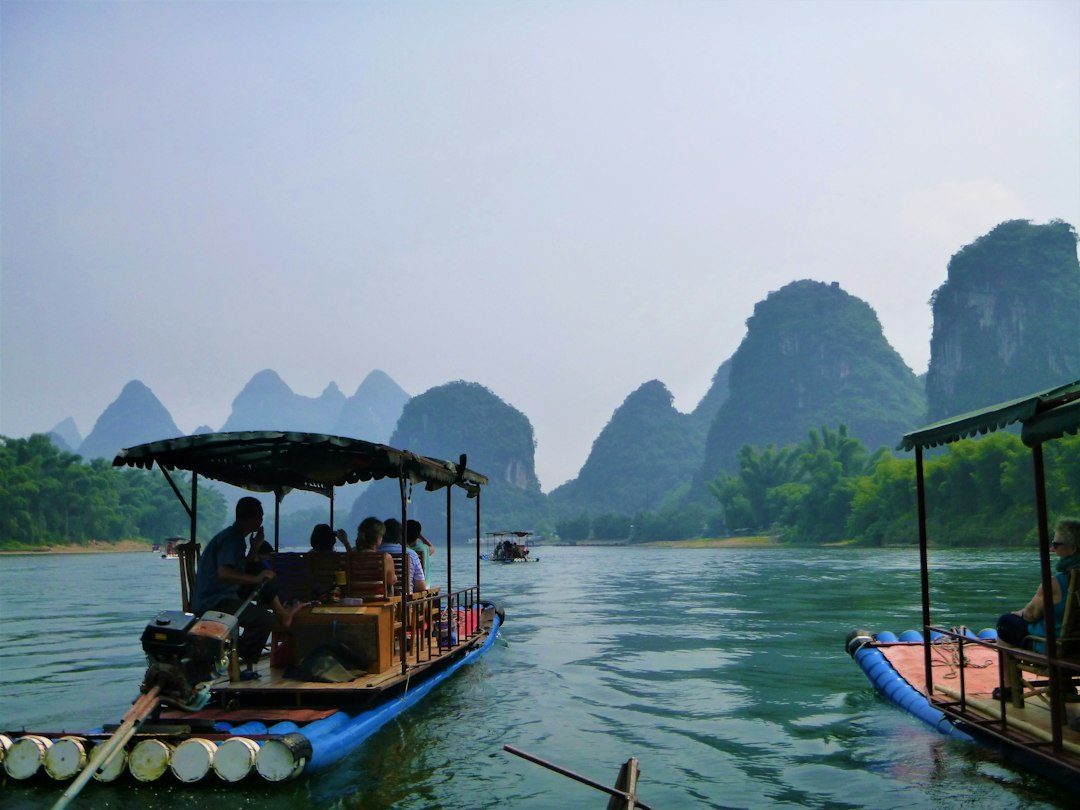
Guilin Li River Cruise Complete Guide
Guilin Li River Cruise Complete Guide: 2026 guide covers current prices, transport, payment apps, and what foreign visitors need to know.
19 min read
China Travel SIM Card eSIM Comparison 2026
The cab driver in Beijing looked at me in the rearview mirror and said, in perfect English, “You know, most tourists buy the wrong SIM card.” I’d been in China
10 min read
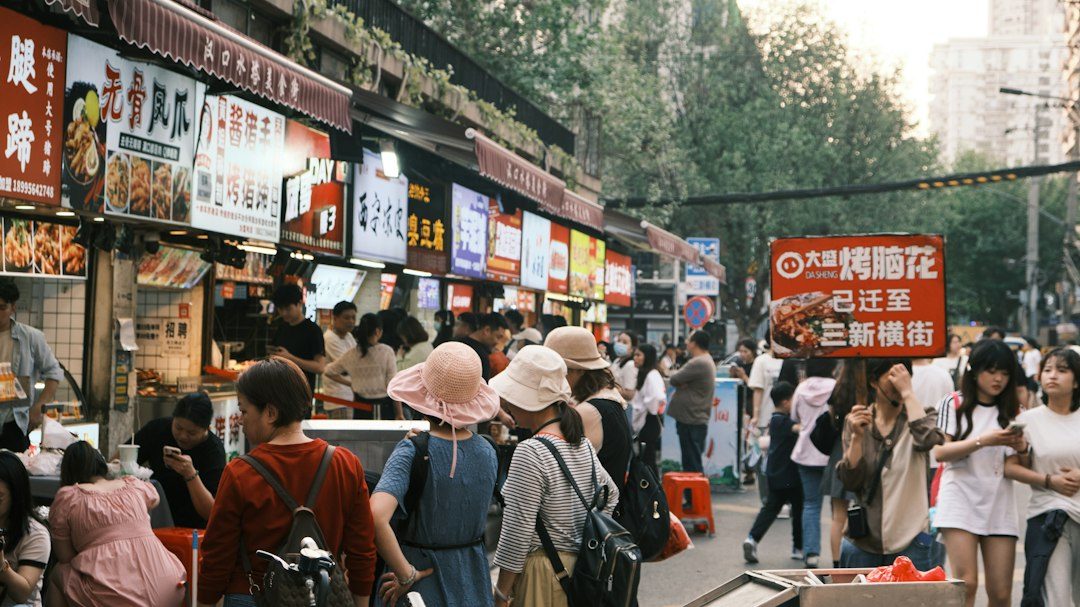
China Food Tour Self Guided Complete
The cab driver in Chengdu looked at me in the rearview mirror, then back at the address I’d fumbled to show him on my phone. He laughed. Not a mean laugh—the ki
16 min read