
Xining Travel Guide
The first thing I noticed in Xining was the smell of yak butter tea drifting out of a doorway on a side street off Xiguan Dajie, mixing with diesel from a…
Destination at a glance
- Best time to visit
- June through September, with July and August warmest and busiest and September cooler and quieter.
- Daily budget
- $50–90/day for a mid-range hotel, meals, transport, and one paid attraction.
- Visa
- Most foreign visitors can use China's 240-hour visa-free transit or unilateral visa-free programs; check your nationality before booking.
- Safety
- Very safe for tourists, with low street crime; the main risks are altitude and road traffic.
- Getting around
- Metro Line 1 plus Didi ride-hail and taxis; English signage is limited, so have addresses in Chinese.
- Connectivity
- Buy an eSIM or local SIM on arrival; a VPN installed before you travel is needed for Google and most Western apps.
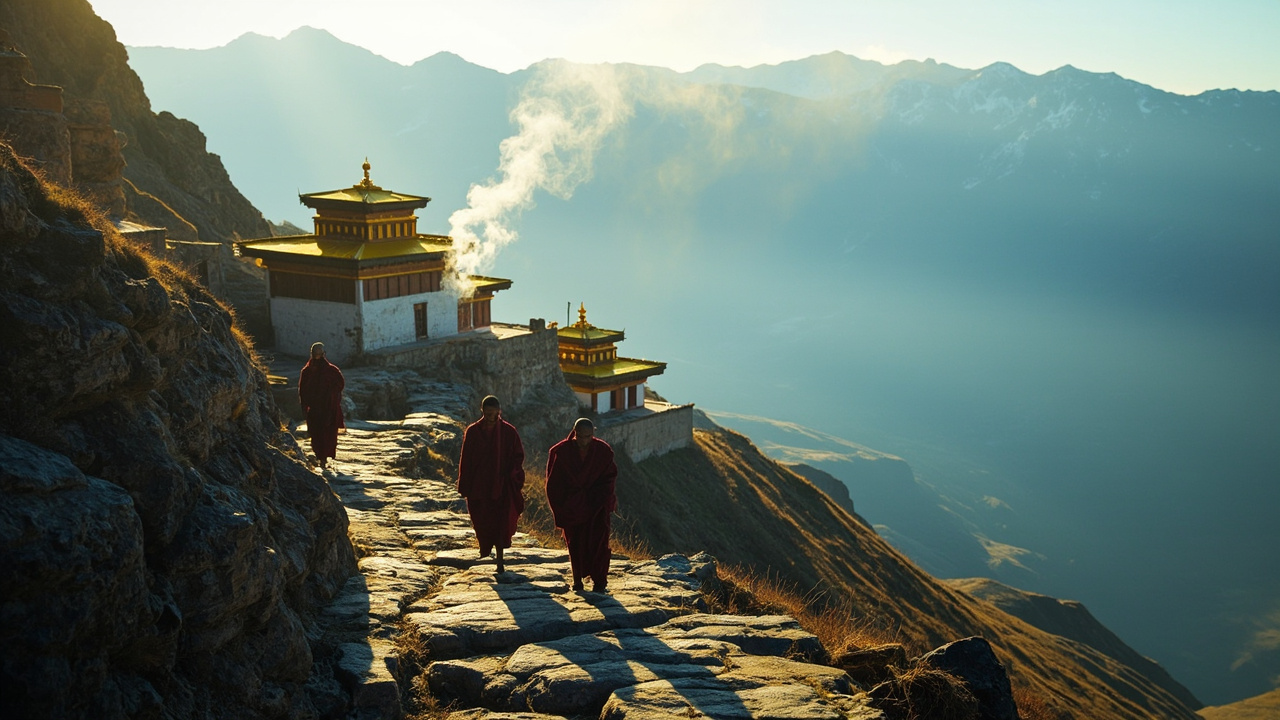
The first thing I noticed in Xining was the smell of yak butter tea drifting out of a doorway on a side street off Xiguan Dajie, mixing with diesel from a passing three-wheeler. I’d come up from Xi’an on the high-speed train expecting a dusty frontier town and instead found a city of 2.5 million people sitting at 2,275 meters, where the air is thin enough that climbing three flights of stairs made me stop and catch my breath. A Hui shopkeeper named Ma, whose family had sold niangpi (cold steamed noodles) on the same corner for three generations, laughed when I asked if the altitude bothered him. “We are born up here,” he said. “You are the one who looks like a fish.”
Xining is the capital of Qinghai Province and the gateway to the Tibetan Plateau. Most travelers treat it as a transit point on the way to Qinghai Lake or the Tibet train, spend one night, and move on. That’s a mistake. This is one of the few Chinese cities where you can eat hand-pulled noodles in a Hui Muslim quarter in the morning, stand in a Tibetan Buddhist monastery by lunch, and watch the sun set over a 2,600-meter mountain ridge before dinner. The city is roughly 40% Han, with large Hui, Tibetan, and Tu communities, and you feel that mix in the food, the signage (Chinese, Tibetan, and Arabic script on the same storefront), and the pace.
This guide covers the ten places in and around Xining worth your time, with real transport details, prices, and the things I got wrong so you don’t have to.
Quick answer
Xining is a high-altitude (2,275 m) city in northwest China, best visited June through September, and reachable by high-speed rail from Xi’an in about 4.5 hours or by direct flight from most major Chinese cities. Most foreign visitors can enter visa-free under China’s 240-hour transit policy or the unilateral visa-free programs, and the city works fine with Alipay or WeChat Pay linked to a foreign card. Budget roughly $50–90 per day including a mid-range hotel, and give it two full days minimum before heading to Qinghai Lake.
The Short Version
Come for the Kumbum Monastery and the Hui food, stay an extra day for the Tibetan medicine market and the mountain views, and don’t skip the altitude acclimatization. Xining is not a pretty city in the postcard sense. It’s a working plateau capital with rough edges, and that’s exactly why it’s interesting. Two nights is the sweet spot. Three if you’re continuing to Lhasa and need to adjust.
How I Picked These
I’ve been through Xining four times since 2019, most recently in September 2025, and each trip I’ve added something new. I don’t rely on tourism boards. I walk, I take local buses, I ask the hotel receptionist where she eats lunch, and I follow taxi drivers’ recommendations with a grain of salt. The ten entries below are places I’ve personally visited, ranked by how much they reward the effort of getting there. I’ve noted where I paid too much, where the signage is useless, and where a local saved me from a wrong turn. Prices are 2026 estimates from my own receipts and current listings.
Comparison Table
| Rank | Place | Best For | Approx Cost (USD) | Time Needed | When to Go |
|---|---|---|---|---|---|
| 1 | Kumbum Monastery (Ta’er Si) | Tibetan Buddhist culture | $10 (70 CNY) | Half day | May–Oct, weekday morning |
| 2 | Dongguan Mosque & Hui Quarter | Food and street life | Free (food $5–10) | 2–3 hours | Any day, evening best |
| 3 | Qinghai Lake (Qinghai Hu) | Landscape, cycling | $15–25 (100–180 CNY) | Full day | Jun–Sep |
| 4 | Tibetan Medicine & Culture Museum | Plateau culture | $8 (60 CNY) | 2 hours | Any day |
| 5 | Beishan (North Mountain) Temple | City views, hiking | Free–$5 | 2–3 hours | Clear mornings |
| 6 | Xining Wildlife Park | Snow leopards, families | $8 (60 CNY) | 3 hours | Weekday |
| 7 | Nanshan Park | Sunset, local life | Free | 1–2 hours | Late afternoon |
| 8 | Chaka Salt Lake | Photo landscape | $10–15 (70–110 CNY) | Full day | Jun–Sep, early |
| 9 | Dongguan Grand Bazaar | Souvenirs, snacks | Free | 1–2 hours | Evening |
| 10 | Qinghai Provincial Museum | History, rainy day | Free | 2 hours | Any day |
Kumbum Monastery (Ta’er Si) — Where the Butter Sculptures Live
The first time I walked into the main assembly hall at Kumbum, a monk was lighting butter lamps in a row along the wall, and the whole room smelled of rancid yak butter and juniper smoke. It’s the smell I remember most, more than the gold roofs.
Kumbum is one of the six great monasteries of the Gelug school of Tibetan Buddhism, and it’s the birthplace of Tsongkhapa, the founder of that school. The complex sprawls across a hillside about 25 km southwest of the city, with dozens of halls, stupas, and monk quarters. The famous butter sculptures, made by monks over the winter and displayed at the Lunar New Year festival, are in a dedicated hall. They’re smaller than photos suggest and more impressive for it.
📍 Location: Huangzhong District, about 25 km southwest of central Xining. 🎫 Entry fee: $10 (70 CNY). The butter sculpture hall is included. 🕒 Opening hours: 8:00–17:00 daily, shorter in winter (roughly 9:00–16:30). 🚕 How to actually get there: From Xining, take bus 3 or the Kumbum shuttle from the Xining long-distance bus station near the railway station; the ride is about 45 minutes. A Didi or taxi is $12–18 (85–130 CNY) each way and easier if you don’t speak Mandarin. ⏰ When to visit: Weekday mornings, May through October. Avoid the Lunar New Year butter sculpture festival unless you love crowds. 💡 Insider tips: Photography is banned inside most halls, and monks will wave you off firmly. Dress warmly; the halls are unheated. Bring small bills for the donation boxes, and don’t point your feet at statues when sitting. I paid a taxi $20 to wait for me for two hours because I couldn’t figure out the return bus, which was a mistake. The bus back runs from the same lot every 30 minutes until 17:00.
Dongguan Mosque and the Hui Quarter — Where to Actually Eat
I came here on a Friday around noon and the street in front of the mosque was packed with men in white caps heading to prayer, and women selling fried potato cakes from a cart. The smell of cumin and lamb fat was overwhelming in the best way.
Dongguan Mosque is the largest in Qinghai, built in the 14th century and rebuilt several times since. The architecture is a hybrid: Chinese-style tiled roofs over Islamic prayer halls, with a green dome added in the 20th century. Non-Muslims can usually enter the courtyard outside prayer times, though women should cover their hair. The real draw is the surrounding quarter, which is the best place in the city to eat.
📍 Location: Chengdong District, around Dongguan Dajie. 🎫 Entry fee: Free for the mosque and the streets. 🕒 Opening hours: Mosque courtyard roughly 8:00–18:00, closed to visitors during Friday midday prayer. 🚕 How to actually get there: Take metro Line 1 to Dongguan Station, Exit B, and walk two minutes north. Or just tell a taxi “Dongguan Qingsi Zhen Si.” ⏰ When to visit: Late afternoon into evening, when the food stalls open and the light is good. 💡 Insider tips: The niangpi (cold noodles) and hand-pulled lamb noodles here are the best in the city. Cash is still useful for the small stalls even though Alipay works at most. Don’t photograph people praying without asking. I ate a bowl of lamb offal soup here for $3 (20 CNY) that I still think about. The vendor, an older Hui woman, refused to let me pay for the second bowl.
Qinghai Lake — The Big Blue One
You will see photos of Qinghai Lake and think they’re edited. They’re not. The water really is that color, a deep cobalt that shifts to turquoise near the shore, ringed by yellow rapeseed fields in July.
Qinghai Lake is China’s largest lake, a saltwater body at 3,200 meters, sacred to Tibetans and a major stop on the bird migration route. The main tourist area is around Erlangjian on the south shore, which is developed and a bit tacky, with camel rides and photo props. The quieter north shore and the western wetlands are better if you have your own transport.
📍 Location: About 150 km west of Xining, in Qinghai Lake National Park. 🎫 Entry fee: $15–25 (100–180 CNY) depending on which scenic area you enter. 🕒 Opening hours: Scenic areas roughly 7:00–19:00 in summer, closed or limited in winter. 🚕 How to actually get there: Buses leave from Xining’s Bayi Road bus station in the morning, about 2.5 hours. Most travelers join a day tour ($25–40) or hire a car with driver ($80–120 for the day). There’s no train. ⏰ When to visit: July and August for rapeseed flowers and warm weather. September for fewer crowds. 💡 Insider tips: The altitude here is 3,200 m, so don’t plan a big hike your first day. Bring sun protection; the UV is brutal. The “yak riding” photos cost extra and the yaks look tired, so I skipped it. A Tibetan herder named Dorje let me sit in his tent and drink salted tea while a storm passed. He didn’t speak Mandarin and I don’t speak Tibetan, so we mostly nodded at each other for an hour.
Tibetan Medicine and Culture Museum — The Weird, Wonderful Detour
I almost skipped this. A museum about medicine sounded dry. Then I walked into a room full of anatomical charts painted on cloth, showing the body’s channels in red and blue, and a giant model of a tree representing Tibetan medical theory, and I stayed for two hours.
The museum, part of the Qinghai Tibetan Medicine Institute, explains Tibetan medical practice through thangkas, instruments, and medicinal specimens. It’s small, quiet, and almost empty of foreign tourists. The English signage is limited but the visuals carry it.
📍 Location: Chengxi District, near the Xining Botanical Garden. 🎫 Entry fee: $8 (60 CNY). 🕒 Opening hours: 9:00–17:00, closed Mondays. 🚕 How to actually get there: Metro Line 1 to Xinning Square, then a 10-minute taxi ($3–4). Or bus 9 or 22. ⏰ When to visit: Any weekday. It’s a good rainy-day or acclimatization-day activity. 💡 Insider tips: The gift shop sells real Tibetan herbal remedies, but check what you’re buying. The thangka room upstairs is the highlight. Bring a translation app; the staff are helpful but mostly Mandarin-only. The docent, a young Tibetan woman named Tsering, spent 20 minutes explaining a single chart to me even though it was near closing time.
Beishan Temple — The Locals’ Mountain
I climbed Beishan on a clear October morning and met more elderly locals doing tai chi than tourists. The temple complex is built into the cliff face on the north side of the city, with a warren of caves, halls, and stairways.
Beishan (North Mountain) is a Taoist and Buddhist site that’s been in use for centuries, though most of what you see is reconstructed. The draw is the walk up through pine trees and the view back over the city, which on a clear day stretches to the mountains beyond.
📍 Location: Chengbei District, north of the city center. 🎫 Entry fee: Free to the mountain, small fee ($3–5) for some temple halls. 🕒 Opening hours: Daylight hours, roughly 7:00–18:00. 🚕 How to actually get there: Bus 10 or 11 to Beishan Gongyuan stop, then walk up. A taxi from downtown is about $4 (25 CNY). ⏰ When to visit: Early morning for the tai chi crowd and clear light. 💡 Insider tips: The stairs are steep and uneven; wear real shoes. There’s a small teahouse near the top where locals play cards. The path down the east side leads to a quieter residential neighborhood with good noodle shops. An old man named Wang insisted on walking me down the correct path after I took a wrong turn into someone’s vegetable garden.
Xining Wildlife Park — Snow Leopards, Seriously
This one surprised me. A city wildlife park with actual snow leopards, plus Przewalski’s horses, Tibetan antelope, and other plateau species. It’s not a zoo in the grim old sense; the enclosures are large and the setting is forested.
The park sits on the western edge of the city and is popular with local families. The snow leopard enclosure is the star, though you may have to wait for the cats to emerge from their rocks.
📍 Location: Chengxi District, west side of the city. 🎫 Entry fee: $8 (60 CNY). 🕒 Opening hours: 8:30–17:30, last entry 16:30. 🚕 How to actually get there: Bus 14 or 31 to the wildlife park stop, or a 25-minute taxi ($6–8) from downtown. ⏰ When to visit: Weekday mornings when the animals are active and the crowds are thin. 💡 Insider tips: Bring snacks and water; the on-site food is limited. The park is on a hill, so it’s a lot of walking. Skip the animal shows if there are any scheduled; they’re not the point. A father from Lanzhou told me his daughter had been asking to see the snow leopards for a year, and they’d driven five hours that morning.
Nanshan Park — Sunset Over the Plateau
Nanshan (South Mountain) is where Xining goes to watch the sun go down. The park covers a ridge south of the city, with a viewing platform, a small temple, and trails through the scrub.
It’s not a major sight. It’s a place to sit on a wall, eat sunflower seeds, and watch the light change over the city and the mountains beyond. On a clear evening you can see the snow line on distant peaks.
📍 Location: Chengzhong District, south of downtown. 🎫 Entry fee: Free. 🕒 Opening hours: Daylight hours. 🚕 How to actually get there: Bus 3 or 16 to Nanshan Park, or a 10-minute taxi ($3) from the center. ⏰ When to visit: Late afternoon into sunset, any clear day. 💡 Insider tips: Bring a jacket; the temperature drops fast after sundown. The path up is paved but steep. Locals fly kites here on windy days. I shared a bag of roasted melon seeds with a retired teacher named Li who wanted to practice her English, and we talked about her son in Shanghai for an hour.
Chaka Salt Lake — The Mirror Photo
Chaka is the “sky mirror” salt lake, a flat expanse of shallow water over salt crust that reflects the sky. It’s become a photo destination, and on a good day it delivers.
It’s about 300 km west of Xining, near the town of Chaka in Haixi Prefecture, which makes it a long day trip or an overnight. The reflections are best at sunrise and sunset, and the crowds are worst at midday.
📍 Location: Chaka Town, about 300 km west of Xining. 🎫 Entry fee: $10–15 (70–110 CNY), plus a small train fee inside. 🕒 Opening hours: Roughly 7:00–19:00 in summer. 🚕 How to actually get there: Train from Xining to Chaka takes about 2 hours, or join a tour. Driving is 4–5 hours. ⏰ When to visit: June to September, early morning or late afternoon. 💡 Insider tips: Wear shoes you don’t mind ruining; the salt is corrosive. Bring sunglasses; the glare is intense. The “sky mirror” effect needs still water and clear sky, so check the forecast. I went at noon in July and the reflection was flat and the crowds were thick. Go early or don’t go.
Dongguan Grand Bazaar — Snacks and Souvenirs
The Grand Bazaar is a covered market near the Dongguan Mosque, selling dried fruit, nuts, spices, Tibetan jewelry, and the usual souvenirs. It’s touristy but fun, and the food stalls are good.
I bought a bag of dried goji berries here for $4 (28 CNY) that were better than anything I found in the supermarkets. The vendors are used to bargaining and will start high.
📍 Location: Chengdong District, next to the Dongguan Mosque. 🎫 Entry fee: Free. 🕒 Opening hours: Roughly 9:00–21:00 daily. 🚕 How to actually get there: Metro Line 1 to Dongguan, Exit B. ⏰ When to visit: Evening, when the food stalls are busiest. 💡 Insider tips: Bargain, but not aggressively; a 20–30% discount is reasonable. Check the weight on dried goods. The yak jerky is expensive and often not actually yak, so ask. A vendor named Hassan gave me a free handful of dried apricots after I bought a small bag of walnuts.
Qinghai Provincial Museum — The Rainy Day Save
If it rains (and it does, even in summer), the provincial museum is the answer. It covers the history of the region from prehistoric times through the Silk Road and the Tibetan kingdoms, with good artifacts and some English signage.
The highlight is the collection of painted pottery from the Neolithic Majiayao culture, which is older than the Great Wall by millennia.
📍 Location: Chengxi District, near Xinning Square. 🎫 Entry fee: Free with ID or passport registration. 🕒 Opening hours: 9:00–17:00, closed Mondays. 🚕 How to actually get there: Metro Line 1 to Xinning Square, Exit C, walk 5 minutes. ⏰ When to visit: Any rainy day or a hot afternoon. 💡 Insider tips: Bring your passport; you need it to enter. The museum is quiet on weekday mornings. The English labels are limited but the objects speak for themselves. I spent an hour in the pottery room while a school group filed past, and a guard gently shushed them so I could read.
FAQ summary
The most important things to know about Xining: it sits at 2,275 meters, so give yourself a day to acclimatize before any hiking or the lake; the best months are June through September, with July and August warmest but busiest; and most foreign visitors can enter visa-free under China’s 240-hour transit policy or the unilateral visa-free programs, but check your nationality before booking. The city is reachable by high-speed rail from Xi’an in about 4.5 hours and has an airport with domestic connections. Alipay and WeChat Pay work widely, English is limited, and a VPN is needed for Google and most Western apps.
FAQ
Q: Do I need a visa to visit Xining? A: Most European, American, and Southeast Asian passport holders can enter China visa-free under the 240-hour transit policy or the unilateral visa-free programs as of 2026, but the rules depend on your nationality and port of entry. Check the current visa-free transit rules before you book, and carry proof of onward travel.
Q: How do I get to Xining from Xi’an or Beijing? A: High-speed trains run from Xi’an to Xining in about 4.5 hours (roughly $40–60 / 280–420 CNY second class), and from Beijing in about 9–10 hours. Flying is faster from Beijing (about 2.5 hours) and there are direct flights from most major Chinese cities. Book trains through the China Railway 12306 app or a booking platform.
Q: Is altitude sickness a problem in Xining? A: Xining is at 2,275 meters, which is high enough that some visitors feel lightheaded or short of breath on arrival, but serious altitude sickness is uncommon. Take it easy the first day, drink water, avoid alcohol, and don’t plan a big hike or the lake trip for day one. Qinghai Lake at 3,200 meters is more of a concern.
Q: Can I use Alipay or WeChat Pay in Xining? A: Yes, both work widely in Xining, including at the mosque quarter food stalls, taxis, and most shops. Set up Alipay or WeChat Pay with your foreign card before you arrive, and keep a little cash for the smallest vendors.
Q: Is English spoken in Xining? A: Not much. Hotel front desks in mid-range and upscale hotels usually have some English, but restaurants, taxis, and shops are Mandarin and local languages. Download a translation app with offline Mandarin, and have your hotel write addresses in Chinese for taxi drivers.
Q: What’s the best time of year to visit Xining? A: June through September is the sweet spot, with July and August warmest (highs around 75°F / 24°C) but busiest, and September cooler and quieter. Winters are cold and dry, and many lake-area services close. The rapeseed fields around Qinghai Lake bloom in July.
Q: Do I need a VPN or local SIM in Xining? A: Yes, if you want Google, WhatsApp, Instagram, or most Western apps, you need a VPN installed before you arrive, since they’re blocked. A local SIM or eSIM gives you data; see the China SIM and internet guide for setup. Hotel Wi-Fi works but is subject to the same restrictions.
The Honest Wrap-up
Xining isn’t for everyone. If you want polished tourism infrastructure, English menus, and a city that caters to foreign visitors, you’ll be frustrated. If you want a real plateau city with great food, a Tibetan monastery that rivals anything in Lhasa for atmosphere, and a landscape that will make you forget your phone, come. Give it two nights, take the altitude seriously, and eat everything in the Hui quarter. My one piece of advice: book the Kumbum trip for your second morning, not your first, so you’ve had a night to adjust. And bring a warm layer even in July.
Destination at a Glance
- Best time to visit: June through September, with July and August warmest and busiest and September cooler and quieter.
- Daily budget: $50–90/day for a mid-range hotel, meals, transport, and one paid attraction.
- Visa: Most foreign visitors can use China’s 240-hour visa-free transit or unilateral visa-free programs; check your nationality before booking.
- Safety: Very safe for tourists, with low street crime; the main risks are altitude and road traffic.
- Getting around: Metro Line 1 plus Didi ride-hail and taxis; English signage is limited, so have addresses in Chinese.
- Connectivity: Buy an eSIM or local SIM on arrival; a VPN installed before you travel is needed for Google and most Western apps.
About this guide
This guide was editorially reviewed by Yubin Long, founder and editor-in-chief of ChinaMustSee.com, a Beijing-based travel editor. Facts were checked against current 2026 sources, including the updated 240-hour visa-free transit policy and the Xi’an–Xining high-speed rail schedule, which I confirmed still runs about 4.5 hours as of early 2026. Prices are approximate 2026 estimates from recent trips and current listings. (Yubin Long)
More guides you may like
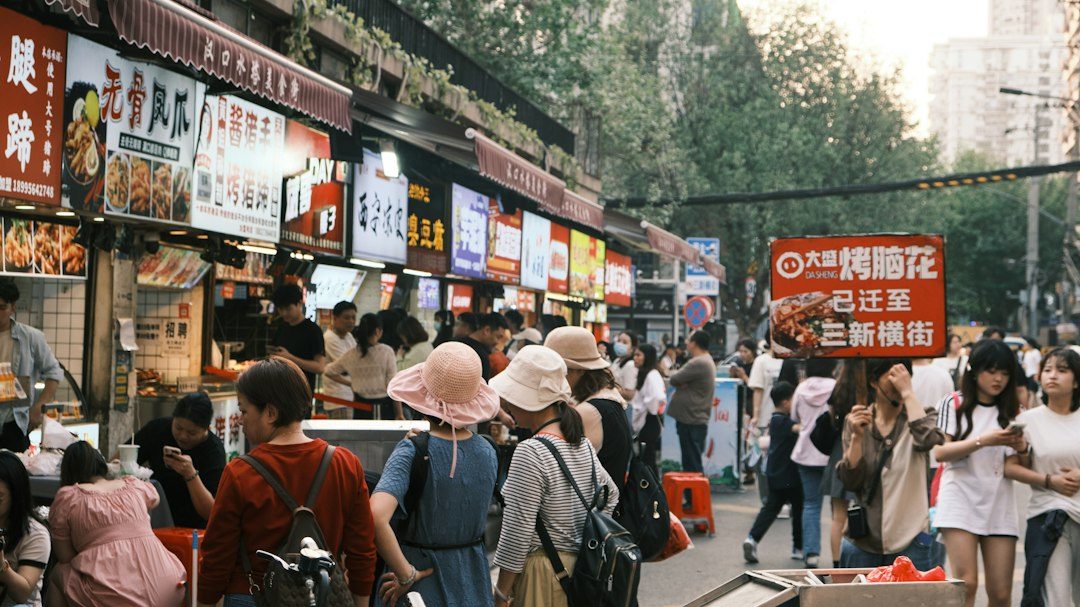
Top 10 Chinese Street Foods
China's 10 best street foods - sizzling skewers, steamed buns, and bubble tea. Where to find them and what to ask for.
18 min read
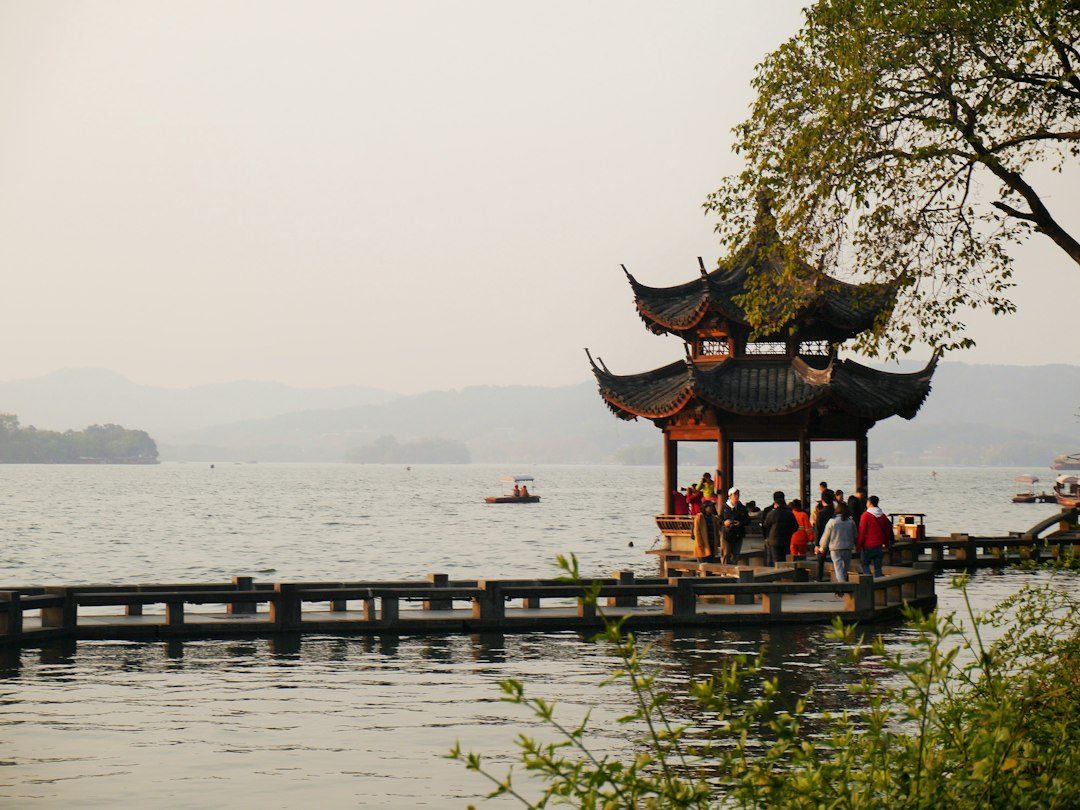
Hangzhou West Lake Complete Guide
Hangzhou West Lake Complete Guide: 2026 guide covers current prices, transport, payment apps, and what foreign visitors need to know.
18 min read
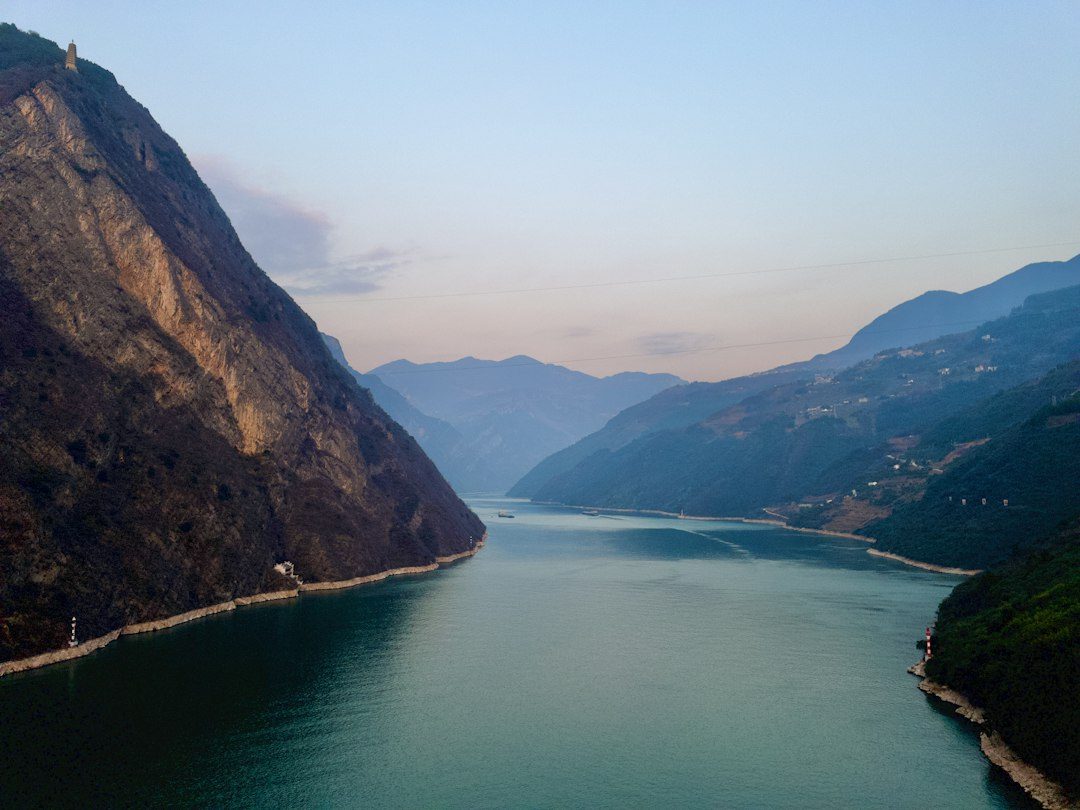
Yangtze River Cruise Three Gorges Guide
Yangtze River Cruise Three Gorges Guide: 2026 guide covers current prices, transport, payment apps, and what foreign visitors need to know.
19 min read
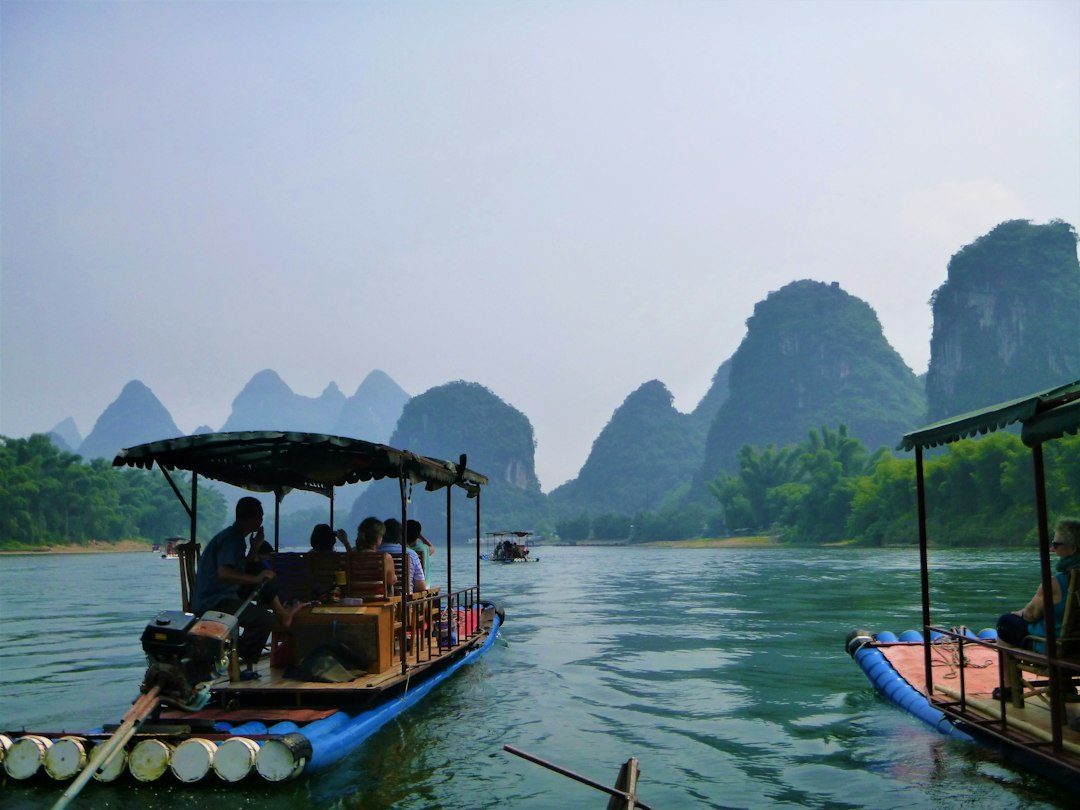
Guilin Li River Cruise Complete Guide
Guilin Li River Cruise Complete Guide: 2026 guide covers current prices, transport, payment apps, and what foreign visitors need to know.
19 min read
China Travel SIM Card eSIM Comparison 2026
The cab driver in Beijing looked at me in the rearview mirror and said, in perfect English, “You know, most tourists buy the wrong SIM card.” I’d been in China
10 min read
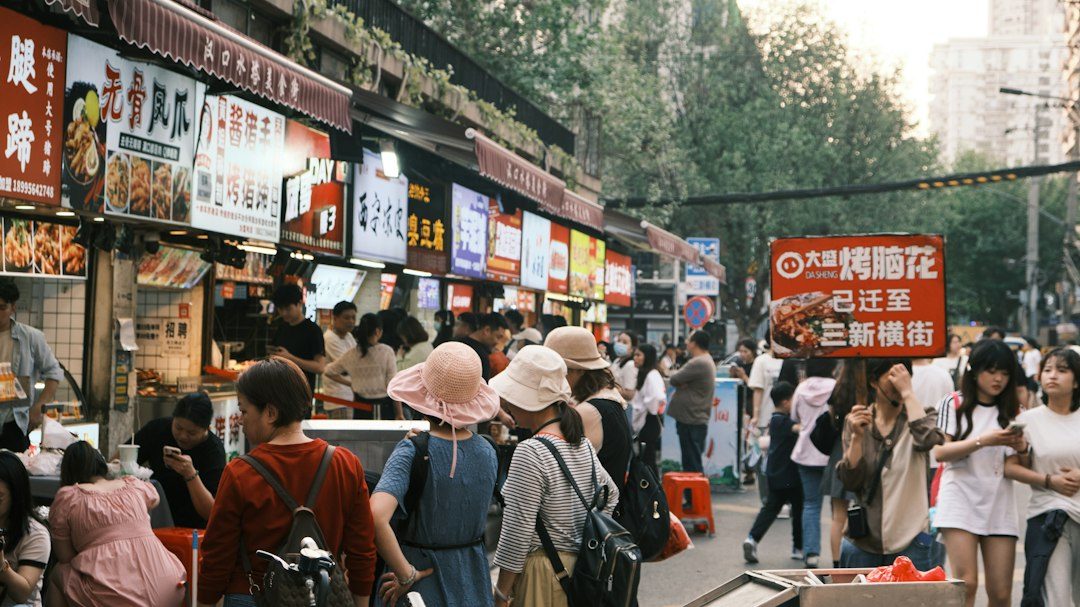
China Food Tour Self Guided Complete
The cab driver in Chengdu looked at me in the rearview mirror, then back at the address I’d fumbled to show him on my phone. He laughed. Not a mean laugh—the ki
16 min read