
Nagqu Travel Guide
The first thing I noticed in Nagqu wasn't the altitude. It was the quiet. I'd stepped off the train at around 4,500 meters (14,760 feet) expecting the usual…
Destination at a glance
- Best time to visit
- June to September, when roads are open and grassland is green.
- Daily budget
- $80–150/day including guide, transport, permits, and lodging.
- Visa
- A Chinese visa plus a Tibet Travel Permit via a licensed agency; check [visa-free transit rules](/posts/china-visa-free-transit-144-hour-240-hour/) — they don't cover Tibet.
- Safety
- Very low crime, but altitude sickness and remoteness are real risks — travel with a guide.
- Getting around
- Guided 4WD only; no independent transport, and English signage is almost nonexistent.
- Connectivity
- Buy a Chinese eSIM or local SIM and set up a VPN before arrival for Google and WhatsApp.
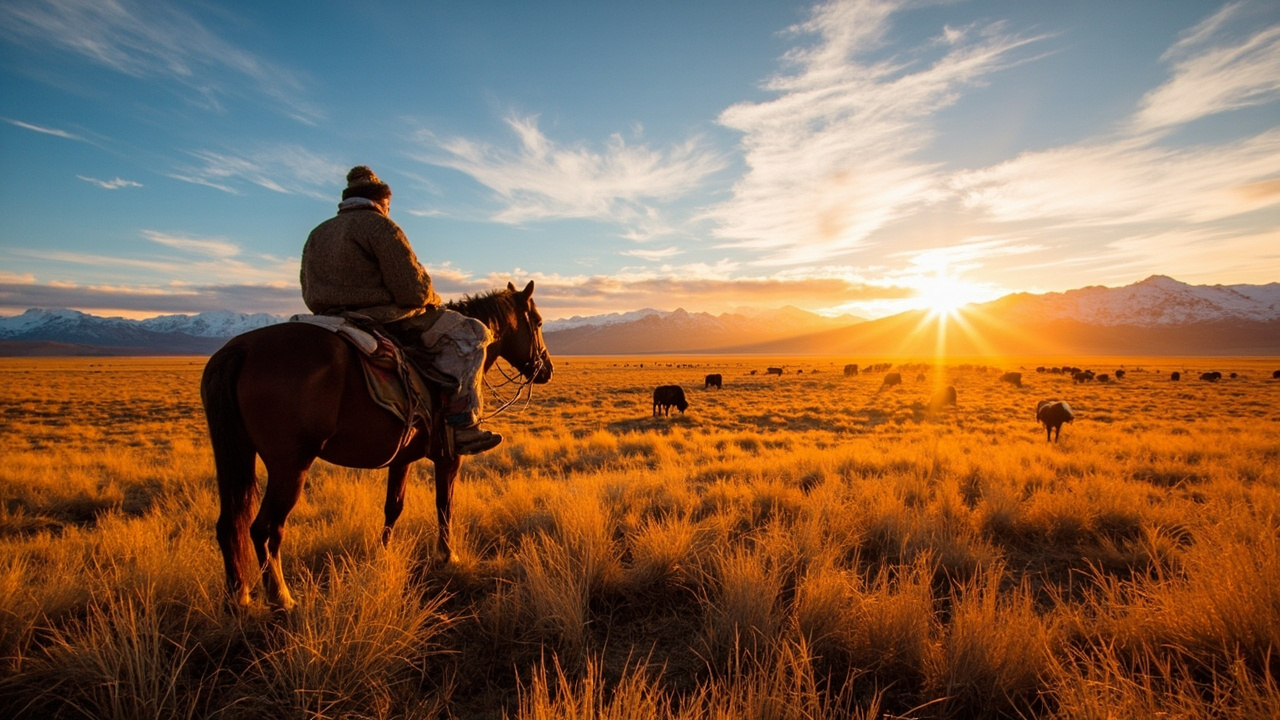
The first thing I noticed in Nagqu wasn’t the altitude. It was the quiet. I’d stepped off the train at around 4,500 meters (14,760 feet) expecting the usual station chaos — touts, taxi drivers shouting, someone selling phone chargers — and instead there was a thin cold wind, a few herders loading bags onto a flatbed truck, and a sky so blue it looked fake. Then the headache arrived about twenty minutes later, right on schedule.
Nagqu (那曲, Nàqǔ) is one of the highest cities in the world, sitting on the Changtang plateau in northern Tibet at roughly 4,500 meters. Most foreigners have never heard of it. It doesn’t have a famous monastery like Lhasa or a base camp like Tingri. What it has is space — vast, empty, wind-scoured grassland where yaks outnumber people and the horizon goes on until it dissolves into haze. It’s also the gateway to Namtso, one of the great salt lakes of Asia, and to the Changtang Nature Reserve, a chunk of wilderness the size of a small European country.
This guide is for travelers who’ve already decided they want to go to Tibet and are wondering whether Nagqu is worth the extra days and the extra altitude. It’s not for everyone. I’ll tell you honestly who should skip it. But if you want the version of Tibet that exists outside the Potala Palace tour buses, keep reading.
Quick answer
Nagqu is a high-altitude plateau city in northern Tibet (around 4,500 m / 14,760 ft) best visited June through September, reached by the Qinghai-Tibet railway or a long road transfer from Lhasa. Foreigners need a Tibet Travel Permit arranged through a licensed tour agency (you cannot travel independently), and most nationalities also need a Chinese visa — check the current China visa rules before booking. Budget roughly $80–150 per day (580–1,090 CNY) including guide, transport, and lodging, and give yourself two acclimatization days in Lhasa first.
The Short Version
Go to Nagqu for Namtso and the Changtang grassland, not for the city itself. The town is functional, windswept, and mostly a staging point. You need a tour agency, a permit, and a guide — no solo travel. Altitude is the real boss here: 4,500 m is no joke, and people do get sick. Best months are June to September. If you have heart or lung issues, or you’re squeezing this into a 5-day China trip, skip it.
How I Picked These
I’ve been through Nagqu three times over seven years, twice by train on the Qinghai-Tibet line and once by road from Lhasa via Damxung. I’ve stayed in the town, gotten mildly altitude sick in a hotel room with a broken heater, and eaten more yak butter than I care to admit. The recommendations below come from those trips, from conversations with Tibetan guides I’ve worked with (Tenzin, who runs small-group tours out of Lhasa, was especially helpful), and from cross-checking current 2026 permit rules with a licensed agency. I’ve deliberately left out places I only know secondhand.
Comparison Table
| Rank | Place | Best For | Approx Cost (USD) | Time Needed | When to Go |
|---|---|---|---|---|---|
| 1 | Namtso Lake | The postcard Tibet moment | $30–50 entry + tour | Full day | Jun–Sep |
| 2 | Changtang Grassland | Emptiness, yaks, nomad life | Included in tour | Half day | Jun–Sep |
| 3 | Nagqu Town & Markets | Local life, acclimatization | Free | 2–3 hrs | Any (dress warm) |
| 4 | Changtang Nature Reserve edge | Wildlife spotting | Tour cost | Full day | Jul–Aug |
| 5 | Sog Tsanden Monastery | Quiet Tibetan Buddhism | Free–$5 | 1–2 hrs | Jun–Sep |
| 6 | Nyainrong Grassland | Off-the-map scenery | Tour cost | Half day | Jul–Aug |
| 7 | Horse Racing Festival (if timed) | Cultural spectacle | Varies | 1–2 days | Aug (varies) |
| 8 | Qinghai-Tibet Railway journey | The train itself | $40–90 | Overnight | Year-round |
| 9 | Local yak restaurants | Real Tibetan food | $5–12/meal | 1 hr | Any |
| 10 | Amdo / northern villages | Deep rural Tibet | Tour cost | 1–2 days | Jul–Aug |
1. Namtso Lake — The Reason You Came
I stood on the shore at Namtso (纳木错) at about 4,718 meters and watched the water change color three times in ten minutes — grey, then a hard turquoise, then almost black as clouds moved across. My ears were ringing from the altitude and I didn’t care.
Namtso is one of the largest saltwater lakes in the world and, for my money, the single most impressive natural sight in Tibet after Everest itself. The Tibetan name means “Heavenly Lake,” and the cliché is earned. In summer, nomad families set up yak-hair tents along the shore and sell yogurt and butter tea. The water is freezing, the wind is relentless, and the light is unreal.
📌 Location: About 120 km (75 mi) southeast of Nagqu town, on the border with Lhasa prefecture. 🎫 Entry fee: Roughly $17 (120 CNY) for the lake area, often bundled into tour pricing. 🕒 Opening hours: Daylight hours; the access road can close in heavy snow (rare in summer). 🚗 How to actually get there: Almost always as part of a guided tour from Nagqu or Lhasa. There’s no public bus for foreigners. From Lhasa it’s a 4–5 hour drive via Damxung. ⏰ When to visit: June to September. Go early morning for calm water and fewer people. 💡 Insider tips: Bring cash for the nomad tents — no card readers up there. The toilet situation is basic; use facilities before you leave town. Don’t swim, no matter how tempting the photos look. And take the altitude seriously: Namtso is higher than Nagqu town.
I bought a bowl of yogurt from a woman named Drolma who laughed at my terrible Tibetan and refused to let me pay full price.
2. Changtang Grassland — Where the Horizon Disappears
The Changtang (羌塘) is not a “sight” so much as a condition. Driving through it, I kept thinking the landscape was broken — no trees, no fences, no buildings, just rolling brown-green plains and a sky that took up 80% of the frame.
This is one of the highest and largest pastoral regions on earth, home to Tibetan nomads, wild yaks, Tibetan antelope (chiru), and the occasional wolf. In summer the grassland greens up and wildflowers appear in patches. It’s the kind of place that makes you quiet.
📌 Location: North and west of Nagqu town, stretching toward the Changtang Nature Reserve. 🎫 Entry fee: Free to drive through; reserve access requires permits via your tour agency. 🕒 Opening hours: Always “open,” but you shouldn’t be out after dark. 🚗 How to actually get there: By 4WD with a guide. The G109 highway cuts through part of it; side roads need local knowledge. ⏰ When to visit: July and August for green grass and wildlife. 💡 Insider tips: Bring binoculars — you’ll spot antelope from the road. Don’t approach yaks; they’re bigger than they look and faster than you’d think. Pack out all trash; there’s nowhere to dispose of it. Sunscreen and lip balm are non-negotiable.
I made the mistake of leaving my camera battery in the cold car overnight. Dead by morning. Carry spares in a warm pocket.
3. Nagqu Town Itself — Functional, Windy, Weirdly Charming
Most guides tell you Nagqu town is nothing. I disagree, mildly. It’s a real working Tibetan town, not a tourist set piece, and that’s exactly why it’s worth an afternoon.
The main market sells everything from prayer flags to tractor parts. There’s a cluster of yak restaurants where herders eat lunch, and the smell of butter tea and fried bread hits you from half a block away. The town sits at 4,500 m, so even a slow walk feels like effort.
📌 Location: Central Nagqu, around the main bazaar near the bus station. 🎫 Entry fee: Free. 🕒 Opening hours: Market roughly 9am–7pm; restaurants later. 🚗 How to actually get there: Nagqu railway station is on the Qinghai-Tibet line; taxis into town take about 10 minutes. ⏰ When to visit: Any time you’re acclimatizing — but bundle up, even in summer. 💡 Insider tips: Set up Alipay or WeChat Pay before you arrive; small vendors may not take foreign cards. English is essentially nonexistent — download a translation app and an offline Tibetan/Chinese dictionary. Cash in small bills is still king here.
I paid too much for a wool hat because I didn’t check the price first. Lesson learned.
4. Changtang Nature Reserve Edge — Wild Tibet
You can’t just wander into the reserve — it’s a protected area the size of roughly 300,000 square kilometers — but the edges accessible on guided tours give you a taste of true wilderness.
This is where you might see chiru (Tibetan antelope), kiang (wild ass), and if you’re very lucky, a snow leopard track. Most visitors won’t see a snow leopard. That’s fine. The point is the possibility.
📌 Location: Northwest of Nagqu, accessed via permit. 🎫 Entry fee: Included in tour cost; permits required. 🕒 Opening hours: Guided access only. 🚗 How to actually get there: 4WD with a licensed guide; no independent access. ⏰ When to visit: July–August for best wildlife visibility. 💡 Insider tips: Carry your own water and food. Respect all no-entry zones — rangers are serious. A good guide makes or breaks this; ask your agency who’s leading.
Our guide spotted antelope a kilometer away before I saw anything. Bring someone who knows the land.
5. Sog Tsanden Monastery — Quiet Buddhism
Small, active, and almost empty of tourists. I sat in the courtyard for an hour and watched monks debate, hands clapping, robes flapping in the wind.
It’s a working monastery, not a museum. That’s the appeal.
📌 Location: Near Nagqu town. 🎫 Entry fee: Free, small donation appreciated. 🕒 Opening hours: Daylight; avoid prayer times unless invited. 🚗 How to actually get there: Short taxi or walk from central Nagqu. ⏰ When to visit: Morning. 💡 Insider tips: Ask before photographing monks. Remove hats inside. A small donation in cash is respectful.
6. Nyainrong Grassland — Off the Map
Fewer yaks, more silence. Nyainrong is a county east of Nagqu with grasslands that feel even emptier.
📌 Location: Nyainrong County, east of Nagqu. 🎫 Entry fee: Free. 🕒 Opening hours: Daylight. 🚗 How to actually get there: Guided 4WD. ⏰ When to visit: July–August. 💡 Insider tips: Fuel up before leaving town. Cell signal is patchy.
7. Horse Racing Festival — If You Time It Right
Nagqu hosts one of Tibet’s biggest horse racing festivals, usually in August (dates shift yearly — confirm with your agency). It’s a genuine cultural event with riders in traditional dress, not a tourist show.
📌 Location: Nagqu area, venue varies. 🎫 Entry fee: Varies; often free to attend. 🕒 Opening hours: Multi-day event. 🚗 How to actually get there: Via tour or local taxi. ⏰ When to visit: August — check exact 2026 dates. 💡 Insider tips: Book lodging months ahead. Bring sun protection and cash.
8. The Qinghai-Tibet Railway — The Journey Is the Point
Riding the train from Xining to Lhasa (or stopping at Nagqu) is one of the great rail journeys. Oxygen is piped into the carriages; the scenery through the Kunlun Mountains is extraordinary. Read my full China high-speed rail guide for booking basics.
📌 Location: Qinghai-Tibet line, Nagqu station. 🎫 Entry fee: Ticket $40–90 (290–650 CNY) depending on class. 🕒 Opening hours: Multiple daily departures. 🚗 How to actually get there: Book via Trip.com or a Chinese booking app; bring your passport. ⏰ When to visit: Year-round, but summer for scenery. 💡 Insider tips: Book a lower berth if you can. Bring snacks and water.
9. Local Yak Restaurants — Eat Like a Herder
Yak momos, yak stew, butter tea, tsampa. It’s hearty, salty, and exactly what you need at altitude. I ate at a hole-in-the-wall near the market and paid about $6 (45 CNY) for a meal that kept me full all day.
📌 Location: Around Nagqu’s central market. 🎫 Entry fee: N/A. 🕒 Opening hours: Lunch and dinner. 🚗 How to actually get there: Walk from town center. ⏰ When to visit: Lunch. 💡 Insider tips: Point at what looks good; menus are often Chinese-only. Butter tea is an acquired taste — try it once.
10. Northern Villages — Deep Rural Tibet
Reverent entry here. The villages north of Nagqu are not tourist attractions. They’re homes. If you’re invited in, be humble, bring a small gift (tea, fruit), and don’t treat people as photo subjects.
📌 Location: North of Nagqu toward the reserve. 🎫 Entry fee: Free. 🕒 Opening hours: N/A. 🚗 How to actually get there: Only with a guide and permission. ⏰ When to visit: Summer. 💡 Insider tips: Learn a few Tibetan greetings. Ask before photographing anyone.
FAQ summary
The most important things to know before visiting Nagqu: foreigners cannot travel to Tibet independently and must book through a licensed agency that arranges the Tibet Travel Permit (allow 15–20 days); the city sits at roughly 4,500 m so acclimatize in Lhasa for at least two days first; and the best window is June through September, when roads to Namtso and the Changtang are open and grassland is green. Budget $80–150 per day including guide and transport.
FAQ
Q: Do I need a special permit to visit Nagqu? A: Yes. All foreign travelers to Tibet need a Tibet Travel Permit arranged through a licensed agency, and Nagqu may require additional area permits. Apply at least 15–20 days ahead and carry printed copies.
Q: Can I travel to Nagqu independently? A: No. Foreigners must travel with an organized tour and licensed guide in Tibet. Independent travel isn’t permitted, so budget for guide and vehicle costs.
Q: How do I deal with the altitude in Nagqu? A: Spend at least two days acclimatizing in Lhasa (3,650 m) before going higher. Drink water, avoid alcohol the first night, and consider acetazolamide (Diamox) after consulting a doctor. Nagqu at 4,500 m is serious — don’t push through symptoms.
Q: When is the best time to visit Nagqu? A: June through September. Roads to Namtso and the Changtang are reliably open, temperatures are milder, and grassland is green. Winter is brutally cold and many routes close.
Q: How much does a Nagqu trip cost? A: Roughly $80–150 per day (580–1,090 CNY) including guide, 4WD transport, permits, and basic lodging. Namtso entry adds about $17 (120 CNY). Group tours lower the per-person cost.
Q: Is English spoken in Nagqu? A: Almost never. Your guide will translate, but download a translation app and offline maps. Set up a Chinese eSIM or local SIM and a VPN before arrival — Google and WhatsApp are blocked.
Q: Is Nagqu safe? A: Yes, in terms of crime. The real risks are altitude sickness, cold, and remoteness. Travel with a guide, carry medication, and don’t wander off alone.
The Honest Wrap-up
Nagqu isn’t for everyone. If you have three days in China total, or you’re not willing to pay for a guide and permit, or you have heart or lung problems, skip it — go enjoy Beijing or Chengdu instead. But if you want the empty, high, wind-scoured version of Tibet that most tourists never see, Nagqu delivers. My advice to a friend about to book: give yourself an extra acclimatization day, pack warmer than you think, and don’t schedule anything ambitious for your first 24 hours at altitude. The plateau rewards patience.
Destination at a Glance
- Best time to visit: June to September, when roads are open and grassland is green.
- Daily budget: $80–150/day including guide, transport, permits, and lodging.
- Visa: A Chinese visa plus a Tibet Travel Permit via a licensed agency; check visa-free transit rules — they don’t cover Tibet.
- Safety: Very low crime, but altitude sickness and remoteness are real risks — travel with a guide.
- Getting around: Guided 4WD only; no independent transport, and English signage is almost nonexistent.
- Connectivity: Buy a Chinese eSIM or local SIM and set up a VPN before arrival for Google and WhatsApp.
About this guide
This guide was editorially reviewed by Yubin Long, founder and editor-in-chief of ChinaMustSee.com, a Beijing-based travel editor. Facts were checked against current 2026 sources, including confirming that Tibet Travel Permit processing times remain at roughly 15–20 days and that foreign travelers still cannot visit Nagqu independently. (Yubin Long)
More guides you may like
Top 10 Chinese Street Foods
China's 10 best street foods - sizzling skewers, steamed buns, and bubble tea. Where to find them and what to ask for.
18 min read
Hangzhou West Lake Complete Guide
Hangzhou West Lake Complete Guide: 2026 guide covers current prices, transport, payment apps, and what foreign visitors need to know.
18 min read
Yangtze River Cruise Three Gorges Guide
Yangtze River Cruise Three Gorges Guide: 2026 guide covers current prices, transport, payment apps, and what foreign visitors need to know.
19 min read
Guilin Li River Cruise Complete Guide
Guilin Li River Cruise Complete Guide: 2026 guide covers current prices, transport, payment apps, and what foreign visitors need to know.
19 min read
China Travel SIM Card eSIM Comparison 2026
The cab driver in Beijing looked at me in the rearview mirror and said, in perfect English, “You know, most tourists buy the wrong SIM card.” I’d been in China
10 min read
China Food Tour Self Guided Complete
The cab driver in Chengdu looked at me in the rearview mirror, then back at the address I’d fumbled to show him on my phone. He laughed. Not a mean laugh—the ki
16 min read