
Zhongshan Travel Guide
The first thing I noticed in Zhongshan was the quiet. I'd come from Guangzhou, ninety minutes south on a bus that smelled of air freshener and someone's…
Destination at a glance
- Best time to visit
- October–December and March–April, when temperatures are 60–75°F and humidity drops.
- Daily budget
- $50–80/day for a mid-range hotel, meals, and local transport.
- Visa
- Most Western passport holders qualify for China's 30-day visa-free entry under the 2025–2026 policy; no visa needed for a short trip.
- Safety
- Very safe, with low violent crime; watch for traffic when crossing roads.
- Getting around
- DiDi ride-hail and local buses are cheap and easy; English signage is limited, so use a translation app.
- Connectivity
- Buy a local SIM or eSIM on arrival; a VPN is essential for Google, WhatsApp, and Instagram.
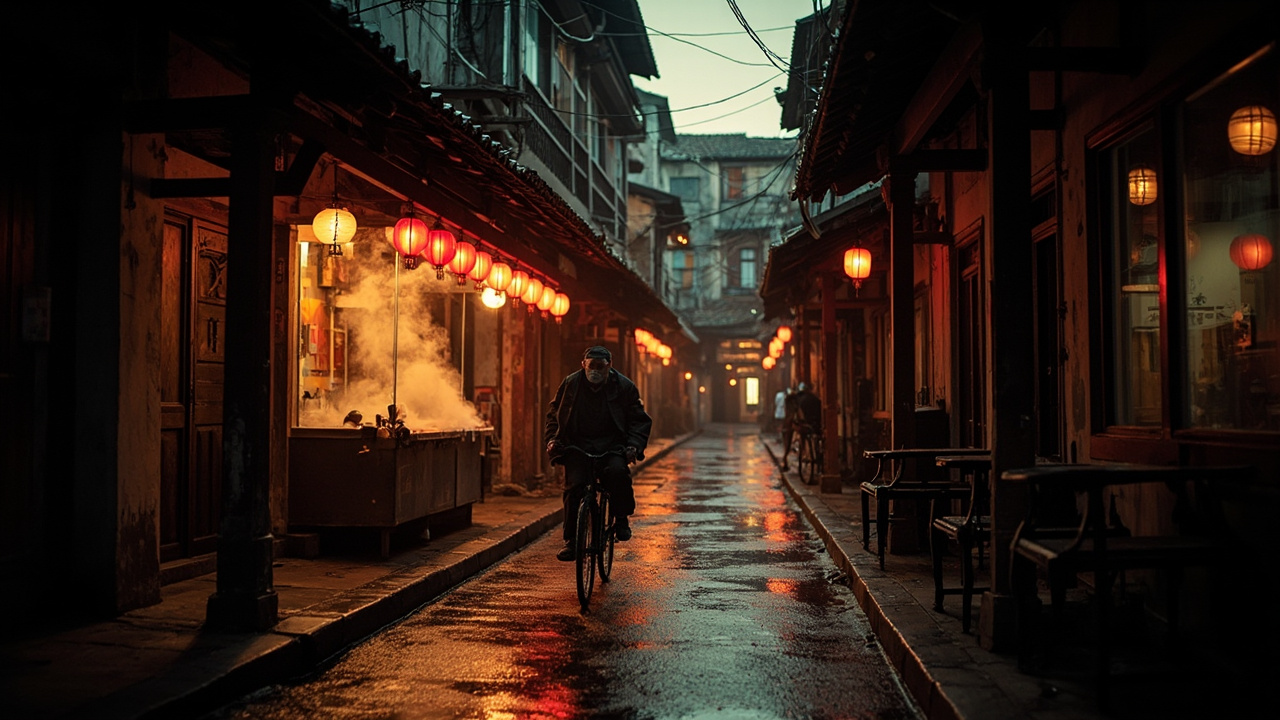
Zhongshan Travel Guide
The first thing I noticed in Zhongshan was the quiet. I’d come from Guangzhou, ninety minutes south on a bus that smelled of air freshener and someone’s lunch, and stepped off onto a street where the loudest sound was a mahjong tile clicking against a table. An old man in a white singlet looked up from his game, nodded at me, and went back to it. That was my welcome to the hometown of Sun Yat-sen.
Zhongshan doesn’t chase tourists. It’s a mid-sized Pearl River Delta city of about 4.4 million people, wedged between Guangzhou and Zhuhai, and most foreigners pass straight through it on the way to Macau without ever getting off the bus. That’s a mistake, but a forgivable one. The city rewards people who slow down: a beautifully preserved old town along the Qijiang River, the ancestral village of the man who founded modern China, and some of the best Cantonese home cooking in the delta at prices that would make a Shenzhen diner weep.
I spent four days here on my third trip, mostly on foot and mostly eating. This guide is for the traveler who wants a real Cantonese city without the crowds of Guangzhou or the theme-park gloss of Zhuhai. It covers what’s worth your time, what isn’t, and how to get around without speaking a word of Mandarin.
Quick answer
Zhongshan is a relaxed Cantonese city in Guangdong, about 90 minutes by bus or 40 minutes by high-speed rail from Guangzhou, best visited in October–December or March–April when the humidity drops. Most Western passport holders can enter China visa-free for up to 30 days under the 2025–2026 policy, so no visa is needed for a short trip. Budget roughly $50–80 per day for hotels, food, and transport, and plan on two full days to see the old town and Sun Yat-sen’s village properly.
The Short Version
Come for the Cuiheng village and the Qijiang old town, stay for the food. Skip the theme parks. Two days is enough, three is better if you like walking. Bring a translation app because English is rare here, set up Alipay or WeChat Pay before you arrive, and don’t expect anyone to speak English at the bus station. It’s cheap, it’s calm, and it’s the least touristy city of its size I’ve visited in Guangdong.
How I Picked These
I’ve been through Zhongshan four times since 2019, twice for this guide specifically. I walked the old town end to end, took the bus out to Cuiheng twice (once on a weekday, once on a Sunday to see the difference), and ate at maybe fifteen restaurants, half of them recommended by a taxi driver named Liu who gave me his WeChat and then sent me voice messages for three days. I also asked the receptionist at my hotel, a woman in her fifties, where she actually eats on weekends, and followed her list. Everything below is somewhere I’ve been, eaten at, or walked through myself. Where I’m unsure of a price or a closing day, I say so.
Comparison Table
| Rank | Place | Best For | Approx Cost (USD) | Time Needed | When to Go |
|---|---|---|---|---|---|
| 1 | Cuiheng Village (Sun Yat-sen’s birthplace) | History, architecture | $0–8 (¥0–60) | 3–4 hours | Weekday morning |
| 2 | Qijiang Old Town (Shiqi) | Walking, food, photos | Free | 2–3 hours | Late afternoon |
| 3 | Sunwen West Road pedestrian street | Arcade architecture, snacks | Free | 1–2 hours | Evening |
| 4 | Zhongshan Museum | Context on the region | Free | 1–2 hours | Rainy days |
| 5 | Zimaling Park | Local life, easy stroll | Free | 1–2 hours | Early morning |
| 6 | Xiaolan Town | Chrysanthemum culture, old lanes | $3–5 (¥20–35) | Half day | November |
| 7 | Yanzhou Academy | Quiet Confucian history | Free | 45 min | Any |
| 8 | Zhongshan Hot Spring Resort | Relaxation | $25–50 (¥180–360) | Half day | Cooler months |
| 9 | Gangkou Town wetlands | Birdwatching, nature | $3 (¥20) | 2–3 hours | Winter |
| 10 | Wuguishan hills | Hiking, tea | Free | Half day | Oct–Apr |
Cuiheng Village – Where Modern China Started
I got off the bus at Cuiheng on a Tuesday morning and had the main lane almost to myself for twenty minutes. Then a tour group from Foshan arrived and the lane filled with selfie sticks. Go early.
This is the ancestral village of Sun Yat-sen, the revolutionary who helped end two thousand years of imperial rule. His childhood home is here, a small brick house with a dirt floor, and next to it a museum that’s genuinely well done, with English labels throughout. What surprised me was how much of the village is intact: the old lanes, the ancestral hall, the banyan trees. It’s a living village, not a diorama, though the souvenir stalls along the entrance are doing their best to change that.
The Sun Yat-sen Memorial Hall is the centerpiece, a grand white building with a statue out front. Inside, the exhibits trace his life from this village to Hawaii to the 1911 revolution. Allow an hour. The residence itself takes fifteen minutes.
📍 Location: Cuiheng Village, Nanlang Town, about 25 km southeast of Zhongshan city center 🎫 Entry fee: Memorial hall free with ID/passport; combined ticket for some buildings around $8 (¥60) 🕒 Opening hours: 9:00–17:00, closed Mondays; last entry 16:30 🚕 How to actually get there: Bus 12 from Zhongshan city bus station (about 45 minutes, $0.70/¥5) or a DiDi for around $10 (¥70). The bus drops you at the village entrance. ⏰ When to visit: Weekday mornings, October through April. Avoid Chinese public holidays entirely. 💡 Insider tips: Bring your passport for the free ticket; the museum has clean bathrooms and a decent café; the village gets packed on weekends with domestic tour groups; the small lanes behind the main hall are where the actual old houses are, most people miss them. I ate lunch at a tiny place near the bus stop, a bowl of wonton soup for $1.40 (¥10), and the owner asked me where I was from and then insisted I try her chili oil.
Qijiang Old Town – The City’s Real Heart
This is the part of Zhongshan I’d come back for. The old town along the Qijiang River, in the Shiqi district, is a grid of narrow streets lined with qilou, the arcade buildings that Cantonese cities built in the early 1900s. Many are crumbling. Some are being restored. All of them are beautiful in a way that new construction can’t fake.
I walked here for three hours one afternoon and got lost twice, which is the correct way to see it. The riverfront has a promenade where old men fish and women do tai chi at dawn. Behind it, the lanes are full of small shops: a man repairing watches, a woman selling dried herbs, a bakery that’s been making the same almond cookies since 1985. The whole area is free to wander.
📍 Location: Shiqi District, along the Qijiang River, centered on Sunwen West Road 🎫 Entry fee: Free 🕒 Opening hours: Always open; shops roughly 9:00–21:00 🚕 How to actually get there: From Zhongshan North Station, take bus 018 or a DiDi (about $3/¥20) to Sunwen West Road. If you’re staying downtown, it’s a 15-minute walk from most hotels. ⏰ When to visit: Late afternoon into evening, when the light hits the arcades and the food stalls open. Weekdays are much calmer. 💡 Insider tips: The best photo spot is the bridge over the Qijiang at dusk; several of the arcade buildings have small museums inside that are free and empty; carry cash for the tiny shops, some don’t take mobile pay; the almond cookie bakery near the river is worth the queue.
Sunwen West Road – Arcades and Snacks
Sunwen West Road is the pedestrianized spine of the old town, and it’s where I ate my best meal in Zhongshan. It’s a straight walk of about a kilometer under continuous arcades, lined with shops selling everything from phone cases to century eggs. It’s touristy in the way any old Chinese shopping street is touristy, but the architecture is real and the food is good.
The snack I keep thinking about: a bowl of shuangpi nai, the double-skin milk pudding that’s a Cantonese specialty, served cold with red beans. About $1.20 (¥8). I had two.
📍 Location: Shiqi District, running parallel to the Qijiang 🎫 Entry fee: Free 🕒 Opening hours: Shops 10:00–22:00, busiest after 18:00 🚕 How to actually get there: Same as Qijiang old town; the street is the main pedestrian axis ⏰ When to visit: Evening, when the lights come on and the snack stalls are all open 💡 Insider tips: The arcade on the north side has better shade in the afternoon; look for the small side alleys, that’s where the cheap local restaurants are; avoid the obvious tourist restaurants with English menus, they’re overpriced; the street connects to the river promenade at its east end.
Zhongshan Museum – Context You’ll Actually Use
I ducked into the museum on a rainy afternoon expecting a dusty provincial collection and got a genuinely useful overview of the Pearl River Delta’s history, from the Neolithic through the opium trade to the reform era. The English signage is patchy but the artifacts speak for themselves, and there’s a whole floor on the region’s overseas Chinese diaspora that explains a lot about why this city looks the way it does.
📍 Location: Near Zimaling Park, East District 🎫 Entry fee: Free with passport 🕒 Opening hours: 9:00–17:00, closed Mondays 🚕 How to actually get there: Bus 2 or 032, or a DiDi from downtown (about $3/¥20) ⏰ When to visit: Rainy days, or a hot midday when you need air conditioning 💡 Insider tips: The diaspora exhibit is the best part and most visitors skip it; the museum shop sells good local history books in English; combine it with a walk in Zimaling Park next door.
Zimaling Park – Where the City Actually Lives
Every Chinese city has a park like this, and every one is worth an hour. Zimaling is Zhongshan’s biggest, a green sprawl with a lake, a small hill, and a zoo at one end. At 6 a.m. it’s full of retirees doing tai chi, dancing, and playing cards. By 10 it’s families with strollers. I went twice and both times ended up sitting on a bench watching a group of men play a card game I didn’t understand, smoking and arguing cheerfully.
📍 Location: East District, next to the museum 🎫 Entry fee: Free (zoo extra, about $8/¥60) 🕒 Opening hours: 6:00–22:00 🚕 How to actually get there: Bus 2, 032, or 050; or a short DiDi from downtown ⏰ When to visit: Early morning for the local scene, late afternoon for the light 💡 Insider tips: The lake path is the most pleasant walk; the zoo is small and skippable unless you have kids; there’s a tea house near the north gate that’s cheap and full of locals.
Xiaolan Town – Chrysanthemums and Old Lanes
Xiaolan is a town within Zhongshan, about 20 minutes north of the city center, famous across Guangdong for its chrysanthemums. If you come in November, the whole town turns into a flower festival. If you come any other time, you get a quiet old town with some lovely ancestral halls and almost no tourists. I came in March and had the place to myself.
📍 Location: Xiaolan Town, north Zhongshan 🎫 Entry fee: Free to wander; festival events vary 🕒 Opening hours: Town always open; halls roughly 9:00–17:00 🚕 How to actually get there: Bus from Zhongshan city bus station (about 30 minutes, $0.70/¥5) or DiDi (about $8/¥55) ⏰ When to visit: November for the chrysanthemum festival; otherwise any weekday 💡 Insider tips: The old lanes near the river are the prettiest part; the local chrysanthemum tea is worth buying; most halls close for lunch, plan around 12:00–14:00.
Yanzhou Academy – A Quiet Corner
I found this by accident while walking the old town and stayed for forty minutes because it was so peaceful. It’s a small Confucian academy from the Qing dynasty, restored but not over-restored, with a courtyard and a couple of rooms of exhibits. Free, empty, and a good place to sit.
📍 Location: Shiqi District, old town 🎫 Entry fee: Free 🕒 Opening hours: 9:00–17:00, closed Mondays 🚕 How to actually get there: Walk from Sunwen West Road, about 10 minutes ⏰ When to visit: Any weekday 💡 Insider tips: Combine with the old town walk; the courtyard is a good spot to rest your feet.
Zhongshan Hot Spring Resort – The Splurge
I’m not usually a resort person, but after four days of walking I booked an afternoon at the hot spring resort in Sanxiang, about 30 minutes south of the city, and it was worth it. The pools are fed by actual geothermal water, the setting is leafy, and the crowd is mostly local families. It’s not fancy by international standards but it’s clean and relaxing.
📍 Location: Sanxiang Town, south Zhongshan 🎫 Entry fee: About $25–50 (¥180–360) depending on package 🕒 Opening hours: Roughly 10:00–23:00 🚕 How to actually get there: DiDi from downtown (about $12/¥85) or a resort shuttle from the city ⏰ When to visit: Cooler months, weekday afternoons 💡 Insider tips: Bring your own towel to save the rental fee; the outdoor pools are better than the indoor ones; book ahead on weekends.
Gangkou Town Wetlands – Birds and Mangroves
A quiet wetland reserve on the coast, good for birdwatching in winter when migratory birds pass through. I went in January and saw herons and egrets and not much else, but the boardwalk through the mangroves was lovely and I had it to myself.
📍 Location: Gangkou Town, coastal Zhongshan 🎫 Entry fee: About $3 (¥20) 🕒 Opening hours: 8:00–17:30 🚕 How to actually get there: DiDi (about $15/¥100) or a local bus from the city ⏰ When to visit: Winter for birds; early morning for light 💡 Insider tips: Bring binoculars; there’s no food on site, eat before you go; the boardwalk is flat and easy.
Wuguishan Hills – Hiking and Tea
The Wuguishan hills rise behind the city and offer easy half-day hikes through tea plantations and bamboo. I walked a loop one morning and met a tea farmer who gave me a cup of his oolong and refused payment. The trails are marked in Chinese only, so bring a translation app or a screenshot of the map.
📍 Location: Wuguishan, east of the city center 🎫 Entry fee: Free 🕒 Opening hours: Daylight hours 🚕 How to actually get there: DiDi to the trailhead (about $10/¥70) ⏰ When to visit: October–April, early morning 💡 Insider tips: Wear proper shoes, the paths are uneven; bring water, there are no shops on the trails; the tea farmer near the main trailhead sells good oolong cheaply.
FAQ summary
The most important things to know: Zhongshan is visa-free for most Western passport holders under China’s 2025–2026 30-day policy, it’s reachable from Guangzhou in about 40 minutes by high-speed rail or 90 minutes by bus, and the two must-see sights are Cuiheng Village (Sun Yat-sen’s birthplace) and the Qijiang old town. Budget $50–80 per day, set up Alipay or WeChat Pay before arrival because cash is awkward, and download a VPN and translation app before you land. English is rarely spoken outside hotels.
FAQ
Q: Do I need a visa to visit Zhongshan? A: Most Western passport holders (US, UK, EU, Australia, Canada) can enter China visa-free for up to 30 days under the current 2025–2026 policy, which covers Zhongshan. Check the latest rules on the China visa guide before booking, since policies can change.
Q: How do I get to Zhongshan from Guangzhou? A: High-speed rail from Guangzhou South to Zhongshan North takes about 40 minutes and costs $5–8 (¥35–60). Buses from Guangzhou take 90 minutes and cost about $3 (¥20). See the high-speed rail guide for booking tips.
Q: Is English spoken in Zhongshan? A: Rarely. Hotel staff at international chains speak some English, but restaurants, taxis, and shops operate in Mandarin and Cantonese only. Download a translation app (Pleco or Google Translate with offline Chinese) before you arrive.
Q: How do I pay for things in Zhongshan? A: Set up Alipay or WeChat Pay linked to your foreign card before you arrive; see the payment guide. Cash works at larger places but small shops may refuse it or struggle to make change.
Q: What’s the best time to visit Zhongshan? A: October to December and March to April, when temperatures are 60–75°F (15–24°C) and humidity is low. Summers are hot and wet, and Chinese public holidays (especially Golden Week in early October) bring crowds.
Q: Do I need a VPN in Zhongshan? A: Yes, if you want to use Google, Instagram, WhatsApp, or most Western apps. Install a VPN before you arrive, since they’re hard to download once you’re inside China. See the SIM and internet guide.
Q: Is Zhongshan safe for solo travelers? A: Very safe. Violent crime is rare, streets are busy late into the evening, and the main risk is traffic when crossing roads. Keep normal city precautions and you’ll be fine.
The Honest Wrap-up
Zhongshan isn’t for everyone. If you want the Great Wall and the Terracotta Army, this isn’t your trip. If you want a real Cantonese city where you’ll be the only foreigner on the street, where lunch costs $3 and the old town is genuinely old, it’s one of the best places in Guangdong. Give it two days, eat everything, and don’t skip Cuiheng. My one piece of advice: book your Guangzhou–Zhongshan train ticket the day before on the 12306 app, because same-day tickets sell out on weekends.
Destination at a Glance
- Best time to visit: October–December and March–April, when temperatures are 60–75°F and humidity drops.
- Daily budget: $50–80/day for a mid-range hotel, meals, and local transport.
- Visa: Most Western passport holders qualify for China’s 30-day visa-free entry under the 2025–2026 policy; no visa needed for a short trip.
- Safety: Very safe, with low violent crime; watch for traffic when crossing roads.
- Getting around: DiDi ride-hail and local buses are cheap and easy; English signage is limited, so use a translation app.
- Connectivity: Buy a local SIM or eSIM on arrival; a VPN is essential for Google, WhatsApp, and Instagram.
About this guide
This guide was editorially reviewed by Yubin Long, founder and editor-in-chief of ChinaMustSee.com, a Beijing-based travel editor. Facts were checked against current 2026 sources, including China’s 30-day visa-free policy and the Guangzhou–Zhongshan high-speed rail schedule, both confirmed as current at the time of publication. (Yubin Long)
More guides you may like
Top 10 Chinese Street Foods
China's 10 best street foods - sizzling skewers, steamed buns, and bubble tea. Where to find them and what to ask for.
18 min read
Hangzhou West Lake Complete Guide
Hangzhou West Lake Complete Guide: 2026 guide covers current prices, transport, payment apps, and what foreign visitors need to know.
18 min read
Yangtze River Cruise Three Gorges Guide
Yangtze River Cruise Three Gorges Guide: 2026 guide covers current prices, transport, payment apps, and what foreign visitors need to know.
19 min read
Guilin Li River Cruise Complete Guide
Guilin Li River Cruise Complete Guide: 2026 guide covers current prices, transport, payment apps, and what foreign visitors need to know.
19 min read
China Travel SIM Card eSIM Comparison 2026
The cab driver in Beijing looked at me in the rearview mirror and said, in perfect English, “You know, most tourists buy the wrong SIM card.” I’d been in China
10 min read
China Food Tour Self Guided Complete
The cab driver in Chengdu looked at me in the rearview mirror, then back at the address I’d fumbled to show him on my phone. He laughed. Not a mean laugh—the ki
16 min read