
Jinshanling Great Wall Hike
The wind hit first. Then the wall appeared, a gray ribbon stitched along the ridgeline, and I stood on a watchtower at Jinshanling with my ears burning and…
Destination at a glance
- Best time to visit
- Late October–early November for clear skies and golden hills; April–May as a second choice.
- Daily budget
- $80–150/day including private car, entry, meals, and a village guesthouse.
- Visa
- Most nationalities qualify for the 240-hour visa-free transit; otherwise apply for a standard tourist visa in advance.
- Safety
- The restored sections are safe for most walkers; the wild eastern end requires experience and dry weather.
- Getting around
- Private car or tour bus from Beijing; no metro reaches the wall, and English signage is limited.
- Connectivity
- Buy a tourist eSIM or local SIM on arrival; a VPN is needed for Google and most Western apps.
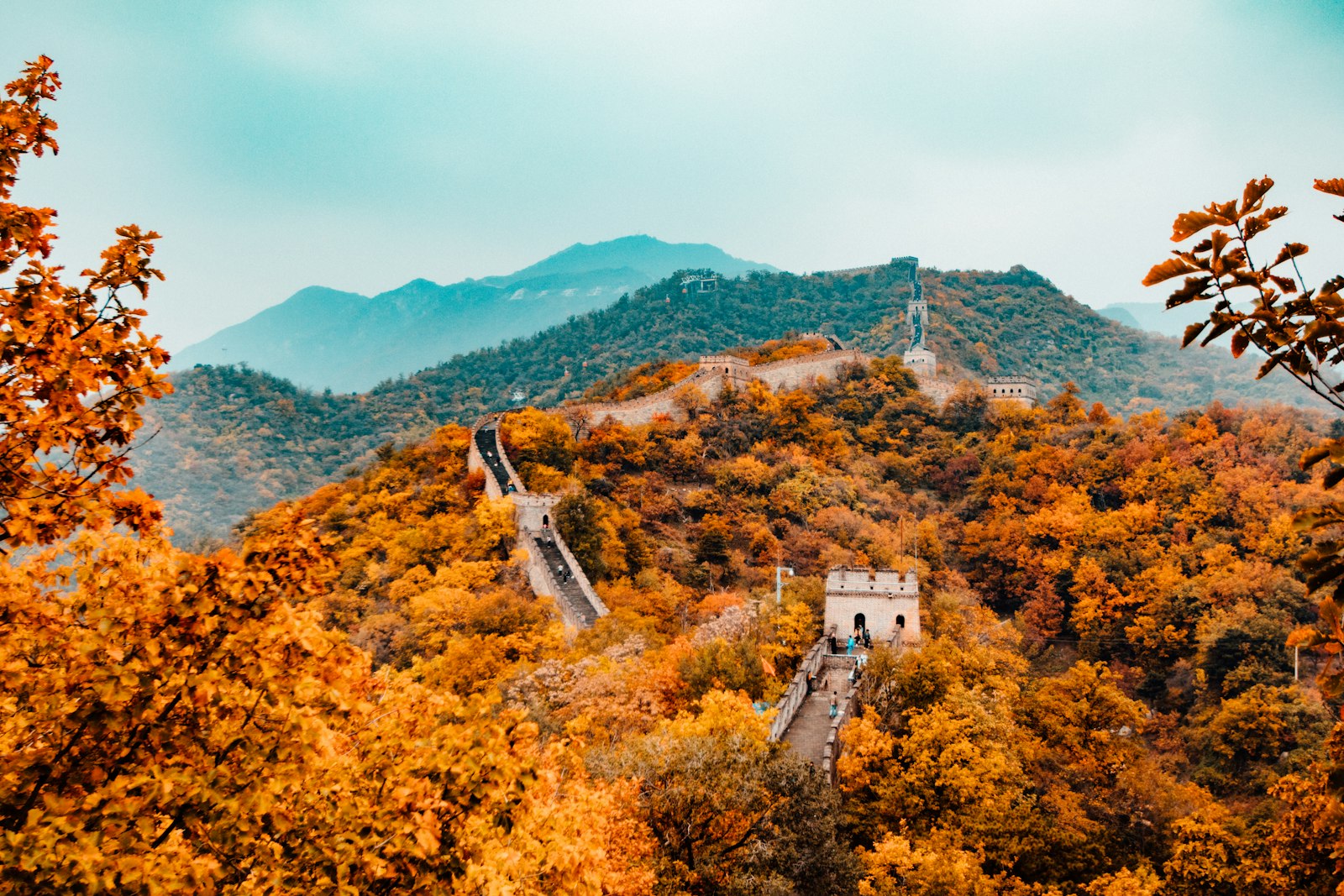
The wind hit first. Then the wall appeared, a gray ribbon stitched along the ridgeline, and I stood on a watchtower at Jinshanling with my ears burning and my water bottle half frozen, watching the sun come up over a stretch of Ming dynasty brickwork that I had almost entirely to myself.
That was November, a Tuesday, around 6:40 a.m. I’d slept in a village guesthouse the night before because the first bus from Beijing would have dumped me at the entrance two hours after sunrise. Best decision of the trip.
Here’s the thing nobody tells you before you go: the Great Wall near Beijing is not one experience. Badaling is a theme park with a cable car. Mutianyu is the postcard everyone photographs. Jinshanling is where you go if you actually want to walk, climb, sweat, and stand somewhere that feels like it’s been left alone. It’s the section I recommend to friends who ask “which part of the wall should I do?” and it’s the one I keep going back to.
This guide covers how to get there, what it costs, which towers to aim for, and the mistakes I made so you don’t have to. It’s written for a first-time visitor to China who has never dealt with Chinese buses, ticket apps, or a wall that goes up at a 45-degree angle.
Quick answer
Jinshanling is a restored-but-rough Ming Great Wall section about 130 km (80 miles) northeast of Beijing, best reached by a 2-hour private car/driver (approx. $60–90 / ¥430–650 round trip) or a morning tourist bus from Dongzhimen. Entry is about $9 (¥65) plus an optional cable car. Go at sunrise or late afternoon on a weekday, walk from the main gate toward Simatai, and budget a full day. Most foreign visitors can enter China visa-free for 240 hours (10 days) under the current transit policy, so a Great Wall day trip fits easily into a longer trip.
The Short Version
If you only read one paragraph: skip Badaling, take a private car or the early bus to Jinshanling, arrive before 8 a.m., walk the 10 km (6 miles) toward Simatai if your legs allow, and bring cash, water, and a windproof layer. It’s the best half-day on the wall for anyone who can handle stairs. Don’t try it in flip-flops.
How I Picked These
I’ve hiked Jinshanling four times over seven years living in Beijing, in spring, summer, and late autumn, and once in a light snow that turned the whole ridge white. I’ve walked it solo, with a friend who twisted her ankle on tower 14, and with a driver named Liu who has been ferrying tourists up there since 2011 and knows exactly which guesthouse serves the best breakfast. The advice below comes from those trips, from conversations with the village guesthouse owners, and from the very unglamorous process of missing a bus and having to figure out a Plan B.
Comparison Table
| Rank | Section | Best For | Approx Cost (USD) | Time Needed | When to Go |
|---|---|---|---|---|---|
| 1 | Jinshanling | Serious walkers, sunrise, fewer crowds | $9 entry + $60–90 car | Full day | Weekday, sunrise or 3–5 p.m. |
| 2 | Mutianyu | Families, cable car, postcard views | $9 entry + $17 cable car | Half day | Weekday morning |
| 3 | Badaling | First-timers, easiest access | $6 entry | 3–4 hours | Early, avoid weekends |
| 4 | Simatai | Night views, wilder terrain | $6 entry + cable car | Half day | Evening (night tour) |
| 5 | Jiankou | Hardcore hikers, unrestored | Free (guide advised) | Full day | Dry season only |
Jinshanling 鈥?the wall you actually walk
The first time I came here, I made the classic mistake: I arrived at 11 a.m. By then the sun was overhead, the stone was radiating heat, and a tour group from a Beijing hotel had filled the main gate. The second time I came at dawn and understood why people rave about this place.
Jinshanling runs roughly 10.5 km (6.5 miles) from the main gate area to the Simatai border, with about 67 watchtowers if you count every stub and ruin. The restored middle section is smooth enough to walk comfortably; the eastern end gets steep, uneven, and genuinely wild. You get both the “wow, this is a wall” photo and the “oh god, I’m climbing a wall” experience in one trip.
馃搷 Location: Luanping County, Hebei, on the border with Beijing’s Miyun District, about 130 km northeast of central Beijing.
馃帿 Entry fee: approx. $9 (¥65) for the main gate. Cable car one-way is about $6 (¥40). The eastern wild section toward Simatai may require a separate ticket depending on which gate you enter.
馃晲 Opening hours: roughly 7 a.m. to 5:30 p.m. in summer, 8 a.m. to 5 p.m. in winter. Gates close earlier than you think, so don’t start the full 10 km walk after 1 p.m.
馃殕 How to actually get there: The most reliable option is a private car/driver booked through your hotel or a service like a Beijing tour operator, roughly $60–90 (¥430–650) round trip, picking you up at 5:30 a.m. from your hotel. The budget option is the tourist bus from Dongzhimen bus station (Line 2/13, Exit B), departing around 8 a.m., about $6 (¥45) each way, but it’s slow and drops you at the main gate around 10:30. For train logistics across China generally, see the high-speed rail guide.
鈴?When to visit: Weekday mornings, ideally arriving by 7:30 a.m. Late October and early November are the sweet spot 鈥?cool, clear, and the hills turn gold. Avoid Chinese public holidays (National Day, May Day) at all costs.
馃挕 Insider tips: Bring cash for the small vendors at the gate; many don’t take WeChat Pay. The wind at the towers is brutal even in summer, so pack a shell. There’s a toilet at the main gate but nothing reliable on the wall itself. And the “east gate” and “main gate” are different entrances 鈥?confirm with your driver which one you’re using, or you’ll walk an extra 40 minutes.
I met a retired schoolteacher from Tianjin at tower 8 who had walked the section 30 times and told me, in careful English, “the wall is not for looking, it is for walking.” She was right.
Sunrise at the main gate 鈥?why the early start matters
You will hate me at 5 a.m. You will thank me at 6:30.
The main gate area is where most day-trippers enter, and it’s also where the light is best. The wall runs east-west here, so sunrise lights the northern face and throws long shadows across the brick. If you arrive after 9 a.m., the light flattens and the tour buses arrive in waves.
馃搷 Location: Main gate, Jinshanling scenic area, Luanping County.
馃帿 Entry fee: $9 (¥65).
馃晲 Opening hours: Gate opens around 7 a.m. in summer. If you’re staying in a village guesthouse, ask them to arrange early access 鈥?some guesthouses have arrangements with the gate staff.
馃殕 How to actually get there: From your Beijing hotel, a pre-booked driver is the only realistic way to arrive by sunrise. Expect pickup around 5:00–5:30 a.m. The drive is about 2 hours on the Jingcheng Expressway (G45).
鈴?When to visit: Sunrise, any weekday, October–November or April–May.
馃挕 Insider tips: The guesthouses in Jinshanling village (about 1 km from the gate) cost $25–45 (¥180–320) per night and most will cook you breakfast at 6 a.m. if you ask the night before. Bring a headlamp for the walk to the gate. The ticket office may not be staffed at 6:30, so buy your ticket the afternoon before if you can.
The guesthouse owner, a woman named Zhang, made me congee and pickled vegetables at 6 a.m. and refused to let me pay extra. “You come back, you tell your friends,” she said. So: I’m telling you.
The 10 km walk to Simatai 鈥?the real hike
This is the part that separates Jinshanling from every other wall section. The walk east toward Simatai is a proper hike: 10.5 km, roughly 4–5 hours at a steady pace, with steep ascents, crumbling steps, and stretches where the wall has half-collapsed into the hillside.
I did it in April with a friend who is fit and hikes regularly. We started at 8 a.m. and finished at 1:30 p.m., including a long stop at tower 20 to eat peanuts and catch our breath. It is not a stroll.
馃搷 Location: Eastern section, from Jinshanling main gate toward Simatai.
馃帿 Entry fee: Included in the main ticket if you exit at Simatai; some routes require a separate Simatai ticket (about $6 / ¥40).
馃晲 Opening hours: Same as the main gate. Do not start after 1 p.m. 鈥?you will not finish before closing.
馃殕 How to actually get there: Start at the main gate, walk east. Arrange your driver to pick you up at the Simatai end, or take the cable car down at Simatai and catch a shuttle back.
鈴?When to visit: Spring and autumn. Summer is hot and exposed; winter ice makes the steep sections dangerous.
馃挕 Insider tips: Bring at least 2 liters of water per person. There are no reliable shops on the wall. Wear shoes with grip 鈥?the restored sections are smooth but the wild sections are loose. The “wild” section between towers 15 and 20 is where most people turn back; know your limits. And if you have knee problems, take the cable car down at Simatai rather than walking the last descent.
I twisted nothing, but my friend rolled her ankle on a loose brick near tower 17 and we limped the last 2 km. Bring a basic first-aid kit.
Watchtower 8 鈥?the photo everyone wants
Tower 8 (also called “General’s Tower” on some maps) is the most photographed spot on Jinshanling, and for good reason: it sits on a high point with a clear view of the wall snaking east in both directions.
I’ve taken maybe 200 photos here over the years and the best one was in light rain, when the wall disappeared into cloud and reappeared a hundred meters later.
馃搷 Location: About 2.5 km east of the main gate.
馃帿 Entry fee: Included in main ticket.
馃晲 Opening hours: Same as wall.
馃殕 How to actually get there: Walk east from the main gate for about 40 minutes at a steady pace.
鈴?When to visit: Early morning or late afternoon for the best light. Midday is flat and crowded.
馃挕 Insider tips: The tower itself is a good windbreak 鈥?eat lunch inside it. Don’t climb on the ruined parapets; they’re unstable. And if you want the classic shot, stand on the east side of the tower looking west, not the other way around.
A French photographer I met here told me he’d waited three days for the right light. I got lucky on day one.
The wild eastern section 鈥?for experienced hikers only
Past tower 15, the wall gets serious. Some sections are unrestored, with loose brick, steep drops, and no railings. It’s beautiful and it is not for everyone.
I walked it once, in dry October, and I would not do it in rain or with children.
馃搷 Location: Towers 15–20, eastern Jinshanling.
馃帿 Entry fee: Included, but some operators require a guide for the wildest parts.
馃晲 Opening hours: Same as wall, but do not attempt after 2 p.m.
馃殕 How to actually get there: Continue east from tower 8. The path is obvious but the footing is not.
鈴?When to visit: Dry season only, October–November or March–April.
馃挕 Insider tips: Go with a guide if you’re not an experienced hiker. Tell someone your plan. Bring a charged phone 鈥?signal is patchy but present on high points. And turn back if you’re not comfortable; there’s no shame in it.
I turned back at tower 18 on my first attempt and have zero regrets.
Jinshanling village 鈥?where to sleep and eat
The village at the base of the wall is small, unpretentious, and exactly what you want after a long hike. Guesthouses are family-run, cheap, and serve honest food.
I’ve stayed at three different guesthouses here and the pattern is the same: clean room, hot water, a shared dining table, and a host who will drive you to the gate for a small fee.
馃搷 Location: Jinshanling village, about 1 km from the main gate.
馃帿 Entry fee: N/A (village is free to enter).
馃晲 Opening hours: Guesthouses operate year-round, though some close in deep winter.
馃殕 How to actually get there: Your driver will drop you at the village. From the village to the gate is a 15-minute walk or a $3 (¥20) local taxi.
鈴?When to visit: Any season, but book ahead on weekends and holidays.
馃挕 Insider tips: Cash is king in the village. Most guesthouses take WeChat Pay but not foreign cards. Ask your host to arrange a driver back to Beijing 鈥?it’s usually cheaper than booking from the city. And try the local trout; it’s farmed in the streams nearby and it’s excellent.
Zhang’s guesthouse had a cat that slept on the radiator all night and a view of the wall from the upstairs window. I’d go back just for the cat.
Getting there and back 鈥?the logistics that trip people up
This is where most first-timers lose an hour. The tourist bus from Dongzhimen is cheap but slow, and the return bus leaves at a fixed time that may not suit you.
I’ve done both the bus and the private car. The car is worth the money if you’re short on time or traveling with anyone who can’t handle a 2-hour bus ride each way.
馃搷 Location: Dongzhimen bus station (Line 2/13, Exit B) for the bus; hotel pickup for the car.
馃帿 Entry fee: Bus about $6 (¥45) each way; car about $60–90 (¥430–650) round trip.
馃晲 Opening hours: Bus departs around 8 a.m., returns around 3 p.m. Confirm times the day before.
馃殕 How to actually get there: For the bus, take Metro Line 2 or 13 to Dongzhimen, Exit B, walk to the long-distance bus hall, and look for the Jinshanling sign. For the car, book through your hotel or a reputable operator.
鈴?When to visit: Weekdays, any season.
馃挕 Insider tips: The bus drops you at the main gate but the return pickup point is a 10-minute walk away 鈥?confirm with the driver. Bring your passport for ticket purchases. And download a translation app before you go; English is limited at the bus station. For payment setup, see the Alipay and WeChat Pay guide.
I once missed the return bus by 10 minutes and had to pay $50 for a taxi back to Beijing. Don’t be me.
What to bring 鈥?and what to leave at the hotel
The wall is exposed, the wind is real, and there are no shops once you’re up there. Pack light but pack right.
I’ve learned this the hard way: my first trip I brought a heavy camera bag and no water, and by tower 5 I was miserable.
馃搷 Location: N/A (packing advice).
馃帿 Entry fee: N/A.
馃晲 Opening hours: N/A.
馃殕 How to actually get there: N/A.
鈴?When to visit: N/A.
馃挕 Insider tips: Bring 2 liters of water, a windproof layer, sunscreen, a hat, cash, and a power bank. Leave the tripod at home unless you’re serious about photography. Wear broken-in hiking shoes, not new ones. And bring a small first-aid kit; the nearest pharmacy is in the village.
The best $5 I ever spent on this trip was a cheap windbreaker from a stall at the gate. It saved me at tower 12.
The Honest Wrap-up
Jinshanling is not the easiest Great Wall section to reach, and it’s not the best one for kids or anyone with mobility issues. If you want a cable car, a souvenir shop, and a Starbucks, go to Mutianyu. If you want to walk a wall that feels like it’s been left alone, come here.
For a first-time visitor to China, I’d say: do Jinshanling once, on a weekday, at sunrise, with a private car and a guesthouse booked the night before. It’s the version of the Great Wall you’ll actually remember. And if you’re building a longer itinerary, pair it with a few days in Beijing and check the visa-free transit rules before you book flights.
FAQ summary
Jinshanling is a restored-but-rough Ming Great Wall section about 130 km from Beijing, best reached by private car ($60–90 round trip) or the morning tourist bus from Dongzhimen. Entry is about $9 (¥65), the full 10 km walk to Simatai takes 4–5 hours, and sunrise on a weekday is the best time to go. Most foreign visitors can enter China visa-free for 240 hours under the current transit policy, and WeChat Pay or Alipay should be set up before you arrive.
FAQ
Q: Do I need a visa to visit the Great Wall at Jinshanling? A: Most foreign visitors can enter China visa-free for up to 240 hours (10 days) under the current transit policy, which covers a Great Wall day trip easily. Check the visa-free transit guide for your nationality before booking.
Q: How much does a day trip to Jinshanling cost? A: Budget about $9 (¥65) for entry, $60–90 (¥430–650) for a private car round trip, and $10–20 for food and water. The budget bus option is about $12 (¥90) round trip but takes twice as long.
Q: Can I hike from Jinshanling to Simatai in one day? A: Yes, if you start by 8 a.m. and are a reasonably fit hiker. The 10.5 km walk takes 4–5 hours including stops, and you’ll need a driver to pick you up at the Simatai end.
Q: Is English spoken at Jinshanling? A: Not really. Signage is limited and most vendors speak only Mandarin, so download a translation app before you go. Your hotel or driver can help with logistics.
Q: What’s the best time of year to visit? A: Late October and early November are ideal 鈥?cool, clear, and the hills turn gold. Spring (April–May) is also good. Avoid Chinese public holidays and summer midday heat.
Q: Do I need a SIM card or VPN? A: Yes to both if you want to use Google, WhatsApp, or Instagram. Buy a tourist SIM or eSIM on arrival and set up a VPN before you leave home; see the SIM and internet guide.
Q: Is it safe to hike the wild eastern section alone? A: It’s doable for experienced hikers in dry weather, but I’d recommend a guide for the unrestored sections past tower 15. Tell someone your plan and carry a charged phone.
Destination at a Glance
- Best time to visit: Late October–early November for clear skies and golden hills; April–May as a second choice.
- Daily budget: $80–150/day including private car, entry, meals, and a village guesthouse.
- Visa: Most nationalities qualify for the 240-hour visa-free transit; otherwise apply for a standard tourist visa in advance.
- Safety: The restored sections are safe for most walkers; the wild eastern end requires experience and dry weather.
- Getting around: Private car or tour bus from Beijing; no metro reaches the wall, and English signage is limited.
- Connectivity: Buy a tourist eSIM or local SIM on arrival; a VPN is needed for Google and most Western apps.
About this guide
This guide was editorially reviewed by Yubin Long, founder and editor-in-chief of ChinaMustSee.com, a Beijing-based travel editor who has walked Jinshanling multiple times. Facts were checked against current 2026 sources, including the latest 240-hour visa-free transit policy and updated entry pricing at the Jinshanling gate. (Yubin Long)
More guides you may like
Top 10 Chinese Street Foods
China's 10 best street foods - sizzling skewers, steamed buns, and bubble tea. Where to find them and what to ask for.
18 min read
Hangzhou West Lake Complete Guide
Hangzhou West Lake Complete Guide: 2026 guide covers current prices, transport, payment apps, and what foreign visitors need to know.
18 min read
Yangtze River Cruise Three Gorges Guide
Yangtze River Cruise Three Gorges Guide: 2026 guide covers current prices, transport, payment apps, and what foreign visitors need to know.
19 min read
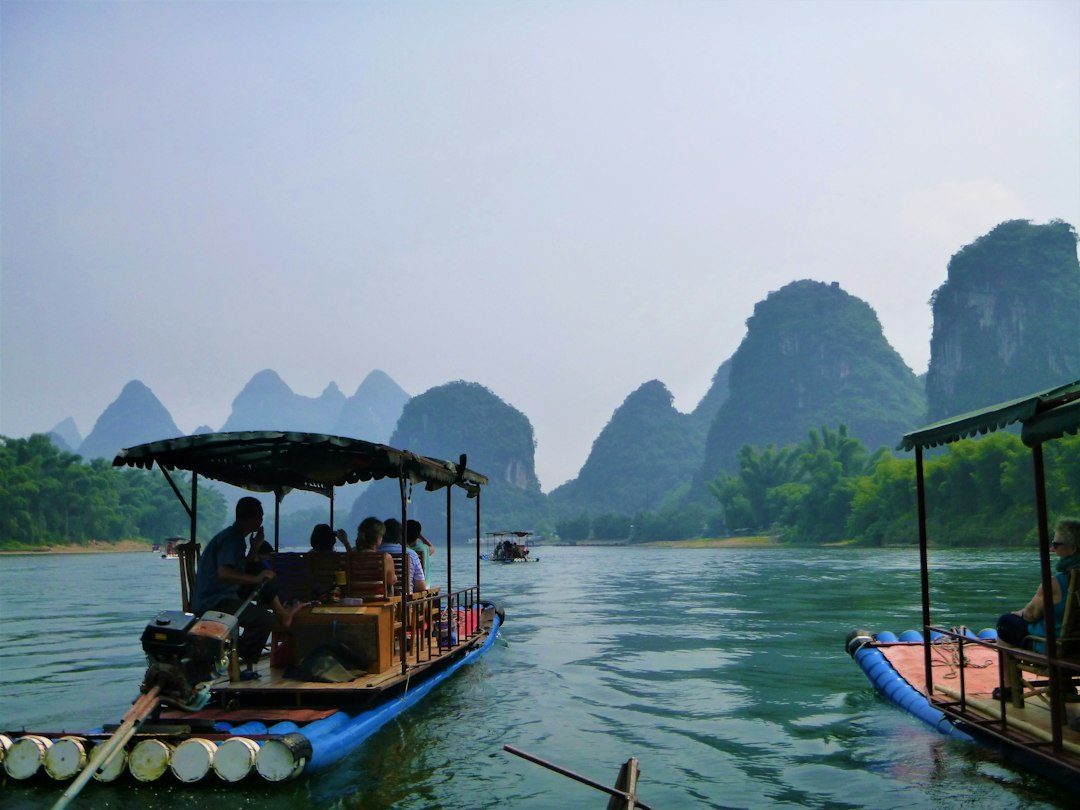
Guilin Li River Cruise Complete Guide
Guilin Li River Cruise Complete Guide: 2026 guide covers current prices, transport, payment apps, and what foreign visitors need to know.
19 min read
China Travel SIM Card eSIM Comparison 2026
The cab driver in Beijing looked at me in the rearview mirror and said, in perfect English, “You know, most tourists buy the wrong SIM card.” I’d been in China
10 min read
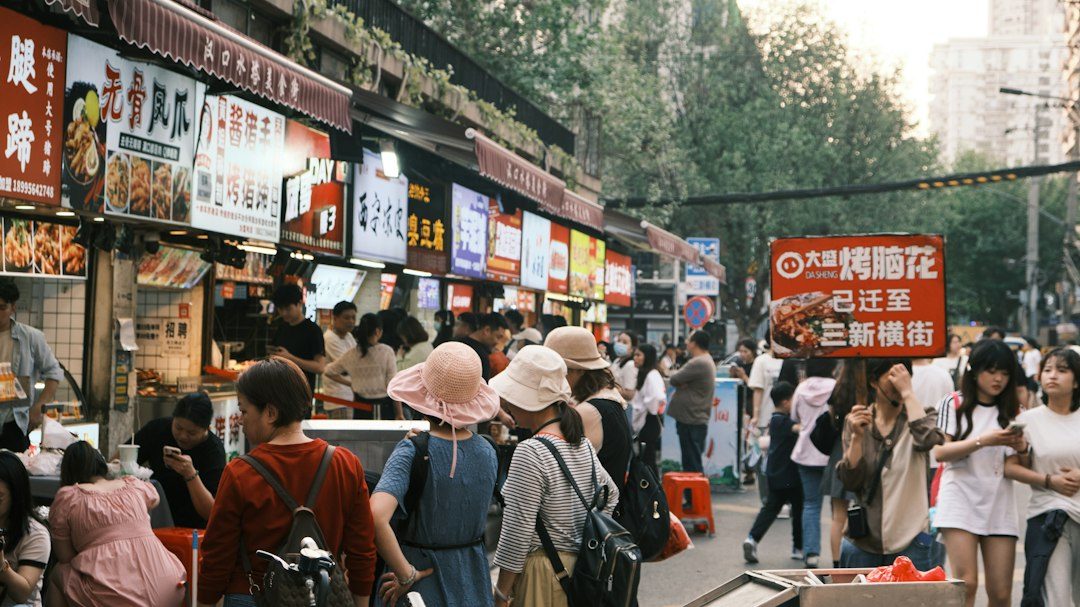
China Food Tour Self Guided Complete
The cab driver in Chengdu looked at me in the rearview mirror, then back at the address I’d fumbled to show him on my phone. He laughed. Not a mean laugh—the ki
16 min read