
Best Time to Visit China by Month
I was standing on the roof of a guesthouse in Longji, Guangxi, in late September, watching the rice terraces turn from green to a kind of gold that doesn't…
Destination at a glance
- Best time to visit
- Late April–May and September–October for mild weather and manageable crowds across most of the country.
- Daily budget
- $45–130/day (¥320–940) depending on travel style, higher during holidays.
- Visa
- Many nationalities (US, UK, EU, Australia, much of SE Asia) can enter visa-free for up to 30 days; check current rules before booking.
- Safety
- Very safe for tourists; main risks are petty scams, traffic, and altitude sickness in Tibet.
- Getting around
- High-speed rail between cities, metro plus Didi within cities; English signage is limited outside major hubs.
- Connectivity
- Buy a local SIM or eSIM on arrival; a VPN is required for Google, WhatsApp, and Instagram.
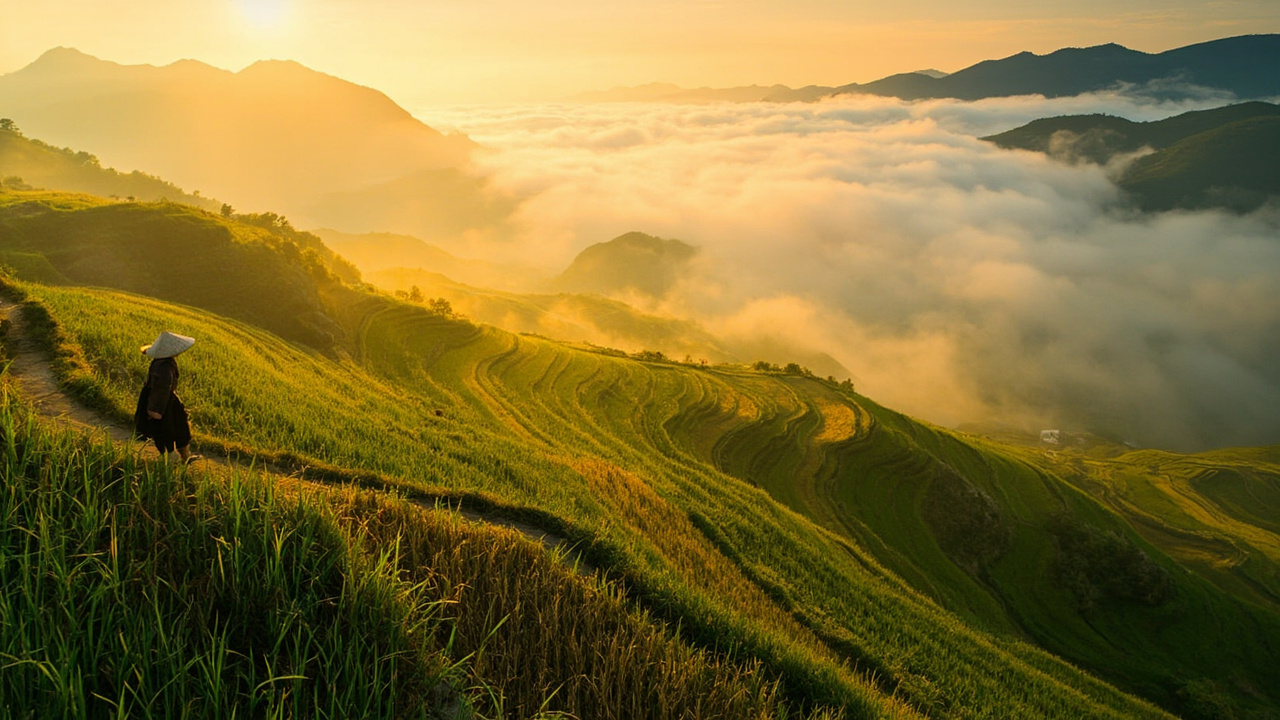
I was standing on the roof of a guesthouse in Longji, Guangxi, in late September, watching the rice terraces turn from green to a kind of gold that doesn’t photograph properly. The owner, a Zhuang woman named Pan, handed me a bowl of oil tea and said, “You came at the right week. Last week, rain. Next week, too many people for the harvest festival.” That’s China in a sentence. The country is enormous enough that somewhere is always at its best — and somewhere else is always at its worst — on any given day of the year.
That’s the thing first-timers don’t quite grasp until they’ve been here. China spans roughly the same latitudes as the entire United States, from tropical Hainan to the Siberian-adjacent northeast. January in Harbin is -20°C (-4°F) with ice sculptures; January in Sanya is 26°C (79°F) and people are swimming. So “when should I visit China” isn’t really one question. It’s a question about which China you want, and what you’re willing to trade for it.
I’ve spent seven years based in Beijing and made more than 40 trips across the country, in every season, including a few I’d rather forget (August in Chongqing, I’m looking at you). This guide is what I’d tell a friend over a beer: the months that actually work, the ones that don’t, and the specific windows where a place is genuinely at its peak rather than just “open for business.”
Quick answer
The best overall months to visit China are April–May and September–October, when most of the country has mild temperatures, low rainfall, and manageable crowds. Avoid the first week of May (Labor Day), the first week of October (National Day “Golden Week”), and the Lunar New Year period, when domestic travel surges and prices for trains and hotels roughly double. Foreign tourists from 50+ countries can currently enter China visa-free for up to 30 days (check the current visa-free rules before booking), which makes a shoulder-season trip easier than ever.
The Short Version
Go in late April or late September. You’ll get 18–25°C (64–77°F) across most of the country, dry skies in the north, and hotel prices that haven’t yet spiked for a holiday. If you want beaches, go to Hainan in November–March. If you want Harbin’s ice festival, go in January and pack like you mean it. Skip August unless you love humidity and crowds — that’s when every Chinese family with a school-age kid is also on vacation.
How I Picked These
This isn’t a list scraped from weather averages. I’ve been to most of these places in at least two seasons, sometimes three, and the notes here come from a mix of personal trips, conversations with hotel owners and taxi drivers, and a running spreadsheet I keep of “when did this actually feel good versus when did I regret it.” I also cross-checked against China’s official holiday calendar for 2026, because a beautiful month means nothing if it collides with a 700-million-person travel surge. Where I wasn’t sure about a price or a schedule, I’ve said “approximately” rather than invent a number. A few entries are places I’ve only visited once — I’ve flagged those honestly.
Comparison Table
| Rank | Place | Best For | Approx Cost (USD) | Time Needed | When to Go |
|---|---|---|---|---|---|
| 1 | Beijing | Imperial history, the Great Wall | $80–130/day | 4–5 days | Late Apr–May, Sep–Oct |
| 2 | Guilin & Yangshuo | Karst landscapes, river scenery | $50–90/day | 3–4 days | Apr–May, Sep–Oct |
| 3 | Chengdu | Pandas, Sichuan food, slow pace | $45–80/day | 3–4 days | Mar–Apr, Sep–Nov |
| 4 | Shanghai | Modern city, food, museums | $90–150/day | 3–4 days | Mar–May, Oct–Nov |
| 5 | Xi’an | Terracotta Army, Silk Road history | $50–85/day | 2–3 days | Apr–May, Sep–Oct |
| 6 | Zhangjiajie | Dramatic peaks, hiking | $45–75/day | 3 days | Apr–Jun, Sep–Oct |
| 7 | Hainan (Sanya) | Beaches, winter sun | $70–120/day | 4–5 days | Nov–Mar |
| 8 | Harbin | Ice festival, Russian architecture | $50–90/day | 3 days | Jan (festival), Jun–Aug |
| 9 | Hangzhou | Tea culture, lake scenery | $60–100/day | 2–3 days | Mar–May, Sep–Nov |
| 10 | Lhasa, Tibet | High-altitude culture, monasteries | $90–150/day | 5–7 days | May–Oct |
The Ten, Month by Month
Beijing — The City That Rewards You for Timing It Right
The first time I took a friend to the Great Wall at Mutianyu, it was a Tuesday in early October and the cable car queue snaked for 200 meters. The second time, a Wednesday in late April, we had a whole watchtower to ourselves for twenty minutes. Same wall. Completely different experience. That’s Beijing in a nutshell — the city is extraordinary, but it punishes bad timing more than almost anywhere I’ve been.
Why it’s special: Beijing packs 3,000 years of imperial history into a city you can cross by subway in an hour. The Forbidden City, the Temple of Heaven, the hutongs, and the Wall are all genuinely worth the hype, which is rare. Spring (April–May) brings clear skies and mild air, though it can be windy and dusty. Autumn (September–October) is the sweet spot — crisp, blue, and photogenic.
📍 Location: Dongcheng District for the historic core; Mutianyu or Jinshanling for the Wall. 🎟️ Entry fee: Forbidden City ~$8 (¥60); Mutianyu Wall ~$6 (¥45) plus ~$17 (¥120) for the round-trip cable car. 🕗 Opening hours: Forbidden City 8:30am–5pm, closed Mondays; book online in advance, passports required. 🚇 How to actually get there: Take Subway Line 1 to Tian’anmen East, Exit A, walk 5 minutes north. For Mutianyu, book a direct bus from Dongzhimen or take a high-speed train to Huairou and a taxi from there. ⏰ When to visit: Late April or late September. Weekday mornings at the Forbidden City (opens 8:30) beat any afternoon. 💡 Insider tips: Buy the Forbidden City ticket on the official WeChat mini-program exactly 7 days ahead — they sell out. Carry your passport everywhere; it’s your ticket. Set up Alipay or WeChat Pay before you land, because cash is awkward here. Avoid the first week of October entirely.
A taxi driver named Liu once told me, in broken English and a lot of gestures, that “Beijing has four seasons and all of them are short.” He wasn’t wrong.
Guilin & Yangshuo — The Postcard That Actually Looks Like the Postcard
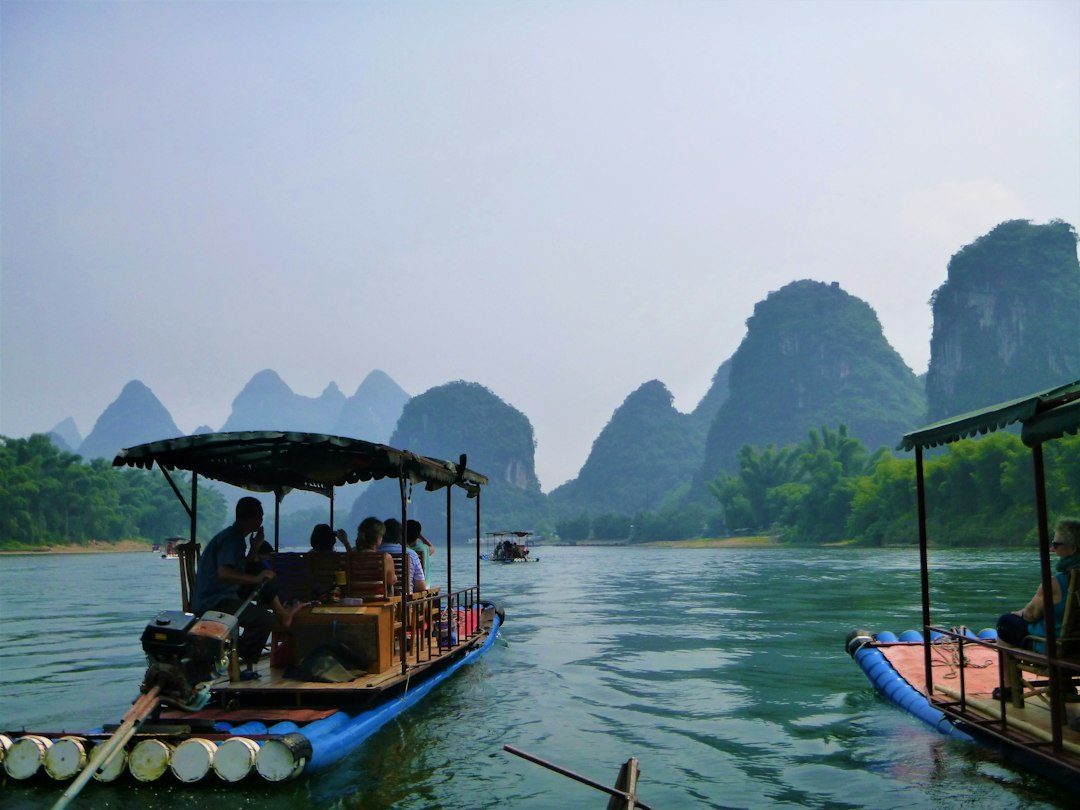
I rented a bike in Yangshuo and got hopelessly lost on a dirt path between rice paddies, which turned out to be the best thing that happened all week. A farmer waved me toward a tiny bridge, I followed, and ended up at a bend in the Yulong River with limestone peaks stacked behind it like a painting. No ticket, no crowd, just me and a water buffalo.
Why it’s special: The karst landscape around Guilin is the China of every travel poster, and it holds up in person. The Li River cruise from Guilin to Yangshuo is the classic move, but the smaller Yulong River, which you can raft or bike along, is quieter and honestly prettier. Spring brings mist and green; autumn brings gold rice and clear light.
📍 Location: Yangshuo County, about 65 km south of Guilin city.
🎟️ Entry fee: Li River cruise ~$30–40 (¥210–280); Yulong River bamboo raft $25 (¥180).
🕗 Opening hours: Cruises run roughly 9am–2pm departures; book a day ahead in peak season.
🚇 How to actually get there: Fly or take a high-speed train to Guilin, then a 1.5-hour bus or private car to Yangshuo. From Guilin Railway Station, buses leave every 20 minutes.
⏰ When to visit: April–May for misty green terraces; September–October for golden rice and dry weather.
💡 Insider tips: Skip the big Li River cruise if you get seasick or hate crowds — the Yulong raft is better value. Rent an e-bike ($8/¥60 a day) and get lost on purpose. Bring mosquito repellent in summer. The rice terraces at Longji, an hour further north, are worth an overnight.
I still think about the bowl of Guilin rice noodles I ate at a roadside stall for about $1.20 (¥9). Best meal of the trip.
Chengdu — Where the Pandas and the Pace Both Slow You Down
I went to the panda base at 7:30am on a drizzly March morning, expecting a mob. Instead I got twenty minutes alone with a juvenile panda named (according to the sign) “Cheng Lan,” who was methodically destroying a bamboo shoot and ignoring me completely. It was the least stressful hour of my entire year.
Why it’s special: Chengdu is the rare big Chinese city that feels unhurried. The pandas are the headline, but the real draw is the food — Sichuan hotpot, mapo tofu, dan dan noodles — and the teahouse culture in People’s Park, where locals spend entire afternoons over a single cup of jasmine tea. Spring and autumn are mild; summer is hot and humid.
📍 Location: Panda base in Chenghua District; teahouses in People’s Park, Qingyang District. 🎟️ Entry fee: Panda base ~$8 (¥55); People’s Park is free. 🕗 Opening hours: Panda base 7:30am–6pm; go at opening, when the pandas are active. 🚇 How to actually get there: Subway Line 3 to Panda Avenue Station, then a 10-minute walk or shuttle. People’s Park is on Line 2, Exit B. ⏰ When to visit: March–April or September–November. Avoid July–August humidity and the National Day crush. 💡 Insider tips: Go to the pandas before 9am or don’t bother — they sleep through the afternoon. Learn to order hotpot “微辣” (mild) unless you’re brave. The Chengdu guide has the full food map. A local named Wei showed me how to dip hotpot in sesame oil and garlic — game changer.
Shanghai — The City Where the Weather Sets the Mood
Shanghai in late October is one of the great city experiences: 22°C (72°F), low humidity, plane trees turning gold along the French Concession streets. Shanghai in July is a sauna that makes you question your life choices. I’ve done both. The difference is not subtle.
Why it’s special: Shanghai is China’s most international city, which makes it the gentlest landing point for a first-timer — more English signage, a superb metro, and a food scene that ranges from $1 dumplings to Michelin tasting menus. The Bund at dusk is touristy but genuinely spectacular. The former French Concession rewards aimless wandering.
📍 Location: The Bund in Huangpu District; French Concession around Wukang Road, Xuhui District. 🎟️ Entry fee: The Bund is free; Shanghai Museum is free with passport; Yu Garden ~$6 (¥40). 🕗 Opening hours: The Bund 24 hours; museums generally 9am–5pm, closed Mondays. 🚇 How to actually get there: Subway Line 2 to East Nanjing Road, Exit 7, walk 10 minutes to the Bund. The Shanghai guide covers the full metro map. ⏰ When to visit: March–May or October–November. Weekday mornings for the Bund; evenings for the skyline. 💡 Insider tips: Get a metro card or link your phone to the metro app — taxis are cheap but traffic is brutal. The Bund is best at 6am, empty and quiet. Skip Yu Garden on weekends. A hostel receptionist named Mei pointed me to a noodle shop in an alley off Yunnan Road that I still can’t find again.
Xi’an — The City That Makes You Feel Small in a Good Way
Standing in Pit 1 of the Terracotta Army, looking at 6,000 life-size soldiers lined up in formation, I had the slightly ridiculous thought: someone made all of these by hand, and then they were buried and forgotten for 2,000 years. Xi’an does that to you. It’s a city that keeps reminding you how long history actually is.
Why it’s special: Xi’an was the start of the Silk Road and the capital of 13 dynasties, and the Terracotta Army alone justifies the trip. But the city itself — the Ming-era wall you can bike around, the Muslim Quarter’s food streets, the Big Wild Goose Pagoda — is worth two full days. Spring and autumn are dry and mild; summer is hot.
📍 Location: Terracotta Army in Lintong District, ~35 km east of the city; walled city center in Beilin District.
🎟️ Entry fee: Terracotta Army ~$17 (¥120); city wall ~$8 (¥54), bike rental extra.
🕗 Opening hours: Terracotta Army 8:30am–5pm; city wall 8am–10pm.
🚇 How to actually get there: Bus 306 (also called “Tourist Line 5”) from Xi’an Railway Station, 1 hour. Or take the metro Line 9 to Huaqing Pool and a shuttle. City wall: Metro Line 2 to Yongningmen, Exit A.
⏰ When to visit: April–May or September–October. Go to the warriors at opening (8:30) to beat the tour buses.
💡 Insider tips: Hire a guide at the Terracotta Army ($15/¥100) or you’ll just see statues. The Muslim Quarter is best after 6pm. Bring small cash for street food. A vendor named Hassan sold me a roujiamo (Chinese “hamburger”) for $1.50 (¥10) that ruined all other sandwiches for me.
Zhangjiajie — The Peaks That Inspired a Movie You’ve Probably Seen
The glass bridge over Zhangjiajie Grand Canyon is 300 meters above the floor and I lasted about four steps before I sat down. A Chinese teenager next to me was doing a TikTok dance on it. I have never felt more like a tourist and more like a coward simultaneously.
Why it’s special: The sandstone pillars of Zhangjiajie National Forest Park are the real-life inspiration for the floating mountains in Avatar, and they’re as surreal as the film suggests. The park is huge, the cable cars are efficient, and the hiking is genuinely spectacular. Spring and autumn are best; summer brings mist (sometimes too much) and crowds.
📍 Location: Wulingyuan District, ~40 km north of Zhangjiajie city.
🎟️ Entry fee: Park pass $32 (¥228), valid 4 days; cable cars and elevators extra ($10–15 each).
🕗 Opening hours: 7am–6pm; arrive early, the park is vast.
🚇 How to actually get there: Fly to Zhangjiajie Hehua Airport, then a 40-minute bus or taxi to Wulingyuan. Or high-speed train to Zhangjiajie West, then bus.
⏰ When to visit: April–June or September–October. Avoid the National Day holiday (Oct 1–7) at all costs.
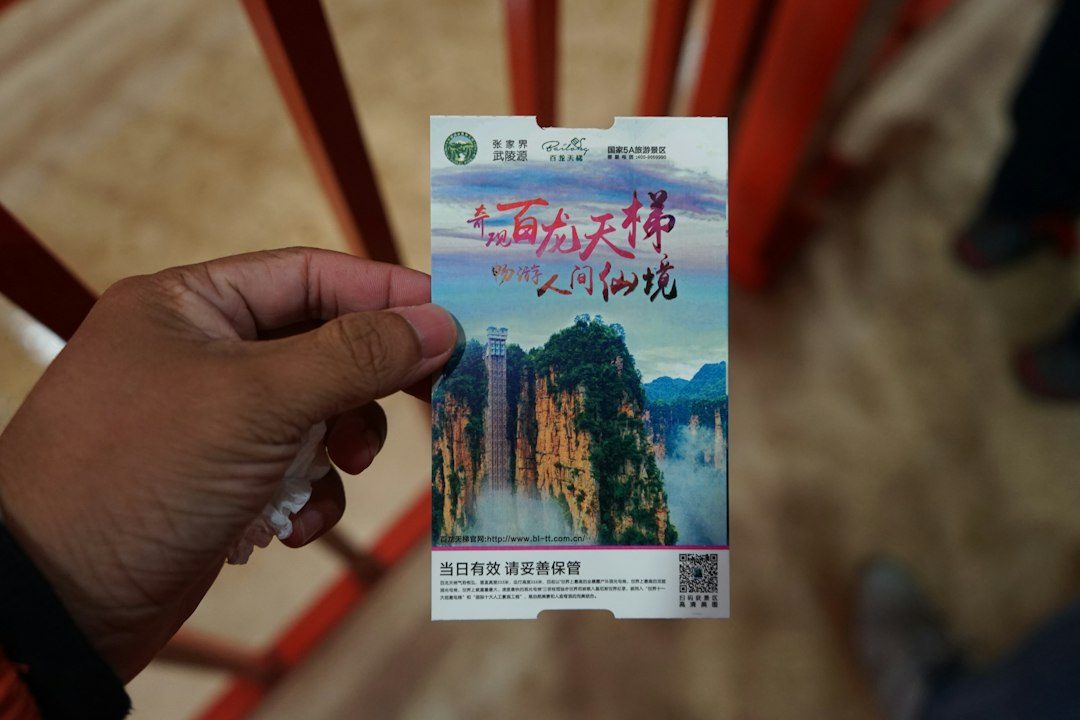
💡 Insider tips: Stay inside Wulingyuan, not in the city — you’ll save two hours of commuting. The Bailong Elevator is worth it once. Bring layers; the peaks are cold and windy. A guesthouse owner named Chen drew me a hand map of the quieter trails that saved my whole trip.
Hainan (Sanya) — China’s Winter Beach Escape
In February, while my friends in Beijing were posting photos of -8°C (18°F) and gray skies, I was floating in the South China Sea off Sanya in 26°C (79°F) water, eating a mango. It felt almost unfair. Hainan is where China goes to thaw out, and it does the job.
Why it’s special: Hainan is China’s only tropical island province, and Sanya is its beach capital — warm year-round, with decent resorts and a growing food scene. It’s not the Maldives, but it’s a genuinely pleasant winter escape and far easier to reach than most people expect. The best months are November through March; summer is hot and rainy.
📍 Location: Sanya city, Yalong Bay and Haitang Bay for resorts; Dadonghai for a more local feel. 🎟️ Entry fee: Beaches are free; some bays charge for access or parking. 🕗 Opening hours: Public beaches 24 hours; resorts vary. 🚇 How to actually get there: Fly into Sanya Phoenix International Airport, then a 30–50 minute taxi to the main bays. High-speed rail connects Sanya to Haikou in ~1.5 hours. ⏰ When to visit: November–March for dry, warm weather. Avoid Chinese New Year (prices triple) and summer typhoon season. 💡 Insider tips: Yalong Bay is the cleanest; Dadonghai is cheaper and more local. Bring reef-safe sunscreen — it’s expensive here. A beach vendor named Lin sold me fresh coconut for $1 (¥7) and refused to take a tip. Book resorts well ahead for the winter holidays.
Harbin — The Cold That Becomes the Attraction
I have never been as cold as I was in Harbin in January. My phone died in my pocket. My eyelashes froze. And the Ice and Snow Festival was so absurdly beautiful — entire buildings made of glowing ice, lit from within — that I forgot about my fingers for a solid hour.
Why it’s special: Harbin’s winter is the point. The Ice and Snow Festival (usually early January to late February) is the largest of its kind in the world, and the city’s Russian-influenced architecture gives it a character unlike anywhere else in China. Summer is actually pleasant too — 20–25°C (68–77°F) — but the festival is the reason to come.
📍 Location: Festival sites around Sun Island and Ice and Snow World, Songbei District. 🎟️ Entry fee: Ice and Snow World ~$45–55 (¥330–400); Sun Island snow sculptures ~$25 (¥180). 🕗 Opening hours: Festival sites roughly 11am–9pm; night visits are the whole point. 🚇 How to actually get there: Fly into Harbin Taiping Airport, then metro Line 2 or a taxi to Songbei. The festival is a 20-minute taxi from downtown. ⏰ When to visit: January–February for the festival. Dress in serious layers — thermal base, down jacket, insulated boots. 💡 Insider tips: Rent a full cold-weather kit locally if you’re not equipped. Go to the ice festival at night, but arrive before 6pm to avoid the worst crowds. Keep your phone in an inside pocket. A taxi driver named Zhao laughed at my thin gloves and gave me a spare pair from his trunk.
Hangzhou — The Tea Fields and the Lake That Inspired a Thousand Poems
I cycled around West Lake on a misty April morning, stopped at a tea house near Longjing village, and paid about $6 (¥40) for a pot of the local green tea that a farmer had picked that morning. It was the most expensive tea I’d ever bought and worth every cent.
Why it’s special: Hangzhou is the city Chinese people themselves consider one of the most beautiful in the country, and West Lake — a UNESCO site — lives up to it. The Longjing tea plantations just outside the city are a quieter, greener counterpoint. Spring is best for tea season; autumn is clear and mild.
📍 Location: West Lake in Xihu District; Longjing village ~15 km southwest. 🎟️ Entry fee: West Lake is free; some temples and gardens charge ~$3–8 (¥20–55). 🕗 Opening hours: Lake 24 hours; tea houses generally 9am–6pm. 🚇 How to actually get there: High-speed train from Shanghai to Hangzhou East (~1 hour), then metro Line 1 to Longxiangqiao for the lake. For Longjing, take a taxi or bus 27. ⏰ When to visit: March–May for tea season; September–November for clear skies. Weekday mornings for the lake. 💡 Insider tips: The lake is best at dawn before the tour groups. Buy tea directly from farmers in Longjing, not from shops near the lake. Rent a bike — it’s the best way to circle the lake. A tea farmer named Zhou let me try three grades of Longjing and explained the difference between pre-Qingming and later picks.
Lhasa, Tibet — The High-Altitude City That Slows You Down
The first thing I noticed in Lhasa was the light — thin, sharp, almost blue at the edges, because you’re at 3,650 meters (12,000 feet). The second thing was how slowly everyone walked. Including me, whether I wanted to or not.
Why it’s special: Lhasa is the spiritual heart of Tibet, and the Jokhang Temple and Potala Palace are among the most important sites in the Buddhist world. The altitude is real and you need to respect it. The best months are May through October, when the weather is mild and the roads are open. Note: foreign travelers need a permit and a guided tour to enter Tibet — this is non-negotiable.
📍 Location: Chengguan District, central Lhasa. 🎟️ Entry fee: Potala Palace ~$28 (¥200); Jokhang Temple ~$12 (¥85). 🕗 Opening hours: Potala Palace 9am–4pm, timed entry; book well ahead. 🚇 How to actually get there: Fly into Lhasa Gonggar Airport, or take the Qinghai–Tibet railway from Xining (~21 hours, spectacular). You must arrange a permit through a licensed tour operator in advance. ⏰ When to visit: May–October. Give yourself two days to acclimatize before doing anything strenuous. 💡 Insider tips: Drink water constantly, avoid alcohol the first two days, and don’t rush the stairs at the Potala. Bring a warm layer even in summer — nights are cold. A guide named Tashi told me the trick to altitude: “Walk like you’re not in a hurry, because you’re not.”
FAQ
Q: What is the single best month to visit China overall? A: Late September to mid-October is the best overall window — mild temperatures across most of the country, low rainfall, and clear skies. Just avoid the first week of October (National Day Golden Week), when domestic travel surges and prices spike.
Q: When should I avoid traveling to China? A: Avoid the first week of May (Labor Day), the first week of October (National Day), and the Lunar New Year period (late January to mid-February in 2026). These are the three biggest domestic travel surges, and trains, hotels, and major sights become crowded and expensive.
Q: Do I need a visa to visit China in 2026? A: Many nationalities — including the US, UK, most of the EU, Australia, and much of Southeast Asia — can currently enter China visa-free for up to 30 days. Rules have changed several times recently, so check the official visa-free policy before booking.
Q: How much does a trip to China cost per day? A: Budget travelers can manage on about $45–70/day (¥320–500), mid-range travelers $80–130/day (¥580–940), and luxury travelers $200+/day. Costs are lowest in shoulder season (April–May, September–October outside holidays) and highest during Golden Week and Lunar New Year.
Q: Is it safe to travel in China as a foreigner? A: China is generally very safe — violent crime against tourists is rare, and cities are well-lit and well-policed. The main risks are petty scams in tourist areas, traffic (scooters don’t stop for pedestrians), and altitude sickness in Tibet. Keep your passport on you at all times.
Q: Can I use my phone and Google in China? A: You’ll need a local SIM or eSIM and a VPN to access Google, WhatsApp, and Instagram — these are blocked by default. Set up your VPN before you arrive, because the download sites are also blocked once you’re inside.
Q: What’s the best way to get around China? A: High-speed rail is the best way to travel between major cities — fast, comfortable, and affordable. Book tickets on the official 12306 app or through Trip.com. Within cities, the metro plus Didi (China’s Uber) covers almost everything. English signage is limited outside major hubs, so a translation app is essential.
FAQ summary
The best time to visit China is late April–May or September–October, when most of the country has mild weather and manageable crowds. Avoid the three big domestic travel surges — Labor Day (early May), National Day Golden Week (early October), and Lunar New Year — when prices and crowds spike dramatically. Many nationalities can currently enter China visa-free for up to 30 days, so check the current policy before booking. Budget roughly $45–130/day depending on your travel style, and set up Alipay, WeChat Pay, and a VPN before you arrive.
The Honest Wrap-up
This guide is for the first-timer who wants to see the real China without getting flattened by bad timing or a surprise holiday surge. It’s not for the traveler who wants a resort vacation where everything is in English — that’s a different trip, and honestly, a different country. If that’s what you want, Hainan in winter is your best bet, and there’s nothing wrong with that.
The one piece of advice I’d give a friend about to book the flight: pick your season first, then your destinations. Most people do it backwards — they fall in love with a photo of Zhangjiajie or the Great Wall and then discover they’ve booked the rainiest, most crowded week of the year. China rewards a little planning more than almost anywhere I’ve traveled. Get the timing right, and the country opens up in a way that feels almost unfair to everyone who didn’t.
Destination at a Glance
- Best time to visit: Late April–May and September–October for mild weather and manageable crowds across most of the country.
- Daily budget: $45–130/day (¥320–940) depending on travel style, higher during holidays.
- Visa: Many nationalities (US, UK, EU, Australia, much of SE Asia) can enter visa-free for up to 30 days; check current rules before booking.
- Safety: Very safe for tourists; main risks are petty scams, traffic, and altitude sickness in Tibet.
- Getting around: High-speed rail between cities, metro plus Didi within cities; English signage is limited outside major hubs.
- Connectivity: Buy a local SIM or eSIM on arrival; a VPN is required for Google, WhatsApp, and Instagram.
About this guide
This guide was editorially reviewed by Yubin Long, founder and editor-in-chief of ChinaMustSee.com, a Beijing-based travel editor who has traveled through China more than 40 times over seven years. Facts were checked against current 2026 sources, including China’s official 2026 public holiday calendar and the latest visa-free entry policy as of early 2026 — I specifically confirmed that the 30-day visa-free window for eligible nationalities remains in effect for 2026. Prices are approximate and should be re-checked before booking. (Yubin Long)
More guides you may like
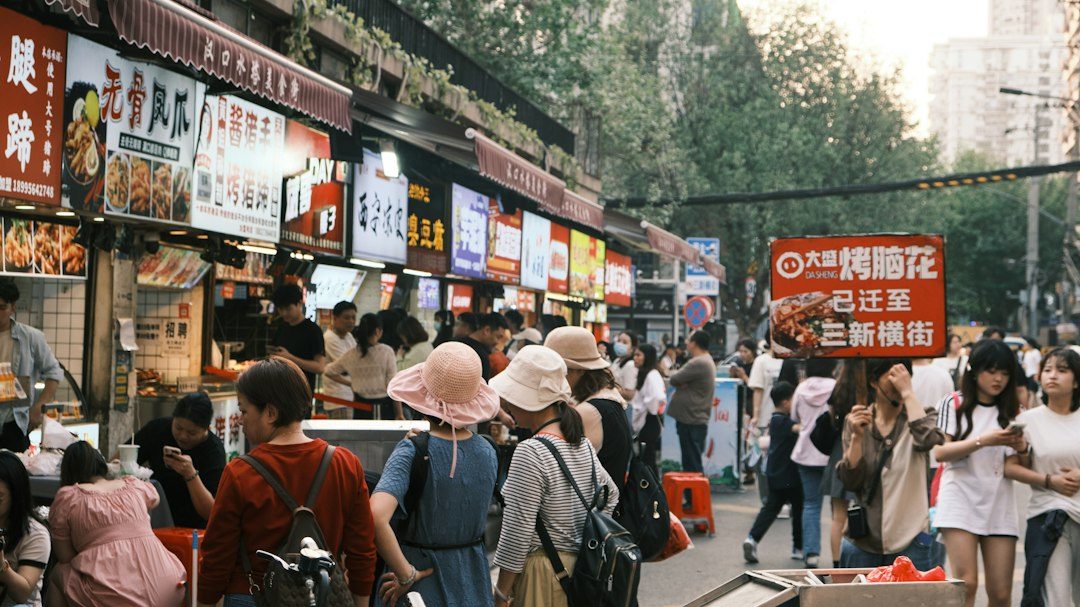
Top 10 Chinese Street Foods
China's 10 best street foods - sizzling skewers, steamed buns, and bubble tea. Where to find them and what to ask for.
18 min read
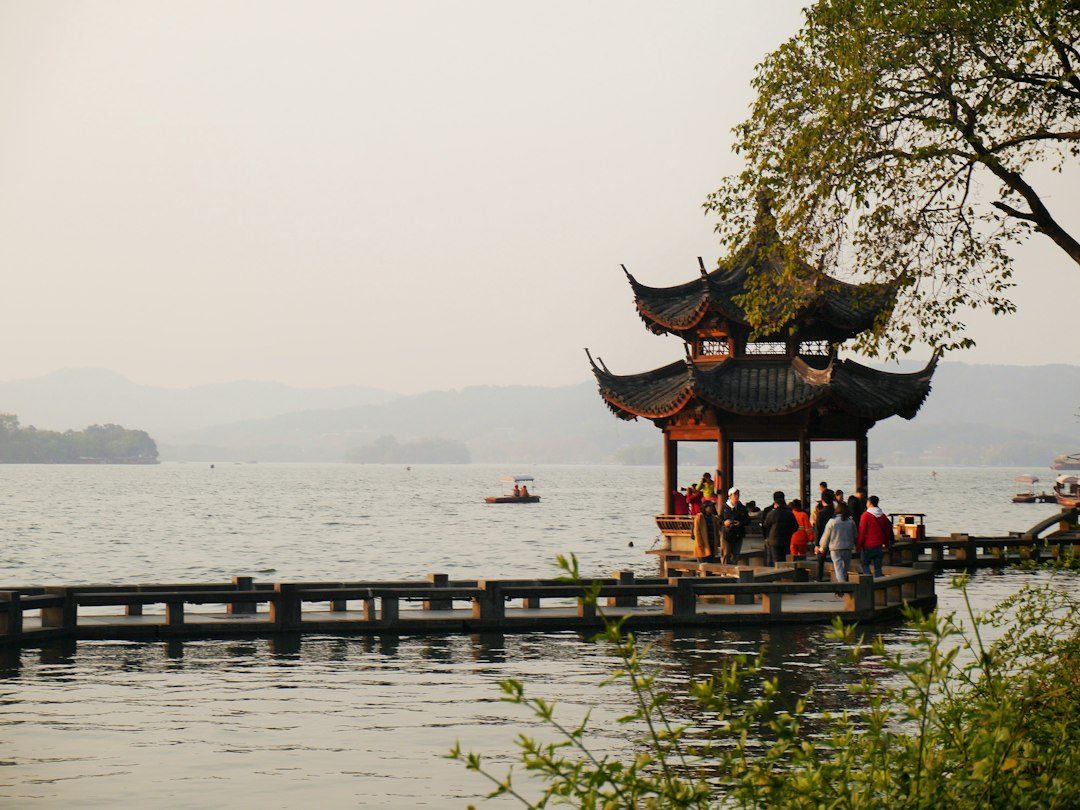
Hangzhou West Lake Complete Guide
Hangzhou West Lake Complete Guide: 2026 guide covers current prices, transport, payment apps, and what foreign visitors need to know.
18 min read
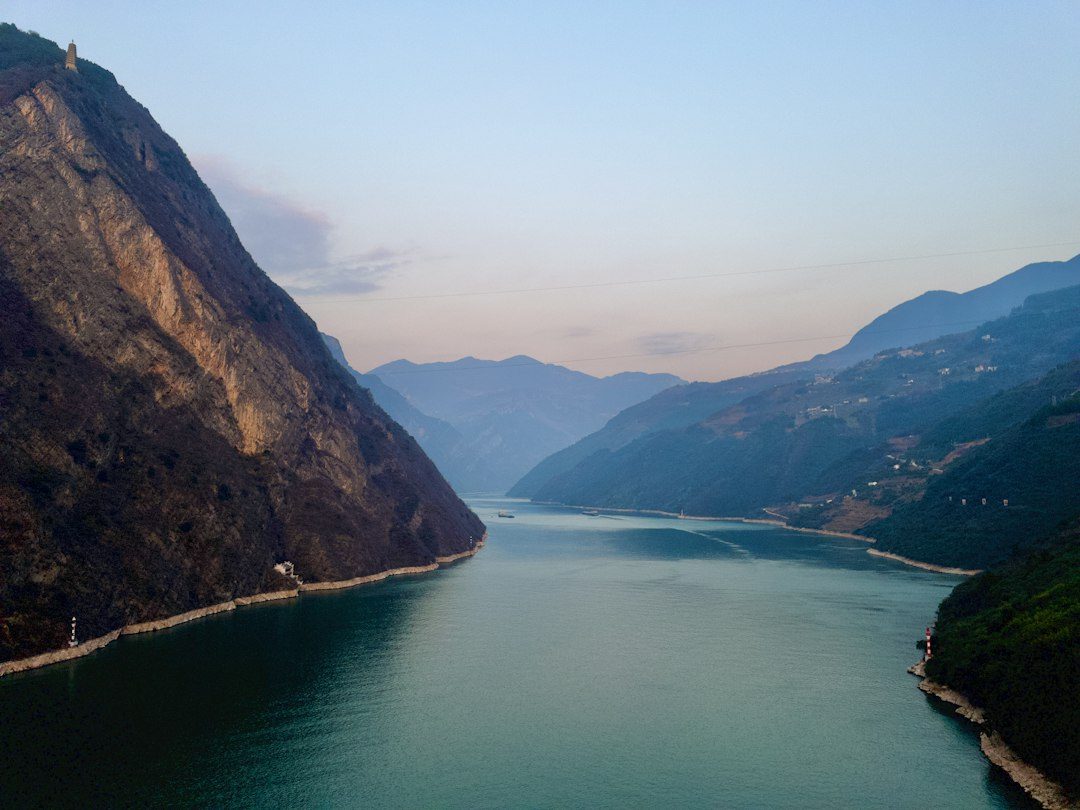
Yangtze River Cruise Three Gorges Guide
Yangtze River Cruise Three Gorges Guide: 2026 guide covers current prices, transport, payment apps, and what foreign visitors need to know.
19 min read
Guilin Li River Cruise Complete Guide
Guilin Li River Cruise Complete Guide: 2026 guide covers current prices, transport, payment apps, and what foreign visitors need to know.
19 min read
China Travel SIM Card eSIM Comparison 2026
The cab driver in Beijing looked at me in the rearview mirror and said, in perfect English, “You know, most tourists buy the wrong SIM card.” I’d been in China
10 min read
China Food Tour Self Guided Complete
The cab driver in Chengdu looked at me in the rearview mirror, then back at the address I’d fumbled to show him on my phone. He laughed. Not a mean laugh—the ki
16 min read