
Turpan Silk Road Travel Guide
The thermometer outside my hotel in Turpan read 44°C at 4pm, and the woman selling cold noodles across the street was fanning herself with a cardboard…
Destination at a glance
- Best time to visit
- April–May and September–October, when daytime temperatures sit between 15–28°C (59–82°F).
- Daily budget
- $50–90/day (CNY 360–650) for a mid-range hotel, meals, a shared driver, and site tickets.
- Visa
- Most foreign visitors can use China's 240-hour visa-free transit policy; check eligibility before booking.
- Safety
- Very safe with low crime; the main risks are heat exhaustion and dehydration in summer.
- Getting around
- No metro; hire a driver for the day ($45–60 / CNY 320–430) or take taxis; English signage is limited.
- Connectivity
- Buy a local SIM or eSIM on arrival; a VPN is needed for Google, WhatsApp, and most Western apps.
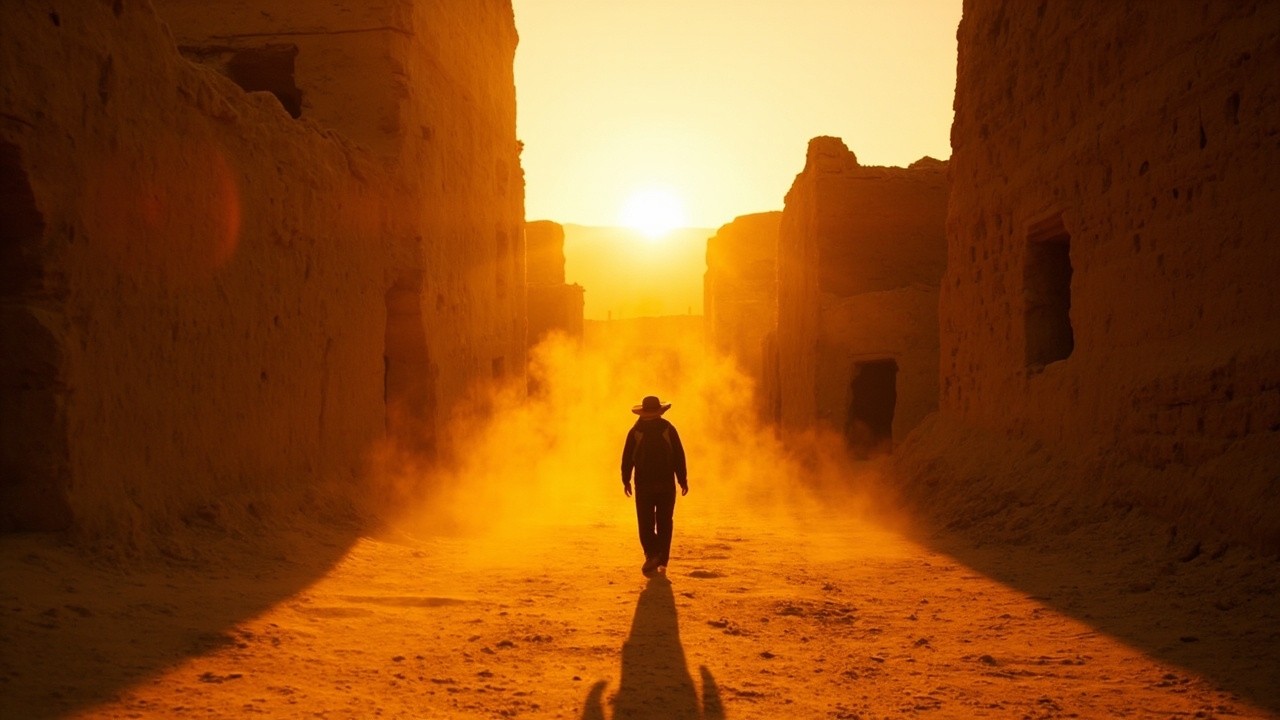
The thermometer outside my hotel in Turpan read 44°C at 4pm, and the woman selling cold noodles across the street was fanning herself with a cardboard square cut from a box of grapes. She saw me staring at the sun like it had personally insulted me and laughed. “Cool down at the karez,” she said, pointing vaguely east. “Underground. Like a fridge.” I spent the next hour walking through a tunnel of glacial snowmelt that has been flowing under this city for two thousand years, and I understood why the Silk Road merchants stopped here instead of pushing on to the next oasis.
Turpan is the lowest, hottest place in China. It sits in a depression 154 meters below sea level, and in July the air feels like a hair dryer pointed at your face. But it’s also one of the most rewarding Silk Road stops in the country, and almost nobody I know back home has heard of it. That’s the strange thing about Turpan. It’s a UNESCO-adjacent ghost town of ruins, a living Uyghur cultural center, and a grape-growing valley all at once, and it gets maybe a tenth of the foreign visitors that Dunhuang does.
This guide covers the ten places in and around Turpan worth your time, with real prices, real transport details, and the stuff I wish someone had told me before my first trip here in 2019.
Quick answer
Turpan is a Silk Road oasis city in eastern Xinjiang, about 2 hours by high-speed train from Urumqi, best visited in April–May or September–October when daytime temperatures sit between 15–28°C (59–82°F). Most foreign visitors can enter China visa-free for up to 240 hours (10 days) under the current transit policy, which is enough to cover Turpan, Urumqi, and Dunhuang in one trip. Budget roughly $50–90 per day (CNY 360–650) for hotels, food, and site tickets, and expect very limited English — download a translation app and set up Alipay or WeChat Pay before you arrive.
The Short Version
If you have one day: do the Jiaohe Ruins in the morning, the karez museum at midday (it’s underground and cool), and Gaochang plus the Bezeklik Caves in the late afternoon. If you have two days, add the Flaming Mountains at sunset and a vineyard lunch in the Grape Valley. Skip the Turpan Museum unless you’re a history nerd — the real thing is outside. Bring a hat, drink more water than you think you need, and don’t try to walk between sites in summer. They’re 20–40 km apart.
How I Picked These
I’ve been to Turpan four times, most recently in October 2025. I don’t drive here — I hire a local driver for the day (about $45–60 / CNY 320–430 for 8 hours) and let them take me around, which is how most independent travelers do it. I talked to Uyghur grape farmers in the Grape Valley, a karez maintenance worker named Memet who showed me how the underground channels are cleared by hand, and a Han Chinese tour guide at Jiaohe who has been giving tours there since 2008. I also made mistakes — I once tried to visit Gaochang at 2pm in July and lasted 20 minutes before retreating to the car. The list below is what I’d tell a friend, ranked by how much I’d insist they go.
Comparison Table
| Rank | Place | Best For | Approx Cost (USD) | Time Needed | When to Go |
|---|---|---|---|---|---|
| 1 | Jiaohe Ruins | Atmosphere, photography | $10 (CNY 70) | 2–3 hrs | Early morning, Apr–Oct |
| 2 | Karez Irrigation Museum | Understanding the oasis | $6 (CNY 40) | 1 hr | Midday (it’s underground) |
| 3 | Gaochang Ruins | Scale, Silk Road history | $10 (CNY 70) | 1.5–2 hrs | Late afternoon |
| 4 | Bezeklik Thousand Buddha Caves | Buddhist art | $10 (CNY 70) | 1.5 hrs | Morning |
| 5 | Flaming Mountains | Landscape, sunset | $6 (CNY 40) | 45 min | Sunset |
| 6 | Grape Valley | Food, Uyghur culture | $8 (CNY 55) | 2–3 hrs | Lunchtime |
| 7 | Emin Minaret | Architecture | $6 (CNY 40) | 45 min | Late afternoon |
| 8 | Astana Graves | Archaeology | $6 (CNY 40) | 1 hr | Morning |
| 9 | Turpan Museum | Context, mummies | Free | 1.5 hrs | Hot midday |
| 10 | Toyuk Village | Village life, no crowds | Free | 2 hrs | Any time |
Jiaohe Ruins — the city the wind ate
The first time I stood at the edge of Jiaohe, I didn’t say anything for a full minute. It’s a whole city carved from a single plateau of clay, abandoned in the 14th century, and now eroded into something that looks like a sandcastle left out in the rain for 600 years. Streets are still visible. Doorways are still visible. You can walk down the main avenue and see where the shops were.
It’s the oldest, largest, and best-preserved earthen city in the world, and unlike most Silk Road ruins, you can actually walk through it. The city was built on a natural island of rock between two rivers, which is why it survived so long — the rivers acted as moats. It was a garrison town on the northern Silk Road, and it fell to Genghis Khan’s armies in the 13th century.
📍 Location: About 10 km west of Turpan city, in the Jiaohe Gou (Jiaohe Valley). 🎫 Entry fee: $10 (CNY 70). No discount for students that I could confirm. 🕒 Opening hours: 9am–8pm April–October, 10am–6pm November–March. No closed days. 🚕 How to actually get there: There’s no public bus that drops you at the gate. Hire a driver from your hotel (most will quote $15–20 / CNY 110–145 round trip) or take a taxi from the Turpan bus station (about $8 / CNY 55 one way). The drive is 20 minutes. Ask the driver to wait — there’s nothing else nearby. ⏰ When to visit: Go at 9am, right when it opens. By 11am in summer the clay radiates heat like a pizza stone. Late afternoon is also good but the light is flatter. 💡 Insider tips: Bring at least 1.5 liters of water per person — there’s a single vendor at the entrance and nothing inside. Wear closed shoes; the ground is uneven clay and sandals will fill with dust. The site is exposed with zero shade, so a wide-brim hat is not optional. And walk past the first viewing platform — most tour groups stop there, and the deeper streets are empty. I met a caretaker named Ahmet who has worked at Jiaohe for 11 years. He told me the site loses about 1 cm of surface per year to wind erosion, which is why some sections are now roped off.
Karez Irrigation Museum — the underground river
You will not believe this until you see it. The karez system is a network of underground channels that carries snowmelt from the Tianshan Mountains to Turpan, running 5–30 meters below the surface so the water doesn’t evaporate in the desert heat. Some of these channels are over 2,000 years old and still flowing. The museum is built inside an actual working karez channel, and the temperature drops about 15°C the moment you walk down the stairs.
It’s not a flashy museum. There are dioramas and a short film, but the real attraction is standing in the tunnel with water rushing past your feet and realizing that people dug this by hand, with oil lamps, over generations. Turpan’s entire existence — the grapes, the melons, the city itself — depends on this system.
📍 Location: About 3 km east of Turpan city center, on the road to the Flaming Mountains. 🎫 Entry fee: $6 (CNY 40). 🕒 Opening hours: 8:30am–8pm daily, April–October. Shorter hours in winter. 🚕 How to actually get there: Take a taxi from the city center (about $3 / CNY 20). It’s on the way to most of the eastern sites, so combine it with Gaochang or the Bezeklik Caves. ⏰ When to visit: Go at midday in summer — it’s the coolest place in the city. In spring and fall, any time works. 💡 Insider tips: The tunnel is slippery; wear shoes with grip. The museum is small, so 45 minutes is plenty. There’s a small gift shop selling dried grapes from the surrounding vineyards — buy a bag, they’re better than anything you’ll find in the city. And if you’re interested in the engineering, ask the staff to point out the vertical access shafts visible on the hillside outside — those are how the channels are maintained. A maintenance worker named Memet explained to me that every spring, teams still lower themselves into the shafts with ropes and buckets to clear silt. “Same as 500 years ago,” he said.
Gaochang Ruins — the big one
Gaochang is enormous. The outer walls alone are 5 km around, and the site covers about 2 square kilometers. It was a major Silk Road city from the 1st century BC to the 14th century AD, and at its peak it had a population of around 30,000. Most of what you see now is the earthen outline of walls, temples, and streets — it’s less photogenic than Jiaohe, but it gives you a much better sense of scale.
I’ll be honest: on my first visit, I found Gaochang a bit overwhelming and hard to read. There’s not much signage in English, and the ruins are so spread out that you need to walk a lot. On my second visit, I hired a guide at the entrance (about $15 / CNY 110 for an hour) and it completely changed the experience. She pointed out the Buddhist monastery where Xuanzang, the famous Tang dynasty monk, stopped on his journey to India. That’s the kind of detail that makes the site come alive.
📍 Location: About 30 km east of Turpan, past the Flaming Mountains. 🎫 Entry fee: $10 (CNY 70). The guide is extra. 🕒 Opening hours: 9am–8pm April–October, 10am–6pm November–March. 🚕 How to actually get there: You need a driver. It’s about 45 minutes from Turpan city. Combine it with the Bezeklik Caves (10 minutes away) and the Flaming Mountains (on the way back). ⏰ When to visit: Late afternoon, around 5pm in summer, when the light is golden and the heat has broken. Avoid midday. 💡 Insider tips: Bring cash for the guide — they don’t take Alipay. The site has almost no shade, so plan your route to hit the shaded areas near the outer walls. There’s a small cluster of Uyghur food stalls at the parking lot selling cold noodles and watermelon — the watermelon is worth it. And if you’re short on time, prioritize the central monastery area over the outer walls. I made the mistake of visiting in July at 1pm. I lasted 20 minutes before I retreated to the car and drank an entire bottle of water in one go.
Bezeklik Thousand Buddha Caves — the painted cliffs
The Bezeklik Caves are cut into a cliff face above a river gorge, about 50 km east of Turpan. There are 57 caves, and about 40 of them contain Buddhist murals dating from the 5th to the 14th centuries. The art is a mix of Indian, Central Asian, and Chinese styles — you can see the transition in the painting styles as you move from cave to cave.
Here’s the thing nobody tells you: many of the best murals were removed by German archaeologists in the early 1900s and are now in Berlin. What’s left is still impressive, but it’s fragmentary. The site is also a bit of a climb — there are about 100 steps up to the caves, and in summer that’s a real effort. But the view from the top, looking down the gorge, is worth it on its own.
📍 Location: About 50 km east of Turpan, past Gaochang. 🎫 Entry fee: $10 (CNY 70). No photography inside the caves. 🕒 Opening hours: 9am–7pm April–October, 10am–5:30pm November–March. 🚕 How to actually get there: Driver only. It’s 10 minutes from Gaochang, so combine the two. ⏰ When to visit: Morning, before the tour buses arrive around 11am. 💡 Insider tips: The caves are cool inside, which is a relief in summer. You’ll need to leave your bag at the entrance — bring only your phone and wallet. The lighting inside is dim, so give your eyes a minute to adjust. And if you’re interested in the history, read up on the German expeditions before you go; it adds a layer of melancholy to the site that’s hard to explain otherwise. The caretaker at the site, a woman in her 60s, told me she’s been working there for 22 years and still finds new details in the murals every season.
Flaming Mountains — the landscape that looks fake
The Flaming Mountains are a 100-km ridge of red sandstone that genuinely looks like it’s on fire in the late afternoon sun. The name comes from the way the ridges catch the light — they glow orange and red, and the heat shimmer makes them look like they’re rippling. It’s the setting for the opening of Journey to the West, the classic Chinese novel, and every Chinese tourist knows the reference.
The viewing area is a bit of a tourist trap — there’s a giant thermometer sculpture and a lot of souvenir stalls — but the landscape itself is genuinely strange and beautiful. I’d skip the paid viewing platform and just pull over on the road that runs along the base of the mountains. The best view is from the roadside about 5 km west of the official entrance.
📍 Location: Along the G312 highway, about 30 km east of Turpan. 🎫 Entry fee: $6 (CNY 40) for the official viewing area. Roadside viewing is free. 🕒 Opening hours: The viewing area is open 8am–8pm in summer. 🚕 How to actually get there: Driver, or the public bus from Turpan to Shanshan (鄯善) stops at the mountains — ask the driver to let you off at the “Huoyanshan” stop. ⏰ When to visit: Sunset, without question. The mountains are at their most dramatic in the last hour of light. 💡 Insider tips: The official viewing area has a small museum about the geology, which is actually interesting. The thermometer sculpture is a photo op, not a real temperature reading. And bring sunglasses — the glare off the red rock is intense. I pulled over on the roadside with my driver, and we sat on the hood of the car eating grapes from a bag I’d bought that morning. He told me his grandfather used to herd sheep in the valleys between the ridges.
Grape Valley — lunch under the vines
The Grape Valley (Putao Gou) is a green canyon cut into the Flaming Mountains, about 15 km northeast of Turpan. It’s a working agricultural valley — the Uyghur families who live here have been growing grapes for centuries, and the valley produces most of China’s raisins. In summer, the vines form a canopy over the walkways, and it’s about 10°C cooler than the surrounding desert.
This is where you eat. The valley is lined with family-run restaurants serving Uyghur food — lamb kebabs, hand-pulled noodles (laghman), and fresh naan baked in clay ovens. I had lunch at a place called Meshrep Restaurant (no English sign, just look for the blue door on the main path) and it was one of the best meals of my trip: lamb kebabs, a bowl of laghman, and a plate of fresh grapes, for about $8 (CNY 55).
📍 Location: About 15 km northeast of Turpan, at the mouth of the Flaming Mountains. 🎫 Entry fee: $8 (CNY 55) to enter the valley. 🕒 Opening hours: 8am–9pm in summer. 🚕 How to actually get there: Taxi from Turpan city (about $5 / CNY 35). Or take the #5 bus from the city center to the valley entrance. ⏰ When to visit: Lunchtime, any day. The valley is busiest on weekends with domestic tourists. 💡 Insider tips: Walk past the first cluster of restaurants — they’re the most expensive and the most touristy. The family places further up the valley are better and cheaper. Order the laghman (hand-pulled noodles) — it’s the local specialty. And buy a bag of dried grapes from one of the farm stalls; they’re sold by the kilo and cost about $4 (CNY 30) for a big bag. The restaurant owner, a woman named Gulnar, brought out a plate of grapes from her own vines and refused to let me pay for them. “For the guest,” she said.
Emin Minaret — the brick spiral
The Emin Minaret (also called the Sugong Pagoda) is a 44-meter brick tower built in 1777 by a local Uyghur leader. It’s the tallest minaret in China, and it’s covered in a spiral pattern of bricks that creates 15 different geometric patterns as you walk around it. The adjacent mosque is still active, and the whole complex is a quiet, beautiful corner of Turpan city.
I visited on a Friday afternoon and sat in the courtyard for half an hour, just watching the shadows move across the brickwork. It’s not a big site — 45 minutes is plenty — but it’s one of the most photogenic places in the city, and it’s easy to reach on foot from the center.
📍 Location: About 2 km east of Turpan city center, in the Tuyoq Road area. 🎫 Entry fee: $6 (CNY 40). 🕒 Opening hours: 9am–8pm April–October, 10am–6pm November–March. Closed to non-Muslims during Friday prayers (roughly 1–2pm). 🚕 How to actually get there: Walk from the city center (20 minutes) or take a taxi (about $2 / CNY 15). ⏰ When to visit: Late afternoon, when the light hits the brickwork at an angle. 💡 Insider tips: The mosque is an active place of worship, so dress modestly (shoulders and knees covered). The best photo is from the northwest corner of the courtyard, where you can get the whole minaret in frame. And there’s a small Uyghur bakery on the street outside selling fresh naan for about $0.50 (CNY 3.50) — get one while it’s hot. The caretaker, an older man named Yusup, told me the minaret has never needed structural repairs in 250 years. “The bricks are too good,” he said.
Astana Graves — the city of the dead
The Astana Graves are a cluster of about 500 tombs from the 3rd to the 8th centuries, located about 40 km southeast of Turpan. They’re the burial site for the residents of Gaochang, and the dry desert climate has preserved everything inside — including clothing, food, and documents. The mummies are in the Turpan Museum, but the tombs themselves are open to visitors.
I’ll be honest: this is a niche site. If you’re not interested in archaeology, skip it. But if you are, it’s fascinating. The tombs are cut into the ground, and you descend a ladder into a small chamber where you can see the painted walls and the niches where bodies were laid. The dry air has preserved the colors remarkably well.
📍 Location: About 40 km southeast of Turpan, near Gaochang. 🎫 Entry fee: $6 (CNY 40). 🕒 Opening hours: 9am–7pm April–October, 10am–5pm November–March. 🚕 How to actually get there: Driver only. Combine with Gaochang and Bezeklik. ⏰ When to visit: Morning, when it’s cooler and the light is better. 💡 Insider tips: The tombs are underground and cool, which is a relief in summer. Photography is allowed but no flash. The site is small, so 45 minutes is enough. And if you’re squeamish about dead bodies, this isn’t for you — some of the tombs still have visible remains. The guide at the site, a young woman named Aygul, told me she grew up in the village next door and used to play in the tombs as a child. “We didn’t know they were important,” she said.
Turpan Museum — the mummies and the context
The Turpan Museum is free, air-conditioned, and has an excellent collection of artifacts from the Silk Road, including the famous Astana mummies. It’s the best place to get context for everything else you’ll see in the region. The English signage is limited but improving — there are now QR codes with English translations on most displays.
I spent two hours here on a 42°C afternoon and it was the best decision of the trip. The mummy room is the highlight — there are several well-preserved bodies from the Astana graves, including a man who died around 700 AD and is still wearing his boots. It’s eerie and fascinating in equal measure.
📍 Location: In Turpan city center, on Laocheng Road. 🎫 Entry fee: Free (bring your passport for registration). 🕒 Opening hours: 10am–6pm Tuesday–Sunday, closed Mondays. 🚕 How to actually get there: Walk from most city center hotels, or take a taxi (about $2 / CNY 15). ⏰ When to visit: Midday, when it’s too hot to be outside. 💡 Insider tips: You need your passport to enter — no exceptions. The museum is quiet on weekday mornings. The gift shop sells excellent reproductions of Silk Road textiles. And the cafe on the ground floor has decent coffee, which is rare in Turpan. I met a retired teacher from Beijing in the mummy room who told me she’d been coming to Turpan every summer for 20 years. “The museum gets better every year,” she said.
Toyuk Village — the village that time forgot
Toyuk (also spelled Tuyoq) is a Uyghur village about 70 km east of Turpan, tucked into a valley in the Flaming Mountains. It’s one of the oldest continuously inhabited settlements in the region, and it feels like a different world — mud-brick houses, narrow lanes, grape vines overhead, and almost no tourists. I spent an afternoon here and saw maybe five other visitors.
The village is famous for its grapes and its ancient Buddhist caves (which are closed to the public), but the real attraction is just walking around. The villagers are friendly, the food is cheap, and the pace of life is slow. I had tea with a family who invited me into their courtyard, and they showed me their grape-drying house — a mud-brick building with slatted walls where grapes are hung to dry in the desert air.
📍 Location: About 70 km east of Turpan, in the Flaming Mountains. 🎫 Entry fee: Free to walk around. Some family courtyards charge a small fee ($2–3 / CNY 15–20) to visit. 🕒 Opening hours: Always open. 🚕 How to actually get there: Driver only. It’s about 1.5 hours from Turpan city. Combine with Gaochang and Bezeklik. ⏰ When to visit: Any time, but harvest season (August–September) is the most interesting. 💡 Insider tips: Dress modestly — this is a conservative village. Ask before taking photos of people. The village has a few small restaurants serving simple Uyghur food. And bring cash — there’s no ATM and most places don’t take Alipay. The family I had tea with, the Turghun family, gave me a bag of dried grapes when I left. I tried to pay and they refused. “You came all this way,” the father said.
FAQ summary
The most important things to know about visiting Turpan: it’s a 2-hour high-speed train ride from Urumqi and most foreign visitors can enter China visa-free for up to 240 hours under the current transit policy, which covers Turpan. The best months are April–May and September–October; summer is brutally hot (40°C+) and winter is cold but quiet. You’ll need a driver to reach most sites, English is very limited, and you should set up Alipay or WeChat Pay before you arrive — many small businesses in Turpan don’t take foreign cards.
FAQ
Q: Do I need a visa to visit Turpan? A: Most foreign visitors can enter China visa-free for up to 240 hours (10 days) under the current transit policy, which applies to travelers transiting through China to a third country. Turpan is within the permitted area. Check the current visa-free transit rules before you book, and bring a printed copy of your onward ticket.
Q: How do I get to Turpan from Urumqi? A: Take the high-speed train from Urumqi Railway Station to Turpan North Station — it takes about 2 hours and costs $8–12 (CNY 55–85) for a second-class seat. There are about 10 trains per day. Book on the China Railway 12306 app or at the station with your passport.
Q: Is Turpan safe for foreign tourists? A: Yes. Turpan is a small city with low crime, and I’ve never felt unsafe walking around at night. The main risks are heat exhaustion in summer and dehydration — drink more water than you think you need. Police presence is visible but not intrusive.
Q: What should I wear in Turpan? A: Loose, light-colored clothing that covers your shoulders and knees. A wide-brim hat and sunglasses are essential. Closed shoes with grip for the ruins. In spring and fall, bring a light jacket for the evenings.
Q: Can I use Alipay or WeChat Pay in Turpan? A: Yes, but you need to set it up before you arrive. Most restaurants and shops in Turpan accept Alipay and WeChat Pay, but small vendors and family-run places may only take cash. Bring some cash (CNY) as a backup. See our payment guide for setup instructions.
Q: Do I need a VPN in Turpan? A: Yes, if you want to use Google, WhatsApp, Instagram, or most Western apps. Download and set up a VPN before you arrive — they’re hard to install once you’re in China. See our SIM card and internet guide for details.
Q: How many days do I need in Turpan? A: Two full days is enough to see the main sites. Three days lets you add Toyuk Village and take your time. Most people combine Turpan with Urumqi (2 hours by train) and Dunhuang (about 8 hours by train) for a longer Silk Road trip.
The Honest Wrap-up
Turpan isn’t for everyone. If you want air-conditioned museums, English menus, and easy logistics, go to Beijing or Shanghai instead. But if you want to stand in a 2,000-year-old city that the wind is slowly eating, eat lamb kebabs under a canopy of grape vines, and see a part of China that most foreigners never reach, Turpan is worth the effort. Go in spring or fall. Hire a driver. Bring more water than you think you need. And don’t skip the karez — it’s the reason this city exists.
Destination at a Glance
- Best time to visit: April–May and September–October, when daytime temperatures sit between 15–28°C (59–82°F).
- Daily budget: $50–90/day (CNY 360–650) for a mid-range hotel, meals, a shared driver, and site tickets.
- Visa: Most foreign visitors can use China’s 240-hour visa-free transit policy; check eligibility before booking.
- Safety: Very safe with low crime; the main risks are heat exhaustion and dehydration in summer.
- Getting around: No metro; hire a driver for the day ($45–60 / CNY 320–430) or take taxis; English signage is limited.
- Connectivity: Buy a local SIM or eSIM on arrival; a VPN is needed for Google, WhatsApp, and most Western apps.
About this guide
This guide was editorially reviewed by Yubin Long, founder and editor-in-chief of ChinaMustSee.com, a Beijing-based travel editor who has covered Xinjiang since 2018. Facts were checked against current 2026 sources, including the 240-hour visa-free transit policy and the Urumqi–Turpan high-speed rail schedule, both of which were confirmed as still in effect in early 2026. Site entry prices were cross-checked against the Turpan tourism bureau’s published rates in October 2025. (Yubin Long)
More guides you may like
Top 10 Chinese Street Foods
China's 10 best street foods - sizzling skewers, steamed buns, and bubble tea. Where to find them and what to ask for.
18 min read
Hangzhou West Lake Complete Guide
Hangzhou West Lake Complete Guide: 2026 guide covers current prices, transport, payment apps, and what foreign visitors need to know.
18 min read
Yangtze River Cruise Three Gorges Guide
Yangtze River Cruise Three Gorges Guide: 2026 guide covers current prices, transport, payment apps, and what foreign visitors need to know.
19 min read
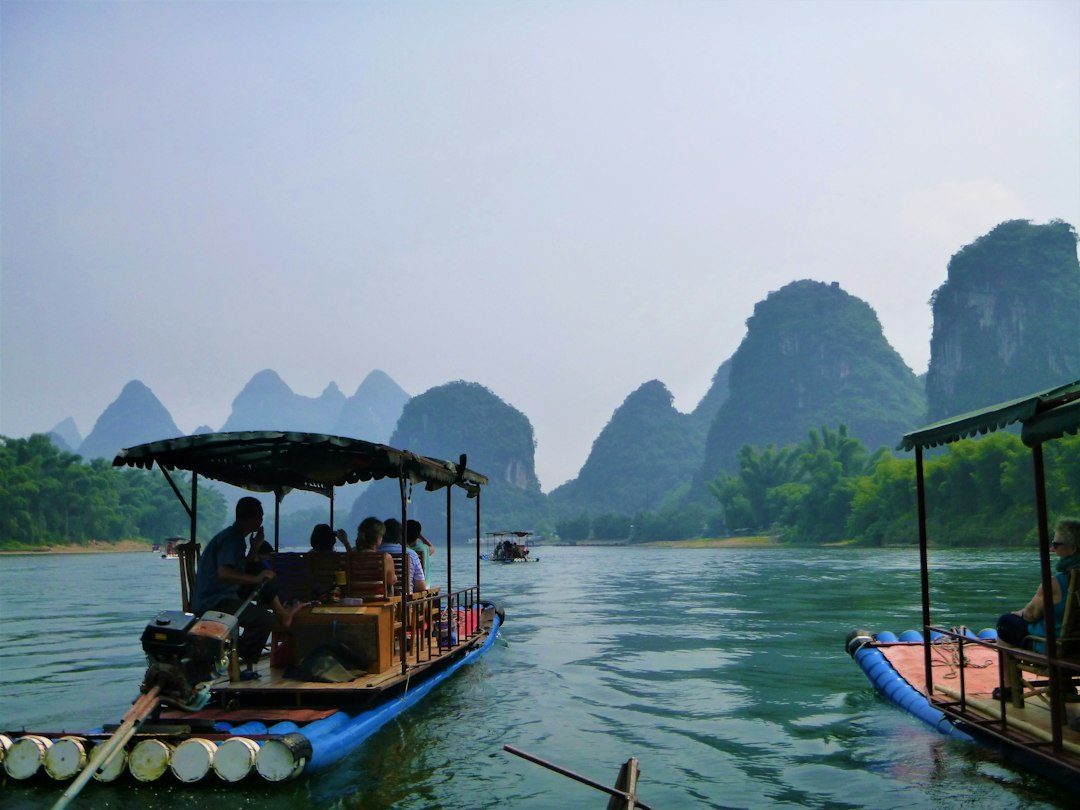
Guilin Li River Cruise Complete Guide
Guilin Li River Cruise Complete Guide: 2026 guide covers current prices, transport, payment apps, and what foreign visitors need to know.
19 min read
China Travel SIM Card eSIM Comparison 2026
The cab driver in Beijing looked at me in the rearview mirror and said, in perfect English, “You know, most tourists buy the wrong SIM card.” I’d been in China
10 min read
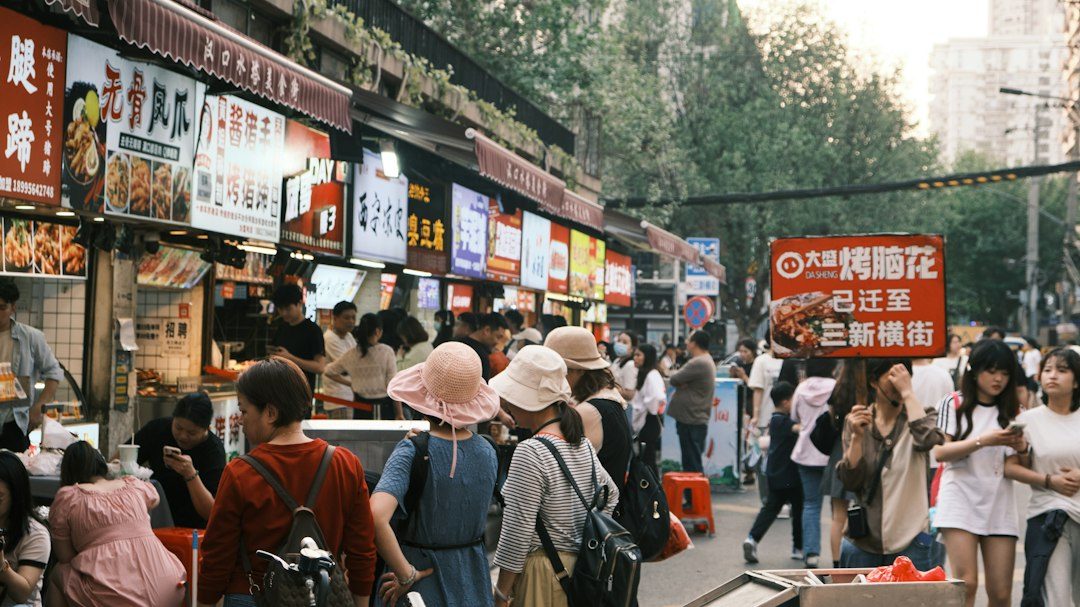
China Food Tour Self Guided Complete
The cab driver in Chengdu looked at me in the rearview mirror, then back at the address I’d fumbled to show him on my phone. He laughed. Not a mean laugh—the ki
16 min read