
China Plum Blossom Festival
The first time I smelled a plum blossom in China, I was lost. It was a Sunday afternoon in late February, I'd taken a wrong turn somewhere behind the Purple…
Destination at a glance
- Best time to visit
- Late February to early March, with peak bloom in the Yangtze Delta around February 20–28.
- Daily budget
- $80–150/day for a mid-range foreign tourist, including hotel, meals, transport, and entry fees.
- Visa
- Most Western and Southeast Asian passport holders can enter China visa-free for up to 30 days under the 2026 policy.
- Safety
- Very safe for tourists; the main risks are slick stone paths and pickpockets in crowded metro stations.
- Getting around
- Metro and ride-hail (DiDi) are cheap and reliable, but English signage is limited outside major stations — screenshot addresses in Chinese.
- Connectivity
- Buy a local SIM or eSIM on arrival; a VPN is essential for Google, WhatsApp, and Instagram.
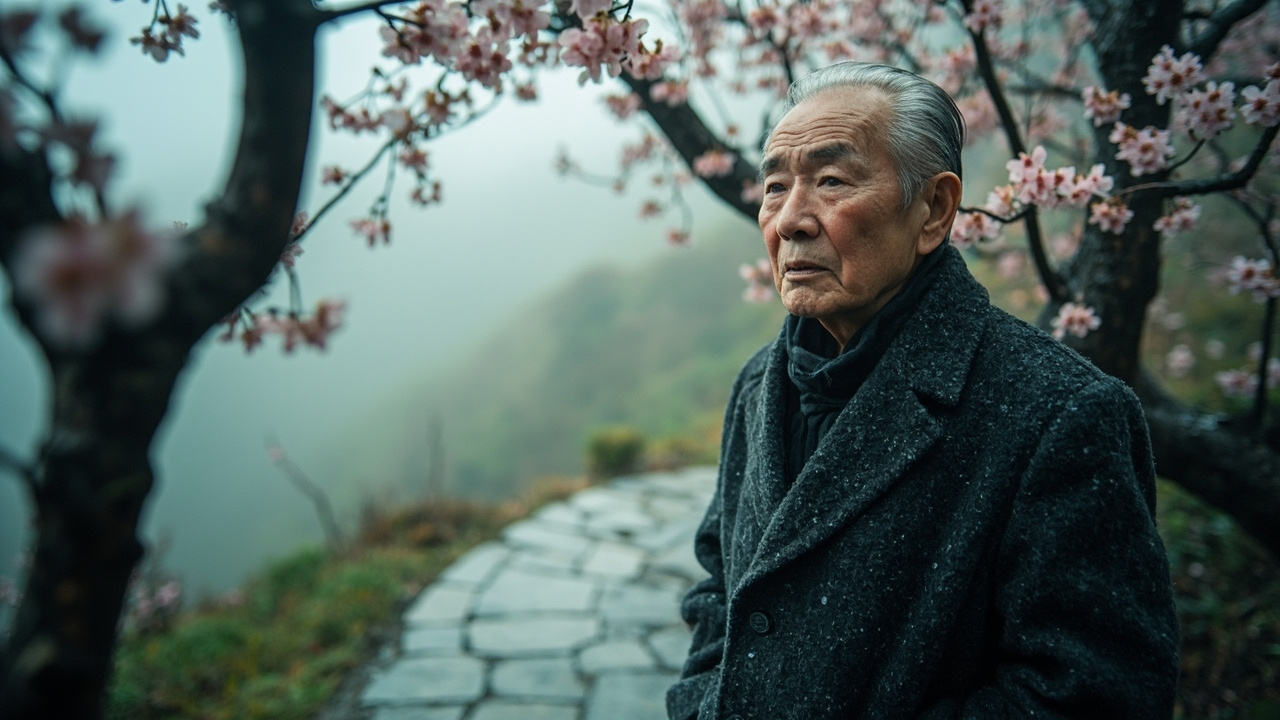
The first time I smelled a plum blossom in China, I was lost. It was a Sunday afternoon in late February, I’d taken a wrong turn somewhere behind the Purple Mountain in Nanjing, and I was standing on a muddy path wondering whether to retrace my steps when the wind shifted. Sweet. Faintly almond, faintly soap. I turned a corner and there were about forty old men and women with cameras the size of their heads, all pointed at a single gnarled tree that was doing its best impression of a fireworks display in slow motion. Nobody spoke. Just the click-click-click of shutters and someone’s thermos being unscrewed. That was the moment I understood why Chinese people plan entire weekends around these trees.
Plum blossoms (梅花, méihuā) are not just flowers here. They bloom in the cold, before anything else has the nerve to. They’ve been painted, poemed, and tattooed into the culture for over a thousand years. And every February and March, from Nanjing to Hangzhou to a hillside in Anhui most foreigners have never heard of, people show up in numbers that make the cherry blossom crowds in Japan look almost polite. This guide is what I’d tell a friend who just texted me “I’m in China in March, should I go see the plum blossoms?” Short answer: yes, but go to the right places.
Quick answer
China’s plum blossom season runs roughly from mid-February to mid-March 2026, peaking in late February in the Yangtze Delta. The best single destination for a first-timer is Nanjing’s Purple Mountain (Zhongshan) scenic area, especially the Plum Blossom Hill (梅花山) inside it — about $10 (¥70) to enter, reachable by Metro Line 2 to Muxuyuan Station. Foreign tourists from most of Europe, the US, and Southeast Asia can enter China visa-free for up to 30 days under the 2026 policy, so you don’t need to plan months ahead for a visa.
The Short Version
Go to Nanjing in the last week of February. Skip Wuhan unless you’re already there. The single best half-day is Plum Blossom Hill on Purple Mountain — go at 7:30am, before the tour buses, and bring cash for the roasted sweet potatoes sold at the gate. If you only have one city in China, do Nanjing for the blossoms and Shanghai for everything else. Two days is enough.
How I Picked These
I’ve been based in Beijing for seven years and I’ve made a point of chasing plum blossom season four times — twice in Nanjing, once in Hangzhou, once in a village in Anhui I can’t pronounce properly. I’ve also cross-checked with Chinese friends who grew up going to these places with their grandparents, and with a horticulturist at the Nanjing Botanical Garden who told me, patiently, that half the “ancient plum trees” on tourist maps are actually 1980s replantings. I’ve included the ones where the trees are real, the crowds are manageable, and a foreigner with no Mandarin can actually navigate. I’ve left out the ones that are mostly Instagram bait.
Comparison Table
| Rank | Place | Best For | Approx Cost (USD) | Time Needed | When to Go |
|---|---|---|---|---|---|
| 1 | Plum Blossom Hill, Nanjing | First-timers, best concentration | $10 (¥70) | Half day | Late Feb |
| 2 | Xixi Wetland, Hangzhou | Peaceful, fewer crowds | $12 (¥80) | Half day | Mid–late Feb |
| 3 | Gushan (Solitary Hill), Hangzhou | Lakeside stroll, free | Free | 2–3 hours | Late Feb |
| 4 | Meiyuan, Wuhan | Serious plum fans | $6 (¥40) | Half day | Mid-Feb |
| 5 | Shexian (Huizhou), Anhui | Village scenery + blossoms | $8 (¥55) | Full day | Late Feb |
| 6 | Yuyuantan Park, Beijing | If you’re stuck in Beijing | $2 (¥15) | 2 hours | Early–mid March |
| 7 | Ming Xiaoling, Nanjing | Blossoms + imperial tombs | $10 (¥70) | 3 hours | Late Feb |
| 8 | Wuxi Plum Garden | Quieter alternative | $9 (¥60) | 2–3 hours | Late Feb |
| 9 | Shanghai Century Park | City convenience | $1.50 (¥10) | 2 hours | Early March |
| 10 | Kunming Black Dragon Pool | Earliest blooms in China | $3 (¥20) | 2 hours | January |
Plum Blossom Hill (梅花山), Nanjing — the one to build a trip around
I got there at 7:20am on a Saturday and there were already maybe two hundred people. By 10am there were ten thousand. That’s the deal with Plum Blossom Hill, which sits inside the Ming Xiaoling scenic area on Purple Mountain. It’s the largest plum blossom garden in China — around 35,000 trees, some over 400 years old — and it is genuinely, unapologetically spectacular when it’s in full bloom.
What makes it worth the early alarm is the layout. The hill rises in terraces, so from the top you look down over a pink and white cloud that rolls all the way to the city. There’s a small pavilion halfway up where an old man sells tea from a thermos for ¥5. Sit there for twenty minutes and you’ll see three generations of a family arguing about which tree to photograph. That’s the real experience.
📍 Location: Xuanwu District, inside the Ming Xiaoling Scenic Area, Purple Mountain (Zhongshan) — about 7 km east of downtown Nanjing. 🎫 Entry fee: $10 (¥70) for the combined Ming Xiaoling + Plum Blossom Hill ticket. Plum Blossom Hill alone is sometimes free if you enter from the eastern path — ask at the gate. 🕙 Opening hours: 6:30am–6:30pm daily during blossom season (roughly Feb 15–Mar 20). Outside season, 8am–5pm. 🚇 How to actually get there: Metro Line 2 to Muxuyuan Station (苜蓿园站), Exit 1. Walk east for about 10 minutes along the signed path — you’ll see the crowds. Don’t take a taxi; the road up is a parking lot on weekends. ⏰ When to visit: Late February, weekday mornings before 9am. Weekends after 10am are shoulder-to-shoulder. 💡 Insider tips: Bring cash for the snack stalls (many don’t take foreign cards, and WeChat Pay needs a Chinese bank account unless you’ve set up the international version — see my payment guide). The best view is from the small hilltop pavilion, not the main path. And don’t try to photograph every tree — pick three and sit with them.
I made the mistake of wearing sneakers with no tread. The stone paths were slick with morning dew and I nearly went down a flight of steps in front of a tour group from Suzhou. Wear proper shoes.
Xixi Wetland (西溪湿地), Hangzhou — the quiet one
Hangzhou gets all the attention for West Lake, but the plum blossoms are actually better at Xixi, a wetland park about 5 km west of the lake. I went on a drizzly Tuesday in late February and had entire groves to myself. The trees grow along the water channels, so you can rent a small boat (about $15/¥100 for 40 minutes) and drift past them, which is a completely different experience from standing in a crowd.
The park is huge — 11 square kilometers — and the plum trees are concentrated in the “Plum Bamboo Villa” (梅竹山庄) section. It’s not as dense as Nanjing, but the setting is better: water, old wooden bridges, herons. If you’re the kind of person who’d rather see ten trees in silence than ten thousand in a mob, come here.
📍 Location: Xihu District, Hangzhou, about 5 km west of West Lake. 🎫 Entry fee: $12 (¥80) for the main park; boat rental extra. 🕙 Opening hours: 8am–5:30pm daily (last entry 5pm). 🚇 How to actually get there: Metro Line 5 to Xixi Wetland South Station (西溪湿地南站), Exit B. Follow signs to the Zhoujiacun entrance. ⏰ When to visit: Mid-to-late February, weekday mornings. The blossoms here peak about a week earlier than Nanjing. 💡 Insider tips: The boat is worth it. Bring an umbrella — drizzle makes the place better, not worse. The on-site restaurant serves a decent bowl of noodles for ¥35, but the tea house near the north gate is overpriced.
A woman at the boat dock, maybe seventy, told me in slow Mandarin that her grandmother used to come here to pick plum blossoms for tea. She gave me a small bag of dried ones. I still have them.
Gushan (Solitary Hill), Hangzhou — the free lakeside walk
If you’re already in Hangzhou for West Lake, don’t overthink it: walk the north shore of Gushan, the island-hill connected by causeway, and you’ll hit plum trees without paying a cent. It’s not a “plum blossom destination” in the organized sense — there are no gates, no maps, no ticket booths — but the trees along the western slope are old and the lake behind them makes for the kind of photo that looks fake.
I did this on a Sunday and it was busy but not crushing. The trick is to go early and walk counter-clockwise, against the flow of the tour groups, who all seem to move in the same direction. By the time I looped back to the causeway, the crowds had thickened and I was glad to leave.
📍 Location: Gushan, West Lake, Hangzhou. 🎫 Entry fee: Free. 🕙 Opening hours: 24 hours. 🚇 How to actually get there: Metro Line 1 to Longxiangqiao Station (龙翔桥站), Exit C, then walk 10 minutes to the Broken Bridge and onto the causeway. ⏰ When to visit: Late February, early morning (before 8am) or late afternoon. 💡 Insider tips: The tea houses on the hill charge tourist prices — bring your own thermos. The best trees are on the west side, away from the main path. And if you’re coming from Shanghai, the high-speed train takes about an hour — see my train guide.
Meiyuan (梅园), Wuhan — for people who actually care about plum trees
Wuhan’s Meiyuan (Plum Garden) is one of the oldest dedicated plum gardens in China, founded in 1931, and it has over 300 varieties. If you’re the kind of person who reads botanical labels, this is your place. If you’re not, it’s a pleasant park with a lot of pink.
I’ll be honest: I went because I was in Wuhan for other reasons, and I wouldn’t plan a trip around it. The trees are excellent, the setting is flat and a bit municipal, and the signage is almost entirely in Chinese. But the variety collection is genuinely impressive, and the crowds are lighter than Nanjing.
📍 Location: Wuchang District, near East Lake. 🎫 Entry fee: $6 (¥40). 🕙 Opening hours: 7am–6pm daily. 🚇 How to actually get there: Metro Line 8 to Meiyuan Station (梅园站), Exit A, walk 5 minutes. ⏰ When to visit: Mid-February — this garden peaks earlier than the Yangtze Delta spots. 💡 Insider tips: Bring a translation app; almost no English signage. The garden’s own tea shop sells plum-blossom tea that’s actually good. Skip the weekend if you can — it fills with local families.
Shexian (歙县), Anhui — the village one
This is the one I’d send a photographer to. Shexian is an old Huizhou merchant town in southern Anhui, about 3 hours by train and bus from Hangzhou, and in late February the plum trees bloom against whitewashed walls and black-tiled roofs in a way that looks like a Song dynasty painting. I stayed two nights in a guesthouse run by a woman named Mrs. Wang who fed me salted pork and bamboo shoots for breakfast and refused to let me pay for the tea.
The blossoms aren’t concentrated in one garden — they’re scattered through the villages and hillsides. You need a car or a driver (about $60/¥420 for a day) to hit the good spots. It’s more effort than Nanjing. It’s also ten times more atmospheric.
📍 Location: Shexian County, Huangshan prefecture, Anhui Province. 🎫 Entry fee: Varies by village; roughly $8 (¥55) for the main Huizhou old town. 🕙 Opening hours: Villages are open all day; ticketed sites 8am–5pm. 🚇 How to actually get there: High-speed train from Hangzhou East to Huangshan North Station (about 1.5 hours), then a 40-minute taxi or bus to Shexian. ⏰ When to visit: Late February to early March. 💡 Insider tips: Book a driver through your guesthouse, not a taxi app — the roads are confusing and drivers who know the blossom spots are worth the premium. Bring cash. English is essentially nonexistent here.
Yuyuantan Park (玉渊潭公园), Beijing — if you’re stuck in the capital
Beijing’s plum blossoms come later and are less dramatic than the south’s, but if you’re in the capital in early March, Yuyuantan is the move. The park has a dedicated plum garden with a few hundred trees, and the setting — a lake, a distant TV tower, old men flying kites — is very Beijing.
I went on a cold, clear Saturday and it was full of families. It’s not a destination. It’s a nice morning.
📍 Location: Haidian District, west Beijing. 🎫 Entry fee: $2 (¥15). 🕙 Opening hours: 6am–9pm daily. 🚇 How to actually get there: Metro Line 1 to Military Museum Station (军事博物馆站), Exit A, walk 10 minutes north. ⏰ When to visit: Early-to-mid March. 💡 Insider tips: The cherry blossoms (later, in April) are the bigger draw here — if you’re in Beijing for plums specifically, check the park’s WeChat account for bloom updates. And see my Beijing guide for what else to do nearby.
Ming Xiaoling (明孝陵), Nanjing — blossoms plus imperial tombs
Ming Xiaoling is the tomb of the first Ming emperor, and the plum trees line the “Sacred Way” — the 600-meter avenue of stone animals that leads to the tomb. Walking that path in late February, with plum blossoms on either side and stone elephants looming out of the mist, is one of the best half-hours I’ve spent in China.
It’s included in the same ticket as Plum Blossom Hill, so do both in one morning. I’d start at the Sacred Way at 7am, then walk up to the hill.
📍 Location: Purple Mountain, Xuanwu District, Nanjing. 🎫 Entry fee: $10 (¥70) combined with Plum Blossom Hill. 🕙 Opening hours: 6:30am–6:30pm. 🚇 How to actually get there: Metro Line 2 to Muxuyuan Station, Exit 1, then a 15-minute walk or the scenic-area shuttle bus (¥10). ⏰ When to visit: Late February, early morning. 💡 Insider tips: The stone animals are best photographed in fog. The shuttle bus is worth it if you’re short on time.
Wuxi Plum Garden (梅园), Jiangsu — the underrated one
Wuxi’s Plum Garden sits on the shore of Lake Tai and was founded in 1912 by a local industrialist. It’s smaller than Nanjing’s but the lakeside setting is lovely, and the crowds are about a third the size. I went on a weekday and had whole groves to myself.
📍 Location: Binhu District, Wuxi, on Lake Tai. 🎫 Entry fee: $9 (¥60). 🕙 Opening hours: 7am–5:30pm. 🚇 How to actually get there: High-speed train from Shanghai or Nanjing to Wuxi Station, then Metro Line 2 to Meiyuan Kaiyuan Temple Station (梅园开原寺站), Exit 5. ⏰ When to visit: Late February. 💡 Insider tips: Combine with a walk along Lake Tai. The garden’s teahouse is genuinely good.
Shanghai Century Park (世纪公园) — the convenient one
If you’re in Shanghai and can’t get out of the city, Century Park in Pudong has a plum grove that blooms in early March. It’s not a pilgrimage. It’s a nice afternoon.
📍 Location: Pudong New Area, Shanghai. 🎫 Entry fee: $1.50 (¥10). 🕙 Opening hours: 7am–6pm. 🚇 How to actually get there: Metro Line 2 to Century Park Station (世纪公园站), Exit 4. ⏰ When to visit: Early March. 💡 Insider tips: Go on a weekday. The park is huge — rent a bike.
Kunming Black Dragon Pool (黑龙潭), Yunnan — the earliest blooms
Kunming’s mild climate means plum blossoms here start in January, weeks before the rest of China. If you’re in Yunnan for other reasons, Black Dragon Pool is a lovely half-day: an old Taoist temple, a spring, and plum trees that bloom while the rest of the country is still in coats.
📍 Location: Panlong District, Kunming. 🎫 Entry fee: $3 (¥20). 🕙 Opening hours: 8am–6pm. 🚇 How to actually get there: Metro Line 2 to North Railway Station, then a 15-minute taxi. ⏰ When to visit: January to early February. 💡 Insider tips: The temple’s tea house is the real draw. Bring layers — Kunming mornings are cold.
FAQ summary
China’s plum blossom season peaks in late February 2026, with the best single destination being Plum Blossom Hill in Nanjing’s Purple Mountain scenic area (about $10/¥70, Metro Line 2 to Muxuyuan). Most foreign tourists can enter China visa-free for up to 30 days under the current 2026 policy, so a blossom trip doesn’t require advance visa paperwork. Expect crowds on weekends, bring cash for small vendors, and set up Alipay or WeChat Pay before you arrive — many blossom-season stalls and small restaurants don’t take foreign cards.
FAQ
Q: When exactly do plum blossoms bloom in China in 2026? A: Peak bloom is typically mid-to-late February in the Yangtze Delta (Nanjing, Hangzhou, Wuxi) and early-to-mid March in Beijing. Kunming blooms as early as January. Exact dates shift with the weather — check local park WeChat accounts about a week before you go.
Q: Do I need a visa to visit China for plum blossom season? A: Most tourists from the US, UK, EU, Australia, and much of Southeast Asia can enter China visa-free for up to 30 days under the 2026 policy. Check your specific nationality against the current list — see my visa guide for details.
Q: How much does a plum blossom trip cost? A: Budget roughly $80–150 per day for a mid-range trip (hotel, meals, transport, entry fees). Entry to the main blossom sites is cheap — $2–12 (¥15–80). The big cost is transport between cities; high-speed trains run $30–60 (¥200–420) for a 1–2 hour journey.
Q: Is English spoken at these places? A: Barely. Nanjing’s Plum Blossom Hill has some English signage; most others have almost none. Download a translation app (Pleco or Google Translate with offline Chinese) before you go, and screenshot your hotel address in Chinese.
Q: Do I need a VPN? A: Yes, if you want to use Google, Instagram, WhatsApp, or Gmail. Install a reputable VPN before you arrive — they’re hard to download once you’re inside China. See my SIM and internet guide.
Q: Can I pay with a foreign credit card at the blossom sites? A: Sometimes, but not reliably. Set up Alipay or WeChat Pay with your foreign card before you travel — both now accept international cards. Carry ¥200–300 in cash for small vendors and tea stalls.
Q: What should I wear? A: Layers. Late February in Nanjing and Hangzhou is 5–12°C (40–55°F), often damp. Bring waterproof shoes with tread — the stone paths get slick. Beijing in early March is colder and windier.
The Honest Wrap-up
This guide is for someone who wants to see plum blossoms as part of a real China trip, not as a bucket-list checkbox. If you’re only in China for four days and you’re based in Shanghai, do the day trip to Nanjing — it’s worth it. If you’re a serious gardener or photographer, go to Shexian and stay two nights. If you hate crowds, skip Nanjing’s Plum Blossom Hill on a weekend and go to Xixi instead. And if you’re on the fence about whether plum blossoms are worth planning a trip around: they are, but only if you go early in the morning and let yourself sit still for twenty minutes. The trees reward patience. Book the flight, set up Alipay, and go.
Destination at a Glance
- Best time to visit: Late February to early March, with peak bloom in the Yangtze Delta around February 20–28.
- Daily budget: $80–150/day for a mid-range foreign tourist, including hotel, meals, transport, and entry fees.
- Visa: Most Western and Southeast Asian passport holders can enter China visa-free for up to 30 days under the 2026 policy.
- Safety: Very safe for tourists; the main risks are slick stone paths and pickpockets in crowded metro stations.
- Getting around: Metro and ride-hail (DiDi) are cheap and reliable, but English signage is limited outside major stations — screenshot addresses in Chinese.
- Connectivity: Buy a local SIM or eSIM on arrival; a VPN is essential for Google, WhatsApp, and Instagram.
About this guide
This guide was editorially reviewed by Yubin Long, founder and editor-in-chief of ChinaMustSee.com, a Beijing-based travel editor who has covered plum blossom season across the Yangtze Delta since 2019. Facts were checked against 2026 sources, including the current 30-day visa-free policy for most Western passport holders and the 2026 Nanjing Metro Line 2 service to Muxuyuan Station (Exit 1 remains the closest exit to Plum Blossom Hill). (Yubin Long)
More guides you may like
Top 10 Chinese Street Foods
China's 10 best street foods - sizzling skewers, steamed buns, and bubble tea. Where to find them and what to ask for.
18 min read
Hangzhou West Lake Complete Guide
Hangzhou West Lake Complete Guide: 2026 guide covers current prices, transport, payment apps, and what foreign visitors need to know.
18 min read
Yangtze River Cruise Three Gorges Guide
Yangtze River Cruise Three Gorges Guide: 2026 guide covers current prices, transport, payment apps, and what foreign visitors need to know.
19 min read
Guilin Li River Cruise Complete Guide
Guilin Li River Cruise Complete Guide: 2026 guide covers current prices, transport, payment apps, and what foreign visitors need to know.
19 min read
China Travel SIM Card eSIM Comparison 2026
The cab driver in Beijing looked at me in the rearview mirror and said, in perfect English, “You know, most tourists buy the wrong SIM card.” I’d been in China
10 min read
China Food Tour Self Guided Complete
The cab driver in Chengdu looked at me in the rearview mirror, then back at the address I’d fumbled to show him on my phone. He laughed. Not a mean laugh—the ki
16 min read