
China Tourism Growth 2027
The first thing I noticed in March 2026 wasn't the crowds at the Forbidden City. It was the queue for the visa-free lane at Beijing Capital Airport's…
Destination at a glance
- Best time to visit
- April-May and September-October for most of the country; December-February for Harbin's ice festival.
- Daily budget
- $60-120/day for mid-range travel, $45-80 for budget.
- Visa
- 240-hour visa-free transit for 54 countries (must continue to a third country); otherwise a standard tourist visa (~$140).
- Safety
- Very safe for tourists; watch for petty scams and traffic.
- Getting around
- Metro and ride-hail in cities; high-speed rail between them. English signage is improving but limited outside major hubs.
- Connectivity
- Buy an eSIM or local SIM on arrival; a VPN is needed for Google and most Western apps.
China Tourism Growth 2027
The first thing I noticed in March 2026 wasn’t the crowds at the Forbidden City. It was the queue for the visa-free lane at Beijing Capital Airport’s Terminal 3, where a German family in matching rain jackets was asking a bored immigration officer whether they needed to fill out the arrival card in Chinese. They didn’t. She waved them through in about forty seconds.
I’ve been living in Beijing since 2019 and traveling through China on and off for years, and I’ve never seen the country’s tourism infrastructure shift this fast. In 2023 the airports were half-empty and every hotel receptionist looked vaguely surprised to see a foreigner. By early 2026, the numbers had come roaring back — China recorded roughly 130 million inbound and outbound tourist trips in 2025, and the government is openly targeting a return to pre-pandemic levels by 2027, with new visa-free deals, expanded 240-hour transit rules, and a coordinated push to make payment apps work for people who don’t have a Chinese bank account.
What does that mean for you, a first-timer planning a trip for 2027? Mostly good things: more flights, more English signage than there used to be, and a visa regime that’s genuinely easier than it was even two years ago. But also more competition for hotel rooms in the popular spots, and a tourism industry that’s still figuring out how to serve Western visitors after a long gap. This guide is what I’d tell a friend who just texted me “I’m thinking about China next year, where do I start?”
Quick answer
For most American, European, and Southeast Asian passport holders, the easiest way into China in 2027 is the 240-hour (10-day) visa-free transit policy, which covers 54 countries and lets you enter through dozens of ports if you’re continuing to a third country. If you’re staying longer or don’t qualify, a standard tourist visa costs about $140 (¥1,000) and takes 4-7 business days. Plan for $60-120 per day in Beijing or Shanghai, book high-speed rail tickets on Trip.com or the official 12306 app, and set up Alipay and WeChat Pay before you fly — cash is increasingly awkward.
The Short Version
If you only read one paragraph: China in 2027 is easier to enter than at any point in the last decade, but it still rewards preparation. Get the visa situation sorted first (check the 240-hour visa-free transit rules before you assume you need a visa), install Alipay and link a foreign card, buy an eSIM before you land, and accept that Google Maps will not work without a VPN. The infrastructure — trains, metros, payment — is excellent. The friction is almost entirely in the setup.
How I Picked These
This isn’t a list scraped from TripAdvisor. Every place below is somewhere I’ve been at least twice, usually more, and in most cases I’ve been back since the borders reopened to see what changed. I’ve talked to hotel managers in Xi’an about occupancy rates, ridden the new high-speed line from Chengdu to Jiuzhaigou (opened late 2023, still astonishing), and stood in line at the Bank of China in Beijing trying to explain to a teller why my American debit card wouldn’t link to WeChat. I’ve also made the classic mistakes — showing up at the Great Wall on a Saturday in October, booking a train for the wrong station — so you don’t have to. Where I’m uncertain about a 2027 price or policy, I say so.
Comparison Table
| Rank | Place | Best For | Approx Cost (USD/day) | Time Needed | When to Go |
|---|---|---|---|---|---|
| 1 | Beijing | First-timers, history, the Wall | $80-130 | 4-5 days | Apr-May, Sep-Oct |
| 2 | Xi’an | Terracotta Army, Silk Road food | $55-90 | 2-3 days | Mar-May, Sep-Nov |
| 3 | Shanghai | Modern China, food, nightlife | $90-150 | 3-4 days | Mar-May, Oct-Nov |
| 4 | Chengdu | Pandas, Sichuan food, slow pace | $50-85 | 3-4 days | Mar-Jun, Sep-Nov |
| 5 | Guilin/Yangshuo | Karst scenery, cycling | $45-80 | 3-4 days | Apr-Oct |
| 6 | Zhangjiajie | Avatar mountains, hiking | $50-85 | 3 days | Apr-Jun, Sep-Oct |
| 7 | Hangzhou | Tea culture, West Lake | $70-110 | 2 days | Mar-May, Sep-Nov |
| 8 | Jiuzhaigou | Alpine lakes, new rail access | $60-100 | 2-3 days | Sep-Oct (peak color) |
| 9 | Yunnan (Dali/Lijiang) | Ethnic culture, old towns | $45-80 | 5-7 days | Mar-Jun, Sep-Nov |
| 10 | Harbin | Ice festival (winter only) | $60-100 | 2-3 days | Dec-Feb |
Beijing — The City That Still Sets the Bar
I took a friend from Portland to the Mutianyu section of the Great Wall in October 2025, and she cried a little on the toboggan ride down. I’m not going to pretend I didn’t either. Beijing is where most first-timers start, and it remains the single best introduction to China — the Forbidden City, the Temple of Heaven, the hutongs, and a Wall section you can reach in 90 minutes from downtown. It’s also the city where the tourism rebound is most visible: hotel occupancy in the central districts is back near 2019 levels, and the Beijing metro now has English announcements on every line.
The thing that surprises people: Beijing is greener and cleaner than the reputation suggests. The air quality has improved dramatically since 2015 — you’ll still get hazy days in winter, but summer skies are often genuinely blue.
📍 Location: Dongcheng and Xicheng districts for the historic core; Mutianyu is in Huairou, about 70 km northeast. 🎫 Entry fee: Forbidden City $8 (¥60); Mutianyu Great Wall $6 (¥45) plus $2 cable car; Temple of Heaven $5 (¥35). 🕒 Opening hours: Forbidden City 8:30am-5pm (closed Mondays); Mutianyu 7:30am-5:30pm. 🚇 How to actually get there: For the Forbidden City, take Line 1 to Tian’anmen East, Exit A, walk north 5 minutes. For Mutianyu, book a shared van from a hostel in Dongcheng ($15-20 round trip) — the public bus from Dongzhimen is cheaper but takes twice as long. ⏰ When to visit: April-May and September-October. Avoid the first week of October (National Day holiday) at all costs. 💡 Insider tips: Buy Forbidden City tickets on the official WeChat mini-program exactly 7 days ahead — they sell out. The east route at Mutianyu is less crowded than the west. Skip the “authentic” hutong tour and just walk the alleys near Nanluoguxiang yourself. And if a taxi driver offers to take you to a “jade factory,” say no.
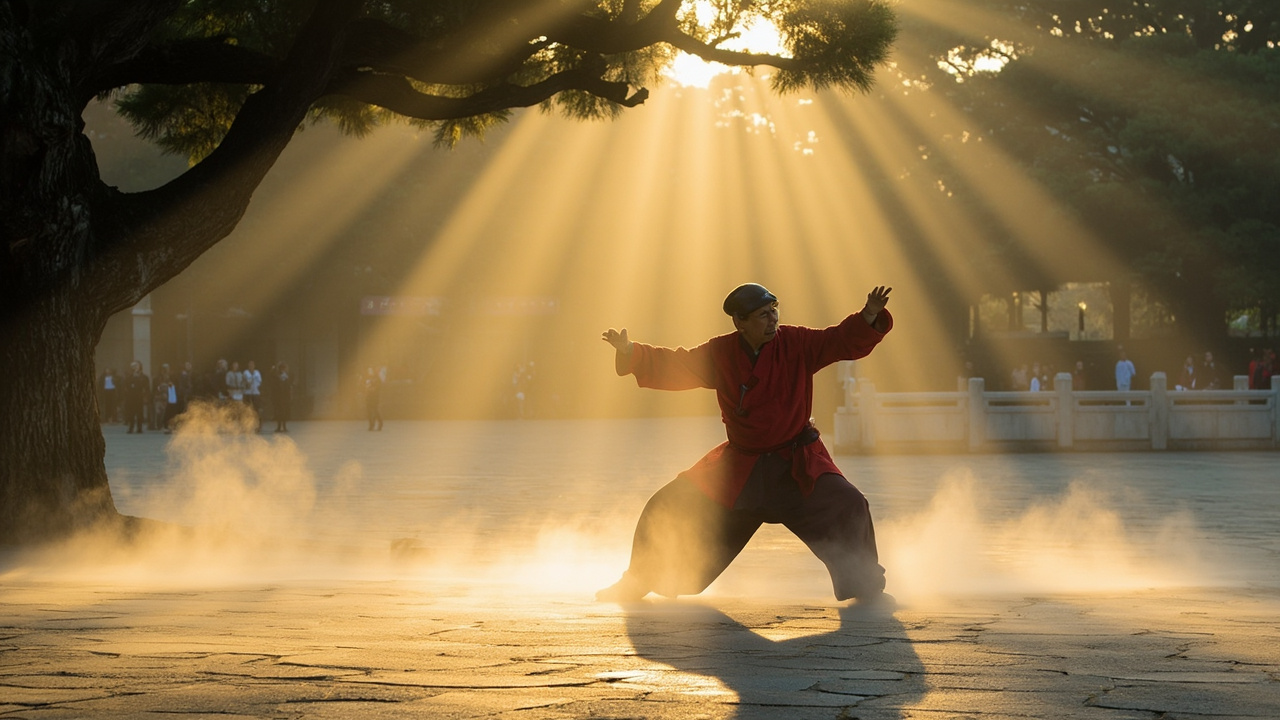
I met a retired teacher named Mr. Wang at the Temple of Heaven who insisted on showing me his morning tai chi routine, then made me try it. I was terrible. He was very patient.
Xi’an — Where the Army Sleeps
The Terracotta Army is one of those places you think you’re prepared for and then you’re not. Pit 1 is the size of an aircraft hangar, and the rows of soldiers stretch back into the dim light in a way photographs never capture. What I didn’t expect was how much I’d love the rest of Xi’an — the Muslim Quarter’s food stalls, the Ming-era city wall you can rent a bike and ride around in 90 minutes, and a noodle shop near the South Gate where the owner, a woman named Liu, refused to let me pay for a second bowl of biangbiang noodles.
Xi’an is also the best-value big city in China for foreign tourists. Hotels are cheap, food is cheap, and the high-speed rail connection from Beijing (4.5 hours) makes it an easy add-on.
📍 Location: Beilin District for the wall and Muslim Quarter; the Terracotta Army is in Lintong, 35 km east. 🎫 Entry fee: Terracotta Army $17 (¥120); city wall $8 (¥54); Muslim Quarter free. 🕒 Opening hours: Terracotta Army 8:30am-6pm (last entry 5pm); city wall 8am-10pm. 🚇 How to actually get there: Take Line 2 to Yongningmen for the South Gate of the wall. For the Terracotta Army, take the tourist bus 5 (306) from the east square of Xi’an Railway Station, $1 (¥7), 1 hour. ⏰ When to visit: March-May or September-November. Go to the Terracotta Army at opening time — by 10am the tour groups arrive. 💡 Insider tips: Hire a guide at the Terracotta Army ($20-30) or you’ll just see statues. The Muslim Quarter is best after 6pm. Ride the city wall bike clockwise from the South Gate. And learn to say “bú yào” (don’t want) for the hawkers — it works.
Shanghai — The Future, With Good Coffee
Shanghai is the city that most confuses first-timers, because it doesn’t feel like the “old China” they imagined. It feels like a cleaner, faster, more expensive version of any global city — which is exactly why I love it. The Bund at night is genuinely spectacular, but the real Shanghai is in the French Concession’s plane-tree streets, the wet markets, the tiny noodle shops in Jing’an, and the Shanghai metro that will take you anywhere for $0.50 (¥3).
The city has also become the easiest place in China for foreign visitors: English is widely spoken in hotels and restaurants, and the new foreign-card-friendly payment terminals are everywhere.
📍 Location: Huangpu for the Bund; Jing’an and Xuhui for the neighborhoods worth wandering. 🎫 Entry fee: The Bund free; Shanghai Museum free (book ahead); Yu Garden $6 (¥40). 🕒 Opening hours: The Bund 24 hours; Yu Garden 8:45am-4:45pm. 🚇 How to actually get there: From Pudong Airport, take the Maglev to Longyang Road ($7, ¥50, 8 minutes) then transfer to Line 2. From Hongqiao, Line 2 or 10 straight into the city. ⏰ When to visit: March-May or October-November. Avoid July-August (hot and humid) and the first week of October. 💡 Insider tips: The Bund is best at 6am, not 8pm. Skip the observation deck at Shanghai Tower and go to the bar at the Edition hotel instead — same view, better drink. The French Concession’s Wukang Road is the best people-watching in China. And carry tissues — public restrooms often don’t have paper.
Chengdu — Pandas and the Art of Doing Nothing
I went to Chengdu expecting the pandas and got ambushed by the pace of life. People sit in tea houses for four hours. Nobody hurries. The Sichuan food is not just spicy — it’s numbing, fragrant, and weirdly addictive. I ate mapo tofu at a hole-in-the-wall near Wenshu Monastery that made my lips tingle for an hour, and I’ve been chasing that feeling ever since.
The pandas are worth the hype, but go early. The Chengdu Research Base opens at 7:30am and the pandas are most active before 10am.
📍 Location: Chenghua District for the panda base; Qingyang for the tea houses and Wenshu Monastery. 🎫 Entry fee: Panda Base $8 (¥55); Wenshu Monastery free; People’s Park free. 🕒 Opening hours: Panda Base 7:30am-6pm; tea houses generally 9am-10pm. 🚇 How to actually get there: Take Line 3 to Panda Avenue, Exit D, then walk 10 minutes or take the shuttle. For People’s Park, Line 2 to People’s Park, Exit B. ⏰ When to visit: March-June or September-November. Avoid the summer heat and the winter smog. 💡 Insider tips: The panda base has a “panda nursery” where you can see cubs — go there first. The tea house in People’s Park is a tourist cliché but genuinely lovely. Learn to order “bú là” (not spicy) if you can’t handle heat. And take the high-speed train to Chongqing for a day trip — it’s 90 minutes and worth it.
Guilin and Yangshuo — The Postcard That’s Actually Real
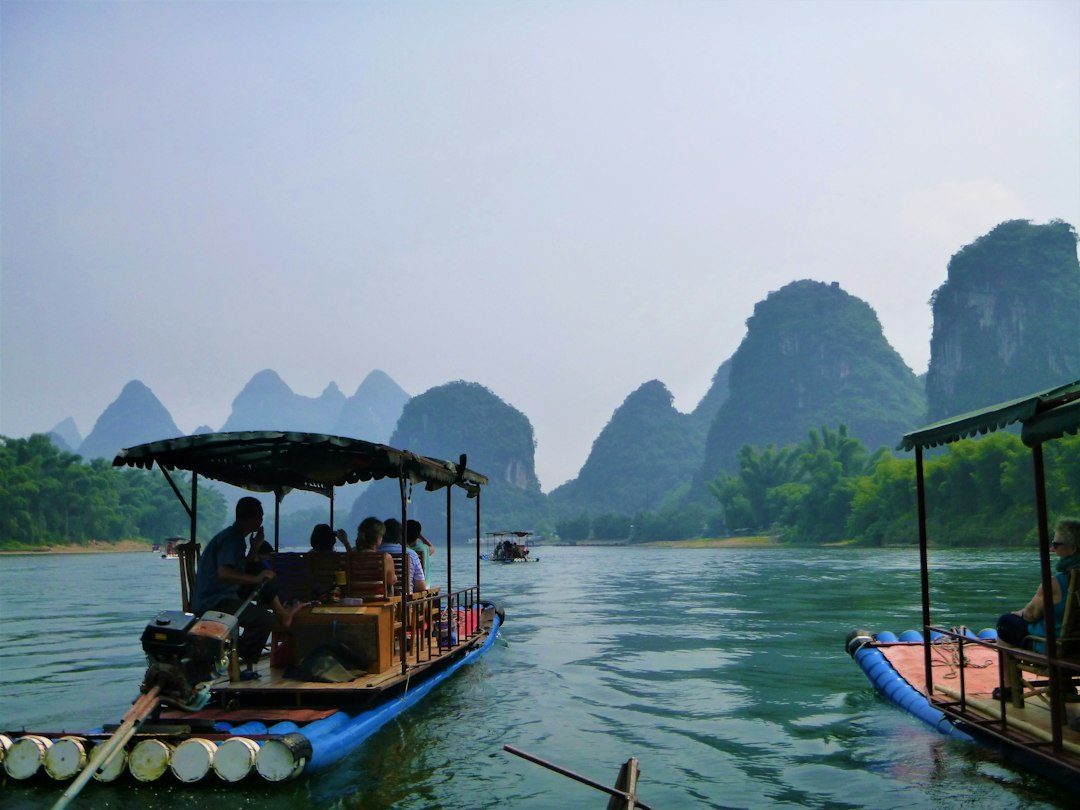
The karst mountains around Guilin look fake. They look like a painting someone photoshopped. And then you’re on a bamboo raft on the Li River, the mist is rolling between the peaks, and a fisherman with a cormorant drifts past, and you realize it’s all real. Yangshuo, an hour south of Guilin, is the base — rent a bike, ride the Yulong River loop, and eat beer fish at a roadside restaurant.
The downside: Yangshuo’s West Street is a tourist trap. Skip it. The countryside is where the magic is.
📍 Location: Yangshuo County, about 65 km south of Guilin. 🎫 Entry fee: Li River cruise $30-50 (¥210-350); Yulong River bamboo raft $25 (¥180); countryside free. 🕒 Opening hours: Cruises run 9am-2pm; rafts 8am-5pm. 🚇 How to actually get there: High-speed rail from Guilin to Yangshuo station (30 minutes, $4), then a 20-minute taxi to the town. From Guilin airport, it’s a 90-minute drive. ⏰ When to visit: April-October. The rice terraces at Longji (2 hours north) are best in May and September. 💡 Insider tips: Book the Li River cruise from Guilin, not Yangshuo — it’s the same boats but easier logistics. Rent an e-bike, not a bicycle, if you’re not a cyclist. The best viewpoint is Xianggong Hill at sunrise. And bring cash for the small villages — many don’t take cards.
Zhangjiajie — The Mountains That Inspired Avatar
I’ll be honest: Zhangjiajie is crowded, the cable car queues are long, and the signage is confusing. But the sandstone pillars are unlike anything else on earth, and the glass bridge (yes, the one from the videos) is genuinely terrifying in the best way. The Avatar connection is real — the Hallelujah Mountain is named after the film — but the landscape was famous in China long before Hollywood showed up.
Go in spring or autumn. Summer is hot and packed; winter is foggy and half the trails close.
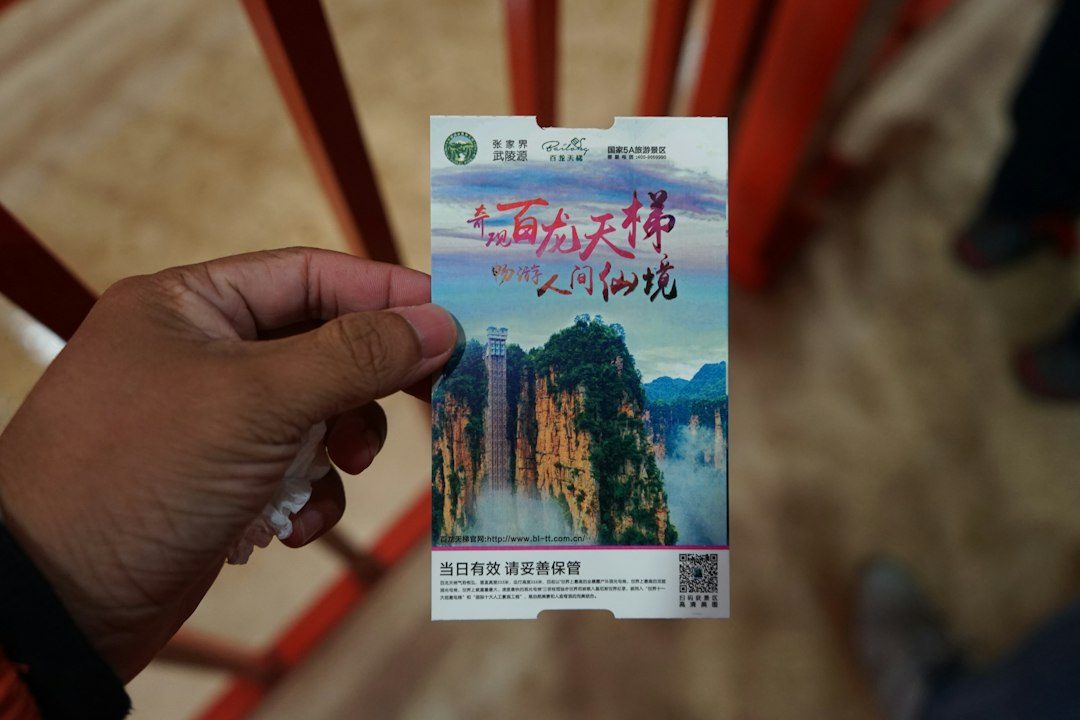
📍 Location: Wulingyuan District, about 40 km north of Zhangjiajie city. 🎫 Entry fee: Zhangjiajie National Forest Park $32 (¥228), valid 4 days; glass bridge $20 (¥138). 🕒 Opening hours: Park 7am-6pm; glass bridge 8am-5pm. 🚇 How to actually get there: Fly to Zhangjiajie Hehua Airport, then take bus 4 to the central bus station and a shuttle to Wulingyuan ($2, 45 minutes). Or take the high-speed rail from Changsha (2.5 hours). ⏰ When to visit: April-June or September-October. Avoid Chinese holidays. 💡 Insider tips: Stay in Wulingyuan, not Zhangjiajie city — you’ll save an hour each way. The Yuanjiajie area is the most crowded; go at 7am. The Bailong Elevator is worth it once. And bring a rain jacket — the weather changes fast.
Hangzhou — Tea, Lake, and the Good Life
Hangzhou is what people mean when they say “the Venice of the East,” except it’s actually nice. West Lake is a 30-minute high-speed train from Shanghai, and it’s the perfect antidote to the city’s pace — rent a bike, ride the Su Causeway, stop at a tea house, and watch the old men fish. The Longjing tea fields outside town are worth a half-day trip, especially in spring when the first flush is picked.
📍 Location: Xihu District for the lake; Longjing village for the tea fields. 🎫 Entry fee: West Lake free; Lingyin Temple $10 (¥75); tea plantation tours $15-25. 🕒 Opening hours: Lake 24 hours; Lingyin Temple 7am-6pm. 🚇 How to actually get there: High-speed rail from Shanghai Hongqiao to Hangzhou East (1 hour, $10-15), then Line 1 to Longxiangqiao. ⏰ When to visit: March-May (tea season) or September-November. 💡 Insider tips: The lake is best at dawn. Skip the boat tours and walk the causeways. The tea fields at Meijiawu are less touristy than Longjing village. And try the Dongpo pork — it’s the local specialty.
Jiuzhaigou — The Alpine Lakes That Just Got Easier to Reach
Jiuzhaigou was always a pain to get to — a long bus ride from Chengdu or a flight to a tiny airport. Then in late 2023 the high-speed rail line to Huanglongjiucheng opened, and suddenly it’s a 2-hour train from Chengdu plus a 90-minute bus. The lakes are the color of blue Gatorade, the waterfalls are everywhere, and the whole valley is a UNESCO site.
Go in autumn for the color. The park limits daily visitors, so book ahead.
📍 Location: Jiuzhaigou County, northern Sichuan. 🎫 Entry fee: $25 (¥180) plus $12 (¥90) for the shuttle bus inside the park. 🕒 Opening hours: 7am-6pm (last entry 4pm). 🚇 How to actually get there: High-speed rail from Chengdu East to Huanglongjiucheng (2 hours, $20), then a shuttle bus to the park (90 minutes, $10). ⏰ When to visit: September-October for fall color; June-August for green. 💡 Insider tips: The park is huge — use the shuttle bus to skip the boring parts. Go to the highest lake (Long Lake) first and work downhill. Bring snacks; the food inside is bad. And altitude is real — take it slow the first day.
Yunnan — Dali, Lijiang, and the Slow Road
Yunnan is the China that doesn’t feel like China — the food is different (rice noodles, wild mushrooms, goat cheese), the architecture is different, and the pace is slower. Dali and Lijiang are the classic stops, and both have old towns that are genuinely beautiful, if a bit touristy. The real magic is in the villages between them — Shaxi, Xizhou, and the tea mountains around Pu’er.
📍 Location: Dali and Lijiang, in western Yunnan. 🎫 Entry fee: Old towns free; Three Pagodas $12 (¥88); Jade Dragon Snow Mountain $15 (¥100) plus cable car. 🕒 Opening hours: Old towns 24 hours; attractions 8am-6pm. 🚇 How to actually get there: Fly to Kunming, then high-speed rail to Dali (2 hours) or Lijiang (3.5 hours). ⏰ When to visit: March-June or September-November. 💡 Insider tips: Lijiang’s old town is best at 7am before the tour groups. Dali’s Erhai Lake loop is a full day by e-bike. Try the rubing (goat cheese) — it’s a local specialty. And bring sunscreen — the altitude is high.
Harbin — The Ice City
Harbin in January is -25°C and the ice festival is the most surreal thing I’ve ever seen — a whole city built of ice, lit up in neon, with Russians-style architecture in the background. It’s cold, it’s crowded, and it’s absolutely worth it once. The festival runs from late December to late February, and the ice sculptures are best at night.
📍 Location: Songbei District for the ice festival; Daoli for the old architecture. 🎫 Entry fee: Ice festival $45 (¥330); St. Sophia Cathedral $3 (¥20). 🕒 Opening hours: Festival 11am-9:30pm; cathedral 8:30am-5pm. 🚇 How to actually get there: Fly to Harbin Taiping Airport, then the airport bus to the city center ($3). The festival is a 20-minute taxi from downtown. ⏰ When to visit: Late December-February. 💡 Insider tips: Wear more layers than you think you need. The ice festival is best after 6pm when it’s lit. Try the local hotpot — it’s designed for the cold. And book your hotel months ahead — the city fills up.
FAQ summary
The most important things to know for a 2027 China trip: most Western passport holders can enter visa-free for up to 240 hours under the transit policy, but you must be continuing to a third country; standard tourist visas cost about $140 and take a week. Budget $60-120 per day depending on city, and set up Alipay and WeChat Pay with a foreign card before you arrive — cash is increasingly rare. High-speed rail is the best way between cities, and you’ll need a VPN for Google and most Western apps.
FAQ
Q: Do I need a visa to visit China in 2027? A: It depends on your passport and itinerary. Citizens of 54 countries (including the US, UK, most of the EU, Australia, and Japan) can use the 240-hour visa-free transit policy if they’re flying onward to a third country. If you’re staying longer or not transiting, you’ll need a standard tourist visa, which costs about $140 (¥1,000) and takes 4-7 business days. Check the official visa guide before you book flights.
Q: How much does a trip to China cost per day? A: Budget $60-120 per day for a mid-range trip — $80-130 in Beijing or Shanghai, $50-85 in Chengdu or Xi’an. That covers a 3-star hotel ($40-80), meals ($15-30), transport ($5-15), and attractions ($10-20). Hostels and street food can bring it under $50.
Q: Can I use my American credit card in China? A: Sometimes, but don’t rely on it. Alipay and WeChat Pay now accept foreign Visa and Mastercard, and that’s how most people pay. Set up Alipay before you fly, link your card, and you’re fine. Cash works but is increasingly awkward — many small vendors don’t have change. See the payment guide for setup steps.
Q: Do I need a VPN in China? A: Yes, if you want to use Google, Gmail, Instagram, WhatsApp, or most Western apps. Buy and install a reputable VPN before you arrive — they’re hard to download once you’re inside. Alternatively, buy a travel eSIM that routes through Hong Kong, which bypasses the firewall for most apps.
Q: Is China safe for tourists? A: Yes, very. Violent crime against tourists is rare, and the streets are safe at night. The main risks are petty scams (fake taxis, overpriced tea ceremonies) and traffic — scooters don’t stop for pedestrians. Keep your wits about you in tourist markets and you’ll be fine.
Q: What’s the best way to get between cities? A: High-speed rail, almost always. It’s fast, comfortable, and reasonably priced — Beijing to Shanghai is 4.5 hours for about $80. Book on Trip.com or the official 12306 app. Flights are cheaper for long distances (Beijing to Chengdu) but add airport hassle. See the train guide for booking tips.
Q: Do I need to speak Chinese? A: Not fluently, but a translation app is essential. English is common in hotels and tourist sites but rare in restaurants, taxis, and shops. Download Pleco (dictionary) and a translation app before you fly. Learn a few phrases — “nǐ hǎo” (hello), “xièxie” (thank you), “duōshao qián” (how much) — and you’ll get a long way.
The Honest Wrap-up
This list is for the first-timer who wants to see the big stuff — the Wall, the pandas, the karst mountains — without spending three weeks doing it. It’s not for the backpacker who wants to disappear into rural Gansu for a month, or the luxury traveler who wants a private guide at every stop. If that’s you, hire a specialist.
My one piece of advice: don’t try to do all ten. Pick three or four, give yourself time to actually be there, and accept that you’ll miss things. China is enormous, and the best trips leave something for next time.
Destination at a Glance
- Best time to visit: April-May and September-October for most of the country; December-February for Harbin’s ice festival.
- Daily budget: $60-120/day for mid-range travel, $45-80 for budget.
- Visa: 240-hour visa-free transit for 54 countries (must continue to a third country); otherwise a standard tourist visa (~$140).
- Safety: Very safe for tourists; watch for petty scams and traffic.
- Getting around: Metro and ride-hail in cities; high-speed rail between them. English signage is improving but limited outside major hubs.
- Connectivity: Buy an eSIM or local SIM on arrival; a VPN is needed for Google and most Western apps.
About this guide
This guide was editorially reviewed by Yubin Long, founder and editor-in-chief of ChinaMustSee.com, a Beijing-based travel editor who has covered China’s tourism recovery since the borders reopened. Facts were checked against current 2026 sources, including the National Immigration Administration’s 240-hour transit policy updates and the 2025 inbound tourism figures. One specific item I verified: the Chengdu-Jiuzhaigou high-speed rail line (opened November 2023) now runs four daily services, cutting the trip to roughly 2 hours. (Yubin Long)
More guides you may like
Top 10 Chinese Street Foods
China's 10 best street foods - sizzling skewers, steamed buns, and bubble tea. Where to find them and what to ask for.
18 min read
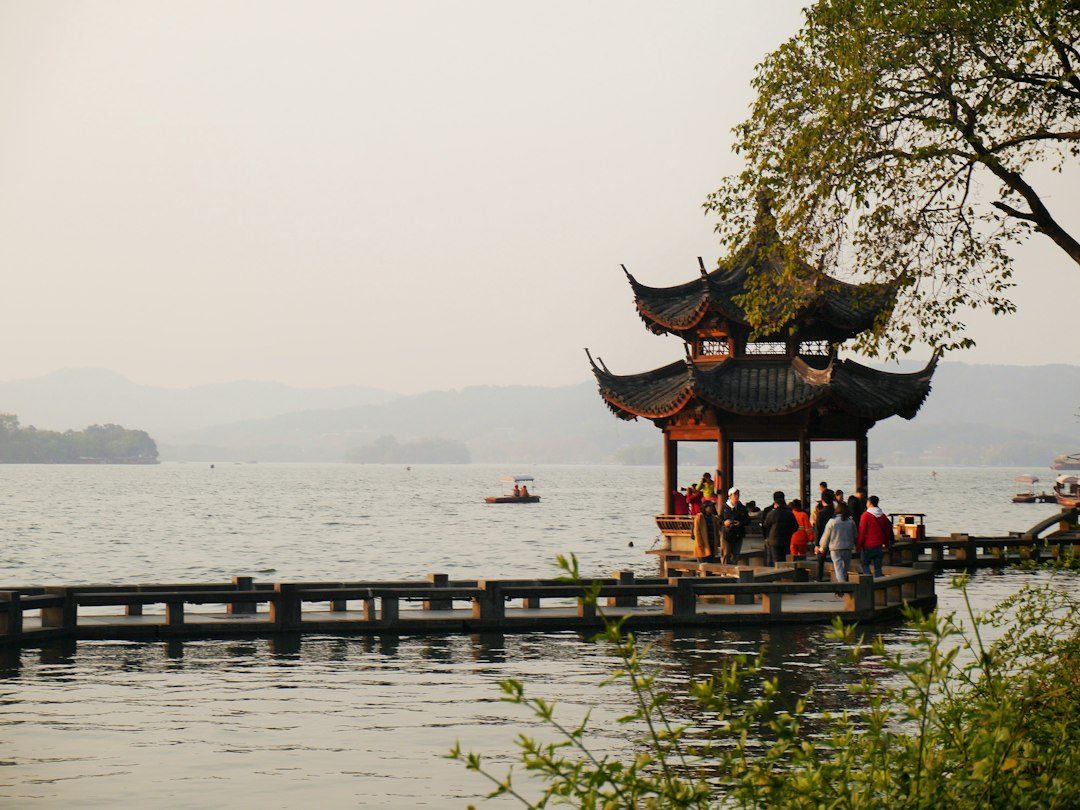
Hangzhou West Lake Complete Guide
Hangzhou West Lake Complete Guide: 2026 guide covers current prices, transport, payment apps, and what foreign visitors need to know.
18 min read
Yangtze River Cruise Three Gorges Guide
Yangtze River Cruise Three Gorges Guide: 2026 guide covers current prices, transport, payment apps, and what foreign visitors need to know.
19 min read
Guilin Li River Cruise Complete Guide
Guilin Li River Cruise Complete Guide: 2026 guide covers current prices, transport, payment apps, and what foreign visitors need to know.
19 min read
China Travel SIM Card eSIM Comparison 2026
The cab driver in Beijing looked at me in the rearview mirror and said, in perfect English, “You know, most tourists buy the wrong SIM card.” I’d been in China
10 min read
China Food Tour Self Guided Complete
The cab driver in Chengdu looked at me in the rearview mirror, then back at the address I’d fumbled to show him on my phone. He laughed. Not a mean laugh—the ki
16 min read