
Off the Beaten Path China
The old man at the noodle stall in Quanzhou didn't look up when I sat down. He just slid a bowl of peanut soup across the counter, pointed at the chili oil,…
Destination at a glance
- Best time to visit
- April-May and September-October for most destinations; late March for Wuyuan's rapeseed bloom and June-September for Xiahe and Yubeng.
- Daily budget
- $45-90/day for mid-range travel, including guesthouse, meals, transport, and entry fees.
- Visa
- 240-hour visa-free transit for citizens of 55 countries (US, UK, EU, and others) with onward ticket and different entry/exit ports; otherwise a standard tourist visa.
- Safety
- Very safe for tourists, but watch for altitude sickness in Xiahe and Yubeng, and check weather before hiking.
- Getting around
- High-speed rail between cities plus Didi (ride-hail) and local buses; English signage is limited outside major hubs, so download Amap and a translation app.
- Connectivity
- Buy an eSIM or local SIM at the airport; install a VPN before you arrive for Google, Gmail, and WhatsApp.

Off the Beaten Path China
The old man at the noodle stall in Quanzhou didn’t look up when I sat down. He just slid a bowl of peanut soup across the counter, pointed at the chili oil, and went back to kneading dough. No menu. No English. No “welcome to China.” I’d spent three days in Beijing fighting crowds at the Forbidden City, and here I was, the only foreigner in a courtyard of plastic stools, paying 6 yuan for the best breakfast of my trip.
That’s the thing nobody tells you about China. The famous stuff—the Great Wall, the Terracotta Army, the Bund—is genuinely worth seeing. But the country that made me come back 40 times lives in places most tourists never put on their itinerary. Second-tier cities where the metro is brand new but the alleys are 800 years old. Villages where the only “attraction” is a tea shop that’s been there since the Ming Dynasty.
This guide is for the traveler who’s done the math: China is huge, your visa is finite, and you don’t want to spend all of it behind a tour group flag. These are ten places I’ve actually been, ranked by how much they reward the detour.
Quick answer
China’s 240-hour visa-free transit policy (available to citizens of 55 countries, including the US, UK, and most of the EU) lets you explore far beyond the gateway cities—you just need to enter and exit through different ports. The best off-the-beaten-path destinations are within 3-5 hours of a major hub by high-speed rail, cost $40-80/day for a comfortable mid-range trip, and reward travelers most in spring (April-May) and autumn (September-October). Book trains on Trip.com or the official 12306 app, and set up Alipay and WeChat Pay before you land, because many of these places are cash-light.
The Short Version
Skip the tour buses. Take the train two hours past the tourist cities and you’ll find the China people actually live in. My top three: Quanzhou for food and maritime history, Xiahe for Tibetan monasteries without the Lhasa crowds, and Wuyuan for villages that look like ink paintings. Go in shoulder season, learn five Mandarin phrases, and download a translation app. You’ll be fine.
How I Picked These
I’ve been based in Beijing since 2019 and have taken roughly 45 trips around the country—some for work, most for the hell of it. I didn’t pick these from a listicle. I picked them because I kept meeting locals who said “you should go here” and then I went, and then I went back. A few (Xiahe, Quanzhou) I’ve visited three or four times. Others (Zhaoxing, Yubeng) I’ve only been once but still think about.
I ruled out places that are already overrun (sorry, Fenghuang) and places that are genuinely hard to reach without a private guide and a week of buffer time. Everything here is doable on public transport, with a little patience and a decent data plan. I also cross-checked 2026 prices and opening hours against recent traveler reports and the official 12306 rail schedule.
Comparison Table
| Rank | Place | Best For | Approx Cost (USD) | Time Needed | When to Go |
|---|---|---|---|---|---|
| 1 | Quanzhou, Fujian | Food, maritime history, zero crowds | $50-70/day | 2-3 days | Oct-Nov, Mar-Apr |
| 2 | Xiahe, Gansu | Tibetan culture, monasteries | $60-90/day | 2-3 days | Jun-Sep |
| 3 | Wuyuan, Jiangxi | Village scenery, photography | $45-65/day | 2 days | Late Mar-early Apr |
| 4 | Zhaoxing, Guizhou | Dong minority culture, drum towers | $40-60/day | 2 days | Apr-May, Sep-Oct |
| 5 | Yubeng, Yunnan | Hard hiking, glacier views | $50-70/day | 4-5 days | May-Jun, Sep-Oct |
| 6 | Kaiping, Guangdong | Watchtower architecture, UNESCO | $45-65/day | 1-2 days | Nov-Dec, Mar |
| 7 | Jingdezhen, Jiangxi | Ceramics, workshops, art scene | $50-70/day | 2-3 days | Apr-May, Oct |
| 8 | Datong, Shanxi | Buddhist grottoes, cliff temples | $50-75/day | 2 days | May, Sep-Oct |
| 9 | Chongqing’s Ciqikou Backstreets | Urban grit, hotpot, river views | $55-80/day | 2 days | Oct-Nov, Mar |
| 10 | Kashgar, Xinjiang | Silk Road bazaars, Uyghur food | $60-90/day | 3-4 days | May-Jun, Sep |
Quanzhou — The Port City That Ate the Silk Road
I went to Quanzhou for one reason: a Fujianese friend told me the peanut soup there would ruin all other peanut soup for me. She was right. I ate it three mornings in a row at a stall near the Guandi Temple, and I still think about it.
Quanzhou was, in the Song and Yuan dynasties, one of the busiest ports on earth—the eastern terminus of the Maritime Silk Road. Arab, Persian, and Indian traders settled here, and you can still see it: a 1,000-year-old清净寺 (Qingjing Mosque) with a Damascus-style facade, Hindu carvings in a Buddhist temple, and a cemetery of foreign merchants. The city is now a UNESCO World Heritage site, but it hasn’t been Disneyfied. Locals still fish, still pray, still argue over mahjong in the shade of banyan trees.
📍 Location: Quanzhou old town, Licheng District, Fujian Province
🎫 Entry fee: Most temples free; Qingjing Mosque ¥3 (~$0.40); Kaiyuan Temple free
🕒 Opening hours: Temples generally 8am-5:30pm; old town streets always open
🚆 How to get there: High-speed rail from Xiamen (30 min, ~$5) or Fuzhou (1 hr, $10). From Quanzhou Station, take bus K1 or a 15-minute Didi to the old town.
⏰ When to visit: October-November or March-April. Avoid summer humidity and the Lunar New Year crush.
💡 Insider tips: Eat at the stalls near Guandi Temple, not the tourist restaurants. Try 面线糊 (mianxianhu, thin noodle soup) for breakfast. The city is walkable but the old town is maze-like—download Amap (Gaode) instead of Google Maps, which is useless in China. Bring cash for small stalls; many don’t take WeChat Pay from foreigners without a Chinese bank account.
🍜 The peanut soup: thick, slightly sweet, with a savory undertone. I paid ¥6 ($0.85) and would have paid ten times that.
Xiahe — Tibetan Monasteries Without the Lhasa Altitude
The first thing I noticed in Xiahe was the sound. Not traffic—chanting, low and rhythmic, drifting out of the Labrang Monastery at 6am while I stood shivering in a down jacket in July. The second thing was the smell: butter lamps, juniper smoke, and yak butter tea, which tastes exactly like it sounds and which I learned to genuinely love by day three.
Xiahe sits at 2,900 meters (9,500 feet) in Gansu’s Gannan Tibetan Autonomous Prefecture. Labrang is one of the six great monasteries of the Gelug school of Tibetan Buddhism, and it’s still a working monastery—not a museum. Monks in maroon robes walk the kora (pilgrimage circuit) at dawn. Pilgrims prostrate on the long wooden boards outside the main hall. You can join a guided tour in English (¥40, ~$5.50) or just wander the perimeter and watch.
📍 Location: Xiahe County, Gannan Prefecture, Gansu Province 🎫 Entry fee: Labrang Monastery ¥40 (~$5.50); kora circuit free 🕒 Opening hours: Monastery 8am-6pm; kora open 24 hours 🚆 How to get there: Fly to Lanzhou, then bus from Lanzhou South Bus Station (4 hrs, ~$12). Or train to Linxia, then bus (2 hrs). ⏰ When to visit: June-September. Winter is brutal and many guesthouses close. 💡 Insider tips: Altitude sickness is real—spend a night in Lanzhou (1,500m) first. The monastery tour is worth it for context but the kora at sunrise is the real experience. Bring small bills for donations. English is rare; download a translation app and learn “tashi delek” (hello) and “thuk je che” (thank you) in Tibetan. 🧎 The mistake I made: I wore shorts to the monastery on day one. A monk gently pointed at my knees and handed me a length of cloth to wrap around them. I’ve never made that mistake again.
Wuyuan — The Village That Looks Like a Painting (Because It Is)
I timed my Wuyuan trip for the rapeseed bloom in late March, which is the single most photographed thing in Jiangxi Province. Every Chinese photographer with a drone was there. But here’s what the postcards don’t show: the villages themselves, whitewashed walls and black-tiled roofs, are beautiful year-round, and in November the persimmons ripen and the crowds vanish.
Wuyuan is a county of about 3,000 villages, and the famous ones (Jiangling, Likeng) are genuinely lovely but get packed. The move is to go one village deeper—Huangling is the postcard one, but Qingyuan and Sixi are quieter and just as pretty. I spent an afternoon in Sixi with a woman named Auntie Wang who sold me dried chrysanthemums and insisted I try her homemade rice wine. It was 11am. I did.
📍 Location: Wuyuan County, Shangrao, Jiangxi Province
🎫 Entry fee: Village passes ¥60-180 ($8-25) depending on the combo; Huangling cable car ¥120 ($17)
🕒 Opening hours: Villages generally 7:30am-5:30pm
🚆 How to get there: High-speed rail to Wuyuan Station (from Shanghai ~3 hrs, ~$35; from Hangzhou ~1.5 hrs, ~$20). From the station, buses or Didi to individual villages.
⏰ When to visit: Late March for rapeseed; November for persimmons and fewer crowds. Weekdays only—weekends are a zoo.
💡 Insider tips: Stay in a village guesthouse, not the county town. The rapeseed bloom dates shift yearly—check Chinese social media (Xiaohongshu) for real-time reports. Bring cash for village entry fees. The hiking between villages is gorgeous and mostly flat.
📸 The photo I didn’t take: A farmer leading a water buffalo through the mist at 6:30am. My phone was dead. I’ve been back twice and never seen it again.
Zhaoxing — Dong Minority Culture in a Wooden Time Capsule
Zhaoxing is a Dong minority village in Guizhou, and the first thing you’ll notice is the drum towers—five of them, one for each clan, built entirely of wood without a single nail. The second thing is the singing. The Dong are famous for their “grand song” polyphonic choirs, and on a good night you can hear them practicing in the square.
I came here after a Guizhou friend told me it was “like Fenghuang before Fenghuang got ruined.” She was right. The village is still lived-in: old women dyeing indigo cloth in the river, men carving ox-head decorations, kids running through the covered bridges (wind-and-rain bridges, they’re called). It’s not undiscovered—there are tour groups—but it hasn’t been polished into a theme park.
📍 Location: Liping County, Qiandongnan Prefecture, Guizhou Province 🎫 Entry fee: ¥100 (~$14) village entry, valid several days 🕒 Opening hours: Village always open; performances usually evening 🚆 How to get there: High-speed rail to Congjiang Station (from Guiyang ~1.5 hrs, ~$20), then 40-min bus or Didi to Zhaoxing. ⏰ When to visit: April-May or September-October. Summer is hot and rainy; winter is quiet but cold. 💡 Insider tips: Stay overnight—day-trippers miss the evening singing. The village is hilly; pack light. Guizhou food is sour and spicy; try the sour fish soup (酸汤鱼). English is essentially nonexistent; a translation app is essential. 🎶 The moment: An 80-year-old woman sang a Dong welcome song to me at a guesthouse. I understood zero words and still got goosebumps.
Yubeng — The Hike That Earns Its Views
Yubeng is not a casual stop. It’s a Tibetan village at 3,000 meters in Yunnan’s Meili Snow Mountain range, reachable only by a 12-kilometer hike in (or a very expensive jeep ride on a rough road). I did the hike. My legs hated me for a week. The views—glaciers, prayer flags, a sacred waterfall—were worth every step.
This is the entry on the list for people who actually want to walk. The classic loop takes 4-5 days: upper village, sacred waterfall, lower village, and the base camp hike toward the glacier. The altitude is no joke, and the weather changes fast. I got caught in a hailstorm in June.
📍 Location: Yunling Township, Deqin County, Diqing Prefecture, Yunnan Province 🎫 Entry fee: ¥55 (~$8) Meili Snow Mountain scenic area 🕒 Opening hours: Trail always open; guesthouses seasonal 🚆 How to get there: Fly to Shangri-La, bus to Deqin (6 hrs), then local transport to Xidang trailhead. ⏰ When to visit: May-June or September-October. Winter trails can close. 💡 Insider tips: Acclimatize in Shangri-La (3,200m) for two days first. Hire a porter if you’re unsure—it supports the village. Cash only in the village. Pack for all seasons in one day. 🥾 The mistake: I overpacked. My backpack weighed 15kg. The porter carrying a refrigerator up the mountain passed me on the switchbacks.
Kaiping — Watchtowers in the Rice Paddies
Kaiping’s diaolou—fortified multi-story towers built by overseas Chinese in the early 20th century—are a UNESCO site that almost no foreign tourist visits. They’re weird and wonderful: Baroque turrets, Gothic windows, and Chinese roofs, scattered across rice paddies like abandoned castles.
I cycled between villages for a day and saw maybe five other tourists. The towers were built as protection against bandits and as status symbols by Kaiping natives who’d made money in North America and Southeast Asia. The result is a landscape that looks like someone dropped a European town into rural Guangdong.
📍 Location: Kaiping, Jiangmen, Guangdong Province 🎫 Entry fee: Zili Village ¥50 (~$7); Majianglong ¥50; combo tickets available 🕒 Opening hours: 8:30am-5:30pm 🚆 How to get there: High-speed rail to Kaiping South Station (from Guangzhou ~1 hr, ~$15), then taxi or rental bike. ⏰ When to visit: November-December or March. Summer is brutally hot. 💡 Insider tips: Rent a bike at the visitor center—the villages are spread out. Zili and Majianglong are the best clusters. Bring water; shade is scarce. English signage is limited but the maps are good. 🚲 The moment: I stopped to photograph a tower and an old man invited me into his family’s diaolou. Four floors, original 1920s furniture, a photo of his grandfather in a suit in Chicago.
Jingdezhen — The City That Made China’s China
Jingdezhen has been making porcelain for over 1,000 years—it’s literally named “the town of Jingde” after an emperor’s reign. I went expecting a museum town and found a working artist city: kilns firing, young ceramicists from all over China renting studios, a whole creative scene that’s quietly thriving.
The old kiln districts (Taoxichuan, Sculpture Factory) are the heart of it. You can throw a pot, buy a teapot, or just watch masters at work. It’s the kind of place where you plan two days and stay four.
📍 Location: Jingdezhen, Jiangxi Province
🎫 Entry fee: Most studios free; some workshops charge ¥50-150 (~$7-21)
🕒 Opening hours: Taoxichuan 10am-10pm; studios vary
🚆 How to get there: High-speed rail from Shanghai (~4 hrs, ~$40) or Nanchang (~1 hr, $10)
⏰ When to visit: April-May or October. The ceramics fair in October is excellent.
💡 Insider tips: Book a workshop in advance—popular ones fill up. The weekend market at Taoxichuan is where young artists sell direct. Bring bubble wrap; you will buy a teapot.
🍵 The purchase: A hand-thrown celadon cup for ¥80 ($11). I use it every morning.
Datong — Grottoes, Cliff Temples, and Coal Dust
Datong is a gritty northern coal city with two of the most extraordinary Buddhist sites in China: the Yungang Grottoes (51,000 carved figures, 5th century) and the Hanging Temple, a monastery pinned to a cliff face 75 meters up. I went for the grottoes and stayed an extra day for the temple.
It’s not a pretty city—winter smog, Soviet-style blocks—but the sights are world-class and the crowds are a fraction of Dunhuang’s.
📍 Location: Datong, Shanxi Province
🎫 Entry fee: Yungang ¥120 ($17); Hanging Temple ¥115 ($16)
🕒 Opening hours: 8:30am-5pm (last entry 4:30pm)
🚆 How to get there: High-speed rail from Beijing (~2 hrs, ~$25) or Taiyuan (~1.5 hrs)
⏰ When to visit: May or September-October. Winter is cold and smoggy.
💡 Insider tips: Go to Yungang at opening—tour buses arrive mid-morning. The Hanging Temple has a daily visitor cap; book ahead on the official WeChat account. Combine with the Pingyao old town if you have time.
🗿 The moment: Standing under the 17-meter seated Buddha at Yungang, I understood why people travel across the world for stone.
Chongqing’s Ciqikou Backstreets — The Real Hotpot City
Everyone tells you to go to Chongqing for the hotpot and the cyberpunk skyline. Nobody tells you to skip Ciqikou’s main street (a tourist trap of souvenir shops) and walk ten minutes uphill into the actual neighborhood, where old men play mahjong in doorways and the hotpot is half the price.
I did this on a rainy Tuesday and had the best meal of my trip: a bubbling cauldron of numbing-spicy broth, tripe, and lotus root, ¥68 (~$9.50) for two people.
📍 Location: Ciqikou, Shapingba District, Chongqing 🎫 Entry fee: Free 🕒 Opening hours: Neighborhood always open; restaurants 11am-10pm 🚆 How to get there: Metro Line 1 to Ciqikou Station, Exit 1, then walk uphill away from the main street ⏰ When to visit: October-November or March. Avoid summer heat (40°C+). 💡 Insider tips: The main street is skippable; the backstreets are the point. Order hotpot “微辣” (mild) unless you’re brave. Bring tissues—most hotpot places charge for napkins. English menus are rare; point at what neighbors are eating. 🌶️ The lesson: “Mild” in Chongqing is not mild. I cried. I’d do it again.
Kashgar — The Silk Road’s Living Bazaar
Kashgar (Kashi) is as far west as you can go in China and still be in China—a Uyghur city near the Kyrgyzstan border with a Sunday livestock market that’s been running for centuries. I went in September and spent a full day at the bazaar, watching sheep traders, knife sellers, and spice merchants.
It’s a politically sensitive region and travel requires a bit more planning (some areas need permits), but the old town, the Id Kah Mosque, and the food (hand-pulled noodles, lamb kebabs, naan fresh from the tandoor) are extraordinary.
📍 Location: Kashgar, Xinjiang Uyghur Autonomous Region
🎫 Entry fee: Old town free; Id Kah Mosque ¥45 (~$6)
🕒 Opening hours: Bazaar Sundays; old town always open
🚆 How to get there: Fly from Urumqi (~2 hrs, ~$80) or take the overnight train (24 hrs)
⏰ When to visit: May-June or September. Summer is hot; winter is cold.
💡 Insider tips: The Sunday livestock market is the main event—go early. Some areas require a permit; check current rules before you go. English is rare; a translation app and patience are essential. Respect local customs—dress modestly.
🍢 The meal: Lamb kebabs grilled over charcoal, ¥5 ($0.70) each. I ate six.
FAQ summary
The most important things to know: China’s 240-hour visa-free transit lets citizens of 55 countries (including the US, UK, and EU) explore beyond gateway cities as long as they enter and exit through different ports, and you’ll need Alipay or WeChat Pay set up before you arrive because many off-the-beaten-path places are cash-light. High-speed rail connects all ten destinations on this list to major hubs within 1-5 hours, and spring (April-May) and autumn (September-October) are the best seasons for most of them. English is limited outside major cities, so download a translation app and a VPN (for Google Maps and Gmail) before you fly.
FAQ
Q: Do I need a visa to visit these places, or does the visa-free transit apply? A: If you’re a citizen of one of the 55 eligible countries (including the US, UK, Canada, Australia, and most of the EU), the 240-hour (10-day) visa-free transit policy lets you enter China without a visa as long as you’re transiting to a third country and enter and exit through different ports. You’ll need to show an onward ticket. For longer trips or if you’re not eligible, apply for a standard tourist visa in advance—see our China visa guide for the full process.
Q: How do I pay for things in smaller towns and villages? A: Set up Alipay or WeChat Pay with your foreign credit card before you arrive—both now accept international cards and are widely used even in small towns. Bring some cash (¥500-1,000, ~$70-140) for rural stalls and village entry fees that don’t take foreign cards. Many small vendors prefer cash from foreigners because the app setup can be finicky.
Q: Is English spoken in these places? A: Rarely outside major cities. In Quanzhou, Jingdezhen, and Datong you’ll find some English in hotels and at major sights; in Xiahe, Zhaoxing, Yubeng, and Kashgar, assume zero. Download a translation app (Pleco, Google Translate with offline Chinese, or Baidu Translate) and learn basic phrases: 你好 (hello), 谢谢 (thank you), 多少钱 (how much), 这个 (this one).
Q: Do I need a VPN, and will my phone work? A: Yes, you need a VPN installed before you arrive to access Google, Gmail, WhatsApp, Instagram, and most Western apps—VPNs can’t be downloaded once you’re in China. Buy an eSIM or local SIM at the airport; see our SIM card and internet guide for details. Hotel Wi-Fi is common but often slow.
Q: How do I book train tickets? A: Use Trip.com (English, accepts foreign cards, small booking fee) or the official 12306 app (Chinese-only but has an English version now). Book 1-2 weeks ahead for popular routes. Bring your passport—it’s your ticket. See our high-speed rail guide for the full rundown.
Q: Is it safe to travel independently in these places? A: Yes—China is generally very safe for tourists, with low violent crime. The main risks are altitude sickness (Xiahe, Yubeng), weather (Yubeng), and getting lost in maze-like old towns. Register your accommodation with the local police (hotels do this automatically; guesthouses may ask you to). Keep copies of your passport and visa.
Q: What’s the best time of year overall? A: Spring (April-May) and autumn (September-October) are ideal for most of these destinations—mild weather, fewer crowds than summer, and the best light for photography. Avoid the Lunar New Year (late January or February, dates shift yearly) and the first week of October (National Day holiday), when domestic tourism peaks and trains sell out.
The Honest Wrap-up
This list isn’t for everyone. If you have five days in China and want to see the Great Wall and the Terracotta Army, go do that—they’re famous for a reason, and you’ll have a great time. This is for the traveler with two weeks or more who wants to see the country beyond the postcards, who’s willing to eat at a stall with no menu and take a bus that doesn’t have an English sign.
My one piece of advice: pick two or three of these, not all ten. China is enormous, and the trains are fast but the country is faster. Give yourself time to sit in a teahouse and do nothing. That’s when the good stuff happens.
And if you’re in Quanzhou, get the peanut soup. Tell them the foreigner with the dead phone sent you.
Destination at a Glance
- Best time to visit: April-May and September-October for most destinations; late March for Wuyuan’s rapeseed bloom and June-September for Xiahe and Yubeng.
- Daily budget: $45-90/day for mid-range travel, including guesthouse, meals, transport, and entry fees.
- Visa: 240-hour visa-free transit for citizens of 55 countries (US, UK, EU, and others) with onward ticket and different entry/exit ports; otherwise a standard tourist visa.
- Safety: Very safe for tourists, but watch for altitude sickness in Xiahe and Yubeng, and check weather before hiking.
- Getting around: High-speed rail between cities plus Didi (ride-hail) and local buses; English signage is limited outside major hubs, so download Amap and a translation app.
- Connectivity: Buy an eSIM or local SIM at the airport; install a VPN before you arrive for Google, Gmail, and WhatsApp.
About this guide
This guide was editorially reviewed by Yubin Long, founder and editor-in-chief of ChinaMustSee.com, a Beijing-based travel editor who has traveled through China for over seven years. Facts were checked against current 2026 sources, including the official 12306 rail schedule, the National Immigration Administration’s 240-hour visa-free transit policy, and recent traveler reports on entry fees and opening hours for Labrang Monastery and the Yungang Grottoes. (Yubin Long)
More guides you may like
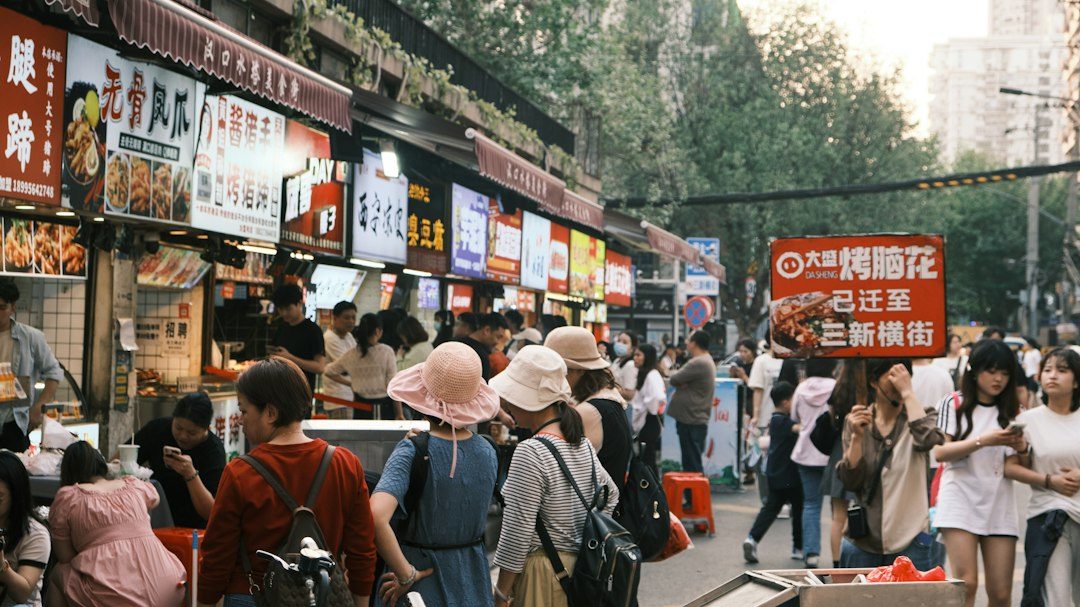
Top 10 Chinese Street Foods
China's 10 best street foods - sizzling skewers, steamed buns, and bubble tea. Where to find them and what to ask for.
18 min read
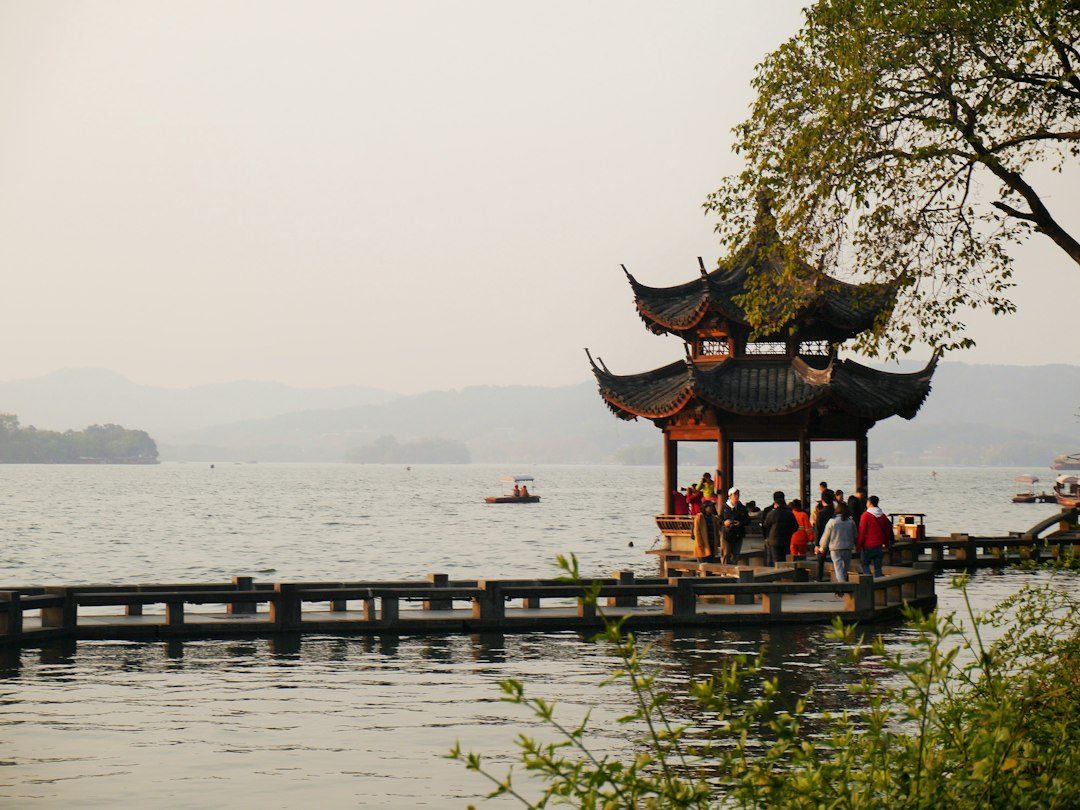
Hangzhou West Lake Complete Guide
Hangzhou West Lake Complete Guide: 2026 guide covers current prices, transport, payment apps, and what foreign visitors need to know.
18 min read
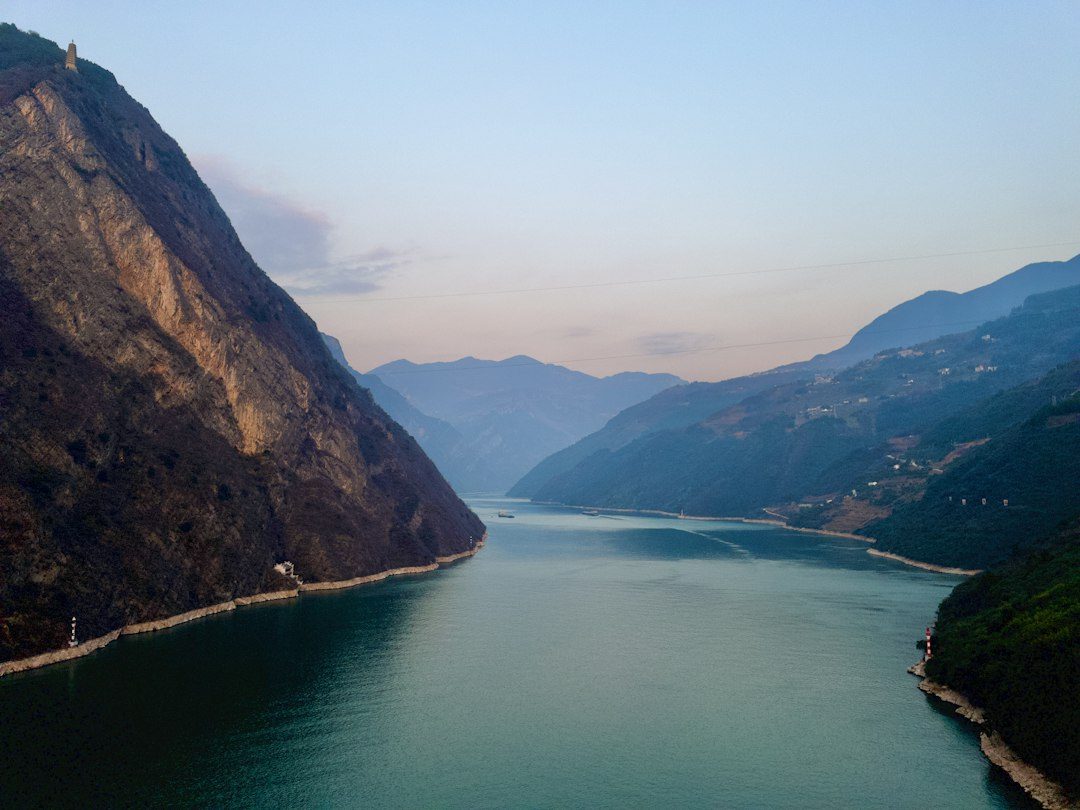
Yangtze River Cruise Three Gorges Guide
Yangtze River Cruise Three Gorges Guide: 2026 guide covers current prices, transport, payment apps, and what foreign visitors need to know.
19 min read
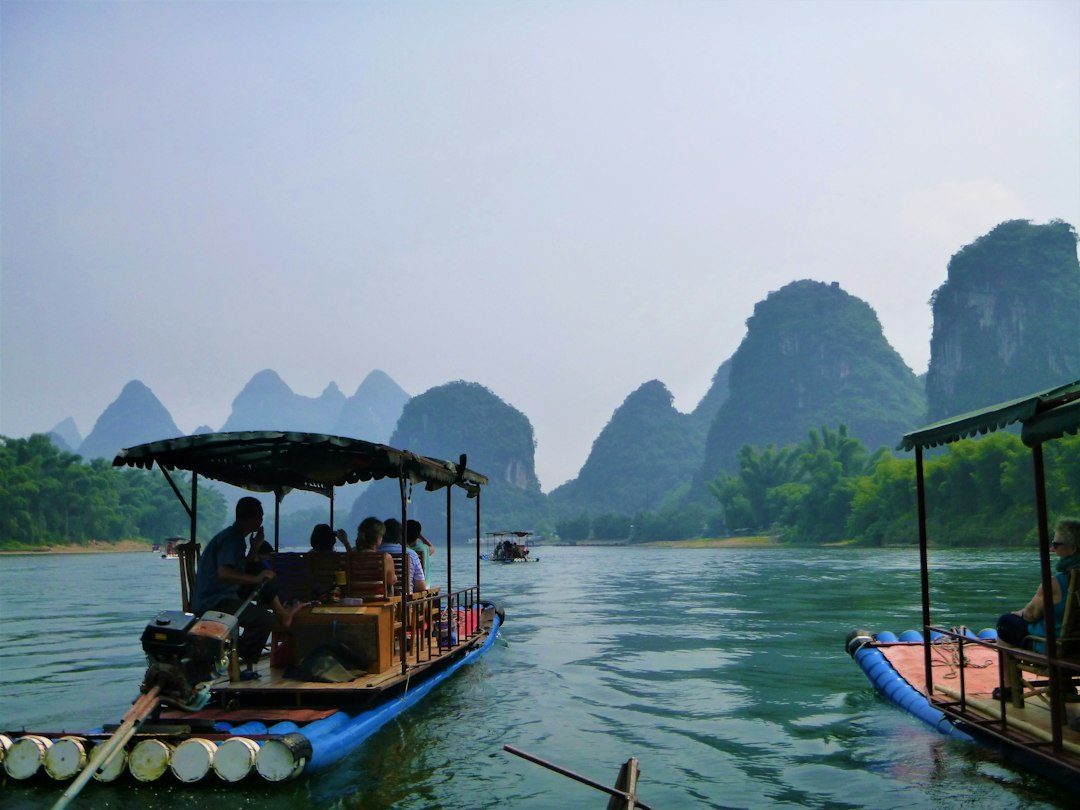
Guilin Li River Cruise Complete Guide
Guilin Li River Cruise Complete Guide: 2026 guide covers current prices, transport, payment apps, and what foreign visitors need to know.
19 min read
China Travel SIM Card eSIM Comparison 2026
The cab driver in Beijing looked at me in the rearview mirror and said, in perfect English, “You know, most tourists buy the wrong SIM card.” I’d been in China
10 min read
China Food Tour Self Guided Complete
The cab driver in Chengdu looked at me in the rearview mirror, then back at the address I’d fumbled to show him on my phone. He laughed. Not a mean laugh—the ki
16 min read