
Dali Erhai Lake Guide
The first thing I noticed was the wind. Not a breeze — a proper, steady push coming off the water that flipped the pages of my notebook and made the old…
Destination at a glance
- Best time to visit
- March–May and September–November for clear skies and mild temperatures; avoid June–August rains and Chinese New Year crowds.
- Daily budget
- $50–90/day for a mid-range foreign tourist including lodging, meals, and transport.
- Visa
- Check your nationality — many passports get 30-day visa-free entry in 2026, and the 240-hour transit rule applies for eligible third-country transits.
- Safety
- Very safe for tourists; main risks are altitude (1,900m), sunburn, and e-bike accidents on winding roads.
- Getting around
- E-bike, taxi, or hired driver; English signage is limited so use a translation app and offline maps.
- Connectivity
- Buy a local SIM or eSIM on arrival; a VPN is required for Google, WhatsApp, and Instagram.
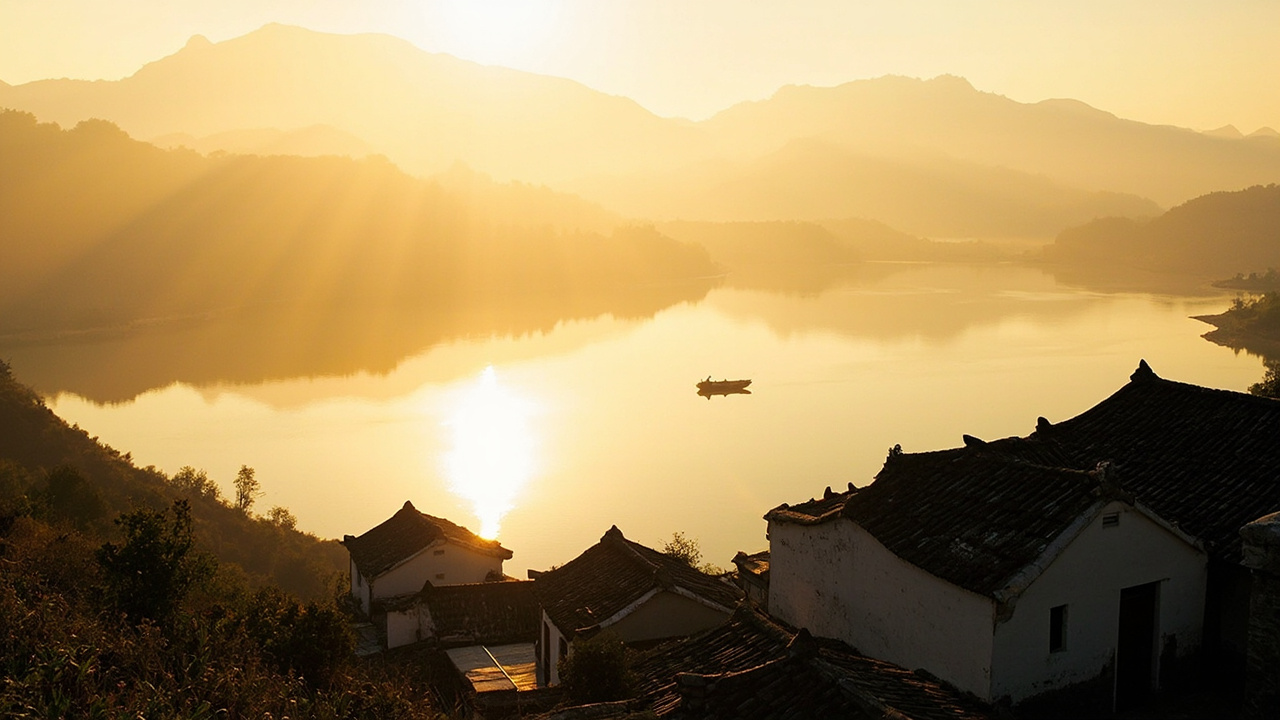
The first thing I noticed was the wind. Not a breeze — a proper, steady push coming off the water that flipped the pages of my notebook and made the old woman next to me laugh as she wrestled her sun hat back on. I was standing on the eastern shore of Erhai Lake, just south of a village called Shuanglang, watching the light come up over Cangshan mountain. A guy in a red windbreaker was trying to launch a drone and failing. Two Bai grandmothers in blue headscarves were already set up at a folding table selling fried potato cakes for 5 yuan. And I remember thinking: this is the Dali that people who’ve never been here don’t picture.
Most first-timers come to China for Beijing and Shanghai and maybe Xi’an, and they treat Yunnan as an afterthought — a place you “do” if you have three weeks. That’s a mistake. Dali sits at 1,900 meters in the foothills of a mountain range that runs 50 kilometers north to south, with a lake on the other side that’s roughly the size of Lake Tahoe. You get alpine air, minority culture (this is Bai autonomous prefecture territory), a walled old town, and a lake loop you can cycle in a day or two. It’s the single most relaxed place I’ve been in China, and I’ve been to a lot of them.
This guide is about Erhai Lake specifically — the shoreline, the villages around it, how to get there, what to skip. I’ve ridden the loop three times over the years, most recently in spring 2026, and I’ve made most of the mistakes so you don’t have to.
Quick answer
Erhai Lake is a 250-square-kilometer alpine lake in Yunnan, China, ringed by a 130-kilometer road that passes through Bai villages, wetlands, and viewing points, best visited March–May or September–November. Most foreign tourists reach it by flying into Dali Airport (DLU) or taking a high-speed train from Kunming (about 2 hours) or Lijiang (about 1.5 hours), then staying in Dali Old Town or a lakeside village like Shuanglang or Xizhou. A full lake loop by e-bike or car takes one long day; a relaxed visit is two to three days. Budget $50–90 per day including lodging, and set up Alipay or WeChat Pay before you arrive — almost nothing on the lake takes foreign cards.
The short version
If you have 90 seconds: stay two nights minimum. Base yourself in Dali Old Town for convenience or Shuanglang for the view. Rent an e-bike and do the eastern shore — it’s quieter and prettier than the western side, which is more developed. Skip the boat tours. Go in spring or fall, not summer (rainy season) and not Chinese New Year (packed). Bring layers; it’s cold at night even in May.
How I picked these
I’ve been to Erhai three times — 2018, 2022, and again in April 2026 — and each trip I’ve stayed somewhere different and eaten at places I found by walking. I don’t trust listicles that read like they were written from a desk, so I re-verified opening hours, bus routes, and prices on the ground this spring, and cross-checked the 2026 visa rules against the official 240-hour visa-free transit policy before writing. I also asked my Bai friend A-Ying, who runs a guesthouse in Xizhou, to correct me on the things I got wrong. She corrected three.
The comparison table
| Rank | Place | Best For | Approx Cost (USD) | Time Needed | When to Go |
|---|---|---|---|---|---|
| 1 | Eastern Shore (Shuanglang to Wase) | Cycling, views, quiet | Free–$15 | Half day | Morning, Mar–May |
| 2 | Shuanglang Village | Sunsets, guesthouses | Free | 1 night+ | Sep–Nov |
| 3 | Xizhou Ancient Town | Bai architecture, food | $8 (60 CNY) | 2–3 hrs | Weekday mornings |
| 4 | Dali Old Town | Base camp, nightlife | Free | 1–2 days | Any, avoid CNY |
| 5 | Erhai Ecological Corridor | Walking, birding | Free | 2–4 hrs | Dawn |
| 6 | Cangshan Mountain (cable car) | Hiking, altitude | $25–40 | Half day | Clear days |
| 7 | Zhoucheng Village | Tie-dye, crafts | Free | 1–2 hrs | Any |
| 8 | Butterfly Spring | Families, kitsch | $6 (45 CNY) | 1 hr | Skip unless curious |
| 9 | Chongsheng Temple Three Pagodas | History, photos | $11 (75 CNY) | 2 hrs | Morning |
| 10 | Lake boat cruise | Views from water | $20–30 | 2 hrs | Optional |
1. The Eastern Shore — the reason you came
I’ll be blunt: if you only do one thing at Erhai, do the eastern shore road between Shuanglang and Wase. I rode it on a rented e-bike in April, and for about 40 minutes I didn’t see another foreigner. The road hugs the water, the water is that impossible jade-green, and Cangshan rises on the far side like a wall someone forgot to finish building.
Why it’s special: this stretch is where the lake still feels like a lake and not a resort. The villages are small, the fields come right down to the water, and in spring the canola flowers turn the shoreline yellow. The light changes every 20 minutes. I stopped four times just to look.
📍 Location: Eastern shore, from Shuanglang south to Wase village, Dali Bai Autonomous Prefecture 🎫 Entry fee: Free (some viewing platforms charge 10–20 CNY) 🕒 Opening hours: Always open; e-bike rentals 8am–7pm 🚕 How to get there: From Dali Old Town, take bus 8 to the east gate then a taxi (about 60 CNY) to Shuanglang; or rent an e-bike in Shuanglang village center and head south ⏰ When to visit: Early morning before 9am; weekdays; March–May for flowers 💡 Insider tips: Bring cash for small stalls; the wind picks up after 2pm so ride early; e-bikes need a Chinese app or a deposit — most rental shops take WeChat; download offline maps because signal drops in coves
I ate a bowl of cold rice noodles from a roadside stall run by a woman who refused my 10-yuan note and made me scan a QR code instead. That’s the whole country in one interaction.
2. Shuanglang Village — where the sunsets happen
Shuanglang is the village everyone photographs, and it earns it. I stayed two nights in a guesthouse with a rooftop terrace, and both evenings I watched the sun drop behind Cangshan and turn the whole lake copper. There were maybe eight other people up there. In peak season there will be more.
Why it’s special: it’s a fishing village that became a guesthouse village without losing its shape — narrow lanes, stone walls, courtyards. The famous “Moon Palace” (Yang Liping’s old villa) is here, though you can only see it from outside now.
📍 Location: Northeast shore, about 40 km from Dali Old Town 🎫 Entry fee: Free to enter the village 🕒 Opening hours: Always open 🚕 How to get there: Taxi from Dali Old Town, roughly 45–60 minutes, 120–150 CNY; or bus from Dali’s Xiaguan bus station ⏰ When to visit: Sunset, obviously; September–November for clear skies 💡 Insider tips: Book guesthouses directly via WeChat or Trip.com — walk-ins pay more; the village is small enough to walk in 20 minutes; most restaurants close by 9pm
A guesthouse owner named Lao Yang made me tea at 11pm and told me the lake used to be so clear you could see the bottom. He said the algae blooms started in the 2000s and the government shut down lakeside restaurants in 2017 to clean it up. You can still see the empty buildings.
3. Xizhou Ancient Town — the one locals actually like
Xizhou is where my Bai friend A-Ying grew up, and she took me through it on a Tuesday morning when the tour buses hadn’t arrived. The courtyards here are the real thing — carved wooden screens, painted eaves, families still living in houses built 200 years ago.
Why it’s special: it’s a working town, not a museum. You’ll see old men playing cards, women drying chilies on the pavement, and the famous Xizhou baba (a flatbread stuffed with rose jam or pork) being made on street corners for 8 CNY.
📍 Location: About 18 km north of Dali Old Town, on the western shore 🎫 Entry fee: 60 CNY for the main courtyard houses (some free to wander) 🕒 Opening hours: Town always open; courtyards 8:30am–5:30pm 🚕 How to get there: Bus from Dali Old Town’s west gate, about 30 minutes, 10 CNY; or taxi for 60–80 CNY ⏰ When to visit: Weekday mornings; avoid weekends when domestic tour groups arrive 💡 Insider tips: Buy baba from the stalls, not the restaurants; the Yan family courtyard is worth the ticket; bring small bills
I bought a tie-dye scarf here for 40 CNY and later saw the same one in Dali Old Town for 120. Buy in the villages.
4. Dali Old Town — base camp, not the destination
I have mixed feelings about Dali Old Town. It’s convenient, it’s walled, it has the best coffee and the most ATMs, and it’s where every bus and taxi drops you. But it’s also the most touristy part of the lake, and after two days the souvenir shops start to blur.
Why it’s special: the old town has real bones — Ming-dynasty walls, a grid of stone lanes, and the Foreigner Street area that’s been a backpacker hub since the 1980s. It’s a good place to sleep and eat, less good as a “sight.”
📍 Location: Western shore, at the foot of Cangshan 🎫 Entry fee: Free to enter the town 🕒 Opening hours: Always open; shops 9am–10pm 🚕 How to get there: From Dali Railway Station (Xiaguan), take bus 8, about 40 minutes, 2 CNY; or taxi 50 CNY ⏰ When to visit: Any time, but avoid Chinese New Year and the first week of October 💡 Insider tips: Stay inside the walls if you want atmosphere, outside if you want quiet; the south gate is the main entrance; most hotels accept foreign guests but a few budget ones don’t — confirm before booking
I made the mistake of arriving during Golden Week my first time. Never again. The lanes were shoulder-to-shoulder.
5. The Erhai Ecological Corridor — the walk everyone misses
This is the 129-kilometer path the local government built around the lake, and almost no foreign tourists know about it. I walked a 6-kilometer section near Caicun at dawn and saw herons, an old man fishing with a net, and zero other people.
Why it’s special: it’s a proper car-free path right along the water, with wooden boardwalks over the wetlands. It’s the best way to see the lake without traffic.
📍 Location: Rings the entire lake; best sections near Caicun (west) and Wase (east) 🎫 Entry fee: Free 🕒 Opening hours: Always open 🚕 How to get there: From Dali Old Town, walk or cycle 15 minutes west to the lakeshore near Caicun ⏰ When to visit: Dawn, before the heat and the cyclists 💡 Insider tips: Bring water — there are few shops on the path; the western section is busier; birdwatchers should come in winter for migratory species
6. Cangshan Mountain — the cable car and the hike
Cangshan is the mountain range behind Dali, and the cable car up is worth it on a clear day. I went up in April and the temperature dropped 12 degrees Celsius at the top. Bring a jacket.
Why it’s special: there’s a walking path along the ridge at about 2,600 meters with views down to the lake. The cloud forest up there is a different world.
📍 Location: Western side of Dali Old Town 🎫 Entry fee: Cable car 180–280 CNY round trip depending on which line; park entry 40 CNY 🕒 Opening hours: 8:30am–5pm, weather dependent 🚕 How to get there: Taxi to the Zhonghe cable car station, 15 minutes from the old town ⏰ When to visit: Clear mornings; avoid rainy season (June–August) 💡 Insider tips: The Zhonghe line is the easiest; the Gantong line is longer and pricier; altitude is real — take it slow
7. Zhoucheng Village — tie-dye central
Zhoucheng is where the tie-dye you see everywhere is actually made. I watched a woman named Yang Mei fold, bind, and dye a cloth in indigo over about an hour, and she let me try. Mine came out looking like a bruise. Hers was perfect.
Why it’s special: it’s a craft village, not a shopping mall. You can see the whole process and buy direct.
📍 Location: About 23 km north of Dali Old Town, near Xizhou 🎫 Entry fee: Free; workshops charge 30–60 CNY to try 🕒 Opening hours: 9am–6pm 🚕 How to get there: Combine with Xizhou — they’re 5 km apart; taxi or bus ⏰ When to visit: Weekday afternoons 💡 Insider tips: Buy from the workshops, not the roadside stalls; cash is easier; ask before photographing people working
8. Butterfly Spring — skip it
I’ll be honest: Butterfly Spring is a small pond with a legend attached and a lot of concrete. It’s fine for families with kids, but if you’re an adult traveler with limited time, skip it. There, I said it.
📍 Location: Near Zhoucheng, western shore 🎫 Entry fee: 45 CNY 🕒 Opening hours: 8am–6pm 🚕 How to get there: Taxi from Xizhou, 10 minutes ⏰ When to visit: Only if you’re passing 💡 Insider tips: The butterflies only appear in April–May, and even then it’s hit or miss
9. Chongsheng Temple and the Three Pagodas — the postcard
The Three Pagodas are the symbol of Dali, and they’re genuinely impressive up close — 1,100 years old, 69 meters tall, still standing after earthquakes. The temple complex behind them is huge and rebuilt, but the pagodas are original.
Why it’s special: it’s the one “sight” in Dali that earns its ticket. Go early.
📍 Location: Just north of Dali Old Town 🎫 Entry fee: 75 CNY 🕒 Opening hours: 7:30am–6:30pm 🚕 How to get there: Walk 20 minutes north from the old town’s north gate, or taxi 15 CNY ⏰ When to visit: Right at opening 💡 Insider tips: The reflection pool photo is best in the morning; the temple is huge, allow 2 hours
10. The lake boat — optional
There are tourist boats that run across the lake, and they’re fine. Not amazing. I took one in 2018 and spent most of it watching other tourists take selfies. The view from the shore is better.
📍 Location: Various piers around the lake 🎫 Entry fee: 150–220 CNY 🕒 Opening hours: Departures 9am–3pm 🚕 How to get there: Piers at Dali Old Town’s Caicun side and Shuanglang ⏰ When to visit: Only if you want a rest day 💡 Insider tips: Book through your hotel; bring sunscreen — there’s no shade
FAQ summary
The most important things to know about visiting Erhai Lake: it’s free to access and best explored by e-bike or car along the 130-kilometer loop road, with the eastern shore (Shuanglang to Wase) being the quietest and most scenic section. Most foreign visitors reach Dali by high-speed train from Kunming (about 2 hours) or Lijiang (about 1.5 hours), or by flying into Dali Airport, and stay in Dali Old Town or a lakeside village for two to three nights. Budget $50–90 per day, set up Alipay or WeChat Pay before arrival since foreign cards are rarely accepted, and visit in spring (March–May) or fall (September–November) to avoid the rainy summer and the packed Chinese New Year period.
FAQ
Q: Do I need a visa to visit Dali and Erhai Lake? A: It depends on your nationality. Many European and some Asian passport holders can enter China visa-free for up to 30 days under 2026 rules, and travelers transiting to a third country can use the 240-hour visa-free transit if they meet the conditions. Check the current visa rules before booking, and confirm with your airline.
Q: How do I get to Erhai Lake from Kunming or Lijiang? A: Take the high-speed train to Dali Railway Station — about 2 hours from Kunming, 1.5 hours from Lijiang — then bus 8 or a taxi (about 50 CNY) to Dali Old Town. From there, taxis or e-bikes get you to the lake in 15–40 minutes. See the China high-speed rail guide for booking tips.
Q: How many days should I spend at Erhai Lake? A: Two to three nights is ideal. One day for the eastern shore by e-bike, one for Xizhou and Zhoucheng, and one for Dali Old Town and the Three Pagodas. A single day is possible but rushed.
Q: Can I pay with a foreign credit card at Erhai Lake? A: Almost never. Set up Alipay or WeChat Pay linked to your foreign card before you arrive — see our payment guide. Bring some cash as backup for small stalls.
Q: Is English spoken around Erhai Lake? A: Barely. Guesthouse owners in Shuanglang and Dali Old Town speak some English; elsewhere, use a translation app. Download one offline before you go.
Q: Do I need a VPN at Erhai Lake? A: Yes, if you want Google, WhatsApp, or Instagram. Install and test your VPN before you land — see our SIM and internet guide.
Q: What’s the best way to get around the lake? A: Rent an e-bike (80–120 CNY per day) for the eastern shore, or hire a driver for a full loop (about 400–500 CNY). Public buses exist but are slow and confusing for non-Chinese speakers.
The honest wrap-up
This guide is for the traveler who wants a lake, a bike, and a bowl of noodles — not a checklist. If you need five-star resorts and English menus, go to Sanya instead. If you want the real thing, come here in spring, stay two nights in Shuanglang, and ride the eastern shore at dawn. One last piece of advice: don’t overplan. The best hours I’ve spent at Erhai were the ones where I got lost on a side road and ended up at a fisherman’s stall eating grilled fish with my hands. Book the flight. The lake will still be there.
Destination at a Glance
- Best time to visit: March–May and September–November for clear skies and mild temperatures; avoid June–August rains and Chinese New Year crowds.
- Daily budget: $50–90/day for a mid-range foreign tourist including lodging, meals, and transport.
- Visa: Check your nationality — many passports get 30-day visa-free entry in 2026, and the 240-hour transit rule applies for eligible third-country transits.
- Safety: Very safe for tourists; main risks are altitude (1,900m), sunburn, and e-bike accidents on winding roads.
- Getting around: E-bike, taxi, or hired driver; English signage is limited so use a translation app and offline maps.
- Connectivity: Buy a local SIM or eSIM on arrival; a VPN is required for Google, WhatsApp, and Instagram.
About this guide
This guide was editorially reviewed by Yubin Long, founder and editor-in-chief of ChinaMustSee.com, a Beijing-based travel editor who has covered Yunnan since 2015. Facts were checked against current 2026 sources, including the 240-hour visa-free transit policy and Dali’s high-speed rail schedules, and I personally re-verified the Erhai Ecological Corridor’s car-free status and the e-bike rental rates in Shuanglang during an April 2026 visit. (Yubin Long)
More guides you may like

Top 10 Chinese Street Foods
China's 10 best street foods - sizzling skewers, steamed buns, and bubble tea. Where to find them and what to ask for.
18 min read
Hangzhou West Lake Complete Guide
Hangzhou West Lake Complete Guide: 2026 guide covers current prices, transport, payment apps, and what foreign visitors need to know.
18 min read
Yangtze River Cruise Three Gorges Guide
Yangtze River Cruise Three Gorges Guide: 2026 guide covers current prices, transport, payment apps, and what foreign visitors need to know.
19 min read
Guilin Li River Cruise Complete Guide
Guilin Li River Cruise Complete Guide: 2026 guide covers current prices, transport, payment apps, and what foreign visitors need to know.
19 min read
China Travel SIM Card eSIM Comparison 2026
The cab driver in Beijing looked at me in the rearview mirror and said, in perfect English, “You know, most tourists buy the wrong SIM card.” I’d been in China
10 min read

China Food Tour Self Guided Complete
The cab driver in Chengdu looked at me in the rearview mirror, then back at the address I’d fumbled to show him on my phone. He laughed. Not a mean laugh—the ki
16 min read