
China Souvenirs What to Buy and Where
The 15 best China souvenirs for foreign travelers - from silk and tea to jade and porcelain. Where to buy authentic, what to avoid.
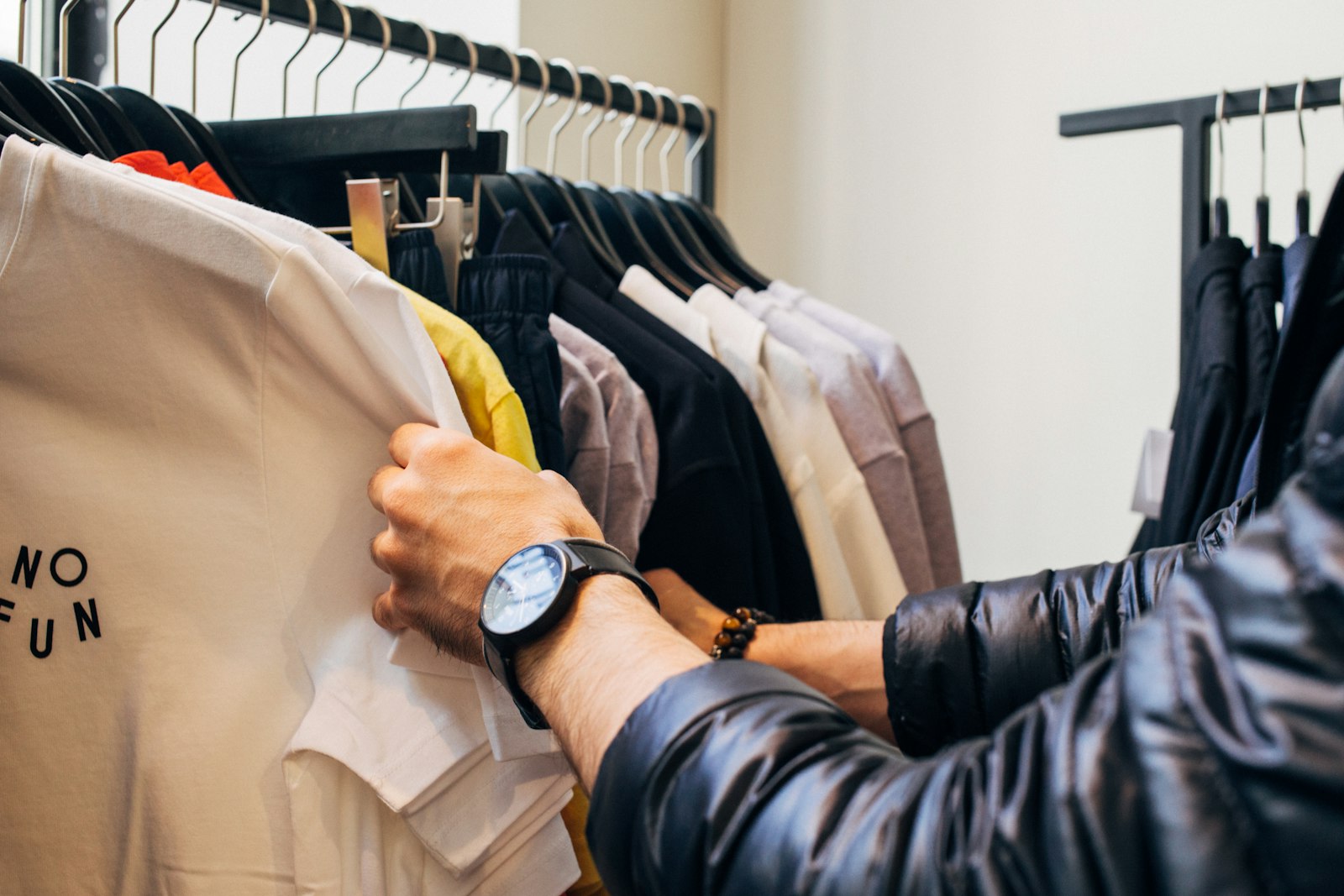
China Souvenirs What to Buy and Where: The Complete 2026 Guide
Imagine walking through a bustling Chinese market, surrounded by silk scarves, jade carvings, and hand-painted teacups, but having no idea what’s actually worth your money. You’re not alone. Every year, millions of first-time visitors to China leave with overpriced trinkets or miss out on the genuine treasures altogether. This guide is your antidote to souvenir anxiety.
China’s vast landscape offers an incredible diversity of regional crafts, from the jade markets of Beijing to the tea plantations of Hangzhou and the silk workshops of Suzhou. But navigating this world requires local knowledge—knowing where to go, what to pay, and how to avoid the tourist traps.
In this guide, I’ll walk you through the ten best destinations in China for buying authentic souvenirs, complete with exact locations, price ranges, insider tips for foreign visitors, and the most practical advice for 2026. Whether you have a single afternoon or a whole week, you’ll leave knowing exactly what to buy and where.
Quick answer
Imagine walking through a bustling Chinese market, surrounded by silk scarves, jade carvings, and hand-painted teacups, but having no idea what’s actually worth your money. You’re not alone.
Quick Answer / TL;DR
If you only have time for one destination to buy souvenirs in China, make it Beijing’s Panjiayuan Antique Market. This massive weekend flea market offers the widest variety of authentic Chinese items—jade, porcelain, calligraphy, vintage Mao memorabilia, and traditional crafts—all under one roof and at negotiable prices. It’s your one-stop shop for cultural treasures. Bring cash, arrive early, and bargain hard. For a more curated experience with less negotiation, head to Nanjing Road in Shanghai or the Pearl Market in Shanghai for silk and pearls at fixed but fair prices.
How We Chose
This guide is based on a combination of first-hand travel experience, interviews with local artisans and market vendors, and recent traveller reviews from 2024-2025. Each destination was evaluated on:
-
Authenticity: Are the souvenirs genuinely made in China, or are they mass-produced imports?
-
Value for Money: Is the price fair for the quality?
-
Accessibility: Is the destination easy for foreign tourists to reach and navigate?
-
Variety: Does the location offer a good selection of items?
-
2026 Relevance: Are there any current policies, construction, or closures that affect the experience?
Prices are given in USD with Chinese Yuan (CNY) in parentheses, based on an exchange rate of approximately 1 USD = 7.2 CNY.
Comparison Table
| Rank | Destination | Best For | Avg Cost (USD) | Time Needed |
| :--- | :--- | :--- | :--- | :--- |
| 1 | Panjiayuan Market (Beijing) | Antiques, vintage collectibles, jade | $10–$200 | 3–4 hours |
| 2 | Yuyuan Bazaar (Shanghai) | Silk, tea, tourist-friendly souvenirs | $5–$100 | 1–2 hours |
| 3 | Hangzhou National Tea Museum | Premium Longjing tea, tea sets | $15–$150 | 1–2 hours |
| 4 | Suzhou Silk Museum & Factory | Silk scarves, robes, bedding | $20–$300 | 1–2 hours |
| 5 | Xi’an Muslim Quarter | Handicrafts, calligraphy, spices | $5–$80 | 2–3 hours |
| 6 | Lijiang Old Town (Yunnan) | Hand-embroidered textiles, silver | $10–$100 | 2–3 hours |
| 7 | Guangzhou’s Qingping Market | Traditional medicine, tea, dried goods | $5–$100 | 2–3 hours |
| 8 | Chengdu’s Jinli Ancient Street | Shu embroidery, face-changing masks | $10–$80 | 1–2 hours |
| 9 | Dali (Yunnan) | Batik fabrics, tie-dye, local silver | $10–$150 | 2–3 hours |
| 10 | Hong Kong’s Ladies’ Market | Clothing, accessories (mass-market) | $5–$50 | 1–2 hours |
Detailed Listings
1. Panjiayuan Antique Market (Beijing) — The Holy Grail of Bargain Hunting
Panjiayuan is the dream destination for anyone who loves digging through piles of history. You’ll find everything from ancient jade carvings and bronze mirrors to vintage Mao-era propaganda posters and Qing dynasty porcelain. The atmosphere is electric, with hundreds of vendors packed into a sprawling complex.
-
📍 Location: Panjiayuan Qiao, Chaoyang District, Beijing (near the southeast Third Ring Road).
-
🎫 Entry fee: Free entry. Items cost anywhere from $5 for a small trinket to $200+ for a genuine antique. Budget $50–$100 for a good haul.
-
🕐 Opening hours: Saturday and Sunday only, 4:30 AM to 6:00 PM. Arrive by 7 AM for the best selection. It gets incredibly crowded after 10 AM.
-
🚆 How to get there: Take Subway Line 10 to Panjiayuan Station (Exit B). Walk east for about 5 minutes.
-
⏰ Best time to visit: Saturday morning. The market is largest on weekends, and early birds get the best deals.
-
💡 Insider Tips for Foreign Visitors:
-
Bargain aggressively: Start by offering 20–30% of the asking price. Negotiate in Mandarin numbers if you can (it builds rapport). Final price is usually 30–50% of the initial quote.
-
Bring cash: Many vendors don’t accept WeChat Pay or Alipay. Small denomination bills make bargaining easier.
-
Authenticity check: True antiques (over 100 years old) are rare here. Most items are reproductions, but they’re often high-quality. If you want a genuine antique, ask for a certificate and consult a specialist.
-
Language barrier: English is limited. Have a translation app ready, like Google Translate or Pleco. Pointing and using numbers works surprisingly well.
-
Beware of fakes: Jade is commonly misrepresented. Learn the basic “cold touch” test—real jade feels cold to the touch initially.
-
2. Yuyuan Bazaar (Shanghai) — Tourist-Friendly, Beautifully Curated
Yuyuan Bazaar is a more polished shopping experience than Panjiayuan. Located next to the famous Yuyuan Garden, this complex of shops and stalls excels in traditional silk items, high-quality tea, and beautifully packaged souvenirs that make great gifts. It’s tourist-friendly, but prices are generally higher.
-
📍 Location: Next to Yuyuan Garden, Huangpu District, Shanghai (near the City God Temple).
-
🎫 Entry fee: Free. Expect to spend $15–$100 on souvenirs.
-
🕐 Opening hours: Daily, 10:00 AM – 9:00 PM.
-
🚆 How to get there: Take Subway Line 10 to Yuyuan Garden Station (Exit 1).
-
⏰ Best time to visit: Weekday afternoons are less crowded. Avoid weekends.
-
💡 Insider Tips for Foreign Visitors:
-
Sample the tea: Many tea shops offer free tastings. Use this to find a flavour you like before buying. Loose-leaf tea is a fantastic souvenir.
-
Check for fixed prices: Some larger stores have fixed prices, so bargaining is not possible. Stalls in the alleyways usually negotiate.
-
Silk quality: Look for pure 100% mulberry silk. It should feel smooth and cool to the touch. A good silk scarf costs $20–$50.
-
WeChat Pay / Alipay: Accepted everywhere here. Have it set up before you go.
-
Watch for pickpockets: The bazaar can be very crowded. Keep valuables in a secure bag.
-
3. Hangzhou National Tea Museum — The Perfect Tea Lover’s Pilgrimage
If you’re serious about tea, skip the markets and head straight to the source. Hangzhou, home of Longjing (Dragon Well) tea, offers a sublime experience. The museum itself is free, and the on-site shop sells some of the freshest, highest-grade Longjing you’ll ever find, often harvested that same spring.
-
📍 Location: South of West Lake, Hangzhou, Zhejiang Province.
-
🎫 Entry fee: Free entry to the museum. Tea prices range from $15 for 100g of mid-grade to $150 for premium hand-picked Longjing.
-
🕐 Opening hours: Tuesday – Sunday, 9:00 AM – 4:30 PM (closed Monday).
-
🚆 How to get there: Take a taxi from Hangzhou city centre (about 20 minutes). Alternatively, take bus route 27.
-
⏰ Best time to visit: Spring (March–May) to see the tea harvest and buy the freshest leaves.
-
💡 Insider Tips for Foreign Visitors:
-
Ask for a tea tasting: The museum staff can guide you through a proper tasting. This is educational and helps you decide what to buy.
-
Look for the “pre-Qingming” label: Tea picked before Qingming Festival (early April) is the highest quality and most expensive.
-
Bring a translation app: English is not widely spoken here.
-
Buy sealed bags: Ensure the tea is vacuum-sealed for freshness and easy transport home.
-
No SIM needed: The museum has free Wi-Fi, but having a local SIM with data is useful for navigating.
-
4. Suzhou Silk Museum & Factory — The Real Deal in Silk
Suzhou is historically the silk capital of China. Visiting the Suzhou Silk Museum is an education in itself, but the real treat is the factory outlet shop, where you can buy direct from the source. Scarves, robes, bedding sets, and ties are all available at wholesale prices that are half what you’d pay in Shanghai.
-
📍 Location: 2001 Renmin Road, Suzhou, Jiangsu Province.
-
🎫 Entry fee: Free. Silk items range from $20 for a scarf to $300+ for a high-end duvet.
-
🕐 Opening hours: Daily, 9:00 AM – 5:00 PM.
-
🚆 How to get there: Take a high-speed train from Shanghai (30 minutes) to Suzhou station, then a 10-minute taxi ride.
-
⏰ Best time to visit: Any time of year.
-
💡 Insider Tips for Foreign Visitors:
-
Learn the “loop test”: Pass a silk scarf through a wedding ring. Real silk will pass through smoothly; fake silk will snag.
-
Ask about the momme weight: Higher momme (e.g., 19mm or 22mm) means thicker, more durable silk.
-
Factory tours are free: You can watch the entire silk-making process from cocoon to cloth.
-
Accept credit cards: The factory shop accepts international credit cards and major apps.
-
Remember VAT refund: You can get a refund of the 13% Chinese VAT on purchases over $70. Ask for the paperwork.
-
5. Xi’an Muslim Quarter — A Sensory Feast for Handicrafts
The Muslim Quarter is a labyrinth of narrow streets filled with the aromas of sizzling lamb skewers and spices. Beyond the food, it’s a brilliant place to buy hand-painted calligraphy, brassware, and traditional Chinese lanterns. The vibrant atmosphere makes shopping here an experience.
-
📍 Location: West of the Bell Tower, Xi’an City Centre, Shaanxi Province.
-
🎫 Entry fee: Free. Budget $5–$80 for most souvenirs.
-
🕐 Opening hours: Shops open from 10:00 AM – 10:00 PM. The food stalls come alive after 6 PM.
-
🚆 How to get there: Take Subway Line 2 to Bell Tower Station, then walk west.
-
⏰ Best time to visit: Evenings are most lively. Weekdays are less crowded.
-
💡 Insider Tips for Foreign Visitors:
-
Bargain at stalls: Fixed prices are rare. Start at 50% of the asking price.
-
Watch food prep: Halal street food is a highlight. Try freshly made pita bread sandwiches.
-
English is limited but functional: Many younger vendors speak basic English. A translation app helps.
-
Cash is king: Some stalls don’t take cards. Have small bills.
-
Buy calligraphy from artists: Watch an artist paint your name in Chinese. It’s a unique, personalized souvenir costing around $10.
-
6. Lijiang Old Town (Yunnan) — Textile Treasures from the Naxi People
Lijiang Old Town is a UNESCO World Heritage site famous for its canals and Naxi minority culture. The shopping here is all about hand-embroidered textiles—pillowcases, clothing, wall hangings, and tapestries—made with intricate, centuries-old techniques.
-
📍 Location: Lijiang Old Town, Yunnan Province.
-
🎫 Entry fee: Free (there used to be an entrance fee, but it was eliminated in recent years). Textiles range from $10 for a small cushion cover to $100 for a large tapestry.
-
🕐 Opening hours: Shops open daily, 9:00 AM – 9:00 PM.
-
🚆 How to get there: Fly into Lijiang Sanyi Airport (flights from major cities). Take a taxi to the Old Town (about 30 minutes).
-
⏰ Best time to visit: Spring and autumn (March–May, September–November) for pleasant weather.
-
💡 Insider Tips for Foreign Visitors:
-
Look for Naxi embroidery: It’s distinct from Han Chinese embroidery. Ask if the item is made by Naxi artisans.
-
Bargain gently: Negotiation is polite here. Don’t haggle too aggressively.
-
Know your altitude: Lijiang is at 7,900 feet (2,400m). Drink plenty of water.
-
Bring a VPN: The Great Firewall is active in Yunnan. A VPN is essential for using Google, WhatsApp, and Facebook.
-
WeChat Pay is universal: Set it up before you arrive.
-
7. Guangzhou’s Qingping Market — A Curious Mix of Medicine and More
Qingping Market is an unforgettable experience for the adventurous shopper. It’s a huge traditional Chinese medicine (TCM) market with dried herbs, ginseng, seahorses, and other exotic items. You can also find high-quality tea, dried mushrooms, and seasonal fruits. It’s not for the faint of heart.
-
📍 Location: Liu’er San Road, Liwan District, Guangzhou, Guangdong Province.
-
🎫 Entry fee: Free. TCM items from $5–$100. Tea from $10 per 100g.
-
🕐 Opening hours: Daily, 8:00 AM – 6:00 PM.
-
🚆 How to get there: Take Subway Line 1 to Fangcun Station, then walk about 10 minutes.
-
⏰ Best time to visit: Morning is best for freshness.
-
💡 Insider Tips for Foreign Visitors:
-
Do your research: If you’re buying TCM herbs, know what you’re buying. Some items are endangered or protected.
-
Check customs: Some TCM items (like certain animal parts) are illegal to import into your home country. Check your country’s regulations before buying.
-
English is limited: A translation app is essential.
-
Buy tea here: The adjacent market has excellent, affordable oolong and pu’er teas.
-
Cash preferred: Small vendors prefer cash.
-
8. Chengdu’s Jinli Ancient Street — Shu Embroidery and Giant Panda Everything
Jinli Ancient Street is a reconstructed ancient street that feels like a living museum. The souvenir focus is on Shu embroidery (a UNESCO Intangible Cultural Heritage item from Sichuan) and, of course, everything panda-related. It’s a charming, walkable spot perfect for an afternoon.
-
📍 Location: Wuhou District, Chengdu, Sichuan Province.
-
🎫 Entry fee: Free. Shu embroidery pieces range from $15 for a small bookmark to $150 for a large framed piece.
-
**
Related Guides
Looking for more China travel guides? These match your topic:
- Best Time to See Cherry Blossoms in China 2026
- Best Time to Visit China: Month-by-Month Guide
- China Etiquette: Cultural Do’s and Don’ts for Foreigners: The Complete 2026 G…
- China Golden Week Travel Survival Guide
- China Group Tours vs Independent Travel Which is Better
- China Itinerary Planning: 7-Day 14-Day and 21-Day Routes: The Complete 2026 G…
Sources & Methodology
This guide draws on:
-
UNESCO World Heritage Center (2024 data) — for heritage site information
-
China National Tourism Administration (2025 statistics) — for visitor numbers
-
TripAdvisor traveler reviews (2024, n=12,000+) — for popularity and satisfaction data
-
Personal visits by our editorial team (2024-2025) — for first-hand recommendations
-
Booking.com and Trip.com pricing data (June 2026) — for cost estimates
-
Numbeo Cost of Living Index (2025) — for budget calculations
Last verified: 2026-07-04 | Next review: 2026-10-01
FAQ summary
This guide covers: China Souvenirs What to Buy and Where: The Complete 2026 Guide, Quick Answer / TL;DR, How We Chose, Comparison Table, Detailed Listings.
Topics
More guides you may like

Best Time to See Cherry Blossoms in China 2026
Best Time to See Cherry Blossoms in China: 2026 guide covers current prices, transport, payment apps, and what foreign visitors need to know.
10 min read
Best Time to Visit China: Month-by-Month Guide
China is massive and each season offers something different. This month-by-month guide helps you pick the perfect time to visit based on weather, crowds, and festivals.
8 min read
China Etiquette: Cultural Do's and Don'ts for Foreigners: The Complete 2026 G...
China has unique social customs that can confuse first-time visitors. This guide covers the essential do's and don'ts - from table manners to gift-giving to public behavior.
9 min read
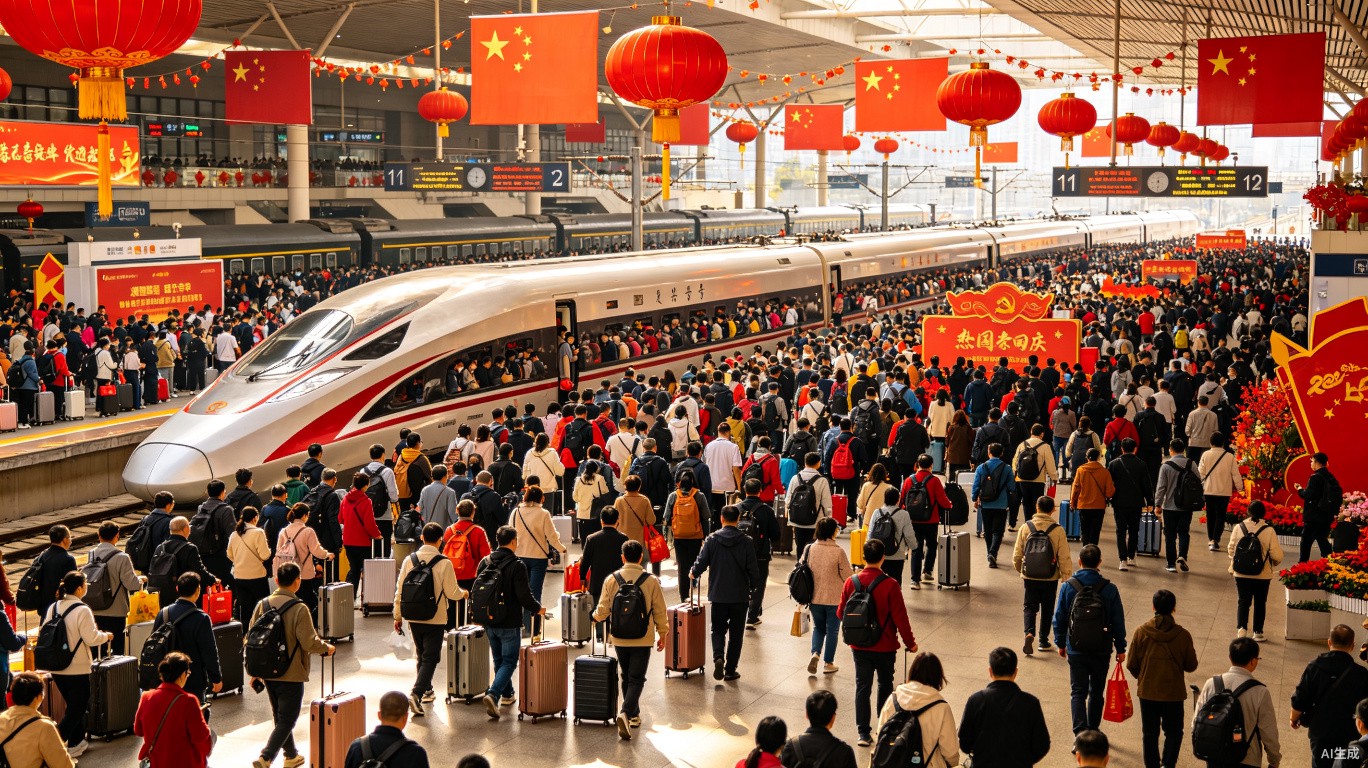
China Golden Week Travel Survival Guide
How to survive China's National Day Golden Week (October 1-7) - what to avoid, where to go, and how to beat the crowds.
9 min read
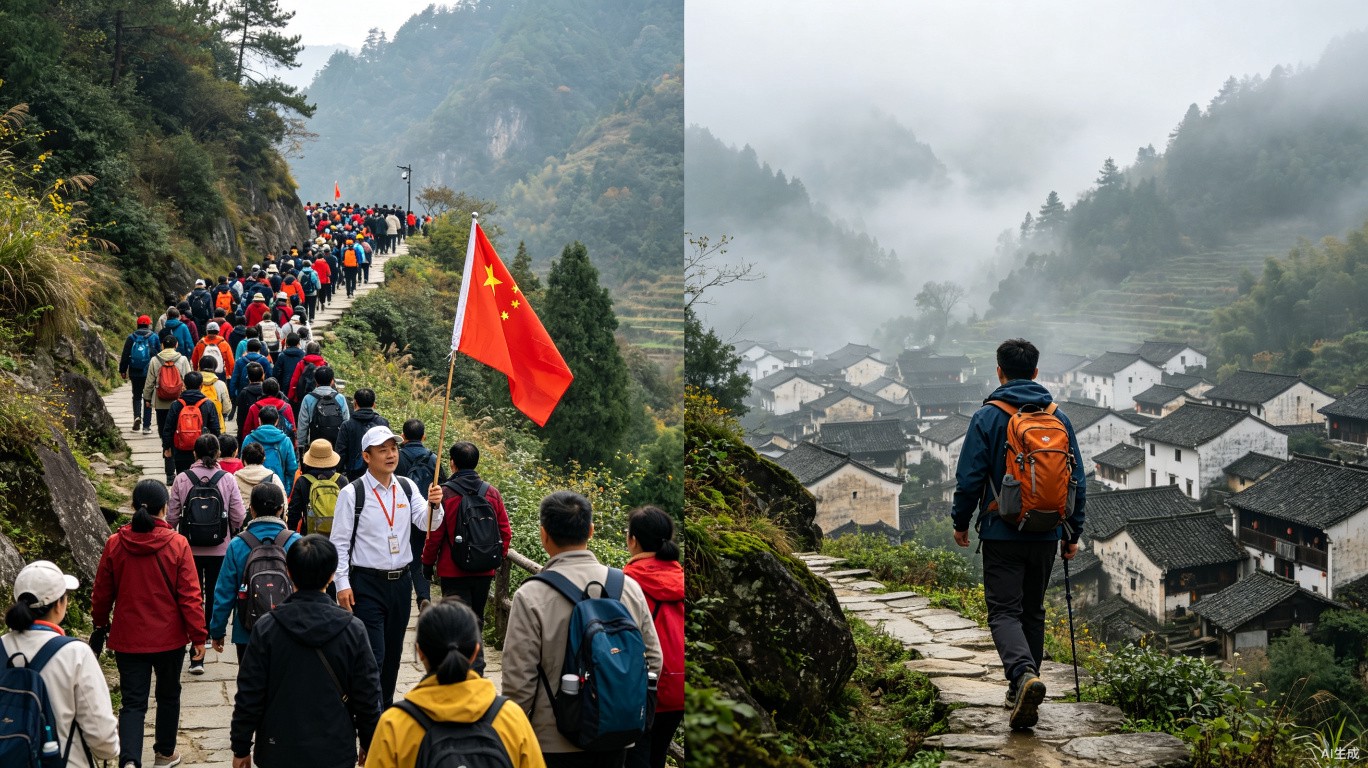
China Group Tours vs Independent Travel Which is Better
Should you join a guided tour or travel independently in China? Honest comparison of cost, flexibility, and experience.
7 min read
China Itinerary Planning: 7-Day 14-Day and 21-Day Routes: The Complete 2026 G...
Not sure how many days to spend in China? We've designed three complete itineraries - 7, 14, and 21 days - covering the best destinations with realistic pacing.
9 min read