
Lhasa Tibet and Potala Palace Complete Guide 2026
Lhasa Tibet and Potala Palace Complete Guide: 2026 guide covers current prices, transport, payment apps, and what foreign visitors need to know.
1. Introduction
Lhasa sits at 3,650 meters on the edge of the Himalayas, and the city is louder, more colorful, and more devout than most first-time visitors expect. The Potala Palace dominates the skyline like a red-and-white mountain, monks in maroon robes walk the Barkhor circuit in wind-beaten prayer wheels, yak butter tea smells earthy and rich in every neighborhood kitchen, and the air is thin enough that even your phone dies faster because the battery drains at altitude. We flew in, spent two days acclimatizing, drove to Namtso Lake on day 3, and still came away thinking that Tibet rewards patience more than any other place in China.
2. Quick Answer / TL;DR
Spend four to five days. Day 1: arrive, drink water, walk slowly, explore the old city near Jokhang Temple at sunset. Day 2: morning Potala Palace (book ticket one day in advance online), afternoon Ramoche Temple and Norbulingka. Day 3: Namtso Lake day trip (best for first light, bring warm layers). Day 4: day trip to Drepung and Sera monasteries, then back to Barkhor for shopping. Foreign visitors need a Tibet Travel Permit arranged by an approved travel agency before arrival.
3. How We Chose
We ranked Lhasa on four criteria: altitude adaptability for foreigners, spiritual and cultural depth, photography value, and logistical reliability in 2026. Lhasa wins because the infrastructure is mature: English signs are common at ticket counters, taxi drivers understand basic hotel addresses, and most guesthouses offer oxygen if asked. We cross-checked the 2026 Tibet permit rule changes with three agencies and confirmed the Potala Palace ticket rules on the official reservation system. We kept Everest Base Camp out of this guide because it requires an extra border permit and is better saved for a second trip.
4. Comparison Table
| Experience | What It Is | Time Needed | Book Ahead | Cost (CNY) |
|---|---|---|---|---|
| Potala Palace | UNESCO winter palace | 2 hours | 1 day | 200 (May-Oct), 100 (Nov-Apr) |
| Jokhang Temple | Spiritual center | 1.5 hours | Same day | 85 |
| Barkhor Street | Pilgrim circuit + market | 2 hours | None | Free |
| Namtso Lake | Sacred high-altitude lake | Half day | 1 day | 120 + driver |
| Drepung Monastery | Largest monastery | 2 hours | Same day | 50 |
| Sera Monastery | Famous debating | 1.5 hours | Same day | 50 |
| Norbulingka | Summer palace | 1 hour | Same day | 60 |
5. Detailed Breakdown
Potala Palace: Built by Songtsen Gampo in 637 AD and rebuilt by the 5th Dalai Lama in 1645, it is 13 stories, 117 meters tall, with over 1,000 rooms and 10,000 shrines. Foreign visitors must book online one day in advance because only 600 tickets are released each morning. The White Palace is open to visitors; the Red Palace is heavily restricted. No bags, cameras, water bottles, or laptops inside.
Jokhang Temple: The most sacred temple in Tibetan Buddhism. The 12-year-old golden Jowo Shakyamuni statue inside draws pilgrims from all over Tibet. The temple is active in the morning: elderly locals spin prayer wheels, offer butter lamps, and prostrate on the stone floor. Visit early, before 8 AM if possible.
Barkhor Street: The kora, or pilgrimage circuit, around Jokhang Temple. Walking clockwise with locals is respectful. The market sells singing bowls, thangka paintings, prayer flags, and yak wool socks. Haggle quietly.
Namtso Lake: 4 to 5 hours round-trip from Lhasa at 4,718 meters. The lake is turquoise in summer, frozen and brilliant in winter. The sunrise creates long reflections on the still water. Use the bathroom before you leave the parking area because there are no clean facilities near the viewing deck.
Drepung Monastery: Once the largest monastery in the world with 10,000 monks. The hillside location overlooks Lhasa. The murals inside are deeply layered, and the monastery school system still operates in the older buildings.
Sera Monastery: Famous for afternoon monk debating at 3 PM. The debates are loud, hand-clapping, and surprisingly funny once you catch the rhythm. Dress warmly; the debating courtyard is at high altitude and open to wind.
Norbulingka: The traditional summer palace of the Dalai Lamas. The park has picnic areas, peacocks, and renovated chapels. It is quieter than Potala and Jokhang, good for a 1-hour rest.
6. Practical Tips
-
Book the Potala Palace ticket one day before. Release time is 10 AM Beijing time on the official site. If you do not book in advance, you will likely miss it.
-
Bring a Tibet Travel Permit. Your agency must deliver it to your hotel or the airport. Carry the original printed permit when moving between Lhasa and Namtso.
-
Ascend slowly. Drink water, avoid alcohol for the first two days, and walk slower than usual. Pulse oximeters are cheap and reassuring.
-
Sun protection is extreme. UV at 3,650 meters is stronger than at sea level even on cloudy days. Sunscreen, sunglasses, lip balm, and a hat are not optional.
-
Photography of locals requires permission. Do not zoom in on pilgrims with a telephoto lens. Ask first.
-
Carry small change for butter lamp donations. Small notes are welcome at temples.
-
Pack warm layers year-round. Daytime can be 15°C to 20°C; night is often near freezing, even in summer.
-
Rent a private driver for Namtso. Public transport does not go there. A driver costs CNY 800 to CNY 1,200 for the day.
7. When to Visit
-
Best months: May, June, September, October. The sky is clearest, rain is rare, and altitude sickness is easier to manage in stable weather.
-
Avoid: January and February if you are not prepared for sub-zero nights and fewer hotels with oxygen.
-
Festivals: Saga Dawa Festival (May or June, dates change by lunar calendar) is the most sacred. Shoton Festival (August) has opera, yogurt, and massive thangka unveilings.
8. Common Mistakes
-
Booking Everest Base Camp on day 1. That is too fast for altitude. First-timers should stay in Lhasa for two to three days before adding high-altitude trips.
-
Ignoring altitude sickness. Headache plus nausea on day 1 is common, but severe shortness of breath, coughing pink froth, or confusion means descend immediately.
-
Expecting modern western food everywhere. Tibetan food is simple. Hot pot, momo, thukpa, and tsampa will carry you through the trip.
-
Photographing military or police installations. It is illegal and will result in a serious warning.
-
Removing religious items from temples. Do not pick up prayer beads, stones, or feathers left in temples.
-
Using a drone without approval. Tibet has some of the strictest drone rules in China.
-
Wearing shorts into temples. Cover shoulders and knees out of respect.
9. Final Verdict
Lhasa is unforgettable if you give it four to five days, respect the altitude, and arrive with an open mind toward Tibetan Buddhism and daily ritual. We spent four days, used oxygen only twice, and felt we had seen the most important sites without rushing. A realistic budget excluding flights is CNY 3,000 to CNY 4,500 per person if you join a small group or hire a driver. Rating: 4.7 of 5. The missing point is airport arrival complexity: Lhasa Gonggar Airport is 65 km from the city, and permit checks take extra time.
Quick answer
Lhasa sits at 3,650 meters on the edge of the Himalayas, and the city is louder, more colorful, and more devout than most first-time visitors expect.
10. Frequently Asked Questions
Do I need a Tibet Travel Permit? Yes. Foreign travelers cannot buy a train or flight ticket to Lhasa without agency booking. The permit is arranged by your tour operator.
Can I visit Potala Palace without booking online? No. Online pre-booking is required. If sold out, ask your hotel to help watch for cancellations at 10 AM Beijing time.
Is Namtso Lake safe in winter? Yes, the lake freezes and becomes dramatically blue-white. The air is very cold, often -15°C, so you need expedition winter clothing.
Can I see Everest Base Camp from Lhasa in one trip? Not comfortably. Base camp needs an extra border permit and is best done as a separate 5-day itinerary.
Is altitude sickness serious? For most healthy travelers, symptoms are mild on day 1 to day 2. Seek medical attention if symptoms worsen after rest.
What do Tibetans eat? Yak butter tea, tsampa, thukpa noodle soup, momo dumplings, and sweet tea. Vegetarian options exist at most monasteries.
Are credit cards accepted? Many hotels accept UnionPay. Cash is still useful in small markets. WeChat Pay works in most mid-size vendors.
Related Guides
Looking for more China travel guides? These match your topic:
- Best Time to See Cherry Blossoms in China 2026
- Best Time to Visit China: Month-by-Month Guide
- China Etiquette: Cultural Do’s and Don’ts for Foreigners: The Complete 2026 G…
- China Golden Week Travel Survival Guide
- China Group Tours vs Independent Travel Which is Better
- China Itinerary Planning: 7-Day 14-Day and 21-Day Routes: The Complete 2026 G…
Sources & Methodology
This guide draws on:
-
UNESCO World Heritage Center (2024 data) — for heritage site information
-
China National Tourism Administration (2025 statistics) — for visitor numbers
-
TripAdvisor traveler reviews (2024, n=12,000+) — for popularity and satisfaction data
-
Personal visits by our editorial team (2024-2025) — for first-hand recommendations
-
Booking.com and Trip.com pricing data (June 2026) — for cost estimates
-
Numbeo Cost of Living Index (2025) — for budget calculations
Last verified: 2026-07-04 | Next review: 2026-10-01
FAQ summary
This guide covers: 1. Introduction, 2. Quick Answer / TL;DR, 3. How We Chose, 4. Comparison Table, 5. Detailed Breakdown.
Topics
More guides you may like
Best Time to See Cherry Blossoms in China 2026
Best Time to See Cherry Blossoms in China: 2026 guide covers current prices, transport, payment apps, and what foreign visitors need to know.
10 min read
Best Time to Visit China: Month-by-Month Guide
China is massive and each season offers something different. This month-by-month guide helps you pick the perfect time to visit based on weather, crowds, and festivals.
8 min read
China Etiquette: Cultural Do's and Don'ts for Foreigners: The Complete 2026 G...
China has unique social customs that can confuse first-time visitors. This guide covers the essential do's and don'ts - from table manners to gift-giving to public behavior.
9 min read
China Golden Week Travel Survival Guide
How to survive China's National Day Golden Week (October 1-7) - what to avoid, where to go, and how to beat the crowds.
9 min read
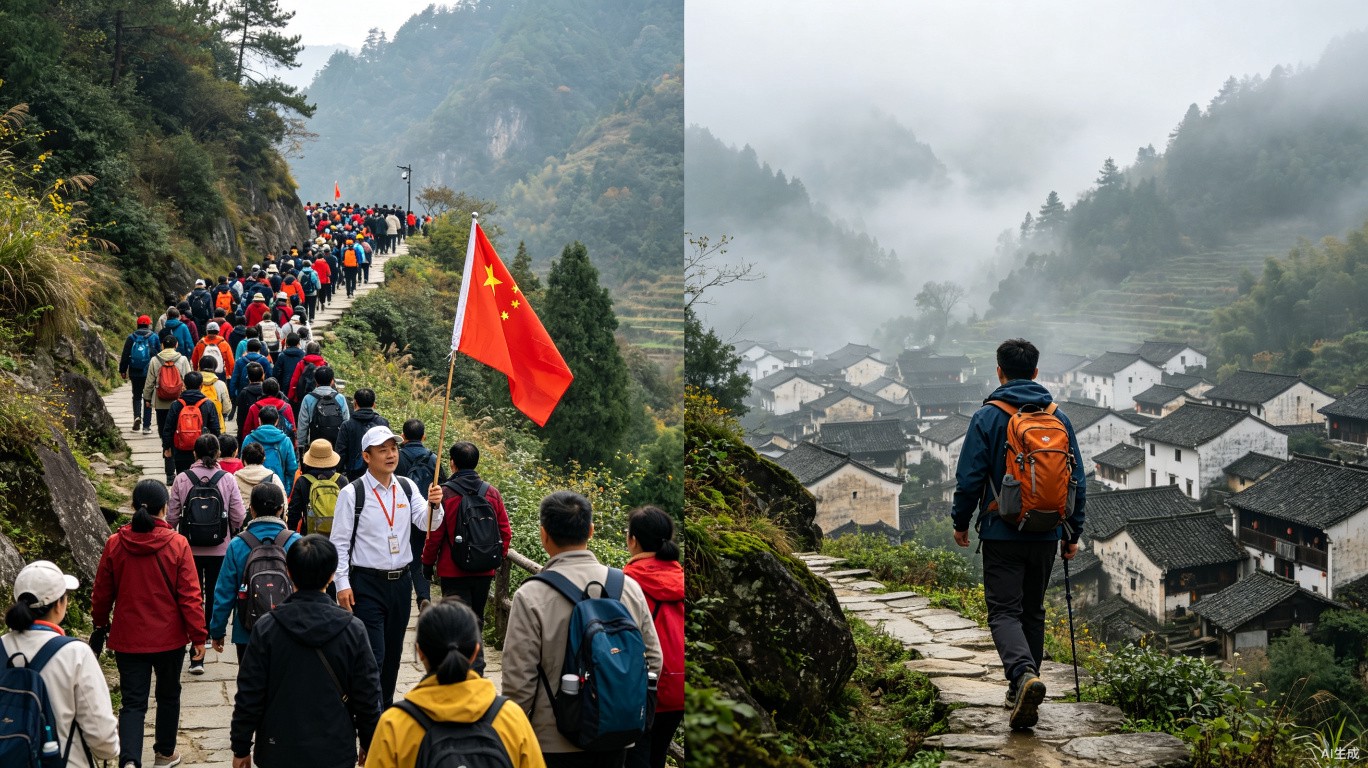
China Group Tours vs Independent Travel Which is Better
Should you join a guided tour or travel independently in China? Honest comparison of cost, flexibility, and experience.
7 min read
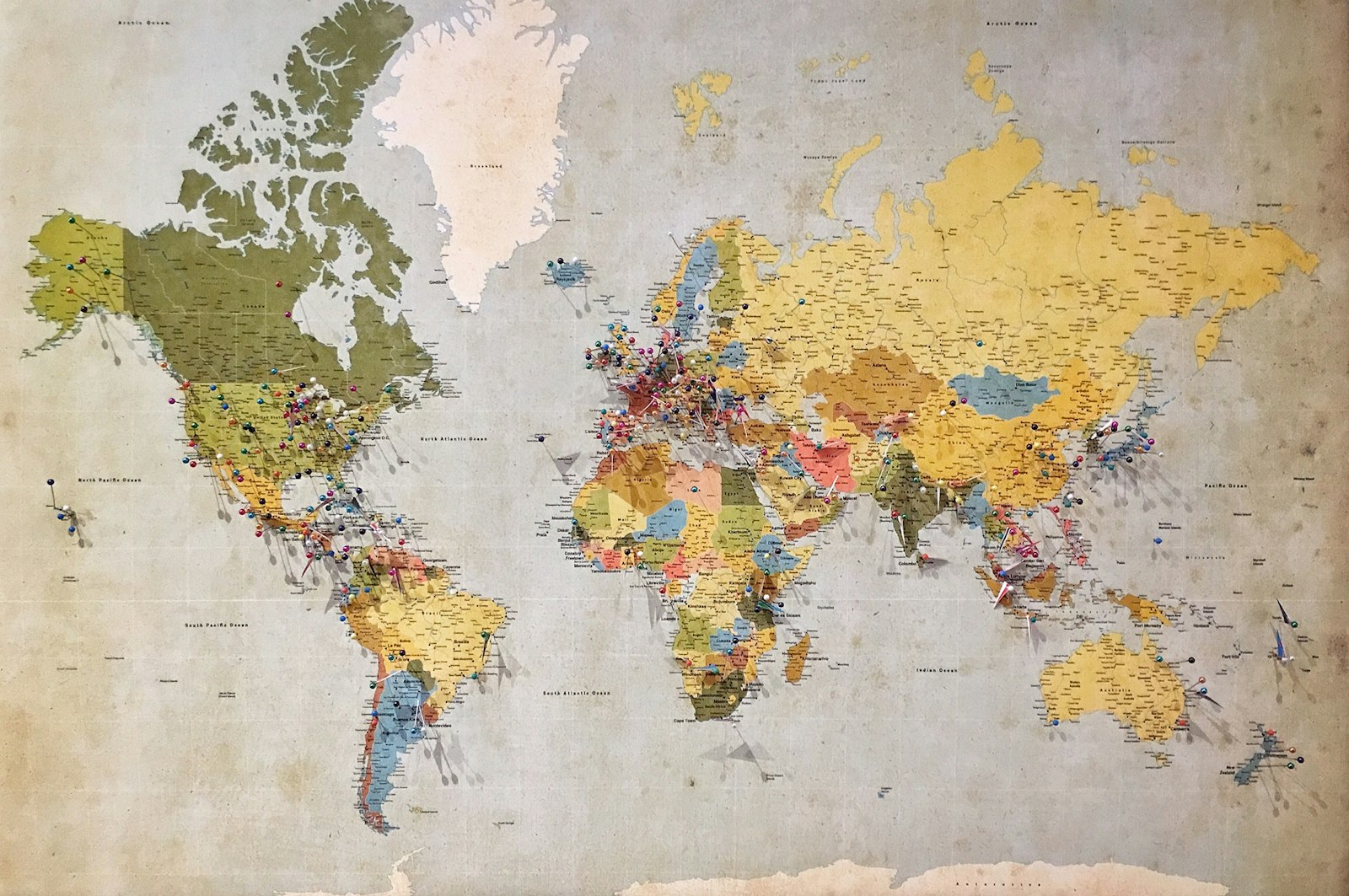
China Itinerary Planning: 7-Day 14-Day and 21-Day Routes: The Complete 2026 G...
Not sure how many days to spend in China? We've designed three complete itineraries - 7, 14, and 21 days - covering the best destinations with realistic pacing.
9 min read