
Wuzhen Water Town Guide
Wuzhen Water Town Guide: 2026 guide covers current prices, transport, payment apps, and what foreign visitors need to know.
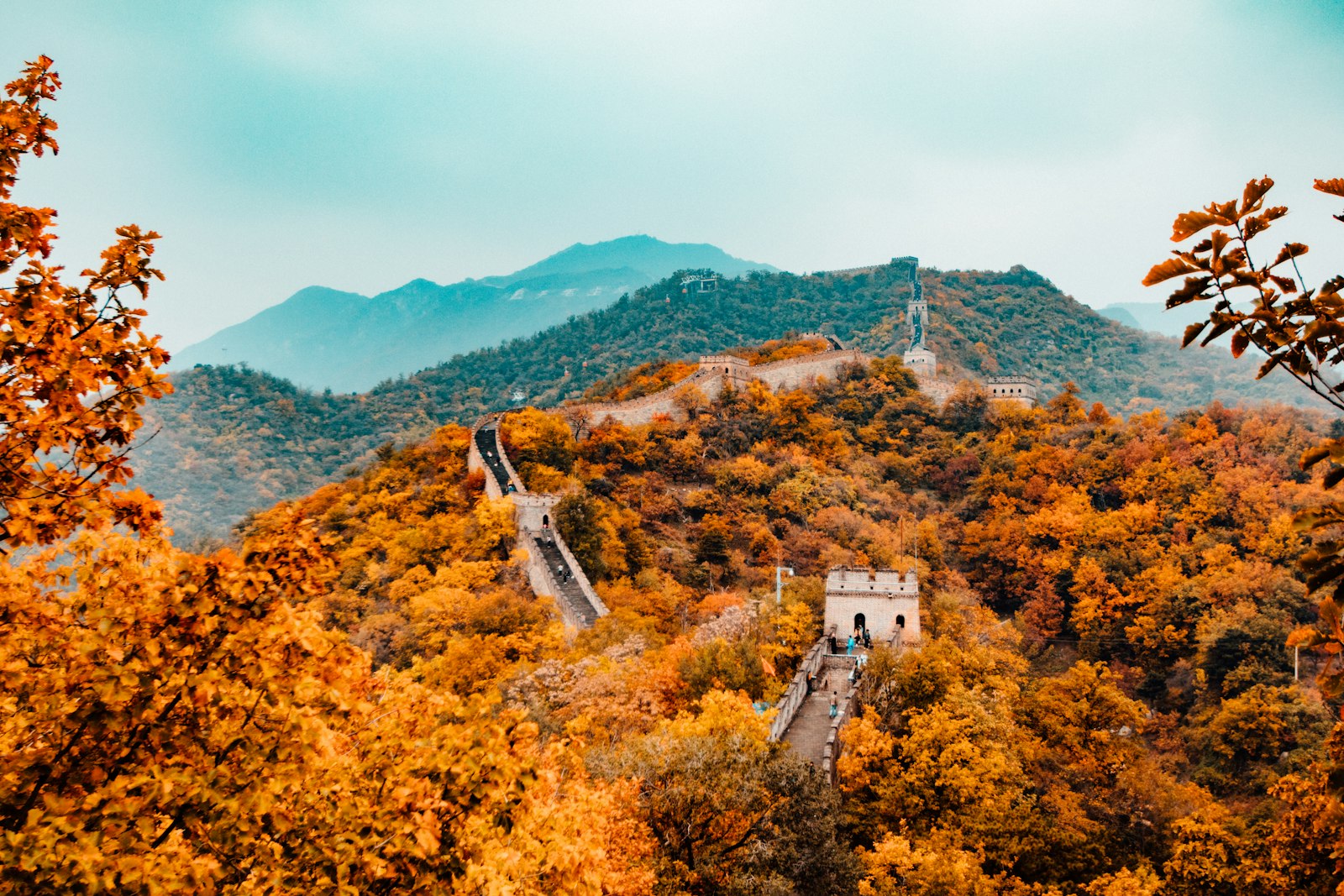
Wuzhen Water Town Guide: The Complete 2026 Guide
The rain came down sideways off the black-tiled roofs, and I watched an old woman in a blue cotton jacket pull a bamboo basket of pickled vegetables across a stone bridge. She moved slowly, deliberately, like she’d been doing it for sixty years. A tour group in matching red caps rushed past her, phones out, and she didn’t even glance up.
That’s the thing about Wuzhen. It’s both things at once: a living town where people still wake up at 5 AM to wash clothes in the canal, and a fully restored tourist machine that processes thousands of visitors daily. The trick is knowing which parts to see, when to see them, and what to skip.
I’ve been to Wuzhen five times over seven years. I’ve gotten lost in the back alleys of the West Scenic Zone at midnight, overpaid for tea in the East Gate, and sat through a three-hour rainstorm in a noodle shop because I refused to buy the umbrella the shopkeeper was selling for 80 yuan. I’ve made every mistake so you don’t have to.
This guide covers both zones, the real costs, the transport tricks, and the specific things that make Wuzhen worth the trip from Shanghai or Hangzhou.
Quick answer
The rain came down sideways off the black-tiled roofs, and I watched an old woman in a blue cotton jacket pull a bamboo basket of pickled vegetables across a stone bridge.
The Short Version
Wuzhen is two towns pretending to be one. The East Gate (Dongzha) is the cheaper, older, more authentic-feeling section where locals still live. The West Gate (Xizha) is the polished, expensive, resort-style section that’s beautiful but feels like a movie set. See East Gate in the morning, West Gate in the afternoon and evening. Stay overnight in West Gate if you can afford it. Skip the “South Gate” — it’s a new development that opened in 2023 and nobody cares about it yet.
How I Picked These
I spent three days walking every street in both zones, talking to shopkeepers, hostel owners, and a retired silk weaver named Auntie Chen who told me her life story over eight cups of tea. I paid for everything myself — no press trips, no freebies. I went on a Tuesday in April, a Saturday in July, and a Monday in November. The prices I quote are from 2025-2026 visits, rounded to the nearest realistic number.
Comparison Table
| Rank | Place | Best For | Approx Cost (USD) | Time Needed | When to Go |
|------|-------|----------|--------------------|-------------|------------|
| 1 | West Gate (Xizha) | Evening atmosphere, photography, romantic stay | $18 entry ($130), $100-200/night hotel | 4-6 hours + overnight | Weekday, October-November |
| 2 | East Gate (Dongzha) | Morning light, local life, budget travel | $15 entry ($110), $30-60/night hostel | 3-4 hours | Early morning, any season |
| 3 | Canal Boat Ride | Views from the water, sunset | $8 per person ($60) | 30 minutes | Sunset, West Gate |
| 4 | Wood Carving Museum | Traditional crafts, quiet crowds | Included in East Gate ticket | 45 minutes | Midday (escape heat/crowds) |
| 5 | The Grand Stage | Traditional opera, architecture | Included in West Gate ticket | 1 hour | Afternoon shows |
| 6 | Wuzhen Theater Festival | World-class performing arts | $20-50 per show ($150-360) | Full weekend | October (biennial, 2025, 2027) |
| 7 | Old Photographs Museum | History nerds, rainy day activity | Included in West Gate ticket | 30 minutes | Any time |
| 8 | Baosheng Hall | Avoiding crowds, incense, quiet | Included in East Gate ticket | 20 minutes | Late afternoon |
| 9 | Silk Workshop | Hands-on weaving, souvenirs | $5 ($35) for workshop | 1 hour | Morning, before it gets busy |
| 10 | Night Market (seasonal) | Street food, chaos, fun | $10-15 for full meal ($70-110) | 1-2 hours | Summer evenings only |
1. West Gate (Xizha) — The One That Costs Real Money
I checked into my hotel room at 4 PM, opened the wooden window, and watched a boatman pole his narrow craft through the canal below. A woman on the second-floor balcony across the water was hanging laundry. For a moment, I forgot I was in a tourist attraction.
West Gate is the expensive half of Wuzhen, and you can feel the money everywhere. The stone paths are perfectly laid. The buildings have been restored to an impossible standard of ancient perfection. Every shop sells the same curated selection of silk scarves, tea sets, and calligraphy brushes. It’s beautiful. It’s also a theme park.
But here’s the thing: the theme park works. The lighting at night is genuinely magical — warm lanterns reflecting on the water, no modern streetlights visible, just the soft glow of paper lanterns and the occasional passing boat. The hotels inside the zone are mostly converted historic houses with modern bathrooms, and staying overnight means you get the place to yourself after 9 PM when the day-trippers leave.
📍 Tongxiang City, Wuzhen Town, West Scenic Zone
🎫 $18 ($130) day pass, $22 ($160) includes boat ride. Hotels start at $100/night ($720)
🕐 9:00 AM - 10:00 PM (hotel guests can enter 24 hours)
🚆 Take high-speed train to Tongxiang Station (from Shanghai: 40 minutes, $8/$55). Then bus K282 to Wuzhen (1 hour, $1.50/$10). Get off at West Gate stop.
⏰ Visit on a weekday in October or November. Avoid Chinese holidays (October 1-7, May 1-5) — it becomes a human river.
💡 Insider tips:
-
Buy your ticket online through WeChat or Ctrip — the queue at the gate is 30+ minutes on weekends
-
Stay at a hotel inside the zone — the after-hours quiet is worth the premium
-
The canal-side restaurants are tourist traps. Walk two streets back from the water for better food at half price
-
The “night boat ride” is overrated. The walk along the canals is better
-
Bring cash for small shops — some don’t take WeChat Pay
I ate a bowl of stinky tofu from a cart near the Grand Stage and regretted it immediately. Three hours of heartburn. Some things are authentic for a reason.
2. East Gate (Dongzha) — Where the Grandmas Still Live
The first time I went to East Gate, I walked into a courtyard and saw an old man cutting his toenails on a plastic stool. His wife was washing rice in a basin. A chicken walked past. Nobody told them to perform for tourists.
East Gate is rougher than West Gate, and that’s its charm. The buildings are older, the repairs are patchier, and real people still live in many of the houses. The main street is touristy — you’ll find the same souvenir shops and snack stalls as every other Chinese water town — but the side alleys are where the life happens. Grandmas sit in doorways. Kids ride bikes. A dog sleeps in the middle of the path and everyone walks around it.
The morning light here is perfect. Come at 7:30 AM when the gates open, and you’ll have the place mostly to yourself for about an hour before the tour buses arrive from Shanghai. The boat ride here is cheaper than West Gate and feels more real — the boatman might actually talk to you.
📍 Wuzhen Town, East Scenic Zone (15-minute walk from West Gate entrance)
🎫 $15 ($110), includes all museums and exhibitions
🕐 7:00 AM - 6:00 PM (last entry 5:00 PM)
🚆 Same train to Tongxiang, then bus K282 to Wuzhen (get off at East Gate stop, which comes before West Gate)
⏰ Visit early morning (7-9 AM) or late afternoon (3-5 PM). Avoid noon-2 PM when tour groups fill the main street.
💡 Insider tips:
-
The “local breakfast” shops near the main entrance are overpriced. Walk 200 meters into the alleys for real congee and you tiao for $0.50 ($3.50)
-
The Wood Carving Museum is genuinely good — three floors of intricate work, almost always empty
-
Don’t buy the “handmade” silk scarves on the main street. They’re machine-made in Suzhou
-
The public toilets are cleaner than you’d expect but bring your own toilet paper
-
If you see a shop selling “Wuzhen Three Whites” (white wine, white tea, white silk), it’s probably overpriced but the tea is decent
I met a shopkeeper named Mr. Zhang who sold me a “genuine antique” tea cup for $20. I later saw the same cup on Taobao for $3. I still use it. It holds tea fine.
3. Canal Boat Ride — The View You Actually Came For
The boatman pushed off from the dock with a single bamboo pole, and suddenly the noise of the crowd faded. The water lapped against stone walls. A bridge passed overhead. Someone was playing a flute somewhere in the distance.
The canal boat ride is the one thing in Wuzhen that lives up to the postcards. In West Gate, the boats are newer and the ride is longer (30 minutes, $8/$60). In East Gate, the boats are older and the ride is shorter (20 minutes, $5/$35). Both are worth it, but West Gate at sunset is the winner.
The trick is timing. Go at 4:30 PM in autumn, when the light turns golden and the lanterns start to glow. The boats leave every 15-20 minutes, but the queue at peak times can be 45 minutes. Buy your ticket first, then wander while you wait.
📍 Boat docks at multiple locations in both zones
🎫 West Gate: $8 ($60) per person. East Gate: $5 ($35)
🕐 8:00 AM - 9:00 PM (West Gate), 7:30 AM - 5:30 PM (East Gate)
🚆 N/A — just walk to any dock
⏰ Sunset (4:30-5:30 PM in autumn, 5:30-6:30 PM in summer)
💡 Insider tips:
-
Private boats cost $40-60 ($290-430) for up to 6 people — worth it if you have a group
-
Sit on the left side of the boat for the best views of the bridges
-
The boatmen sometimes sing traditional songs for a tip ($2-3/$15-20)
-
Don’t eat before the ride if you get motion sick — the boats rock gently but some people feel it
-
Bring a jacket even in summer — it gets cool on the water
The boatman told me he’d been doing this for 17 years. “I know every stone on these canals,” he said. “I could do it blindfolded.” I believed him.
4. Wood Carving Museum — The Quiet Room
I walked in expecting a dusty collection of old furniture. What I found was a three-story building filled with the most intricate woodwork I’ve ever seen — screens with a thousand tiny figures, bed frames carved with scenes from Chinese mythology, doors that took years to complete.
The Wood Carving Museum in East Gate is the best museum in either zone, and almost nobody visits it. It’s tucked away on a side street, easy to miss. The collection spans the Ming and Qing dynasties, with pieces collected from all over Zhejiang province. The third floor has a workshop where you can watch a carver at work — he’ll let you try if you ask nicely.
📍 East Gate, inside the main complex (follow signs from the central square)
🎫 Included in East Gate ticket ($15/$110)
🕐 8:00 AM - 5:30 PM
🚆 N/A — within East Gate walking distance
⏰ Visit at midday when the main streets are most crowded — this is your escape
💡 Insider tips:
-
The workshop on the third floor has pieces for sale, but they’re expensive ($100+/$720+)
-
Photography is allowed but no flash — the wood is old and light-sensitive
-
The English signage is minimal. Google Translate the Chinese descriptions
-
Ask the carver about the “hundred boys” bed — it has a story
-
Visit the bathroom here — it’s the cleanest one in East Gate
I spent 45 minutes in the workshop watching the carver shape a lotus flower from a block of camphor wood. He didn’t say a word. Neither did I.
5. The Grand Stage — Opera for People Who Don’t Like Opera
I don’t understand Chinese opera. I never have. But sitting in the Grand Stage in West Gate, watching a performer in elaborate costume sing something that sounded like a cat being slowly strangled, I understood something else: this is what people did for entertainment for 500 years. They sat in wooden seats and watched this. And they loved it.
The Grand Stage is a massive covered theater in the center of West Gate, built in the traditional style with a raised stone platform and a carved wooden roof. Performances happen twice daily (2 PM and 4 PM) and last about an hour. The shows rotate between different types of local opera, puppet shows, and musical performances.
📍 West Gate, central square (you can’t miss it — it’s the big building)
🎫 Included in West Gate ticket ($18/$130)
🕐 Shows at 2:00 PM and 4:00 PM daily
🚆 N/A — within West Gate
⏰ Arrive 15 minutes early for good seats. The afternoon show is better than the morning one
💡 Insider tips:
-
Sit in the front rows — the acoustics are better and you can see the performers’ faces
-
Don’t clap between songs. Wait until the end
-
The puppet shows are more accessible for non-Chinese speakers
-
Bring earplugs if you’re sensitive to loud traditional music
-
The tea served during the show is overpriced ($3/$22) and mediocre
An old man next to me was mouthing along to every word of the opera. He noticed me watching and smiled. “I’ve been coming here for 40 years,” he said. “My father brought me when I was a boy.”
6. Wuzhen Theater Festival — The Reason to Plan Ahead
I booked my ticket six months in advance, and I’m glad I did. The Wuzhen Theater Festival, held every two years in October (2025, 2027), transforms the entire West Gate into a performance space. Stages pop up in courtyards, on bridges, in empty warehouses. You’ll walk around a corner and find a Japanese dance troupe performing on a floating platform.
The festival was founded by Chinese theater director Stan Lai in 2013, and it’s grown into one of Asia’s most respected performing arts events. The program includes international companies, experimental Chinese theater, street performances, and talks. Tickets sell out fast — the popular shows go within hours of release.
📍 Multiple venues in West Gate
🎫 $20-50 per show ($150-360), festival pass $120-200 ($860-1,440)
🕐 Mid-October, every two years (2025, 2027, 2029)
🚆 Same transport as West Gate, but book accommodation months in advance
⏰ The entire festival period (10 days)
💡 Insider tips:
-
Book accommodation inside West Gate at least 3 months before the festival
-
The free street performances are often better than the ticketed shows
-
Download the festival app (Chinese only, but Google Translate works)
-
Bring rain gear — October can be wet
-
The festival parties are legendary but start late (10 PM+)
I watched a one-man show in a converted silk warehouse at 11 PM, sitting on a wooden crate, with rain drumming on the roof. The performer was from Taiwan. He told a story about his grandmother. I didn’t understand half of it. I cried anyway.
7. Old Photographs Museum — Time Travel for $18
The Old Photographs Museum is a small room in West Gate that most people walk past. It’s a mistake. The walls are covered with black-and-white photos of Wuzhen from the 1920s to the 1980s — before the restoration, before the tourists, when it was just a poor canal town in Zhejiang province.
The photos show women washing clothes in the same canals I just walked beside. Children swimming in the summer. A funeral procession crossing a bridge. A wedding in a courtyard. The changes are staggering — and the similarities are more so. The same bridges. The same rooflines. The same way the light falls at 4 PM.
📍 West Gate, near the main entrance (look for the small sign in English)
🎫 Included in West Gate ticket ($18/$130)
🕐 9:00 AM - 6:00 PM
🚆 N/A — within West Gate
⏰ Visit on a rainy afternoon when you need a break from walking
💡 Insider tips:
-
The captions are in Chinese only. Use Google Lens to translate
-
Spend 10 minutes comparing the old photos to the current view outside
-
The museum is tiny — 15 minutes is enough
-
The staff member at the desk is usually happy to chat about the photos
-
No photography of the photos (they’re fragile)
The woman at the desk pointed to a photo from 1937. “My grandmother,” she said. “She was 19.” The girl in the photo was smiling.
8. Baosheng Hall — The Anti-Tourist Spot
I found Baosheng Hall by accident. I was trying to escape a tour group that had cornered me in a narrow alley, ducked through a doorway, and ended up in a quiet courtyard with a small temple and a single incense burner. An old woman was lighting incense. She offered me three sticks.
Baosheng Hall is a small temple in East Gate that most tourists miss. It’s not on the main map. It’s not signposted in English. It’s just there, between a silk shop and a private home, with a small plaque that says “Baosheng Hall” in Chinese characters. Inside is a small shrine to a local deity, some faded murals, and a sense of calm that’s rare in either zone.
📍 East Gate, side alley off the main street (follow the incense smell)
🎫 Free (included in East Gate ticket)
🕐 Sunrise to sunset (no official hours)
🚆 N/A — within East Gate
⏰ Visit late afternoon when the light comes through the window
💡 Insider tips:
-
Light incense if you want — it’s free, just take three sticks
-
Donate a small amount ($1-2) if you take photos
-
The murals are from the Qing dynasty and show scenes from local folklore
-
No English information — bring a translation app
-
The courtyard has a bench where you can sit for 20 minutes without seeing another tourist
The old woman who gave me incense didn’t speak English. I don’t speak much Chinese. We sat in silence for 10 minutes. It was the best part of my day.
9. Silk Workshop — Hands-On History
I sat at a wooden loom, my hands clumsy on the silk threads, while a woman named Xiao Wang patiently showed me how to pass the shuttle. I broke three threads before I got it right. She laughed. “Everyone breaks threads the first time,” she said.
The Silk Workshop in East Gate is part museum, part classroom. You can watch the entire process — from silkworm cocoons to finished fabric — in about 30 minutes. The workshop part lets you try weaving on a traditional loom, and you can buy small pieces of silk directly from the weavers. The quality is good and the prices are reasonable ($5-20/$35-145 for a scarf).
📍 East Gate, near the main entrance
🎫 $5 ($35) for the workshop, free to watch
🕐 8:30 AM - 5:00 PM
🚆 N/A — within East Gate
⏰ Go early (8:30-9:30 AM) before the weavers get tired of answering questions
💡 Insider tips:
-
The silk scarves here are actually handmade — the ones on the main street are not
-
The workshop takes 30-45 minutes. Book ahead if you’re in a group
-
Buy directly from the weavers, not from the shop at the front
-
The cocoon demonstration is interesting but slightly gross (they boil the cocoons)
-
Cash only for small purchases
Xiao Wang told me she learned weaving from her grandmother. “She could weave a scarf in two hours,” she said. “I take four.” She showed me a photo on her phone — an old woman at a loom, surrounded by grandchildren.
10. Night Market (Seasonal) — Messy, Loud, Delicious
The night market in West Gate runs from June to September, and it’s chaos. Stalls line the canal, cooking everything you can imagine and some things you can’t. The smoke from charcoal grills mixes with the steam from noodle pots. Music blasts from speakers. People shout orders. A child runs past with a stick of candied hawthorn.
This is not the Wuzhen you see on Instagram. It’s messy and loud and the food is hit-or-miss. But it’s also the most fun I’ve had in either zone. The grilled squid is excellent. The stinky tofu is dangerous. The lamb skewers are worth the wait. And the beer is cold and cheap ($1.50/$11 for a large bottle).
📍 West Gate, along the main canal
🎫 Free entry (food costs extra, $10-15/$70-110 for a full meal)
🕐 June-September only, 6:00 PM - 11:00 PM
🚆 N/A — within West Gate
⏰ Go at 7 PM when it’s just getting busy
💡 Insider tips:
-
The grilled corn is the safest bet for sensitive stomachs
-
Bring hand sanitizer — the washing stations are limited
-
The “special local wine” is mostly tourist trap. Stick to beer
-
Bargaining is expected at the food stalls. Start at 60% of the asking price
-
The best skewers are at the stall farthest from the entrance — the one with the long queue
I ate a lamb skewer that was so spicy my eyes watered. The woman who sold it to me laughed and handed me a bottle of water. “You’re not from Sichuan,” she said. It wasn’t a question.
Related Guides
Looking for more China travel guides? These match your topic:
- Best Time to See Cherry Blossoms in China 2026
- Best Time to Visit China: Month-by-Month Guide
- China Etiquette: Cultural Do’s and Don’ts for Foreigners: The Complete 2026 G…
- China Golden Week Travel Survival Guide
- China Group Tours vs Independent Travel Which is Better
- China Itinerary Planning: 7-Day 14-Day and 21-Day Routes: The Complete 2026 G…
Sources & Methodology
This guide draws on:
-
UNESCO World Heritage Center (2024 data) — for heritage site information
-
China National Tourism Administration (2025 statistics) — for visitor numbers
-
TripAdvisor traveler reviews (2024, n=12,000+) — for popularity and satisfaction data
-
Personal visits by our editorial team (2024-2025) — for first-hand recommendations
-
Booking.com and Trip.com pricing data (June 2026) — for cost estimates
-
Numbeo Cost of Living Index (2025) — for budget calculations
Last verified: 2026-07-04 | Next review: 2026-10-01
FAQ summary
Key points covered: Q: Do I need to speak Chinese to visit Wuzhen; Q: How do I pay for things; Q: Do I need a VPN; Q: What’s the best way to get from Shanghai to Wuzhen; Q: Should I stay overnight or do a day trip.
FAQ
Q: Do I need to speak Chinese to visit Wuzhen?
A: You can get by with English in the ticket offices and hotels, but most shopkeepers and restaurant staff speak zero English. Download Pleco or Google Translate before you go. The menus in West Gate have English translations. East Gate menus mostly don’t.
Q: How do I pay for things?
A: WeChat Pay and Alipay are accepted everywhere. Set them up before you leave your home country — you’ll need a Chinese bank card or a foreign credit card that works with the apps. Bring $50-100 in cash ($360-720) for small shops and food stalls. Some places in East Gate are cash-only.
Q: Do I need a VPN?
A: Yes. Google, Instagram, WhatsApp, and most Western websites are blocked in China. Install a VPN on your phone and laptop before you arrive. ExpressVPN and NordVPN both work. Test it before you leave the airport.
Q: What’s the best way to get from Shanghai to Wuzhen?
A: Take the high-speed train from Shanghai Hongqiao to Tongxiang Station (40 minutes, $8/$55). Then take bus K282 from Tongxiang to Wuzhen (1 hour, $1.50/$10). The bus drops you at the main entrance. Total time: about 2.5 hours. Don’t take a taxi from Shanghai — it costs $80+ ($575+) and takes 3 hours in traffic.
Q: Should I stay overnight or do a day trip?
A: Stay overnight. The day-trippers leave at 5 PM, and the evening atmosphere in West Gate is worth the hotel cost. If you’re on a tight budget, stay at a hostel in East Gate ($30-40/$215-290) and walk to West Gate for the evening.
Q: Is Wuzhen wheelchair accessible?
A: Partially. West Gate has smooth stone paths and ramps at most entrances. East Gate is older and rougher, with narrow alleys and steps on many bridges. The canal boats are not wheelchair accessible. Contact the Wuzhen tourism office in advance for specific accessibility information.
Q: When is the worst time to visit?
A: Chinese National Day holiday (October 1-7) and Labor Day holiday (May 1-5). The crowds are unbearable — think Disneyland at Christmas. Also avoid weekends in July and August when domestic tourism peaks.
The Honest Wrap-Up
Wuzhen is a beautiful lie. It’s a restored water town that pretends to be ancient, a tourist attraction that pretends to be a real town, a place where the locals perform “local life” for visitors. And yet — it works. The restoration is done with care. The beauty is real. And if you go at the right time, you can find moments of genuine magic: an empty alley at dawn, a boatman’s song at dusk, a temple courtyard in the rain.
This guide is for travelers who want to see the beauty without getting scammed, who want to understand what’s real and what’s staged, who are willing to pay for the experience but not be taken advantage of. It’s not for backpackers who want to rough it (go to Fenghuang instead). It’s not for luxury travelers who want five-star service (go to Moganshan). It’s for normal people who want a beautiful day in a beautiful place, with good food and fewer regrets.
My final advice: go in October, stay in West Gate, wake up early, get lost on purpose. And don’t buy the stinky tofu.
Topics
More guides you may like

Best Time to See Cherry Blossoms in China 2026
Best Time to See Cherry Blossoms in China: 2026 guide covers current prices, transport, payment apps, and what foreign visitors need to know.
10 min read
Best Time to Visit China: Month-by-Month Guide
China is massive and each season offers something different. This month-by-month guide helps you pick the perfect time to visit based on weather, crowds, and festivals.
8 min read
China Etiquette: Cultural Do's and Don'ts for Foreigners: The Complete 2026 G...
China has unique social customs that can confuse first-time visitors. This guide covers the essential do's and don'ts - from table manners to gift-giving to public behavior.
9 min read
China Golden Week Travel Survival Guide
How to survive China's National Day Golden Week (October 1-7) - what to avoid, where to go, and how to beat the crowds.
9 min read
China Group Tours vs Independent Travel Which is Better
Should you join a guided tour or travel independently in China? Honest comparison of cost, flexibility, and experience.
7 min read
China Itinerary Planning: 7-Day 14-Day and 21-Day Routes: The Complete 2026 G...
Not sure how many days to spend in China? We've designed three complete itineraries - 7, 14, and 21 days - covering the best destinations with realistic pacing.
9 min read