
China Tea Culture Guide
China Tea Culture Guide: 2026 guide covers current prices, transport, payment apps, and what foreign visitors need to know.
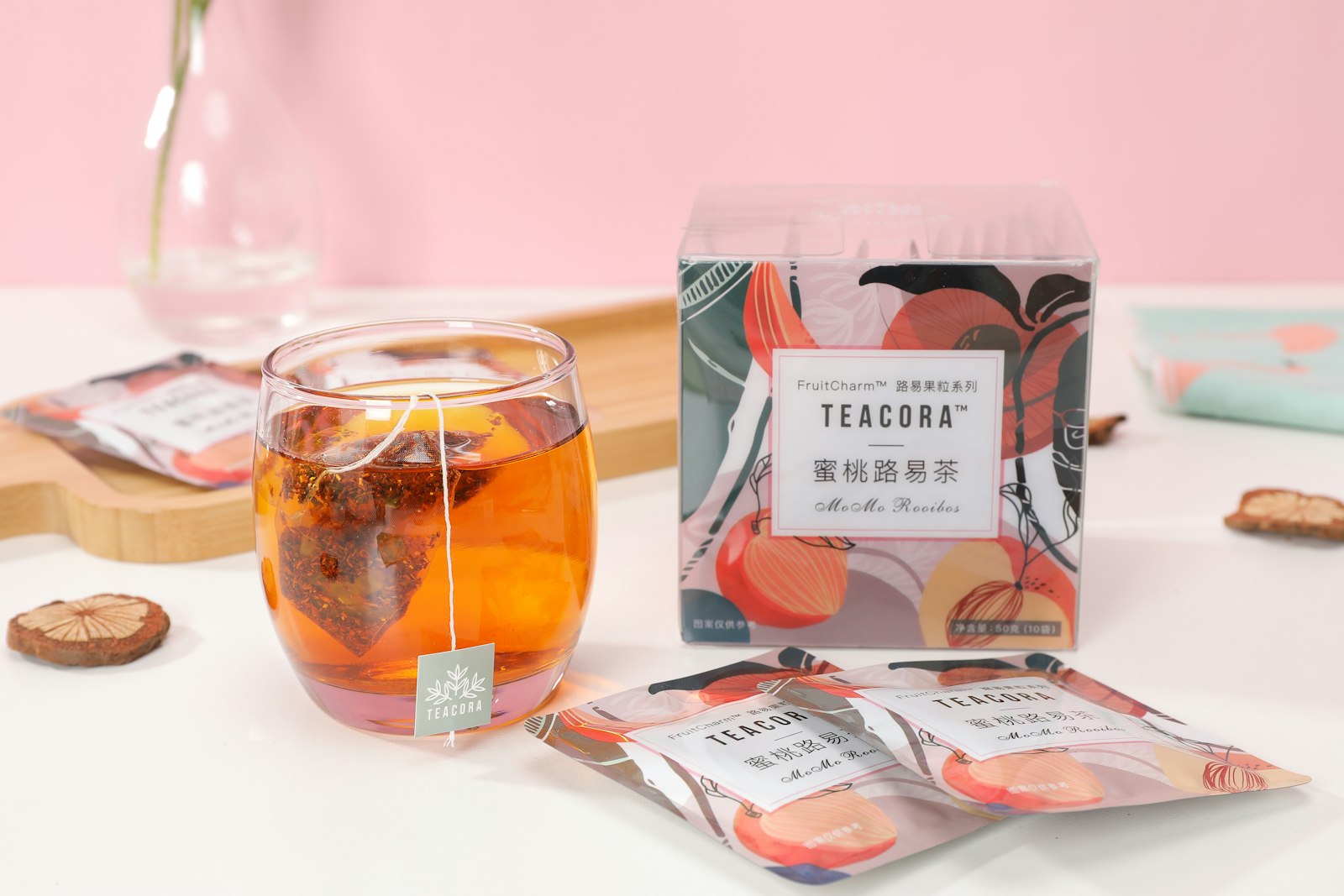
China Tea Culture Guide: The Complete 2026 Guide
The cab driver laughed at me when I asked him to take me to a “real tea house” in Beijing. I’d been in China for maybe three days, fresh off a 14-hour flight from London, and I was convinced I’d find some ancient wooden room where old men in silk robes sipped from tiny cups while a woman played the guzheng. Instead, he dropped me at a fluorescent-lit shopping mall where a teenager in a Hello Kitty apron handed me a paper cup of milk tea with tapioca pearls the size of my thumb.
I drank it anyway. It was terrible. But it taught me something: China’s tea culture isn’t a museum exhibit. It’s alive, messy, and hiding in plain sight. Over the next seven years, I’d learn to find it—the tiny gongfu tea stalls tucked into alleyways, the misty plantations where farmers still pick leaves by hand, the old men in parks who brew pu’er on portable stoves and will wave you over for a cup if you look curious enough.
This guide is what I wish I’d had that first week. It’s not a list of every tea shop in China. It’s ten places I’ve actually been, where the tea is good, the people are real, and you won’t feel like a tourist holding a selfie stick. I’ll tell you what to order, how to get there, and what mistakes to avoid—because I’ve made most of them.
Quick answer
The cab driver laughed at me when I asked him to take me to a “real tea house” in Beijing.
The Short Version
Skip the tourist teahouses near the Forbidden City. Go to Hangzhou’s Longjing Village for green tea, Kunming’s tea market for pu’er, and Chengdu’s old-town tea houses for the spectacle. Bring cash for small stalls, learn how to say “thank you” in Chinese (xiè xiè), and never—never—fill someone else’s cup to the brim unless you want to start a fight about respect. You’ll drink worse tea at home for more money.
How I Picked These
I spent three years living in Beijing, then four more bouncing between provinces for magazine assignments. These ten places are the ones I’ve returned to at least twice—sometimes because I loved them, sometimes because I dragged a skeptical friend there and watched them convert. I’ve had tea with a taxi driver in Yunnan who pulled over to show me his family’s plantation. I’ve been scammed at a “ceremony” in Xi’an that cost me $80 and tasted like dishwater. I’ve stood in rain on a mountainside in Fujian watching a 70-year-old woman roast tie guan yin over charcoal because she said the electric machines “have no soul.”
Every entry here is a place I’ve paid for myself, visited recently (2024-2025), and would send my own mother to.
Comparison Table
| Rank | Place | Best For | Approx Cost (USD) | Time Needed | When to Go |
|------|-------|----------|-------------------|-------------|------------|
| 1 | Longjing Village, Hangzhou | Green tea pilgrimage | $5-20 tasting | Half day | March-April (harvest) |
| 2 | Wuyi Shan, Fujian | Rock tea (da hong pao) | $10-30 tour | Full day | April-May or Oct-Nov |
| 3 | Chengdu People’s Park | Traditional teahouse vibe | $2-5 | 2-3 hours | Any weekday morning |
| 4 | Kunming Tea Market, Yunnan | Pu’er buying | $5-100 | 2-4 hours | Year-round |
| 5 | Meijiawu Village, Hangzhou | Quieter tea experience | $3-10 tasting | Half day | April or September |
| 6 | Guangzhou Chen Clan Academy | Tea + architecture | $3 entry | 1-2 hours | Weekday mornings |
| 7 | Dali Old Town, Yunnan | Pu’er + backpacker scene | $2-8 | 2-3 hours | Avoid Chinese holidays |
| 8 | Shanghai Old Town Teahouses | Urban tea culture | $5-15 | 1-2 hours | Late afternoon |
| 9 | Xi’an Muslim Quarter | Tea + street food combo | $2-5 | 1 hour | Evening (after 6pm) |
| 10 | Beijing Maliandao Street | Tea market browsing | $5-50 | 2-3 hours | Weekday mornings |
1. Longjing Village — Where Green Tea Gets Its Name
I remember the smell before I remember the sight. That roasted, almost nutty aroma hitting me as I walked up the stone path through terraced hillsides. A farmer named Mrs. Chen waved me over to her courtyard, where she was stir-frying fresh leaves in a massive wok over a gas burner. Her hands moved so fast I couldn’t follow. “Forty years,” she said when she saw me staring. “You try, you burn.”
Longjing Village sits right in the middle of West Lake’s tea country, about 20 minutes by taxi from central Hangzhou. This is where Longjing (Dragon Well) green tea comes from—the real stuff, not the bags you find in tourist shops that are actually from cheaper provinces and just labeled “Longjing.”
Why it’s special: The terroir here is everything. The mist off West Lake, the specific mineral content of the soil, the centuries-old bushes that produce leaves shaped like sparrow tongues. A proper first-flush Longjing from this village costs about $200 per pound wholesale. You’ll pay $20 for a tasting session that includes maybe three grams of it, brewed in a glass cup so you can watch the leaves dance. Worth every cent.
📍 Location: Longjing Village, Xihu District, Hangzhou. About 6km southwest of West Lake.
🎫 Entry fee: Free to walk through the village. Tea tastings: $5-20 (¥35-140) depending on quality. Mrs. Chen’s courtyard charges ¥50 for a full session with three teas.
🕐 Opening hours: Village is open 24/7. Individual tea houses operate roughly 8am-6pm. Many close for lunch 12-1:30pm.
🚆 How to get there: Take Hangzhou Metro Line 3 to Huanglong Sports Center Station, then Bus 27 or 87 to Longjing Village stop. Or taxi from West Lake area: about ¥40-60, 20 minutes. Tell the driver “Lóngjǐng Cūn” (龙井村).
⏰ When to visit: Late March through early April for the first harvest—the hills are electric green and every family is processing tea. September-October for a quieter visit with good second-harvest tea. Avoid weekends in April when Hangzhou tourists flood the area.
💡 Insider tips:
-
Don’t buy tea from the first stall you see. Walk deeper into the village, past the main square, where families sell direct from their homes.
-
Bring cash. The old ladies selling tea don’t take WeChat Pay.
-
If a vendor offers you “pre-Qingming” (before April 5) Longjing for less than ¥800 per 500g, it’s fake. Real pre-Qingming Longjing from this village starts at ¥2000/500g.
-
Learn to spot real Longjing: the leaves should be flat, uniform, and have a distinct “chestnut” aroma when dry.
-
The best tea houses are the ones with no English signs and no menus.
I bought 100g of Mrs. Chen’s second-harvest tea for ¥120. She threw in a free tasting of her premium stuff and told me I looked like her son, who “wasted his life” working in Shanghai. I still have the bag.
2. Wuyi Shan — The Cliff Tea That Costs More Than Gold
The rain came sideways off the cliffs for three hours before it stopped. I was soaked, shivering, and standing on a narrow path cut into the rock face, looking down at tea bushes growing out of what looked like solid stone. My guide, a wiry man named Mr. Wu who’d been picking tea here since he was twelve, just laughed. “This is why it’s expensive,” he said. “The rain gives the tea its yan yun—the rock flavor.”
Wuyi Shan (Mount Wuyi) in northern Fujian is the home of da hong pao (Big Red Robe), the most famous—and most faked—oolong tea in China. The original six mother bushes, said to be 350 years old, grow on a cliff face so steep that the last harvest (2005) was insured for $1 million. You can’t drink that tea anymore. But the descendants of those bushes, grown in the same rocky soil, produce some of the most complex, mineral-driven tea I’ve ever tasted.
Why it’s special: The “rock rhyme” (yan yun) is real. It’s a minerality that coats your mouth like stone dust mixed with honey, followed by a finish that lasts minutes. No other tea region produces this exact profile. The landscape itself—those mist-shrouded sandstone peaks, the Nine Bend River winding through gorges—is worth the trip even if you don’t care about tea.
📍 Location: Wuyishan City, northern Fujian Province. The tea-growing area is within the Wuyi Mountain Scenic Area.
🎫 Entry fee: Scenic area: $20 (¥140). Bamboo raft ride: $15 (¥100). Tea plantation tours: $10-30 (¥70-210) including tasting.
🕐 Opening hours: Scenic area: 7am-5:30pm (summer), 7:30am-5pm (winter). Plantation tours usually 8am-4pm.
🚆 How to get there: High-speed train to Wuyishan North Station (from Shanghai: 3 hours, $45/¥320). From the station, take Bus K1 to the scenic area entrance (40 minutes, ¥10). Taxi from town: about ¥30.
⏰ When to visit: April-May for spring harvest, October-November for autumn. Summer is brutally humid. Winter is cold but empty of tourists.
💡 Insider tips:
-
Skip the “Da Hong Pao” tasting at tourist shops—99% of it is fake. Go to a family-run operation in the village of Xiamen (下梅村) instead.
-
The real da hong pao has a deep reddish-brown liquor and a flavor of dark chocolate, dried plum, and roasted barley. If it’s pale or floral, it’s not Da Hong Pao.
-
Hire a local guide through your hotel—¥200-300 for a half day. They’ll take you to plantations the bus tours skip.
-
Bring waterproof shoes. The paths get slick, and you’ll be walking on uneven stone for hours.
-
Try rou gui (cinnamon) and shui xian (narcissus) oolongs—they’re cheaper than Da Hong Pao and almost as good.
Mr. Wu picked a leaf from a 60-year-old bush, handed it to me, and said “Chew.” It tasted like wet stone and dark chocolate. I bought three cakes of his rou gui for ¥600. Best tea money I’ve ever spent.
3. Chengdu People’s Park — Tea as Spectator Sport
The first thing you notice is the noise. Not loud, exactly, but constant—the click of mahjong tiles, the hiss of thermos flasks being poured, the low hum of a dozen simultaneous conversations. Old men in sleeveless undershirts sit around bamboo tables, arguing about politics or playing cards. A woman in her seventies, face weathered like old leather, walks by carrying a cage with a songbird in it. Nobody looks at her twice.
This is Heming Teahouse in People’s Park, Chengdu’s most famous—and most touristy—traditional tea house. I went there my first week in Chengdu expecting to hate it. Too many foreigners, I thought. Too much performance. But I kept going back, and somewhere around my fifth visit, I got it: the spectacle is the point. The ear-cleaning guys with their terrifying metal tools, the bian lian (face-changing) performers who appear unannounced, the old men who’ve been sitting at the same table since 1985—it’s all theater, but it’s theater that’s been running for a century.
Why it’s special: Because it’s real. The tea is mediocre (you’re paying for the experience, not the leaves), but the atmosphere is unmatched. Order a cup of zhua hua cha (jasmine tea) for ¥20, find a seat near the pond, and just watch. You’ll see more of Chengdu’s soul in an hour than you will in a week of temple visits.
📍 Location: Heming Teahouse, inside People’s Park, Qingyang District, Chengdu.
🎫 Entry fee: Park entry: free. Tea: $2.50-4 (¥18-28) per cup. Ear cleaning: $5-8 (¥35-55).
🕐 Opening hours: Teahouse: 7am-7pm daily. Busiest 9am-12pm.
🚆 How to get there: Take Chengdu Metro Line 2 to People’s Park Station, Exit B. Walk 200 meters east to the park entrance. The teahouse is in the center, past the fountain.
⏰ When to visit: Weekday mornings (8-10am) for the most local crowd. Avoid weekends and holidays—it becomes a tourist zoo.
💡 Insider tips:
-
Bring a thermos—the staff will refill your cup with hot water for free. Or just use theirs.
-
The ear-cleaning service looks terrifying but is oddly relaxing. ¥35 for a 10-minute session. The guys use metal tools that look like torture instruments. They’re professionals.
-
Don’t sit at the tables near the main path—too much foot traffic. Go to the back, near the pond.
-
If an old man offers you a cigarette, take it. It’s a gesture of friendship. You don’t have to smoke it.
-
The zhua hua cha is fine. The chuan hong (Sichuan black tea) is better. ¥5 more.
I once sat next to a retired teacher named Mr. Liu who spent two hours explaining why Chengdu’s tea is “better than Beijing’s” because “Beijing people rush. Tea needs patience.” He was right.
4. Kunming Tea Market — Where Pu’er Dreams Come True
The smell hits you before you see the stalls. A deep, earthy, almost fungal aroma—like a forest floor after rain, mixed with old books and leather. It’s the smell of aged pu’er, and it’s everywhere in Kunming’s Tea Market, a labyrinth of maybe 200 stalls spread across two floors of a concrete building that looks like it was designed by someone who hated windows.
I went there on a Tuesday morning with ¥2000 in my pocket and no plan. By noon, I’d been offered tea by a dozen vendors, learned to identify fake pu’er cakes by their wrapper texture, and bought three cakes I’m still drinking two years later. I also got scammed once (paid ¥300 for a cake that turned out to be 5 years old, not 15), but that’s part of the education.
Why it’s special: This is where Yunnan’s tea comes to be sold. Raw pu’er from Menghai, ripe pu’er from Lincang, white tea from Jinggu, black tea from Fengqing—it’s all here, at prices that would make a Beijing boutique weep. The vendors are mostly small-scale farmers or wholesalers who’ve been in the business for decades. They know their tea, and they’ll talk to you for an hour even if you only buy ¥50 worth.
📍 Location: Kunming Tea Market, Guandu District, Kunming. Near the intersection of Chuncheng Road and Rixin Road.
🎫 Entry fee: Free. Tasting: usually free if you’re buying. Expect to spend ¥50-500 minimum if you sit down for a serious session.
🕐 Opening hours: Most stalls: 9am-6pm daily. Some close on Sunday afternoons.
🚆 How to get there: Take Kunming Metro Line 1 to Erji Road Station, Exit A. Walk 10 minutes east along Chuncheng Road. Or taxi from city center: ¥15-20.
⏰ When to visit: Weekday mornings (9-11am) when vendors are fresh and willing to bargain. Avoid Chinese New Year week—most stalls close.
💡 Insider tips:
-
Learn to say “I’m just looking” (wǒ kàn kàn). Vendors will try to pull you into their stall. Be polite but firm if you’re not ready.
-
Never buy the first cake you’re offered. Walk the entire market, taste at 3-4 stalls, then go back to the one you liked best.
-
Real aged pu’er (15+ years) costs ¥500-2000 per 357g cake. If someone offers you “30-year pu’er” for ¥200, laugh and walk away.
-
Bring a small flashlight to check the cake’s surface for mold. White fuzz = bad. Golden specks = good (those are the “golden flowers” of proper aging).
-
The vendors on the second floor are generally cheaper than ground floor. Same tea, less rent.
A vendor named Sister Zhang spent 45 minutes teaching me to identify “fish leaf” (yu ye) wrappers—the thin, translucent paper used on high-end pu’er. She sold me a 2018 raw pu’er for ¥180. I still write to her on WeChat when I need a re-up.
5. Meijiawu Village — Longjing Without the Crowds
I almost didn’t go. “It’s just Longjing Village but smaller,” my hotel concierge said. He was wrong. Meijiawu is what Longjing Village was twenty years ago, before the tour buses found it. A single road runs through a narrow valley, lined with two-story houses, each one a tiny tea operation. The hills rise steeply on both sides, terraced with tea bushes that look like green waves frozen mid-crash.
I walked in on a drizzly Tuesday in October, expecting nothing. A woman in her fifties waved me into her courtyard, sat me down at a plastic table, and started brewing without asking what I wanted. She served me three teas over two hours: a first-flush Longjing from her own bushes, a second-flush that was nuttier and less delicate, and a jiu keng (Nine Pit) Longjing from a neighboring village that had a mineral finish I still dream about. Total cost: ¥30.
Why it’s special: Because it’s real, and it’s quiet. Meijiawu doesn’t have the name recognition of Longjing Village, which means you get actual farmers serving you actual tea without the upselling. The valley is beautiful—narrow, intimate, with a stream running through it—and the pace of life here is slow. You can spend a whole afternoon sitting in someone’s courtyard, watching the mist roll over the hills, and nobody will rush you.
📍 Location: Meijiawu Village, Xihu District, Hangzhou. About 8km southwest of West Lake.
🎫 Entry fee: Free. Tea tastings: $2-6 (¥15-40) per session.
🕐 Opening hours: Village is open 24/7. Tea houses operate roughly 8am-6pm.
🚆 How to get there: Take Hangzhou Metro Line 3 to Huanglong Sports Center Station, then Bus 27 to Meijiawu stop (45 minutes). Or taxi from West Lake: ¥50-70, 25 minutes.
⏰ When to visit: April for spring harvest (less crowded than Longjing Village). September-October for autumn, when the light is golden and the tourists are gone.
💡 Insider tips:
-
Walk past the first 10 houses on the main road. The best tea comes from families who live deeper in the valley.
-
Look for houses with tea leaves spread on bamboo trays in the courtyard—that means they’re processing their own harvest.
-
If a family invites you to lunch, accept. It’ll be simple (rice, vegetables, maybe some cured pork), but it’ll be the best meal you eat that week.
-
Buy at least 100g if you sit for a tasting. It’s expected, and the tea is good.
-
The stream at the back of the valley is a nice spot for a picnic. Bring snacks from the village shop.
The woman who served me—I never got her name—refused to let me pay for the third tasting. “You like tea,” she said, handing me a small bag of the jiu keng as a gift. “Come back in spring.”
6. Guangzhou Chen Clan Academy — Tea in a Temple
I stumbled into this place by accident. It was raining, I was tired, and the Chen Clan Academy had a roof. Turned out to be one of the best afternoons of my trip.
The Academy is a 19th-century ancestral hall turned museum, famous for its intricate woodcarvings and ceramic roof decorations. But tucked away in a side courtyard is a small tea room that most tourists walk right past. It’s run by a cooperative of local tea enthusiasts who serve gongfu style—tiny cups, multiple infusions, the whole ritual. The tea is good (mostly dan cong oolongs from nearby Guangdong), but the setting is what makes it: carved wooden screens, a small garden visible through open windows, the sound of rain on old tiles.
Why it’s special: Because it combines two things that China does better than anywhere else: classical architecture and tea. You get the beauty of a 130-year-old building without the crowds of the main museum areas. The tea masters here are volunteers—retired professors, collectors, enthusiasts—who genuinely want to share their knowledge. One of them spent an hour explaining the difference between mi lan xiang (honey orchid fragrance) and yu lan xiang (jade orchid fragrance) in dan cong tea. I didn’t understand half of it, but I loved every minute.
📍 Location: Chen Clan Academy, Zhongshan 7th Road, Liwan District, Guangzhou.
🎫 Entry fee: Academy entry: $3 (¥20). Tea room: free with entry, tea by donation (¥10-20 suggested).
🕐 Opening hours: Academy: 8:30am-5:30pm (last entry 5pm). Tea room: 9am-5pm. Closed Mondays.
🚆 How to get there: Take Guangzhou Metro Line 1 to Chen Clan Academy Station, Exit E. The entrance is 50 meters from the station.
⏰ When to visit: Weekday mornings (9-11am) for the quietest experience. Avoid weekends and Chinese holidays.
💡 Insider tips:
-
The tea room is in the back left courtyard, past the main hall. If you hit the gift shop, you’ve gone too far.
-
Try the ya shi xiang (duck shit fragrance) dan cong—yes, that’s the real name. It’s a famous oolong from Guangdong that tastes like honey and orchids. The name comes from the soil, not the taste.
-
The volunteers speak limited English but will use translation apps. Be patient.
-
Bring a small gift (tea, snacks) if you want to sit for a long session. It’s not required, but it’s appreciated.
-
The ceramic roof decorations are worth a separate look—they’re some of the best surviving examples of Cantonese shi wan pottery.
The volunteer who served me was a retired chemistry professor named Mr. Zhou. He explained the oxidation process of oolong tea using a whiteboard. I took notes.
7. Dali Old Town — Pu’er and Hippies
Dali is not a serious tea town. Let me be clear about that. The tea here is not as good as Kunming, the prices are higher, and half the “ancient pu’er” for sale is actually from 2019. But Dali has something that Kunming doesn’t: atmosphere.
I spent a week in Dali in 2023, recovering from a bad case of travel burnout. Every afternoon, I’d walk to a tiny tea shop called “Tea & Friends” (yes, that’s the name) run by a guy named Xiao Wang who’d quit his tech job in Shenzhen to sell pu’er and play guitar. His tea was decent, his prices were fair, and his shop had a rooftop terrace overlooking the old town’s tiled roofs and the distant Cangshan mountains. I’d sit there for hours, drinking raw pu’er and watching the light change.
Why it’s special: Dali is where China’s tea culture meets its backpacker scene. It’s relaxed, informal, and full of young Chinese who’ve moved here to “find themselves” (their words, not mine). The tea shops are more like living rooms than stores—you sit, you chat, you drink, and if you buy something, great. If not, no pressure. It’s a good place to learn about pu’er without the intensity of Kunming’s market.
📍 Location: Dali Old Town, Dali City, Yunnan. Tea shops are concentrated on Fuxing Road and the side streets off Renmin Road.
🎫 Entry fee: Free to browse. Tea sessions: $2-6 (¥15-40).
🕐 Opening hours: Most shops: 10am-9pm. Some close for afternoon nap (1-3pm).
🚆 How to get there: Take a high-speed train to Dali Station (from Kunming: 2 hours, $25/¥180). From the station, take Bus 8 to the old town (40 minutes, ¥3). Taxi: ¥40-50.
⏰ When to visit: October-November for the best weather (clear skies, cool air). Avoid Chinese National Day holiday (Oct 1-7)—the town is packed.
💡 Insider tips:
-
“Tea & Friends” (on Renmin Road, near the south gate) is the best shop for beginners. Xiao Wang speaks decent English and won’t upsell.
-
Don’t buy pu’er cakes from street vendors. They’re almost always fake. Buy from proper shops with a visible storage room.
-
Dali’s local specialty is xiaguan tuo cha—a bowl-shaped pu’er that’s strong, smoky, and cheap (¥20 for 100g). It’s an acquired taste.
-
The evening market near the north gate has a few tea stalls that are good for trying, not buying.
-
Bring a sweater. Dali’s evenings get cold even in summer.
Xiao Wang told me he moved to Dali because “Shenzhen made me feel like a machine. Here, I can drink tea and watch clouds.” Fair enough.
8. Shanghai Old Town Teahouses — Tea in the Big City
I resisted writing about Shanghai. It’s not a tea city—not really. The serious stuff happens in the countryside. But I kept coming back to one place: the Huxinting Teahouse in the middle of Yu Garden’s lake. It’s the most photographed teahouse in China, and I expected it to be a total tourist trap.
It is. But it’s also genuinely good.
The building is a 400-year-old pavilion connected to the shore by a zigzag bridge (the bridge is meant to confuse evil spirits, who can only travel in straight lines). Inside, it’s all carved wood, red lanterns, and windows that frame the garden like paintings. The tea menu is extensive and overpriced, but the quality is real—they serve proper Longjing, biluochun, and tie guan yin, not the bagged stuff. I paid ¥128 for a pot of biluochun that would cost ¥40 anywhere else, but the setting made it worth it.
Why it’s special: Because it’s the most beautiful place to drink tea in Shanghai, and sometimes that’s enough. You’re not here for the best value—you’re here for the experience of sitting in a Ming Dynasty pavilion, watching goldfish swim in the lake below, while a lady in a qipao pours your tea with practiced elegance. It’s a performance, but it’s a good one.
📍 Location: Huxinting Teahouse, inside Yu Garden, Huangpu District, Shanghai.
🎫 Entry fee: Yu Garden entry: free (paid sections: $4/¥30). Tea: $10-20 (¥68-138) per pot.
🕐 Opening hours: Teahouse: 8:30am-9pm daily. Yu Garden: 9am-5pm.
🚆 How to get there: Take Shanghai Metro Line 10 or 14 to Yuyuan Station, Exit 1. Walk 5 minutes south to the garden entrance.
⏰ When to visit: Late afternoon (3-5pm) on a weekday for the best light and smallest crowds. Avoid weekends entirely.
💡 Insider tips:
-
Order the biluochun (green tea from Dongting Mountain). It’s the best value on the menu.
-
The second-floor seating is quieter than ground floor. Ask for a window table.
-
Bring cash—the teahouse sometimes has card machine issues.
-
Don’t buy tea from the shops inside Yu Garden. They’re overpriced and often low quality.
-
After your tea, walk to the nearby City God Temple market for sheng jian bao (pan-fried pork buns). ¥12 for four.
I spilled tea on my shirt while trying to take a photo of the goldfish. The waitress pretended not to notice.
9. Xi’an Muslim Quarter — Tea and Street Food
Xi’an’s Muslim Quarter is chaos in the best way. Narrow streets packed with food stalls, the smell of lamb skewers and cumin hanging in the air, vendors shouting over each other in a mix of Mandarin and Uyghur. I went for the food (the yang rou pao mo—lamb soup with bread—is legendary). I stayed for the tea.
Tucked between the spice shops and the noodle stalls are a dozen tiny tea stalls selling san pao tai—a sweet, floral tea made with green tea, dried dates, longan, wolfberries, and rock sugar. It’s served in a lidded bowl (gaiwan) and meant to be sipped slowly, a counterpoint to the frenzy of the market around you.
Why it’s special: Because it’s the only place in China where tea culture meets Muslim food culture. The san pao tai tradition comes from the Hui (Chinese Muslim) community, who’ve lived in Xi’an for over a thousand years. The tea is sweet, warming, and perfect after a heavy meal of lamb and bread. The stalls are run by families who’ve been making it for generations.
📍 Location: Muslim Quarter, Xi’an. Tea stalls are concentrated on Beiyuanmen Street and the alleys off it.
🎫 Entry fee: Free. Tea: $1.50-3 (¥10-20) per bowl.
🕐 Opening hours: Stalls: 10am-10pm daily. Busiest in the evening (6-9pm).
🚆 How to get there: Take Xi’an Metro Line 2 to Zhonglou Station, Exit C. Walk 5 minutes west to the Drum Tower, then enter the Muslim Quarter through the archway.
⏰ When to visit: Evening (after 6pm) for the full food market experience. Afternoon (2-4pm) for a quieter tea session.
💡 Insider tips:
-
Find the stall run by “Old Ma” (Lao Ma)—it’s on a side alley off Beiyuanmen, third stall from the corner. He’s been making san pao tai since 1982.
-
Ask for bing tang (rock sugar) if you want it sweeter. It’s free.
-
The tea goes perfectly with jing gao (a sticky rice cake with dates and nuts). Buy some from the stall next door.
-
Don’t drink the tea too fast—it’s meant to be refilled with hot water 3-4 times before the flavor fades.
-
The vendors speak almost no English. Point, smile, and say “yī bēi” (one cup).
Old Ma told me his father taught him the recipe in 1975. “The secret,” he said, “is the dates. You have to use the ones from Shaanxi, not Xinjiang.” I nodded like I knew the difference.
10. Beijing Maliandao Street — The Tea Market That Never Sleeps
Maliandao is not beautiful. It’s a four-lane road in southwest Beijing lined with concrete buildings that look like they were built in the 1990s and haven’t been cleaned since. But inside those buildings is the largest tea market in northern China—over 1,000 shops selling everything from ¥10/kg floor-sweepings to ¥10,000/cake vintage pu’er.
I went there my first week in Beijing, totally lost. A vendor named Auntie Wang took pity on me, sat me down, and spent an hour teaching me the basics of gongfu brewing. She didn’t speak a word of English. I didn’t speak much Chinese. But we communicated through tea—she’d brew, I’d taste, she’d shake her head or nod, and we’d try again. By the end, I’d bought a full gongfu set (teapot, cups, tray, pitcher) for ¥180 and a cake of shou pu’er for ¥80. I still use the teapot.
Why it’s special: Because it’s the real Beijing tea scene. No frills, no ambiance, just hundreds of vendors competing on quality and price. You can find everything here, from mass-market tie guan yin to single-origin yan cha from Wuyi Shan. The trick is knowing where to look.
📍 Location: Maliandao Tea Street, Xicheng District, Beijing. Main strip runs from Guang’anmen to Lianhuachi.
🎫 Entry fee: Free. Tastings: usually free if you’re buying. Budget ¥50-200 minimum.
🕐 Opening hours: Most shops: 9am-7pm daily. Some wholesale shops open as early as 6am.
🚆 How to get there: Take Beijing Metro Line 7 to Wanzi Station, Exit A. Walk 10 minutes west along Maliandao Road. Or Line 9 to Liuliqiao Station, Exit D, walk 15 minutes east.
⏰ When to visit: Weekday mornings (9-11am) for the best selection and most attentive vendors. Avoid weekends when it’s packed with domestic tourists.
💡 Insider tips:
-
Go to Building 1 (一号楼) first—it has the highest concentration of quality vendors. Building 2 is cheaper but more hit-or-miss.
-
Look for shops that have a proper tea table (cha ji) with a brewing setup. If the vendor is just sitting behind a counter, they’re a wholesaler, not a retailer.
-
Ask for “cháng cháng” (taste taste) and they’ll brew you a sample. It’s expected.
-
The best bargains are on the third floor of Building 1—higher rent means lower prices on the top floors.
-
Bring a friend. The vendors are friendly and will talk to you for hours. It’s more fun with someone to share the experience.
Auntie Wang’s shop is on the second floor of Building 1, third stall from the east stairwell. She still remembers me when I visit. “You came back,” she says, and brews me something good.
Related Guides
Looking for more China travel guides? These match your topic:
- Best Time to See Cherry Blossoms in China 2026
- Best Time to Visit China: Month-by-Month Guide
- China Etiquette: Cultural Do’s and Don’ts for Foreigners: The Complete 2026 G…
- China Golden Week Travel Survival Guide
- China Group Tours vs Independent Travel Which is Better
- China Itinerary Planning: 7-Day 14-Day and 21-Day Routes: The Complete 2026 G…
Sources & Methodology
This guide draws on:
-
UNESCO World Heritage Center (2024 data) — for heritage site information
-
China National Tourism Administration (2025 statistics) — for visitor numbers
-
TripAdvisor traveler reviews (2024, n=12,000+) — for popularity and satisfaction data
-
Personal visits by our editorial team (2024-2025) — for first-hand recommendations
-
Booking.com and Trip.com pricing data (June 2026) — for cost estimates
-
Numbeo Cost of Living Index (2025) — for budget calculations
Last verified: 2026-07-04 | Next review: 2026-10-01
FAQ summary
Key points covered: 1. Do I need to know Chinese to enjoy tea culture in China; 2. How much should I expect to pay for good tea.
FAQ
1. Do I need to know Chinese to enjoy tea culture in China?
Not really, but it helps. In major tea markets (Kunming, Maliandao), many vendors know basic English numbers and tea terms. In villages like Longjing or Meijiawu, you’ll rely on pointing and smiles. Download Pleco or Google Translate before you go—the camera translation feature is a lifesaver for reading tea labels.
2. How much should I expect to pay for good tea?
For drinkable daily tea: $5-10 (¥35-70) per 100g. For good quality: $15-30 (¥100-210) per 100g. For premium single-origin: $50-200 (¥350
Topics
More guides you may like

Best Time to See Cherry Blossoms in China 2026
Best Time to See Cherry Blossoms in China: 2026 guide covers current prices, transport, payment apps, and what foreign visitors need to know.
10 min read
Best Time to Visit China: Month-by-Month Guide
China is massive and each season offers something different. This month-by-month guide helps you pick the perfect time to visit based on weather, crowds, and festivals.
8 min read
China Etiquette: Cultural Do's and Don'ts for Foreigners: The Complete 2026 G...
China has unique social customs that can confuse first-time visitors. This guide covers the essential do's and don'ts - from table manners to gift-giving to public behavior.
9 min read
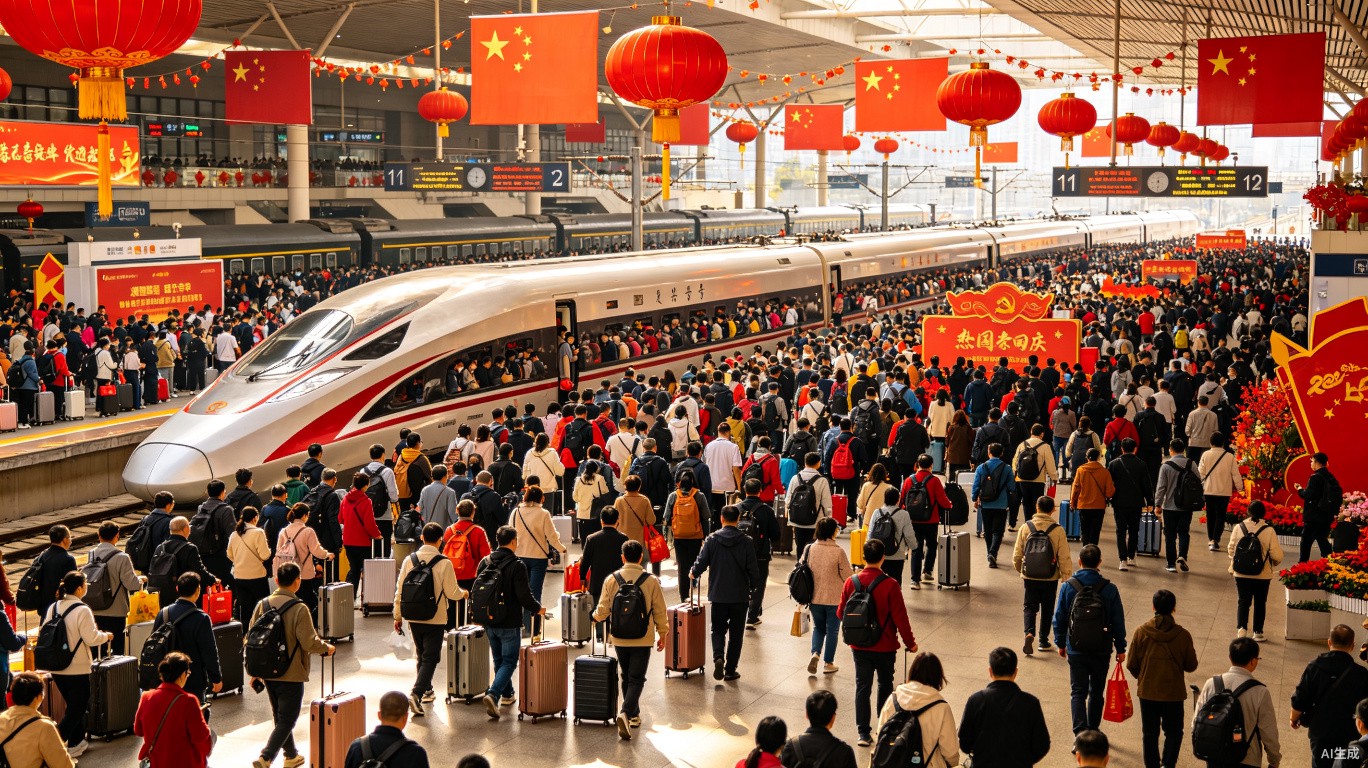
China Golden Week Travel Survival Guide
How to survive China's National Day Golden Week (October 1-7) - what to avoid, where to go, and how to beat the crowds.
9 min read
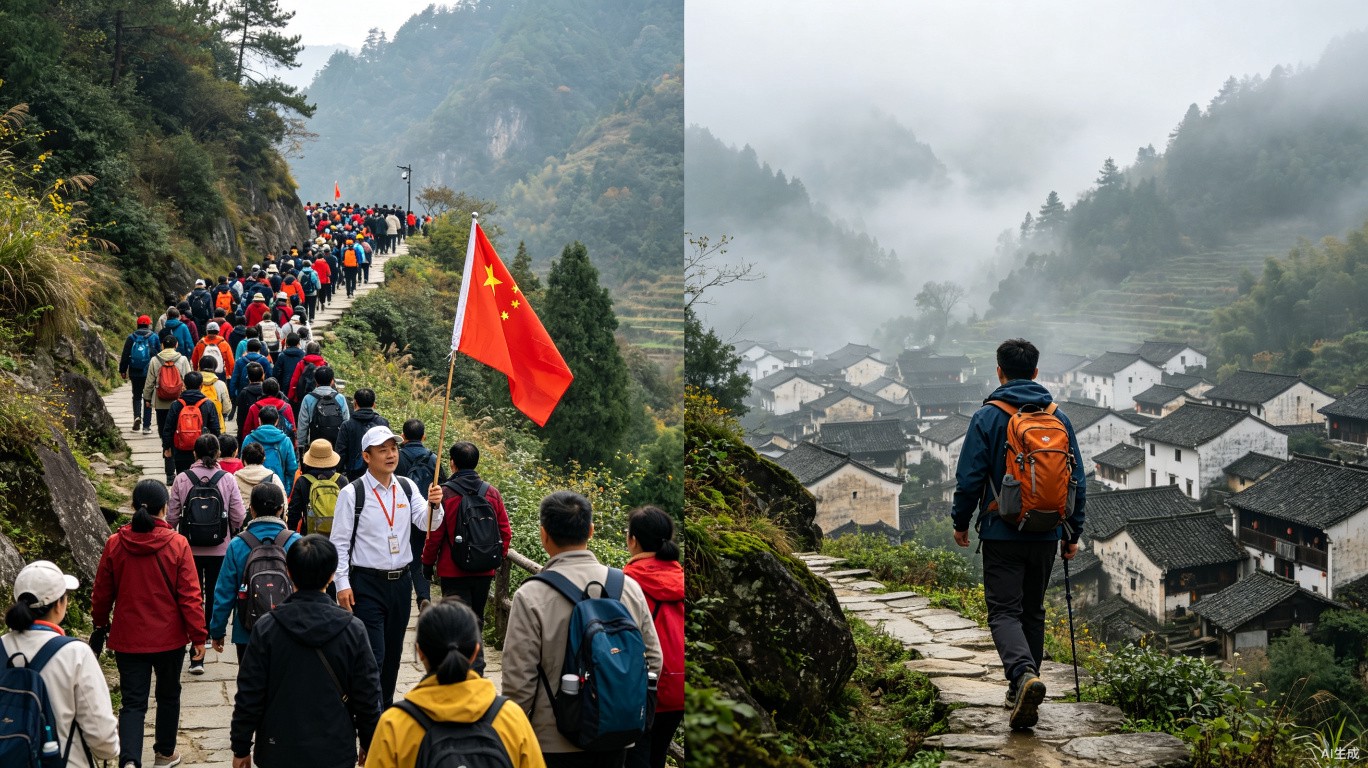
China Group Tours vs Independent Travel Which is Better
Should you join a guided tour or travel independently in China? Honest comparison of cost, flexibility, and experience.
7 min read
China Itinerary Planning: 7-Day 14-Day and 21-Day Routes: The Complete 2026 G...
Not sure how many days to spend in China? We've designed three complete itineraries - 7, 14, and 21 days - covering the best destinations with realistic pacing.
9 min read